

Subscribe to continue reading
Subscribe to get access to the rest of this post and other subscriber-only content.
Subscribe to get access to the rest of this post and other subscriber-only content.
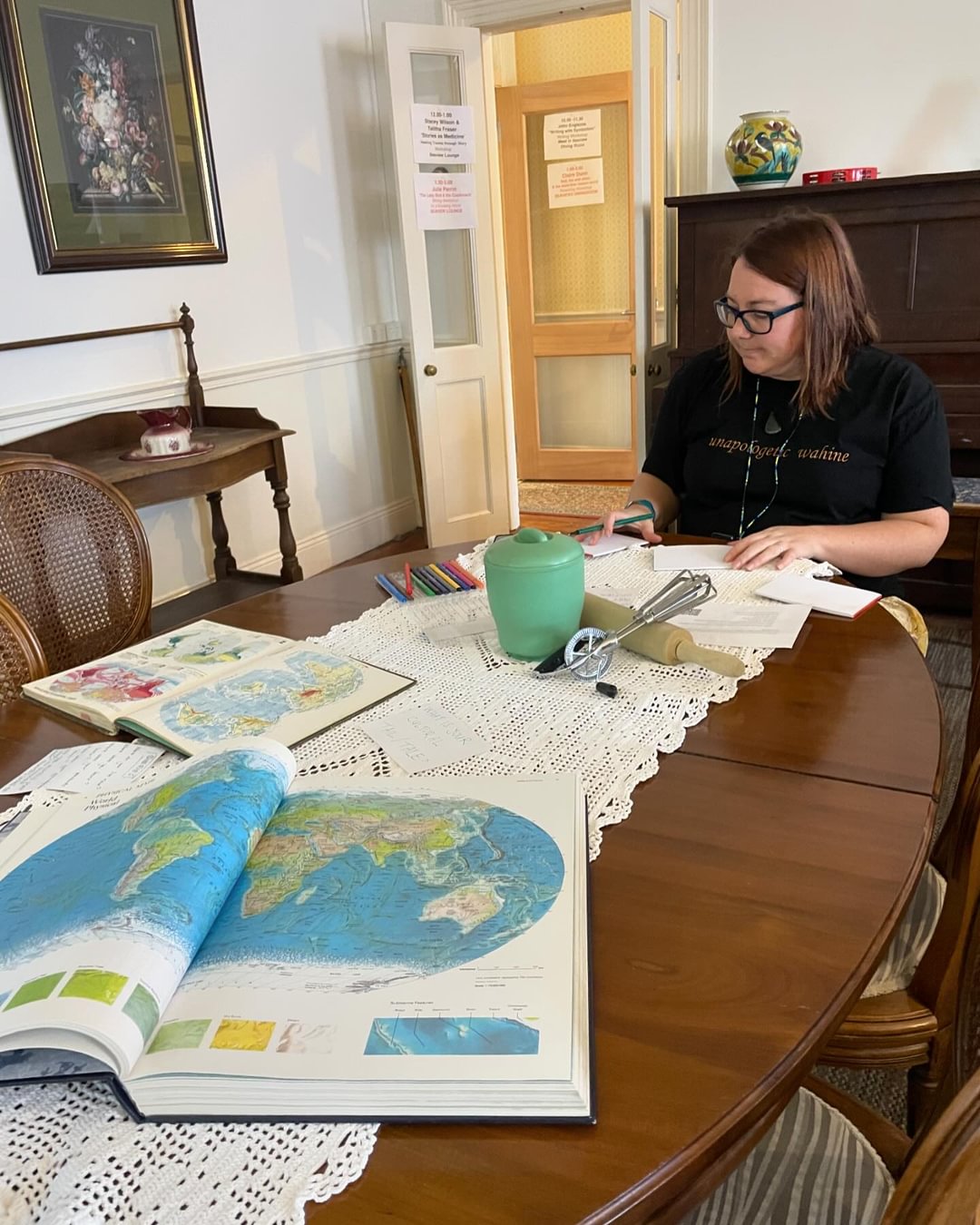
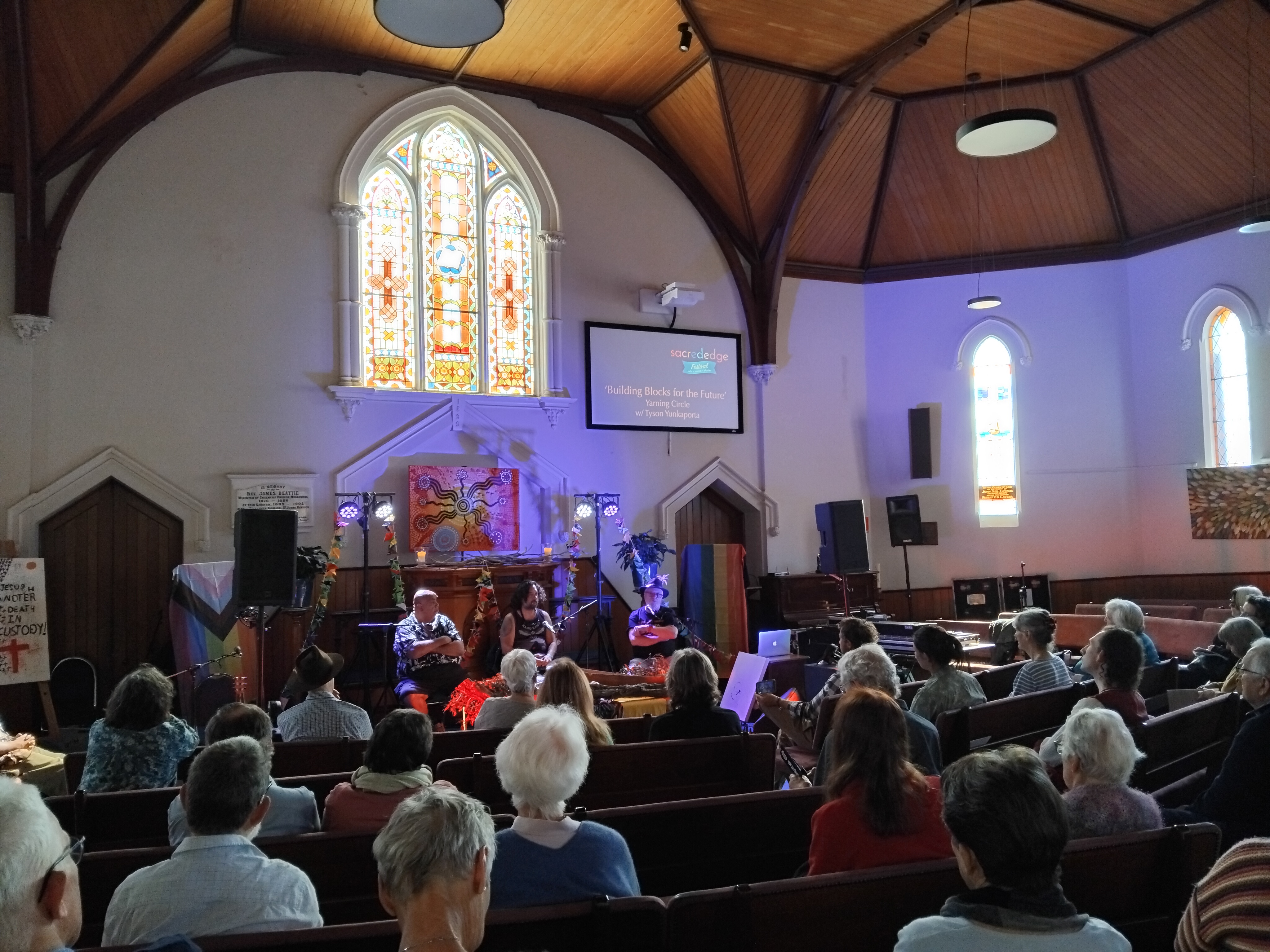
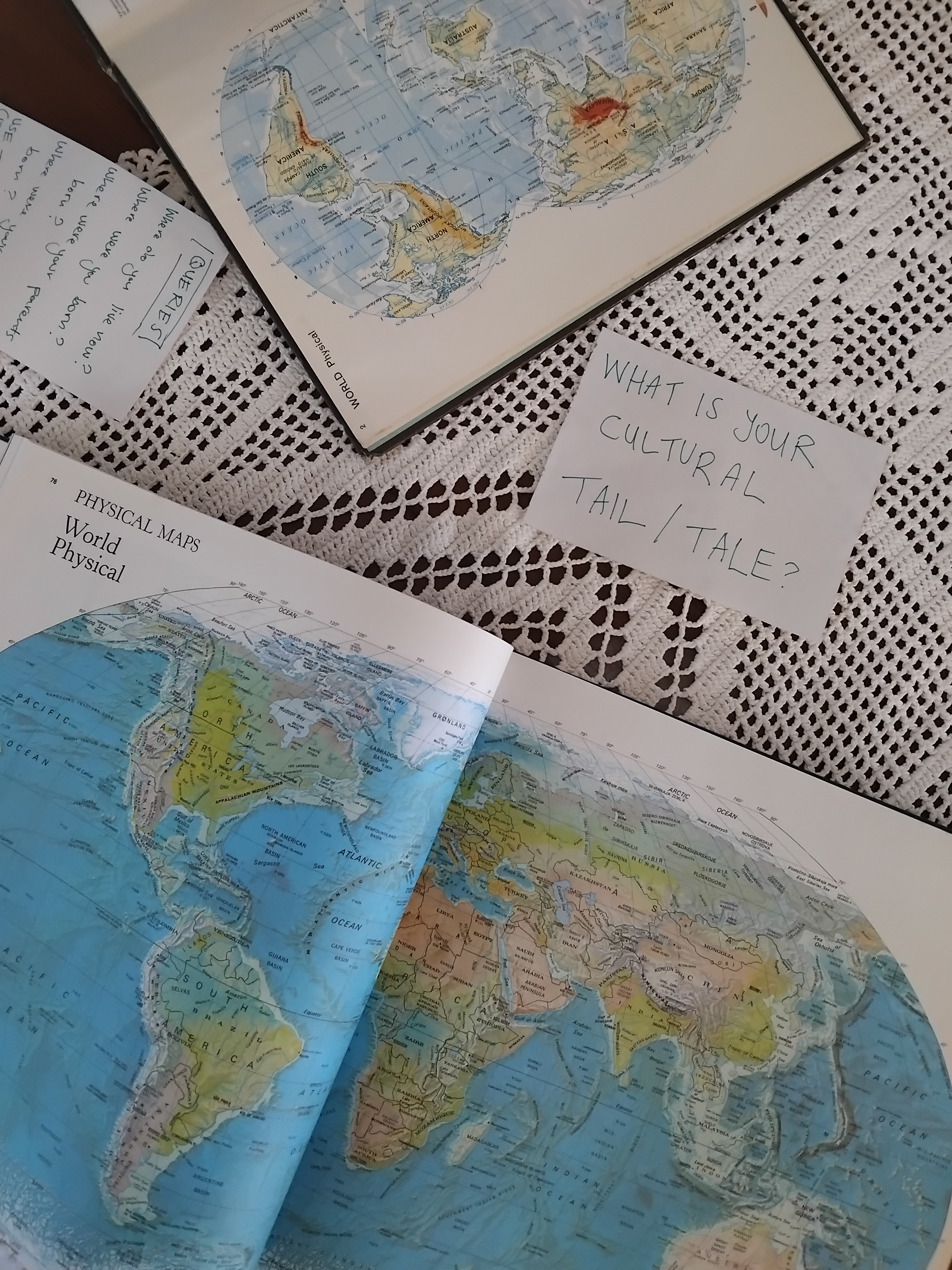
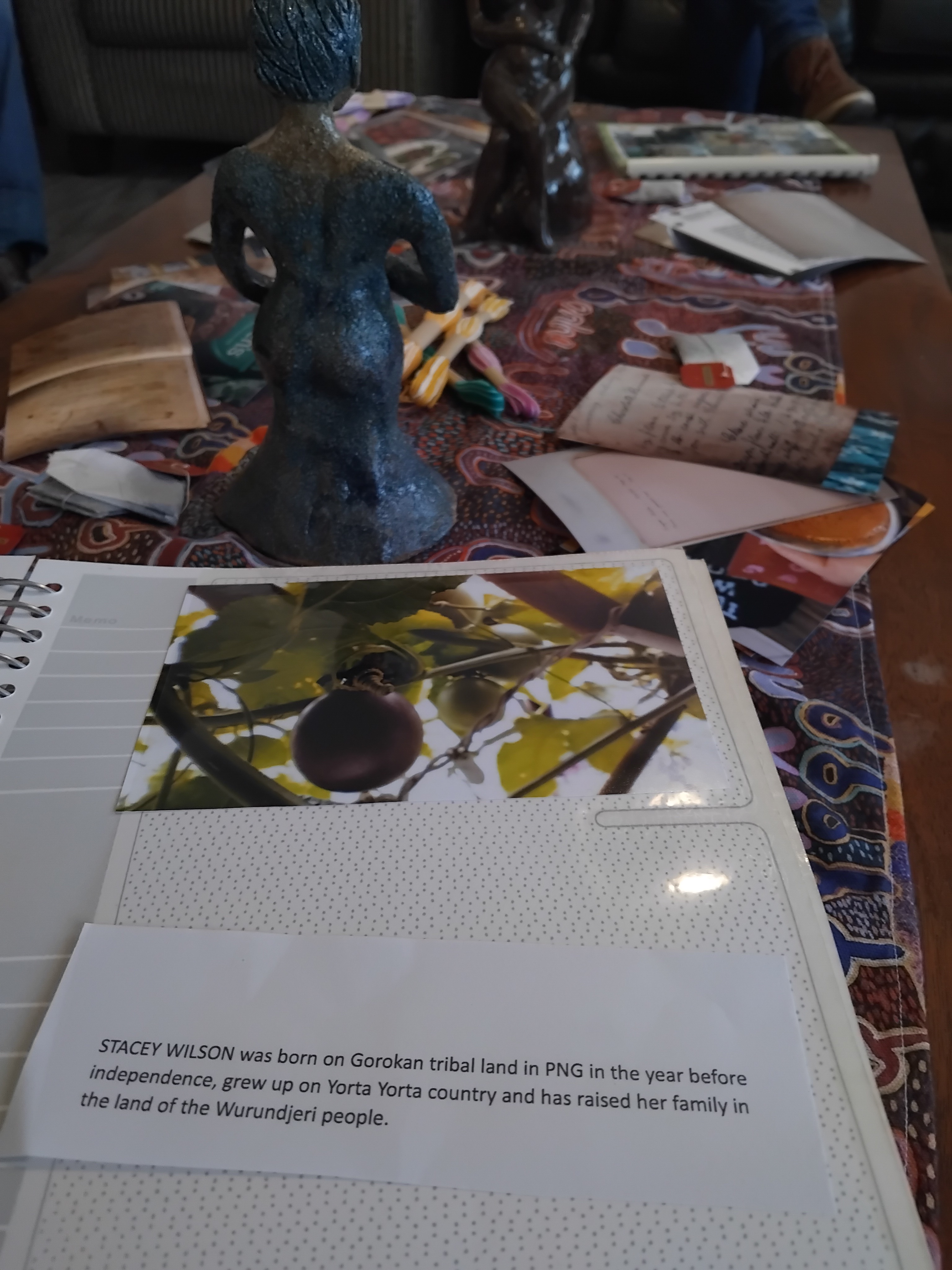
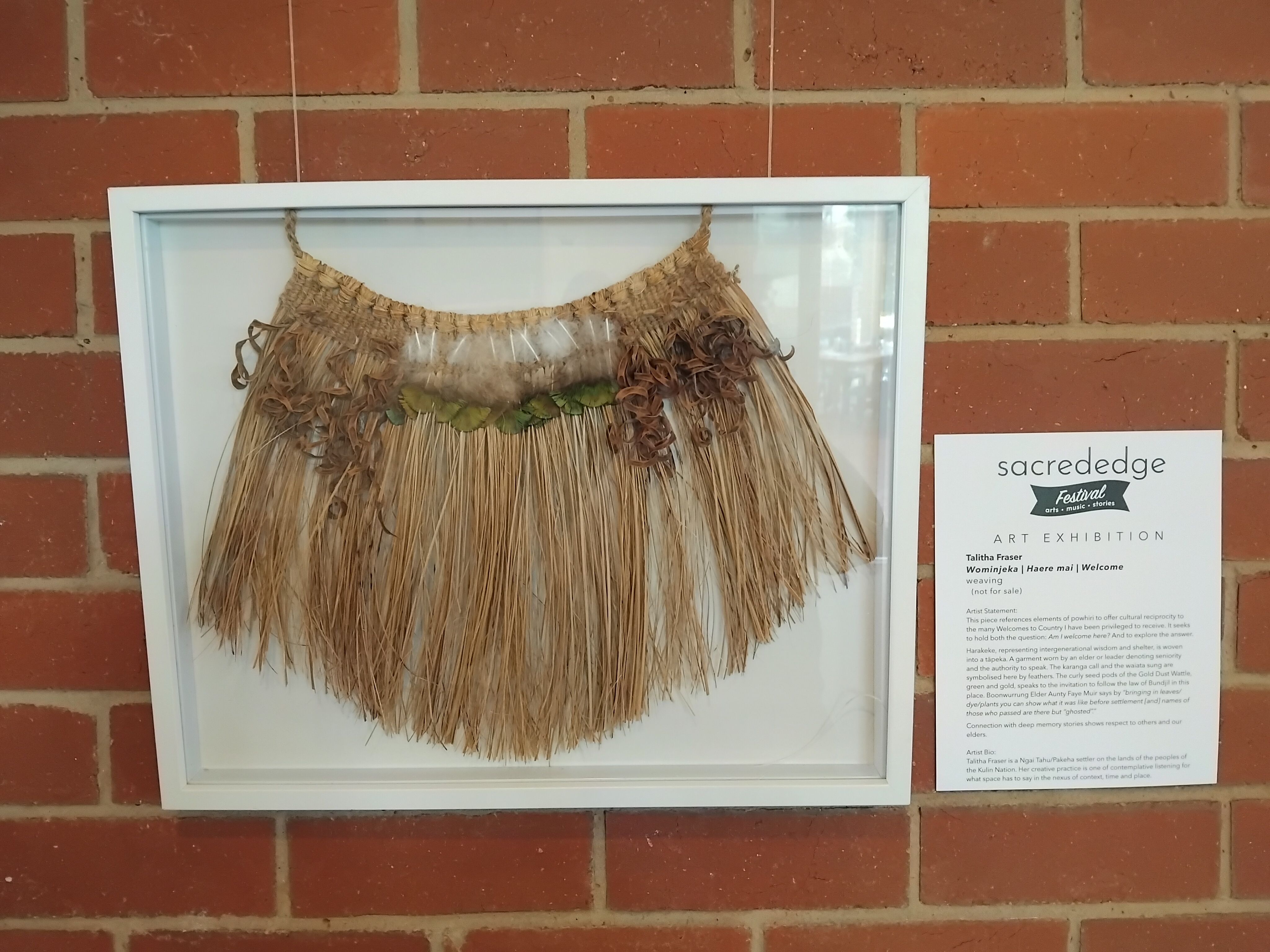
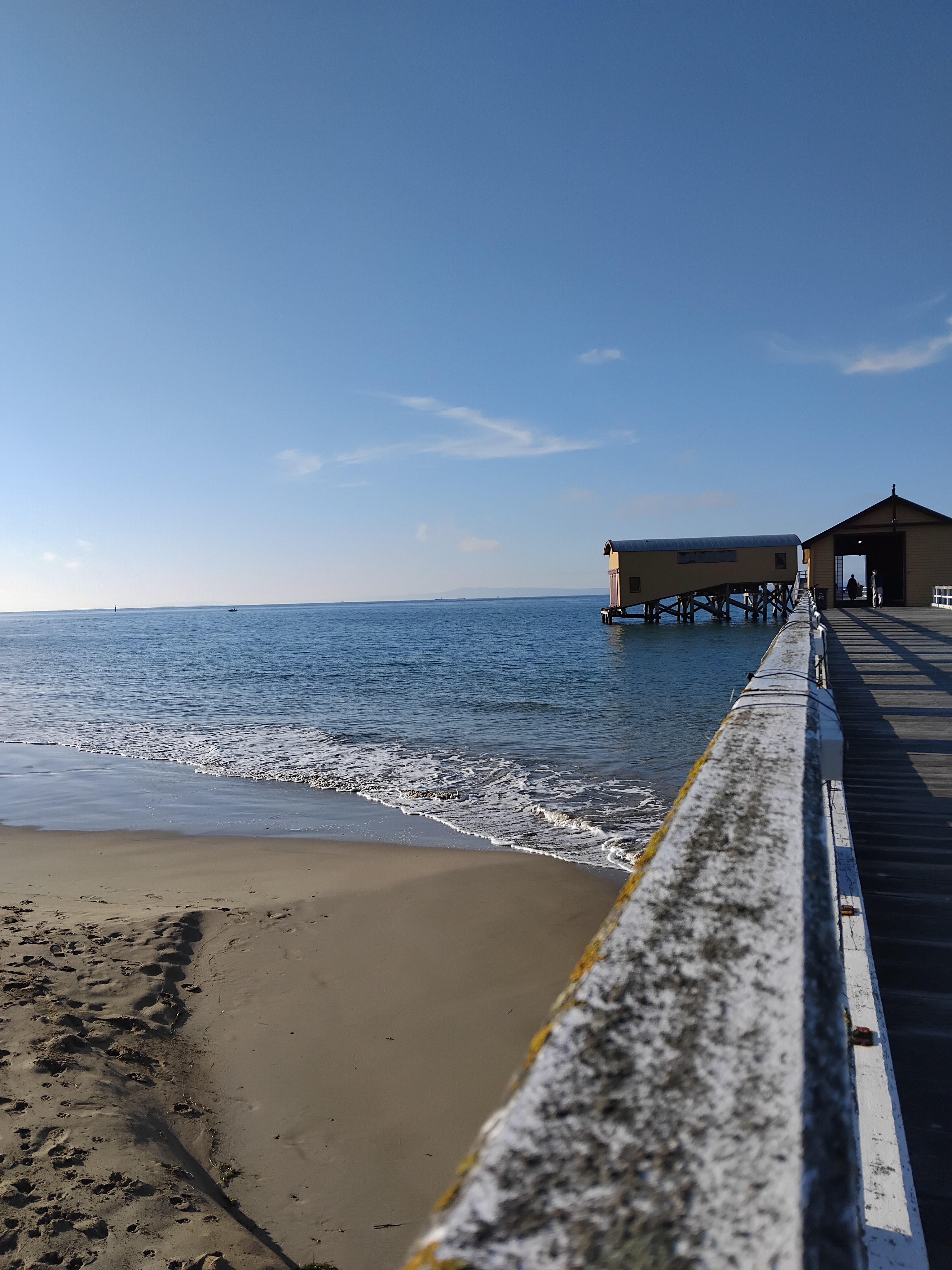
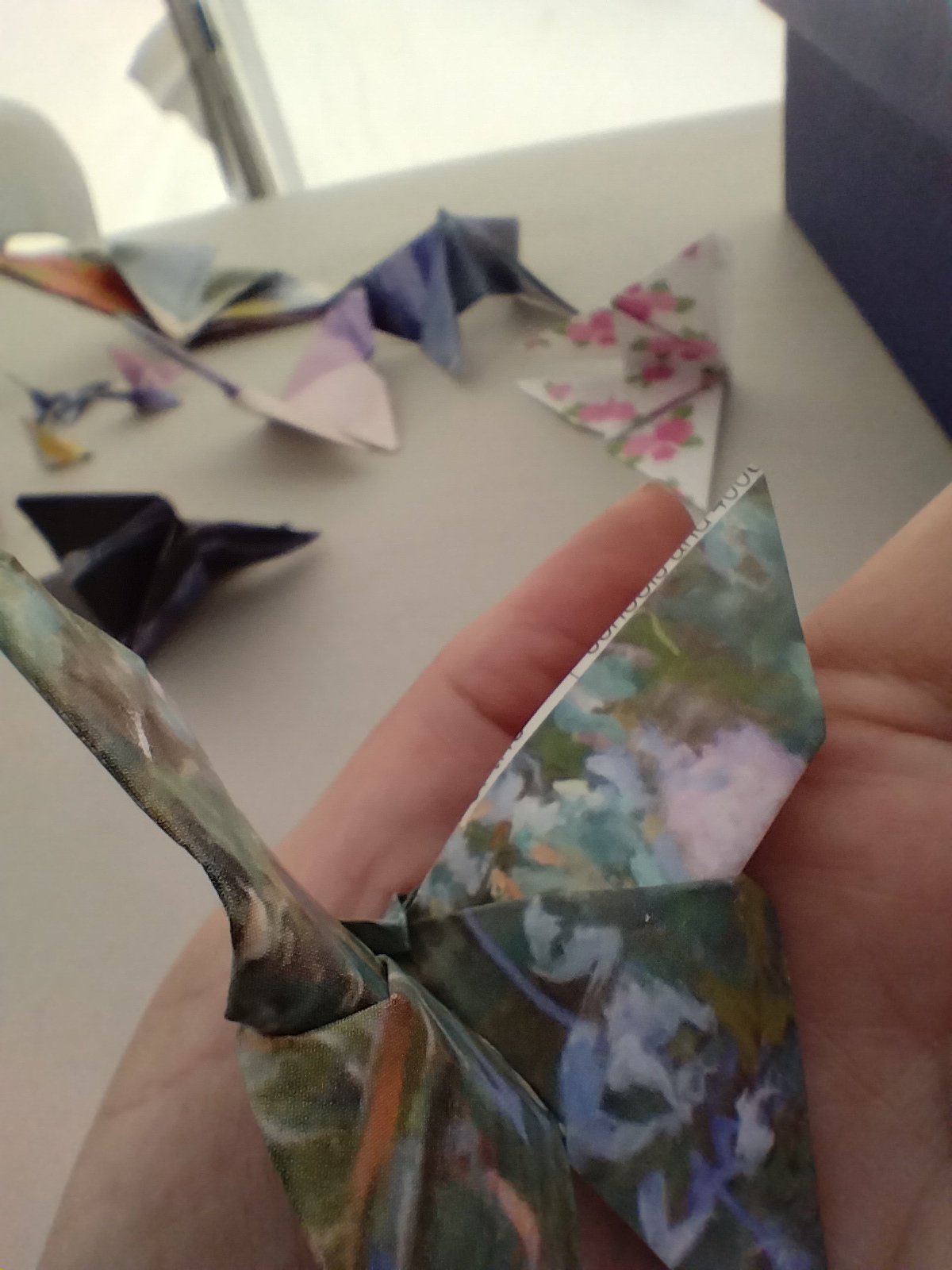
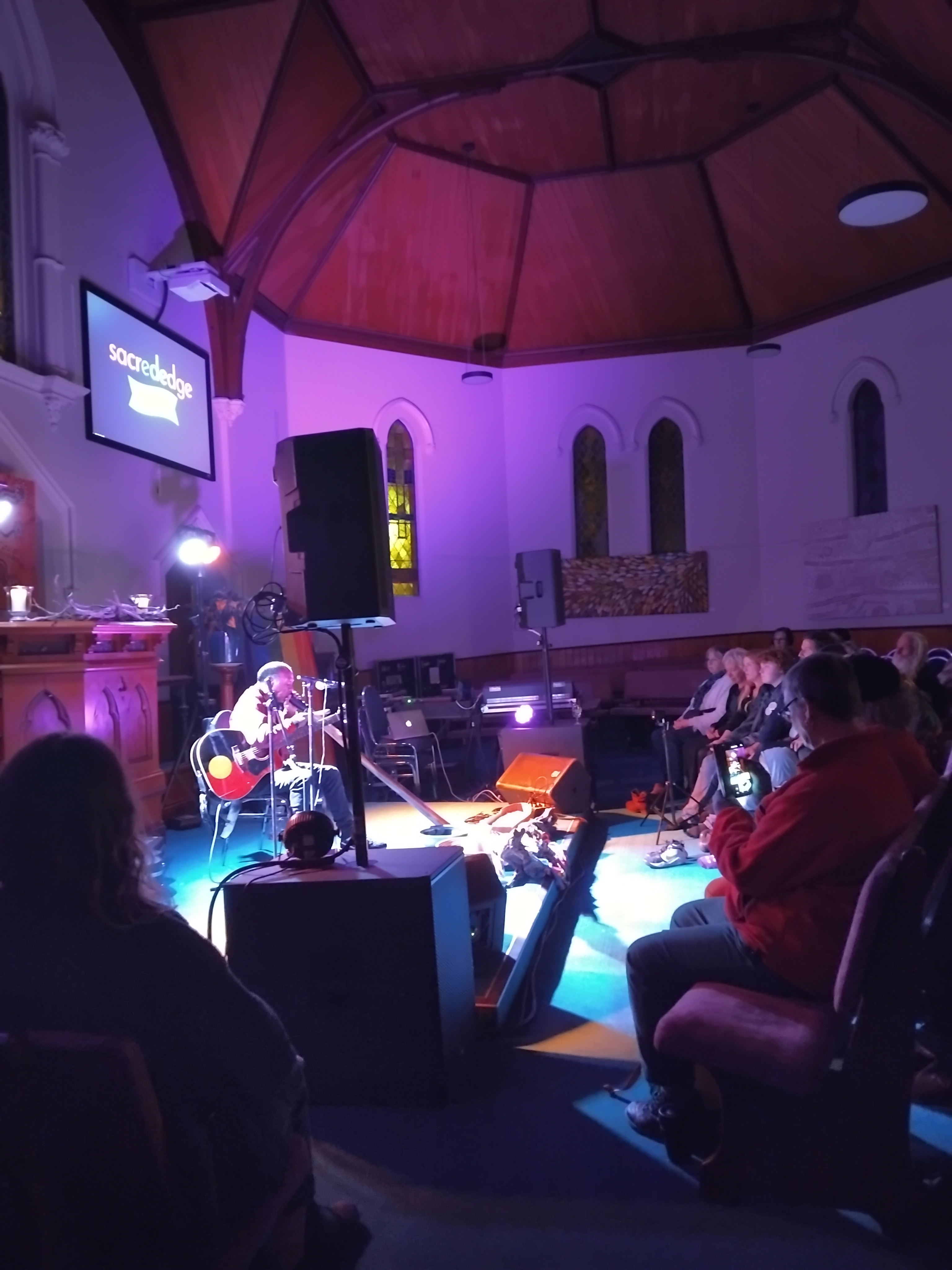
We engaged in a couple of different ways at this years Sacred Edge Festival: volunteering, offering a workshop and putting an artwork in the exhibition.
WORKSHOP: Stories As Medicine
Who directs the narrative of our story? Who writes the ending? Who decides what is meaningful to take away from it? Colonialism, capitalism, and patriarchy are just a few systems that direct the cultural narrative. We are exploring ways our own actions, choices and voice can inform and determine for ourselves how our next chapter unfolds. How may we understand stories as medicine – others’ and our own?
This practical session invites you to explore the use of silence, creativity, storytelling and curiosity to develop tools for creative resiliency that can support healing and recovery for ourselves and others in responding to personal and collective trauma experiences. These skills can be used for self-directed contemplative practices, and facilitating intergenerational community worship gatherings.
ARTWORK: Wominjeka | Haere mai | Welcome
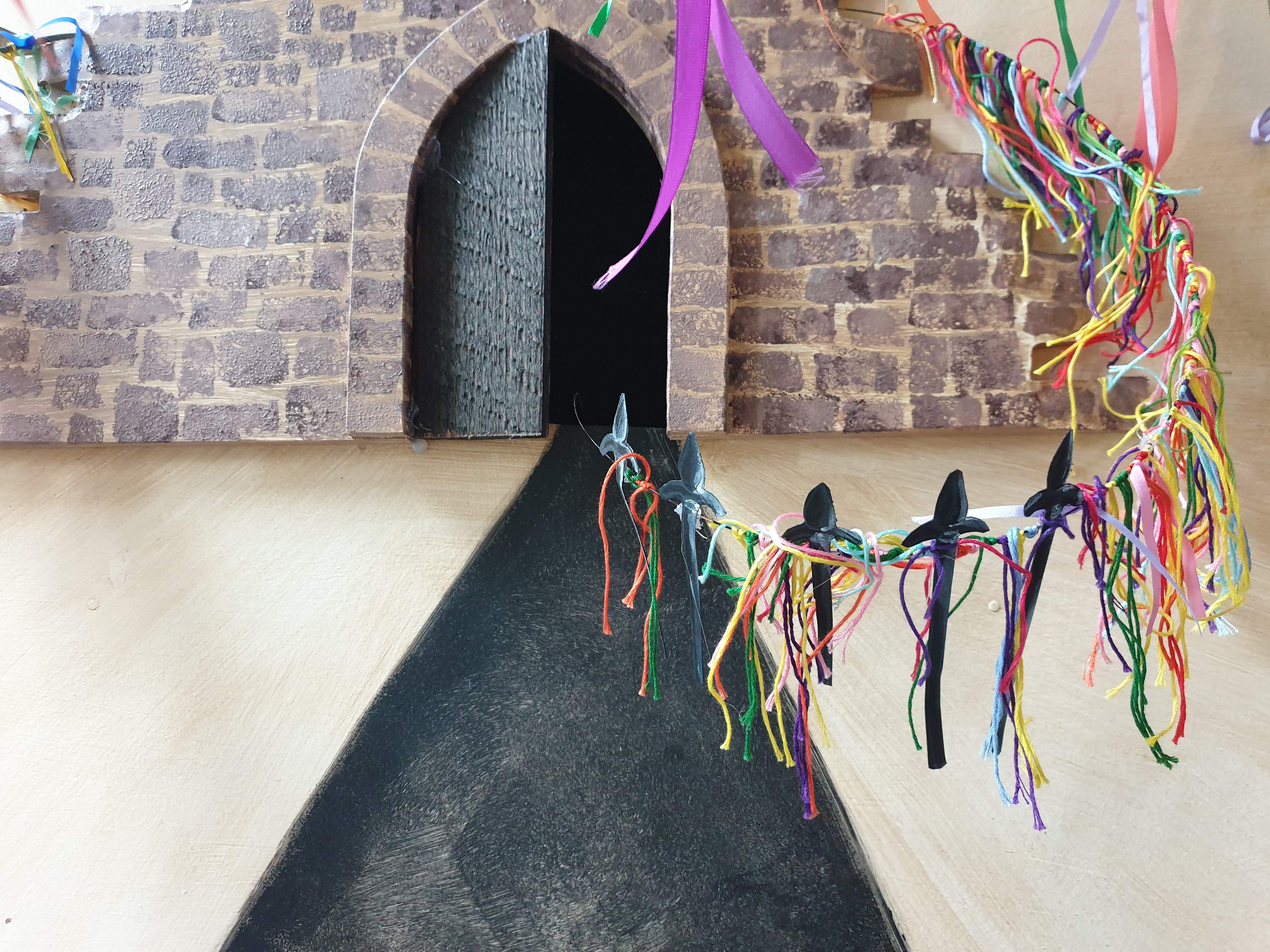
This piece references elements of powhiri to offer cultural reciprocity to the many Welcomes to Country I have been privileged to receive. It seeks to hold both the question: Am I welcome here? And to explore the answer.
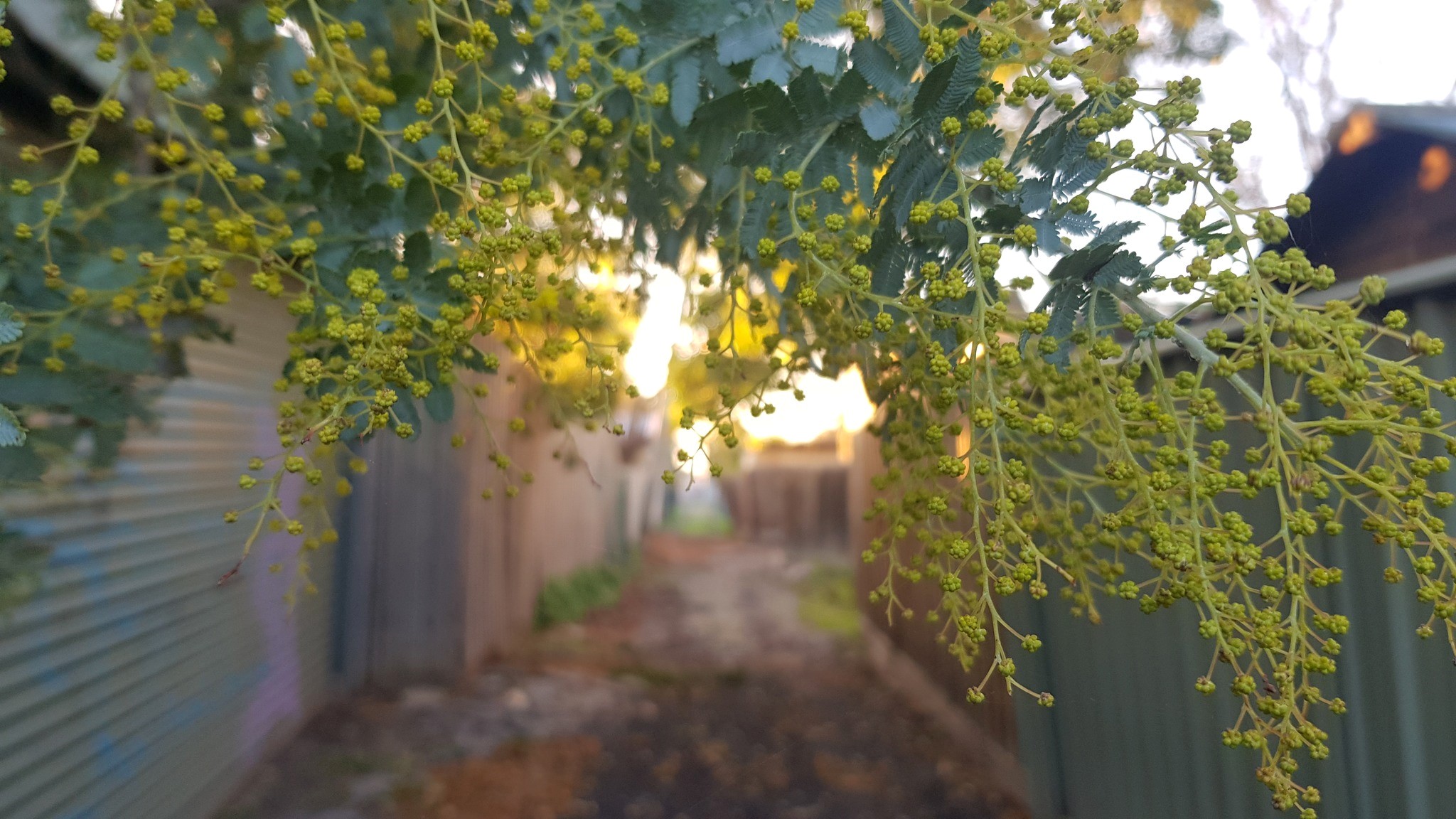
Harakeke, representing intergenerational wisdom and shelter, is woven into a tāpeka. A garment worn by an elder or leader denoting seniority and the authority to speak. The karanga call and the waiata sung are symbolised here by feathers. The curly seed pods of the Gold Dust Wattle, green and gold, speaks to the invitation to follow the law of Bundjil in this place. Boonwurrung Elder Aunty Faye Muir says by“bringing in leaves/dye/plants you can show what it was like before settlement [and] names of those who passed are there but “ghosted”.”
Connection with deep memory stories shows respect to others and our elders.
This year we held the third iteration of the Healing Rites for 7 Sites walk in Footscray.
We are convicted anew of the necessary work of telling our ‘hidden’ stories, acknowledging the pain, and undertaking the healing rites that not only work for our own recovery, but also towards the collatoral benefit of our neighbours and communities.
The Healing Rites for Seven Sites are an invitation to walk the way of the Southern Cross, and visit seven sites looking at issues we all grapple with, such as the referendum result, addressing food security when the cost of living is so high, climate change and the impact of the Maribyrnong flooding. By connecting with significant social issues of our time, in curated and collective ways, we believe can develop tools in creative resilience and recovery that can keep us hopeful.
This tool is most effective when it tells site specific stories – do you know the stories of your place?
This is an offering we make free to our community – if it’s something you see value in, please feel free to make a koha (gift) to our work to support us to show up this way.
I have been a visitor of Gembrook Retreat for over 10 years, visiting more or less often depending on work, community, covid…
As someone living in Footscray, an industrial suburb of Naarm Melbourne’s inner west, getting “across the city” to the eastern hills is the part of my journey that feels longest. Today, as I set out, my Google navigation advised that there had been an accident on Elliott Ave (round the Zoo) that was causing a 17 min delay on my route and advising this was still the fastest route because of road works.
At this point, I am thinking unkindly about Melbourne roadworks, drivers who have accidents, and more unkindly still, about the frustrated and angry drivers who pass them. Briefly, I consider whether this is a sign not to go, instead… I take another way. It is out-of-the-way, it is further north than I need to go but I am moving and avoiding angst.
I have made a decision about the kind of drive I want to have and the kind of driver I want to be.
It might be because I had this heightened sense of alert towards route variations activated that I noticed – for the first time ever – an alternative road towards Gembrook that is purportedly only 4 mins longer (I meandered taking it in and stopped and took photos for this post so don’t hold me accountable to that).
This new route took me ‘below’ the Cardinia Reservoir instead of following the main road C413 above it.
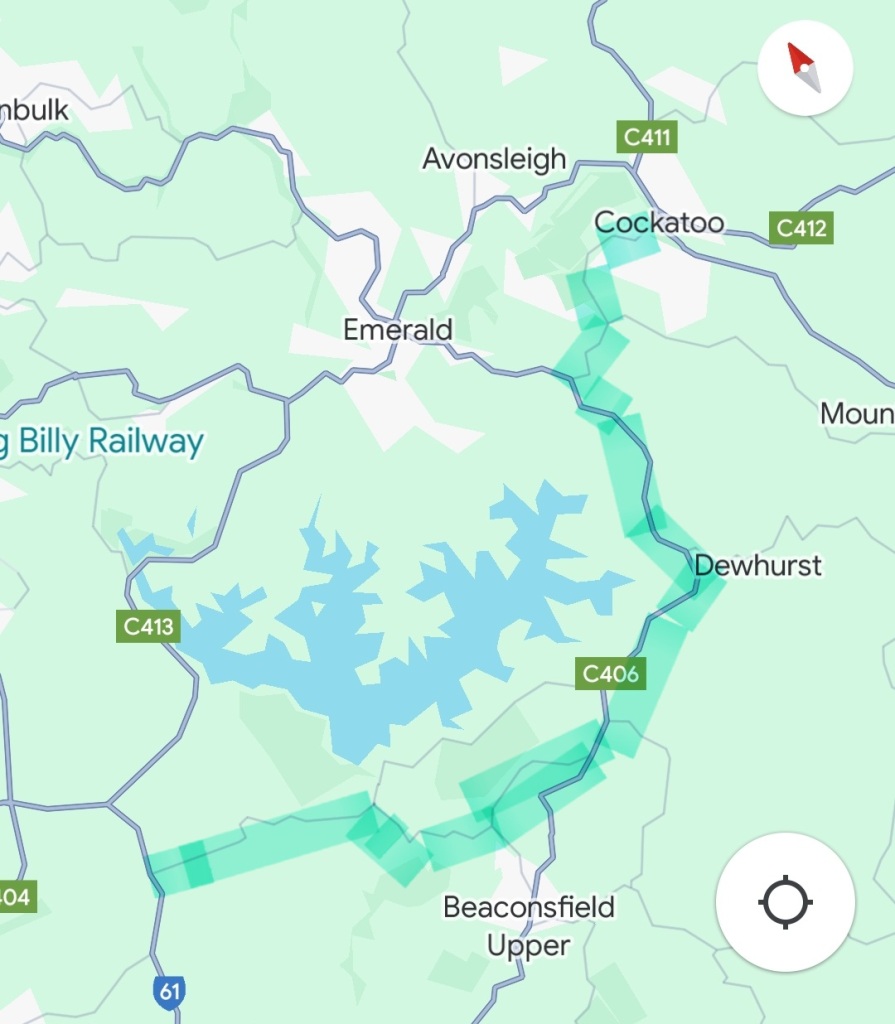
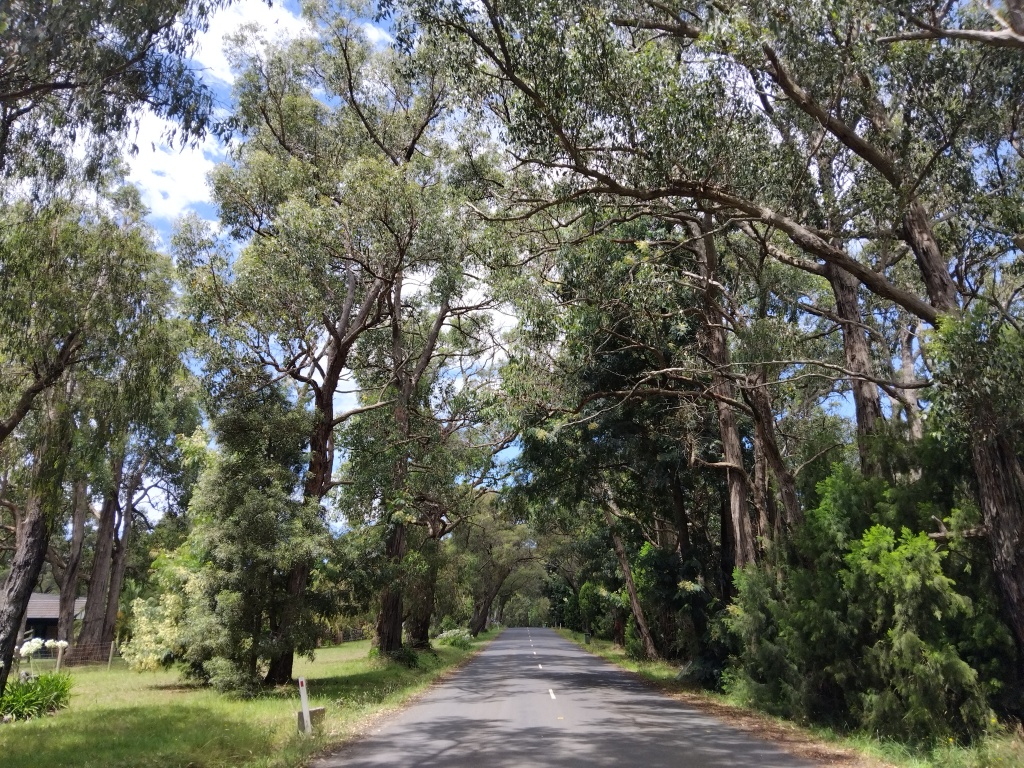
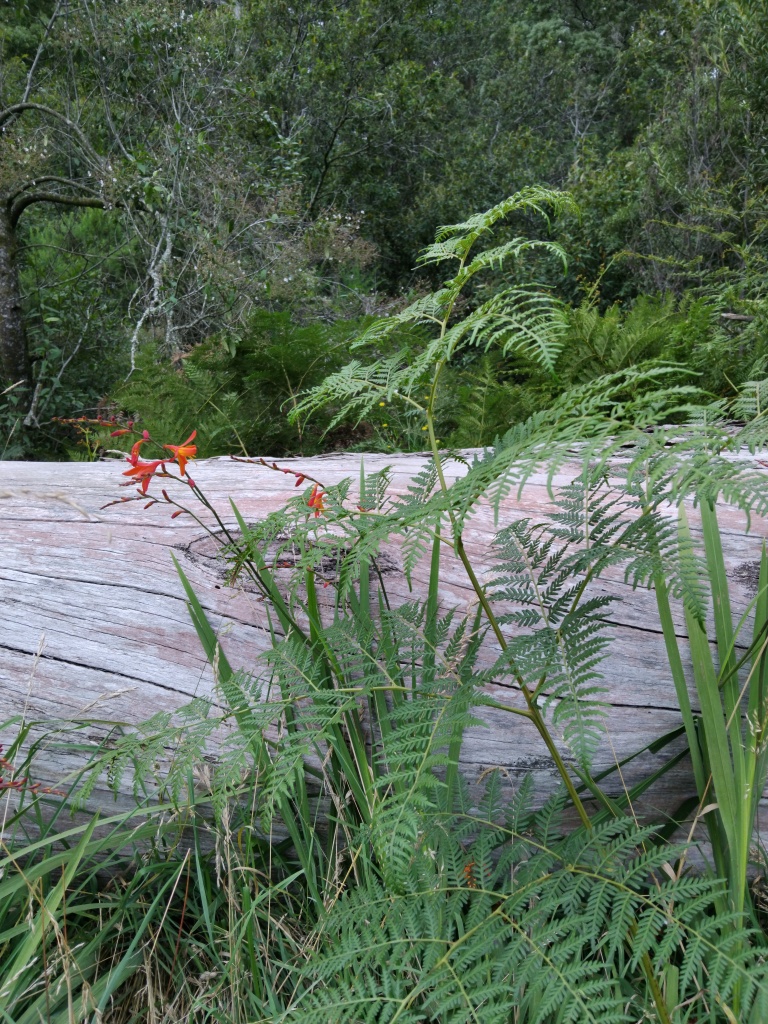
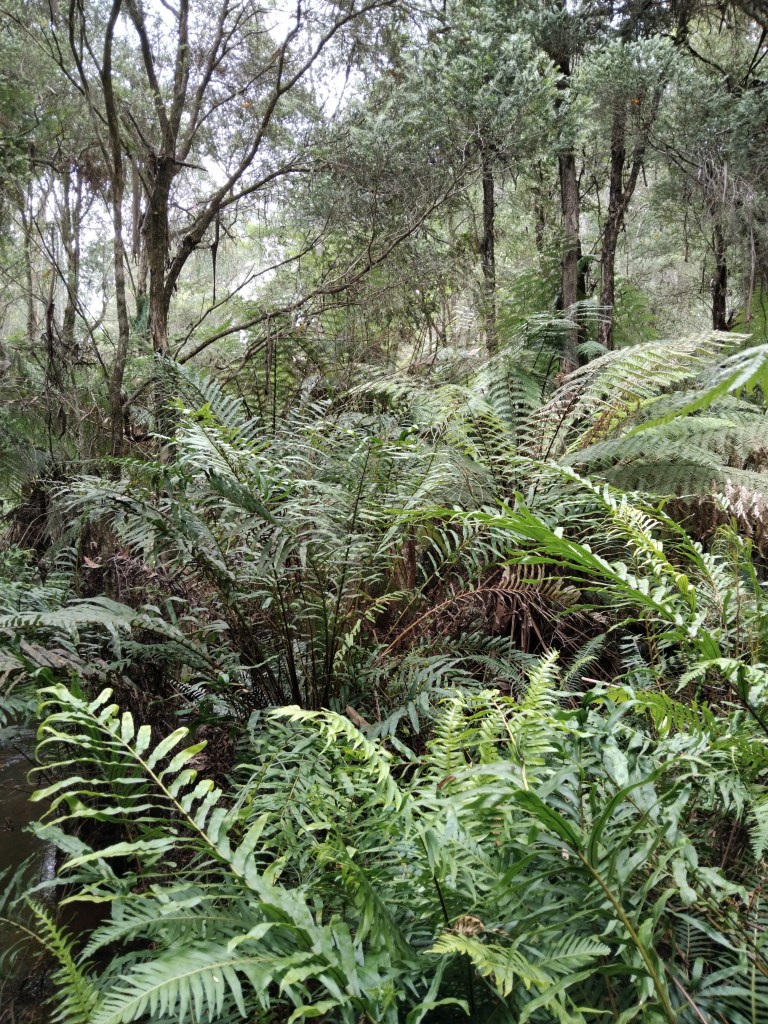
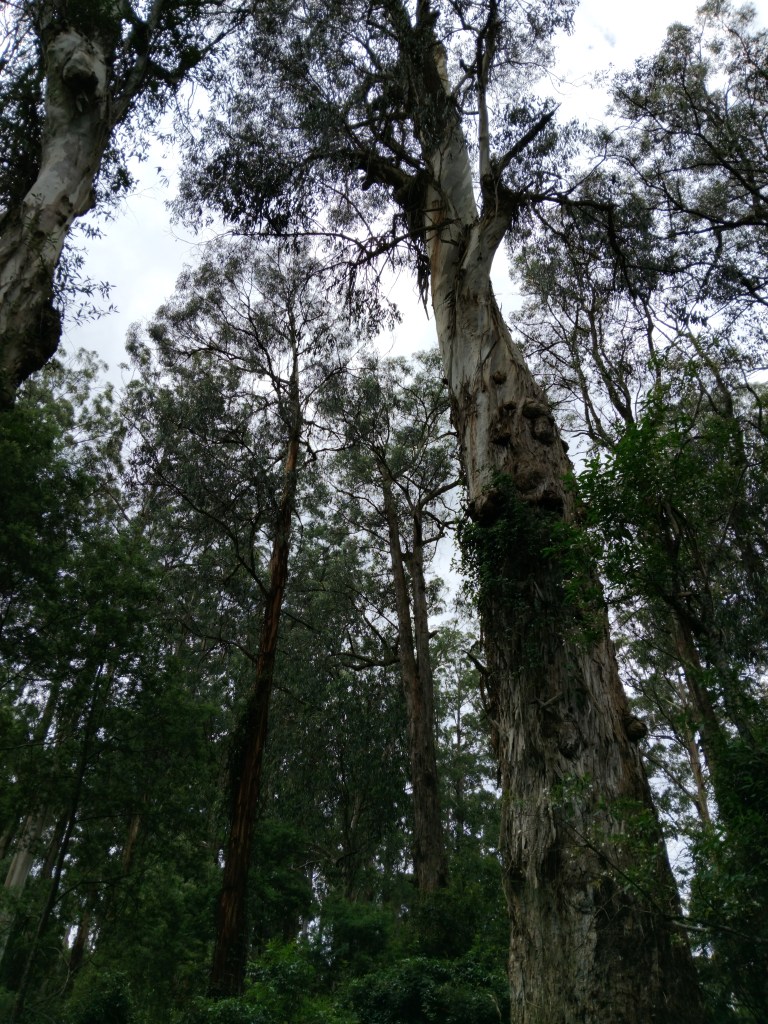
This windier route (Boundary Rd, Alber Rd, Stony Creek Rd, left on the C406 to Paternoster Rd, Bailey Rd, McBride St) is therefore slower, and more scenic. There are not buses, nor schools. Old gums soar outstretched arms to the sky and create a welcome avenue of shade on this 30° summer day.
The hay is being rolled up, sprays of golden wattle are opening, and the pops of orange Flowering Gum are like unexpected flumes of fireworks, highlights amidst lush greens.
As I come this slower and more beautiful way, I can feel an easing in my breath and body. I am becoming more present to where I am now – rather than focused on getting ‘away’ from home or ‘arrived’ at Gembrook. The emphasis is not on the fastest way or most direct.
The image of a labyrinth comes to mind. The residential community has formed one in the render on David’s Cabin.
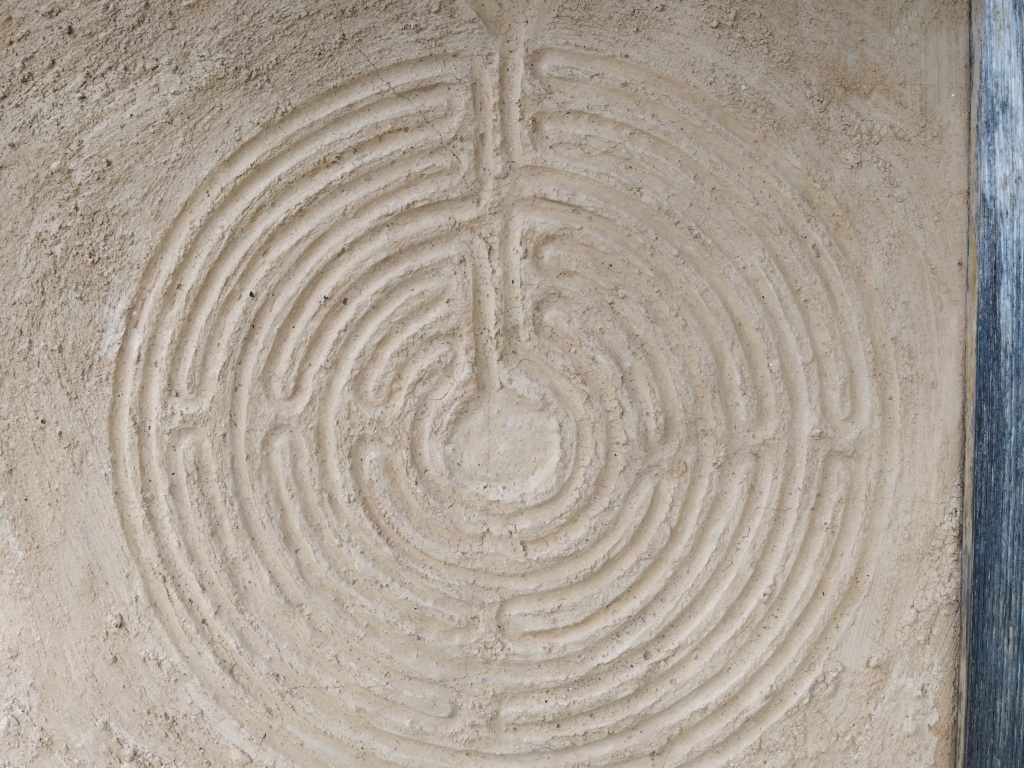
I think there’s something about old pilgrim cities with the church at the centre meaning you had to work to find your way through. The sacred isn’t easy or straightforward to find, you have to work for it, you have to persist.
If you are finding barriers keep coming up to what sacred connection looks like for you, be it: rest, lighting a candle, being in nature, a creative practice, meditation, listening on Country, attending a faith space… Be encouraged, as you take in the above image, that even when the path seems to turn and lead away, there’s really only one path to take and, whatever directions you follow, you’ll get there.
I also got slightly lost on a detour to try and find Gembrook Park which, I did indeed find, but only after exploring what is probably local access rather than the main entrance.
I extend an invitation to you Reader, to get lost and pursue a path more beautiful.
This two-day conference drew together thinkers from within and beyond the church to consider the place of a public theology and Christianity in the aftermath of trauma and abuse.
From Royal Commissions into institutional handling of sexual abuse and disability care, to the role of the church in colonial policies and practices, this conference make space for difficult and crucial conversations between academics, poets, ministers, survivors. Hosted by Janice McRandal of the cooperative, Brisbane, 3-4 November 2023. Loud Fences might be a page of interest, if you want to know about grassroots responses here.
To be able to hold space amidst this significant conversation was profound. We closed out with this sung poem…
begin
begin
begin anywhere
set out
step out
that is where you start
one day you do it
different than yesterday
ever so slightly
and it changes the world
Talitha Fraser
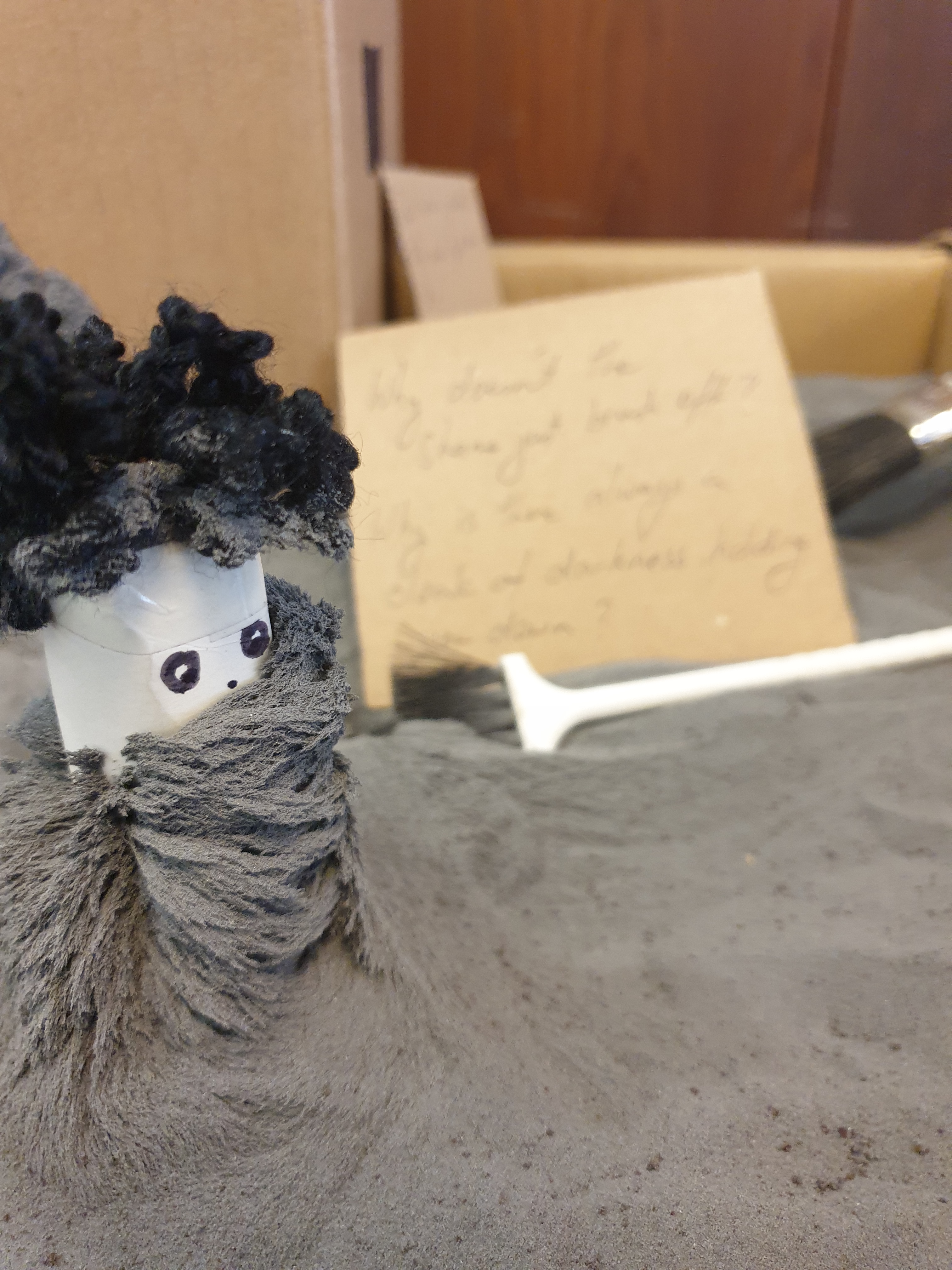
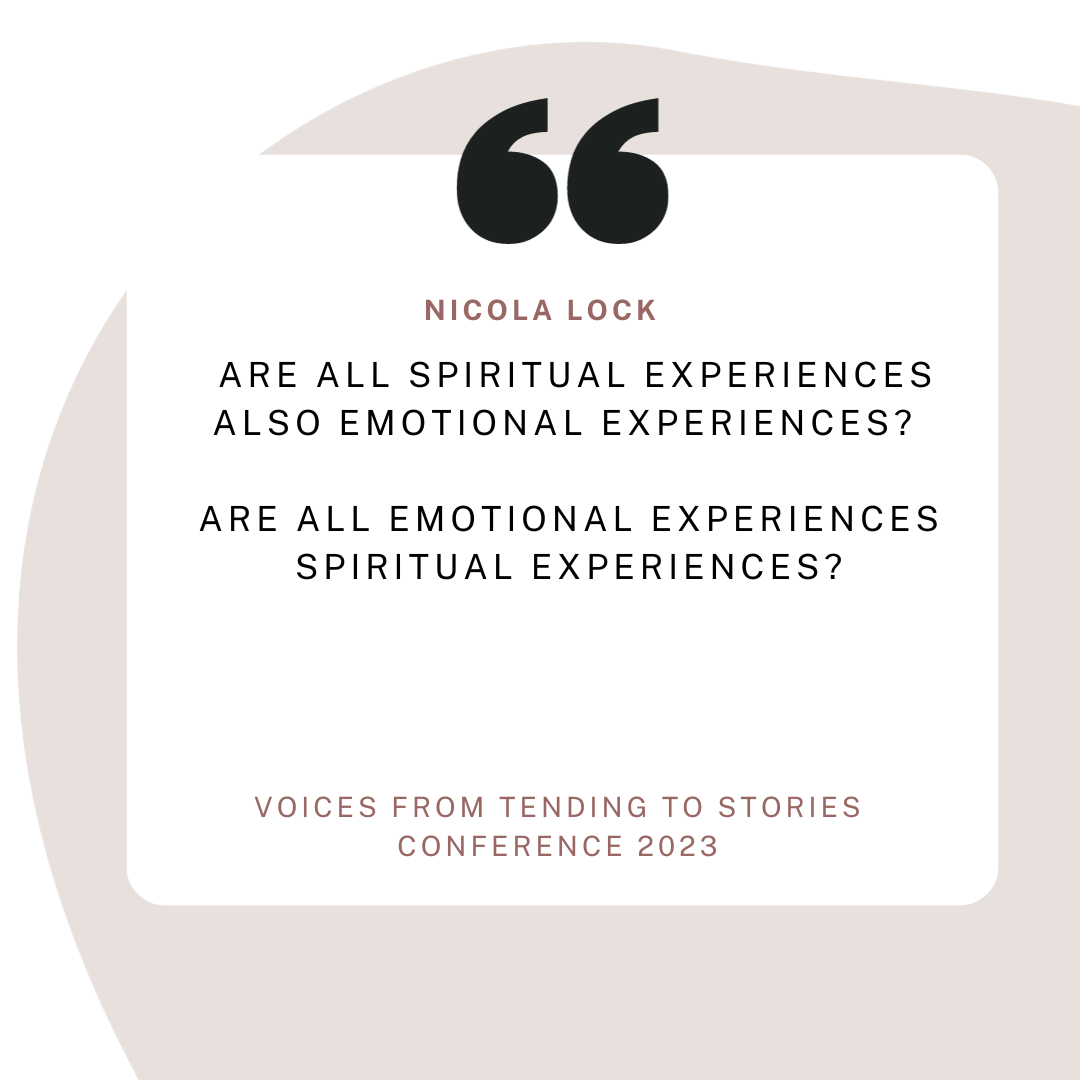
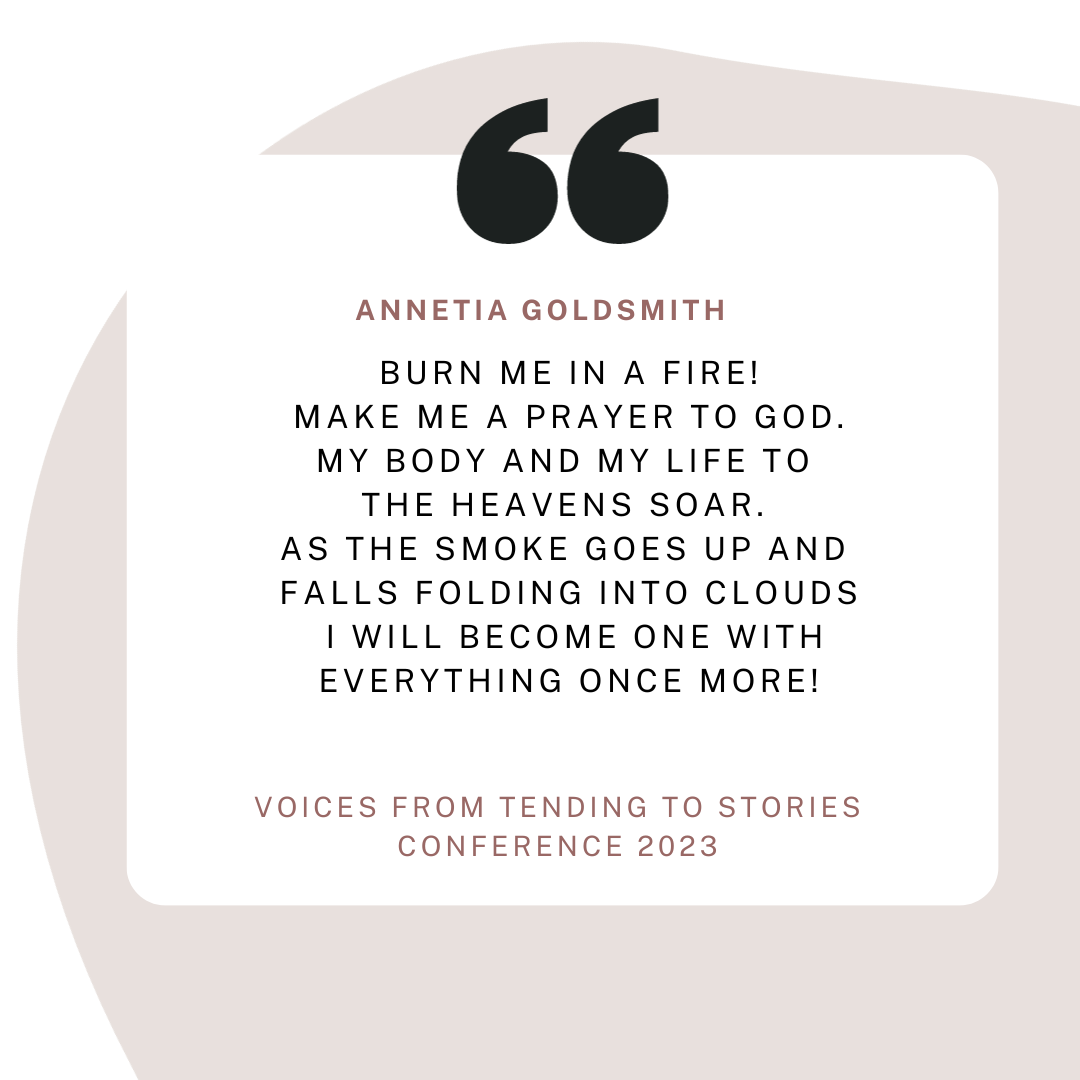
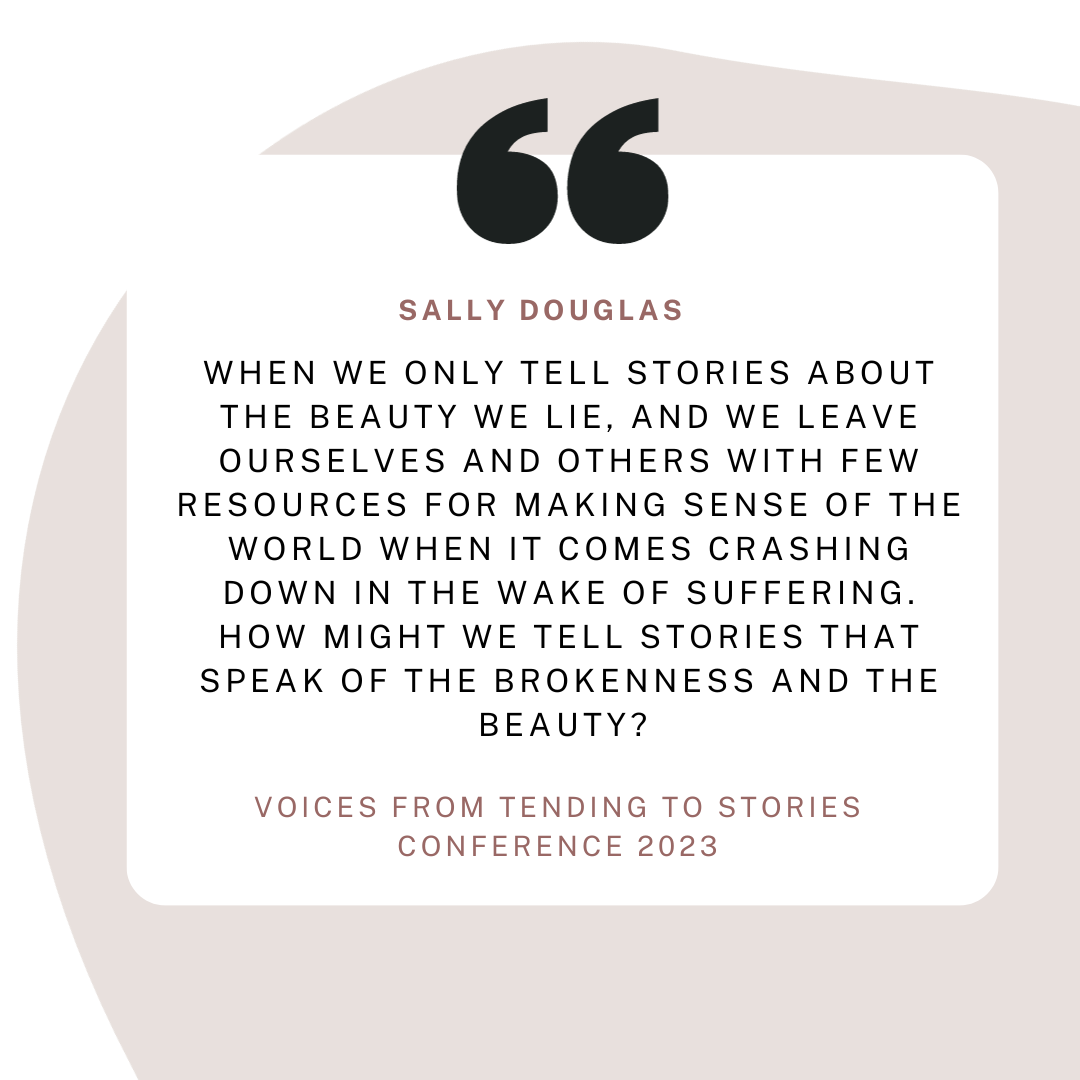
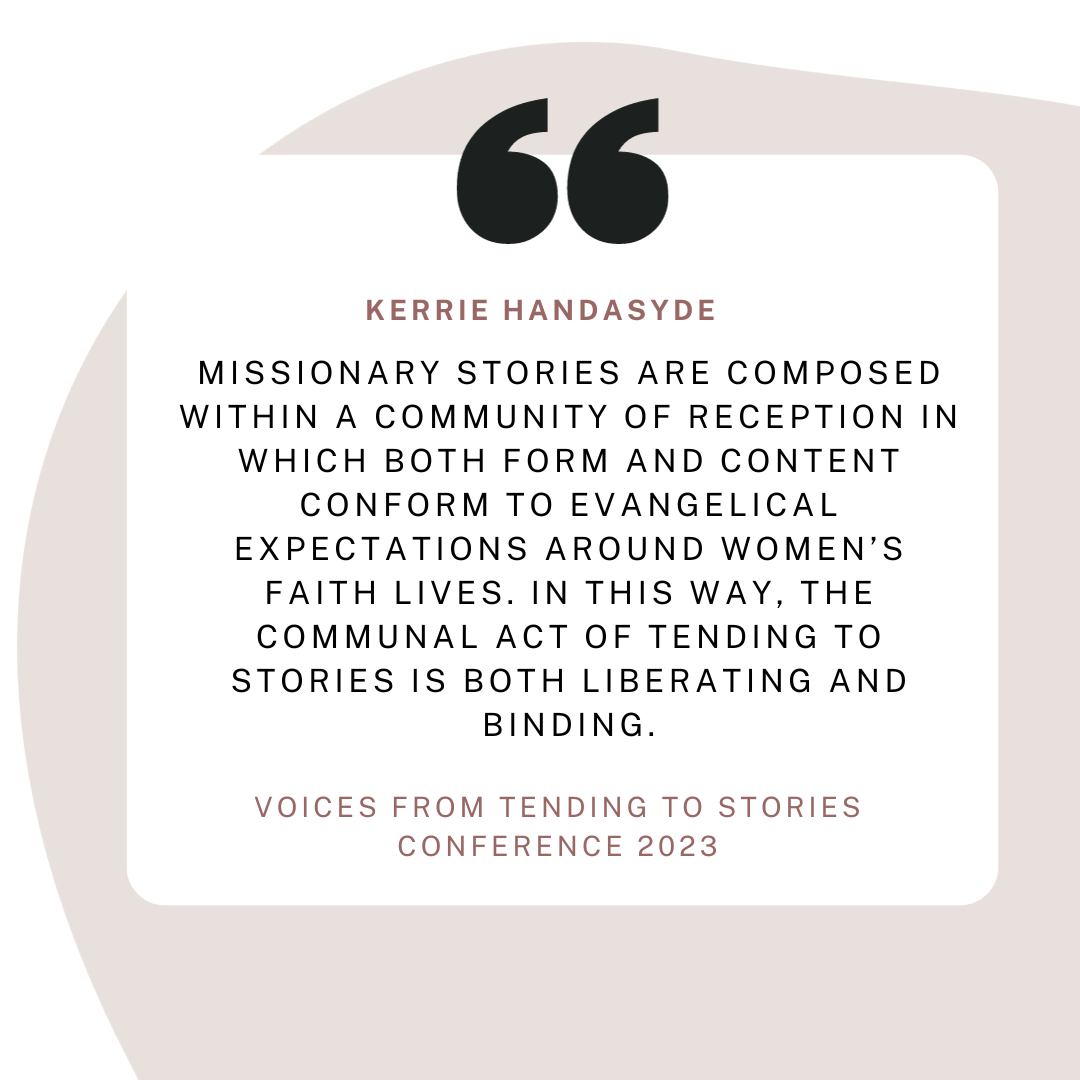
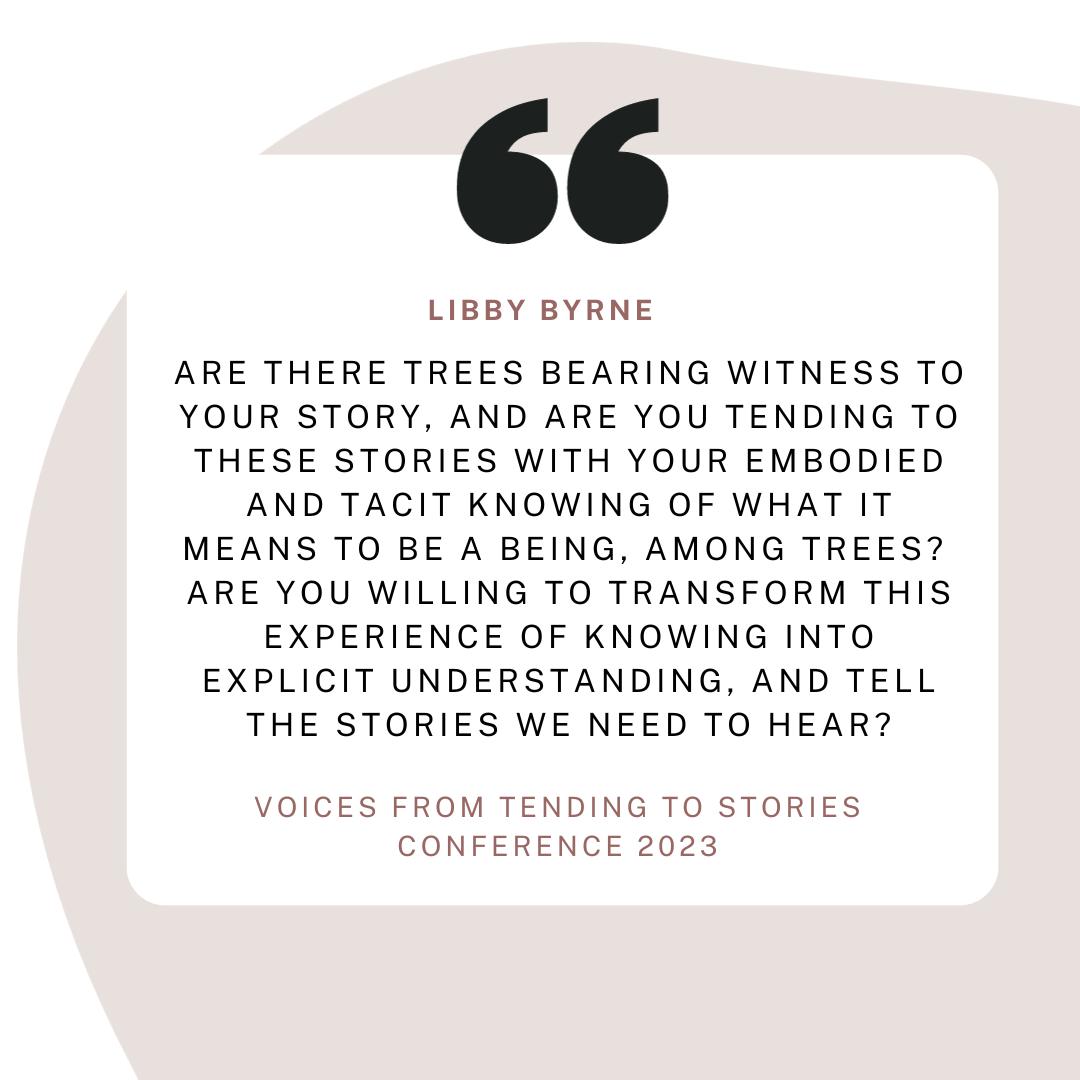
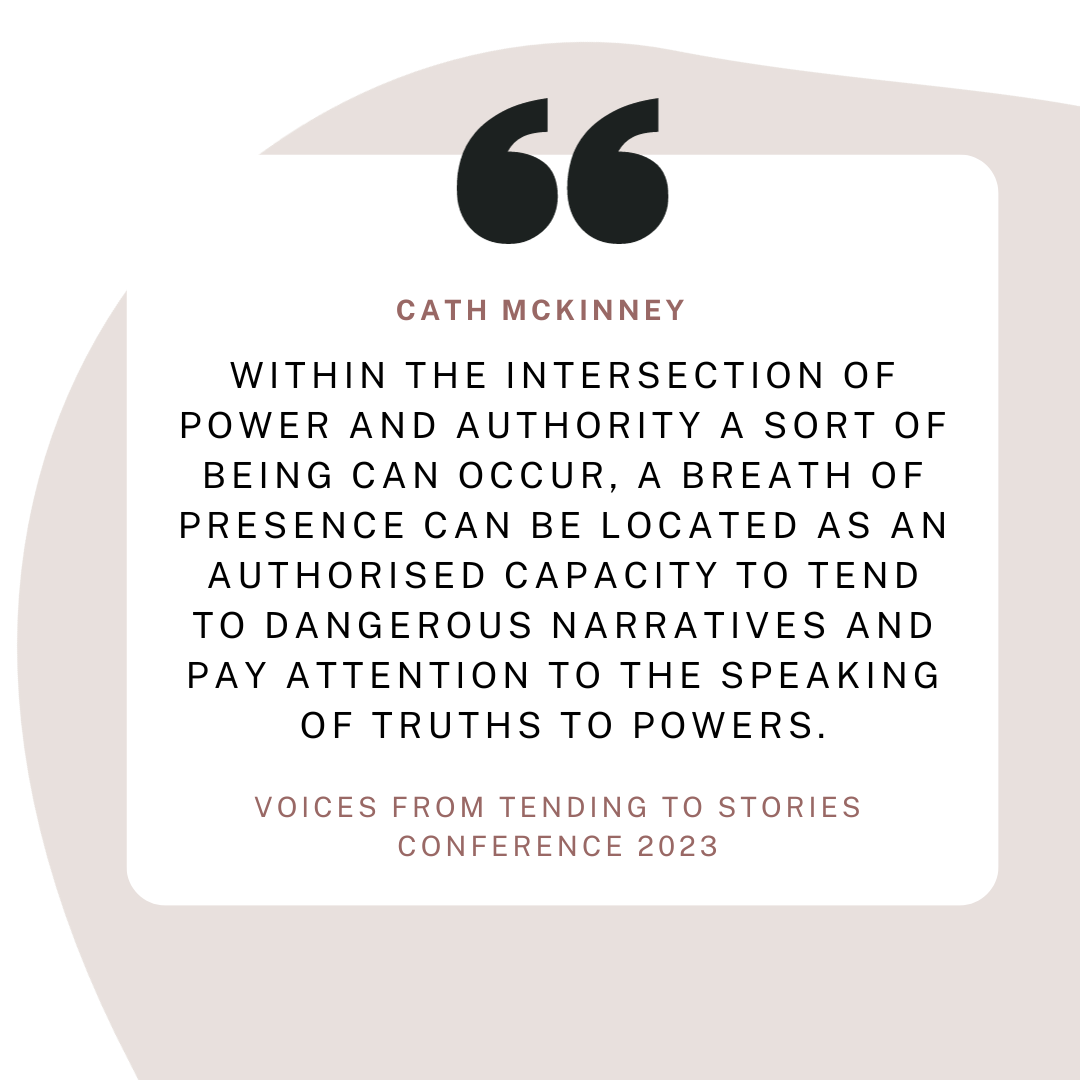
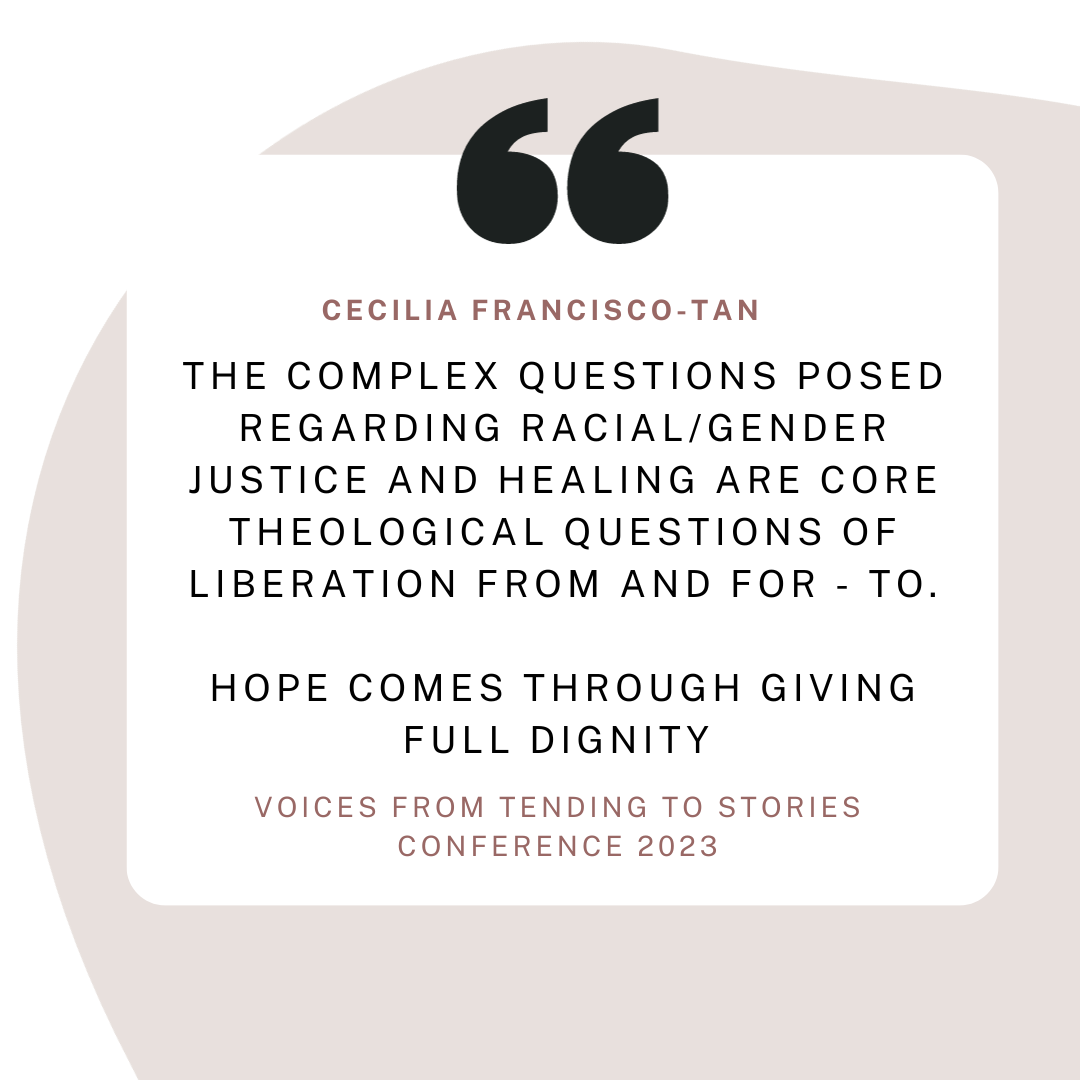
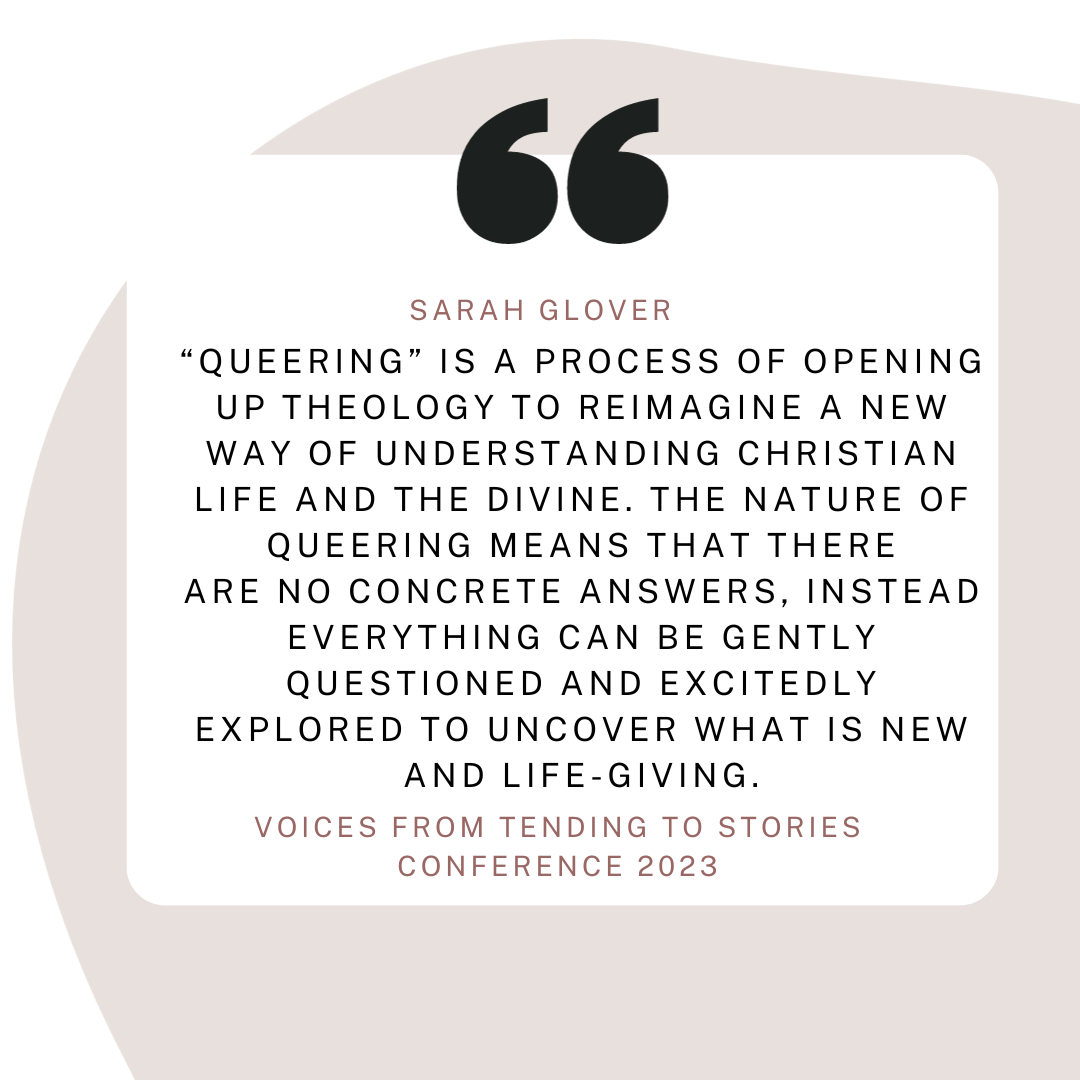
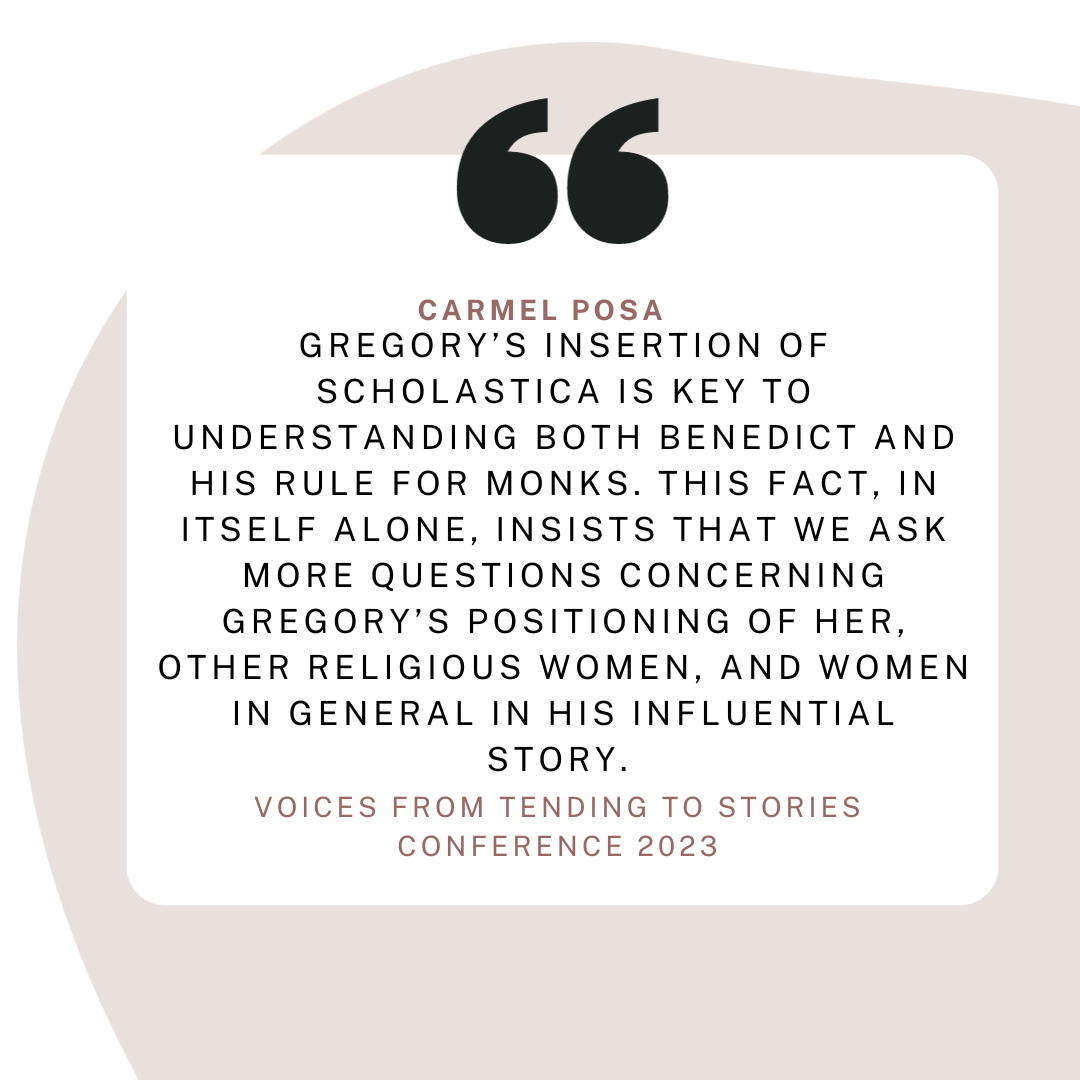
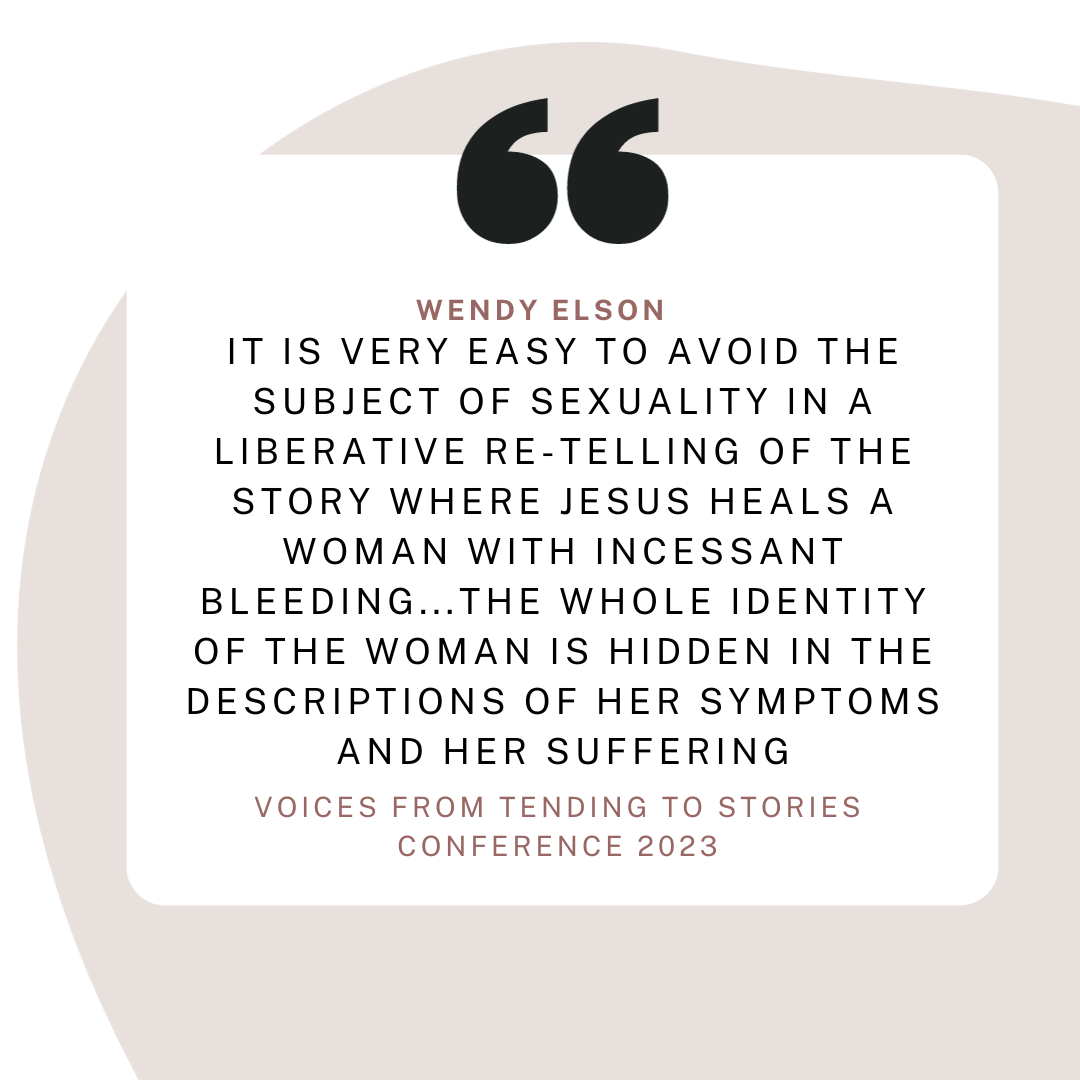
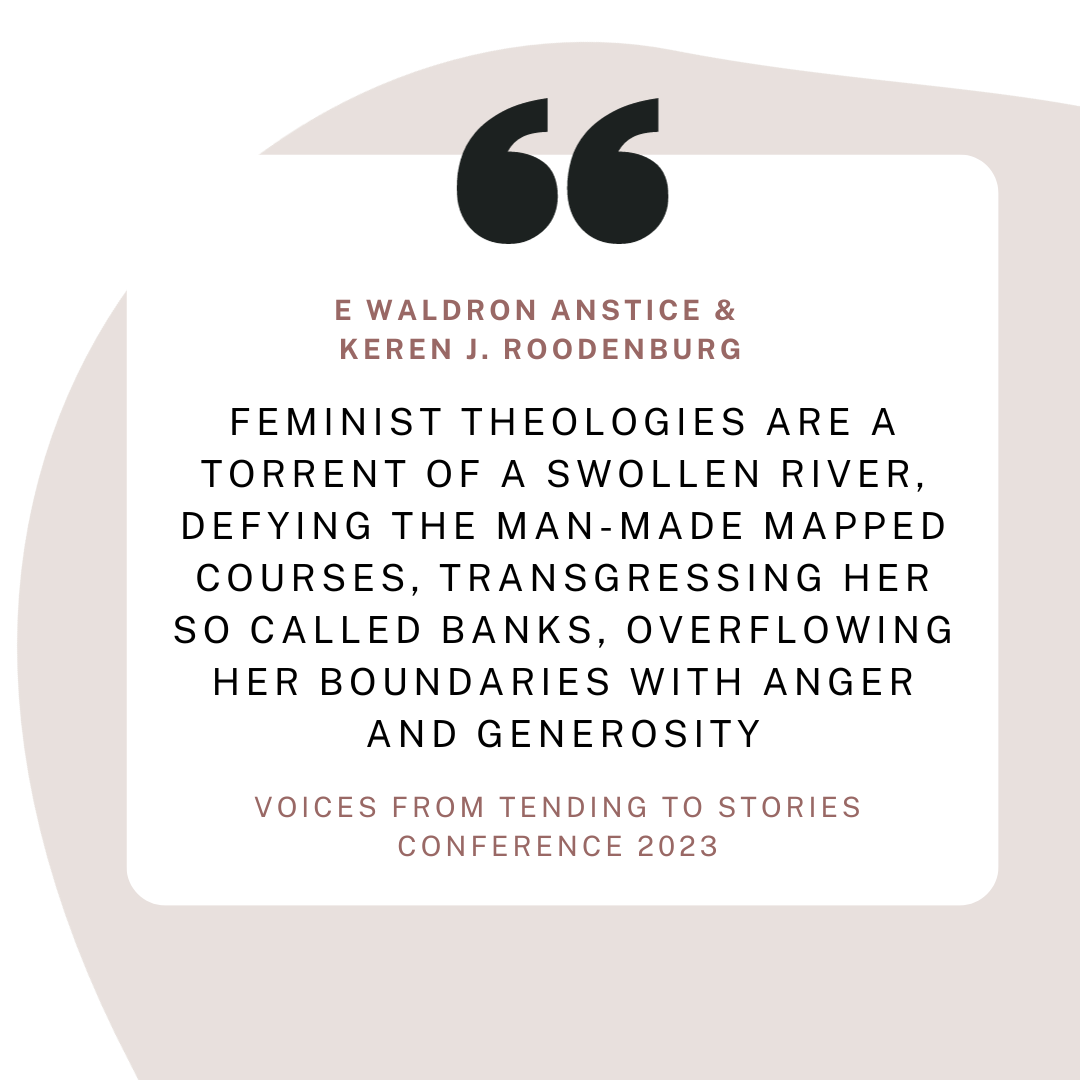
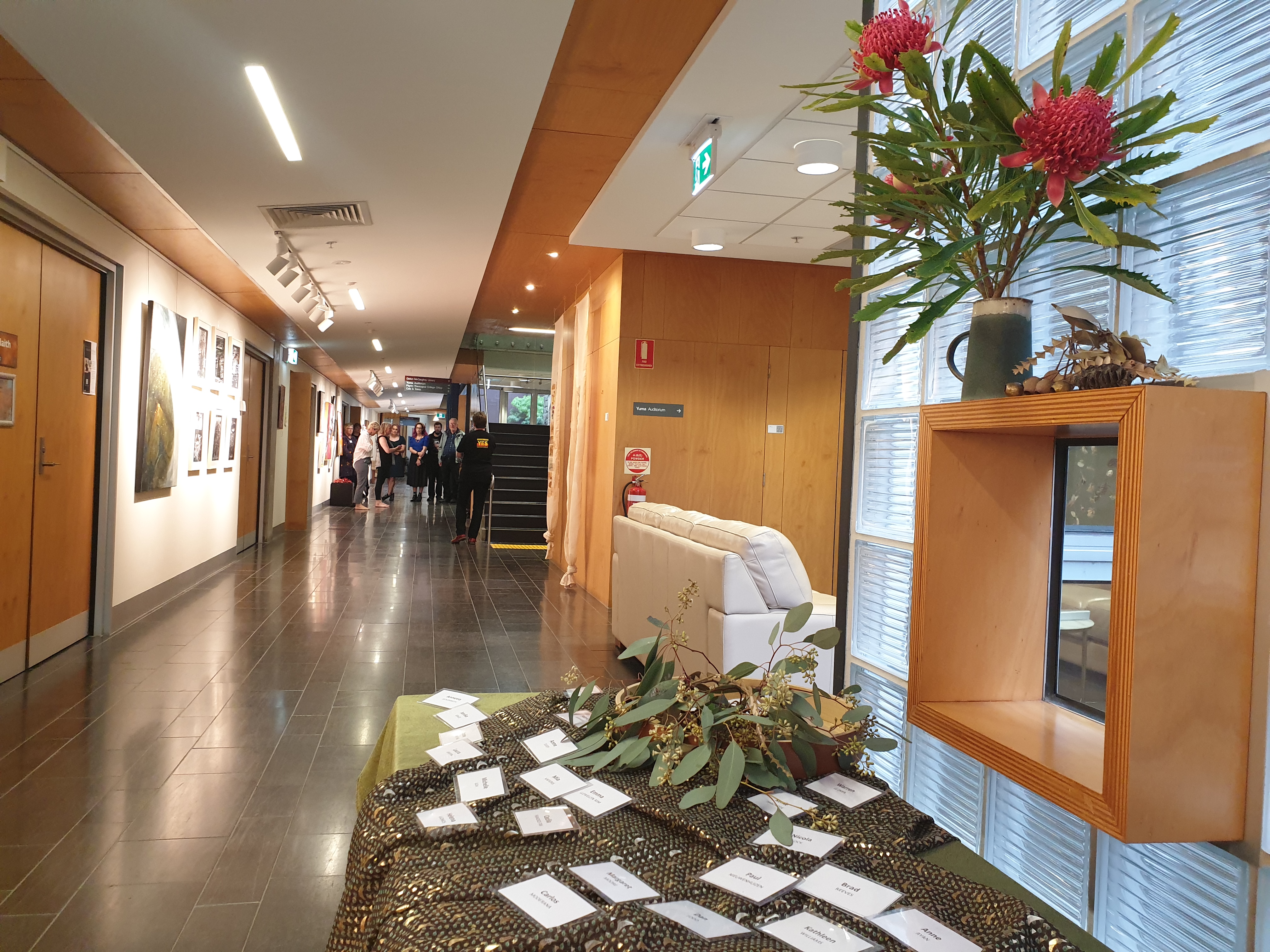
In practice and in theory, feminist theology has always sought to give space for women’s stories. Sometimes that has been an act of self-authorising and at other times, an act of retrieval, drawing from forgotten or ignored stories of the past. To take up and hear these stories is also a way of moving forward. Stories are, as we know, powerful. And as such, our stories are complicated: they change over time, have ethical implications, are put to work in making meaning and shaping desire. Put simply, we are caretakers of the stories we tell as well as those we forget. Our 2023 conference, co-hosted by WATAC Inc. (Women and the Australian Church) and the Australian Collaborators in Feminist Theologies (ACFT), will explore the ways in which we engage our caretaking role and the ongoing place of stories and narrative within feminist theology.








______
When the Bible became king: Sermons, Stories and Silence
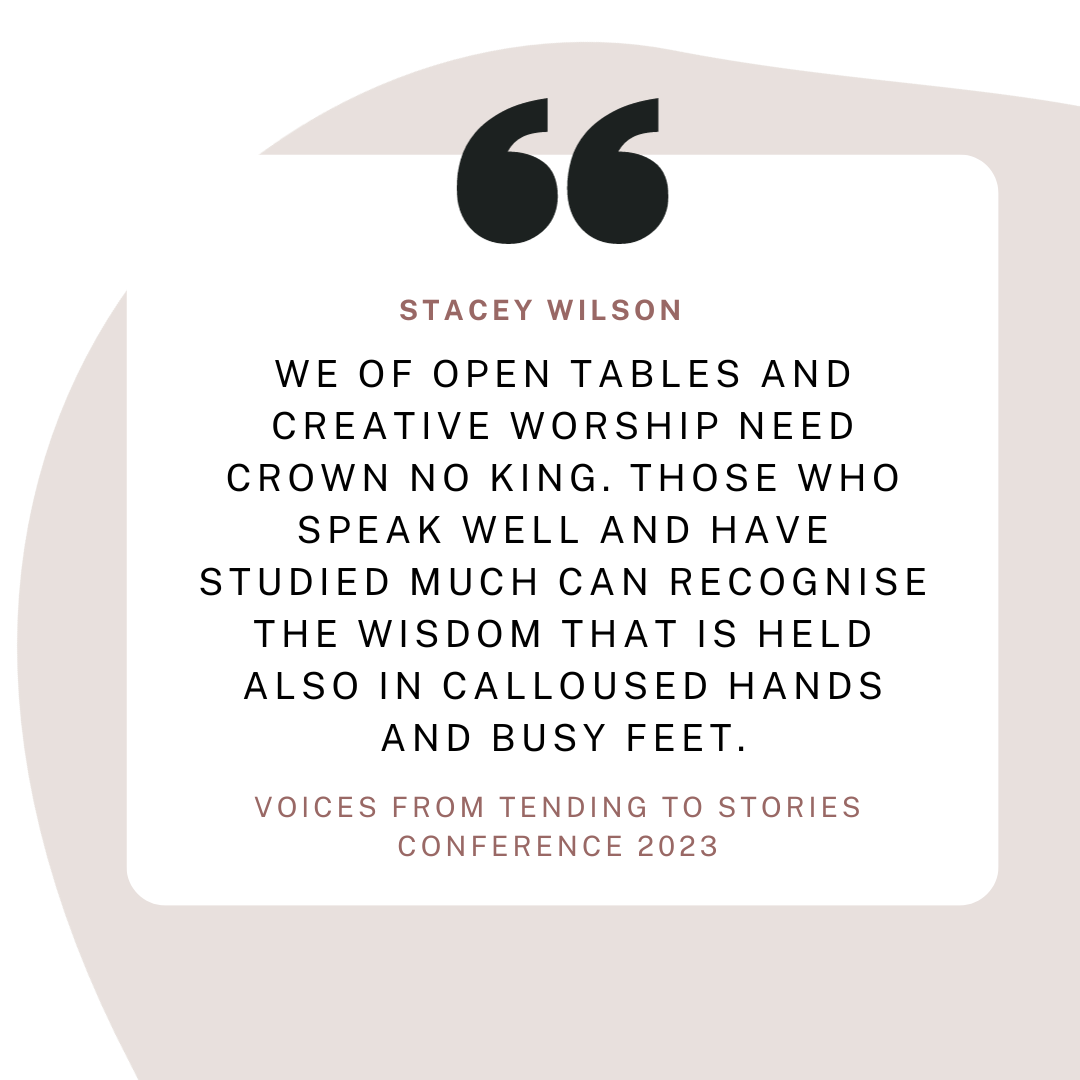
Tending to the stories shared with the Royal Commission into Institutional Responses to Child Sexual Abuse requires a willingness to examine even our most embedded faith practices, including the dominance of the clerical model of leadership within the western church. Its worst form, clericalism – the veneration of those holding positions of church leadership – has consistently demonstrated causal significance in the risk of abuses within religious institutions and congregations. Clericalism generates institutional hierarchies of power and influence that in turn protect the structural and systemic status quo thus maintaining the authority and status of the institution.
The beating heart of clericalism in the western church is the sermon. The single voice, articulate and educated, offering instruction and exhortation to the community. A practice, with its roots in the rhetoric traditions of the Greek and Roman empires, that has been a key feature of protestant liturgy since the European Reformation. The significance of the sermon is demonstrated by the fact that preaching has become one of the key indicators of leadership. Being ‘qualified to preach’ now shorthand within debates over who is authorised to hold ministry roles.
The Ignatian spiritual practice of communal discernment offers an alternative to traditional from the front, education focused discipleship. This paper will explore the use of silence, story, curiosity and creativity in theological and exegetical tasks. It will argue that these practices honour the knowledge, wisdom and capacity for discernment present within communities of faith and counter the spiritual passivity and learned helplessness that clericalism fosters.
Stacey Wilson is a qualitative research consultant with The Recollective. Her role also includes resource development, training and mentoring. This paper builds on her work, Theology and Abuse: Vulnerability in the Midst of Religious Institutions, published in Children’s Ministry and the Spiritual Child (Robin Turner and Trevecca Okholm, editors. Abilene Christian University Press, 2023).
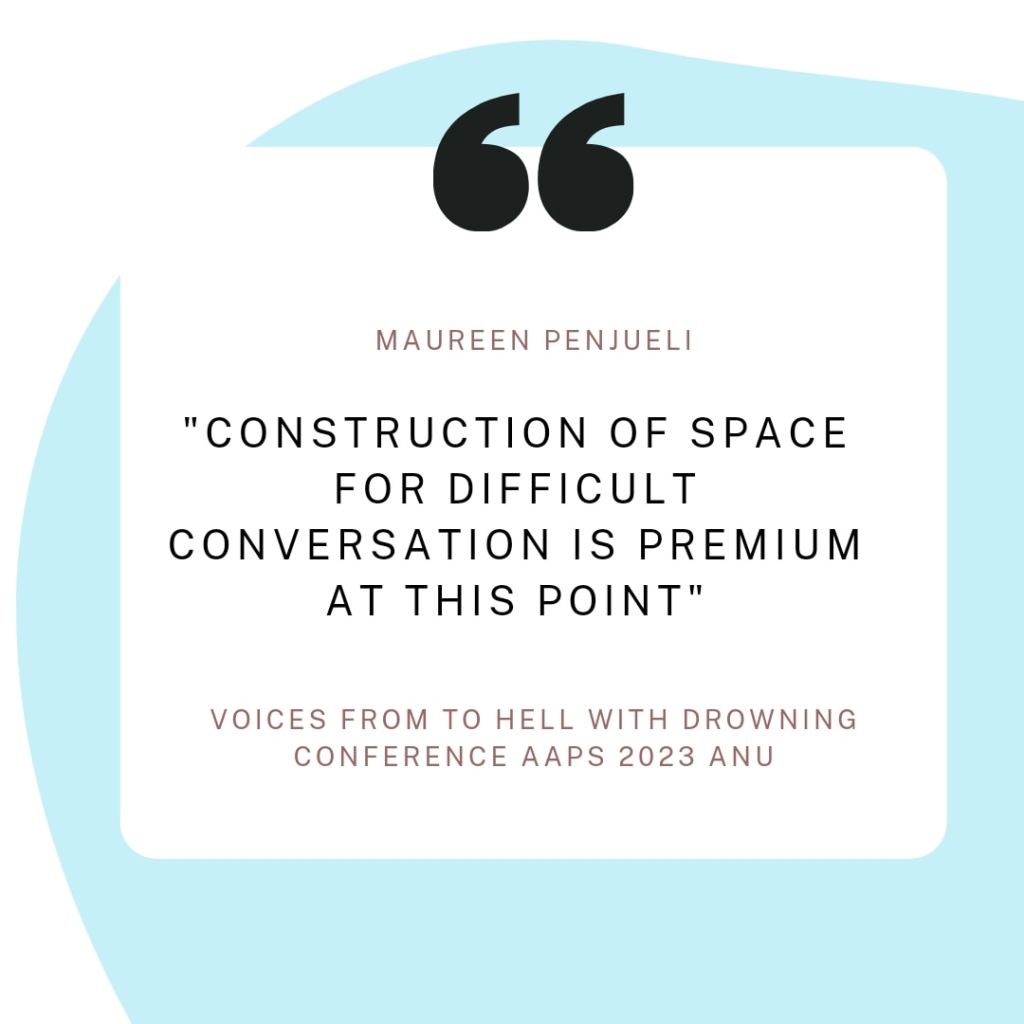
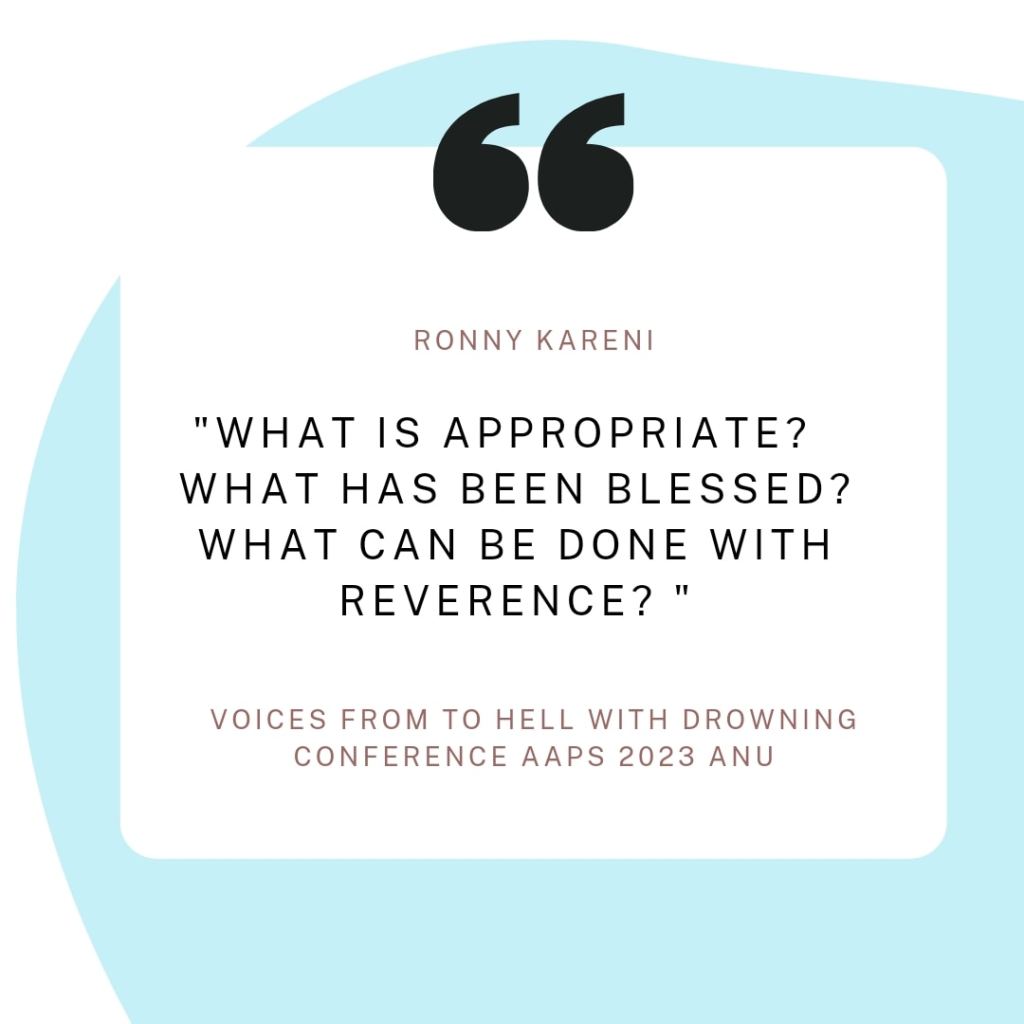
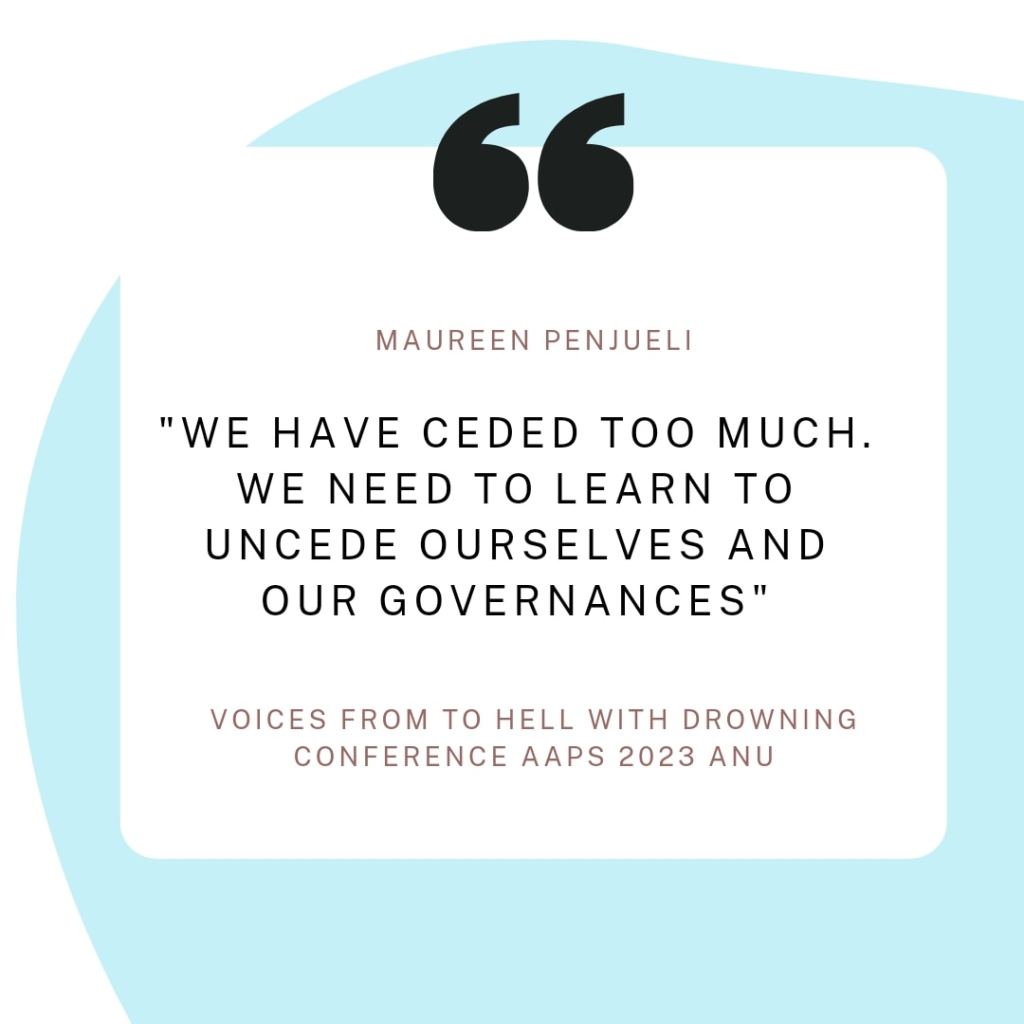
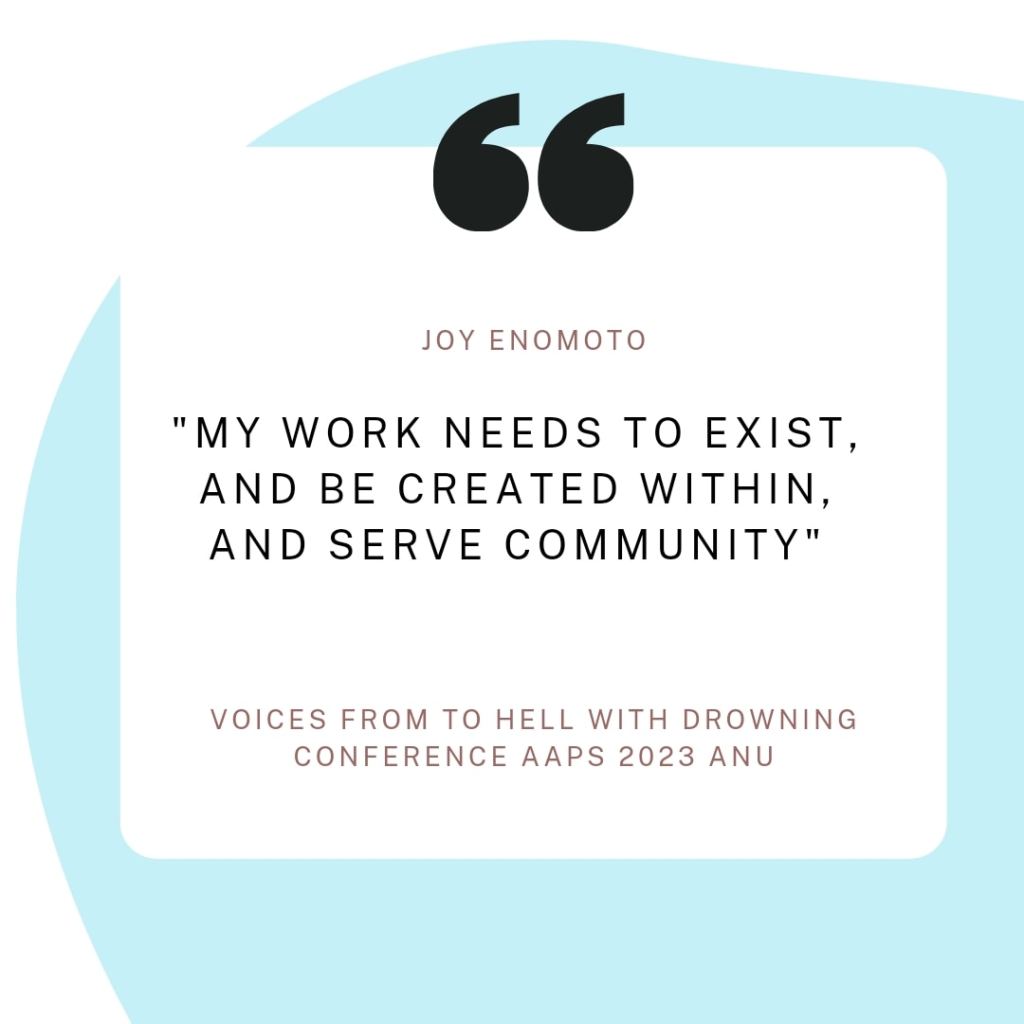
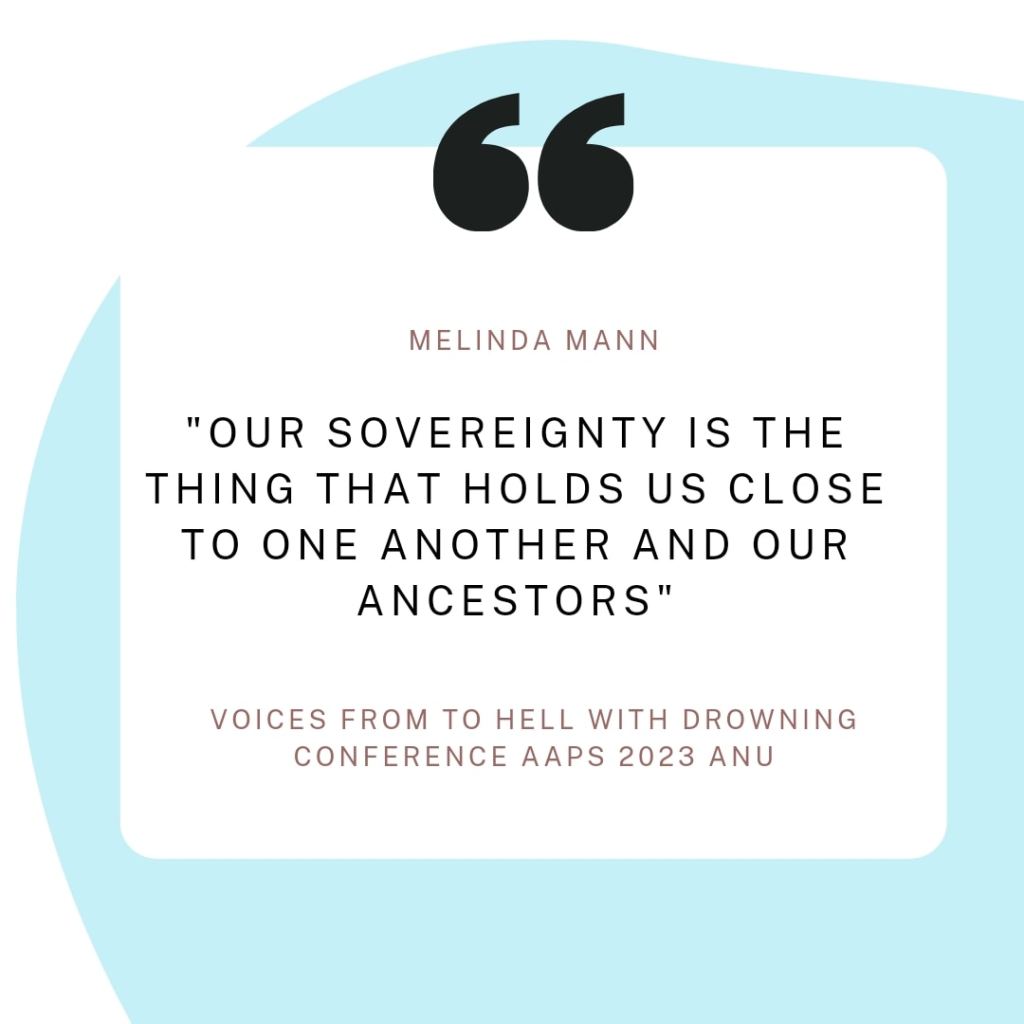
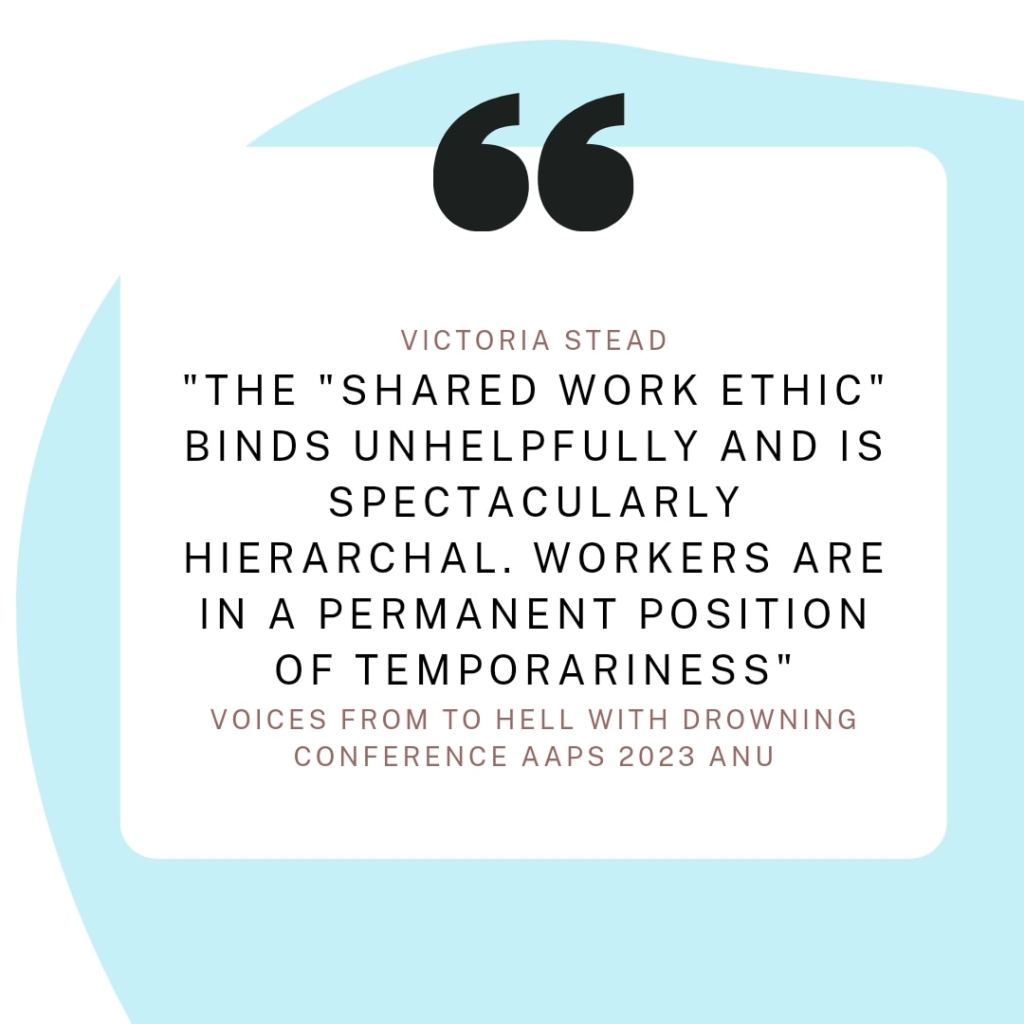
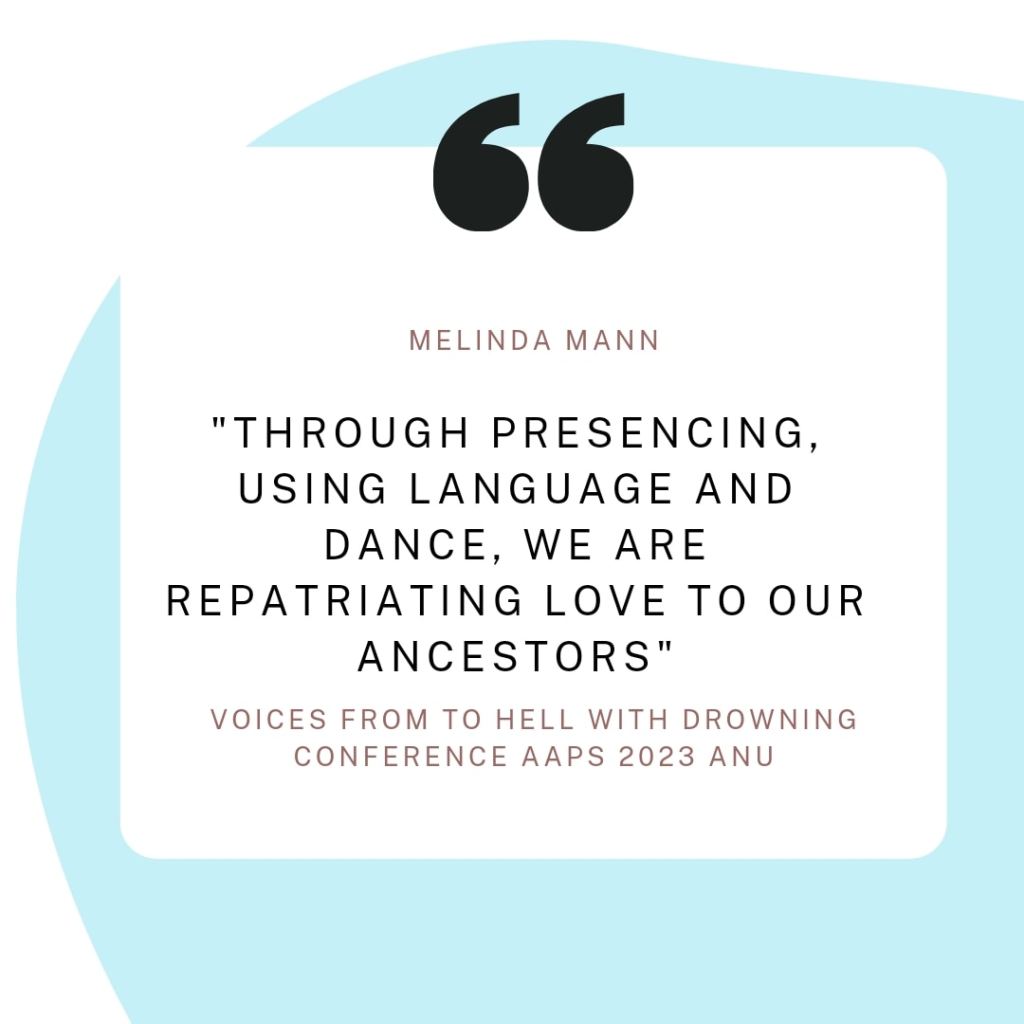
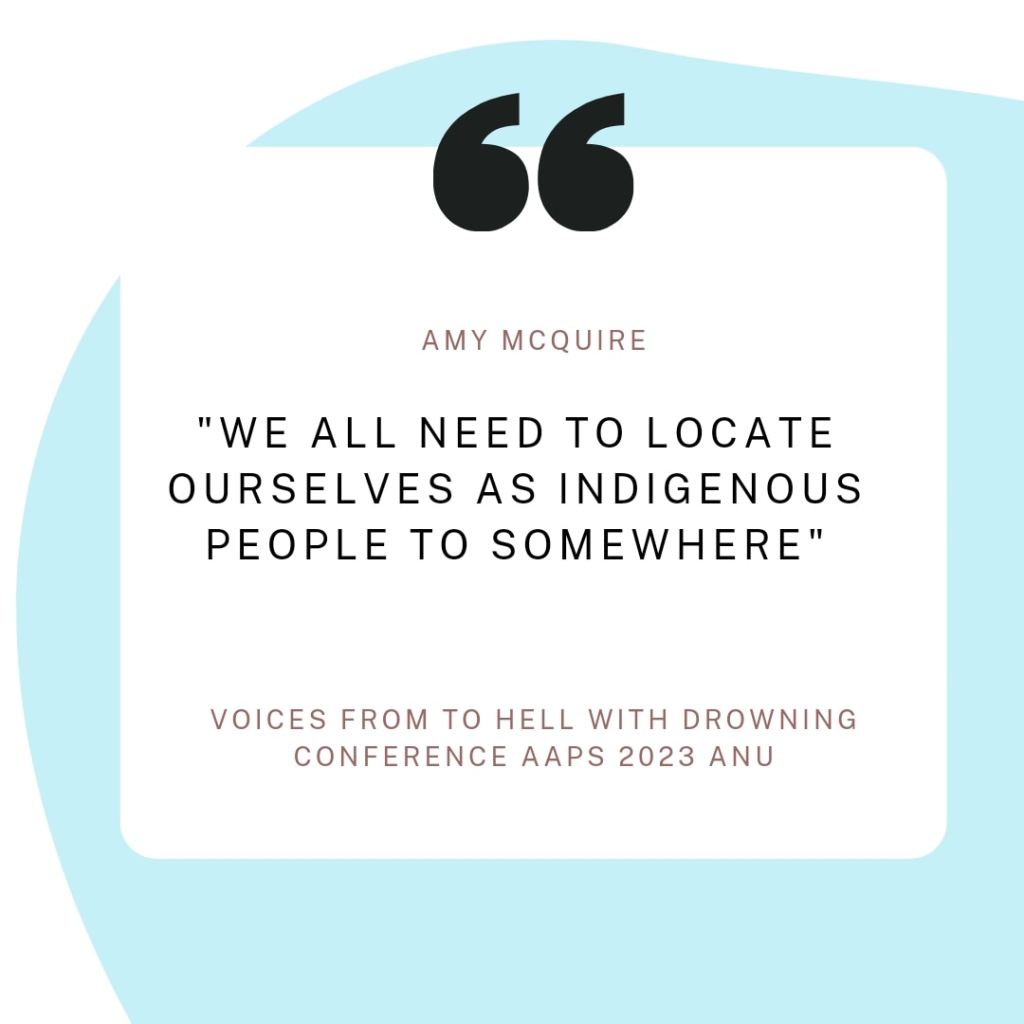
The 2023 AAPS conference theme emphasises the need to resist and reframe fatalist and narrow representations of Oceania.
From the highlands to the islands, the conference aims to advance multiscopic understandings of Oceanic people’s relationships and relationality of places through storytelling rooted in a trans-disciplinary, critical and creative Pacific Studies.






Consider what, or who, you’re apprenticed to in the context of climate justice.
From this grounding, and locating to place – what is the invitation to action?
| Mark 1:9-10 In those days Jesus came from Nazareth of Galilee and was baptized by John in the Jordan. And just as he was coming up out of the water, he saw the heavens torn apart and the Spirit descending like a dove upon him. | In those days William Barak was born into the Wurundjeri clan of the Woiwurrung people and was initiated into men’s business near the Walla Creek by his Uncle Billibellary. As he was coming up out of the water, he looked to the sky and saw Creator Bundjil soaring overhead. |
An invitation here to visit the water’s edge and a lens to decolonise our theology…
Rivers are rich landscapes – you know that what is passing now has passed by others before you and will pass by others after you.
There is something special in the biodiversity of this – at once you are not alone and, also you can ask: What does the river bring here with it? What will it carry away?
Consider what, or who, you’re apprenticed to in the context of climate justice. Where are you immersed? From this grounding, locating to place – what is the invitation to action?
Our land story is not valued in the main-stream cultural practices here on these lands known as Australia.
It is radically counter-cultural to resist, and insist that we need to acknowledge our elders past and present – of these lands and waters here, and those we come from. Might be different. Might be the same. We are because they were.
When we do this, we acknowledge our elders’ deep wisdom of listening and presence.
When we do this, we acknowledge our elders’ relationships with Creator and Creation, and recognise they are custodians of land, language, law and more – now, and since time immemorial. Our meeting is the confluence of these.
This wisdom is the inheritance of our communities, flowing down to us, carried within us. What will we pass forward? Come. Meet us at the river. Tell us your land story.
_____
Raisera McCulloch is a Pasifika woman living on Bunjalung country. She’s an educator developing training on decolonizing practices for systems change and a consultant to INGOs in racial justice. Her homeland of Tuvalu is facing a climate crisis and she advocates for action so her own children can preserve their culture. Currently a student of NAIITS completing a Masters in Theological Studies focusing on Indigenous Theology. Founder of Indigenous Giving Circle, a philanthropic initiative created to decolonise wealth, working towards a reparations model of giving.
Talitha Fraser, The Recollective, is a Ngai Tahu/Pakeha settler on the lands of the peoples of the Kulin Nation. She is the curator of The Recollective and Administrator for the Australian Collaborators in Feminist Theologies. She is passionate about building communities of care and resilience that honour that identity we come from, and celebrate those we move to claim and participate in. Her creative practice is one of contemplative listening: How does place or event shape creative practice, and how does practice change place, or event, or people?

Tena koutou katoa
Ko Ngai Tahu te iwi, me Ingarangi me Kōtirana te whakapaparanga mai
Ko Takitimu te waka
Ko Takitimu nga maunga
Ko Aparima te awa
Ko Te Whanga nui a Tara te whenua tupu
Engari, ko whenua o Wurundjeri Woiworrung o nga tangata Kulin te kāinga
Ko Talitha au
Tena Tatou katoa
That is my mihi in Maori that acknowledges the Maori/English heritage of my mothers line and my fathers’ Scottish side.
I’m naming the mountains and rivers of the bottom of the South Island, this story follows the pathway of water from the high ground in the mountains down to the sea, recognising this catchment as ancestors and acknowledging the ancestors of these lands and myself as a visitor here in Wurundjeri country.
I am manuhiri (a guest), ngamatiji (a non-indigenous person) and it’s important to me to start from a place of recognising it’s not my land or language…
The Maori word for land (whenua) is also the word for placenta.
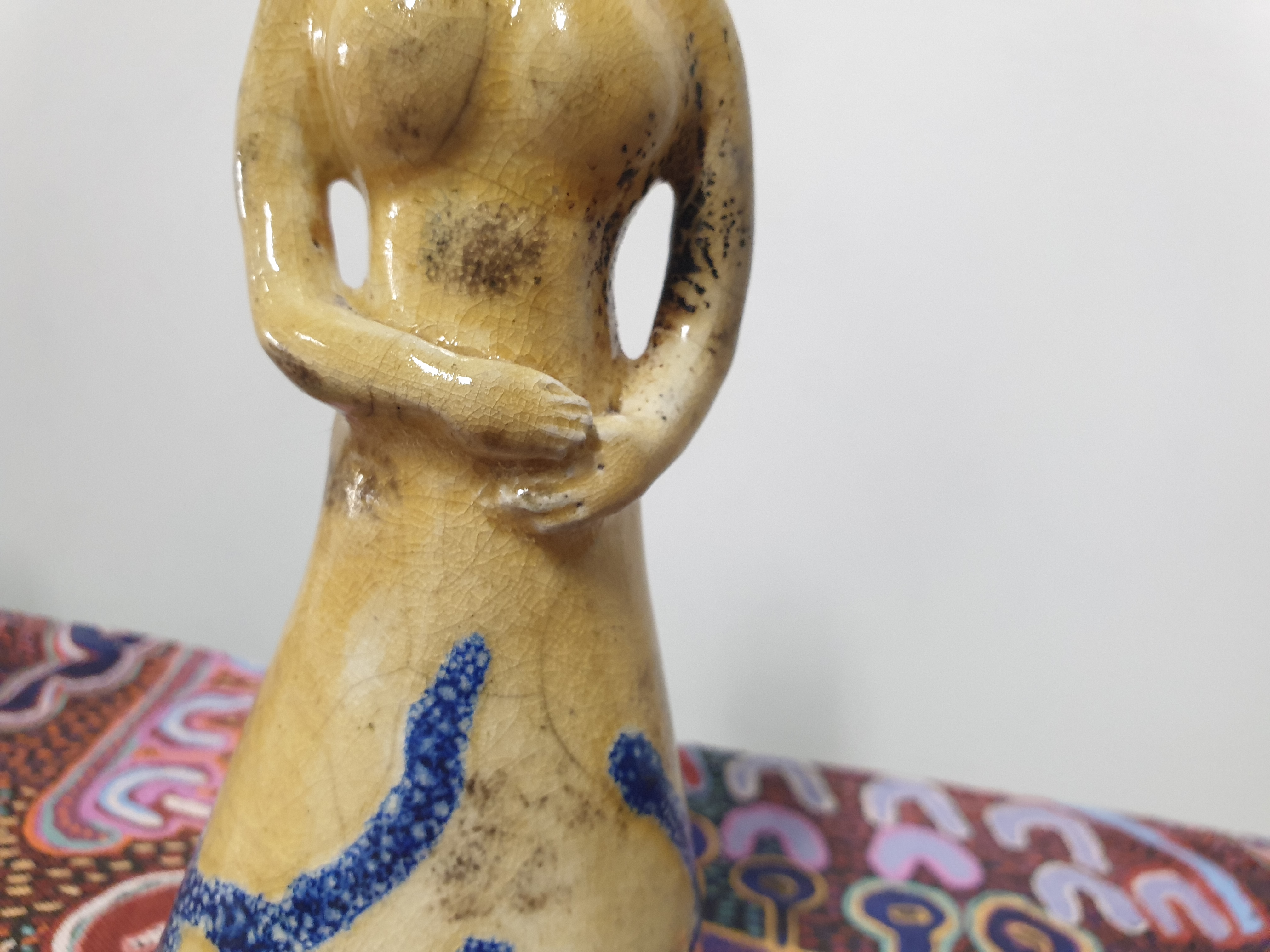
In both Maori and Wurundjeri Woiworrung deep memory stories – soil was taken and shaped in the figure of a person and divine breath gave earth life in a new form. We are shaped from earth, we are shaped by earth.
With funding made possible by Maribyrnong Arts and Culture, I was able to spend August/Sept undertaking a project called ‘Language Lines’.

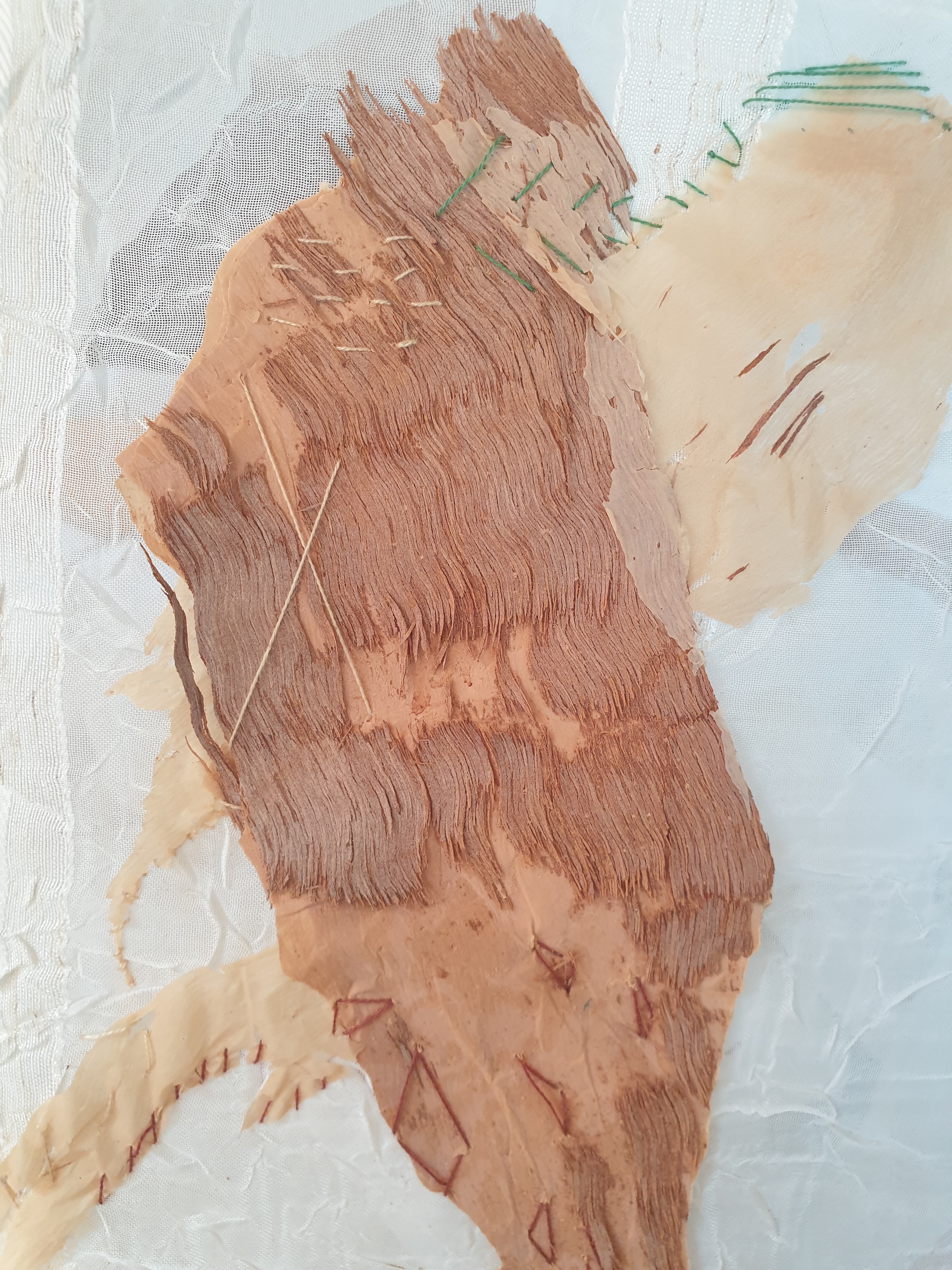
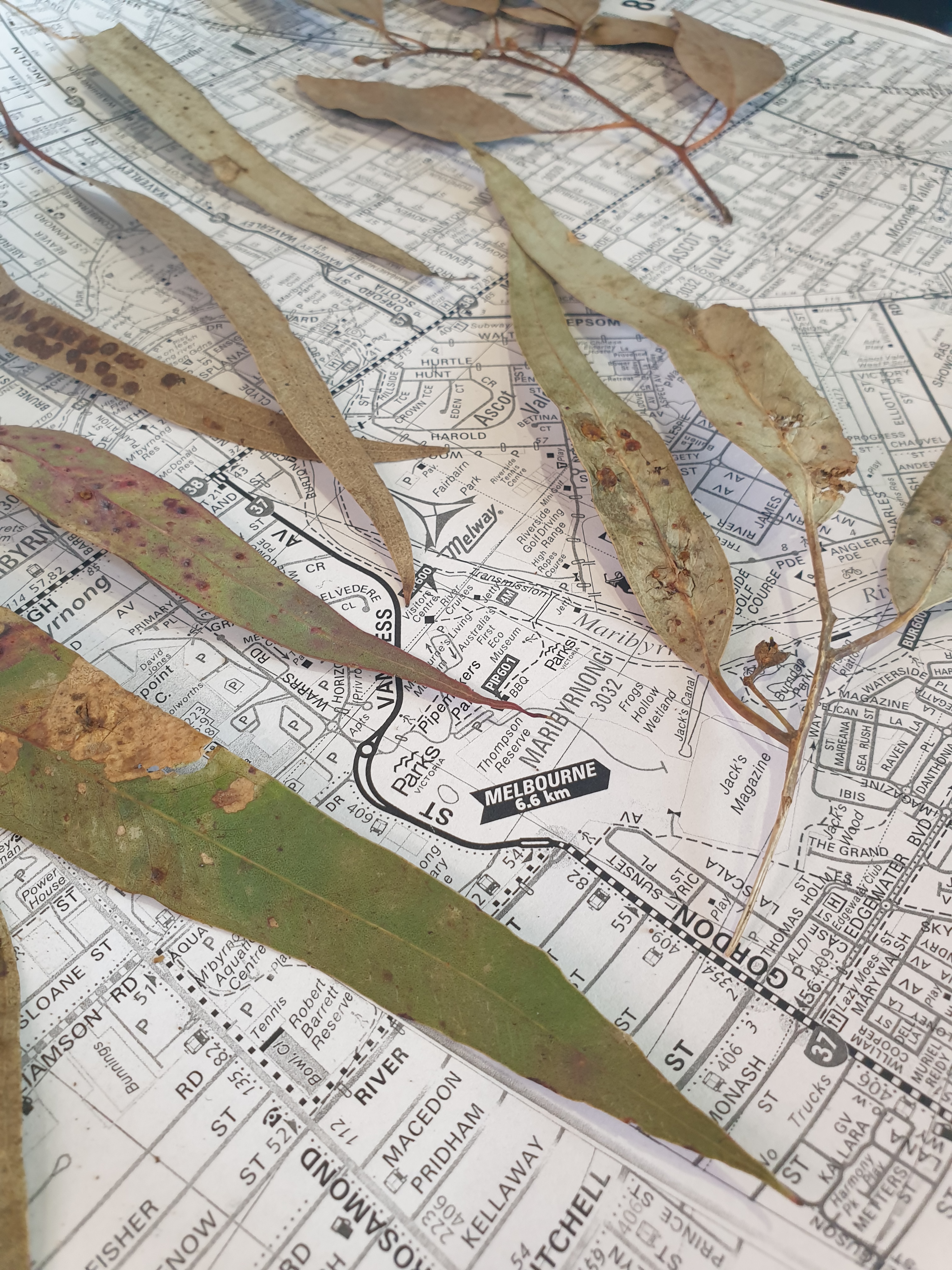
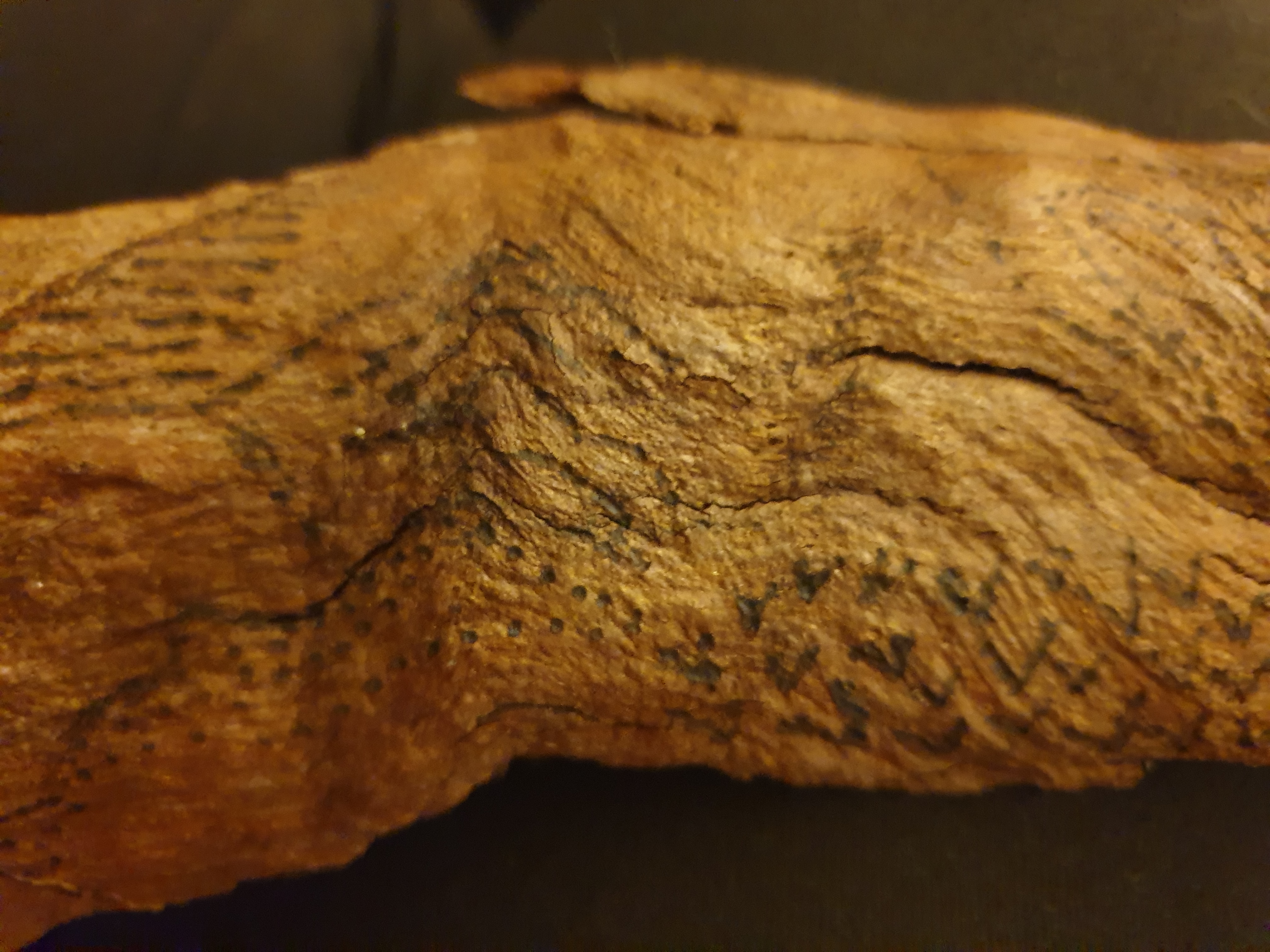
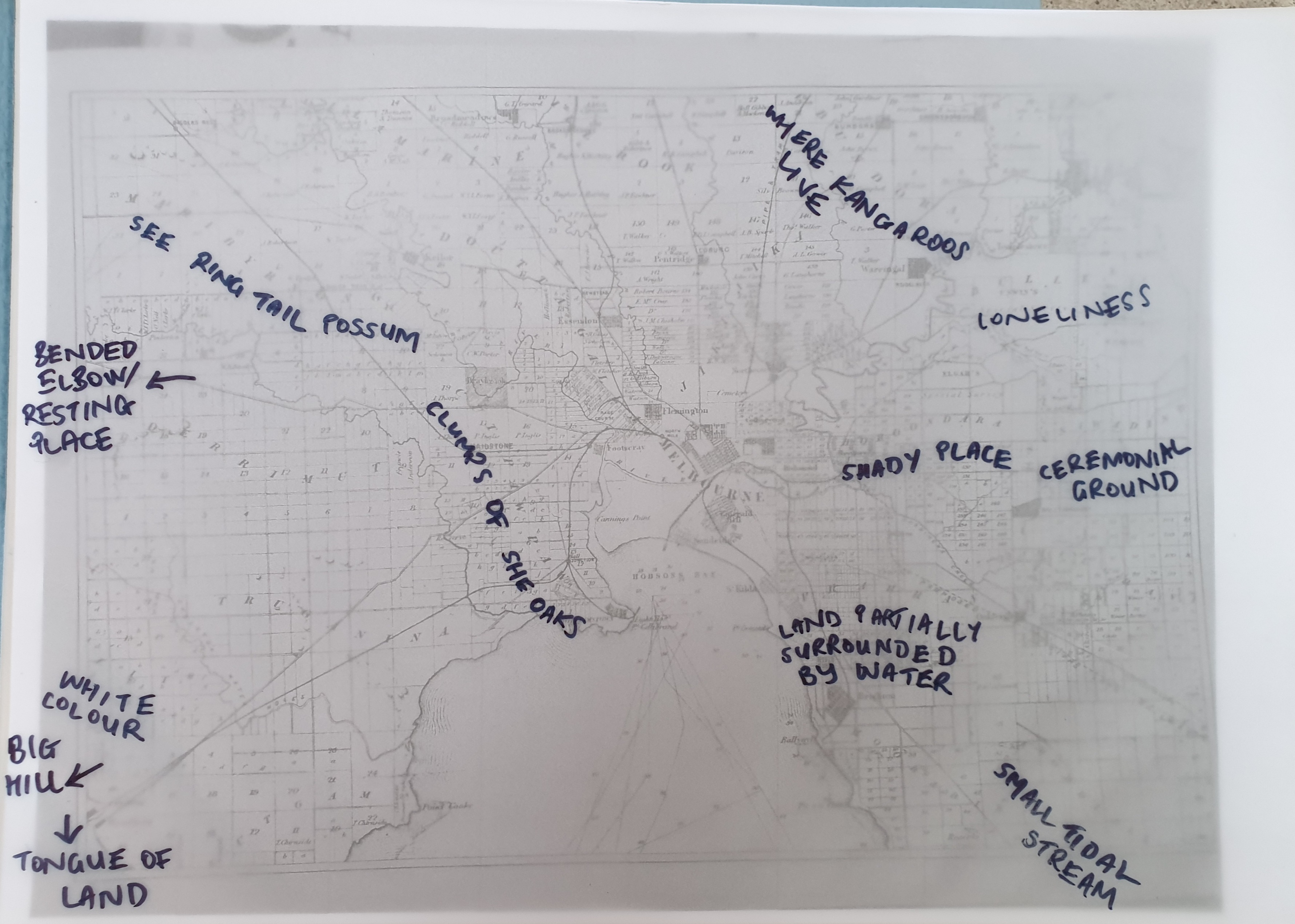
A particular passion that has arisen from reading Healing Haunted Histories: A settler discipleship of decolonization is to connect more intentionally with my own neighbourhood as a Ngai Tahu/Pakeha settler on the lands of the peoples of the Kulin Nation. A resident of Footscray, I was delighted to discover that the Maribyrnong River’s name comes from the Aboriginal term ‘Mirrang bamurn’, which translates as ‘see’ a ‘ringtail possum’ at a time when we had some living in our roof. What other words are in the local landscape that might connect residents more deeply with place?
I am interested in mapping Aboriginal terms that continue to hold space in the land. What do they have to tell us about where we live? Are there words that have been erased that might be recovered? In Maori lore, there is an idea of the ‘hidden face’, this is similar to the way that you cannot see ‘wind’ but can see its influence. What might this exploration into the landscape reveal about what is already at work?
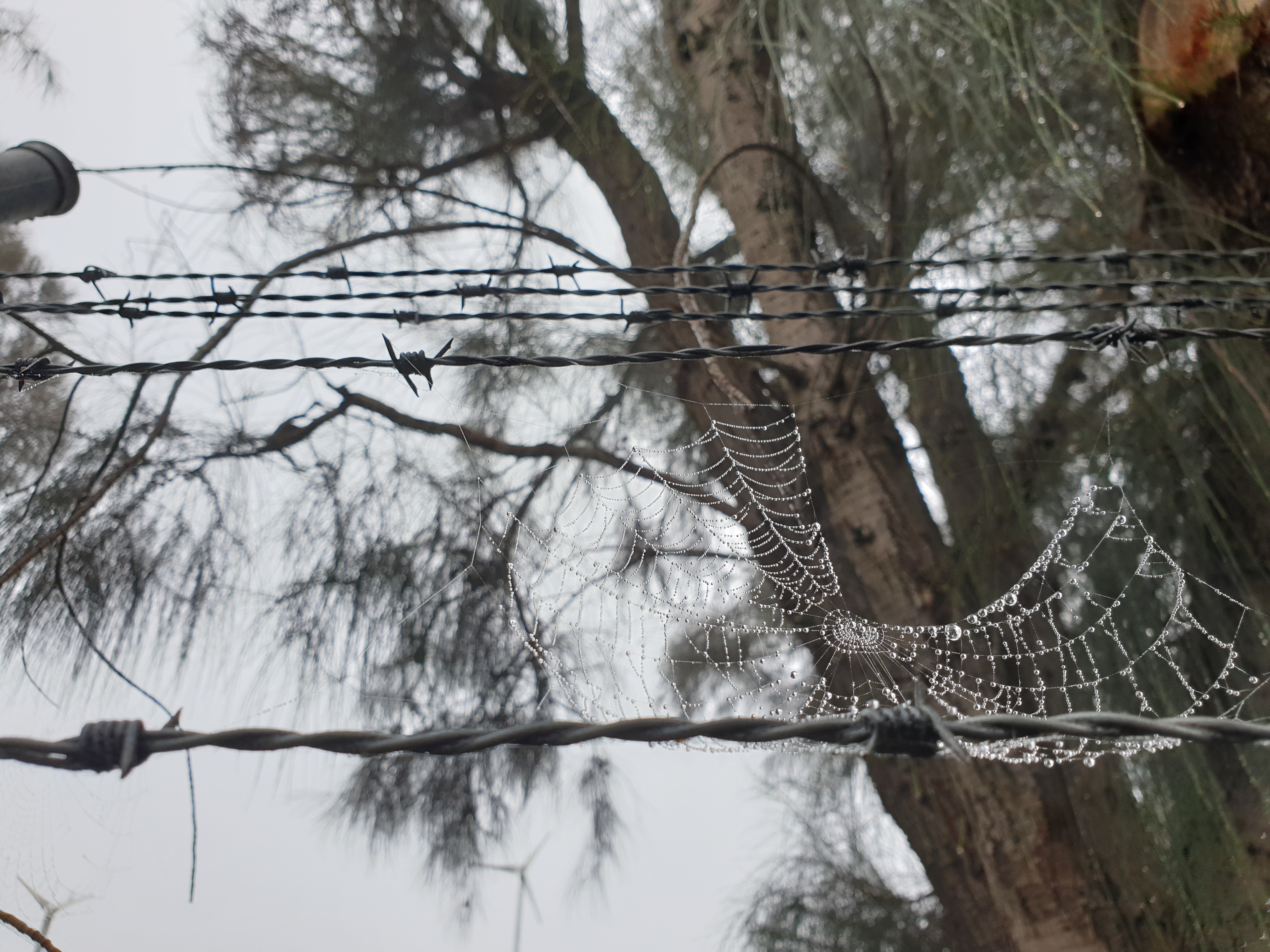
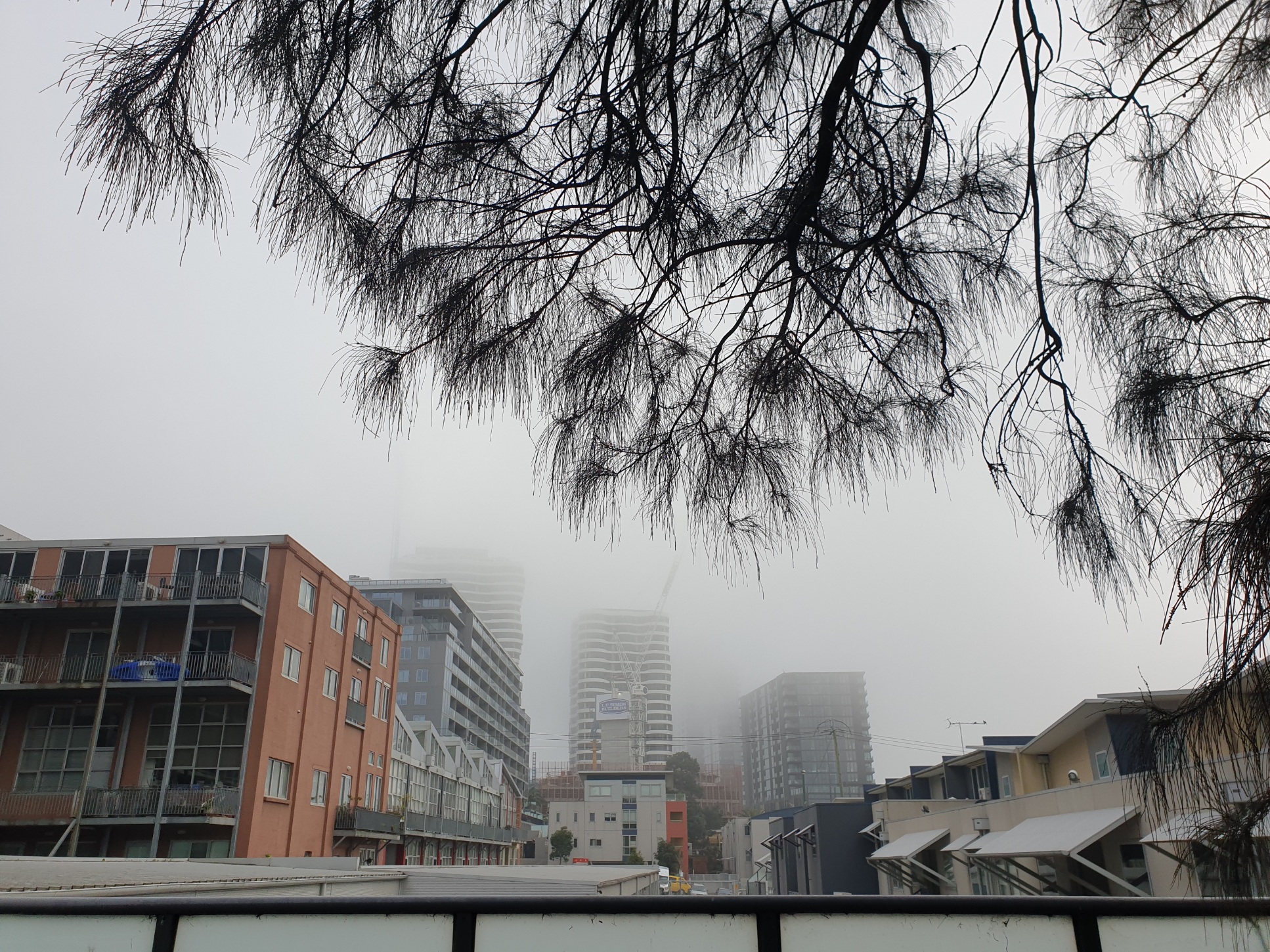
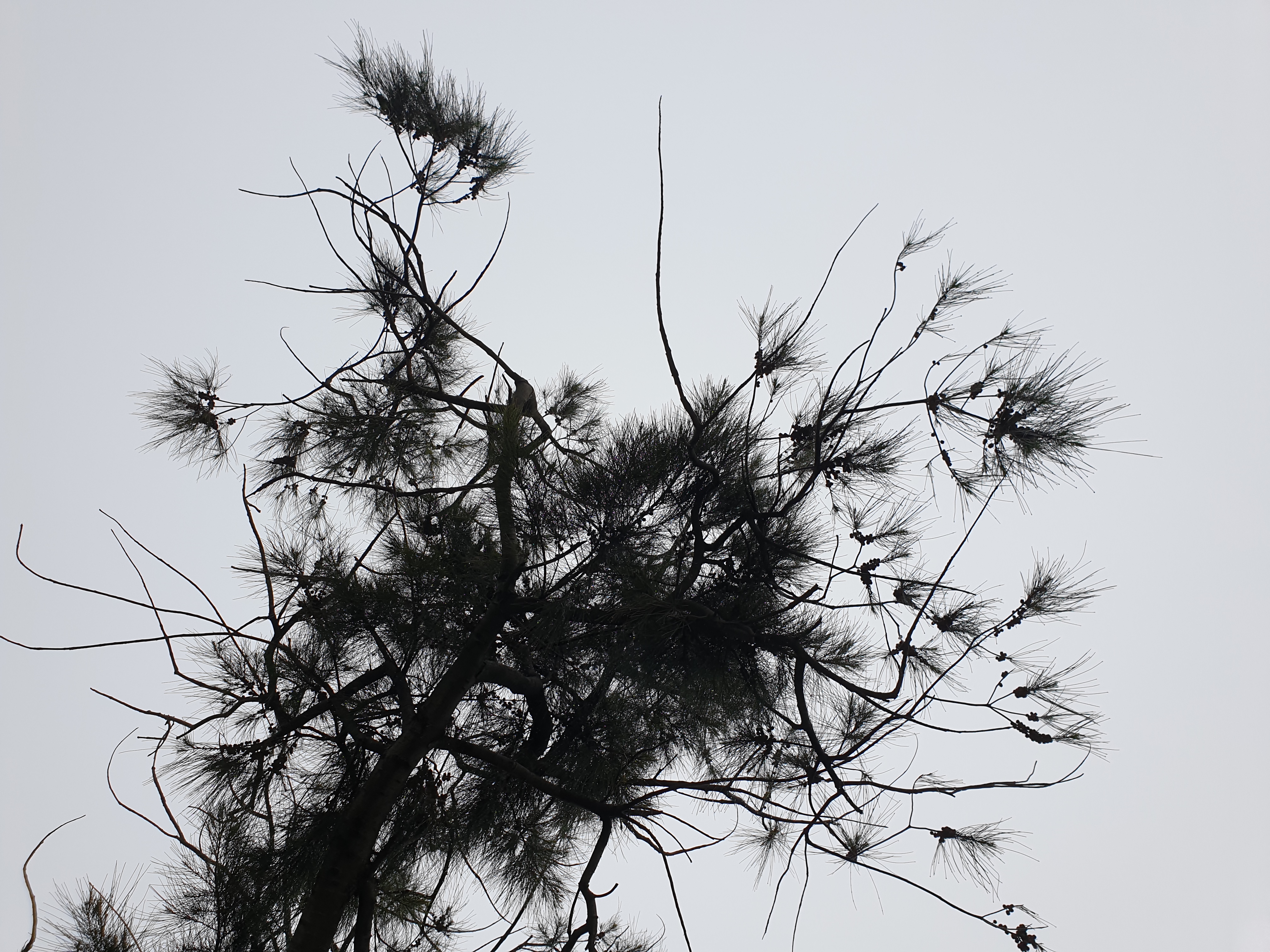
It was a continuous thread of my residency to keep updating a map of those places in my neighbourhood that I saw possums and koort boort boort – this allowed for a practice of quite intentional “presence” in my neighbourhood across the weeks. The central image above was submitted as an entry to the 2022 Picturing Footscray Photo Exhibition named: ‘Koort Boort Boort consultation’ for the conversation happening here between the trees that are local to this place and the new development going up along the riverside. The haunting mist makes it seem as if it is the new development that is disappearing and temporary rather than the trees.
The experience of these 6 weeks allowed for me to explore and play with new skills in eco-printing, pyrography, photography and different forms of weaving. So much of what I thought I’d do, and have to show for this experience, were confounded (and rightly so) by being open to where the investigation led me instead.
There’s a lot of stories to that journey, but let me frame them here within this invitation to advocacy…
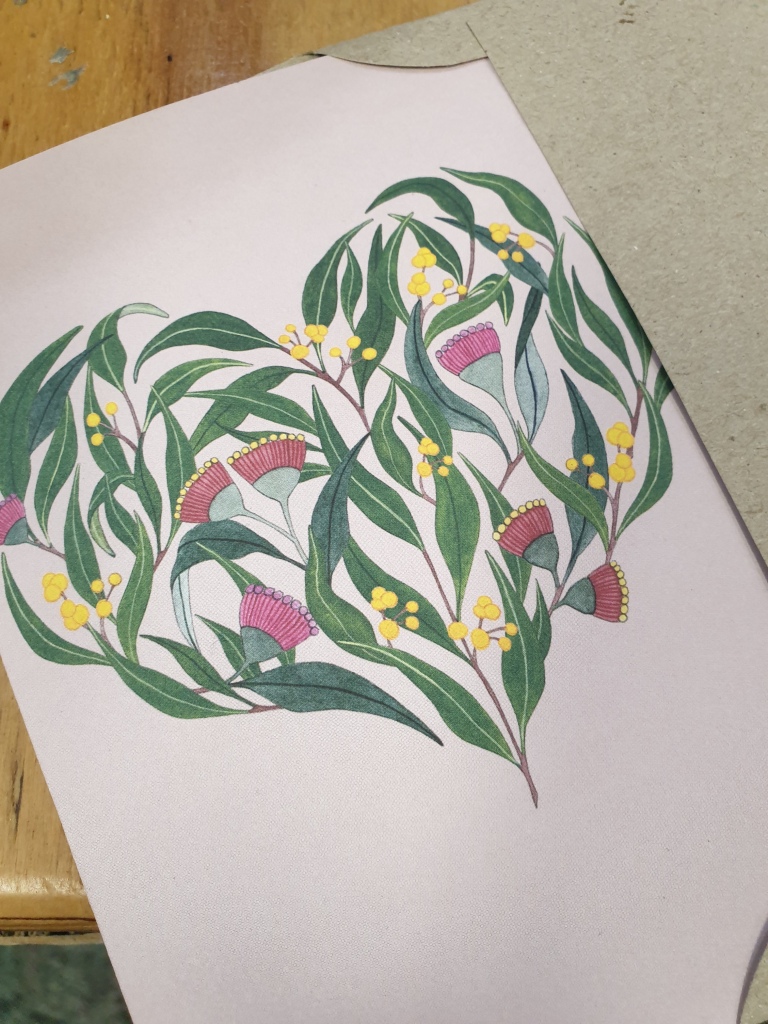
My exploration of place names in Melbourne as part of my recent art residency helped me understand that there are layers of harmful naming in our landscape: there are names of early settler colonisers and “conquorers”, there are names of deceased Aboriginal people which shouldn’t be spoken, and then there are words like Maroondah. Maroondah means ‘throwing’ and/or ‘leaves’ in Woiwurrung language.
I just signed this petition advocating for the new Maroondah hospital not to be named after Queen Elizabeth II as Dan Andrews is suggesting. What Dan Andrews is missing here, as Victoria (ahem, we’ve already recognised a Queen) negotiates Treaty, is an opportunity to partner with local elders to reclaim language for a new naming. What words might mean ‘healing place’? We as Settlers need to progress on this stuff and not replicate and repeat harms of the past. The link is here if you want to sign the petition.
I would not have learned so much without support and resources from Maribyrnong Arts and Culture, the Footscray, Sunshine, and Braybrook libraries, the Footscray Historical Society, the Living Museum of the West and, most significantly, elder Aunty Faye Muir who encouraged me to wake up at 5am to Listen.

A good friend of mine got citizenship today. I’m having lots of feelings: relief, deep joy, hopefulness…
Those are all good things and yet I’m crying as I type this.
I’m crying because it was so brief, and so banal. A plastic flag, a pledge, a photo with the mayor. For those for whom its a legal formality, that’s probably enough but for those for whom it’s a lifeline I wonder…
If I were colouring you a picture the pencils would have names like FEAR (that my visa will be cancelled and I would have to make a choice between leaving my son behind or denying him the opportunity of life in Australia). DESPERATION (the visa is temporary, and constantly needs to be renewed, life feels like a cycle of filling out forms, keeping appointments, meeting my lawyer. There is barely time to recover before the hamster wheel turns). TRAUMA (I need to go to the ASRC for food but I have a Centrelink appointment. If I miss the appointment, they’ll cancel the payment. If I wait at Centrelink for 3 hours, I will miss out on food… I’m allowed to work now, but not too much. It needs to be 15 hours so that Centrelink don’t nag about Jobseeker. But 15 hours tips me over the income threshold. Three-quarters of the money I earn gets deducted by Centrelink. I can’t get ahead.)
Maslow’s Hierarchy of Needs talks about the things we need for survival: shelter, food, sleep, clothing. The level above those basics is: personal security, employment, resources, health…
Our societal system for “supporting” refugees and asylum seekers makes a full time job and mental load of balancing on a knife’s edge for survival for a long time… for a long, long time.
There were 37 new citizens today. From 20 different countries. I wanted there to be a party. I wanted to hear different languages, dances and songs. I wanted to hear cries of “sher-hoooooo!” to ring in the rafters, and ululations of joy so loud they make my ears hurt. I wanted an elder to cleanse us in smoke, to wash away the tears, grief and anxiety of waiting, to herald in and bless this new season on Country.
So many are still waiting.
They wait in Nauru, PNG, in community detention, they wait in Footscray.
This is the pledge:
From this time forward, under God,
I pledge my loyalty to Australia and its people,
whose democratic beliefs I share,
whose rights and liberties I respect, and
whose laws I will uphold and obey.
The kingdom is here, and not yet.
We have work to do, and we just got some new recruits.
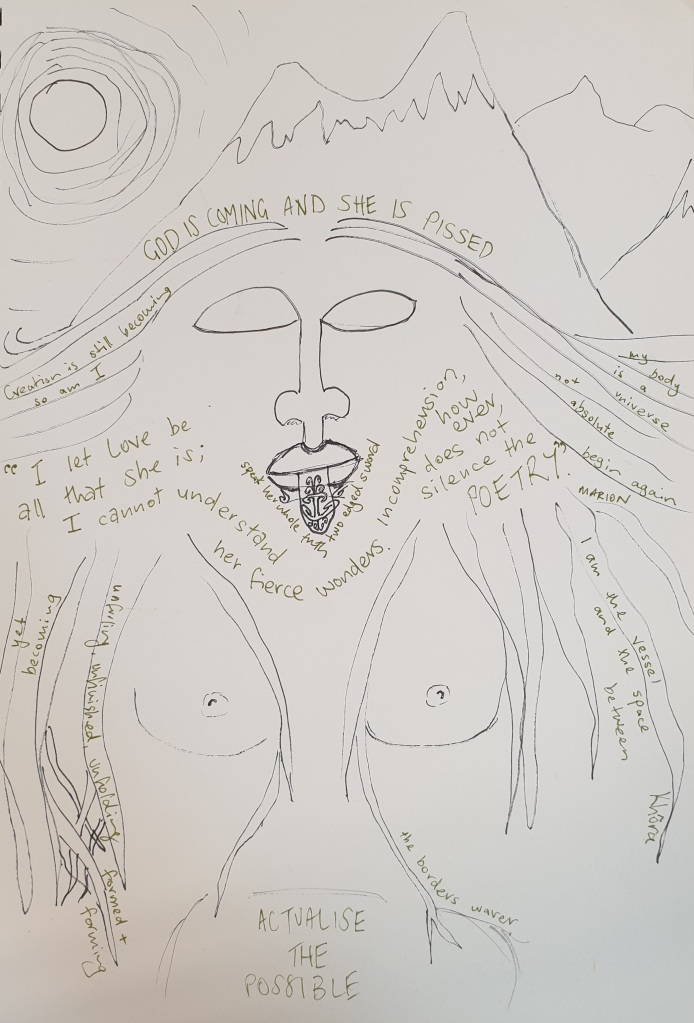
A creative reading today of Intercarnations : Exercises in Theological Possibility by Catherine Keller, Chapter 1: Returning God: Gift of Feminist Theology…
“I let Love be all that she is; I cannot understand her fierce wonders.
Hadewijch of Brabant (a 13th-century poet and mystic), Minne
Incomprehension, however, does not silence the poetry”
 itellyouarise