Category: influential reading material


Yesterday I attended the book launch of “The Jihad of Jesus” by Dave Andrews… that’s a title that’ll get your attention…

I feel it takes a little explanation so I’m going to take the liberty of including Dave’s Preface here so that he is introducing the material in his own words…

“I do not write this an an expert. I am not.

I do not write this as a specialist. I am not.

I simply write this as a Christian, in conversation with Muslim friends, seeking to find a way we can struggle for love and justice that is true to the best of our traditions.

I am writing this for Christians who are concerned about the way Jesus has been (mis)represented by well-known crusading combative pastors, like Mark Driscoll.

I am writing this for Muslims who are concerned about the way jihad has been (mis)represented by well known militant extremist preachers, like Abubakar Shekau.

And I am writing this for people who subscribe to neither religion, but watch with horror, as Christians and Muslims slaughter one another in the name of God.

For many people jihad and Jesus are totally contradictory, mutually exclusive options.  You must choose the one or the other.  You cannot have both.  Given our present situation, Muslims would tend to choose jihad, Christians would tend to choose Jesus.

But it is my contention that – rightly understood -you can’t have one without the other.  in spite of the fact this may seem heresy to Muslims and/or Christians, I contend you cannot rightly pursue jihad without Jesus, or rightly pursue Jesus without jihad.

Reza Aslan’s book Zealot sets forth the case that Jesus was not simply a pious spiritual teacher, but actually a radical messianic activist. Of this there is no doubt.  Both Muslims and Christians believe Jesus was the Masih or the Messiah.  The debate is about what his radical messianic activism meant in the context of his time and what his radical messianic activism means in the context of the violence and counter-violence in our time.

If, as some would argue, Reza Aslan is right, Jesus could be a model for violent jihad.  But if, as I argue, Ahmad Shawqi is right, Jesus would be a model of nonviolent jihad: as

Kindness, chivalry an humilty were born on the day Jesus was born.  No threat, no tyranny, no revenge, no sword, no raids, no bloodshed did he use to call to the new faith.

The Jihad of Jesus is the sacred nonviolent struggle for justice.”

Dave Andrews, Bribane 2015

http://www.jihadofjesus.com

daveandrews.com.au

Nora (short, coloured, Muslim, woman) speaks first which is an important signal I think – the medium is the message.  She and her family build their home in a new development and meet with the neighbours regarding fence options and collectively decide not to have them but have the children stay, play, eat together… different religions, different cultures… five months later 9/11 happened.  She said “The fences will go up now” and they didn’t. Not until many years later when the family was to move.  They were known and, known, they were accepted.  Muslims make up 2.2% of the population in Australia (2011 census) – not likely to meet one but the culture of fear is being fed.  Nora felt called to speak out but Christians wouldn’t listen – “You won’t be accepted if you don’t remove your scarf”, serving her pork and giving her copies of the bible… someone suggested she meet Dave and she didn’t want to, this books captures 7+ years of the shared conversations that followed.

Dave (yes… tall, white, Christian, male) speaks second.  We believe in the same Abrahamic God- need to start where we agree and then explore other areas.  When 9/11 happened, Dave went to his local mosque and said “I’m sorry, they’re going to try and make it them and us (set us against each other) may I come in and join you in prayer as an act of solidarity?”

He gave Nora a copy of this books manuscript and has included her comments in footnotes where she has disagreed with him – minority/dissenting voice included.

Steps forward:

(Buy and read this book I reckon’!)

  • talk about it
  • live it out yourself
  • tell stories
  • invite others in
  • celebrate the wins


offwego[A short paper presented to the Spiritual Reading Group 21 July 2015 on Michael Leunig]

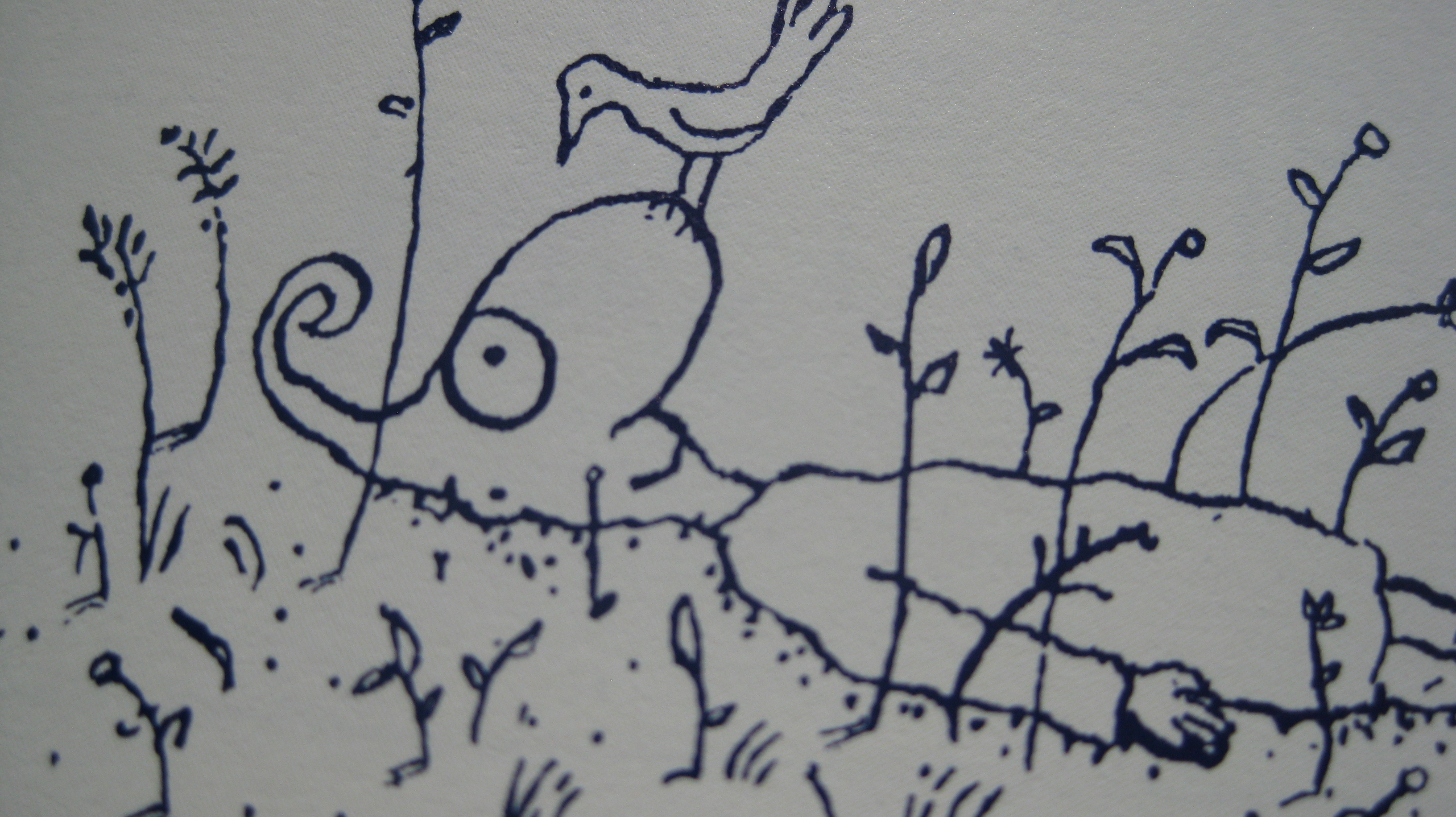
So… Leunig… one of the questions he is most often asked and is always baffled by, is what does a particular cartoon mean? “People will say, ‘I don’t know what it means but I like it.’ Leunig replies… “I don’t know either but I like it too. I’m not trying to say anything but I hope it awakens something in you.”

Michael Leunig was raised listening to Oscar Wilde stories on the radio. He read Enid Blyton, Biggles and Childrens Encyclopaedias… he went to Sunday  school and always said he found it, “not full of God but full of stories.” It was lyrical and what was lyrical made him happy – Leunig heard Psalms and asked of himself “What can I do like that?”

Though born in East Melbourne in 1945, Leunig grew up in Footscray going to Footscray North Primary School and Maribyrnong High School. Many of Leunigs friends, and many of his teachers when he grew up in the 1950s were war refugees or were the children of people from Germany, Russia, Poland. It was a very industrial area –ammunitions factory with machine guns firing, meat works, cannery… it smelt awful and drained into the river… for Leunig this wasn’t bleak but held lots of peace and space. Not a lot of nature around, but then you appreciate and give more significance to what you have… a duck and the moon.

A duck bought from the market while doing the family shop imprinted on Leunig following him around everywhere, coming home from school he’d turn the corner and the duck would see him and come running. So he always got ducks after that considering them playful and good-humoured and innocent with those rounded beaks.

A formative misadventure at eight years, occurred while playing at the rubbish tip Leunig stepped up to his thighs in hot coals and wires – receiving horrible and incredibly painful burns with fear of gangrene and amputation – for five months he couldn’t walk and had long periods of feeling cut off from others and lost.

From paper boy to making sausages at butchers on Barkley St, Leunig didn’t do well at school, repeating his last year, and came to work in the meatworks himself. This was great thinking time and Leunig advocates manual work that keeps your hands moving and your mind free. He said: “Working in such places either toughens or sensitises you” and it sensitised Leunig… he became a humanist (is now nearly vegan) and finely honed his earthy working class sense of humour. Leunig was conscripted for the Vietnam war in 1965 – he was going to fight it, a conscientious objector, but was rejected regardless when found to be deaf in one ear.

In Curly Stories, Leunig talks about it “Being an advantage to grow up without art consciousness… nothing to aspire to but things to find and create”. Homeschooling his own four children would have allowed him to foster a similar environment for them believing “Natural ideas exist within children… their play should be “utterly free” and they must be allowed to be bored – they feel free to explore and discover and the world is new to them and there’s this sense of wonder” Leunig refers to childrens ability to ‘blank out’ looking at a teapot spout or light through a window being present to what is right in front of them, commenting: “The loss of that beauty is appalling… how do I address that as a communicator? How can I express what everyone is feeling?” The prophet expresses the grief of the people. The artist expresses what is repressed.

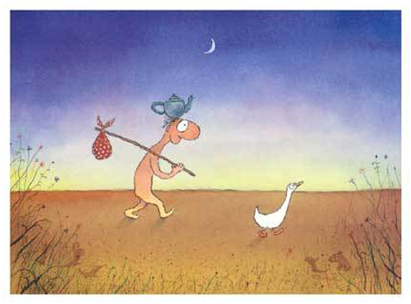
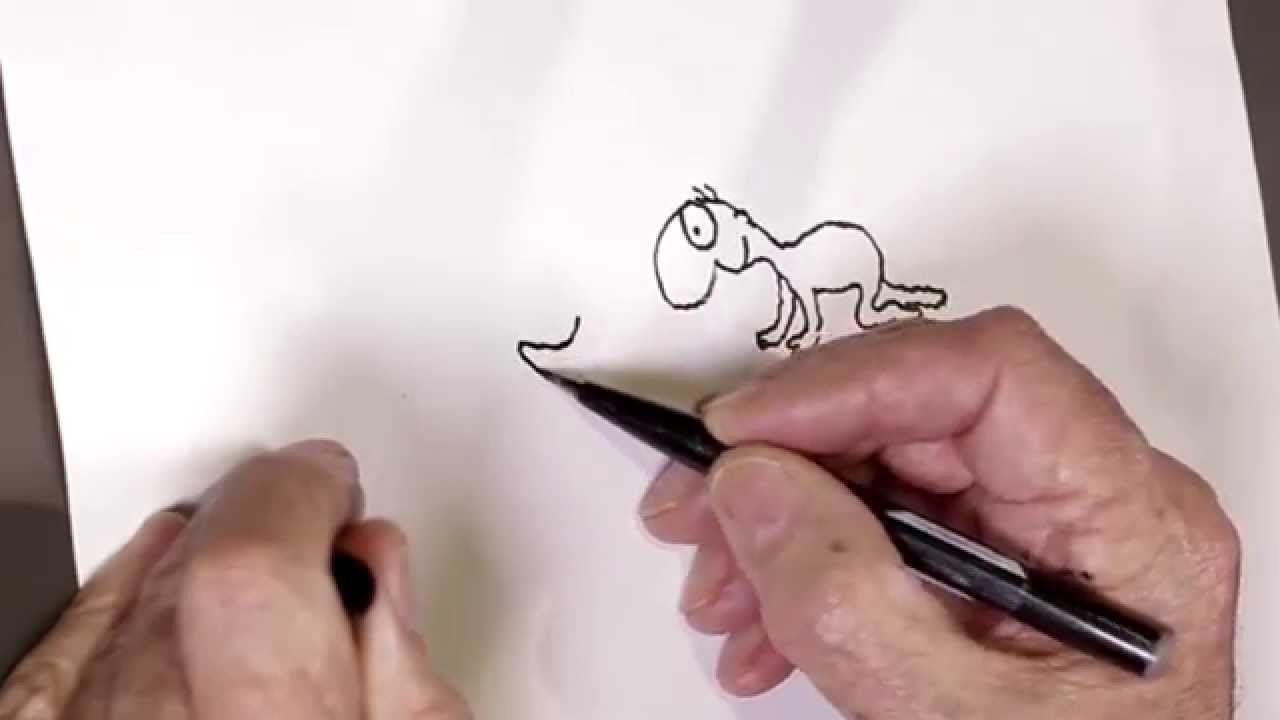
maxresdefaultWalking out of his 3rd year at Swinburne Film and Television School, it was 1969 when Leunig first began to work as a political cartoonist at Newsday, while the factories might have taught him to use humour – intellectual, witty, cynical – to deflect serious things, Leunig says “I was sung sentimental songs. Part of my first language. Fluent in that emotional language” His Grandma used to tell him: ‘All the world is bad, except for you and me, but even you’re a little strange.’ …perhaps this is where we meet The Creature… The Holy Fool– scribbled in the margins since school – amusing to his slightly hungover Editor, with a teapot on his head and riding a duck into the sunset, the image was put to print. Subhuman, primal, foetal, without gender. Leunig is somehow able to speak to our soul. To take small things and make them large, domestic things and make them sacred. For his own discipline he talks about the paradox of art theory – rules to follow, teachers to emulate >> how this stifles creativity. It’s about earning money, systematic success, built for efficiency, for velocity but you lose much, Leunig believes: “[You] cannot love or appreciate beauty at speed. How do you talk about it in ways that are unsuppressed and real? Might make a bridge with love, make a sandwich with love – it’s passed on to others. Love is what we go to bed thinking about.”the kiss by leunig

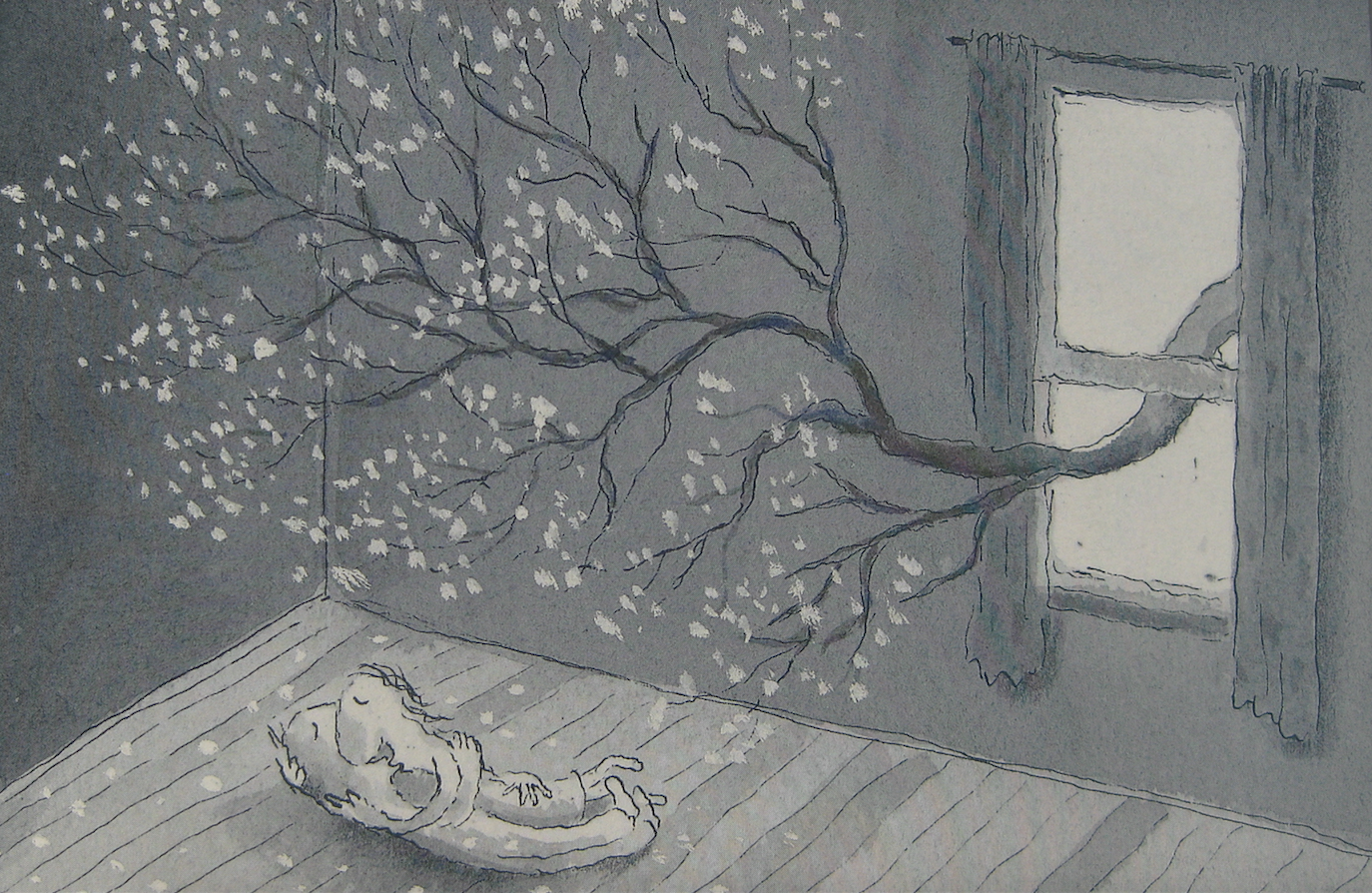
Since his first book in 1974, Leunig has produced 23 more – books of newspaper columns, poetry and prayer in addition to his prints, paintings and drawings. Leunig shares intimacy with us, personal and confessional – e.g. The Kiss. We are invited into the privacy of his love life, his soul searching… Leunig makes the private public. He takes the small dark fearful things and brings them out where we can look at them “crying with the angels for a world that is different – this is not fatalistic but hopeful”. Perhaps it is because he has offered his own soul first that we are willing to listen to him expound on many themes:

>> loneliness >> the 9 to 5 grind >> war >> sex >> consumption >> love >> god >> media >> religion >> politics

It was being asked to contribute a cartoon to a new paper in 1989, The Age, that Leunig started writing prayers to the horror of his friends… Rather than born-again Christian Leunig’s interpretation lay in the realm of John Keats’s “negative capability”, a word for the unsayable and profound in life. He wanted to say the words publicly as another way of addressing the problems of our time, of our society, of our psyche, of people’s personal suffering {1998} His friends reactions sort of egged Leunig on, wanting to see how much he could push believing that “until a man discovers his emotional life and his gentle, vulnerable side, until he gives it expression, he never will find his women or his soul, and until he does find his soul he will be tortured and depressed and miserable underneath a fair bit of bullshit”.

From Archbishops to Presidents, the Opera House, Australian Chamber Orchestra, National Theatre in London to clay figure animations for SBS and remote communities in northern and central Australia – Leunig has Gone Places and Done Things. Declared a national living treasure by the National Trust in 1999 and awarded honorary degrees by 3 universities for his unique contribution to Australian culture.

094The ‘war on terror’ following 9/11 was a watershed moment in Leunig’s cartooning work where, opposing the war and invasions of Afghanistan and Iraq, he was at odds with many editors, commentators and members of Australian society – there became less gentle and lyrical themes and he stopped drawing the whimsical characters Mr Curly and Vasco Pyjama as often although the duck and the moon have still faithfully remained. Adding curls arose out of Leunig’s desire to communicate that “What makes you feel so alone and strange is in fact normal. There’s a lot of curliness in life and you can have a homecoming – there is a place for you and for that aloneness, that eccentricity, and there’s a fulfilment of it eventually, it’s no longer the cause of your outcastness. So that’s the curl. It’s the curious, unique self and, if you find that, you find the connection to the whole world because the world is curious and unique and authentic at its best level.” You might say the war, not understanding how people can fight other people this way, has been a breach to Leunigs sense of connection to Australian society and thereby rest of the world.

These days, Michael Leunig has 3 small dogs but no ducks. He enjoys talking to strangers and going to bed at night. He is a devout nature lover and spends his time between the solitude of the bush in Northern Victoria and a home in Melbourne where he enjoys walking in the local park, morning coffee in the café, chamber music in the concert hall, and attending to work in his studio .

When asked: “What is the meaning of life?” Leunig replied: “For humans as for all the plants and creatures: know yourself, grow yourself, feel yourself, heal yourself, be yourself, express yourself”… “I want to be a voice of liberation”. Leunig speaks not only for the wealthy or the poor but both, not only those armed and those without weapons but both, not only the pretty people or only the ugly people but both – he enjoys this inconsistency and variety. As Barry Humphries says “through the vein of his compassion and humanity and his humour – illuminating many a darkling theme”

Like Jesus with his parables and questions – Leunig doesn’t present us with solutions or easy answers but an invitation. He sees his vocation as cracking what is stoic and cold in society – to make us feel anger, grief, joy, sadness… Leunig believes we have something to discover in the wrongness… “Live without ‘knowing’, in mystery. Find things. Unlearn. Get lost. Get primal, getinfantile. When you have lost all hope – start to play. You have nothing to lose. Stay with it and don’t take it too seriously…”

I hope maybe it awakens something in you.”

Gilead I

p.34-35200px-Gileadcover

She makes an unlikely preacher’s wife.  She says so herself.  But she never flinches from any of it.  Mary Magdalene probably made an occasional casserole, whatever the ancient equivalent might have been… I mean only respect when I say your mother has always struck me as someone with whom the lord might have chosen to spend some part of His Mortal time… There is an earned innocence, I believe, which is as much to be honoured as the innocence of children… When the Lord says you must ‘become as one of these little ones’ , I take Him to mean you must be stripped of all the accretions of smugness and pretense and triviality.  “Naked I came out of my mother’s womb’, and so on… It has pleased me when I have thought your mother felt at home in the world, even momentarily.  At peace in it, I should say, because I believe her familiarity with the world may be much deeper than mine.  I do truly wish I had the means to spare you the slightest acquaintance with that very poverty the Lord Himself blessed by word and example… still it shames me to think that I will leave you and your mother so naked to the world – dear Lord, I think, spare them that blessing.


p.45

I get much more respect than I deserve.  This seems harmless enough in most cases.  People want to respect the pastor and I’m not going to interfere with that. But I’ve developed a great reputation for wisdom by ordering more books that I ever had time to read, and reading more books, by far, than I learned anything useful from except, of course, some very tedious gentlemen have written books.  This is not a new insight, but the truth of it is something you have to experience to fully grasp.

                                Thank God for them all, of course, and for that strange interval, which was most of my life, when I read out of loneliness, and when bad company was much better than no company.  You can love a bad book for its haplessness or pomposity or gall, if you have that starvling appetite for things human, which I devoutly hope you will never have.  ‘The full soul loatheth an honeycomb; but to the hungry soul every bitter thing is sweet.’ There are pleasures to be found where you would never look for them.

 p.51

A good sermon is one side of a passionate conversation.  It has to be heard in that way.  There are three parties to it, of course, but so are there to even the most private thought – the self that yields the thought, the self that acknowledges and in some way responds to the thought, and the Lord.  That is a remarkable thing to consider.

p. 54-55

I read somewhere that a thing that does not exist in relation to anything else cannot itself be said to exist.  I can’t quite see the meaning of a statement so purely hypothetical as this, though I may simply lack understanding… My grandfather had nowhere to spend his courage, no way to feel it in himself.  That was a great pity.

…I can’t tell you though, how I felt, walking alon

g beside him [my father] that night, along the rutted road, through that empty world – what a sweet strength I felt, in him, and in myself, and all around us.  I am glad I didn’t understand, because I have rarely felt joy like that, and assurance.

Ithaka

225

As you set out for Ithaka
hope the voyage is a long one,
full of adventure, full of discovery.
Laistrygonians and Cyclops,
angry Poseidon—don’t be afraid of them:
you’ll never find things like that on your way
as long as you keep your thoughts raised high,
as long as a rare excitement
stirs your spirit and your body.
Laistrygonians and Cyclops,
wild Poseidon—you won’t encounter them
unless you bring them along inside your soul,
unless your soul sets them up in front of you.

Hope the voyage is a long one.
May there be many a summer morning when,
with what pleasure, what joy,
you come into harbors seen for the first time;
may you stop at Phoenician trading stations
to buy fine things,
mother of pearl and coral, amber and ebony,
sensual perfume of every kind—
as many sensual perfumes as you can;
and may you visit many Egyptian cities
to gather stores of knowledge from their scholars.

Keep Ithaka always in your mind.
Arriving there is what you are destined for.
But do not hurry the journey at all.
Better if it lasts for years,
so you are old by the time you reach the island,
wealthy with all you have gained on the way,
not expecting Ithaka to make you rich.

Ithaka gave you the marvelous journey.
Without her you would not have set out.
She has nothing left to give you now.

And if you find her poor, Ithaka won’t have fooled you.
Wise as you will have become, so full of experience,
you will have understood by then what these Ithakas mean.
By C. P. Cavafy
Translated by Edmund Keeley/Philip Sherrard

178

“I will not agree to my children going to shed their blood.
Though your words are strong,
you will not move me to help you…
you can fight your own fight
until the end”

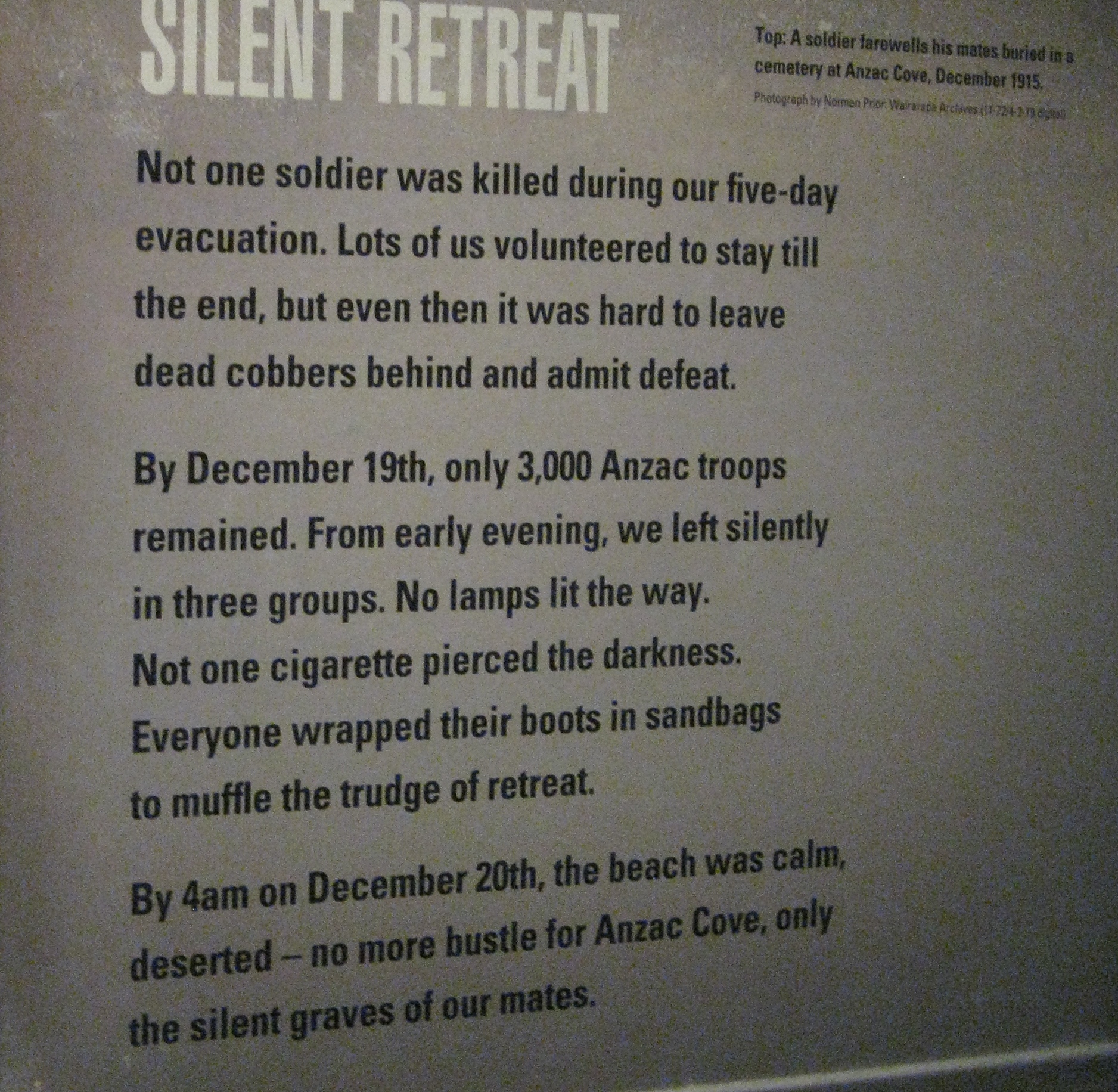
– quote from the centenary exhibition at the Wellington National Library

179183186

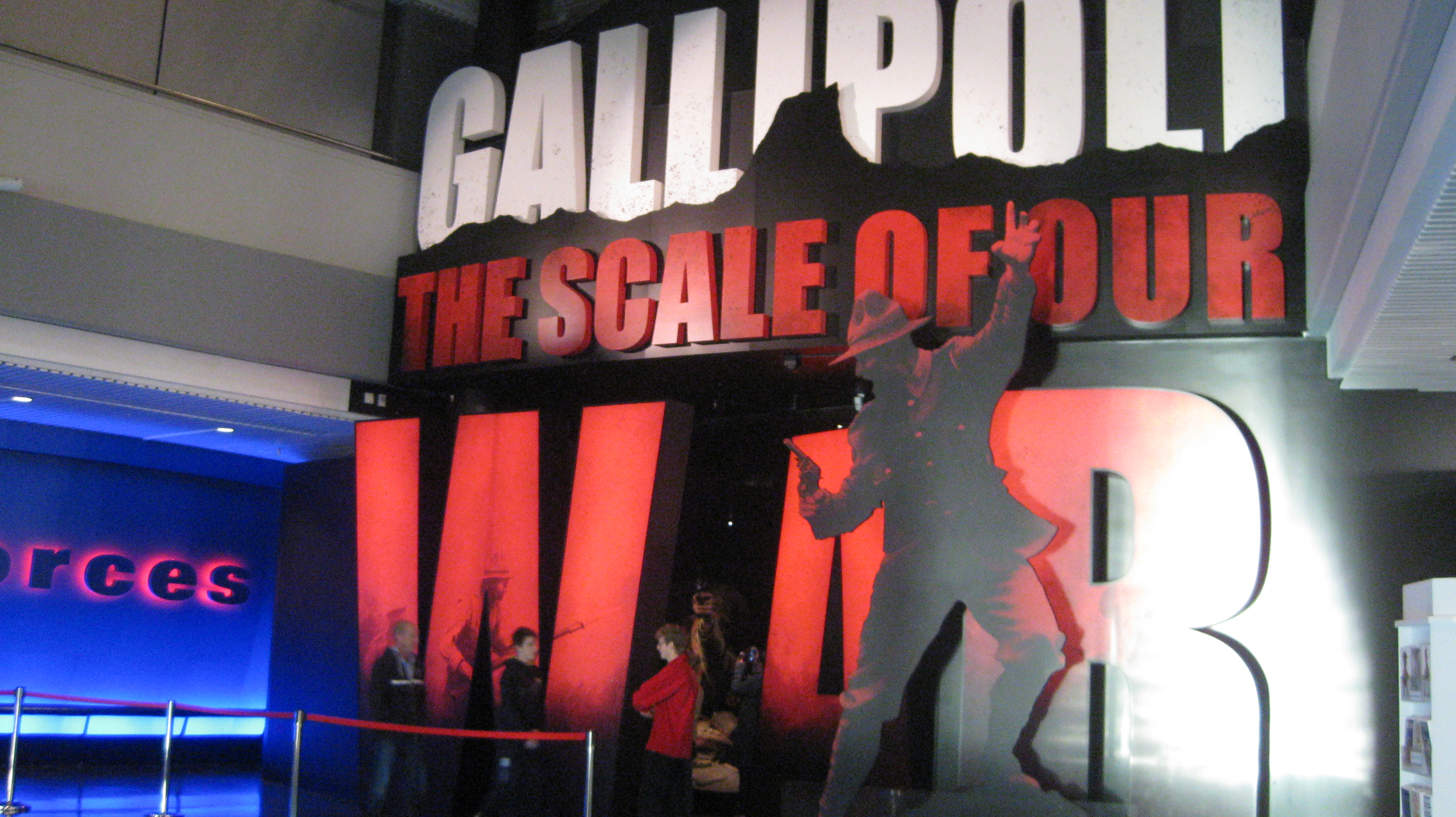
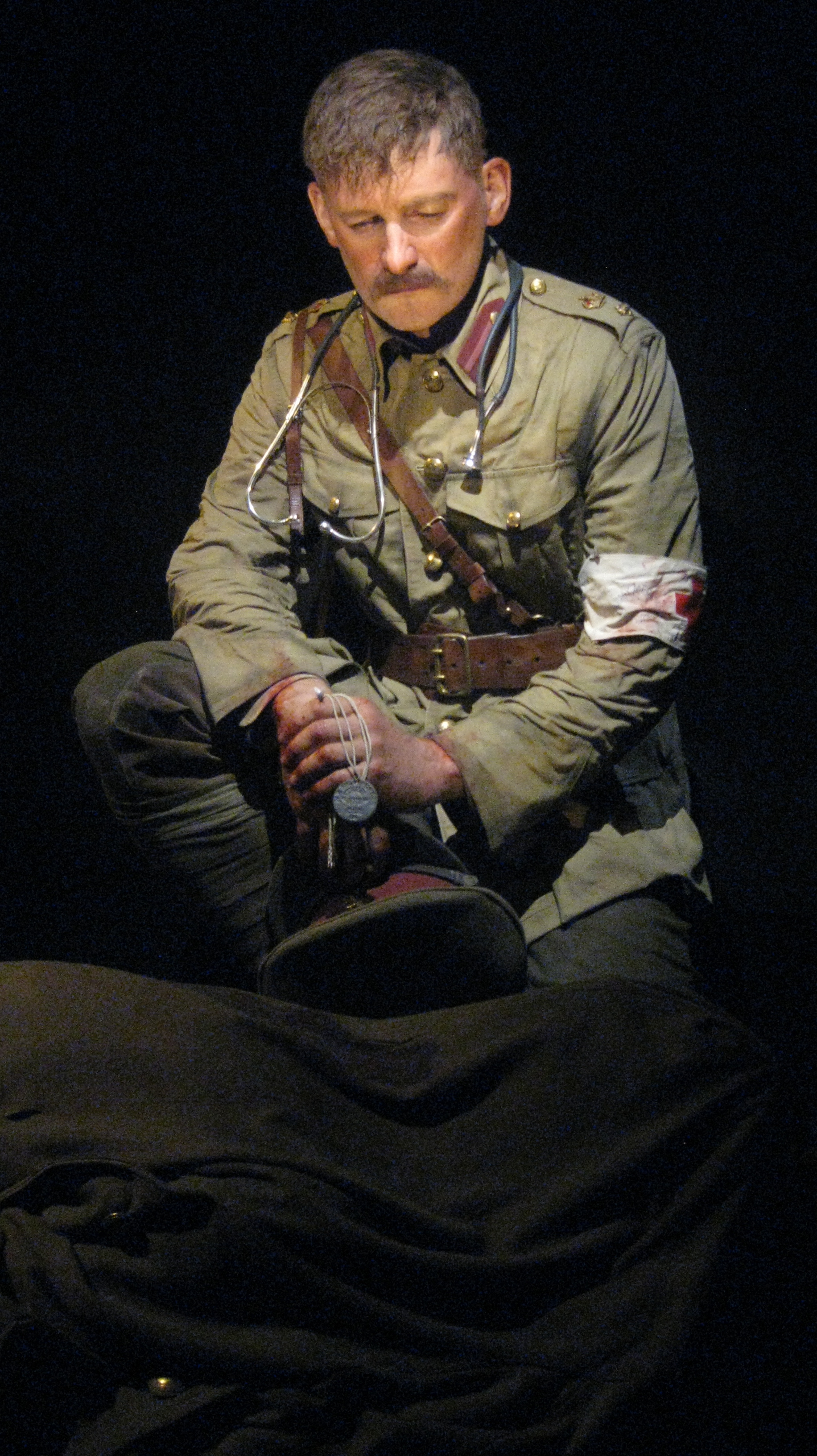
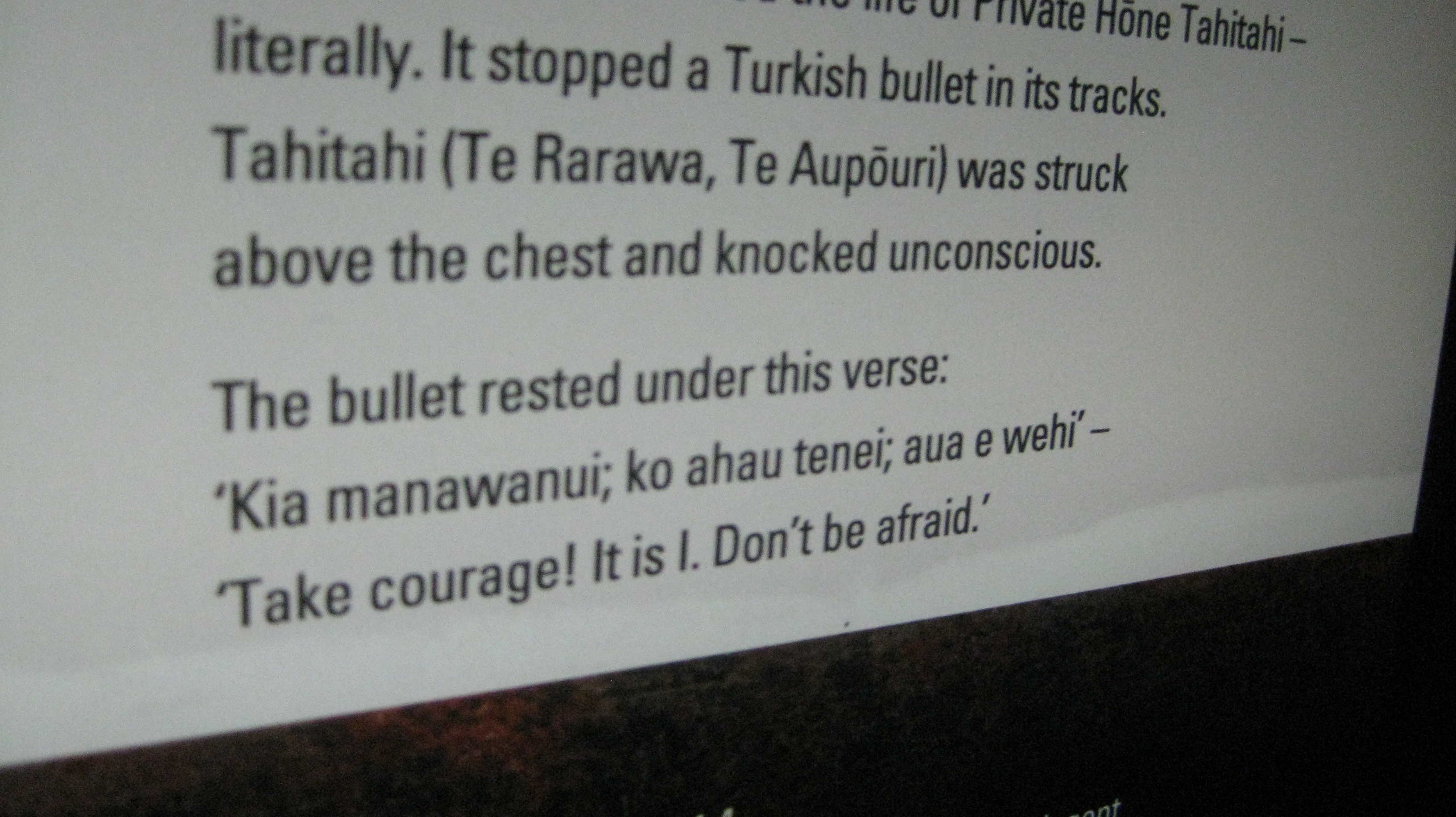
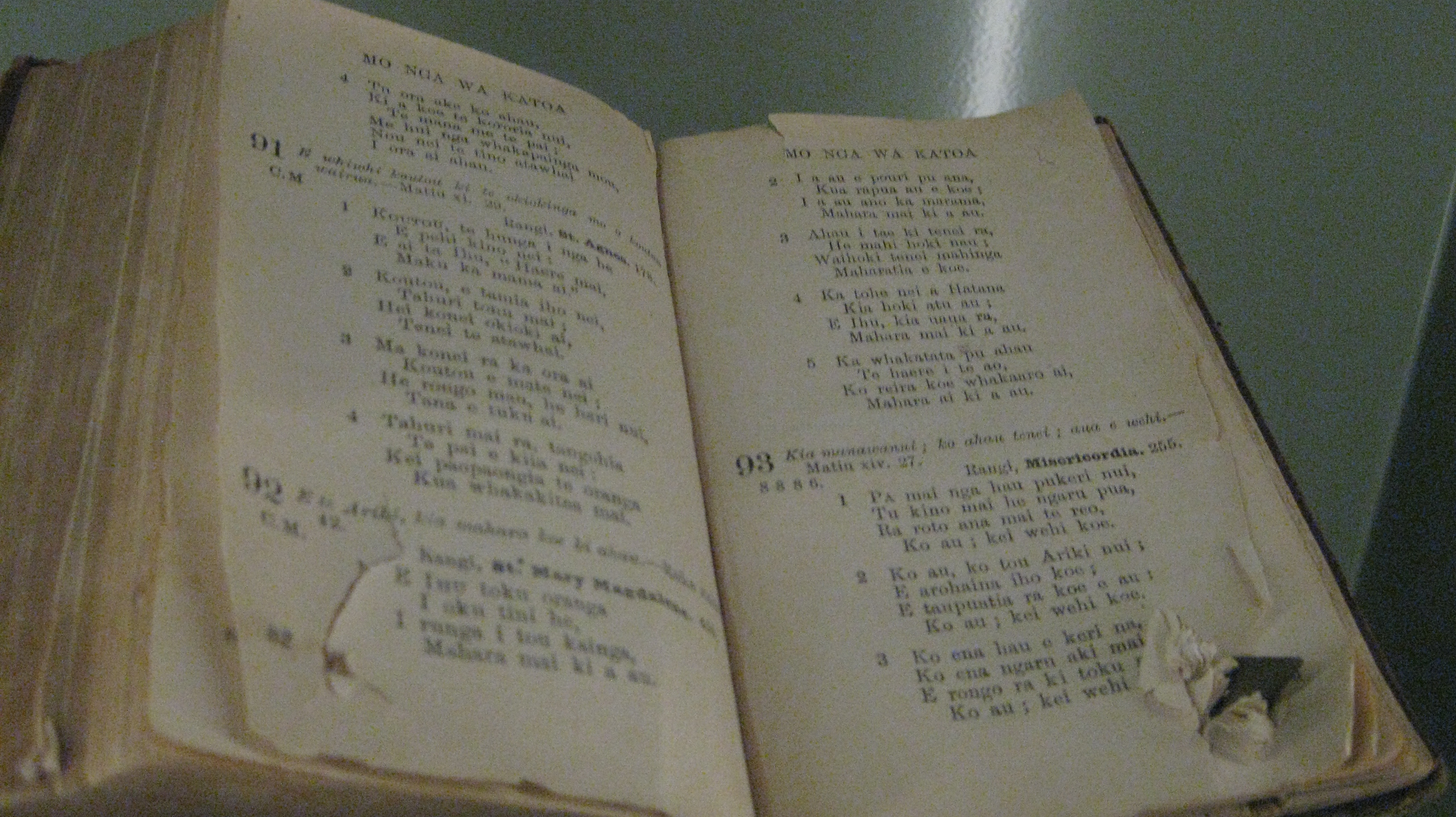
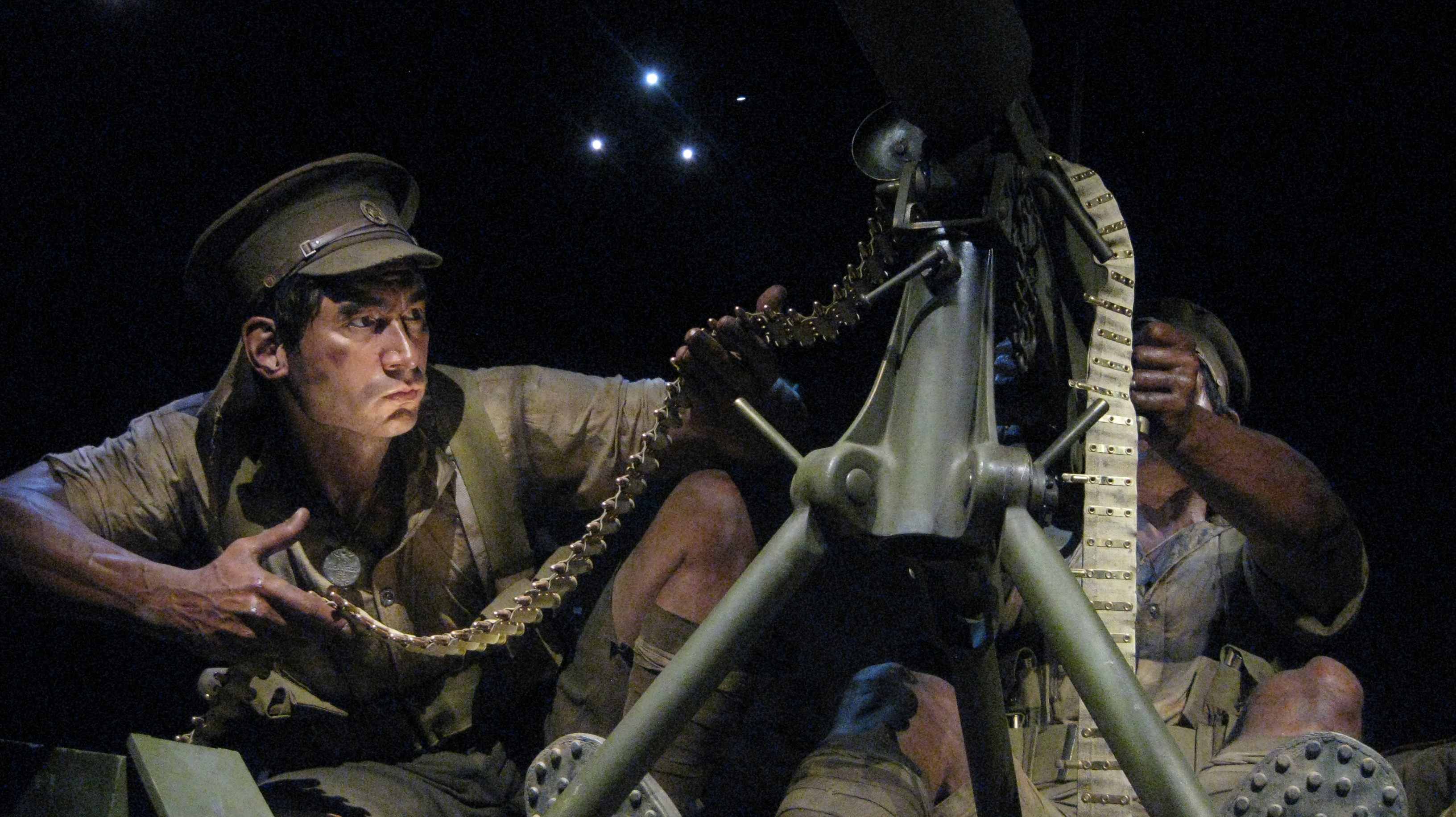
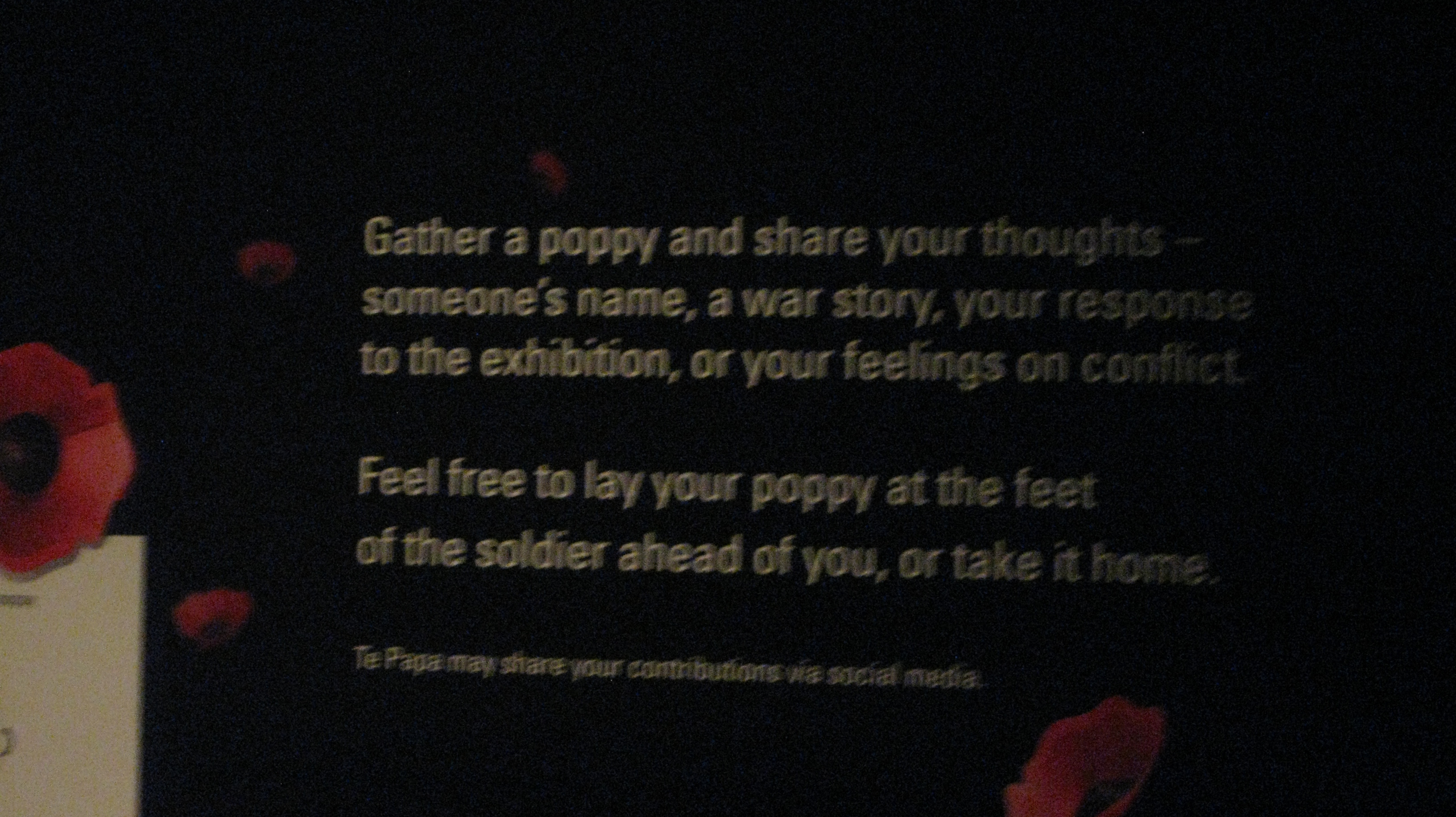
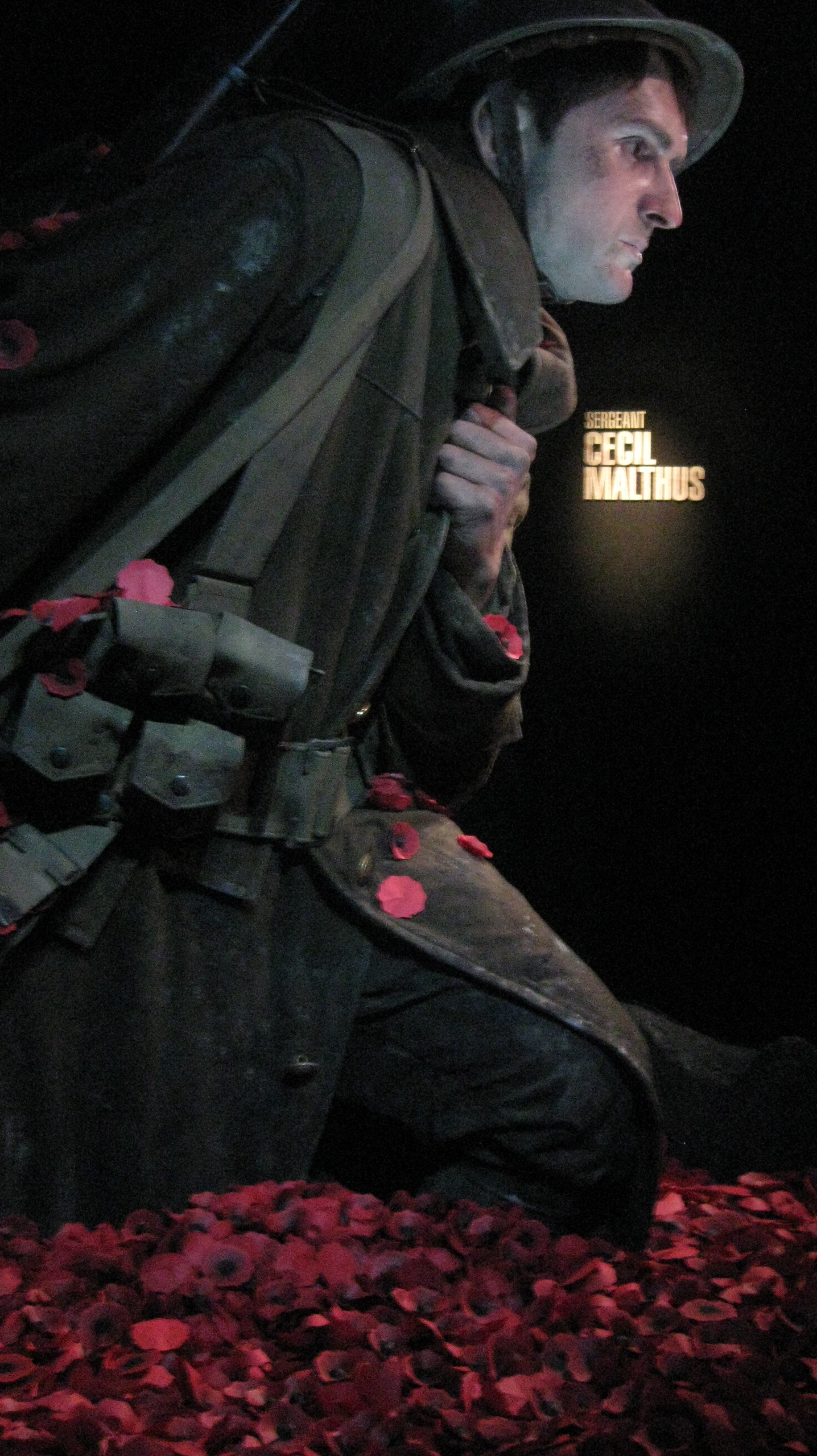
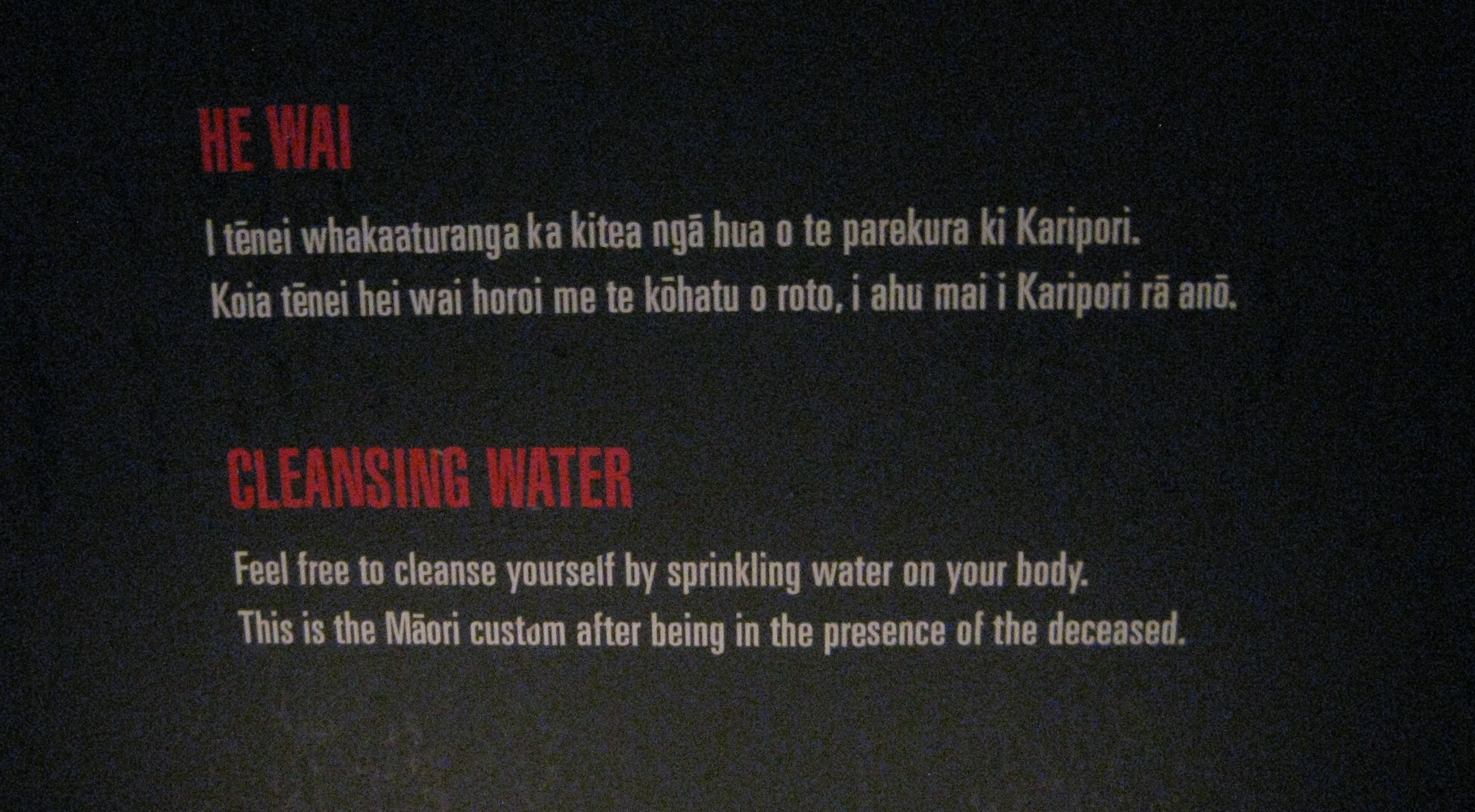
The GALLIPOLI: The Scale of War exhibition at Te Papa

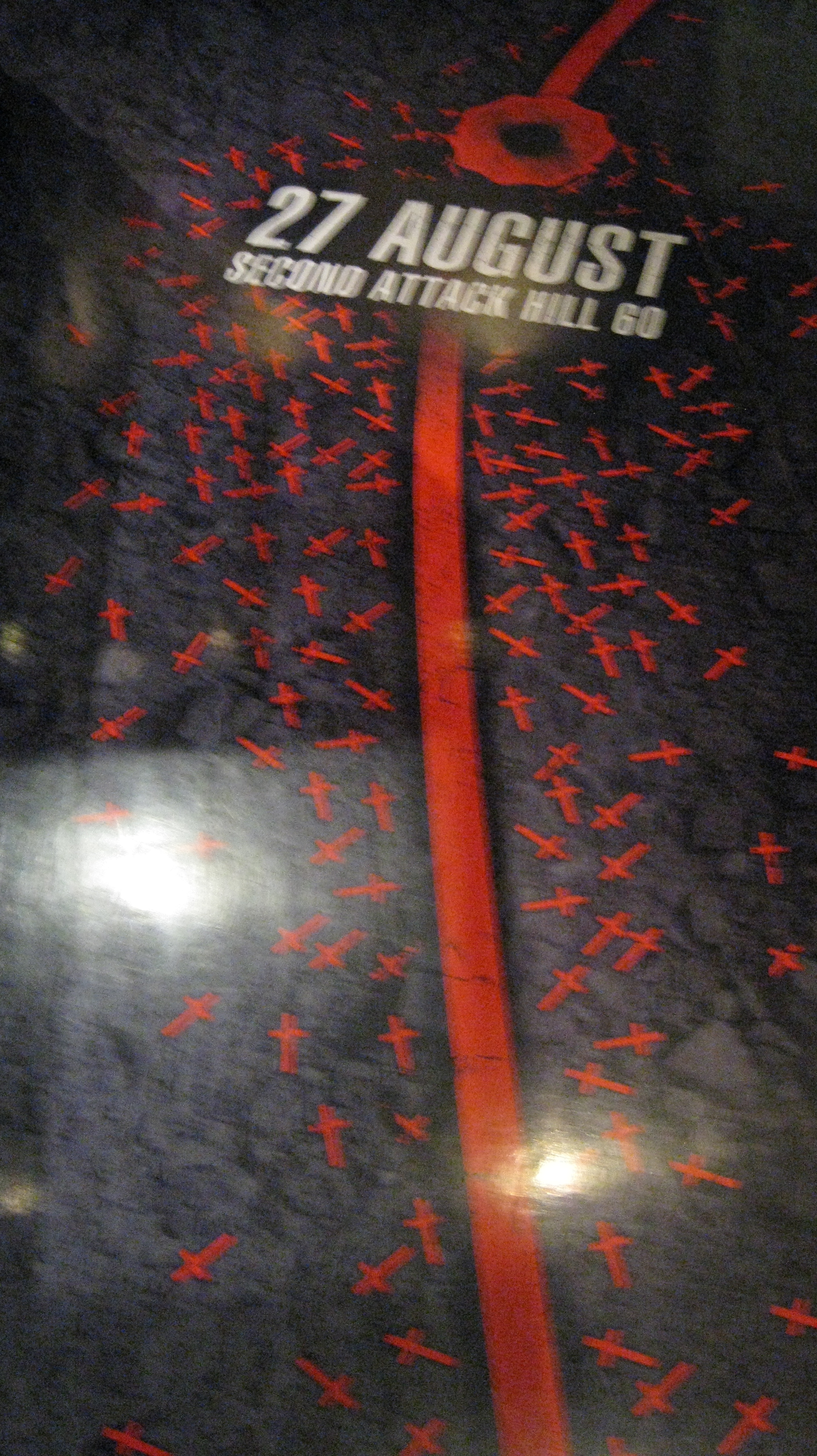
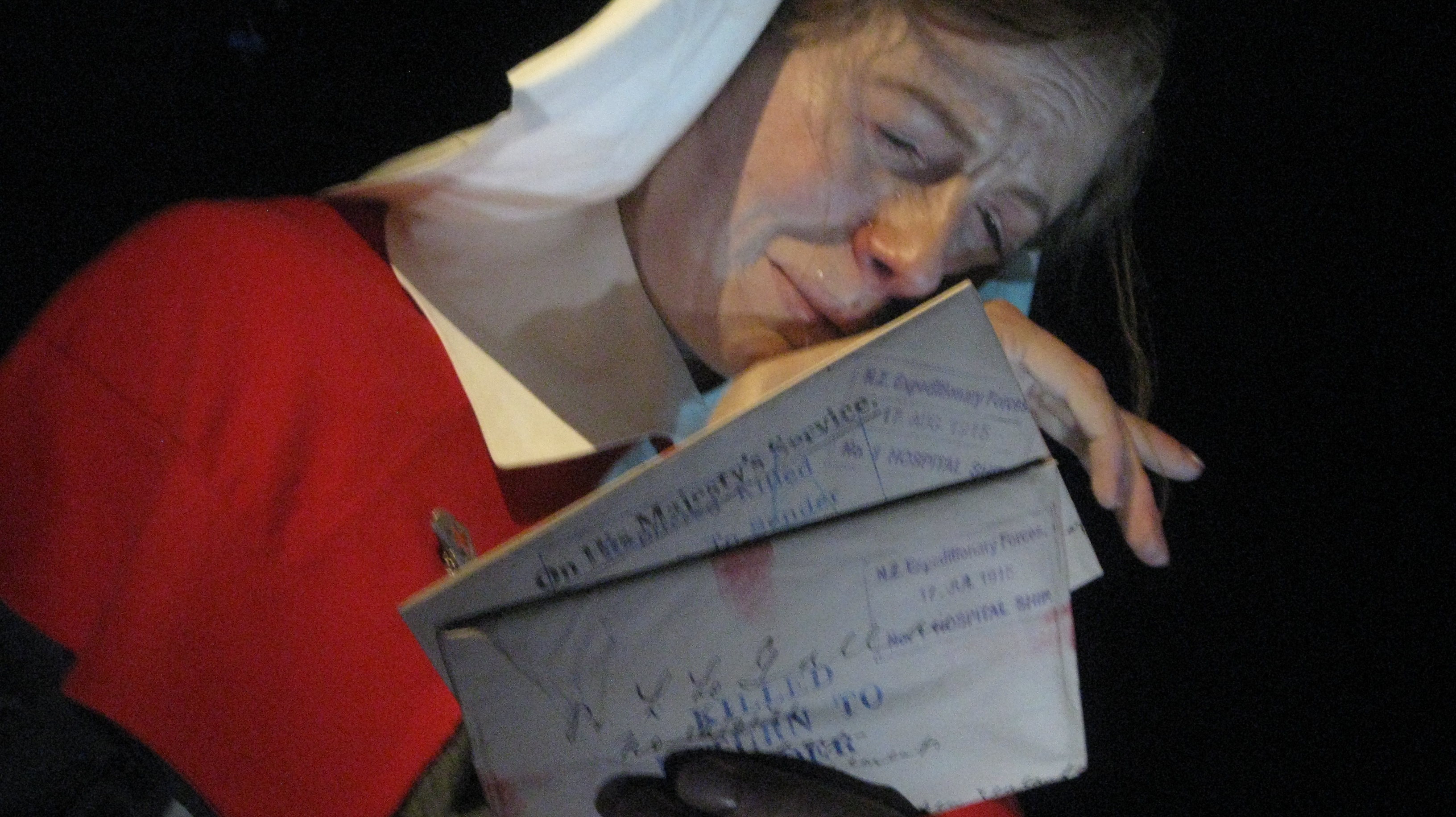
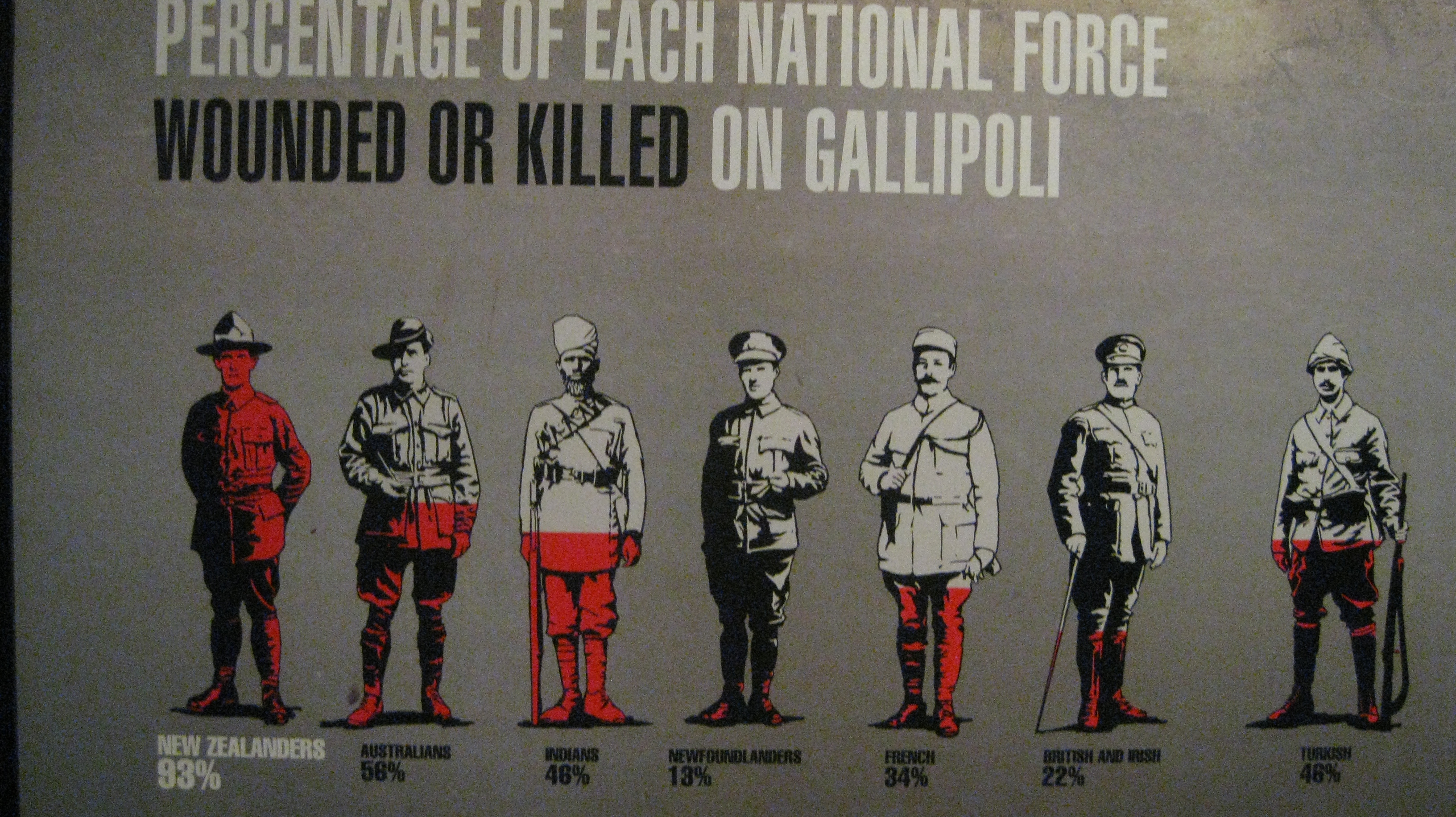
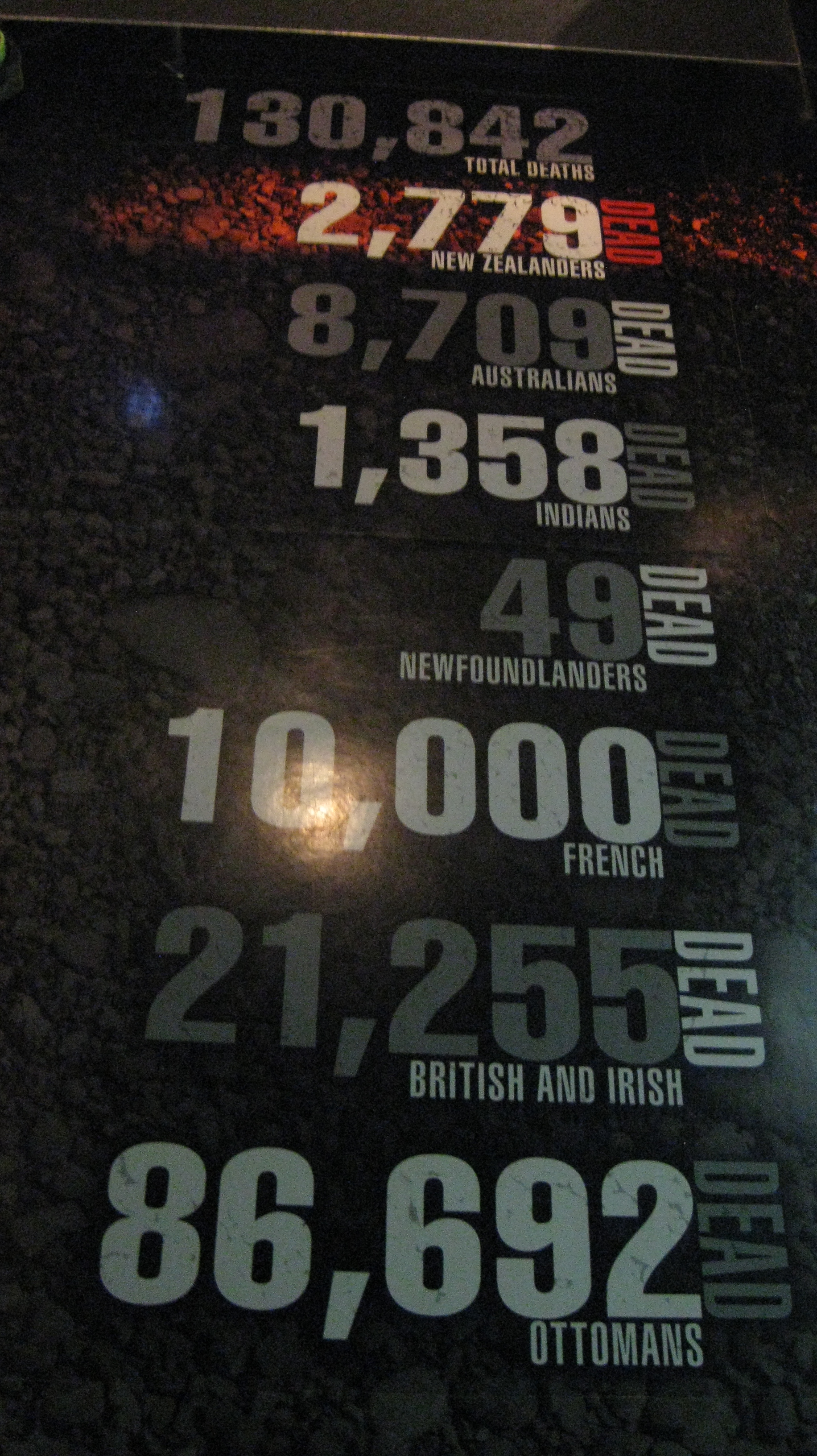
Anzac Day in 2015 marks the 100th anniversary of the ANZAC landings at Gallipoli…How’s this for engagement with/reflection on war?

218

187

190

191

192

189

196

197

199

204

the red line you follow through the exhibition follows the timeline of the engagements with a cross symbolising each life lost along the way in a very confronting impression of the price for each metre of land gained… and lost.

207

210

212

211

213

215

217

222

IMG_5684


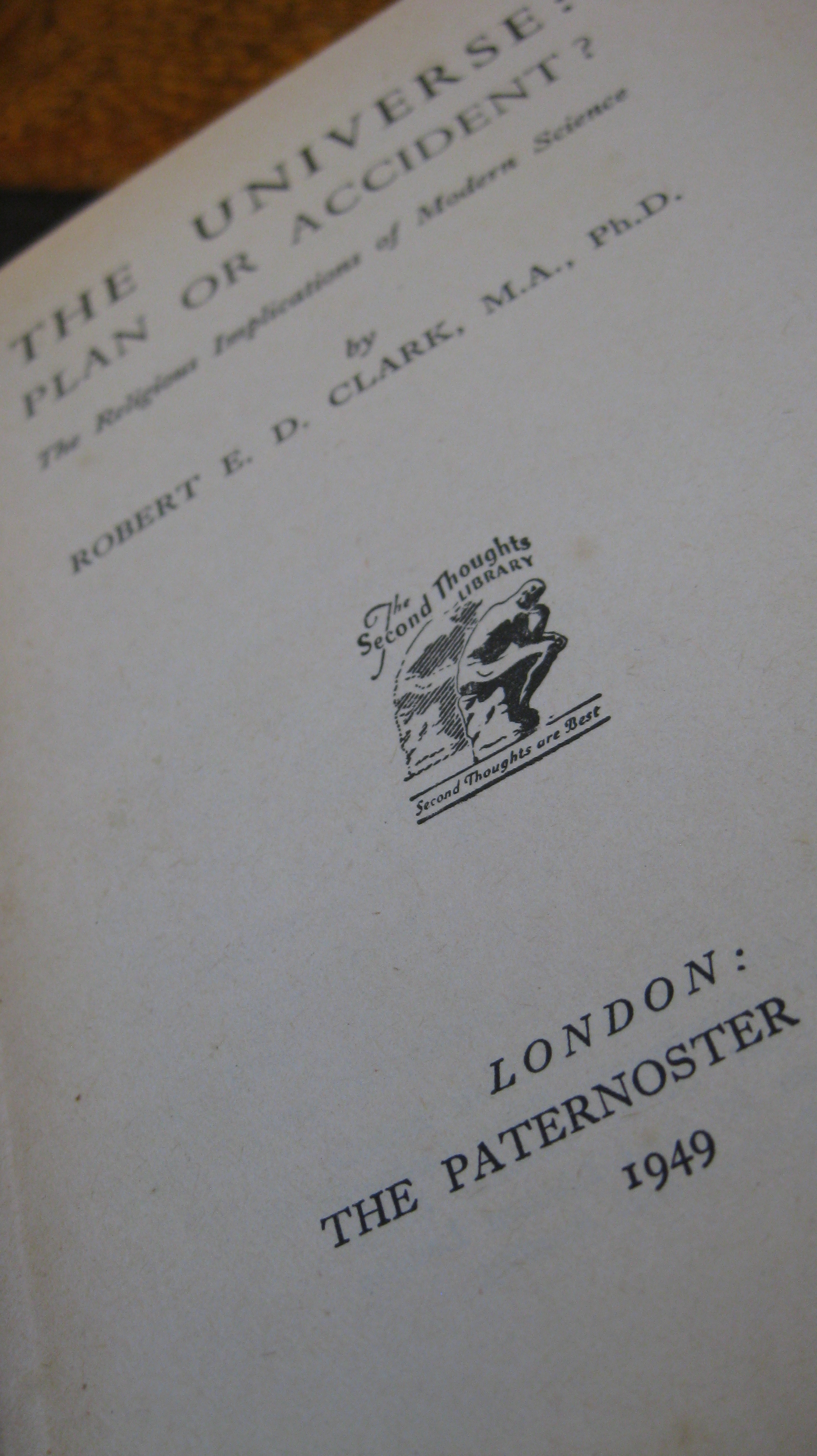
Only I would tear pages out of a book, draw on them, paint them, then decide I wanted to read it… not sure whether to laugh or sigh – perhaps a little of both is in order… already fascinating…

p.7-8  If we would appeal to science at all, we must use her methods – not methods of our own choosing.  Now it is a generally accepted principle in science that it is only through the study of the unusual, the odd and the seemingly inexplicable, that man can be led onwards towards new knowledge.  The scientist whose mind revolves only in the grooves of well recognised theory has little chance of discovering important new principles.  In fact, an important element in the scientific method consists in the focusing of attention upon the things that science cannot explain, or has difficulty in explaining.  In this way only can it be discovered whether known principles will cover all the facts, or whether new remain to be discovered.

We must apply the same method if we wish to build a reliable philosophy of nature.  If we consider only the recognised laws of science we shall never discover whether they are adequate to explain everything in the universe – we shall never even discover whether they are the most important factors of which we ought to take cognisance.  To reach a sane judgement, we must turn to the odd and the peculiar.  We must think about things which, in the light of present scientific knowledge, seem inexplicable.  We must ask if they really are inexplicable, or only apparently so.  And should the first possibility seem the more likely, we must ask whether the inexplicable facts can be explained – explained, not of course, in a fundamental sense, but in the scientific sense of co-ordinated or grouped together by a new hypothesis or theory which would make them inexplicable no longer.  Finally, if we are able to do so we must test our theory – we must see whether it can help us to understand yet other facts, which we have overlooked hitherto, whether it will stimulate our minds to research in new directions and so forth.  And, as the past history of science has shown on repeated occasions, it will often happen that the good theory, based upon phenomena that once seemed queer and out of the ordinary, will help us to understand the ordinary and commonplace.

This is the scientific method of discovery of truth – the method upon which the scientific edifice of our day has been built.  And it is also the way of common sense – a codification of the rules that are always used in establishing evidence.  For the scientific method is only a glorified version of the ways of common sense.  The detective, like the scientist, focuses his attention upon the details that seem queer and inconsistent with the knowledge he already possesses;  like the scientist he frames his theories upon those parts of the picture that at first seem odd and inexplicable; like the scientist again he seeks to discover whether his theories are adequate.  The economist, the historian, the archaeologist, the linguist – every one, in fact, whose business it is to discover facts adapts the same procedure.  The scientific method is the method of human reason.

p.9 Instead of examining the inexplicable. The modern writer only too often examines the explicable: instead of showing interest in the extraordinary, he revels in the ordinary.  And his reply to those who adopt a more orthodox procedure is to the effect that they are inventing a “God of the gaps” who will be doomed to extinction as soon as all-conquering science has discovered how the gaps may be filled in.

p.10

Instead of avoiding the difficulties, instead of begging the question by pretending that every difficulty is mere gap, we must boldly explore the suppose gaps with all the care we can muster.  Nor need we apologise for doing so.

013

In addition to the Carmelite Library in Middle Park, I have been known also to haunt the State Library of Victoria, it’s central, so so pretty, an easy place to occupy oneself before, after and between things and I love their exhibit of the written word from carved stone tablets, hand-drawn illuminated manuscripts and giant atlases to the printed word.  It is a creative space and that is what I go there and “take out”.

“Libraries are reservoirs of strength, grace and wit,
reminders of order, calm and creativity, lakes of mental energy”
– Germaine Greer (one of the big quotes on the wall)

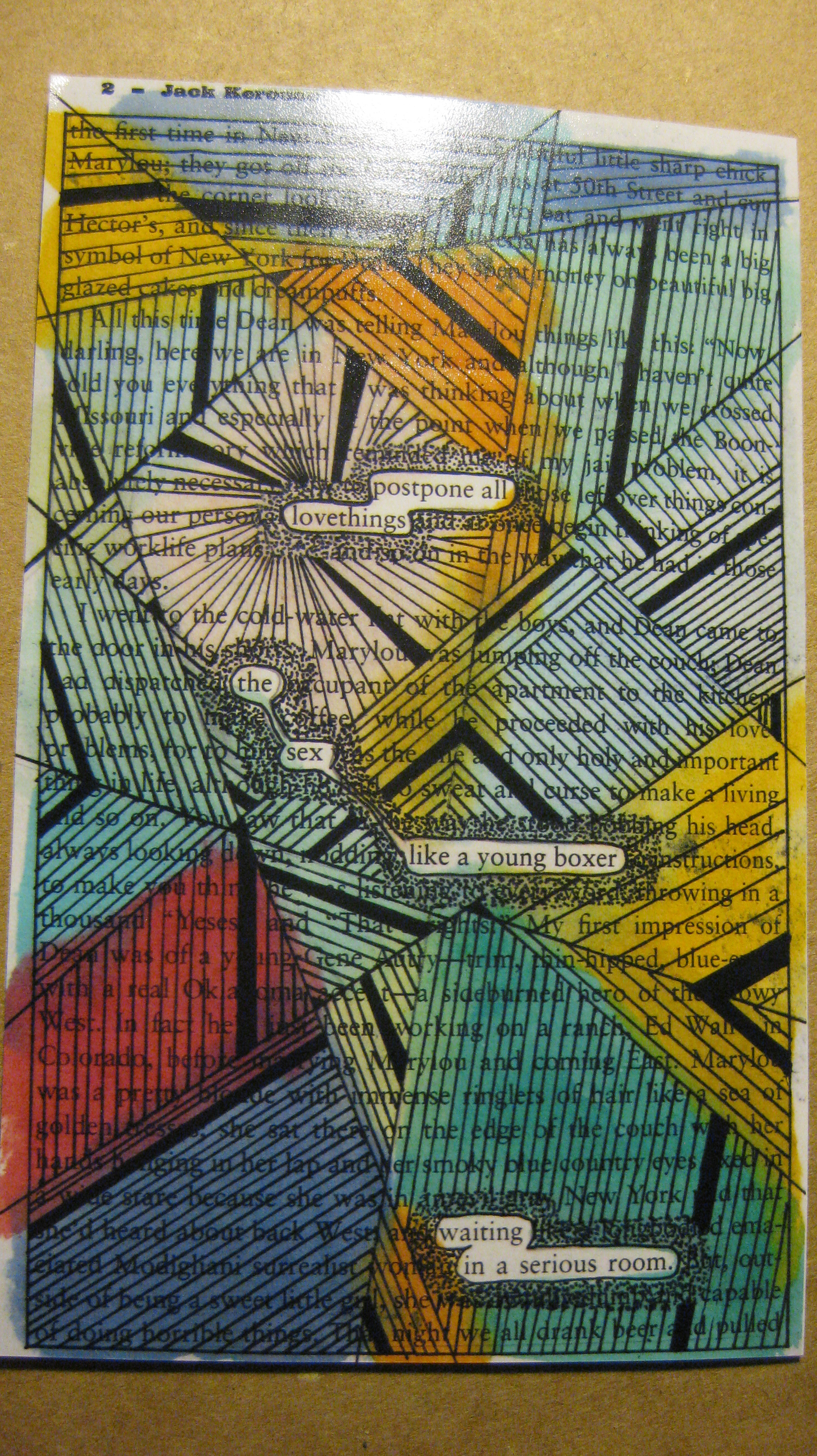
Today I find myself in ‘LT A821 Poetry’ and I take two books off the shelf back to my spot in the carrels, called “Poems from Prison” and to contrast perhaps, “Sometimes Gladness” but, first things first, this fell out as soon as I opened it:

131130

Who is the Reverse Butcher? <obviously as I was sitting in the library, I did not know, but that’s that magic of time and connectivity, I can insert the link right here and you can have a look!>

Speaking of time – has this poem been tucked inside the book since last year or was it written then and only placed in the book today?

This is an intriguing and colourful way to communicate… it might be a fun exercise to attempt in fact – isolating words on a page to say something quite different that what the original author intended… can you still cal it an original artwork when you have literally carved it out of someone elses work? It is fascinating I think, our capacity to take things others have said or taught or done and make them our own.

How much does it cost to get postcards made up?  what is it for? what does it do? anything? Perhaps it is not its purpose to do anything but ‘be’.  Outside of the normal rules of submitting poetry this is anonymous and there are no criteria to fulfill… I’m a little #antiresidency myself, at least as far as The Establishment is concerned did it feel ironic (or clever?) to tuck it between the pages of a book on “Poems from Prison”?  So many questions!

Now, I actually copied quite a few poems out (how often do you get to hear poems written by people who are in prison after all?), this is their truth and, I think, something of their healing… I’ll limit myself to two.

I LAY DOWN WITH ME TO FORGET YOU – JACK MURRAY

I don’t want to believe
the message on your face
inches away
through the rust wine
finger-clutched smooth
by husky love promises
but my eyes
blind to all
blind to nothing
tell
that it’s true
true

But I remember when
one summer day
we held hands like children
and went into a
brand-new empty house
smelling of paint and plaster
and looking out strange windows
we could see
the wilderness over the back fence

so we made love
on the fresh-sanded floor
and your thighs
tasted of sawdust
happy but sad too
we went outside to our
mickey mouse car
with the baby on the back seat
and left

like love was
left on the stove
to stew and simmer until
all the impurities evaporated
and nothing
remained but enough tasty poison
to murder us both
or me
was I such an enemy?

You
wise but helplessly dumb
touched with a little style
guile-smart with experience but
gifted only with the power
to live your life in more sadness
than
a normal person could
think of

Four foot round the chest
I opened bottles with my teeth
tore Rod McKuen books
in half
with my bare hands
but I wasn’t strong enough
to make you happy
remember?
how could you forget
blame never alters
kind words are hard to find

—————————————————–

I WANT TO WRITE A BOOK ABOUT ANGER – ROBIN THURSTON

I want to write a book about ANGER
about how anger CAUSES things
I want to do this.  I’ll show it SUBTLY and
in various stages.
I’ll do it something like Bronte did love.
I’ll show anger in DEGREES.
I’ll build it past recompense,
demonstrating how a moment’s ANGER
can warp a whole LIFE,
and give a man a fork through his lip
or an empty eye socket,
or maim him all in a minute
to be endured forever.  The book
will be MATURE, and for adults.
It should be a masterpiece of informed
intelligent writing.

…and from “Sometimes Gladness” by Bruce Dawe (because sometimes poets can say things our spirit knows but can’t find words for)

HAPPINESS IS THE ART OF BEING BROKEN (p.37, v.2)

Always the first fragmentation
Stirs us to fear… Beyond that point
We learn where we belong, in what uncaring
Complex depths we roll, lashed by light,
Tumbling in anemone-dazzled fathoms
Seek innocence in surrender,
Senility an ironic act of charity
Easing the agony of disparateness until
That day when, all identity lost, we serve
As curios for children roaming beaches,
Makeshift monocles through which they view
The same green transitory world we also knew.

ADVICE TO AN INTERPLANETARY VISITOR

When you find him,
that last citizen,
hiding wherever there is left to hide,
too timid to surface,
living on nuts or whatever was at hand
when the flash came
– be kind to him, comfort him,
break the news to him gently
that he is the sine qua non, the ultimate reason
for everything.

Let him walk where he will,
let him reassure himself with trees, yes, and the light
walking between them, let him listen to waters
conversing like children, the rain
telling its secular tears, let him
lose himself in what was, roaming
the city streets where wires hang
like ganglia, let him touch things
and remember. Soon enough
logic may cross his brow
like an evil shadow.

When you find him
– give him your alien kindness,
stroke him with feelers of love.

“We are so obsessed with doing that we have no time and imagination left for being.  As a result, men [people] are valued not for what they are but what they do or what they have – for their usefulness”

Thomas Merton

How is this expressed in the lives of people that you know? …in your own life?

What are common denominators?

If there is a correlation between time and imagination and being – what is gained?

Here are some definitions of imagination to reflect on (my underlining):

1.  the faculty of imagining, or of forming mental images or concepts of what is not actually present to the senses.
2.  the action or process of forming such images or concepts.
3.  the faculty of producing ideal creations consistent with reality, as in literature, as distinct from the power of creating illustrative or decorative imagery.
4.  the product of imagining; a conception or mental creation, often baseless or fanciful one.
5.  ability to face and resolve difficulties; resourcefulnessa job that requires imagination.
(Dictionary.com)
What are we?
Who are we beyond what we do and have?
How can we relate to others beyond what they do and have?

5am The Night Watch

I have been “awake” since 4.30am, willing myself in this dark warm cocoon to fall back asleep but my brain is busy cataloging the fragments of dream that have interrupted my rest – odd things like a tree falling over the caravan and who and how I calmly call for help in that, a sink hole Alice-in-Wonderland style that sees me slip through soft soil to a room with a skeleton and paintings and artifacts of Wardens past… silliness!

p.36 My soul yearns for you, O God. I keep vigil with you through the night. Waiting and trusting the sacred darkness. I surrender.

p.37 Keeping vigil with eternal questions, I do not look for answers; it is enough to wait in the darkness of love’s yearning. My soul in my night light; i am not afraid.

p. 38 Take me down deep to the holy darkness of Love’s roots.

IMG_5085

6.30am

p.56 “Set the clock of your heart for dawn’s arrival.  Taste the joy of being awake”

I had set the reminder for the Night Watch but I wasn’t really yet asleep or yet awake or yet warm (I must have six blankets and have slept through in my long woolen cardy, ghoulish, but eventually warm).  There is a little electric fan heater but I know the energy they can go through and I like the idea that I can be active enough or layered enough or in bed enough  do not need it.  Although many of the curtains of the caravan are open or down there is no trace of dawn light yet – only darkness without and the wind.  Within my flickering candle to write by… me… and You.  In the mix of what my life is, this Awakening Hour has been the prayers I would read most often on a normal day – albeit closer to 8.30/9am – I think I like to start my day with this taste of joy and the call to be bigger than I am through somehow revealing love and light in the way that I live.  You do that for me.  Call me into a life worth living, call me into a life worth getting out of bed for. …which in fact, I will not do right now, but lie back and listen to the wind talking in the trees and watching the veil of the sky draw back.


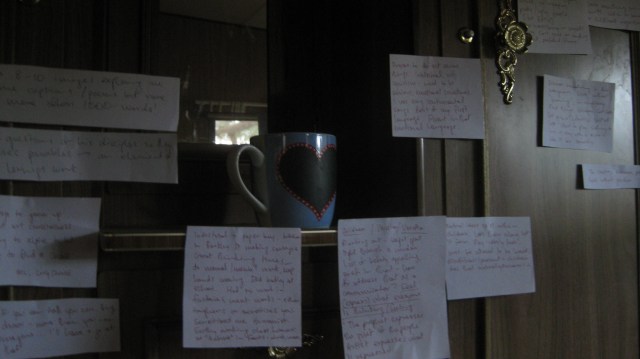
So… Leunig… one of the question he is most often asked and is always baffled by, is what does a particular cartoon mean.  “People will say, ‘I don’t know what it means but I like it.’ And I’ll say, I don’t know either but I like it too.  I’m not trying to say anything but I hope it awakens something in you.”

…I hope it awakens something in you.
006

10am The Blessing Hour

p.80

I dwell in possibility
O Spirit of the Circling Hours,
bless me that I may be a blessing,
work through me, that I may be
your love poured out upon the earth.

I dwell in possibility.

p.82 Come into our potential with your wind and flame

Bring to our memory the truth that we are the temple out of which you pour your gifts into the world.  We are the temple from which you sing your songs.  We are the temple out of which you bless. Enable us to listen to the renewal you are trying to bring about in us and through us… May all the good that we long for come to pass.

Leunig is a blessing and, I think, Your faithful servant.  I so admire his not being constrained t o one medium or what he is “supposed” to do or say – letters, poems, paintings, cartoons, interviews, expositions, prayers – I don’t imagine there is much that Leunig holds back between contemplation of hisIMG_5082 big toe (an honest fellow) or his loneliness or his love life or his politics… this is all one and I envy that.  Even as I read/write that I am thinking to myself – whose permission am I waiting for?  to be my whole self?  I like to think I am getting there, learning – or unlearning – as the case may be.
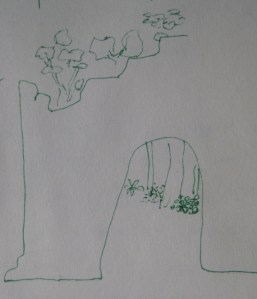
Each day is a new day and I dwell in possibility.  This is one of the big lies of culture I think, that we ‘have’ to do these things – finish school, finish uni, get a job, get a house… do we ‘have’ to?  Once you are on the conveyor belt it can be hard to get off but I dwell in possibility.

Am I a temple?

Perhaps some other building turned to Your purpose, but the wilderness has broken in and the overhanging branches arch  protectively and let gentle dappled light through.  Let’s not renovate or do it up but make the ordinary sacred – the structures yielding to nature in time yet inside a beautiful sanctuary. Let there be gifts and songs and blessings… let it be fit for You to dwell.


12.30pm The Hour of Illumination

p.101 Let us bow to each other and pray for peace.

p.102 We pause to remember who we are: birth givers,
027peace033keepers, joy bringers, life bearers. Take heart.  We are the light of the world. in this hour of illumination let us shine into the broken places.

p.103 Trailing clouds of glory, we have come from the brightness of God.

p.105 In the middle of this day help me to stand before my life with an open heart.

This morning I wandered further along the road from the retreat centre.  I got out my new technicolored skipping rope and went up and down the road. My body memory recalling the hop-step motion of my feet and my wrists to swing forwards and backwards and side-to-side.  I imagine my movements are graceful, I suspect they are no such thing, but they feel so and I have a few moments of childlike abandon.
099106

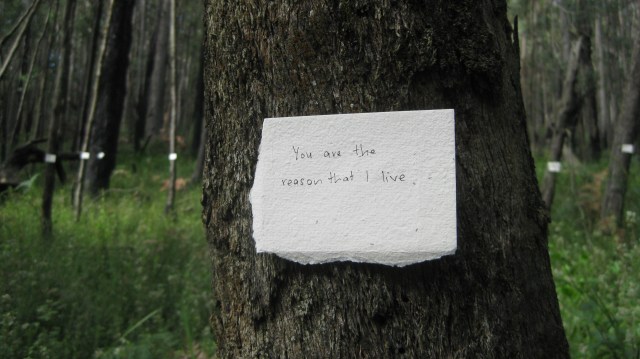
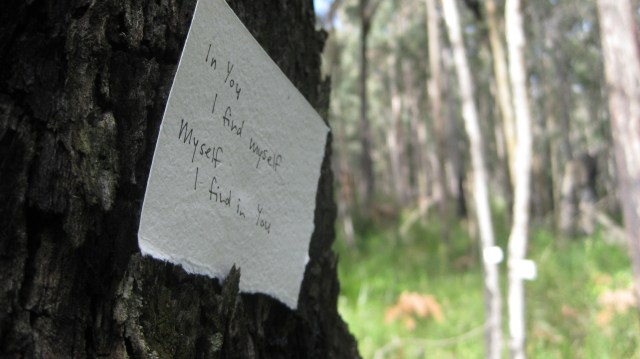
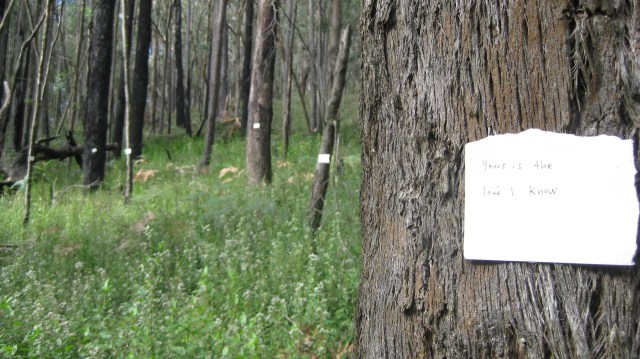
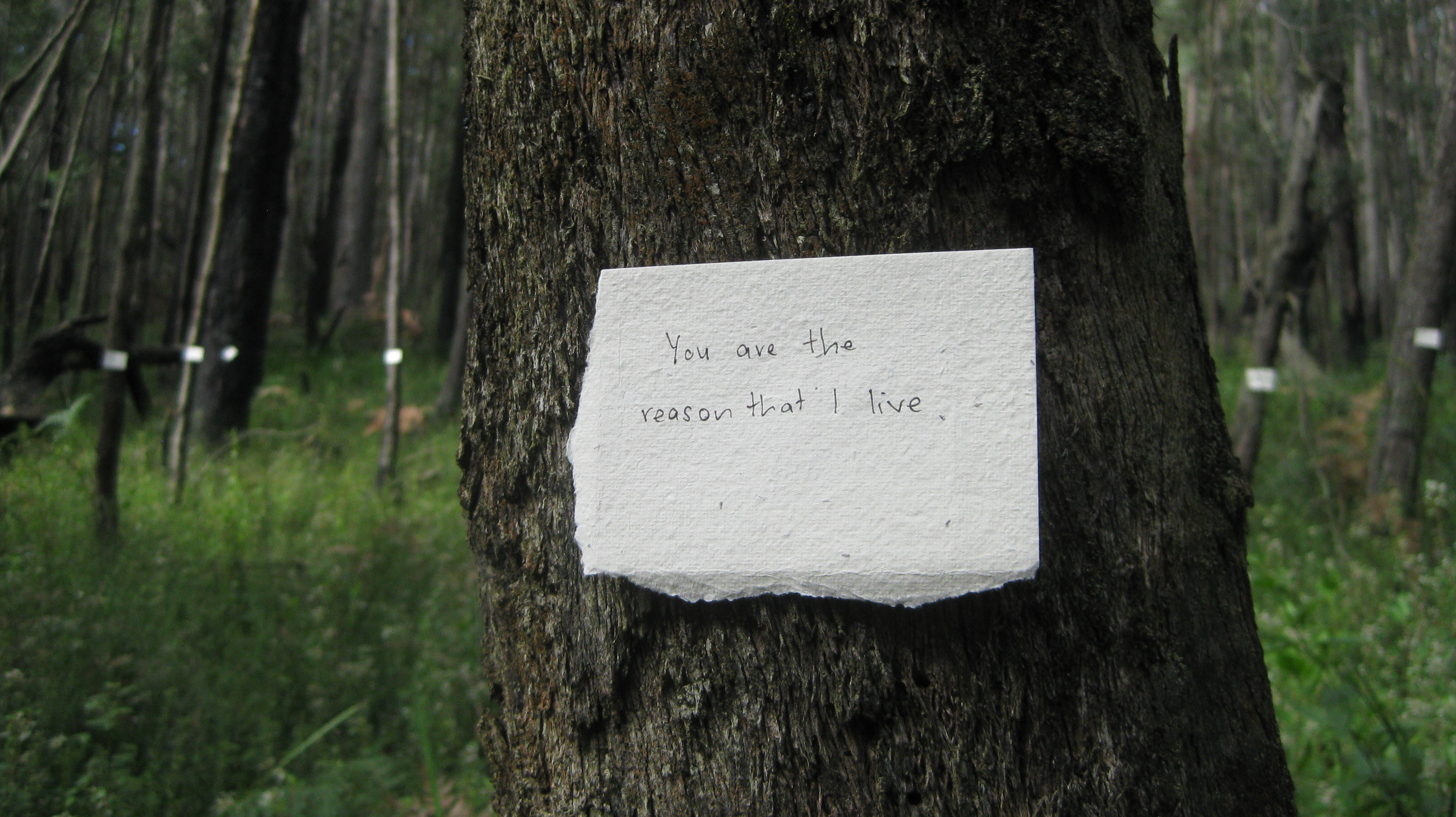
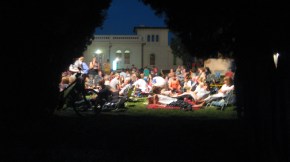
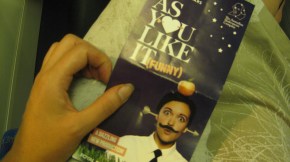
A few months ago, I saw ‘As You Like It’ at the Botantical Gardens… it was over the top and beautiful and funny.  I was much taken with the idea of leaving [bad] love letters in the trees that did not rhyme or make sense but were somehow endearing yet for being sincerely felt.  Today I did this for You – what faltering words do I have to try and describe You or worship You that haven’t already been said before? Let’s laugh at me together and find me endearing for a whimsical love sincerely felt…

ACT III  SCENE II The forest.
[Enter ORLANDO, with a paper]
ORLANDO Hang there, my verse, in witness of my love:
And thou, thrice-crowned queen of night, survey
With thy chaste eye, from thy pale sphere above,
Thy huntress’ name that my full life doth sway.
O Rosalind! these trees shall be my books 5
And in their barks my thoughts I’ll character;
That every eye which in this forest looks
Shall see thy virtue witness’d every where.
Run, run, Orlando; carve on every tree
The fair, the chaste and unexpressive she.

 oooooooo

TOUCHSTONE For a taste:
If a hart do lack a hind,
Let him seek out Rosalind.
If the cat will after kind,
So be sure will Rosalind.
Winter garments must be lined,
So must slender Rosalind.
They that reap must sheaf and bind;
Then to cart with Rosalind.
Sweetest nut hath sourest rind,
Such a nut is Rosalind.
He that sweetest rose will find
Must find love’s prick and Rosalind.
This is the very false gallop of verses: why do you
infect yourself with them?
ROSALIND Peace, you dull fool! I found them on a tree. 90
TOUCHSTONE Truly, the tree yields bad fruit.


059


052

054

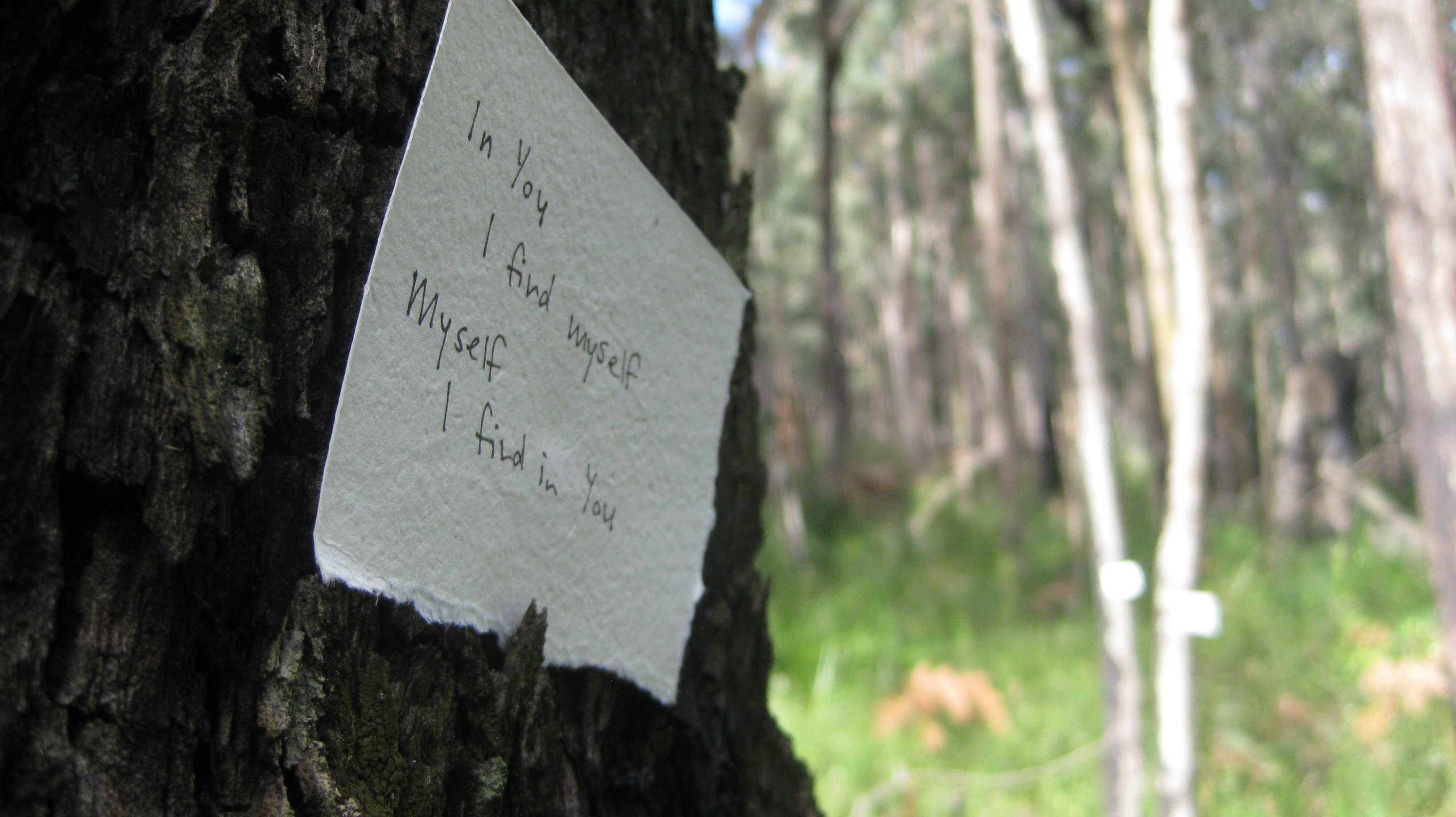
Like Leunig, I don’t suppose I am satisfied with communicating.  I want to talk to You in poems and journals, prayers, reading, walks, talks, storytelling, listening and notes left in the trees for You to find.  Bio-degradable paper with native daisy seeds in it! But I couldn’t quite bring myself to leave them up.  Others won’t know what they are made of and it wouldn’t do to antagonise or pollute in the name of God.  How am I to speak of You? How am I to speak to You? Show me the way that You would have me go, step by step and day by day, moving forwards, being found.


3.30pm The Wisdom Hour

p.125 We seek to live a more contemplative life, so that we will not have to wait until we are dying to learn to live… Give us the grace of tender seeing. Help us to recognise and honour the wise one who lives at the core of our being. May we always be open to being taught.

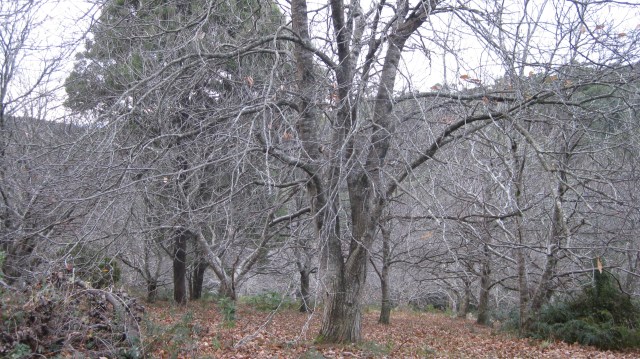
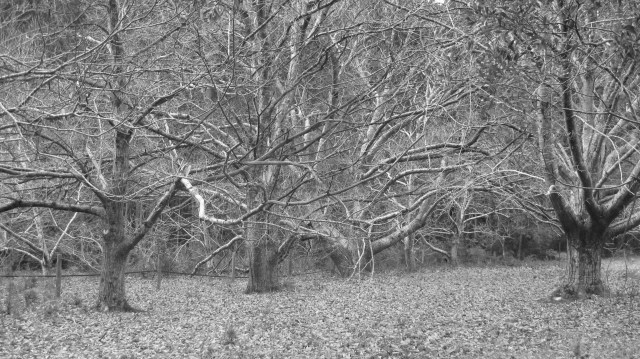
I had a nap in my last “hour”. I wanted to be warm and rest and rest in You. But now, as day deepens, I am out and about again.  I might pass this way but once – through the chestnut orchard, qi gong in a clearing… I tried to move like the wuthering wind and the singing bird, holding myself and the others in this space, opening ourselves to You and the tenderness that comes of that – from the holder to the touched.  I tried to get to the creek but I did not really know where I was going – all was lush and green and somewhat impassable (at least per this afternoons excursion) and I wandered away to find an old swing hanging low amidst the carpet of fallen orange leaves, walking onwards I have found a tree. A good climber. And here I am, rugged up, in my blanket, in a tree…
151

169

174

the day is good to me
feeds and fills
there isn’t really silence
just listening
becoming attuned
to the world around
and surrounding me,
to myself and to You.

Talitha Fraser

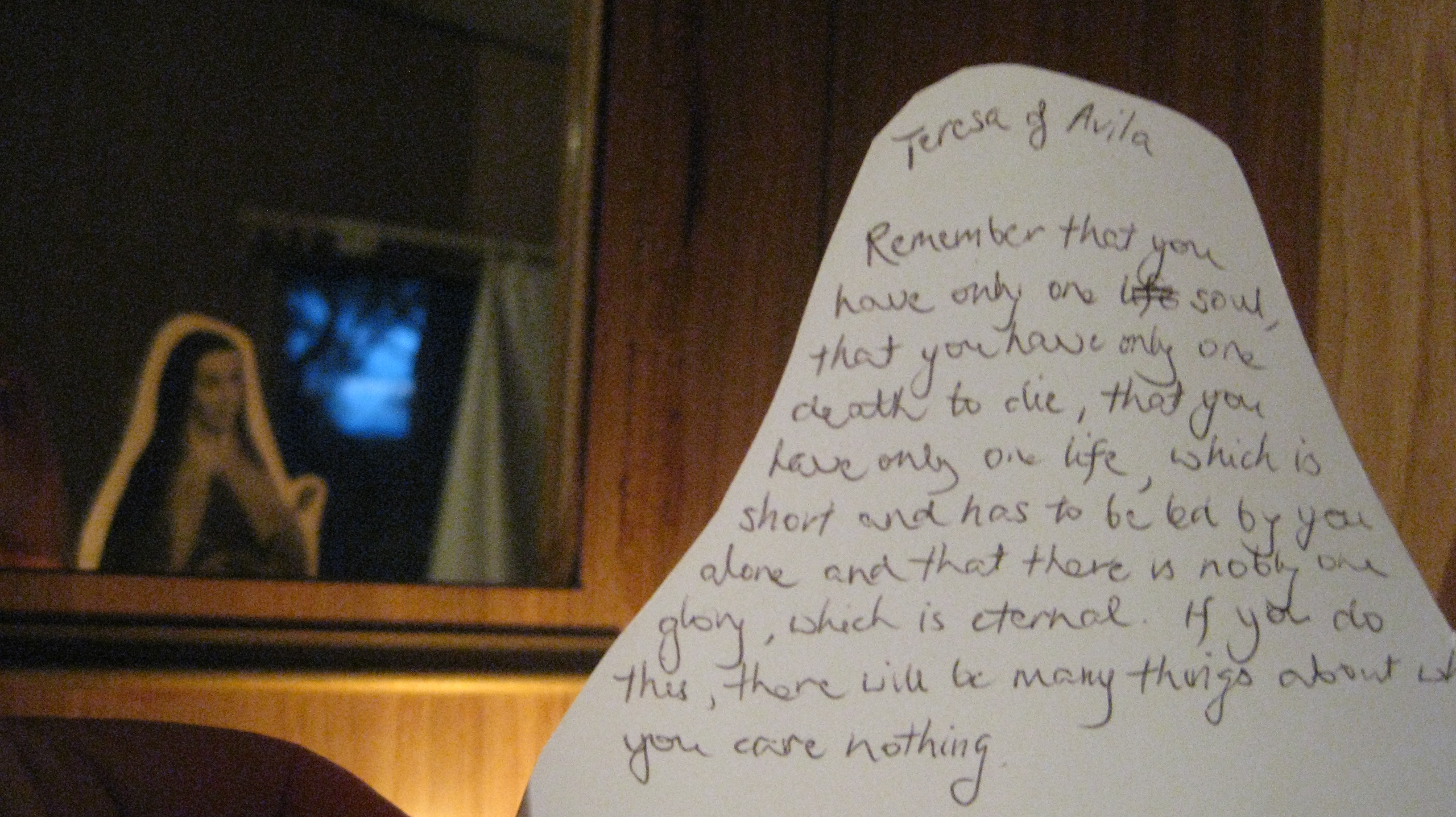
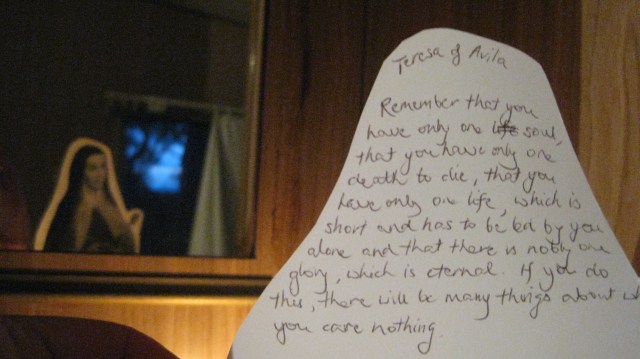
We have a little halfway house between our cabins where we can share resources… this quote from Teresa was there – so soon after the symposium!
201


6.30pm The Twilight Hour

p.144 My eyes scan the horizon of your goodness… a thousand colours is your face.

p. 145 …beautiful has been my daily bread.

p. 146 It is well with my soul.  All shall be well.
Come, sit at our table.  Be present in the bread we break and share.
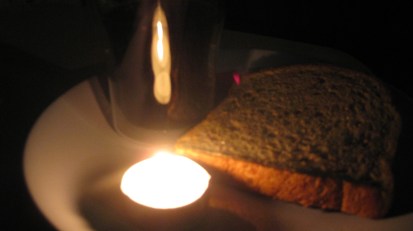
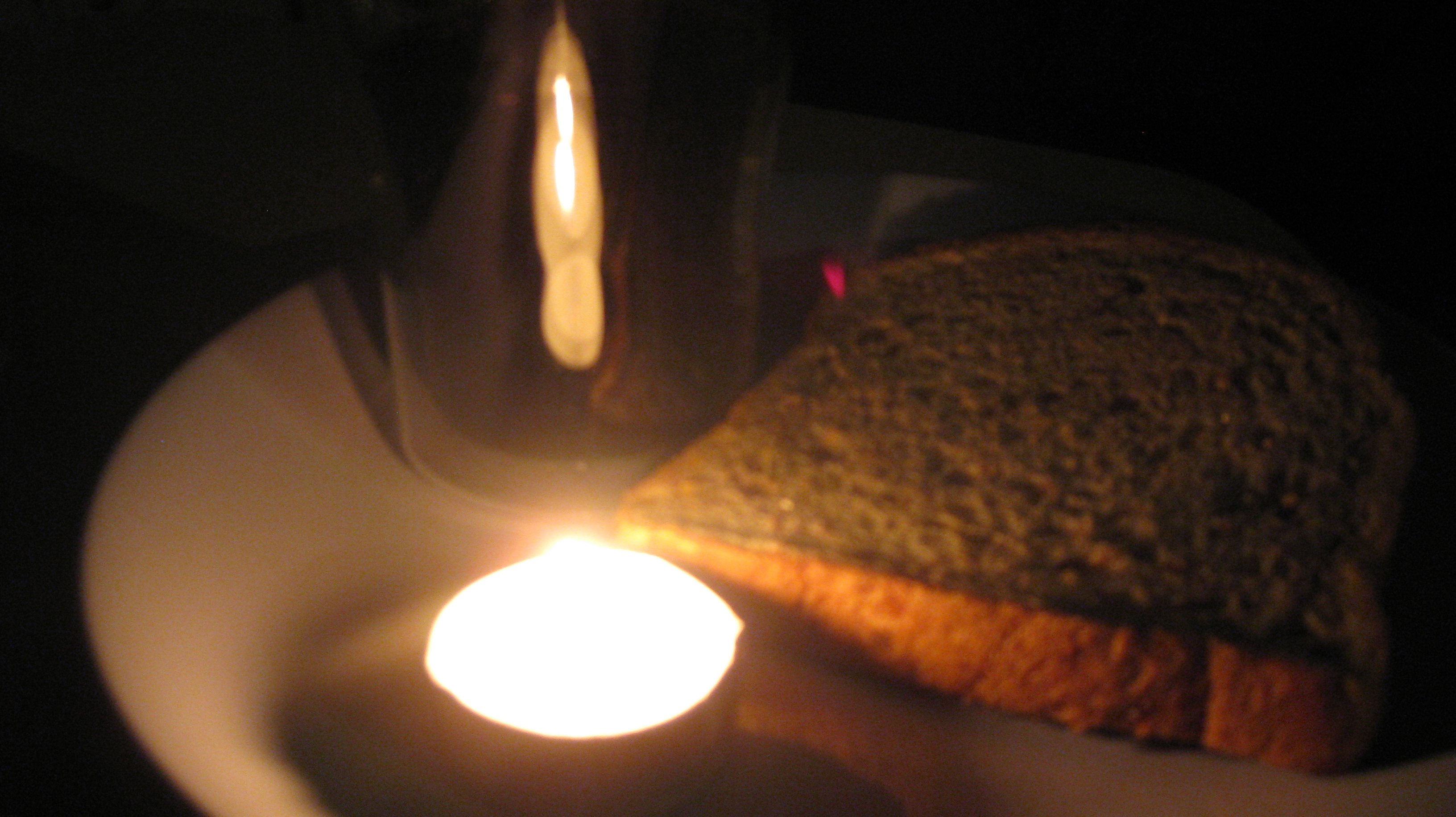
205We shared communion, You and I, and I have attempted to set things in order for tomorrow as we will be leaving early – rendered slightly complicated by the power going out but here indeed is living simply after all and, possibly, my cue to go to bed at 8pm at night because it’s dark. I’m in bed and have only a warm glow of a candle to see by – pretty but perhaps not functional… at least for this.  Perhaps it depends what you are trying to do… what then by candlelight?

Candles are often romantic light. Softening edges, smoothing out wrinkles.  Gentle light for tender things like touch and feelings… holding back the dark.  I can be beautiful by this light too.  More helpful.  More comforted.  We take all of who we are wherever we go and while mistrust is a bedfellow so is faith.  While loneliness may pay a visit, faith dwells here and I am never alone.  In our darkness there is no darkness. And the softness and the sensations and sleep and serenity are all my own.


9pm The Great Silence

p.167-8 O Holy One, in whose light and shadows we 216
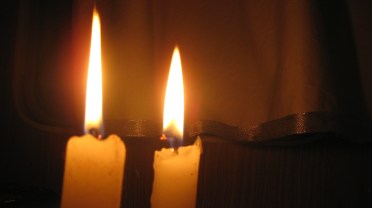
have journeyed through this day… Remember then…
the powerful and strong searchlight of faith… Let us place ourselves in the protective care of the angels and into the cupped hands of the Divine.
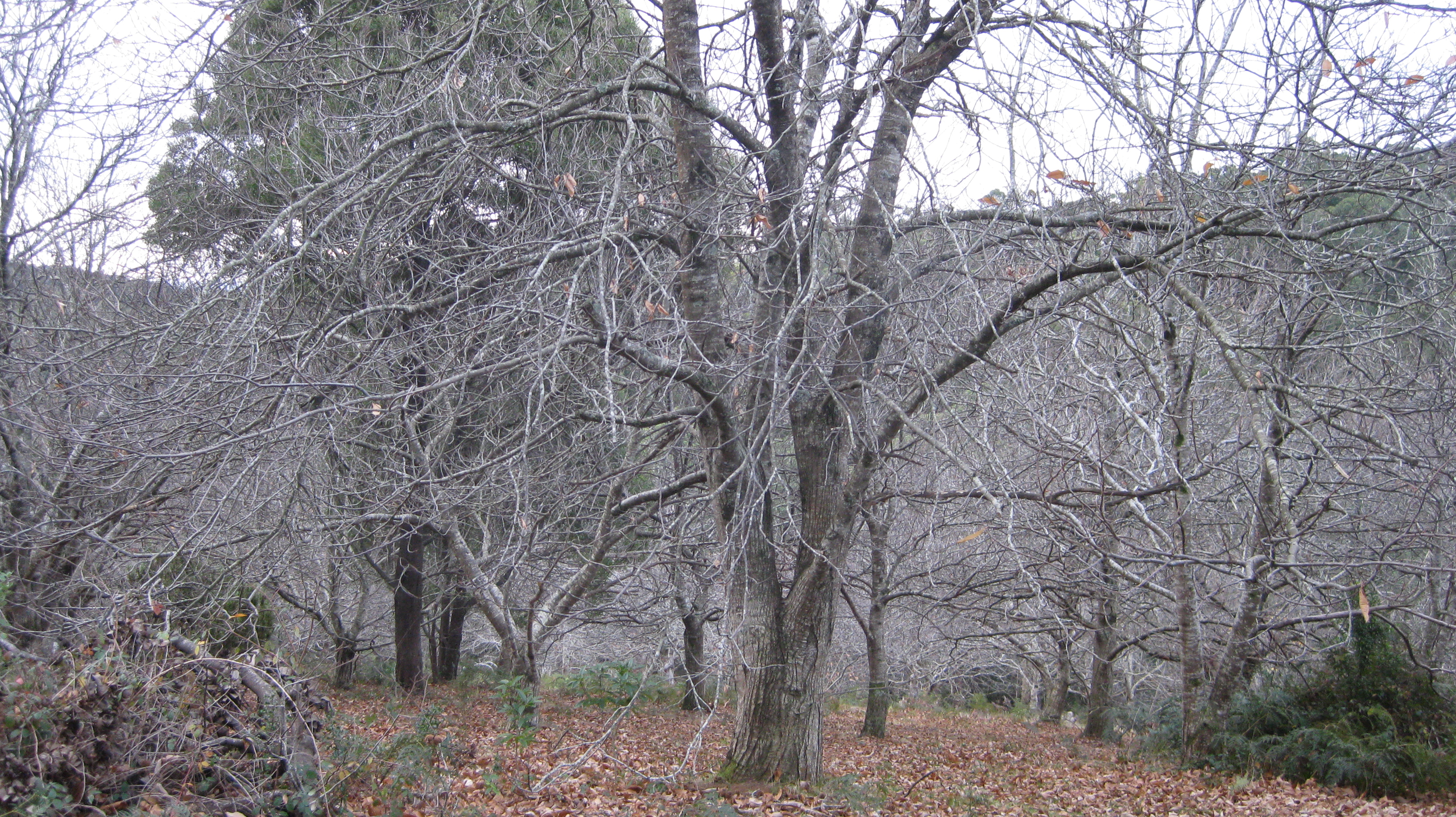
p.168-9 I yearn to be held in the great hands of your heart – oh let them take me now.  Into them I place these fragments, my life and you, God – spend them however you want.  In this hour of deep silence when all things are hushed, I carve out a space in the darkness for you, O beloved, to dwell.