Latest Entries »

I followed

IMG_5600

I followed the three
through the gate
past the roadworks
down the track
imagining they led the Way.
They climbed a fence.
I spoke from my side:
“I thought you knew the Way!”
“We know a Way.”
“Oh. Well, I supposed I should follow?”
“Here.  Let us help you.”
Holding my sandwich and handbag
they politely look aside as I clamber
awkwardly to where they are standing.
“A ten for execution?”
We laugh and go On.

Talitha Fraser

Ithaka

225

As you set out for Ithaka
hope the voyage is a long one,
full of adventure, full of discovery.
Laistrygonians and Cyclops,
angry Poseidon—don’t be afraid of them:
you’ll never find things like that on your way
as long as you keep your thoughts raised high,
as long as a rare excitement
stirs your spirit and your body.
Laistrygonians and Cyclops,
wild Poseidon—you won’t encounter them
unless you bring them along inside your soul,
unless your soul sets them up in front of you.

Hope the voyage is a long one.
May there be many a summer morning when,
with what pleasure, what joy,
you come into harbors seen for the first time;
may you stop at Phoenician trading stations
to buy fine things,
mother of pearl and coral, amber and ebony,
sensual perfume of every kind—
as many sensual perfumes as you can;
and may you visit many Egyptian cities
to gather stores of knowledge from their scholars.

Keep Ithaka always in your mind.
Arriving there is what you are destined for.
But do not hurry the journey at all.
Better if it lasts for years,
so you are old by the time you reach the island,
wealthy with all you have gained on the way,
not expecting Ithaka to make you rich.

Ithaka gave you the marvelous journey.
Without her you would not have set out.
She has nothing left to give you now.

And if you find her poor, Ithaka won’t have fooled you.
Wise as you will have become, so full of experience,
you will have understood by then what these Ithakas mean.
By C. P. Cavafy
Translated by Edmund Keeley/Philip Sherrard

178

“I will not agree to my children going to shed their blood.
Though your words are strong,
you will not move me to help you…
you can fight your own fight
until the end”

– quote from the centenary exhibition at the Wellington National Library

179183186

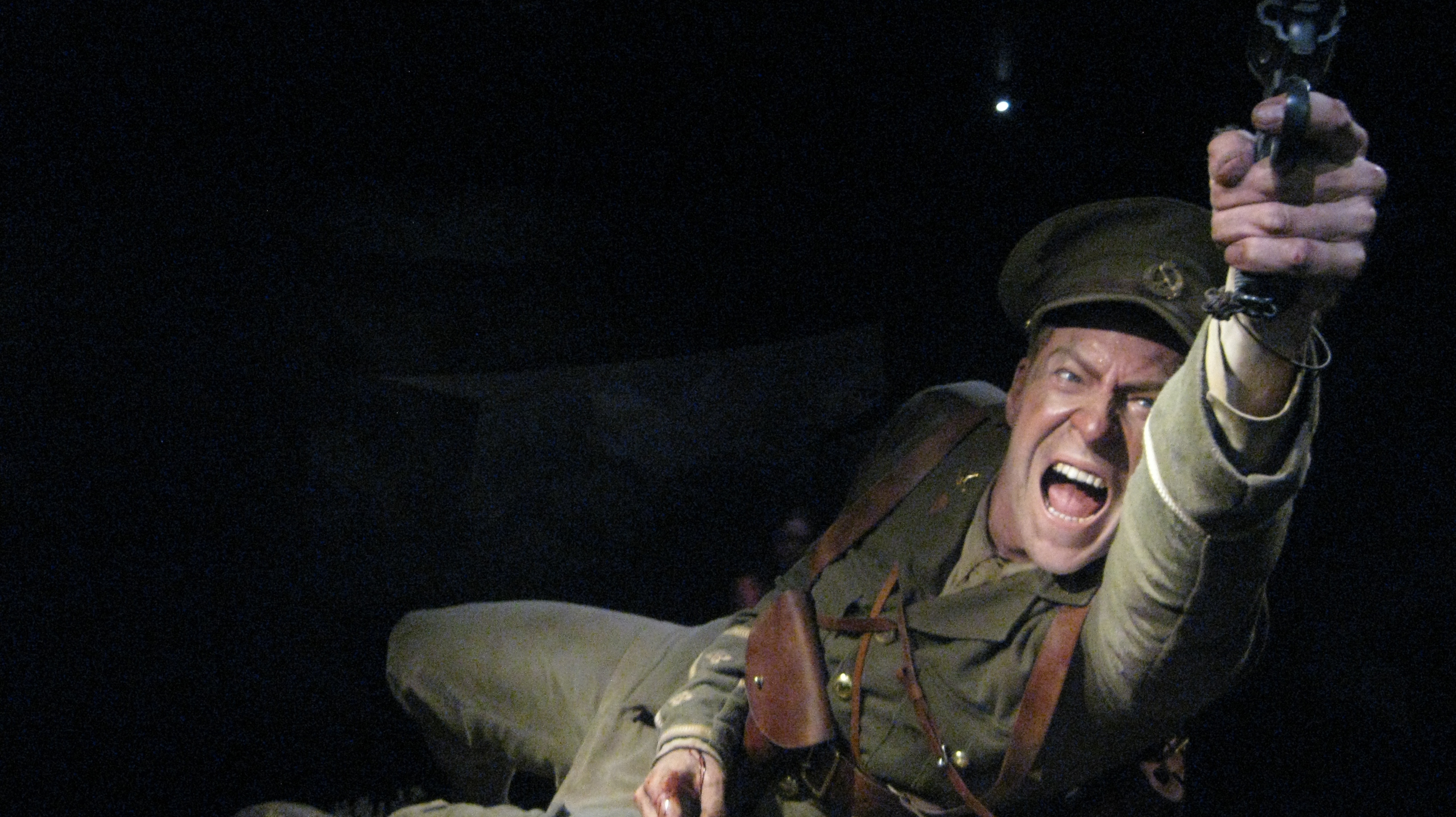
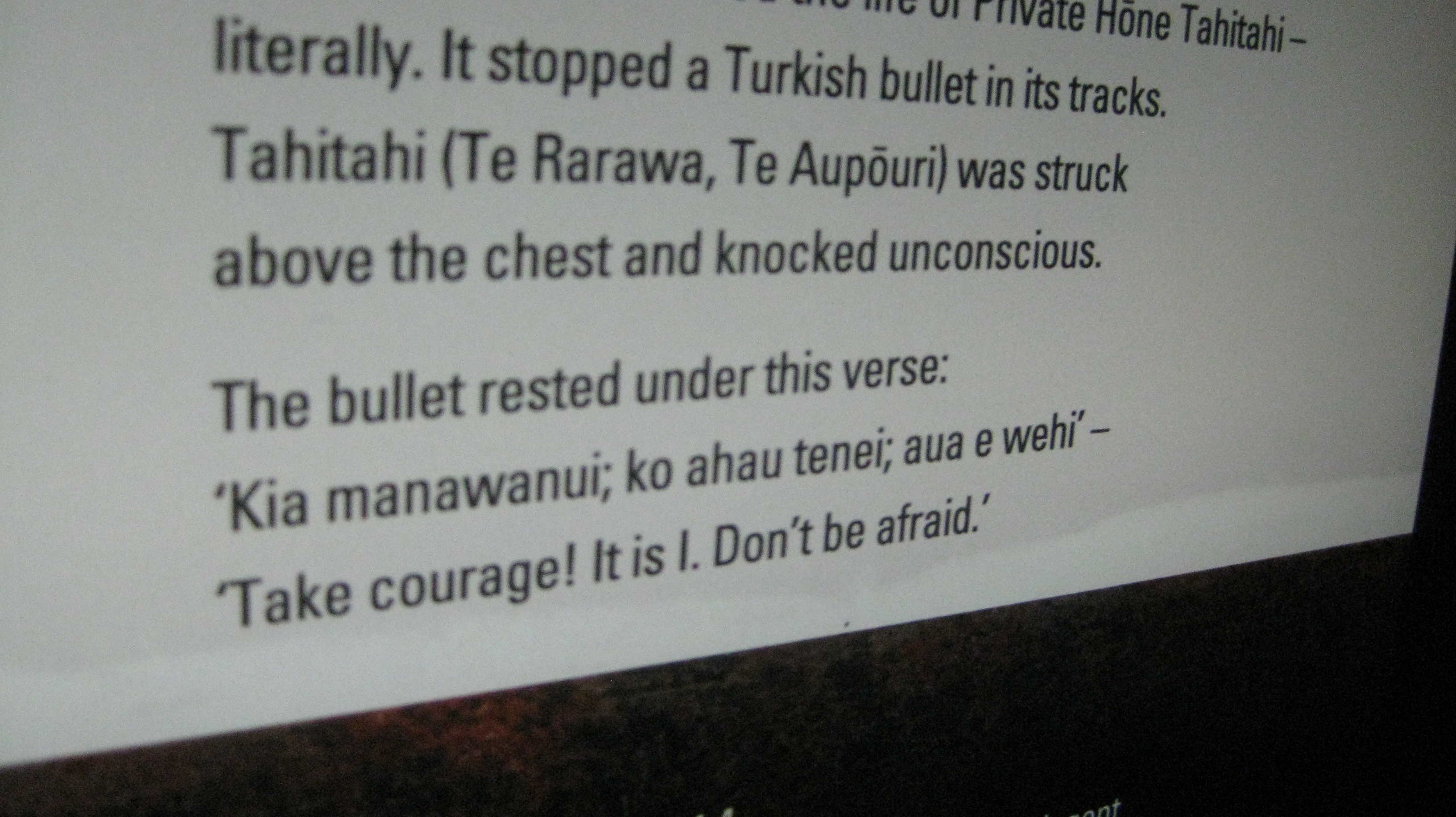
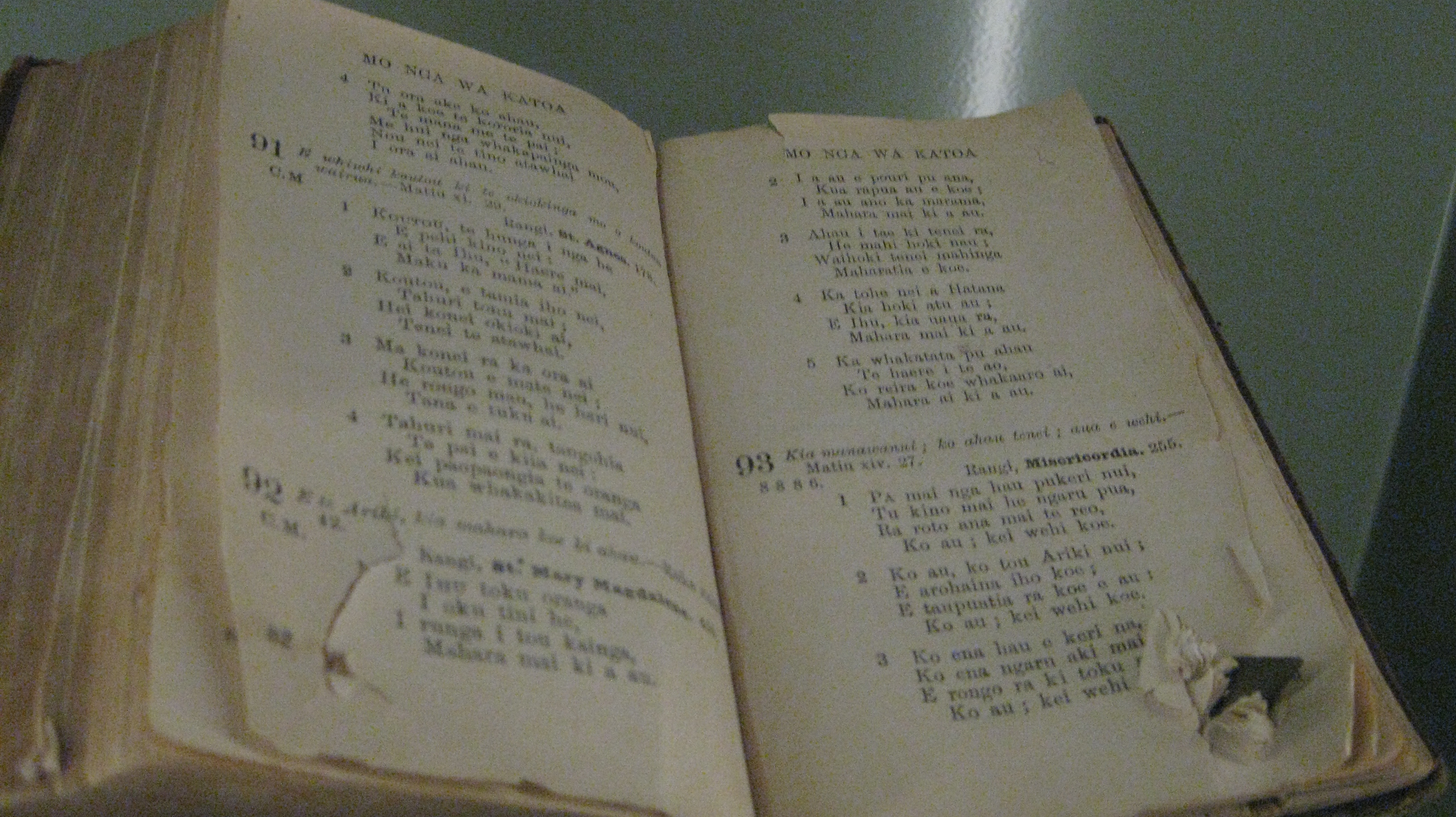
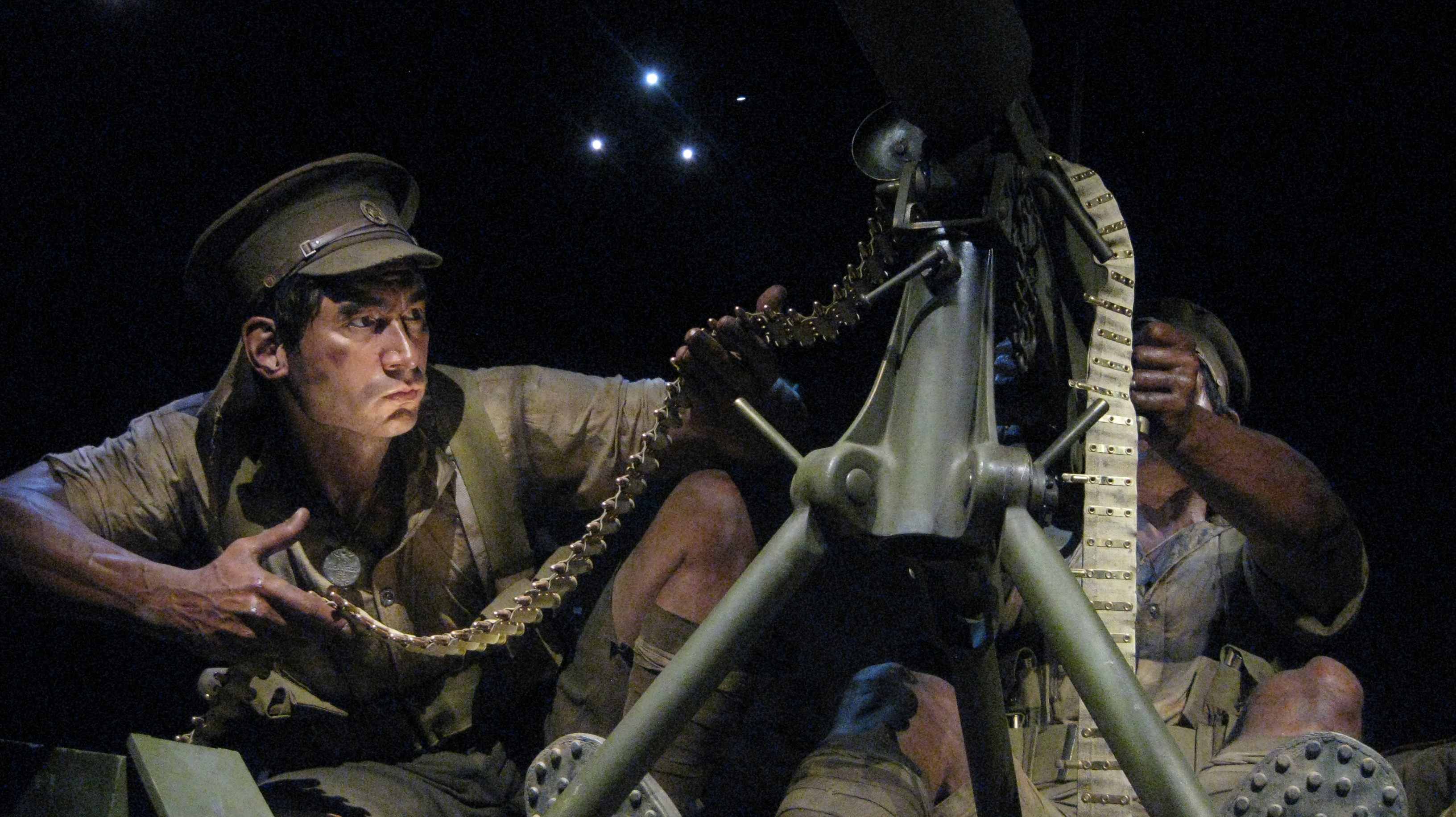
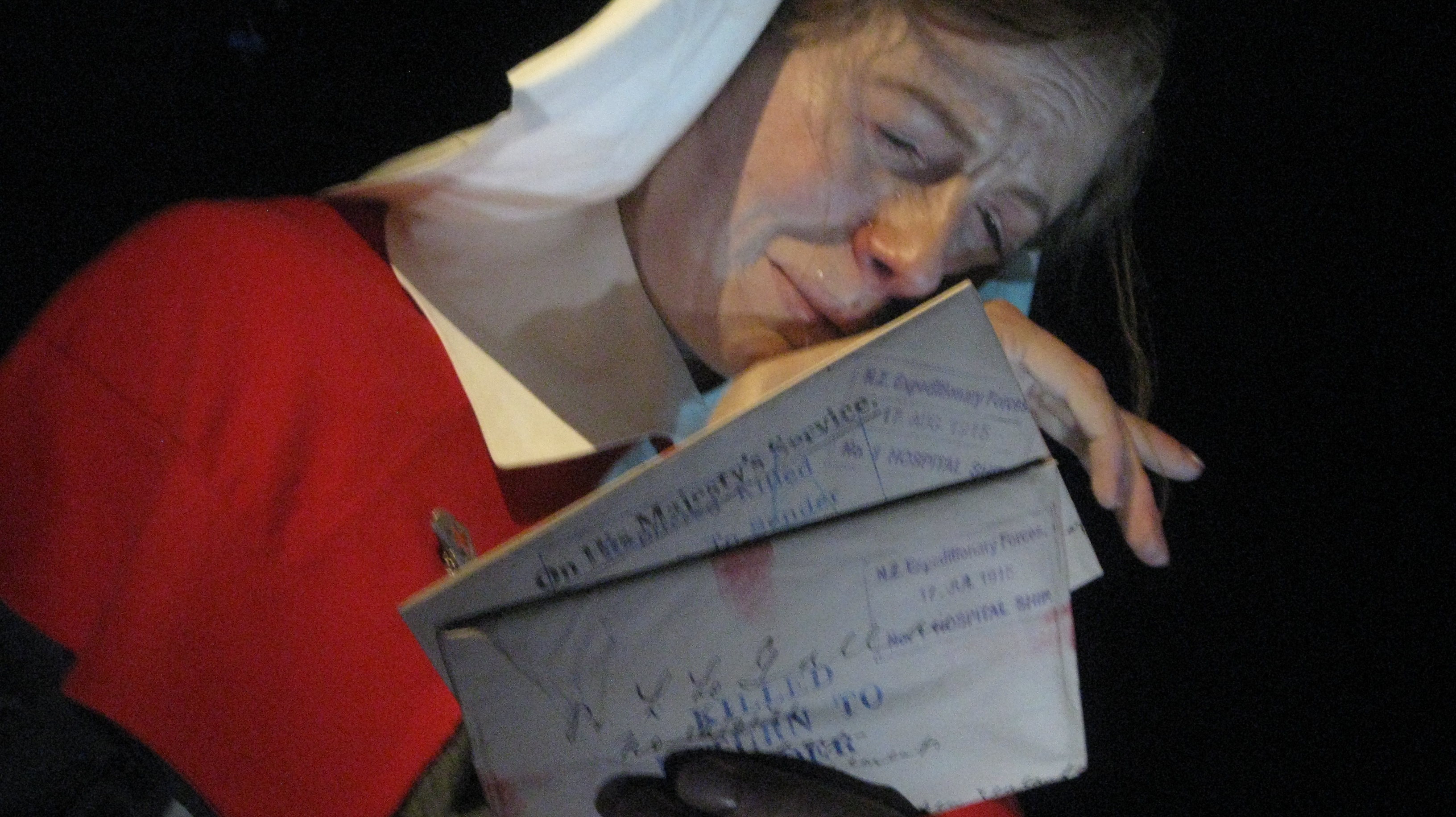
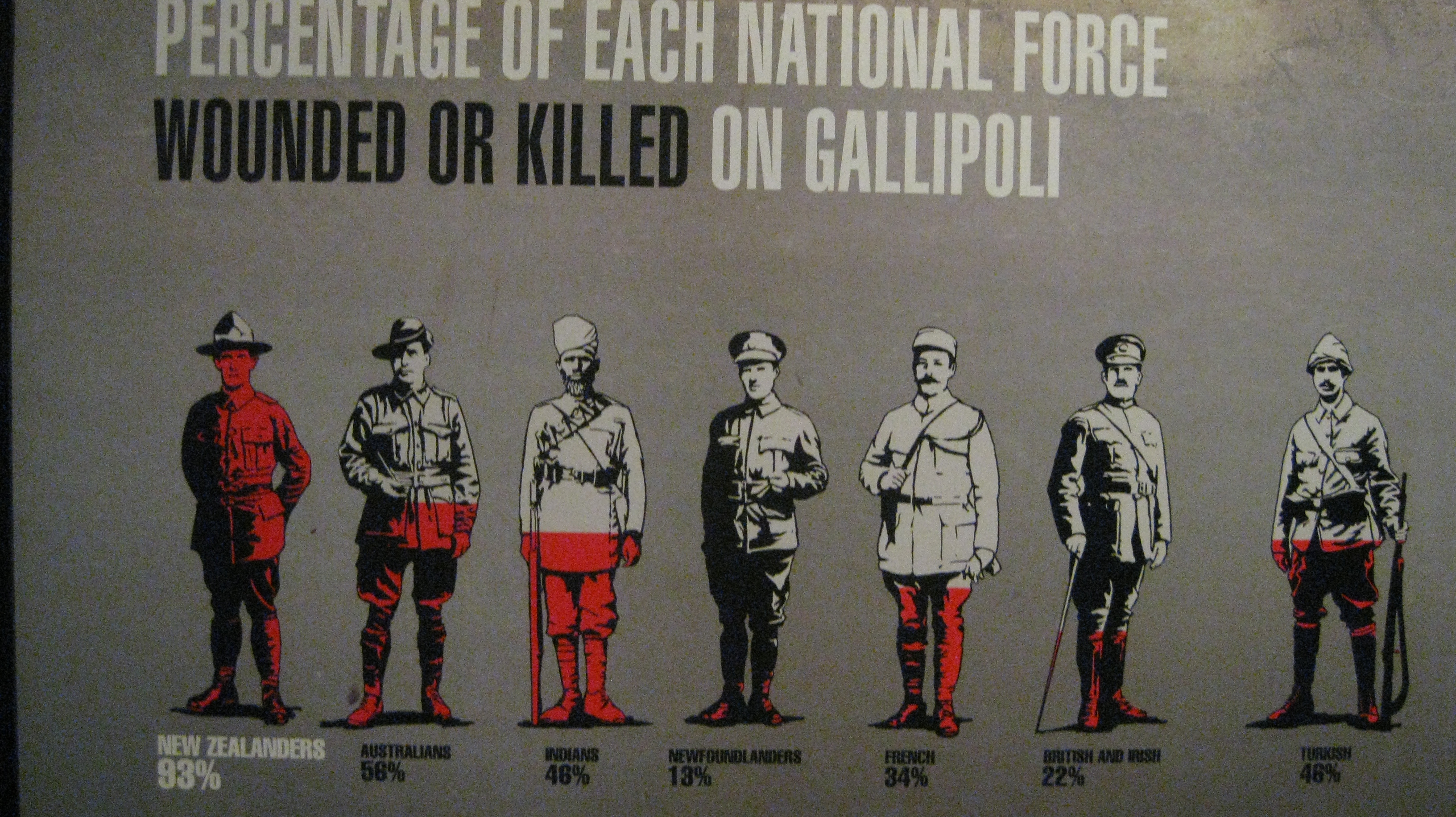
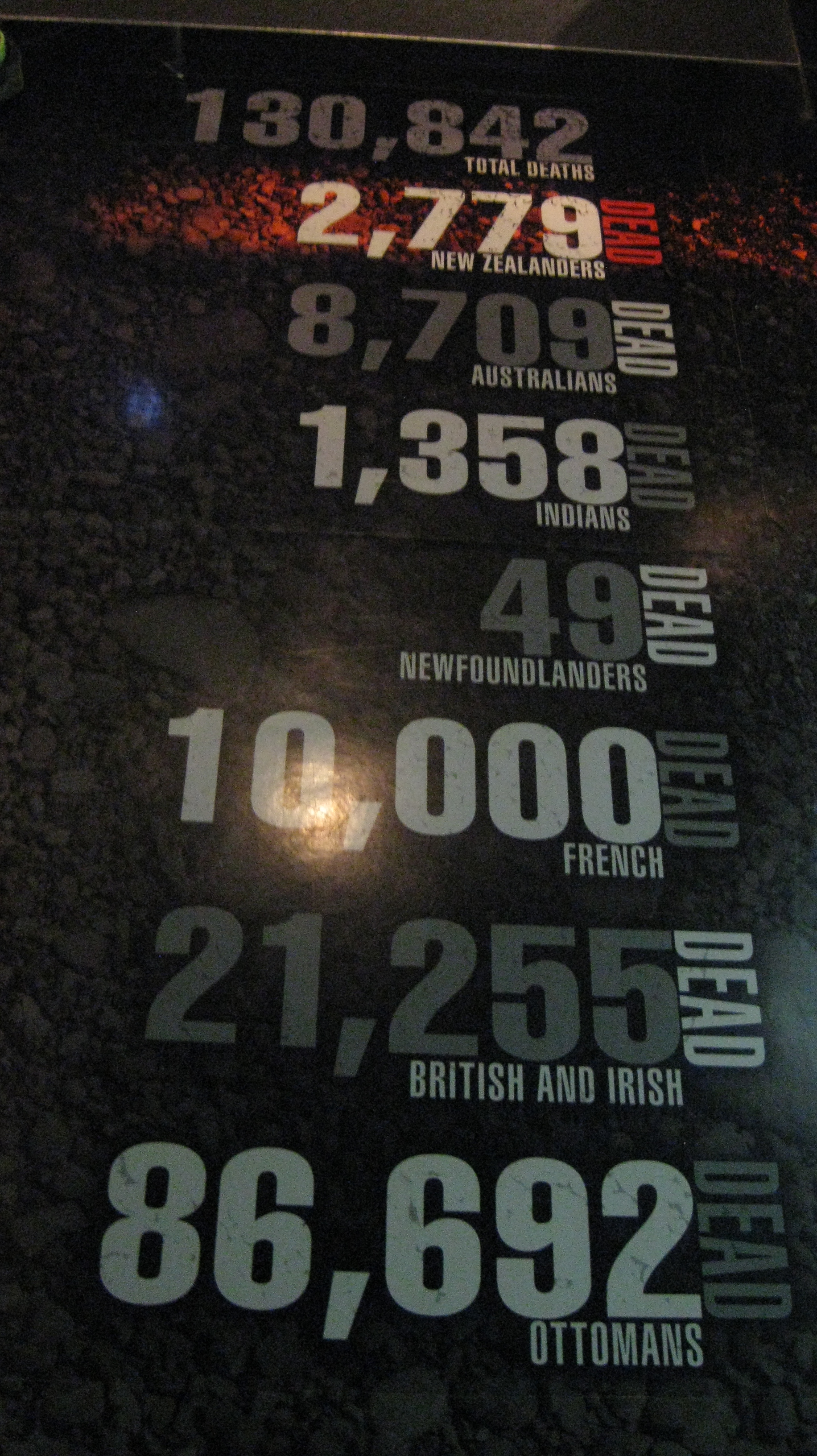
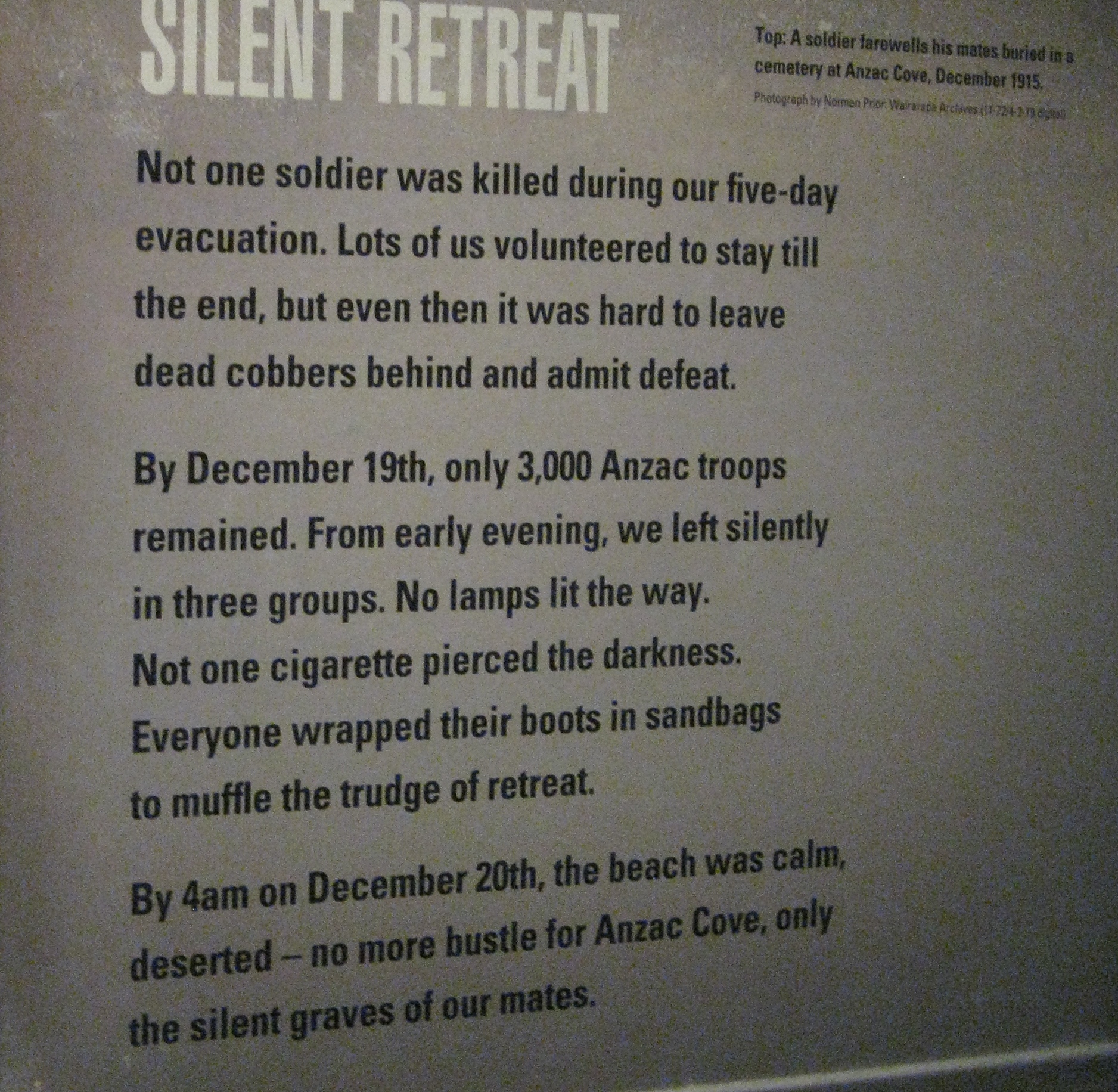
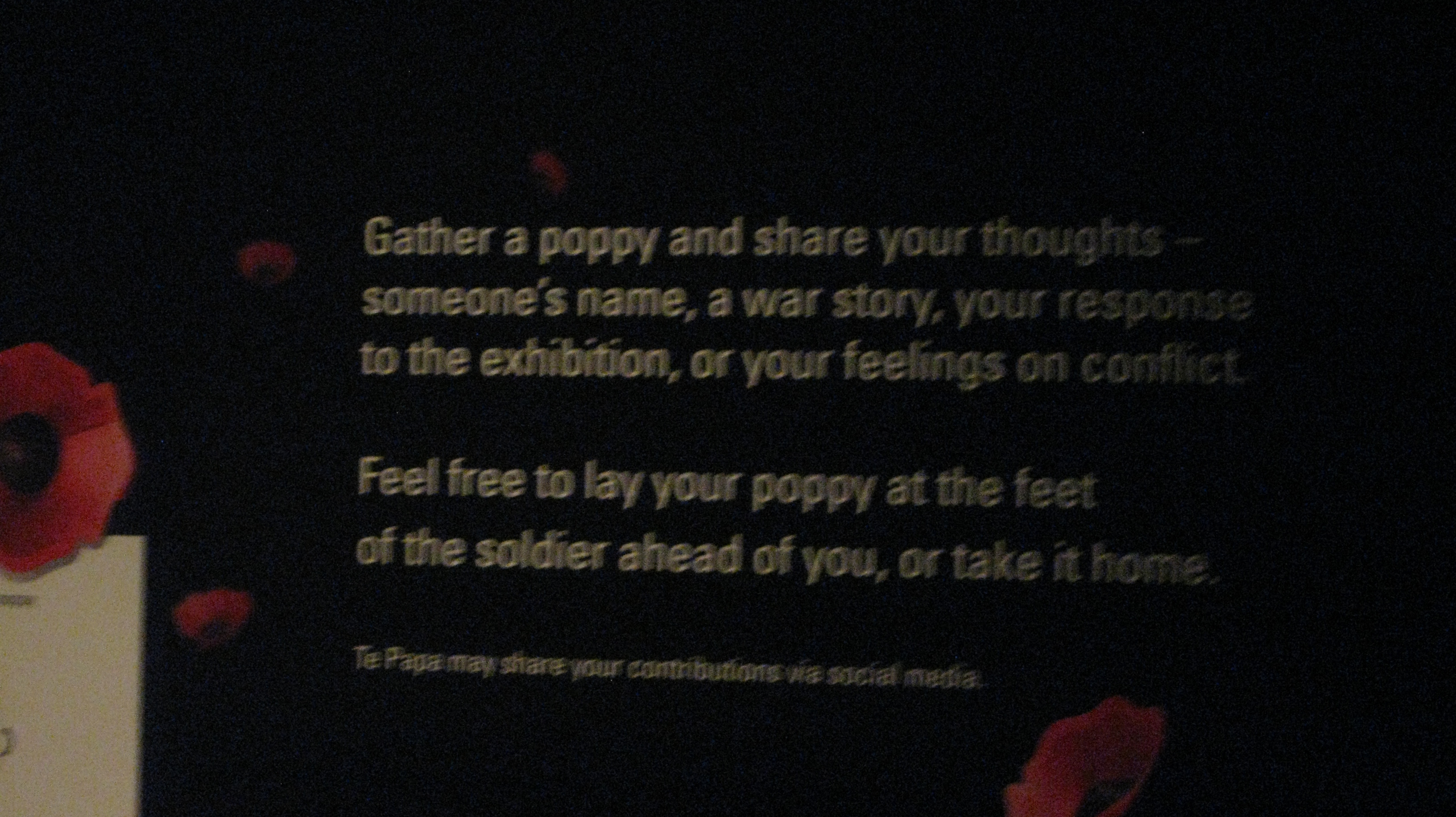
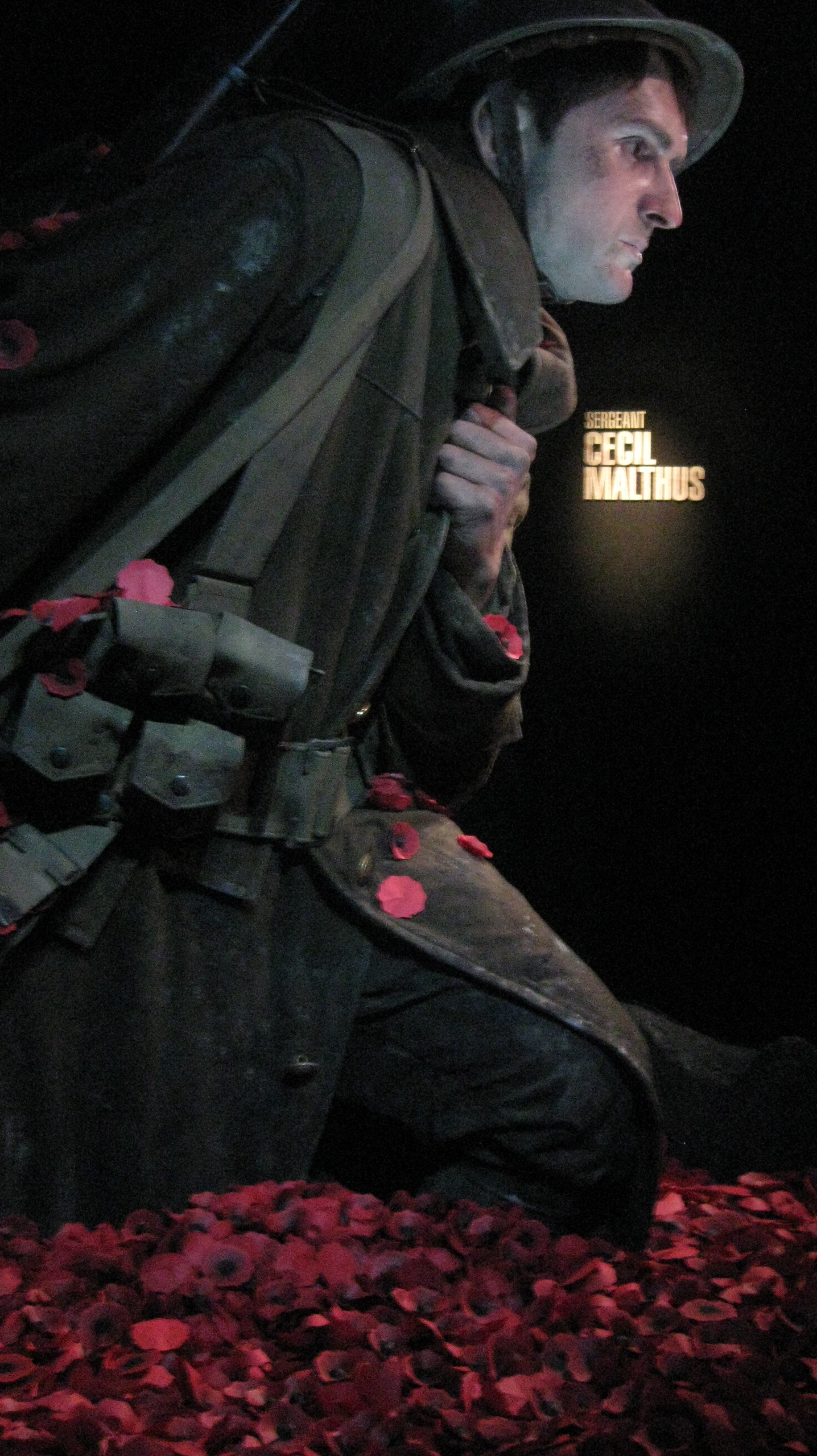
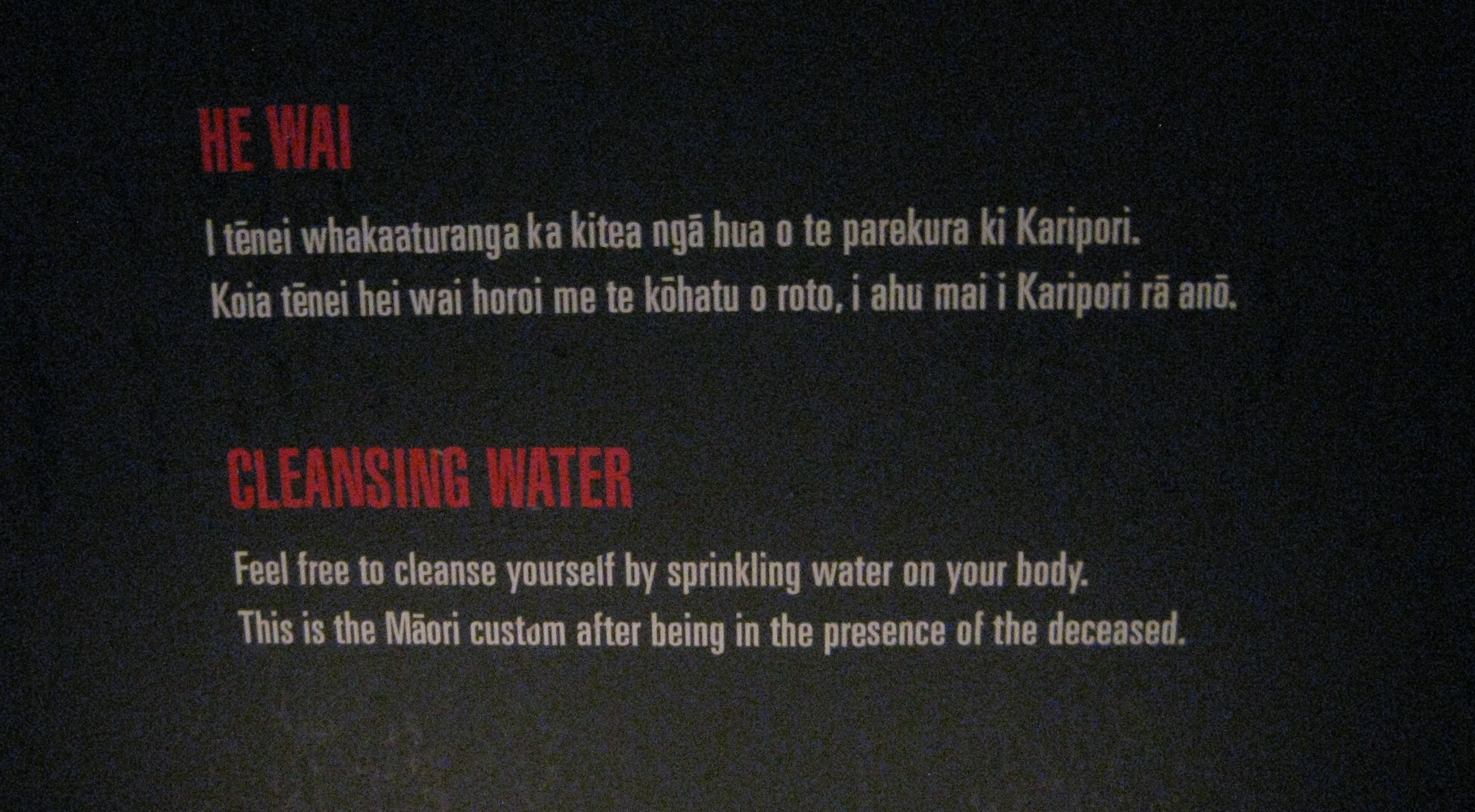
The GALLIPOLI: The Scale of War exhibition at Te Papa

Anzac Day in 2015 marks the 100th anniversary of the ANZAC landings at Gallipoli…How’s this for engagement with/reflection on war?

218

187

190

191

192

189

196

197

199

204

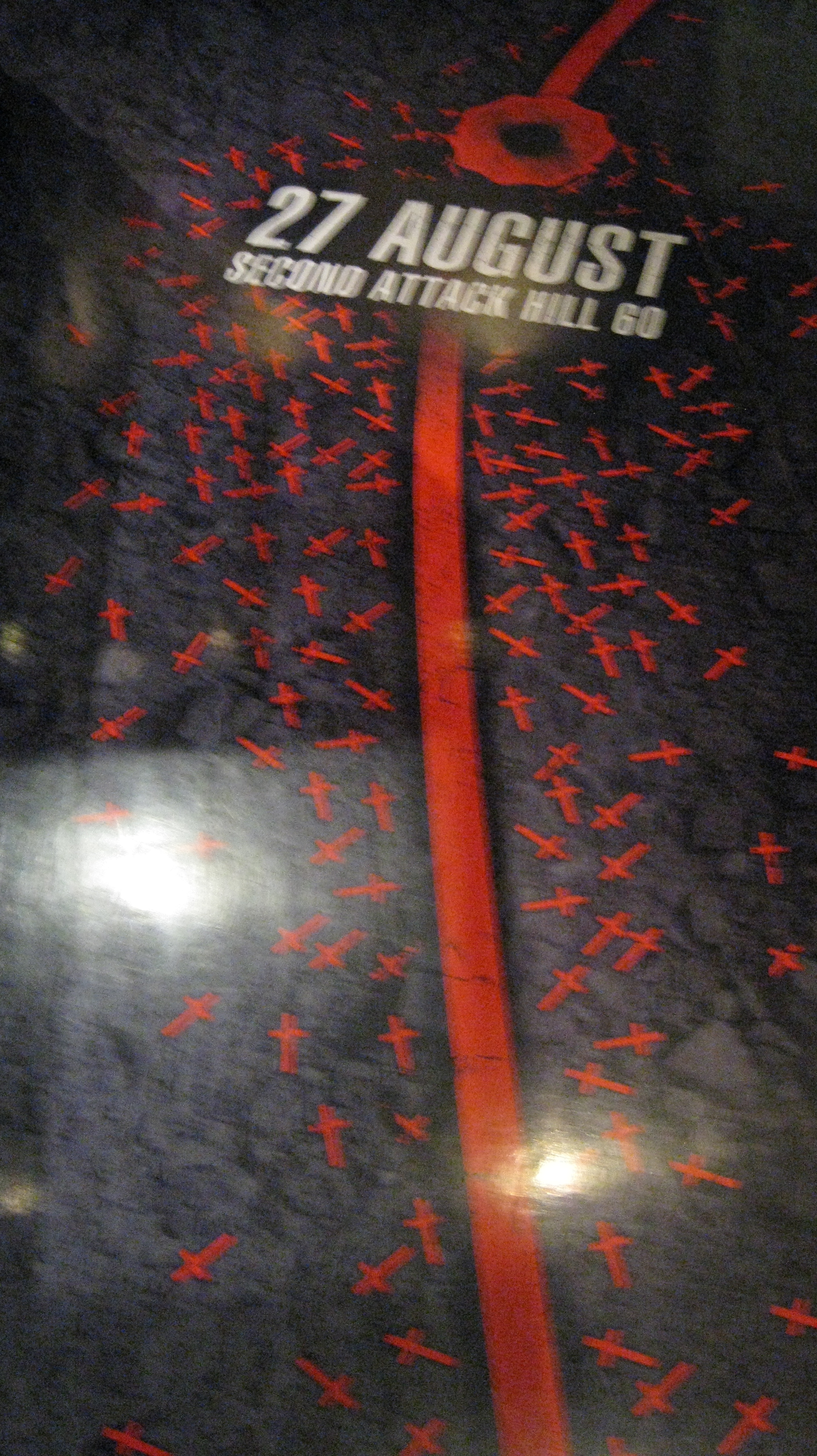
the red line you follow through the exhibition follows the timeline of the engagements with a cross symbolising each life lost along the way in a very confronting impression of the price for each metre of land gained… and lost.

207

210

212

211

213

215

217

222

IMG_5684


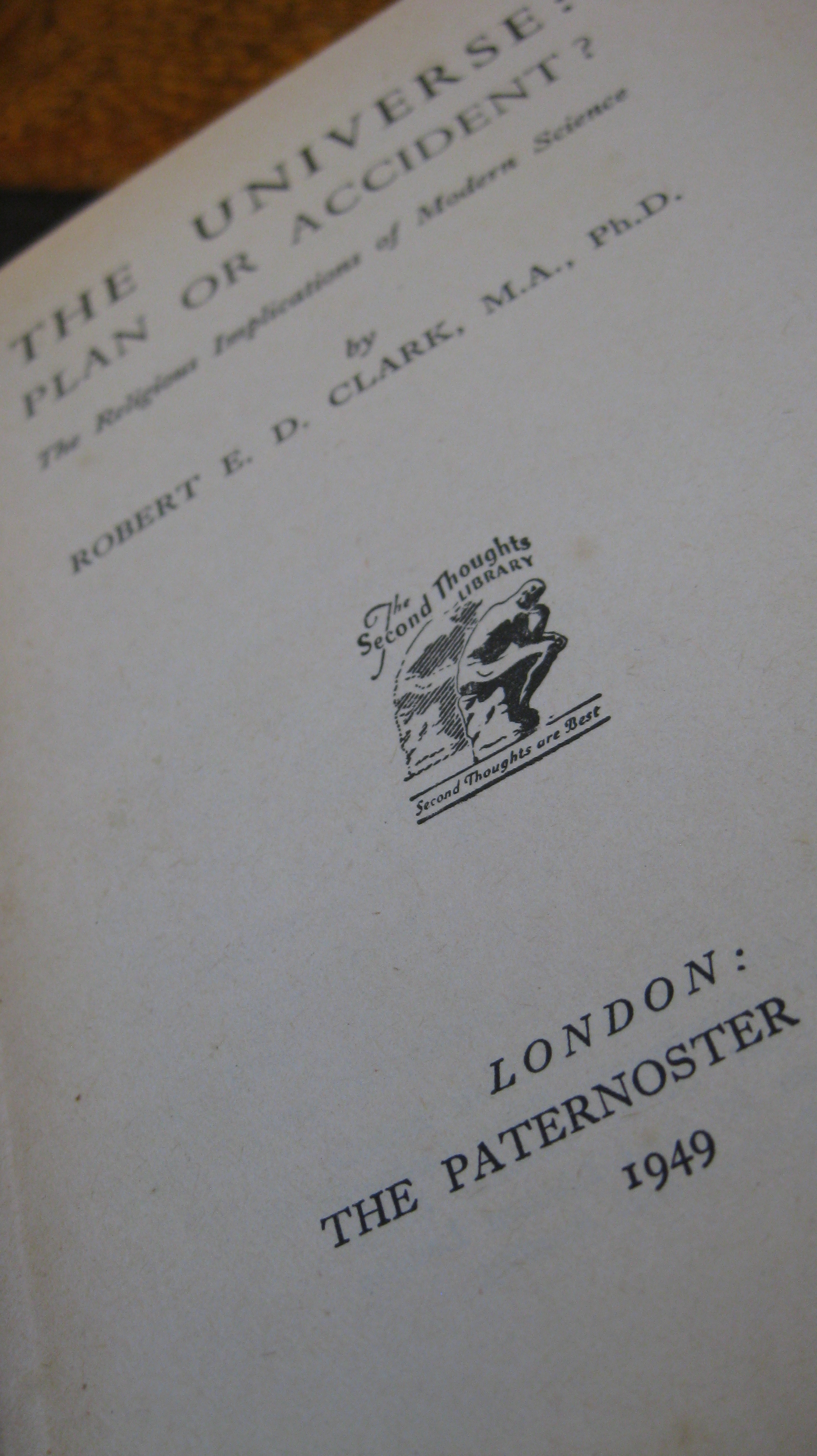
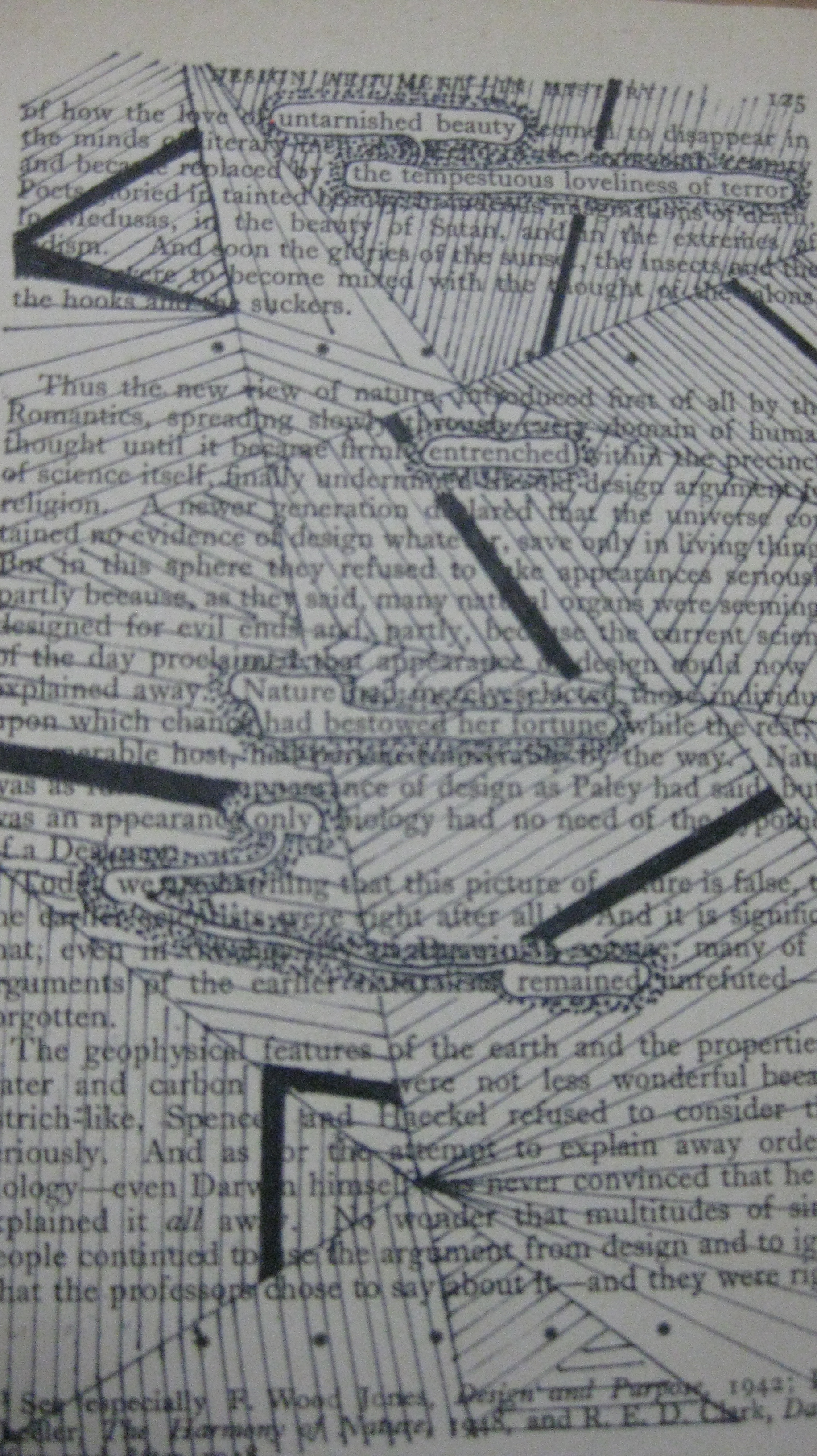
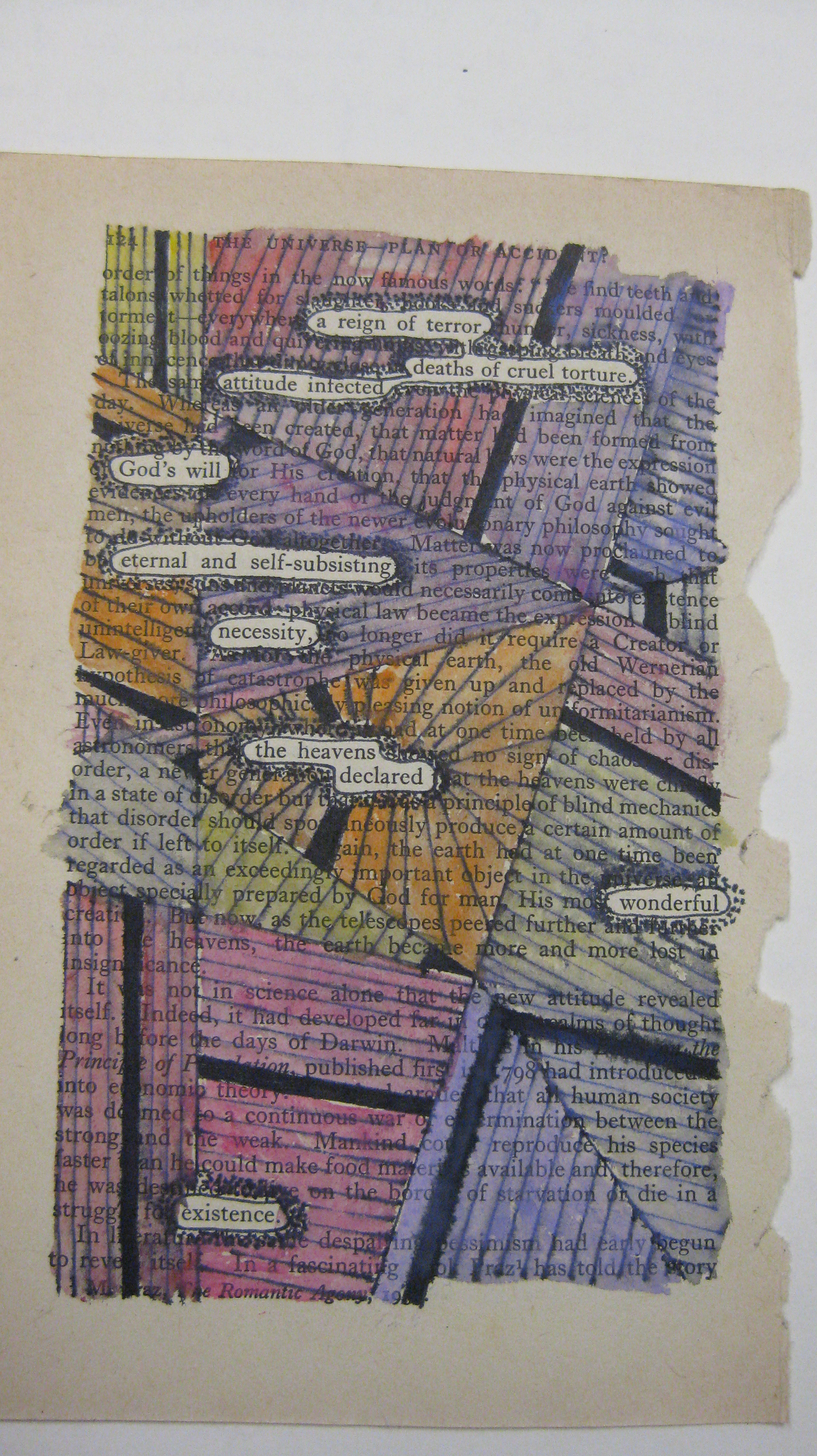
Only I would tear pages out of a book, draw on them, paint them, then decide I wanted to read it… not sure whether to laugh or sigh – perhaps a little of both is in order… already fascinating…

p.7-8  If we would appeal to science at all, we must use her methods – not methods of our own choosing.  Now it is a generally accepted principle in science that it is only through the study of the unusual, the odd and the seemingly inexplicable, that man can be led onwards towards new knowledge.  The scientist whose mind revolves only in the grooves of well recognised theory has little chance of discovering important new principles.  In fact, an important element in the scientific method consists in the focusing of attention upon the things that science cannot explain, or has difficulty in explaining.  In this way only can it be discovered whether known principles will cover all the facts, or whether new remain to be discovered.

We must apply the same method if we wish to build a reliable philosophy of nature.  If we consider only the recognised laws of science we shall never discover whether they are adequate to explain everything in the universe – we shall never even discover whether they are the most important factors of which we ought to take cognisance.  To reach a sane judgement, we must turn to the odd and the peculiar.  We must think about things which, in the light of present scientific knowledge, seem inexplicable.  We must ask if they really are inexplicable, or only apparently so.  And should the first possibility seem the more likely, we must ask whether the inexplicable facts can be explained – explained, not of course, in a fundamental sense, but in the scientific sense of co-ordinated or grouped together by a new hypothesis or theory which would make them inexplicable no longer.  Finally, if we are able to do so we must test our theory – we must see whether it can help us to understand yet other facts, which we have overlooked hitherto, whether it will stimulate our minds to research in new directions and so forth.  And, as the past history of science has shown on repeated occasions, it will often happen that the good theory, based upon phenomena that once seemed queer and out of the ordinary, will help us to understand the ordinary and commonplace.

This is the scientific method of discovery of truth – the method upon which the scientific edifice of our day has been built.  And it is also the way of common sense – a codification of the rules that are always used in establishing evidence.  For the scientific method is only a glorified version of the ways of common sense.  The detective, like the scientist, focuses his attention upon the details that seem queer and inconsistent with the knowledge he already possesses;  like the scientist he frames his theories upon those parts of the picture that at first seem odd and inexplicable; like the scientist again he seeks to discover whether his theories are adequate.  The economist, the historian, the archaeologist, the linguist – every one, in fact, whose business it is to discover facts adapts the same procedure.  The scientific method is the method of human reason.

p.9 Instead of examining the inexplicable. The modern writer only too often examines the explicable: instead of showing interest in the extraordinary, he revels in the ordinary.  And his reply to those who adopt a more orthodox procedure is to the effect that they are inventing a “God of the gaps” who will be doomed to extinction as soon as all-conquering science has discovered how the gaps may be filled in.

p.10

Instead of avoiding the difficulties, instead of begging the question by pretending that every difficulty is mere gap, we must boldly explore the suppose gaps with all the care we can muster.  Nor need we apologise for doing so.

Reverse butchery

What this Reverse Butcher business?

080 082 086

Learnings:

  • book genre will impact your poetry, good material = good material; bad material = bad material
  • paint over pen = smudgey, AKA how NOT to do this, paint first THEN pen
  • don’t use a book for a creative exercise THEN decide to read it…   nuffer.

protest

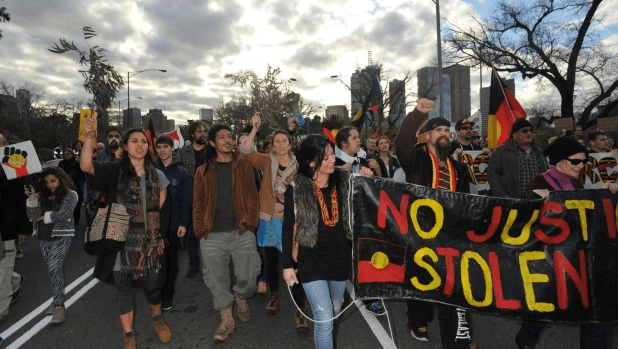
Protesters make their way across Princes Bridge. Photo: Joe Armao

This month the Government announced that they were going to turn off/stop maintaining access to water, electricity, etc. in multiple rural indigenous communities and this protest came very quickly in response.  We like to think that “taking the land away” or dispossession was something that happened long ago and far away and has nothing to do with me but then something like this happens to bring it front and centre and our willful blindness is confronted by the reality: this is still an issue and it is still happening.

These are the words the protestors called in chorus:

“Always was, always will be, Aboriginal land”

Talk to me about economics. Talk to me about closing the supermarket so people had to travel for food, closing the school so families with children had to travel or move, talk to me about closing the petrol station – it might be true that some of these communities have only 4 people living in them but there used to be many more.

“Always was, always will be, Aboriginal land”

Talk to me about land and place.  There’s hardly any of them, why should they get special treatment? They can move to the nearest big town… to give you a sense of scale Kimberley is c. 3 times the size of England and has a population of 40-50K people.  The nearest town is, well, pretty darn far away – what we white fullas can forget is that indigenous Australia is a lot kimberleymore like Europe, made up of many different countries with their own language, and myths, and dances and traditions… this map on the left is rough overview of the First Nations Peoples and language groups in Kimberley.  This is their map of how they see the world –  we wouldn’t expect it to be reasonable to ask the Italians to move to the nearest town in France and give up everything that informs their own unique culture and identity and we should not ask it of Aboriginal people here either.
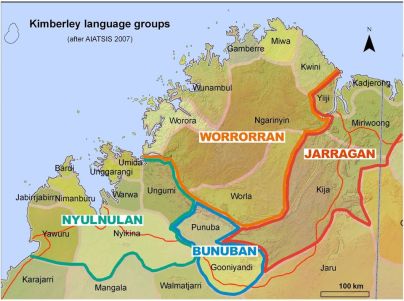
photo credit: kimberleyfoundation.org.au

“Always was, always will be, Aboriginal land”

Talk to me about civilisation.  We brought civilisation with us, did we not?  Are these people not better off because we bought them farming and livestock and tools and machinery they didn’t have before?  We brought in the piped water and wired electricity and overrode the old ways with our better new ways…?  There might not be many left who remember and could live by the old ways.  We’ve created a dependence and now you want to take the civilisation away? Did our civilisation include the law, and does the law include provision for human rights like access to water?  What is civilisation?

“Always was, always will be, Aboriginal land”IMG_5269
Tell me a story.  Tell me who your people are and where you are from.

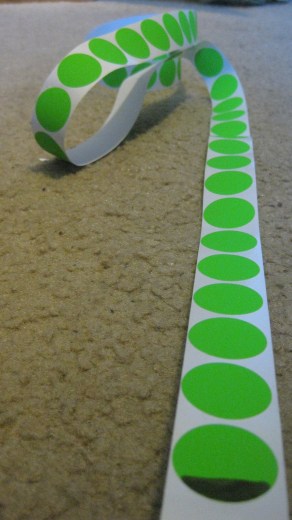
At the start of some (too few) events, ceremonies or proceedings you might hear an Acknowledgement of Country… We acknowledge that we gather on the land of which the Peoples of the Kulin Nations have been custodians since time immemorial.  I went to a cultural awareness training day with Aunty Doreen Garvey-Wandin a few years ago and she did this activity with sticky dots to illustrate how Aboriginal people have lived here for 50,000 years – if each dot is equivalent to 1,000 years – then this black drawing, on the very last dot, represents the 200 years of contact/settlement with us white fellas.  We are a blip on a landscape that was here long before we came.  We need to understand and be reminded of our place in the story of things from Aboriginal peoples point of view. While, I’m here I’ll point out that this is what makes “Australia Day” also so hard.  It marks (and celebrates) the anniversary of colonisation over the culture that had existed here many thousands of years prior.  These acknowledgements should not be empty words.  We eat, we play, we gather, we work – on land where indigenous people were here before us – doing those things first – for many, many years.

“Always was, always will be, Aboriginal land”

Talk to me about belonging.  Do we “belong” here?  I think there is something in the psyche of all of us asking this question because at some level, perhaps we sense the truth of having displaced others to enjoy the space we now hold.  I am from New Zealand, and we have our own history and yet unfolding story of fair trade for land, foreshores and fish – and who should be the custodians of these things.  We need to respect Traditionally Acquired Knowledge more than we do because people lived and ate seasonably and sustainably and can probably teach us a thing or two about living well in this climate and speak wisely into other current social issues.  Do I belong here in this crowd? It can be easy to feel smug – Maori is taught in our schools, we had a treaty and are hearing settlement claims, we have a Ministry for Maori Development… but that is not enough: Te Whiti, a Maori Chieftain, exhorts us to “Ask that mountain” – the land itself bears 076witness to what takes place beyond any particular action of my lifetime whether we have done everything that we can to make things right.  How might the Great Barrier Reef answer? Or Uluru? or The Big Pit in Kalgoorlie? I was proud to see the Maori flag raised and carried alongside the Aboriginal flag in solidarity.  Others who have experienced displacement themselves – they do not forget.  We need to recognise that living in a world that has more languages, more dances, more patterns, more stories makes it a more enriching place for all of us and is worth protecting and defending by us all.
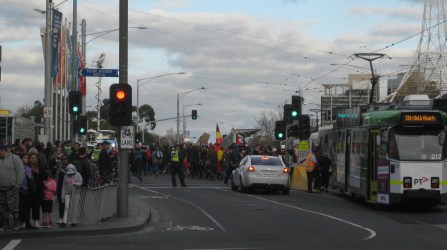
We chant it together.  We claim and proclaim it publicly:

“Always was, always will be, Aboriginal land”

“When you haven’t got a homeland or place to go, you lose your identity,and personality and you become sick.
Where are these communities going to go?”

Indigenous activist, Rieo Ellis

Thanks to ANTaR for this summary of the issue:

Announcement to discontinue funding essential services in remote communities

  • In September 2014 the Federal Government announced that it would no longer fund essential municipal services including supply of power, water, and management of infrastructure in remote Aboriginal communities in Queensland, Victoria, NSW, Western Australia, and Tasmania, despite having done so for decades.
  • The South Australian government refused to sign an agreement, and the Western Australian government signed an agreement with the Federal Government for funding of $90 million which would fund services until June 2016.
  • The WA government announced that it would not pick up the bill beyond that time and would instead close between 100 and 150 of the 274 remote Aboriginal communities in the state.
  • The decisions by both the Federal and the State Governments occurred without any consultation with Aboriginal people in the affected communities.

How many people live in these communities

According to the WA Department of Aboriginal Affairs, there are around 12,000 Aboriginal people currently living in the 274 communities in WA, with around 1,300 living in 174 of the smallest. In 115 of those communities, there are around 500 people in total, or an average of 4.4 people per community.

What will the impact be of shutting down communities

Premier Barnett himself acknowledged that closing communities would:

“…cause great distress to Aboriginal people who will move, it will cause issues in regional towns as Aboriginal people move into them.”

Professor Patrick Dodson, Yawuru man from the Kimberley, who authored a review of small homeland communities for the NTgovernment said closing down communities would:

“…be disastrous, increasing access to drugs and alcohol and exacerbating social tensions,  which would flow on to antisocial behaviour and incarceration. The immediate consequences would be to create an internal refugee problem for the indigenous people.

He also said that breaking people’s connection to land:

“…would threaten the survival of Aboriginal knowledge and culture, because in towns people were restricted from camping, lighting fires, hunting and fishing.” 

What criteria will be used to close communities

It is not known where any closures might occur, nor what criteria might be used.  In fact, there has been great anxiety and uncertainty over this, particularly as no consultation has occurred prior to the statement being made by Premier Barnett.

The Federal Government prepared a document in 2010 titled “Priority Investment Communities – WA” which categorised 192 of 287 remote settlements as unsustainable. The majority of those assessed as unsustainable are in the Kimberley, with 160 communities in the region.

Non-Indigenous communities

We could not find any examples of government decisions to refuse to fund essential municipal services for non-Indigenous communities, including small communities in remote areas in WA. For example, the non-Indigenous community of Camballin (of about 300 people) is located near Looma (an Aboriginal community of around 370 people) in the Kimberly. Looma will be assessed by the Western Australian government for funding whereas Camballin will not.

064

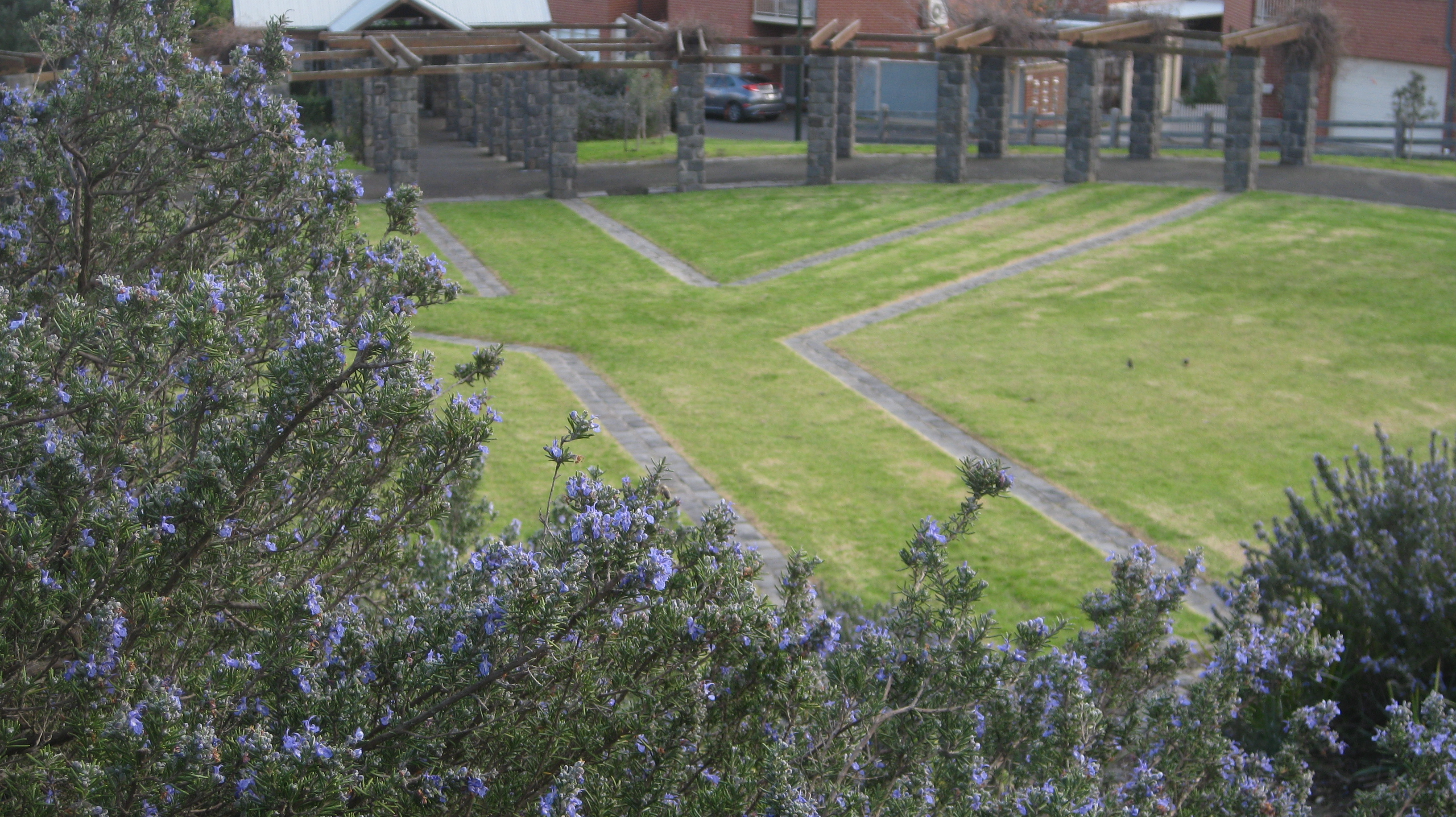
I am sitting in the Woman’s Peace Garden, halfway between Footscray and Kensington, on my way to…

as I was approaching I will confess to musing on the peace symbol feeling a bit passe or gimmicky but today it looks like outstretched arms and, with the rosemary in bloom, feel more feminine.  With it’s formal lines and landscaping, the muted greens of the olive trees and rosemary, this space hasn’t felt particularly feminine to me… maybe the idea of what “feminine” should be rather than capturing the spirit of the thing?  Although I read that green (olives), and purple (rosemary) and white (roses) are colours of the Suffragette movement and these plants synonymous with peace.  If I could create my own garden/park I’d want to create a sense of tranquility, I’d try and plant to block out the road noise/traffic, I’d plant things that smell nice and I like to be useful so the fruit trees and herbs are practical. I like to be connected with the earth so I’d rather dirt paths, with stepping stones or wood as needed, natural resources rather than concrete path… things running together and catching on one another rather than delineated spaces: sit here, walk here, plants there.  I would plant so as to attract birds and bees and butterflies and ladybugs so when you look around you, you see life all around.  Trees birds would nest in and children would climb in.  This can feel like a pedestrian access-way, albeit the pretty way round, rather than a place you come to be.  That is generally when healing happens, when you feel a sense of place, a place you can come to and just be.  A place where stories can be told and truth heard and where you might imagine fairies and elves whisked away just before you arrived.  I am not arriving. I am merely stopping along the way… and I go on, perhaps more peace-full than I imagined I might be.

It’s here

052

put yourself in the way
and turn out fear
scent anticipation instead
and the advent of things
long awaited for
it’s coming, it’s coming
it’s here

Talitha Fraser

049

Quotable Quotes

About Catholic music in general:  The music tradition of the universal church is a treasure of immeasurable value, greater than that of any other art.  Vatican II

About the Gregorian melodies: The Gregorian melodies air to foster the spiritual development of the individuals by providing an atmosphere conducive to a better understanding and living out of both God’s gift and the totality of the Christian faith.

About the Divine Office: This great prayer of the church, divided into portions throughout the day, sanctifies and consecrates the whole of human time by divine praise.

Ubi Caritas – Solesmes

Ubi Caritas is taken fro th anitphons sung during the ceremony of the Washing of the Feet at the Mass of the Last Supper on Holy Thursday.  As is the entire Mass of the Last Supper, this hymn is intimately connected with the Eucharist, and is thus often used during the Exposition of the Blessed Sacrament.  Recent tradition has the first line as “Ubi caritas at amor” (where charity and love are), but certain very early manuscripts show “Ubi caritas est vera” (where charity is true).  The current Roman Missal favors this later version, while the 1962 Roman Missal and classical music favours the former.

UBI caritas et amor, Deus ibi est.
Congregavit nos in unum Christi amor.
Exultemus, et in ipso iucundemur.
Timeamus, et amemus Deum vivum.
Et ex corde diligamus nos sincero.
WHERE charity and love are, God is there.
Christ’s love has gathered us into one.
Let us rejoice and be pleased in Him.
Let us fear, and let us love the living God.
And may we love each other with a sincere heart.
UBI caritas et amor, Deus ibi est.
Simul ergo cum in unum congregamur:
Ne nos mente dividamur, caveamus.
Cessent iurgia maligna, cessent lites.
Et in medio nostri sit Christus Deus.
WHERE charity and love are, God is there.
As we are gathered into one body,
Beware, lest we be divided in mind.
Let evil impulses stop, let controversy cease,
And may Christ our God be in our midst.
UBI caritas et amor, Deus ibi est.
Simul quoque cum beatis videamus,
Glorianter vultum tuum, Christe Deus:
Gaudium quod est immensum, atque probum,
Saecula per infinita saeculorum. Amen.
WHERE charity and love are, God is there.
And may we with the saints also,
See Thy face in glory, O Christ our God:
The joy that is immense and good,
Unto the ages through infinite ages. Amen.

Nov13 004 - Copy


the toast rack of reproach
balefully squats
on the coffee table
that’s really for
tea and hospitality
and other nice things
the crooked bend
of things to do
that Newton’s forces of physics
are required to move
external impetus
gives momentum
the toast is shared out –
refreshments flow.


Talitha Fraser