
Tag Archive: learn

‘I would like to go, stupidly, towards the bodies that my anxiety has kept me from.’
– Guy Hocquenghem, ‘The Screwball Asses’
I will be content with nothing less that the total and complete destruct-
tion of my body. Now is not the time to be flippant, now is the time to be
sincere, and helpful, but I still say, ‘I like to sleep with people who could
break my ribs id they chose to’. It’s stupid because couldn’t anyone, phys-
ically? And wouldn’t they?
Smashed ceramic chips are like fingernails, kept clipped short
and ragged, scraping over your legs. No two chips are identical. Rough
snaggles, little knives. Obsessively clipped every day. I love forms that
take a long time to set. I love thinking about waiting for the grout to dry.
Thin cylinders, almost meeting in the corner of the room. At the same
time smooth, especially aesthetically, and rough, like a secret. I feel like
I’m visiting the clinic, and I’m into it.
I was clearing away the cups from tea and coffee after group.
There was a tea bag bound to a stirring stick, the string wound tightly
around. In sharing time he said, ‘If you can’t be a faggot, why be a man at
all?’ and honked, a nervous burst of laughter. When he was not speaking
I looked at him. His shoulders hung forward with many years of habit,
the same as mine. The things I love looking at are the things that are the
same as me, or spaces where I can see that I could be too; there but for
the grace of God go I. When he was speaking, I looked away. It’s just a
wrapper. A vessel.
I like to think about bending steel. To make something look like it
flutters but allow it to be still. Allow something so precious to evaporate
into the air. Less death wish, more stability. It’s good to have a role, you
whispered, handing me a tray of raw meat, not looking at me. ‘everybody
treats you like a boy until you say you are one’. The bruise becomes the
unmistakable centre of the long neck. The neck becomes negative and
the bruise positive. Like the neck exists only o support the bruise. Like
this vessel exists only to support what’s inside of it. To see your pulse in
light blue. To feel your heart beating in your skin. ‘These things we do,’
he says. ‘they never used to come naturally to me,’ Nothing even really
happens, but the interiority is so overpowering, so strong. The blood is
at the surface.
An excerpt from the stunning work of Spence Messih with Vincent Silk and many other artists are now on display as part of the UNFINISHED BUSINESS: Perspectives on art and feminism exhibition at the Australian Centre for Contemporary Art, 15 Dec 2018-25 March 2018. Free entry. Check it out!
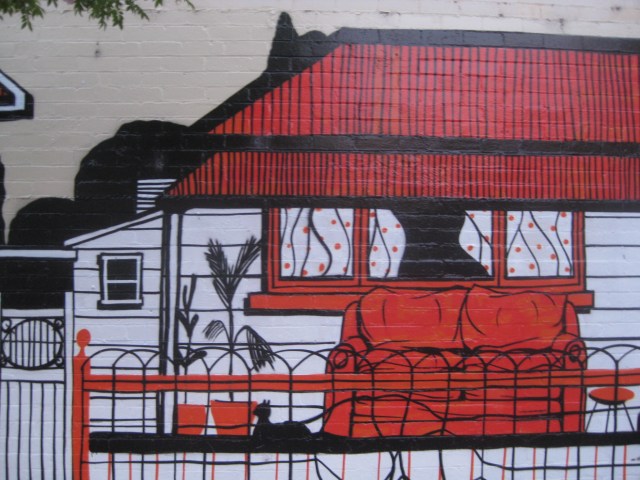
You put yourself out there.
You put yourself out.
You put your Self out.
Here I am.
by Talitha Fraser with Kaumatua Gregg Morris
[this piece first appeared on Radical Discipleship‘s website 17/02/2017]
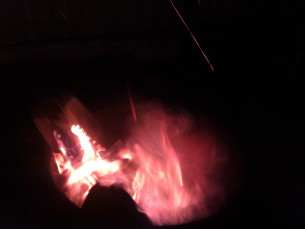
Allow me to invite you to join in for a game of kilikiti, to sing and dance with us, to walkabout… sit here at the campfire and I will tell you story…
Coranderrk was one of several Aboriginal missions set up in Victoria . Wurundjeri leaders William Barak and Simon Wonga advocated for Aboriginal people to live in their own place, their own way. Many times to petition the Victorian Government Barak and Wonga would gather a delegation together, speak to motivate and inspire them, then they would walk together the 60 miles (12 hours) to deliver the message: “Please leave us alone, give us our land back, don’t take it away again”. Leaders of one people to another, approaching as equal and in person.
The Mau was a passive resistance movement seeking Samoan Independence. When hundreds of members were arrested, hundreds more turned themselves in until all were released because there were more than the system could contain. People stopped paying taxes and gave the money to the Mau. All local Councils and committees stopped meeting, children stopped turning up to Government run schools which were forced to close, instead of working in the plantations to harvest bananas and coconuts the women would play kilikiti all day.
Communities at Ratana, Hiruhārama, and Parihaka in New Zealand saw a farm converted to a township as taking people was more urgent than the harvest; a poet-led commune of Maori and Pakeha living together; an invading army greeted on the marae with songs, food, and children holding white feathers of peace running counter to the cultural tradition of utu.
All of these expressions of non-violent resistance share elements in common:
- they were born out of an intention to create safe space – refuge for the dispossessed. Any political activism or engagement brought about was a by-product, not an intention, of what these places existed to protect.
- they were led by or held in close relationship with indigenous peoples of the land.
- there was, be it tendril or tap root, a connection to and influence of Christian belief.
Having people elected over you who are imposing laws and structures that are not aligned with what we know about how to live in harmony with each other and with the land is not a new idea. Romans 12:20 says: “If your enemy is hungry, feed him; if he is thirsty, give him something to drink. In doing this, you will heap burning coals on his head.” How may we engage a world that is broken, challenging what comes our way – to change it or be unchanged by it – preserving our peace and not be overcome?
As High Chief and leader of the Mau, Tupua Tamasese Leolofi III, lay dying his last words were, “My blood has been spilt for Samoa. I am proud to give it. Do not dream of avenging it, as it was spilt in peace. If I die, peace must be maintained at any price.” The message of Te Whiti o Rongomai and Tohu Kakahi, leaders of Parihaka: “Just as night is the bringer of day, so too is death and struggle the bringer of life.”
We need to tend to the sovereignty of our own belief in what is right, to the inspiration of ideals bigger and beyond ourselves, to seek the Spirit and be led thereby to feel and act. Who do you look to, to define who you are? Come, sit here at the campfire and tell me a story…
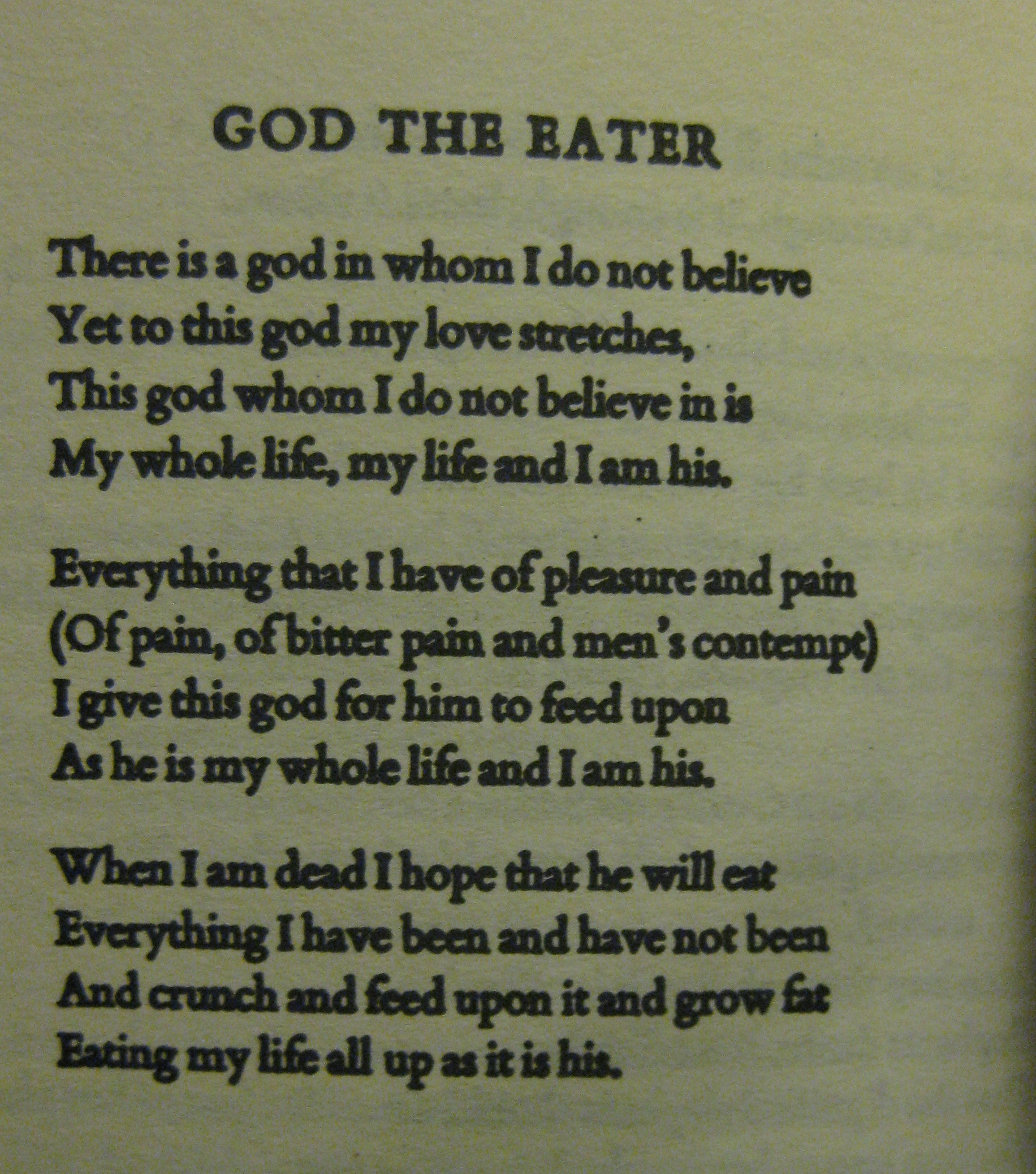
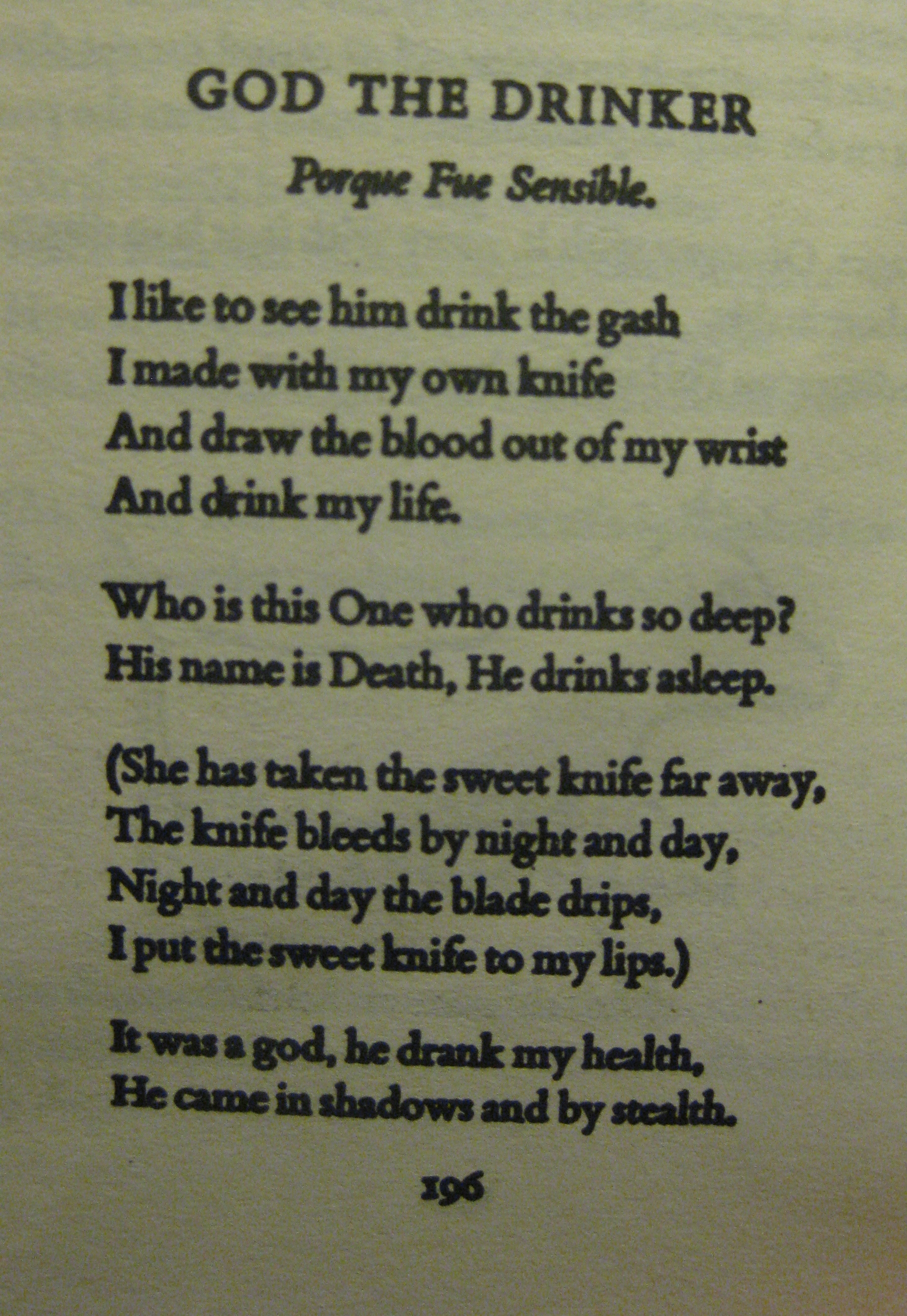
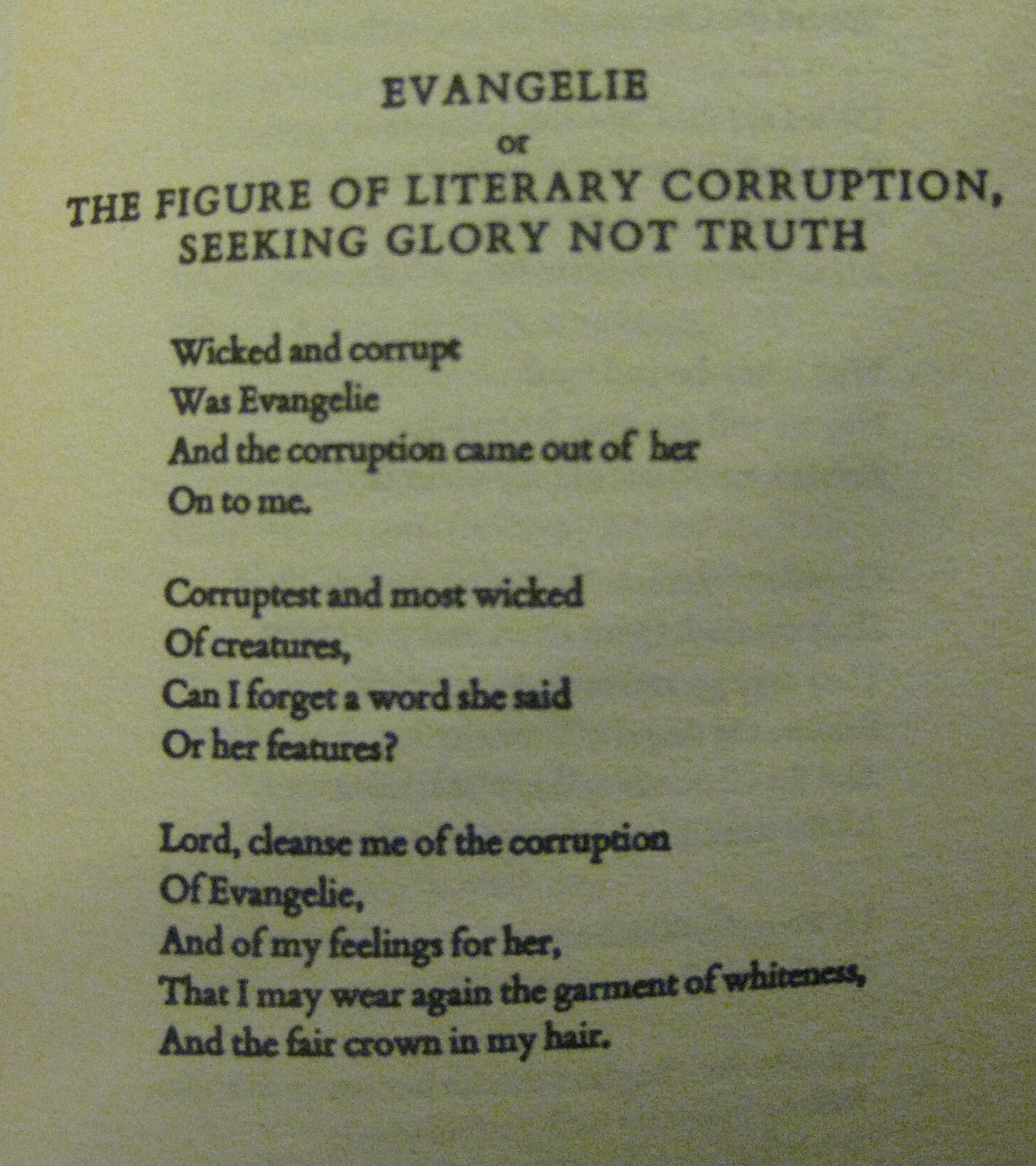
Housesitting and off the shelf of an extraordinary library I discover the poetry of Stevie Smith… I think she and I have become friends and I just may have to visit again…

Take off that cloak of fear,
the divine strength you seek is here,
and you know you are dying to live.
You know you are dying to live.
We seek to live a more contemplative life so that we will not have to wait until we are dying to learn to live.
Teach us the grace of listening.
Reveal to us the art of dying.
Show us the face of God.
p.25, Seven Sacred Pauses – Macrina Wiederkehr
As you set out for Ithaka
hope the voyage is a long one,
full of adventure, full of discovery.
Laistrygonians and Cyclops,
angry Poseidon—don’t be afraid of them:
you’ll never find things like that on your way
as long as you keep your thoughts raised high,
as long as a rare excitement
stirs your spirit and your body.
Laistrygonians and Cyclops,
wild Poseidon—you won’t encounter them
unless you bring them along inside your soul,
unless your soul sets them up in front of you.
Hope the voyage is a long one.
May there be many a summer morning when,
with what pleasure, what joy,
you come into harbors seen for the first time;
may you stop at Phoenician trading stations
to buy fine things,
mother of pearl and coral, amber and ebony,
sensual perfume of every kind—
as many sensual perfumes as you can;
and may you visit many Egyptian cities
to gather stores of knowledge from their scholars.
Keep Ithaka always in your mind.
Arriving there is what you are destined for.
But do not hurry the journey at all.
Better if it lasts for years,
so you are old by the time you reach the island,
wealthy with all you have gained on the way,
not expecting Ithaka to make you rich.
Ithaka gave you the marvelous journey.
Without her you would not have set out.
She has nothing left to give you now.
And if you find her poor, Ithaka won’t have fooled you.
Wise as you will have become, so full of experience,
you will have understood by then what these Ithakas mean.
By C. P. Cavafy
Translated by Edmund Keeley/Philip Sherrard
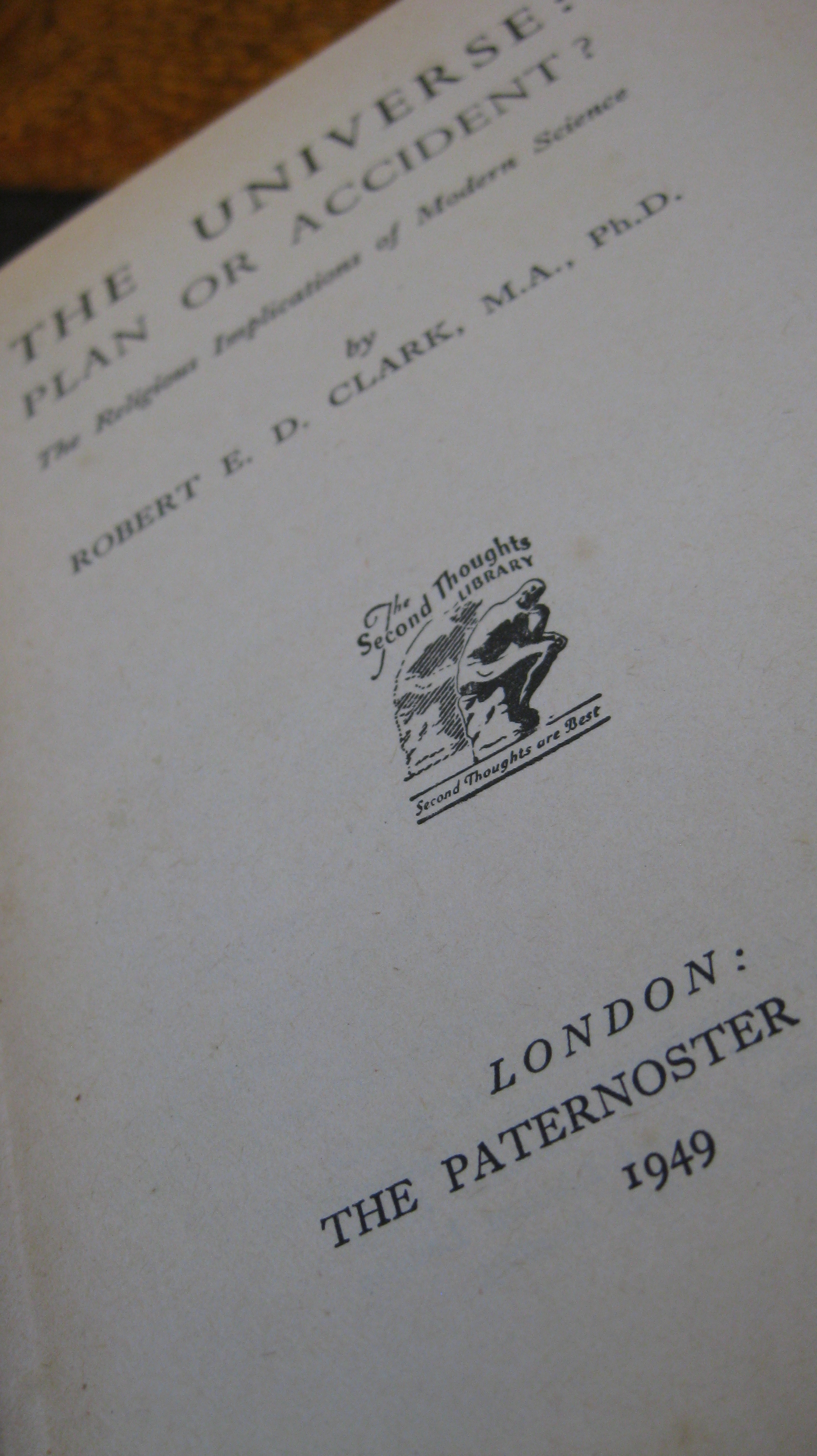
Only I would tear pages out of a book, draw on them, paint them, then decide I wanted to read it… not sure whether to laugh or sigh – perhaps a little of both is in order… already fascinating…
p.7-8 If we would appeal to science at all, we must use her methods – not methods of our own choosing. Now it is a generally accepted principle in science that it is only through the study of the unusual, the odd and the seemingly inexplicable, that man can be led onwards towards new knowledge. The scientist whose mind revolves only in the grooves of well recognised theory has little chance of discovering important new principles. In fact, an important element in the scientific method consists in the focusing of attention upon the things that science cannot explain, or has difficulty in explaining. In this way only can it be discovered whether known principles will cover all the facts, or whether new remain to be discovered.
We must apply the same method if we wish to build a reliable philosophy of nature. If we consider only the recognised laws of science we shall never discover whether they are adequate to explain everything in the universe – we shall never even discover whether they are the most important factors of which we ought to take cognisance. To reach a sane judgement, we must turn to the odd and the peculiar. We must think about things which, in the light of present scientific knowledge, seem inexplicable. We must ask if they really are inexplicable, or only apparently so. And should the first possibility seem the more likely, we must ask whether the inexplicable facts can be explained – explained, not of course, in a fundamental sense, but in the scientific sense of co-ordinated or grouped together by a new hypothesis or theory which would make them inexplicable no longer. Finally, if we are able to do so we must test our theory – we must see whether it can help us to understand yet other facts, which we have overlooked hitherto, whether it will stimulate our minds to research in new directions and so forth. And, as the past history of science has shown on repeated occasions, it will often happen that the good theory, based upon phenomena that once seemed queer and out of the ordinary, will help us to understand the ordinary and commonplace.
This is the scientific method of discovery of truth – the method upon which the scientific edifice of our day has been built. And it is also the way of common sense – a codification of the rules that are always used in establishing evidence. For the scientific method is only a glorified version of the ways of common sense. The detective, like the scientist, focuses his attention upon the details that seem queer and inconsistent with the knowledge he already possesses; like the scientist he frames his theories upon those parts of the picture that at first seem odd and inexplicable; like the scientist again he seeks to discover whether his theories are adequate. The economist, the historian, the archaeologist, the linguist – every one, in fact, whose business it is to discover facts adapts the same procedure. The scientific method is the method of human reason.
p.9 Instead of examining the inexplicable. The modern writer only too often examines the explicable: instead of showing interest in the extraordinary, he revels in the ordinary. And his reply to those who adopt a more orthodox procedure is to the effect that they are inventing a “God of the gaps” who will be doomed to extinction as soon as all-conquering science has discovered how the gaps may be filled in.
p.10
Instead of avoiding the difficulties, instead of begging the question by pretending that every difficulty is mere gap, we must boldly explore the suppose gaps with all the care we can muster. Nor need we apologise for doing so.
The Mystery of the Zohar (The Book of Radiance)
The Zohar is the most important work of the Kabbalah. It emerged/appeared in the 13th century in Spain and was associated with Rabbi Moses de-Leon. According to de-Leon, the Zohar was an ancient book (composed by a famous 2nd century Jewish sage) which was found in a cave in Israel and was brought to Spain and into his house. De Leon sold portions of the work and claimed he was copying from the ancient book. Even so, during his life ad after his death some didn’t believe de Leon’s version and believed him to be the real author of the work. Those who thought de-Leon was the author believed that that book was written by means of a mystical technique, namely employing one of the names of God to enter a trance like state whereby the book was channeled to him and written through “automatic writing”. Today, most of all scholars think that the book was written in Spain in the late 13th century and that De Leon is connected to it either as a sole author or as one of the authors but it is still an unsolved mystery.
The Zohar is a very long and magnificent book:
- It tells a story of a great teacher – Rabi Shimon Bar-Yochai – and his 10 students who are travelling around Israel.
- If tells the story of how the Divine Powers – (the Sefirot) – emanated from the infinite God (Ein Sof). Something mysterious happened (a little bit like the big bang) and this event generated the ten divine powers which have different personalities and aspects – some masculine and some feminine in their nature (the infinite God is i a way similar to out soul or to the unconscious and the Sefirot to our body). The last power is feminine and is known as Malkhut (kingdom) or Shekhinah. Our world was born from Shekhina and therefore is always feminine is nature – there are cycles and there are death in it. Since the Shekhinah is not always connected to the other 9 powers – like her, we sometimes feel full and part of something bigger but often times not.
- It is structured as a commentary on the Five books of Moses (Genesis, Exodus, Leviticus, Numbers and Deuteronomy) – the commentary shows how the bible stories actually hide the stories of the divine powers – their creation and their relationships with one another.
- It was written in Aramaic and in a special coded language. Different words are actually symbols of the divine powers.
- The book was written in a way that can affect the readers as a drug. The images that arouse the senses and feeling expand the reader’s mind and allow them to learn about the true and deep meaning of themselves, of their bodies, of their relationships, their sexuality etc.
- There is a similarity and maybe identification between the Divine and the Human.
- The kabbalists can affect the divine world in different ways and they can bring the divine female and the divine male together – this is usually described in sexual terms. When the male and the female come together in a sexual union the beautiful divine flow comes into the world.
- The Shekhinah is the first and only gate into the divine realm and she is the main hero of the Zohar.
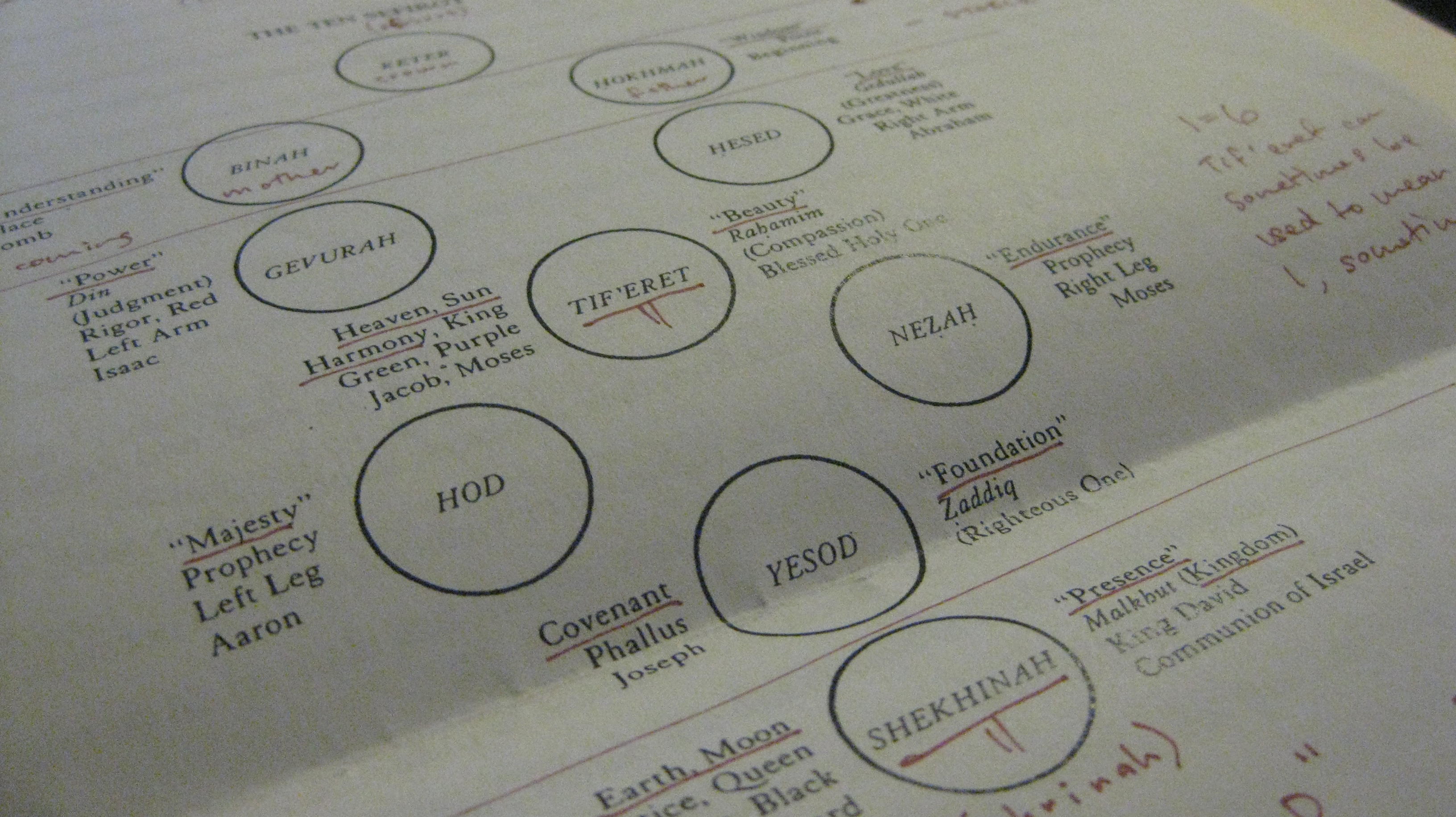
I will confess that when I heard the topic of the week was the Zohar/Kabbalah, I came to the conversation with little beyond “wasn’t Madonna into that at some point”? I have made a point here of including the words that were on Merav’s handout and not my own notes and reflections because to be honest I found some of what I was hearing very strange to my (admittedly) limited understanding despite Merav doing an admirable job of trying to explain it!
What I DID do, by way of response, was immediately pick up a bible and flicked randomly to various sections of the Old Testament, trying to engage it as if I had never heard of Christianity before and recording my first impressions, I found myself in:
Exodus 30:11-16 “When you take the census of the people of Israel, then each shall give a ransom for himself to the Lord when you number them, that there be no plague among them…”
> ransom/kidnapping/buy back language?
> rich people should pay the same amount of tax/tithe as the poor people
> pay up or you’ll get the plague
Judges 19:7-13 ” …saw the people who were there, how they dwelt in security… quiet and unsuspecting, lacking nothing that is in the earth, and possessing wealth… ‘Arise, and let us go up against them… Do not be slow to go, and enter in and possess the land… God has given it to your hands…’ And six hundred men of the tribe of Dan, armed with weapons of war, set forth…”
> invade others countries, it’s a God-given right, especially when you out-number them
> especially where there’s material wealth (ahem, OIL)
> invade them while they’re unarmed and unsuspecting without warning or negotiation
2 Samuel 13:23-29 “But Absolom pressed him until he let Amnon and all the king’s sons go with him. Then Absolom commanded his servants, “Mark when Amnon’s heart is merry with wine, and when I say to you, ‘Strike Amnon’, then kill him. Fear not, have I not commanded you?”
> arranging to kill the guy that rapes your sister is ok
> lie to get near the target, offer them lavish hospitality and then
when they’re blind drunk (unarmed and unsuspecting) take them out
Say what you like about my methodology here, my point is merely that I would certainly struggle to describe my beliefs on the basis of a few readings to anyone who had never heard of it before, or to relate well how I choose to live and act on those beliefs in a way that bears any relation to these passages.
- it is good to visit familiar places as if we are arriving for the first time and know how that might be experienced for people
- the mystery of the Zohar might remain mysterious to me, but what I do not understand still has something to teach me
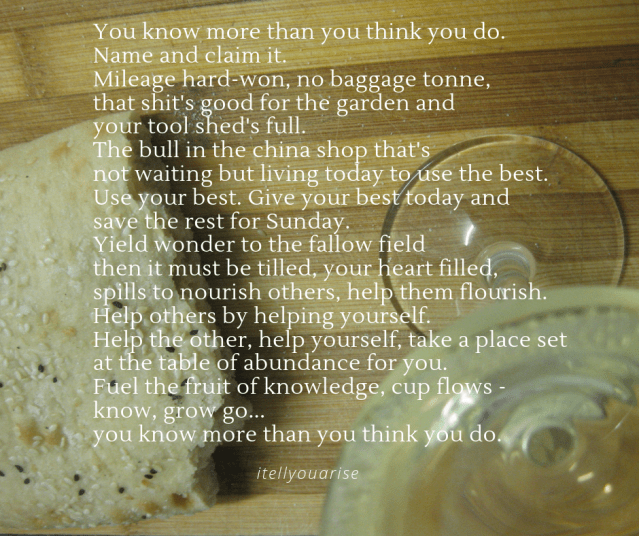
 itellyouarise