Tag Archive: non-violence


178

“I will not agree to my children going to shed their blood.
Though your words are strong,
you will not move me to help you…
you can fight your own fight
until the end”

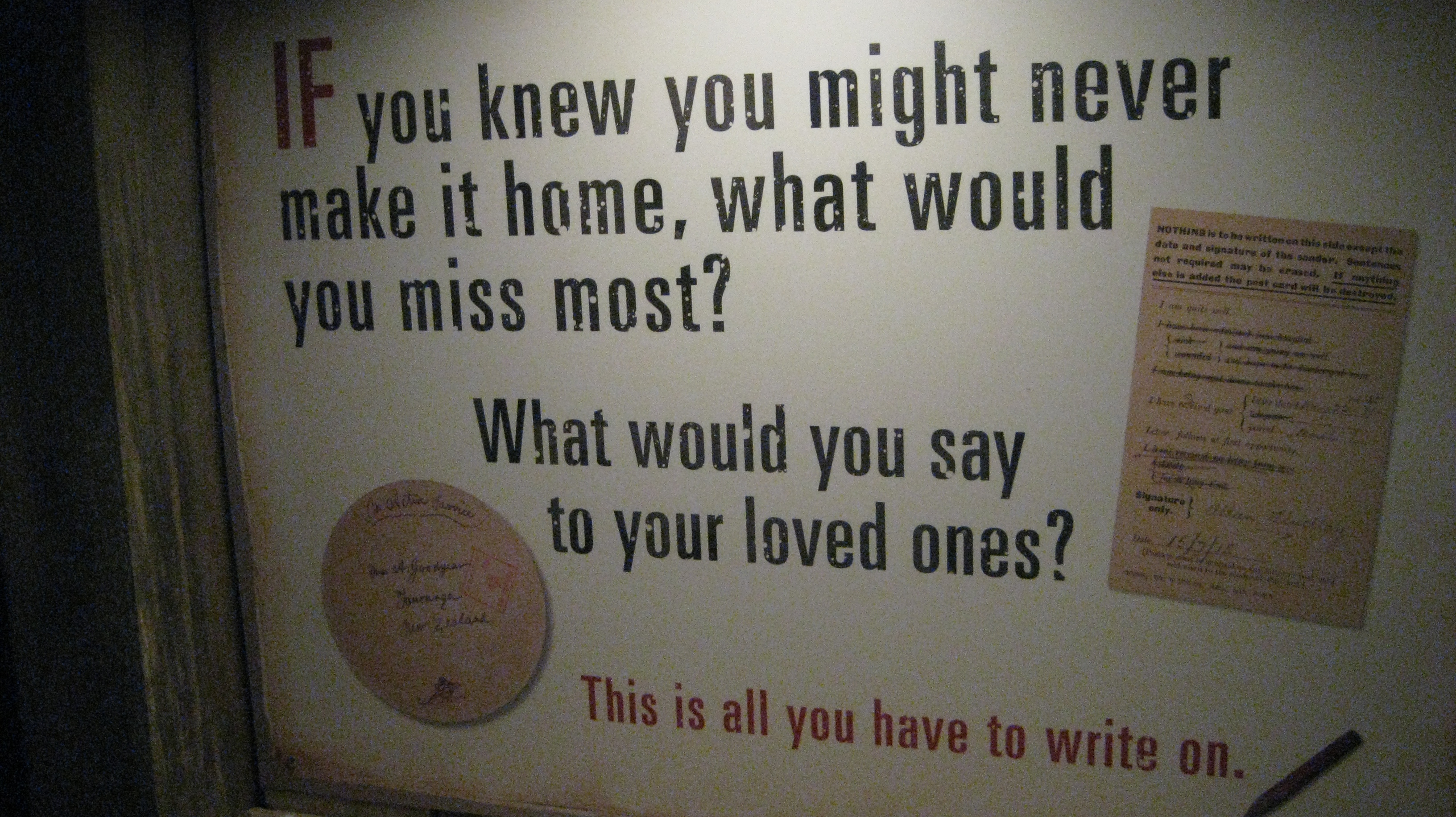
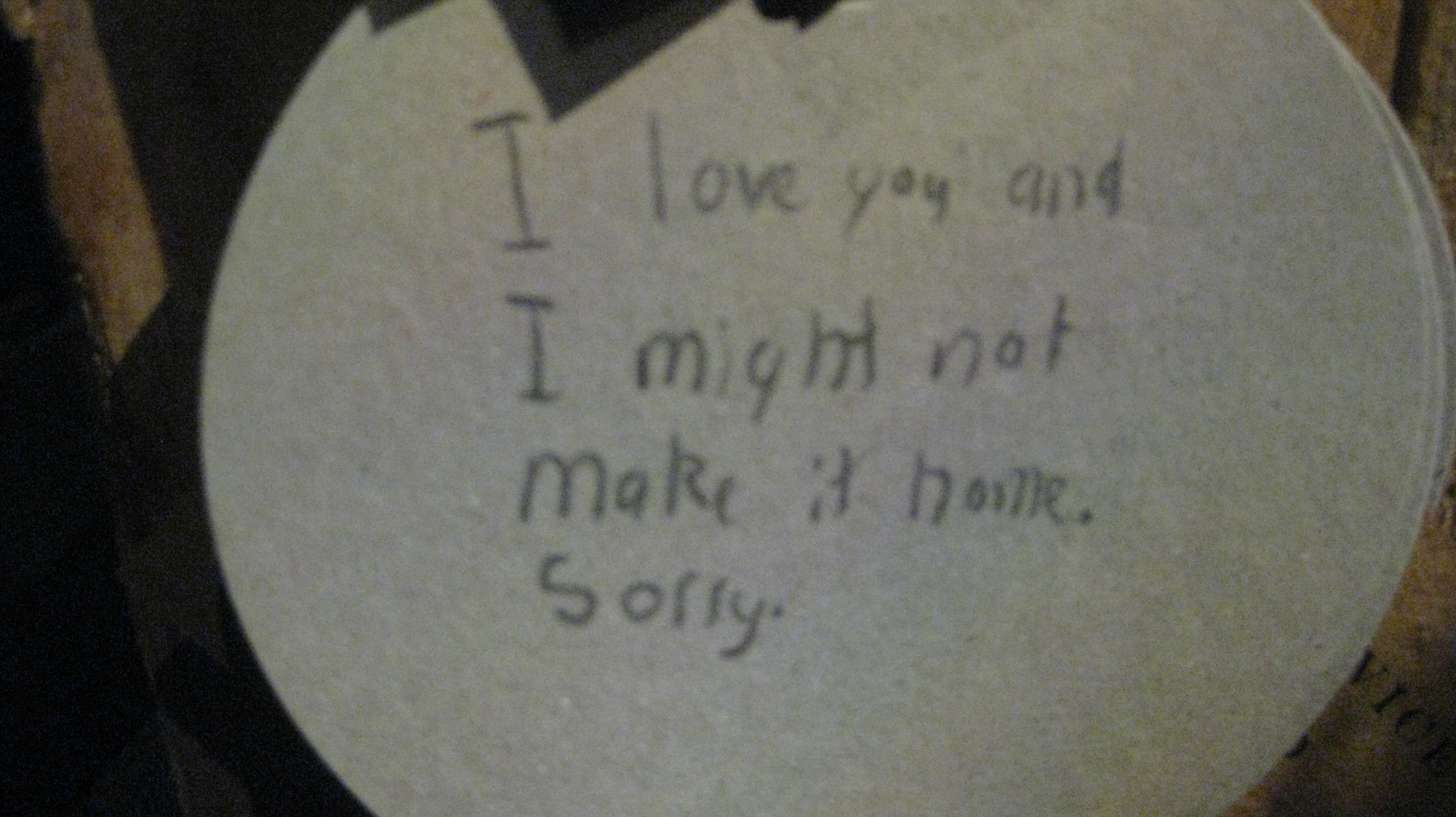
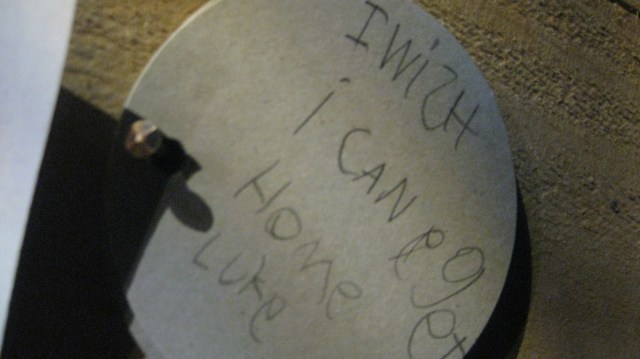
– quote from the centenary exhibition at the Wellington National Library

179183186

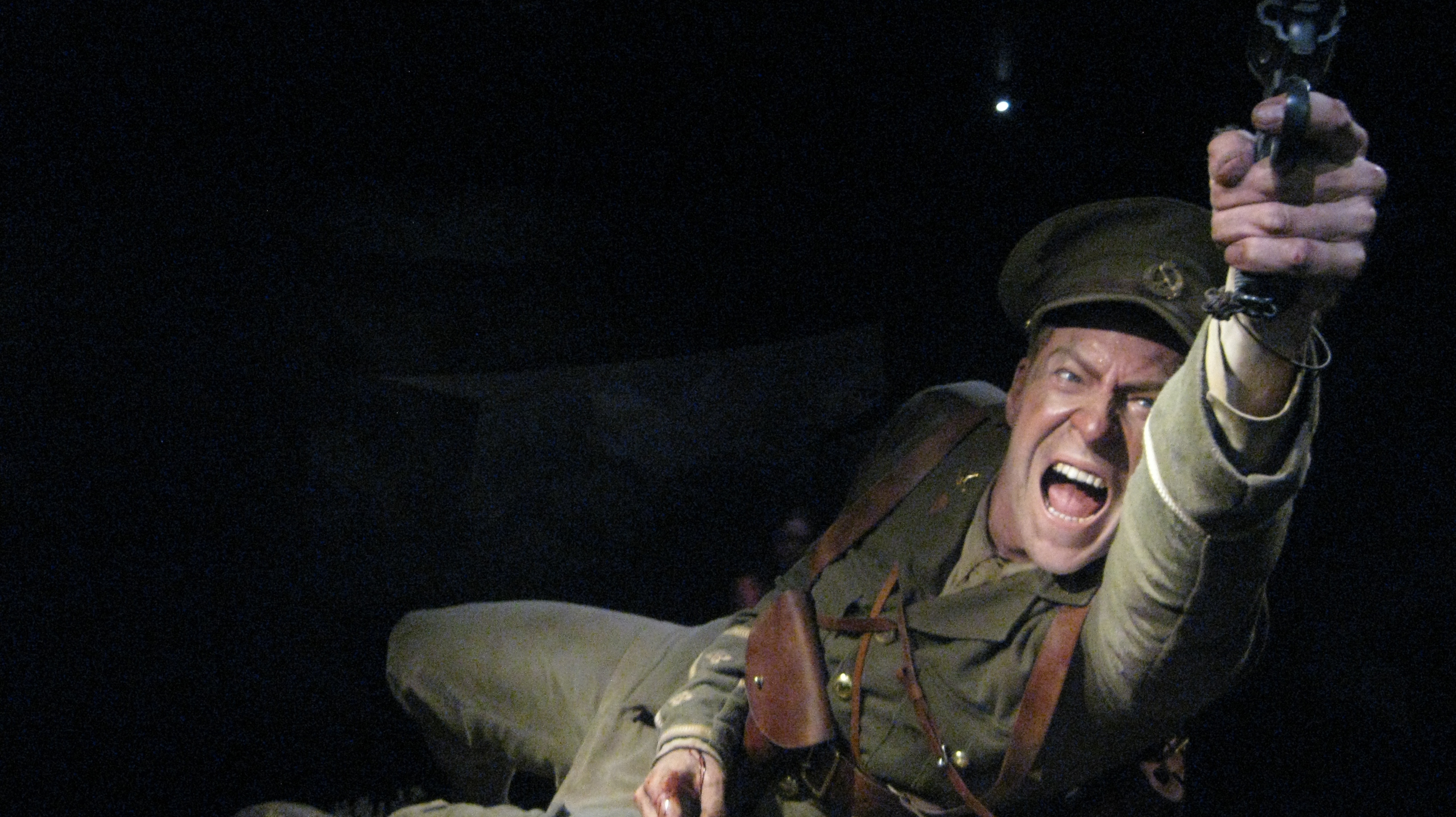
The GALLIPOLI: The Scale of War exhibition at Te Papa

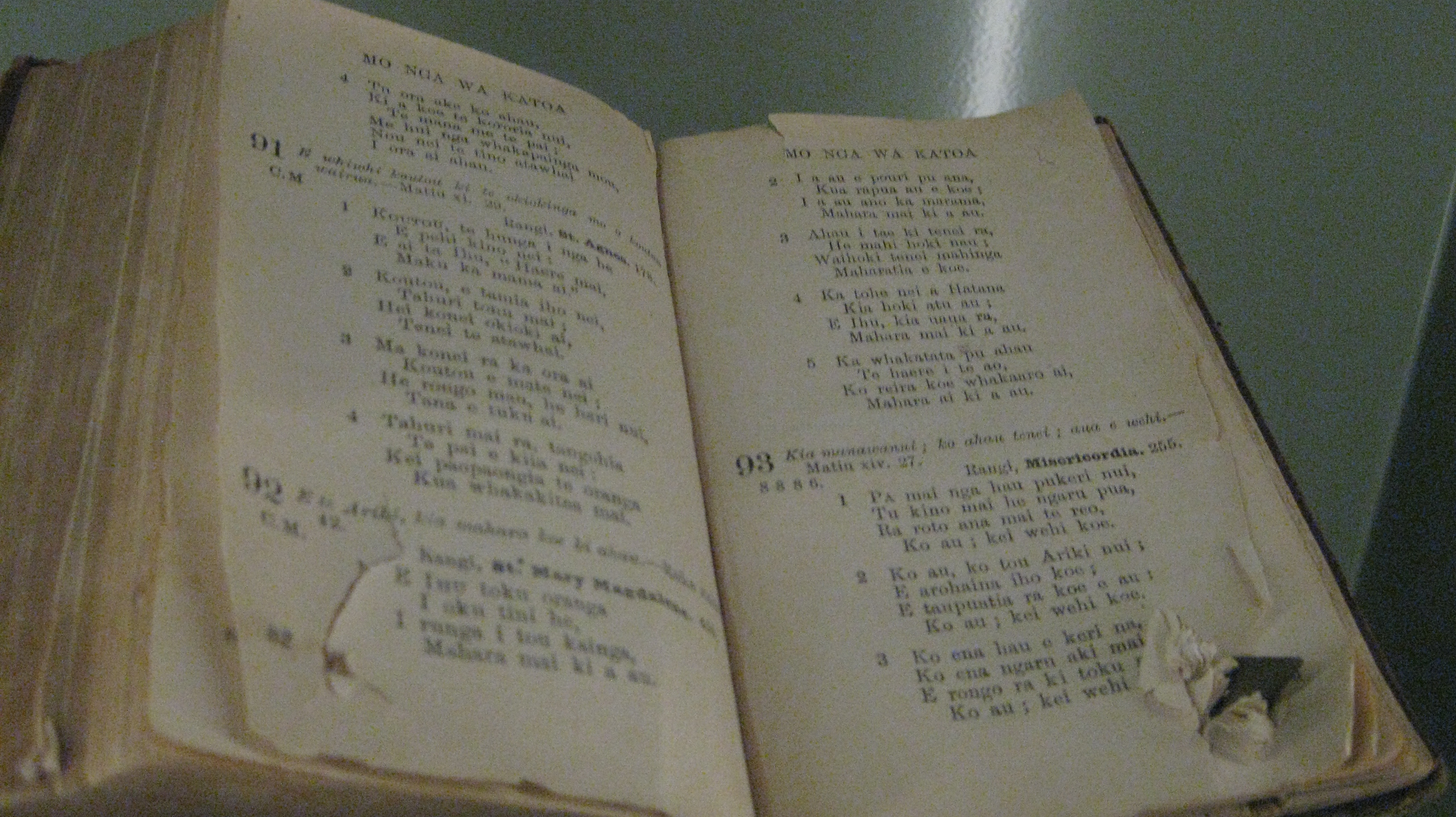
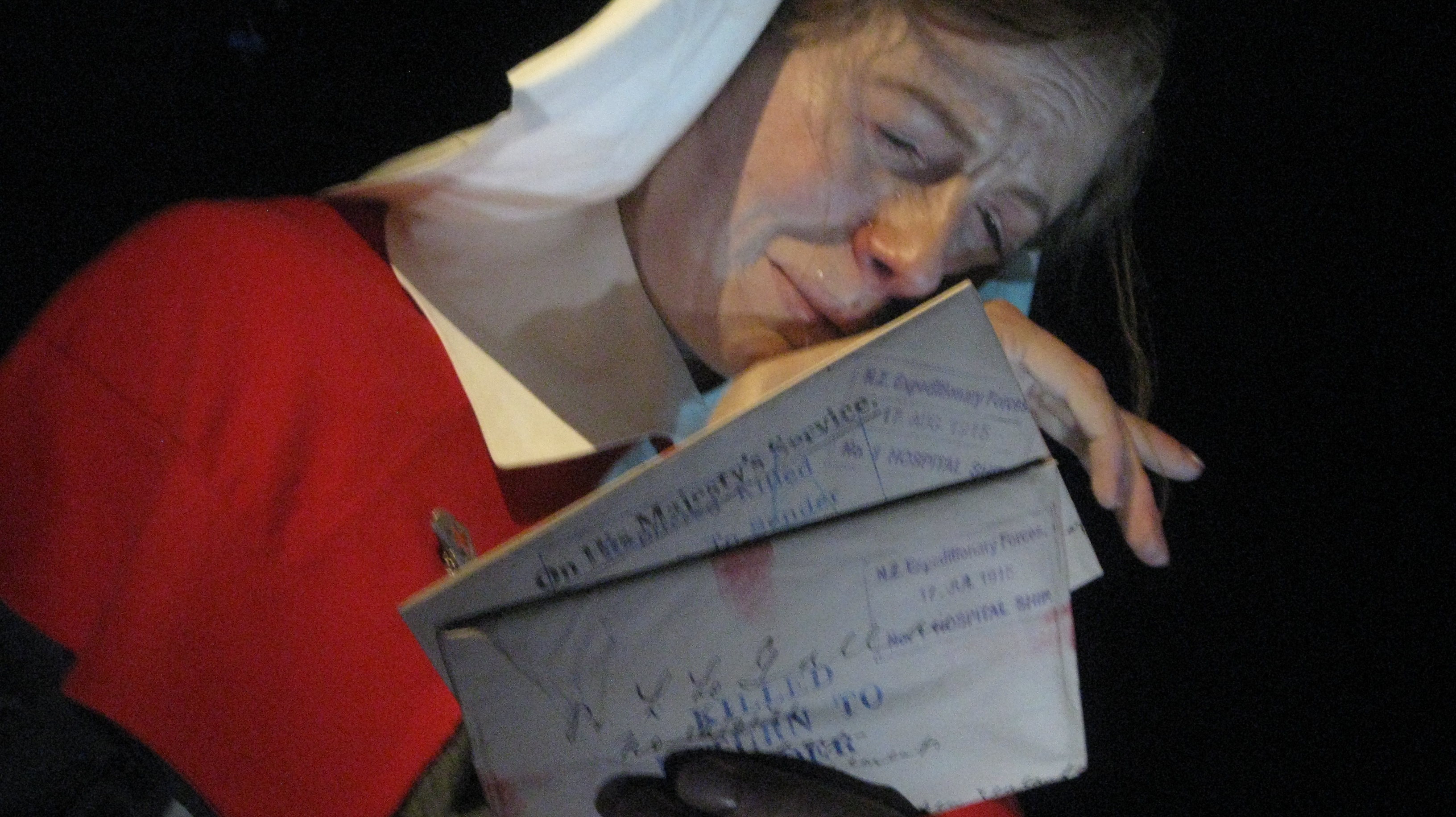
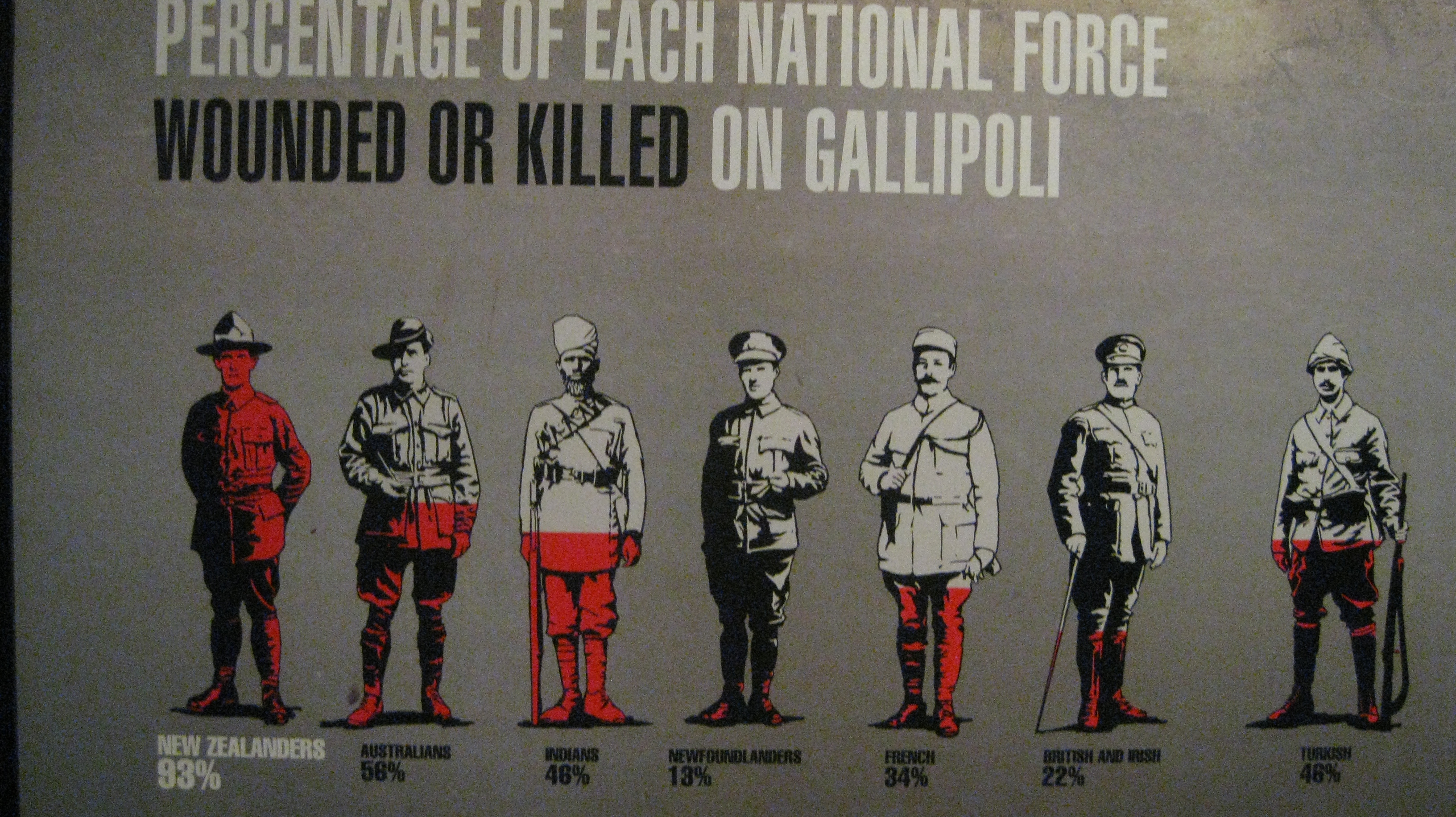
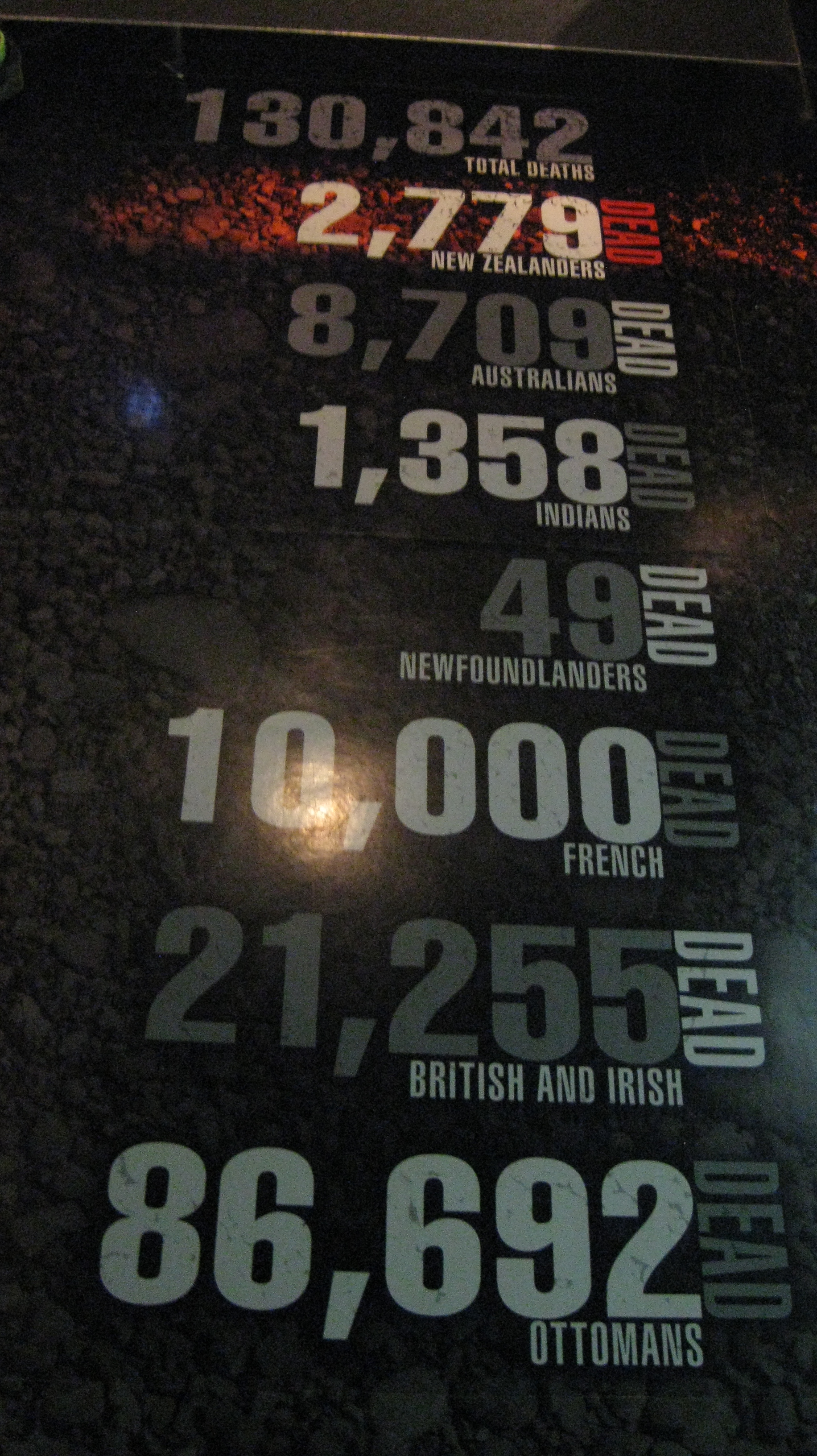
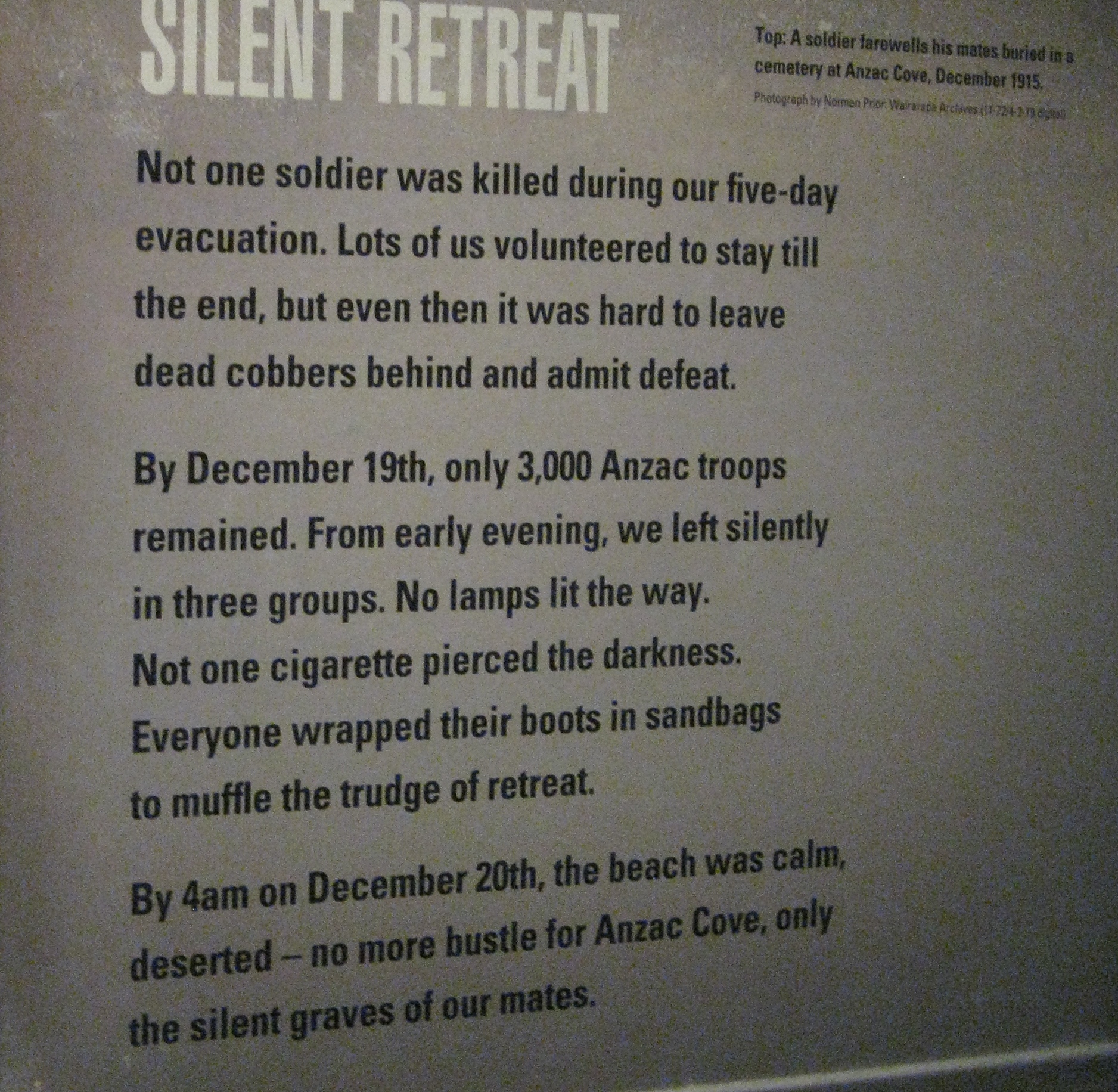
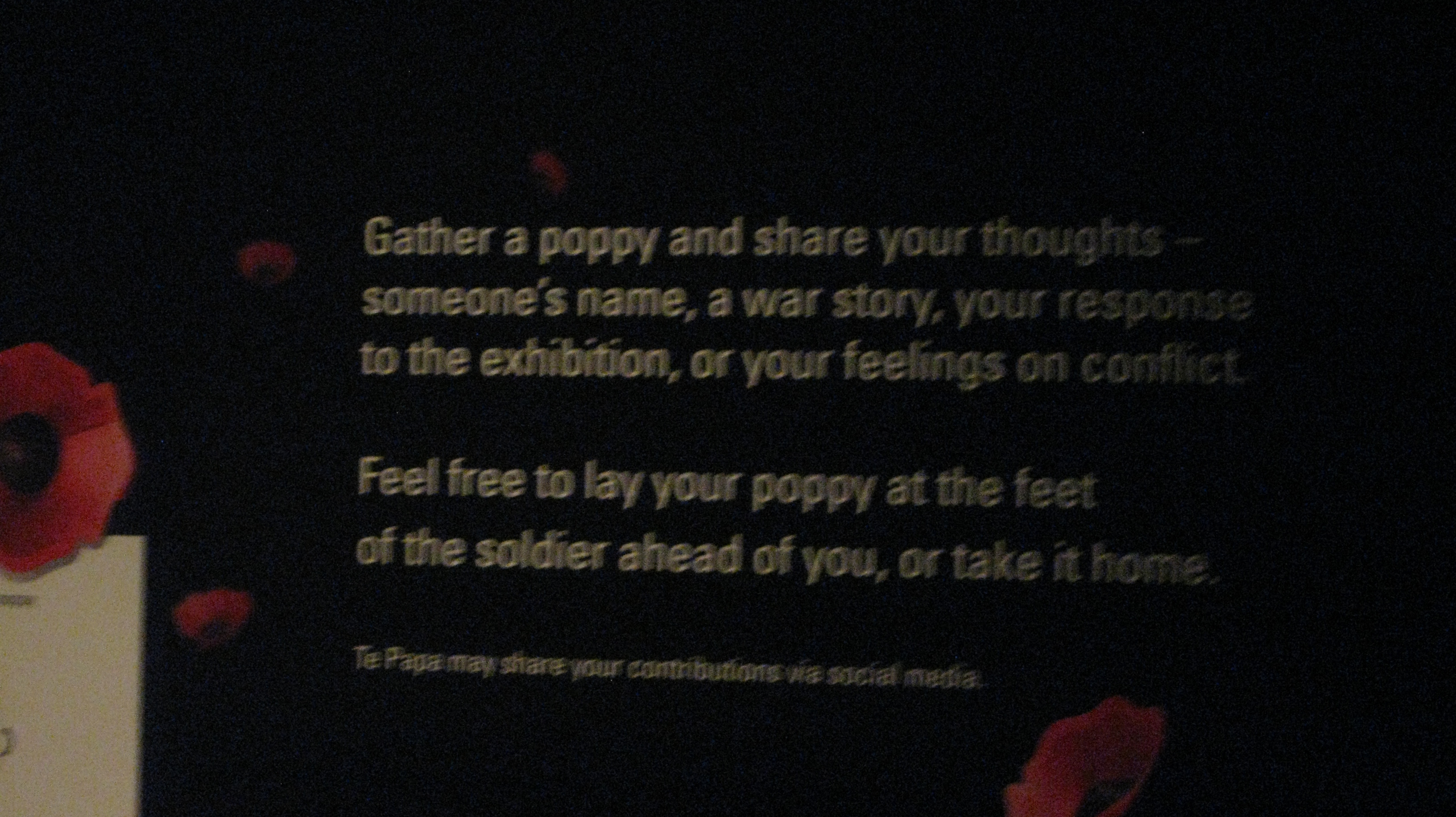
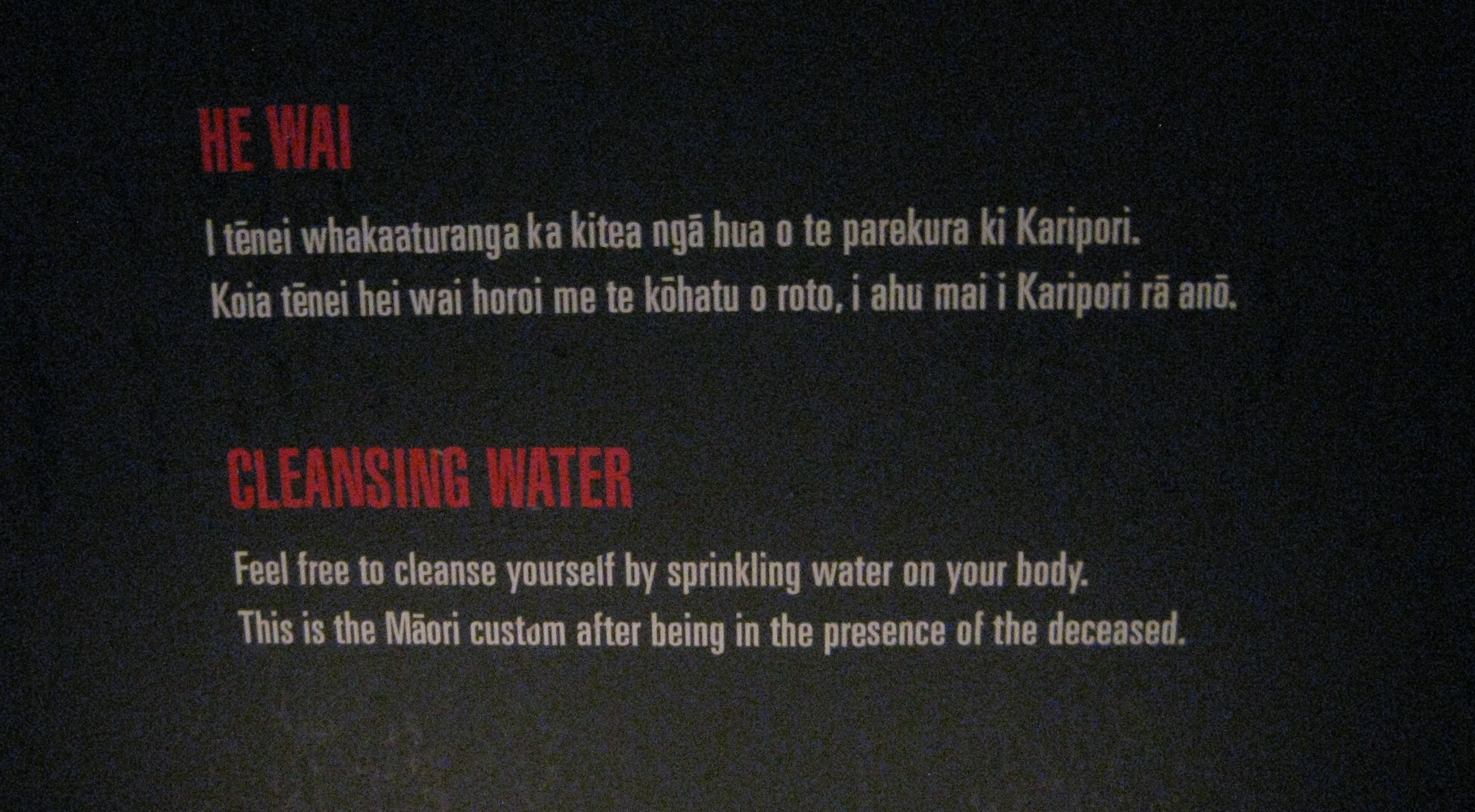
Anzac Day in 2015 marks the 100th anniversary of the ANZAC landings at Gallipoli…How’s this for engagement with/reflection on war?

218

187

190

191

192

189

196

197

199

204

the red line you follow through the exhibition follows the timeline of the engagements with a cross symbolising each life lost along the way in a very confronting impression of the price for each metre of land gained… and lost.

207

210

212

211

213

215

217

222

protest

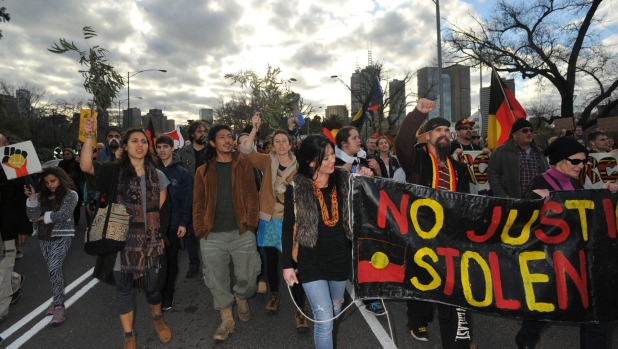
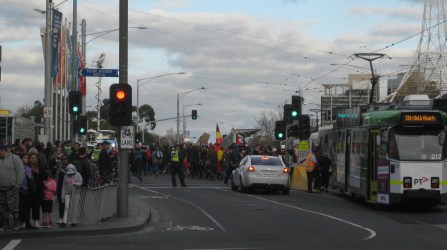
Protesters make their way across Princes Bridge. Photo: Joe Armao

This month the Government announced that they were going to turn off/stop maintaining access to water, electricity, etc. in multiple rural indigenous communities and this protest came very quickly in response.  We like to think that “taking the land away” or dispossession was something that happened long ago and far away and has nothing to do with me but then something like this happens to bring it front and centre and our willful blindness is confronted by the reality: this is still an issue and it is still happening.

These are the words the protestors called in chorus:

“Always was, always will be, Aboriginal land”

Talk to me about economics. Talk to me about closing the supermarket so people had to travel for food, closing the school so families with children had to travel or move, talk to me about closing the petrol station – it might be true that some of these communities have only 4 people living in them but there used to be many more.

“Always was, always will be, Aboriginal land”

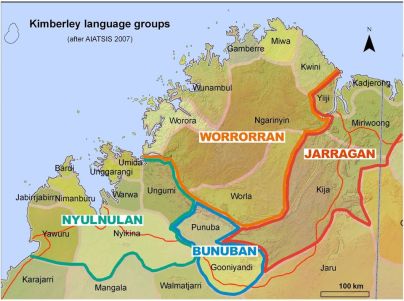
Talk to me about land and place.  There’s hardly any of them, why should they get special treatment? They can move to the nearest big town… to give you a sense of scale Kimberley is c. 3 times the size of England and has a population of 40-50K people.  The nearest town is, well, pretty darn far away – what we white fullas can forget is that indigenous Australia is a lot kimberleymore like Europe, made up of many different countries with their own language, and myths, and dances and traditions… this map on the left is rough overview of the First Nations Peoples and language groups in Kimberley.  This is their map of how they see the world –  we wouldn’t expect it to be reasonable to ask the Italians to move to the nearest town in France and give up everything that informs their own unique culture and identity and we should not ask it of Aboriginal people here either.

photo credit: kimberleyfoundation.org.au

“Always was, always will be, Aboriginal land”

Talk to me about civilisation.  We brought civilisation with us, did we not?  Are these people not better off because we bought them farming and livestock and tools and machinery they didn’t have before?  We brought in the piped water and wired electricity and overrode the old ways with our better new ways…?  There might not be many left who remember and could live by the old ways.  We’ve created a dependence and now you want to take the civilisation away? Did our civilisation include the law, and does the law include provision for human rights like access to water?  What is civilisation?

“Always was, always will be, Aboriginal land”IMG_5269

Tell me a story.  Tell me who your people are and where you are from.

At the start of some (too few) events, ceremonies or proceedings you might hear an Acknowledgement of Country… We acknowledge that we gather on the land of which the Peoples of the Kulin Nations have been custodians since time immemorial.  I went to a cultural awareness training day with Aunty Doreen Garvey-Wandin a few years ago and she did this activity with sticky dots to illustrate how Aboriginal people have lived here for 50,000 years – if each dot is equivalent to 1,000 years – then this black drawing, on the very last dot, represents the 200 years of contact/settlement with us white fellas.  We are a blip on a landscape that was here long before we came.  We need to understand and be reminded of our place in the story of things from Aboriginal peoples point of view. While, I’m here I’ll point out that this is what makes “Australia Day” also so hard.  It marks (and celebrates) the anniversary of colonisation over the culture that had existed here many thousands of years prior.  These acknowledgements should not be empty words.  We eat, we play, we gather, we work – on land where indigenous people were here before us – doing those things first – for many, many years.

“Always was, always will be, Aboriginal land”

Talk to me about belonging.  Do we “belong” here?  I think there is something in the psyche of all of us asking this question because at some level, perhaps we sense the truth of having displaced others to enjoy the space we now hold.  I am from New Zealand, and we have our own history and yet unfolding story of fair trade for land, foreshores and fish – and who should be the custodians of these things.  We need to respect Traditionally Acquired Knowledge more than we do because people lived and ate seasonably and sustainably and can probably teach us a thing or two about living well in this climate and speak wisely into other current social issues.  Do I belong here in this crowd? It can be easy to feel smug – Maori is taught in our schools, we had a treaty and are hearing settlement claims, we have a Ministry for Maori Development… but that is not enough: Te Whiti, a Maori Chieftain, exhorts us to “Ask that mountain” – the land itself bears 076witness to what takes place beyond any particular action of my lifetime whether we have done everything that we can to make things right.  How might the Great Barrier Reef answer? Or Uluru? or The Big Pit in Kalgoorlie? I was proud to see the Maori flag raised and carried alongside the Aboriginal flag in solidarity.  Others who have experienced displacement themselves – they do not forget.  We need to recognise that living in a world that has more languages, more dances, more patterns, more stories makes it a more enriching place for all of us and is worth protecting and defending by us all.

We chant it together.  We claim and proclaim it publicly:

“Always was, always will be, Aboriginal land”

“When you haven’t got a homeland or place to go, you lose your identity,and personality and you become sick.
Where are these communities going to go?”

Indigenous activist, Rieo Ellis

Thanks to ANTaR for this summary of the issue:

Announcement to discontinue funding essential services in remote communities

  • In September 2014 the Federal Government announced that it would no longer fund essential municipal services including supply of power, water, and management of infrastructure in remote Aboriginal communities in Queensland, Victoria, NSW, Western Australia, and Tasmania, despite having done so for decades.
  • The South Australian government refused to sign an agreement, and the Western Australian government signed an agreement with the Federal Government for funding of $90 million which would fund services until June 2016.
  • The WA government announced that it would not pick up the bill beyond that time and would instead close between 100 and 150 of the 274 remote Aboriginal communities in the state.
  • The decisions by both the Federal and the State Governments occurred without any consultation with Aboriginal people in the affected communities.

How many people live in these communities

According to the WA Department of Aboriginal Affairs, there are around 12,000 Aboriginal people currently living in the 274 communities in WA, with around 1,300 living in 174 of the smallest. In 115 of those communities, there are around 500 people in total, or an average of 4.4 people per community.

What will the impact be of shutting down communities

Premier Barnett himself acknowledged that closing communities would:

“…cause great distress to Aboriginal people who will move, it will cause issues in regional towns as Aboriginal people move into them.”

Professor Patrick Dodson, Yawuru man from the Kimberley, who authored a review of small homeland communities for the NTgovernment said closing down communities would:

“…be disastrous, increasing access to drugs and alcohol and exacerbating social tensions,  which would flow on to antisocial behaviour and incarceration. The immediate consequences would be to create an internal refugee problem for the indigenous people.

He also said that breaking people’s connection to land:

“…would threaten the survival of Aboriginal knowledge and culture, because in towns people were restricted from camping, lighting fires, hunting and fishing.” 

What criteria will be used to close communities

It is not known where any closures might occur, nor what criteria might be used.  In fact, there has been great anxiety and uncertainty over this, particularly as no consultation has occurred prior to the statement being made by Premier Barnett.

The Federal Government prepared a document in 2010 titled “Priority Investment Communities – WA” which categorised 192 of 287 remote settlements as unsustainable. The majority of those assessed as unsustainable are in the Kimberley, with 160 communities in the region.

Non-Indigenous communities

We could not find any examples of government decisions to refuse to fund essential municipal services for non-Indigenous communities, including small communities in remote areas in WA. For example, the non-Indigenous community of Camballin (of about 300 people) is located near Looma (an Aboriginal community of around 370 people) in the Kimberly. Looma will be assessed by the Western Australian government for funding whereas Camballin will not.

007              012008

013

023

015020

027

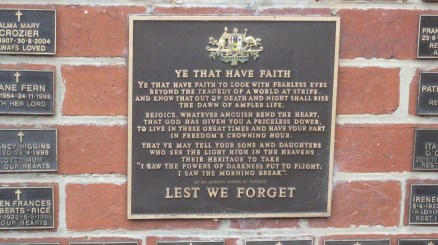
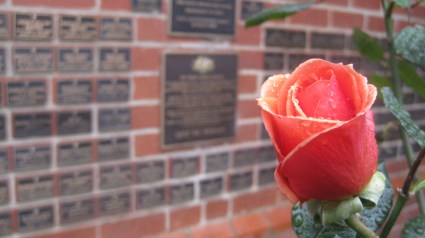
“Ye that have faith to look
with fearless eyes beyond the tragedy of a world at strife,
and know out of the death and strife shall rise the dawn of ampler life…”

———

#centennial

#nonviolence

#our God is undocumented

#what does it mean to live an ampler life? is this it?

015

The Christian Virtue of Hypomone – Transfiguration Community (Bible Study)

hypo – under
menein, mone –

  • to remain standing, to stand one’s ground (as in an Olympic wrestling match)
  • to endure to the end (as in a race), to last the distance
    • under the impact of evil
    • under the impact of a burden
    • in the face of a hostile and unbelieving culture
    • in the midst of seductions and temptations
  • to withstand resistance
  • to bear or suffer (patience)
  • to persevere
  • to be immovable

Its opposite is:
cowardice, caving in, colluding,
passive doormat kind of suffering,
running away, to waver, wobble, flee, give way,
to be changed, to pass away, to be transient, perishable

Menein is an active stance, a brave withstanding, a virtue.  Hypomone is used 7 times in the book of revelation, as the right and necessary virtue of the faithful i the old aeon (age)

Biblical: the soil that bears fruit under pressure

  • Luke 8:15 ‘But as for the seed in the good soil, these are the ones who, when they hear the word, hold it fast in a beautiful and good heart, and bear fruit in hypomone.
  • Acts 14:22
  • Romans 2:7, 12:12, 15:4-5
  • 1 Corinthians 13:7
  • 2 Corinthians 6:4, 12:12
  • Ephesians 6:11, 13, 14 The goal of the wrestling with the principalities and powers etc is to stand (used 4 times). The word used here is not hypomone but stenai.
  • Colossians 1:11
  • 1 Timothy 6:11
  • 2 Timothy 3:10
  • Titus 2:2
  • Hebrews 12:1
  • Revelation 2:2ff, 2:19, 13:10; 14:12

Walter Wink – Naming the Powers

Steadfastness in Prayer
Refusal of idolatry
Absolute intransigence – Unbending determination – an iron will.
The capacity to endure persecution, torture and death without yielding one’s faith – one of the fundamental attributes of non-violent resistance.
The power to sustain blows.  Obstinacy – Endurance.
Perseverance on the basis of the inner victorious sense that all contrary relationships and hostile forces can be overcome.

The strength that comes from faith, hope and love.

Hypomone is not gritting one’s teeth in stubbornness but the strength to suffer that comes from faith, hope and love. ‘Let your only experience of evil be in suffering – not in its creation.’

012
Creating the Right Space – CBM (Panel)

Considerations for creating spaces that are inclusive of people with different levels of ability:

  • Want belonging and feeling treated the same/normal even though we know we’re not
  • Eye contact but NOT staring
  • Participation not about my disability – wanting to engage like everybody else
  • Fundamental dignity: each of us have something to share/contribute
  • Atmosphere – feel connected
  • Send lyrics/talk text in advance and can direct it into Braille or audio myself (needs to be communicated if this is available and PDFs aren’t readable by the programmes)
  • Everyone should be respected as a beloved son/daughter of God – I want to contribute to Christian community > able to share gifts
  • Talk to me not around me as if I’m not here e.g. “Will she have tea?”
  • Need space to be honest about how we feel – don’t pray away my feelings
  • Have communion where they do (with them) e.g. if someone can’t access the alter – don’t just bring them theirs but have yours with them where they are
  • Push in a little bit – there is fear (of being pushed away, rejected, condescended to…)
  • How do you know you’re “in”? On a roster, invited home for lunch, take the communion cup around in my wheelchair.
  • Regular time, place and routine for L’Arche rhythms (known and familiar)
  • Can’t find love, can’t find friendship. Government can’t do that > spiritual communities are REALLY important
  • Care-fronting sometimes with a conversation
  • Time “efficiency” need to allow room for the spirit… can’t plan things. Let it be what it is. Let [people be themselves in their fullness (where people might talk more slowly or move more slowly… let their pace be OK)
  • LABELS: Don’t freak out about it. Don’t let it be your barrier to talking with me. Have names for us too “sighties” and “Sight-trash” – it is a characteristic of who I am like having brown hair. Unhelpful…. handicapped, sufferer of…, carry a cross, disorder… use person-first language. “wheelies” and “cripps” like “queer” turning this language around to a positive framework named and claimed. If you have a relationship with me, let me use the word for myself and learn from listening. In safe space don’t need a label to feel safe but sometimes in public we do (paradox) – label can be the easiest way to get empathy/understanding when someone is behaving in unexpected ways.
  • We have outsourced care and compassion e.g. Cert IV in disability – what would it mean to engage with me directly.

Barriers

  • Physical things – steps/access/etc. and atmosphere
  • Bad theology praying for us to be healed/whole > need to confront that. What do you think that says about my lived experience?
  • “Perfect” Jesus still bore scars from the wounds on his body – perfect in imperfection.
 
Parables of Non-Violence – Transfiguration Community (Bible Study)

‘Making Things Right’: the call to be agents of reconciliation, peacemakers, restorers of broken relationships. How?

  1.  What/who are the obstacles, the enemies, the hindrances to peace and reconciliation? Ego, culture, systems, celebrity, technology…

BIBLICAL: Portrait of the Enemy – Do we even know it? Do we take the existence of evil seriously?

  1. How do we resist these?
  1. Contemplative practice:
    • first disarm your own heart
    • the wrestling is not with flesh and blood but spiritual (the aim in wrestling is not to bring your opponent down but to remain standing yourself)
    • the arena is within us
    • then change from the inside out will happen

BIBLICAL: Jesus’ Temptation in the Desert (in the desert you have to answer some questions)

  1. Danger of outer journey without inner journey
  2. Story of 3 brothers: 2 activist, 1 contemplative

How does the kingdom of God come? How does lasting change happen (repentance)? Not by programs, ideas, ideologies or our mind being in control.

  1. Slow
  2. Hidden, in secret
  3. Non-violent, harmless growth or gestation
  4. Internal
  5. Surprising and inevitable fruit, in the face of formidable obstacles

Like a joke, pint is in the last line – fruit comes at the end.

Non-violence and love are the same. Self-emptying love – no power or manipulation of any kind: mental, emotional, physical…

Using power “for the best” > controlling

  • Ask forgiveness (brothers and sisters don’t walk away from me, walk towards me)
  • Daily discipline
  • Have to listen

Being silent re-sensitises us to what is really happening, awareness, intuition, feeling… Going in to look at God leads you to look at others. Can’t only breathe in, have to breathe out.

017

Contemplative Space: The Cave/Gregg Morris

A stoic mind and a bleeding heart
You never see my bleeding heart

And your light’s always shining on
And I’ve been traveling oh so long
I’ve been traveling oh so long

A constant reminder of where I can find her
Light that might give up the way
Is all that I’m asking for without her I’m lost
Oh my love don’t fade away

Mumford and Sons (lyrics)

Non violence is a weapon for the strong – Mahatma Ghandi

Non violent communication (NVC) is base don the principles of nonviolence – the natural state of compassion when no violence is in the heart.

NVC begins by assuming that we are all compassioante by nature and that violent strategies –  whether verbal or physical – are learned behaviours taught and supprted by the prevailing culture.  NVC assumes that we all share the same basic human needs, and that each of our actions are a strategy to meet one of more of those needs.

People who practice NVC have found greater authenticity in the communication, increased understanding , deepening connection and conflict resolution.

(Further reading: Non-violent Communication by Marshall B Rosenberg)

We are made in the image of God > compare Christian creations story with others.  We are created in the image of a Creator. This has been co-opted by empire – trying to sell clothes, make up, some ideal image – they are trying to sell something I already have.  The world and earth are alive and creating always. There is a scientific link between art/creativity and healing… when you are writing a story, cooking, drawing, gardening… we are not functioning out of the survival part of our brain.  Importance isn’t what is made but the process of creating.

024

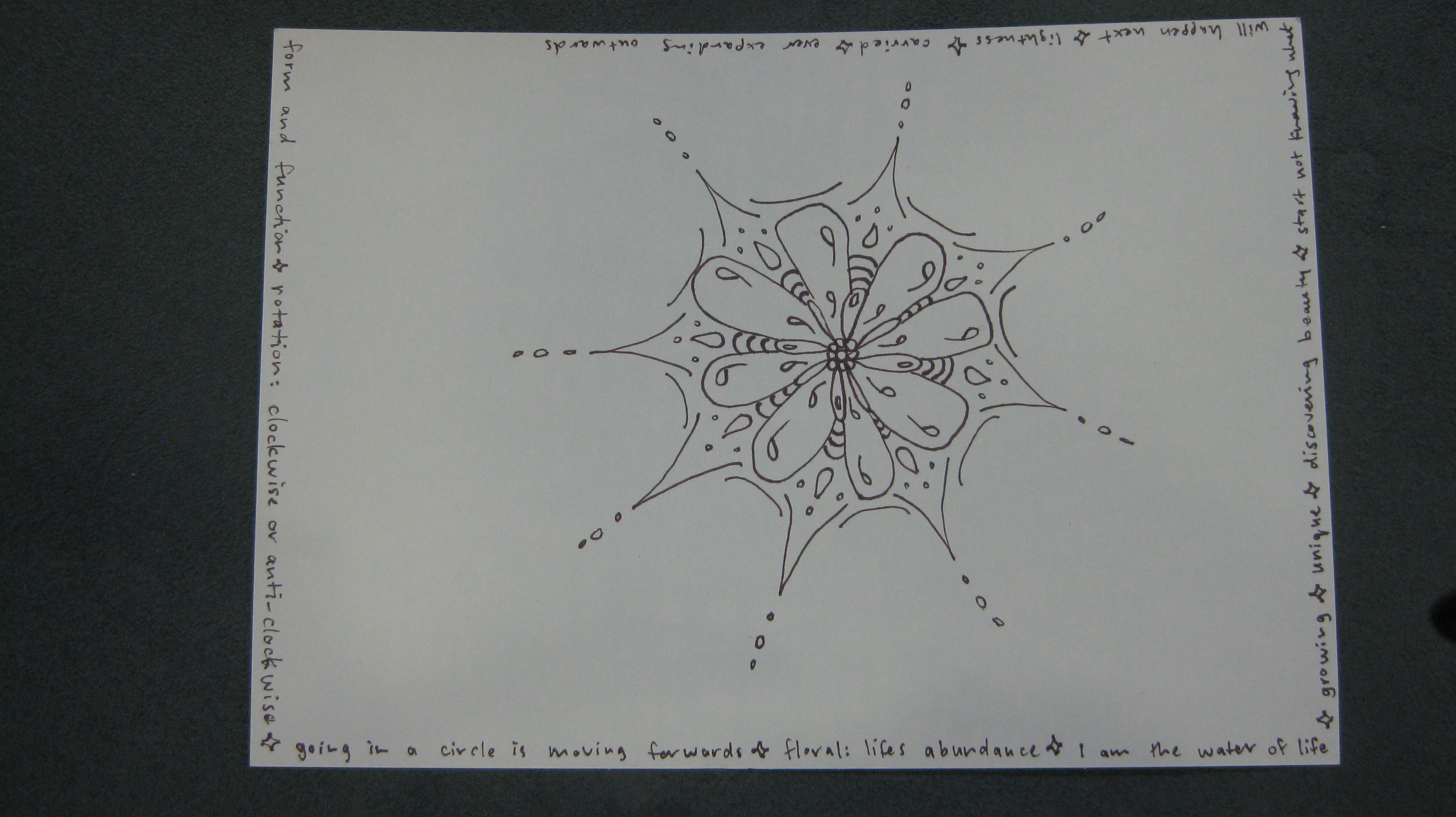
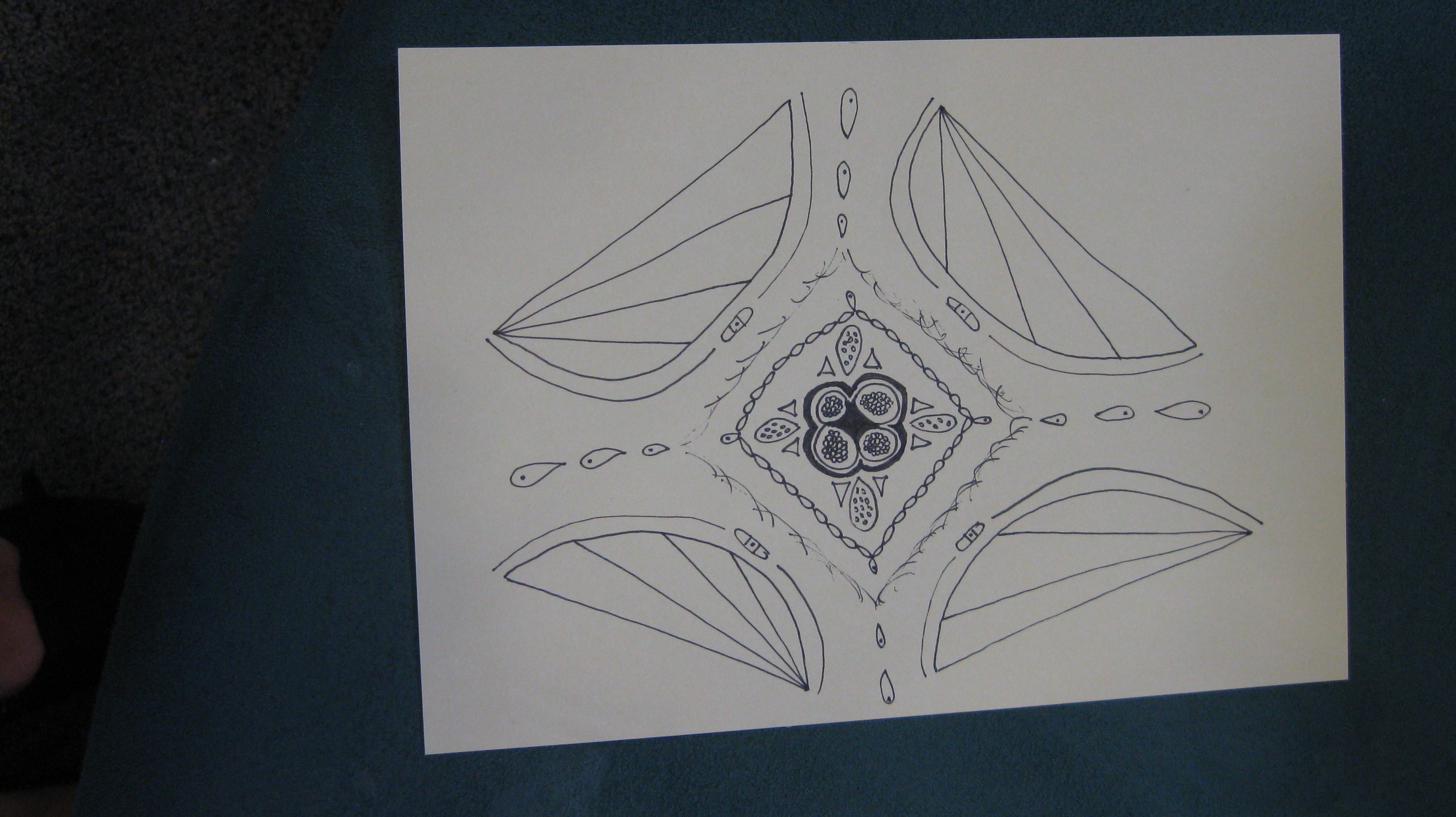
MANDALAS

The Mandala (Sanskrit for circle or completion has a long history of being recognised for a deep spiritual meaning and representation of wholeness.

The very nature of creating a mandala is therapeutic and symbolic.  The shapes and colours you create in your mandala will reflect your inner self at the time of creation.  Your instinct and feeling should inspire and guide you through the process of creation.  Ultimately, you will be creating a portrait of yourself as you are when creating the mandala.  So whatever you are feeling at the time, whatever emotions are coming through, will be represented in your mandala.027

So then, how shall we live?

Practices and principles for compassionate, non-violent communication

Proposition: We are made in the image of God, therefore if I am careful and I am creative, exploring who you are and revealing who I am can be an act of worship (our communication)

First issue is realising our reaction to what we perceive as agression or conflict… this is not right or wrong this is just how we are made:

  • fight or flight
  • non-verbal agression
  • tone and inflection

Colossians 1:18-20

He was supreme in the beginning and – leading the resurrection parade – he is spreme in the end. From beginning t end he’s there, towering far above everything, everyone.  So spacious is he, so roomy, that everything of God finds its proper place in him without crowding.  Not only that, but all the broken and dislocated pieces of the universe – people and things, animals and atoms – get properly fixed and fit together in vibrant harmonies, all because of his death, his blood that poured down from the cross.

Basic technique:

  1. Observe (without judgement)
  2. Share our feelings
  3. Sharing what needs, values or desires have created our feelings
  4. Requesting (a concrete action we are requesting to enrich our humanity)

Stumbling blocks: judgements, comparisons, denial of responsibility, demanding.

Ephesians @ FCOC

ferns

EPHESIANS 4: 7-16

But to each of us grace is granted and measured by the gift of Christ. Thus it says, “As He ascended on high, He led the captured away into captivity, He gave gifts to men.” But what does “He ascended” mean, except that He also went down into the lower parts of the earth? The One who descended is the very one who ascended far above all the heavens to fill the universe.

So He has given some to be apostles and others to be prophets; some to be evangelists and others to be pastors and teachers, to equip the saints for the task of ministering toward the building up of the body of Christ, until we all may arrive at the unity of faith and that understanding of the Son of God that brings completeness of personality, tending toward the measure of the stature of the fullness of Christ. As a result, we should no longer be babes, swung back and forth and carried here and there with every wind of teaching that springs from human craftiness and ingenuity for designing error; but, telling the truth in love, we should grow up in every way toward Him who is the Head – Christ, from whom the entire body is fitted together and united by every contributing ligament, with proportion power for each single part to effect the development of the body for its upbuilding in love.

  • God’s grace and the scope of it are God’s gifts to me
  • The apostles, prophets, evangelists, pastors and teachers are NOT saints but are here to equip the saints.
  • “Building up until we all may arrive” – commitment to a process/a journey of growth through discipleship that brings completeness of personality… our personalities are not complete? “growing and transforming always… tending towards the measure of the stature of the fullness of Christ”
  • Guard against the human craftiness and ingenuity for devising …Guard against my own devising – conscious and unconscious.
  • Misuse of “telling the truth in love” – need to be telling my own.
  • We should grow up – Jesus the cornerstone
  • Fitted together and united – partners in building
  • Each single part to effect – each part necessary to the whole; if each part is necessary then tearing a part down or smothering it is counter-productive.
  • Upbuilding in love

On Monday I was able to sit in on Ched and Elaine running a webinar for a class on restorative justice (the students are studying their “Ambassadors of Reconciliation” publications) and they made moving reference to a trip they made to Birmingham where they were  able to visit a memorial of the Children’s March a critical moment in the non-violent civil rights movement where “on 2 May, more than a thousand African American students skipped their classes and gathered at Sixth Street Baptist Church to march to downtown Birmingham. As they approached police lines, hundreds were arrested and carried off to jail in paddy wagons and school buses. When hundreds more young people gathered the following day for another march, commissioner Bull Connor directed the local police and fire departments to use force to halt the demonstration. Images of children being blasted by high-pressure fire hoses, clubbed by police officers, and attacked by police dogs appeared on television and in newspapers and triggered outrage throughout the world.”

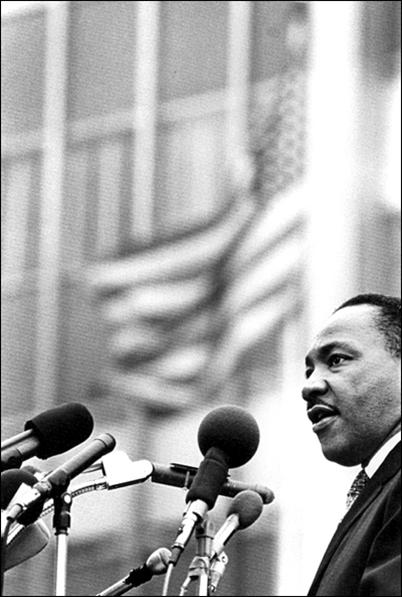
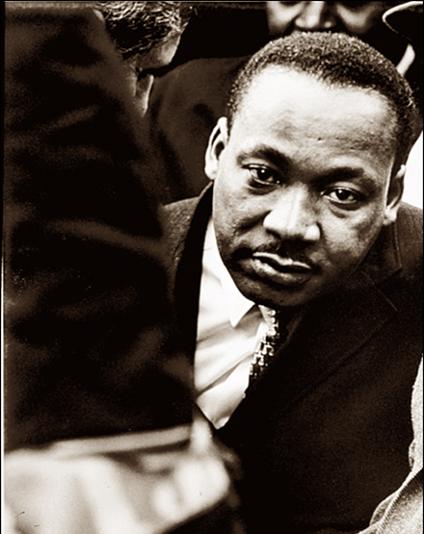
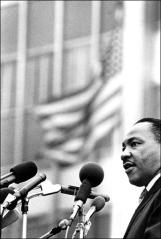
Monday 16th January is Martin Luther King day here in the US, here is an article by Ched to inspire and challenge us to dream of creative ways to love…

“…to see what will become of his dream.”
Martin and Jesus

Ched Myers, January, 2005

Not long after Martin Luther King was killed, the great American rabbi Abraham Heschel asserted that the very future of our country might well depend upon how the legacy of this extraordinary man would be handled.

Unfortunately, the way King is officially honored on our national holiday has little to do with the leader of the most significant religious and political movement in U.S. history, which dramatically and permanently changed the landscape of American race relations.  Rather, King is portrayed as a lovable, harmless icon of peace and tolerance.  King’s legacy has been widely domesticated, captive to street names and prayer breakfasts.  And his revolutionary message gets typically reduced to a vague and sentimental sound-byte—”I have a dream”—which apparently can mean anything to anyone.

King’s real public voice, however, was prophetic in every sense of the word.  His oratory was often polarizing and upsetting to the status quo—and even moreso, his campaigns of militant civil disobedience.   This “subversive” voice is perhaps best heard in his famous “Beyond Vietnam: A Time to Break the Silence” speech, delivered on April 4, 1967 at the Riverside Church in New York (for the text and an audio excerpt go to www.drmartinlutherkingjr.com/beyondvietnam.htm).

In this talk, King—who was by then a famous civil rights leader and Noble Peace prize recipient—publicly articulated his opposition to the Vietnam war for the first time.  Government authorities—most notably FBI chief J. Edgar Hoover—were furious that King had joined his considerable moral authority to the anti-war movement.  It is not surprising that exactly one year later almost to the hour, the prophet was gunned down in Memphis.

The Vietnam war was, of course, an earlier example of the U.S. trying to secure “regime change” in a foreign country, as is the current case in Iraq.  Thus the real King is highly inconvenient for a materialistic, militaristic and racist nation that has canonized him and then ignored his clarion call to overturn those “giant triplets” of evil.

Interestingly, the same can be said of another prophet, Jesus of Nazareth.  The portrait we get in the gospels—of an anointed man who ministered among the poor, relentlessly challenged the rich and powerful, and was executed as a political dissident—is a far cry from the stained glass window Christ we encounter in churches.

It seems to be a pattern in human culture: we are far more comfortable with dead prophets than living ones.  We honor them publicly only after they are safely disposed of, after which they are put on display in museums and shrines.  Jesus understood well this tendency:  “Woe to you!” he exclaimed, “For you build the tombs of the prophets whom your ancestors killed” (Luke 11:47).

One of Dr. King’s colleagues, Rev. James W. Lawson, a Methodist minister who still works tirelessly for justice here in Los Angeles, likes to say that if you want to understand King you must look at Jesus.  Yes, he means that King was a committed Christian disciple, who understood the call of the gospel to advocacy for the oppressed and nonviolent resistance to injustice.  King prayed as he picketed, he preached to presidents, and he challenged Christians to take their faith out to the streets.

But Lawson means more than that.  There are uncomfortable parallels between the Jesus story and the ministry of King.  Both came from ethnic minority communities who suffered great discrimination.  Both spent time listening to the pain of the dispossessed and broken.  Both worked to build social movements of commitment and conviction.  Both proclaimed God’s justice in ways that got them into trouble with the authorities.  Both were involved in dramatic public protests that resulted in arrest and jail.  Both were deemed a threat to national security, and had their inner circles infiltrated by government informers.  And both were killed by the authorities because of their work and witness.

It seems to me , however, that the converse also applies: If you want to understand Jesus, look at King.  That is to say, the more you study the history of the civil rights movement, the more the gospels come alive.  Most Christians tend to think of Jesus in a highly spiritualized, even romanticized way, as if he was always bathed in light, clothed in white, everybody’s best friend.  But Jesus didn’t get whacked because he was a nice guy and joined hands with folk singing “We are the World.”  His times were as contentious and conflicted as King’s or ours, his choices were costly, the risks real.

If we take the time to learn about the challenges that Dr. King faced trying to build a social movement for integration in the teeth of the hostile system of American apartheid, it can help us re-imagine how difficult it must have been for Jesus.  Jesus’ world was not the fantasy-scape we so often imagine the Bible to inhabit, but a terrain not unlike that of the U.S. in 1968, a world of government surveillance and conspiracy, of imperial “justice” meted out by good old boys who can hardly contain their glee when the prophet is killed, then issue stern calls for law and order in the wake of the “tragic death” that they engineered.

Jesus, too, was hemmed in by all the political factions of first century Palestinian society.  He had to navigate death threats from without and dissent from within his movement; he had as colleagues only a tiny group of feckless, knuckle-headed and betrayal-bound companions.  So let’s keep it real: struggling for the Kingdom of God in a world held hostage by tyrants, terrorists, militarists, and kingpins, a world that seems to merit only ambivalence from toothless religious leaders and insular academics and distracted young folks—it’s hard work.

Yet both Jesus and King believed that the movement for God’s justice is worth giving our lives to—which they invited us to do.  It wasn’t that King was so peculiar, says Lawson; it’s that he seems that way to us because we haven’t yet found the commitment and courage to try to change the world .  If Jesus or King seem like remote historical figures to us, it is only because we haven’t engaged in the struggle for which they lived and died (and in different ways, live still).

But everything they were trying to fix is still broken. And the kinds of folks they sought to heal and to liberate are still crying out for compassion and justice.  King protested the war in Indochina because “the poor of America are paying the double price of smashed hopes at home and death and corruption abroad… The great initiative in this war is ours. The initiative to stop it must be ours.”  The same case could be made of the current war in Iraq and the growing poverty in our own country.  But how often was that message heard during the public paeans to King delivered by politicians and preachers over the recent national holiday?

Ultimately, then, a real encounter with Jesus or with Martin will call into question all our comfortable certainties about our selves and our society.  For these prophets call us to defend the poor, but we instead lionize the rich; they tell us that our weapons cannot save us, but we instead watch with rapt fascination when bombs drop on Baghdad;  they challenge us to forgo idolatry, but we instead keep looking for that next cool thing to buy.  Above all, these prophets warn us that the only way of salvation in a world locked down by the spiral of violence is the way of nonviolent, sacrificial, creative love.  That the only way to true transformation in a world of deadened conscience and numbing conformity is the way of committed discipleship.

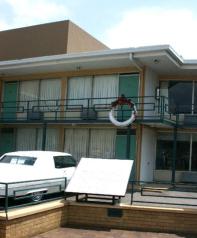
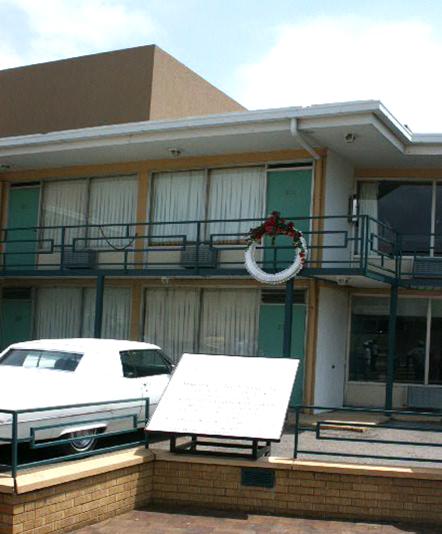
Dr. King was gunned down on the balcony of the Lorraine motel in Memphis, which has been turned into the National Civil Rights museum.  Just below that balcony is a memorial plaque (above).  The only words inscribed on it are from Genesis 37:19-20, the taunt of Joseph’s scheming brothers:  “Behold, here cometh the dreamer…  Let us slay him… and we shall see what will become of his dreams.”  Every time I stand before that plaque, I weep.

We do well to honor the real Martin Luther King, a child of the church and a treasure to the nation, who followed his Lord in life and death.  The question of what will become of his dream, however, remains posed to us like an unresolved chord.  It invites us to discipleship in a world still captive to racism, militarism and poverty.

This is an edited version of a talk Ched gave to students at Concordia University in Irvine, CA on Jan 21, 2005.
 
 
Next open webinar: Jan 19, 5:45-7:15 pm PST:  Webinar:  Mark’s Call to Discipleship in Socio-political and Economic Context” only $9.50, you can sign up at http://www.chedmyers.org/blog/2012/01/03/2012-monthly-bcm-webinar-series-begins-jan-19-your-mark