

Subscribe to continue reading
Subscribe to get access to the rest of this post and other subscriber-only content.
Subscribe to get access to the rest of this post and other subscriber-only content.
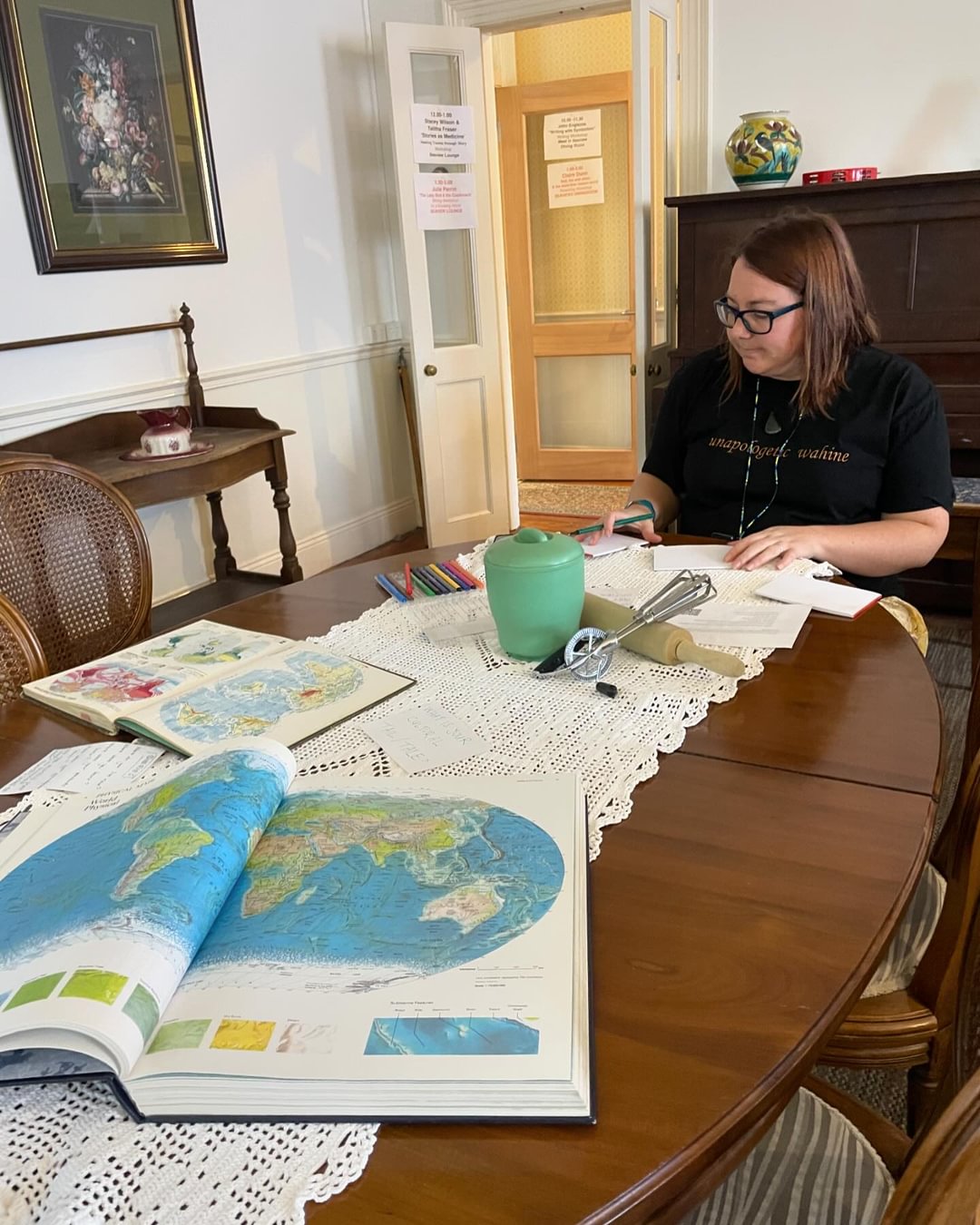
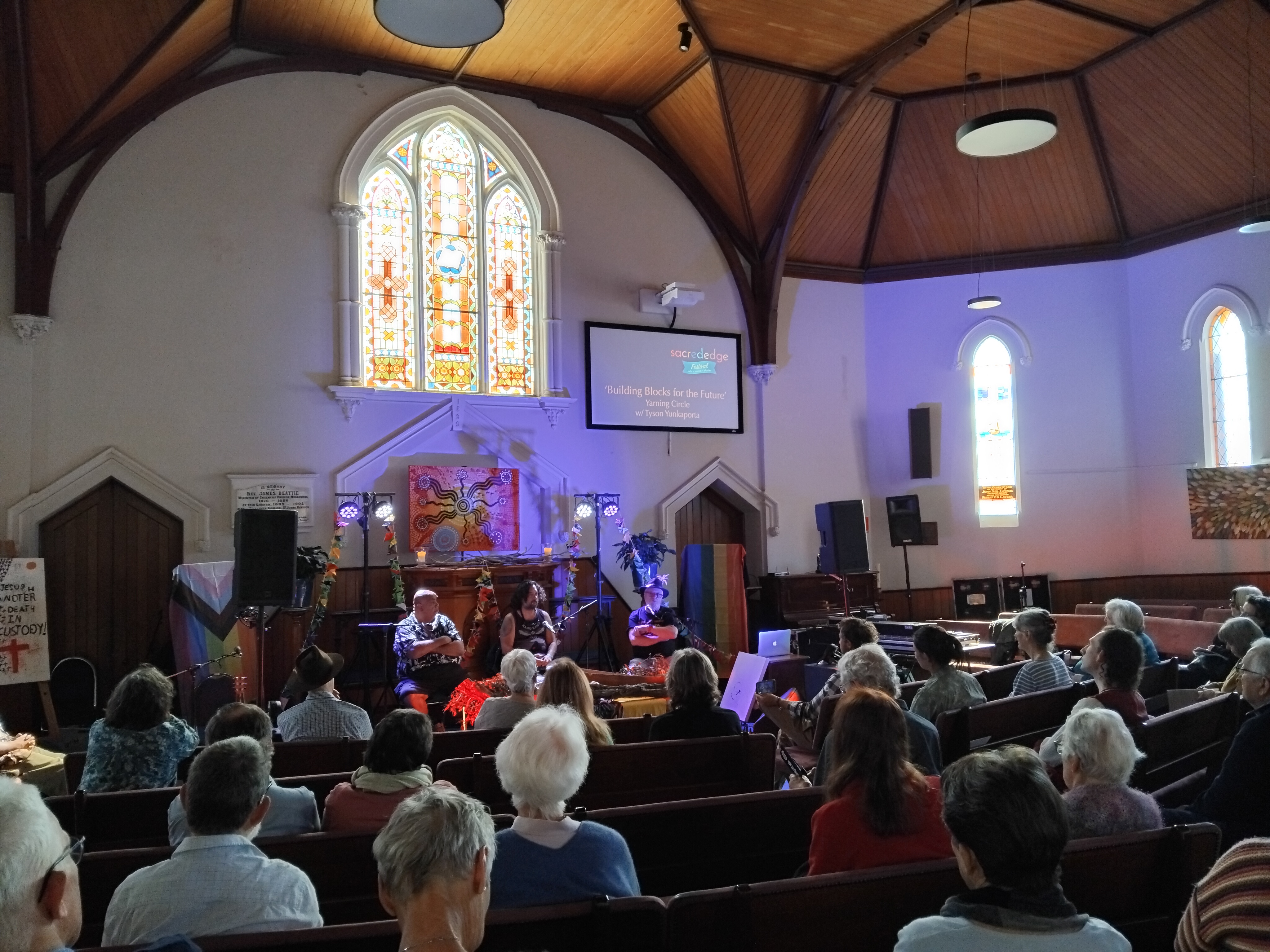
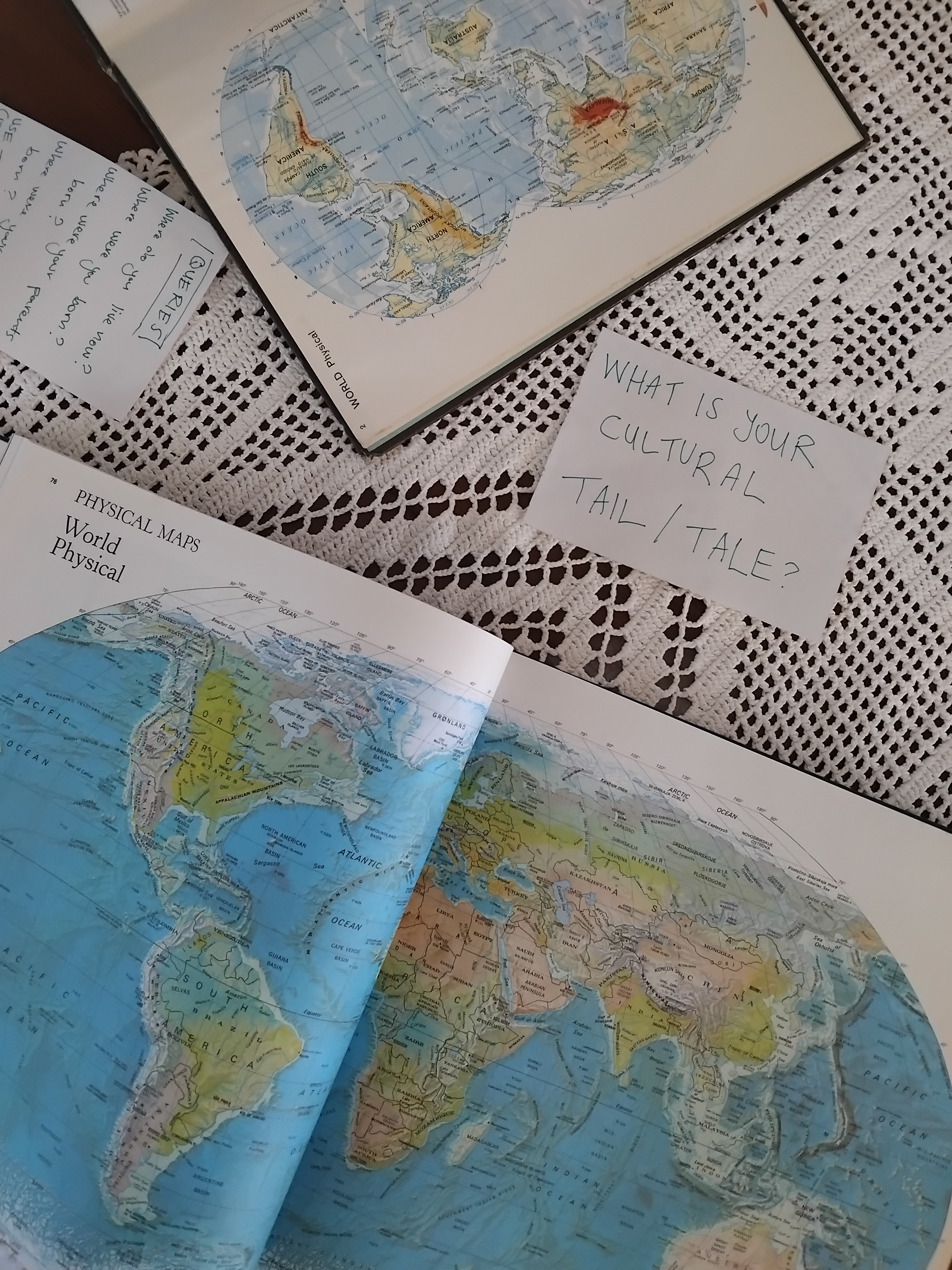
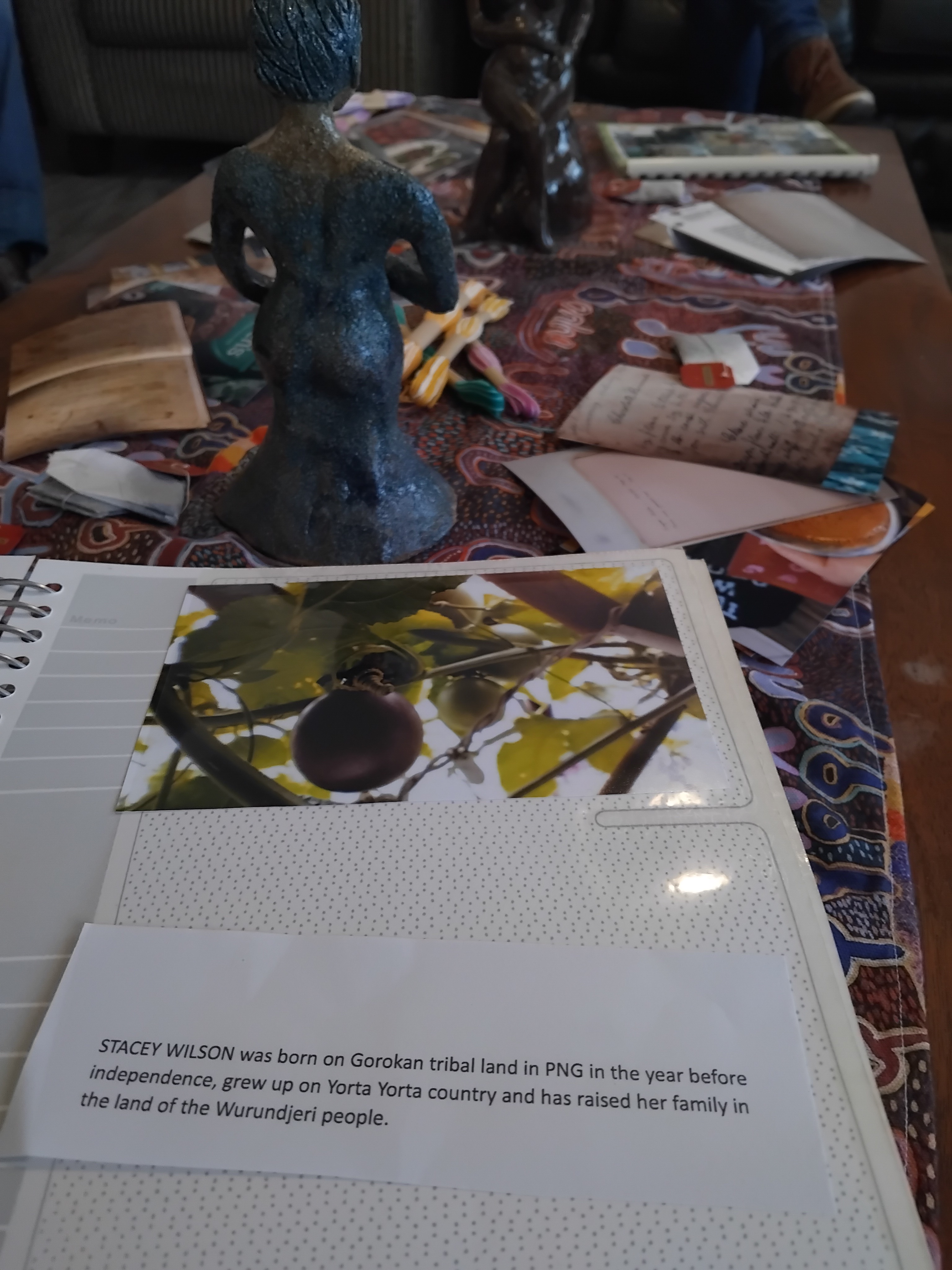
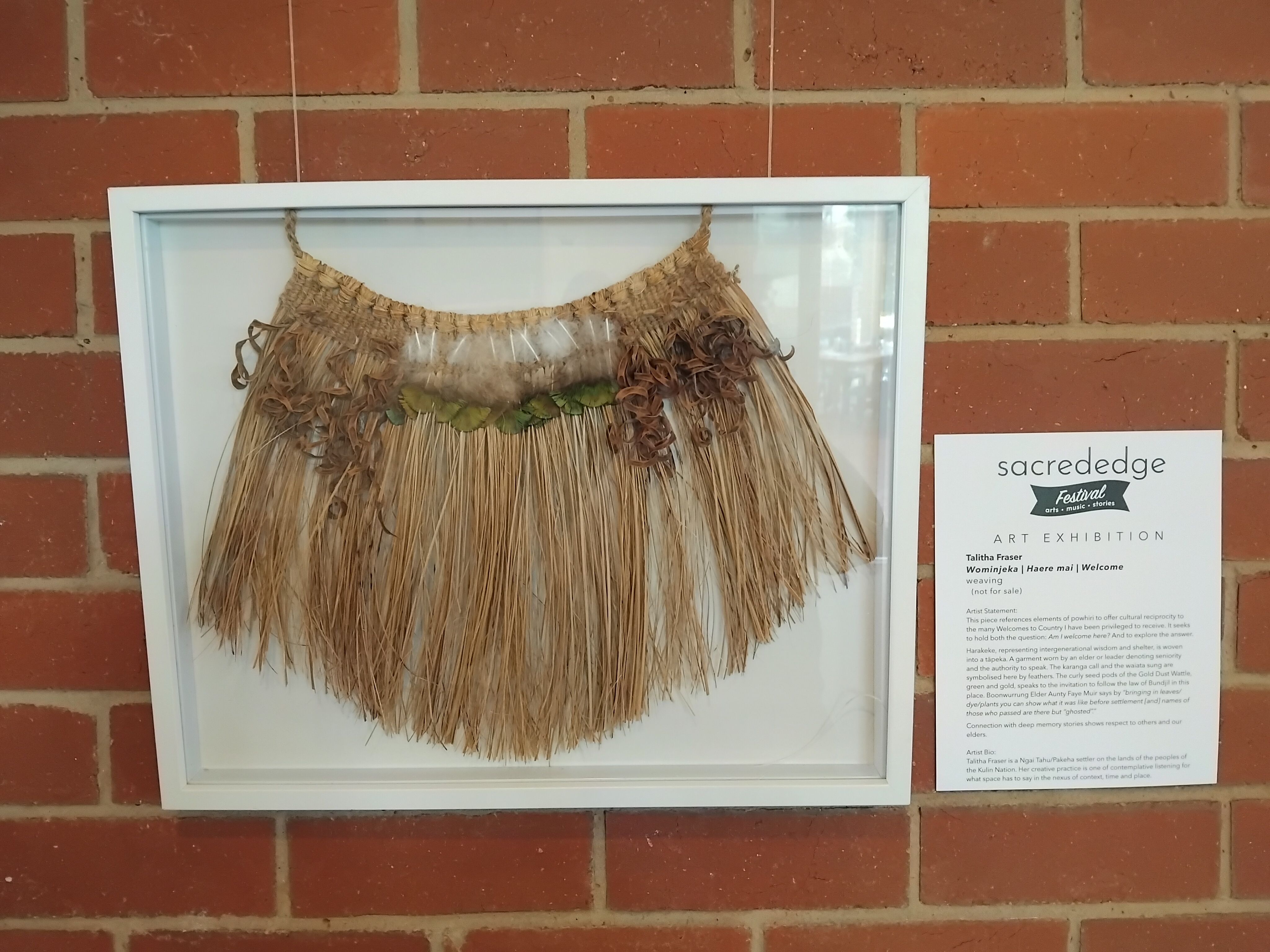
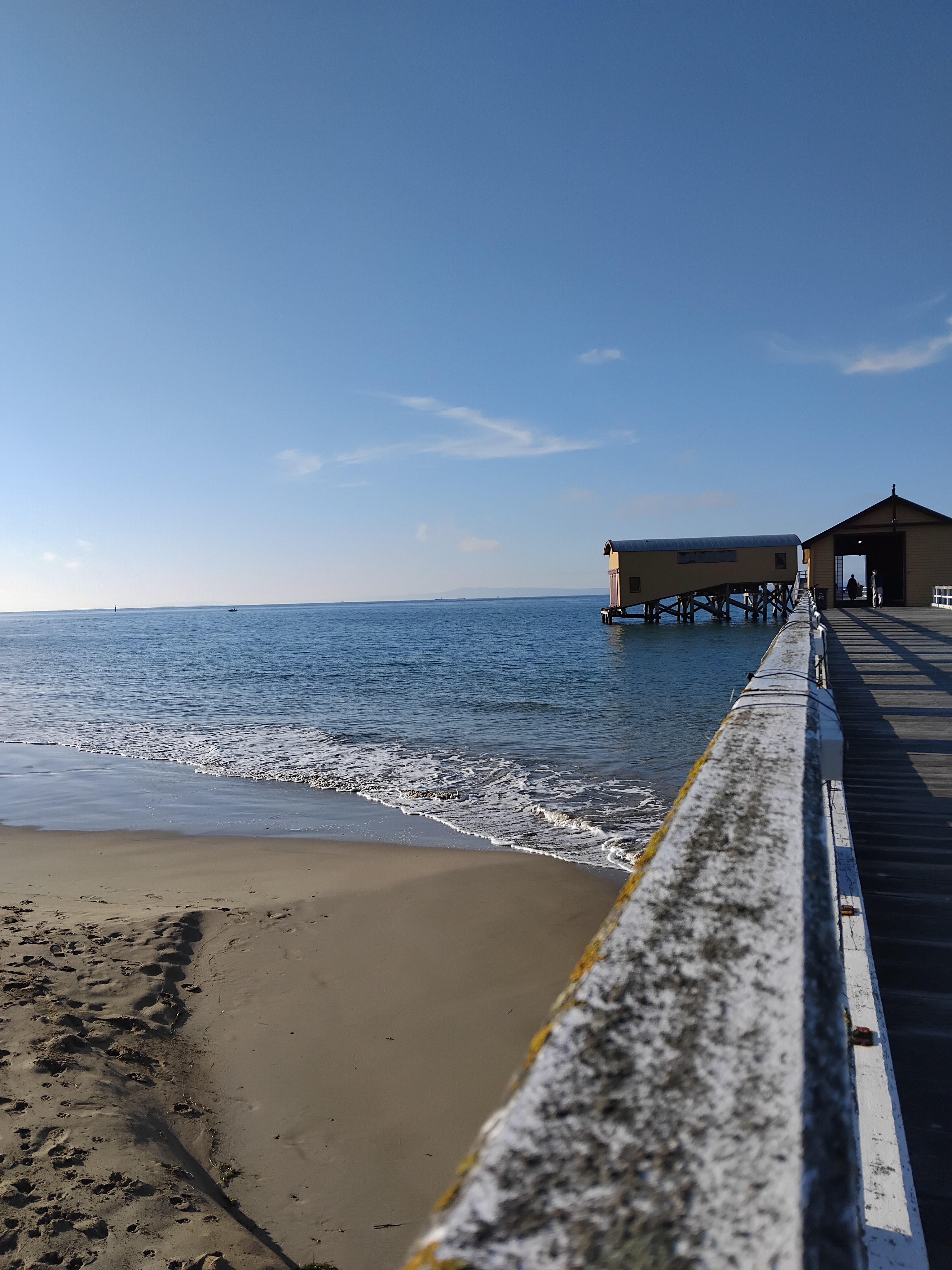
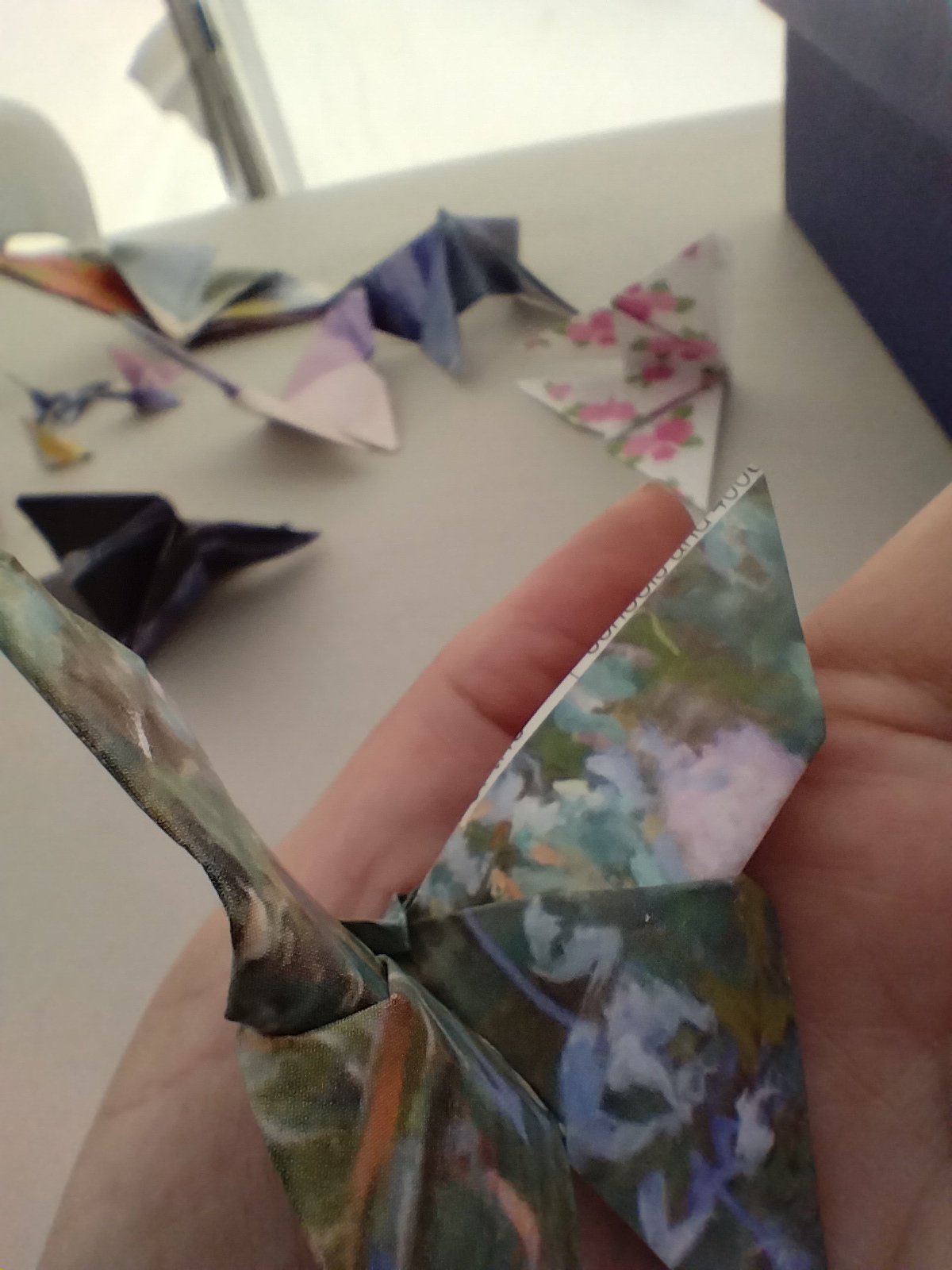
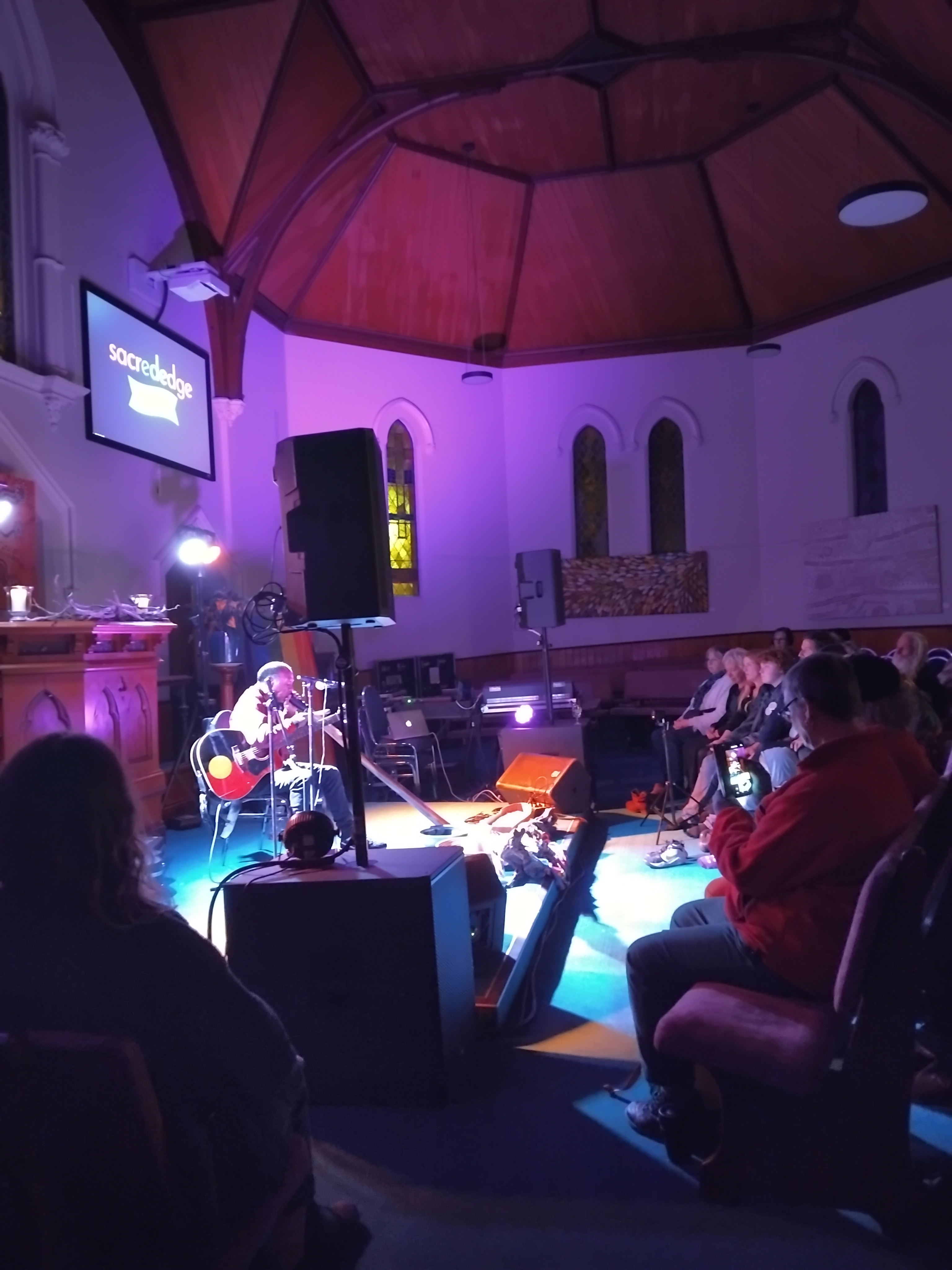
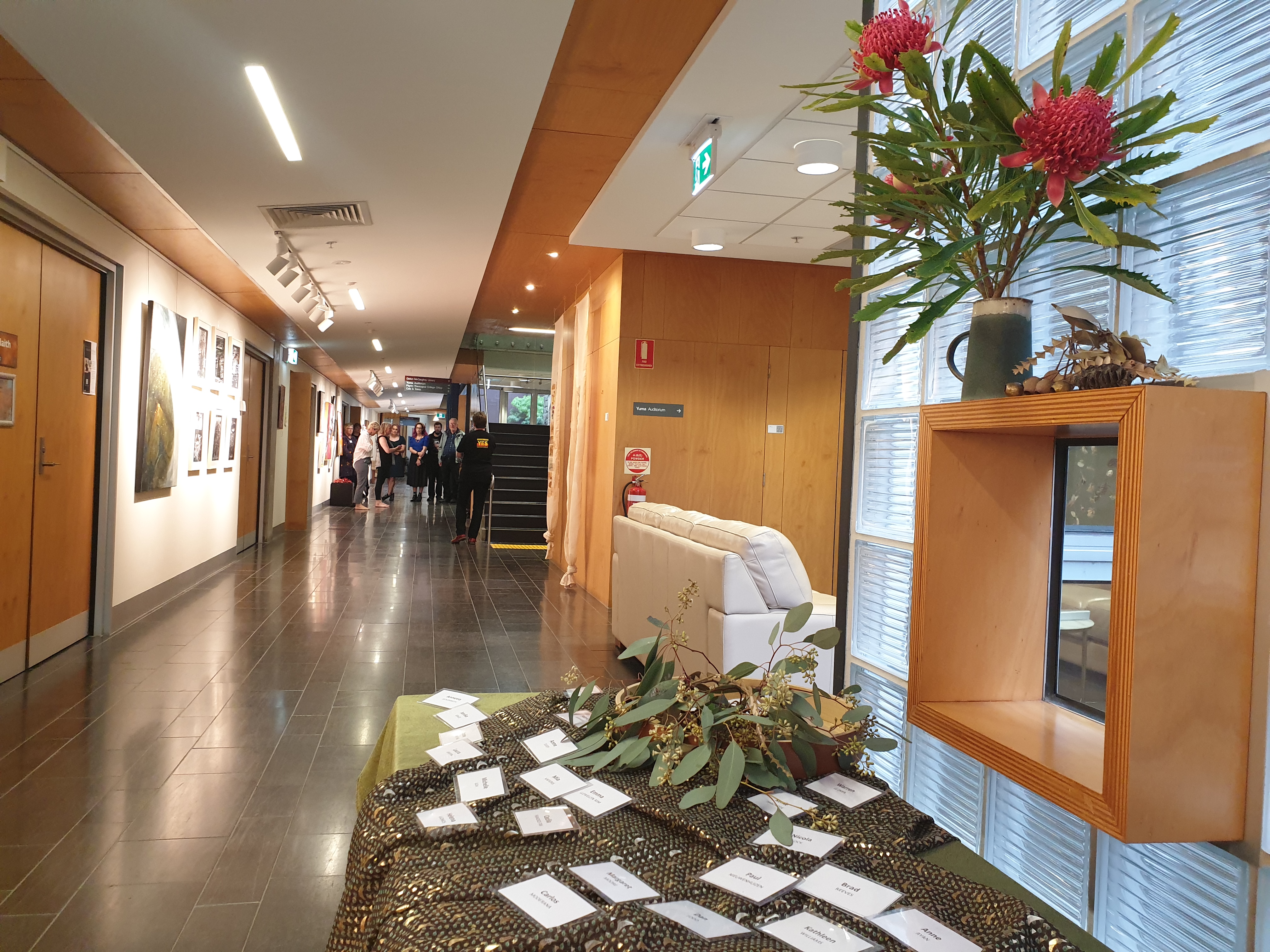
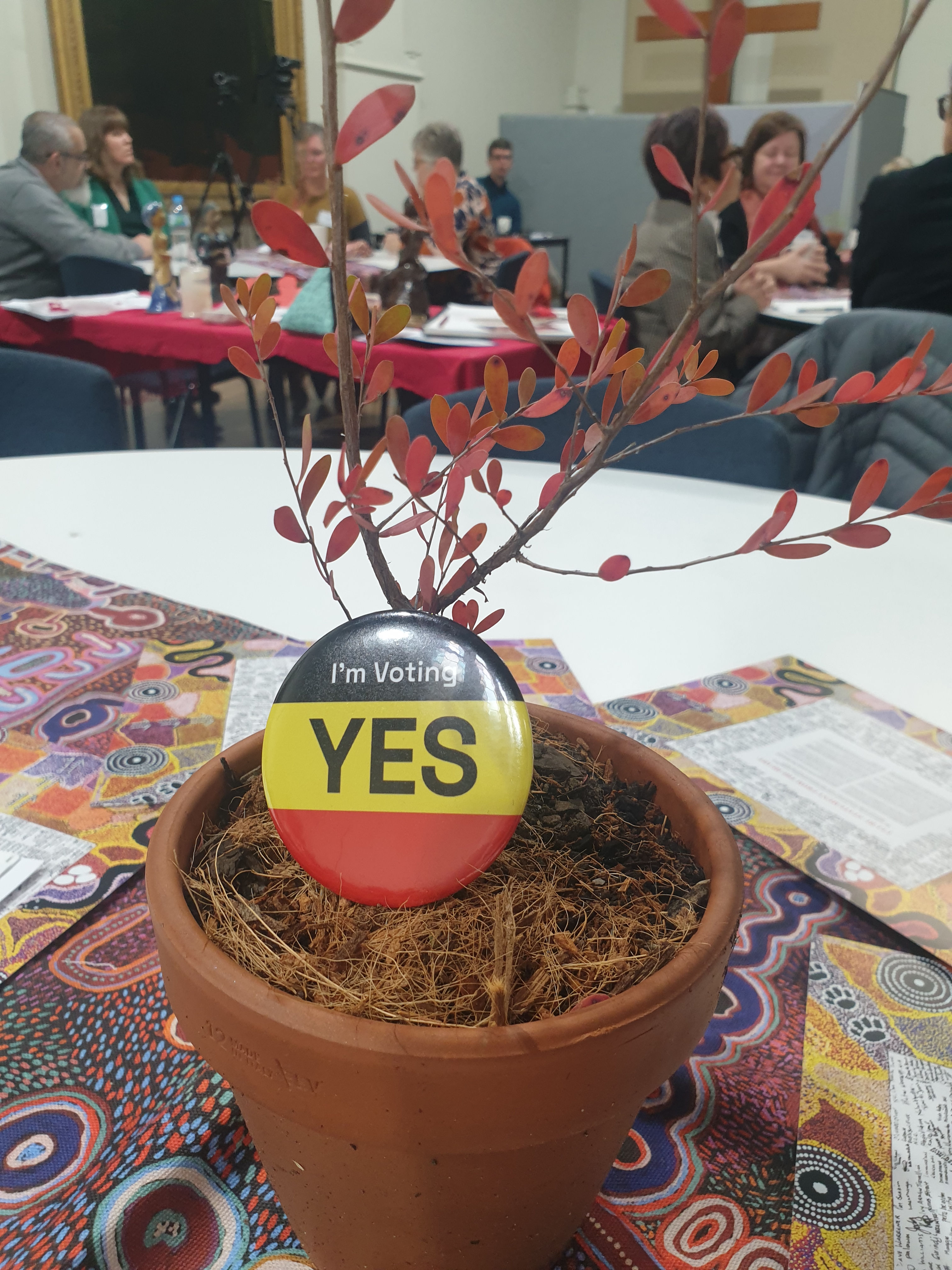
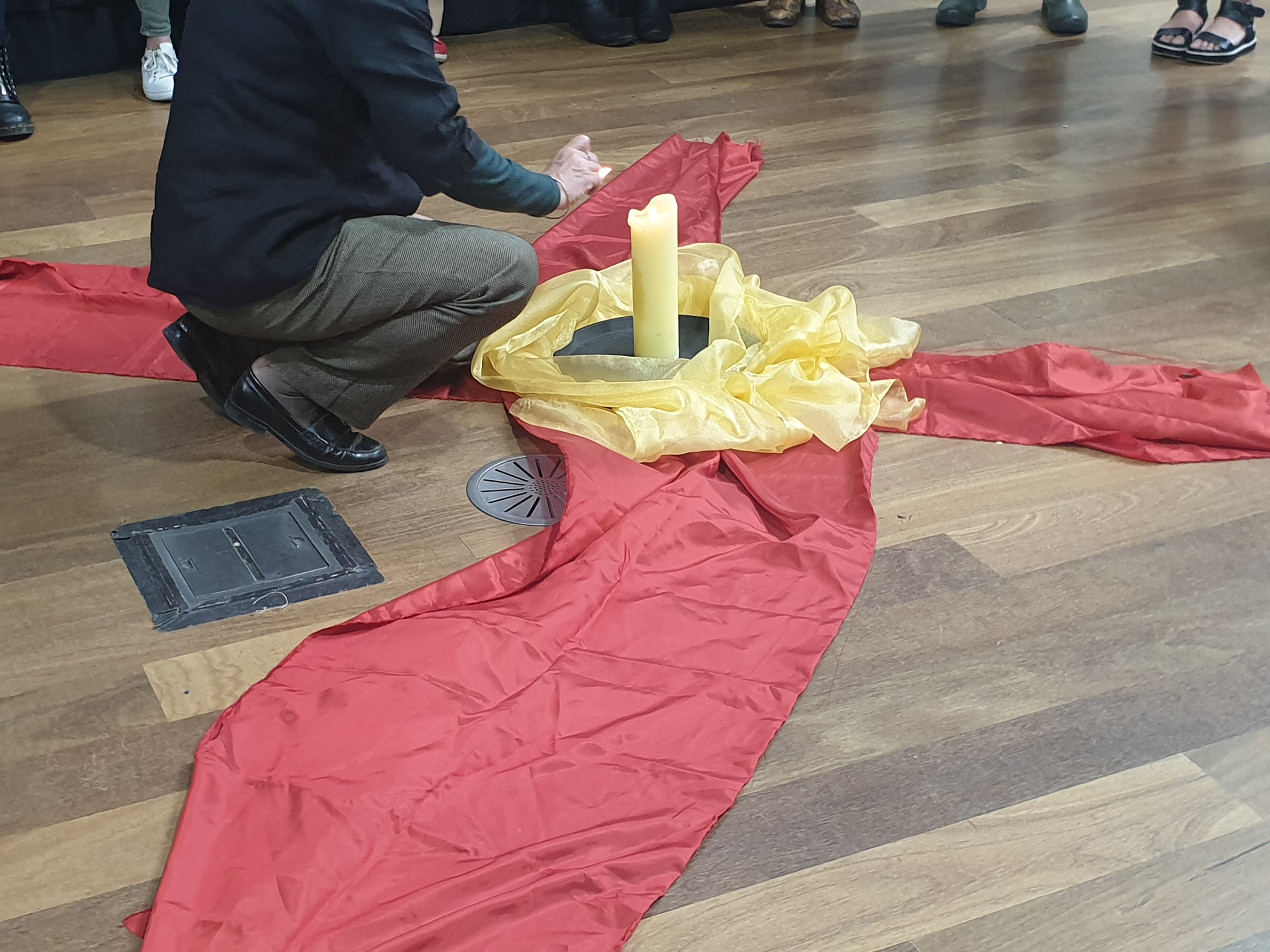
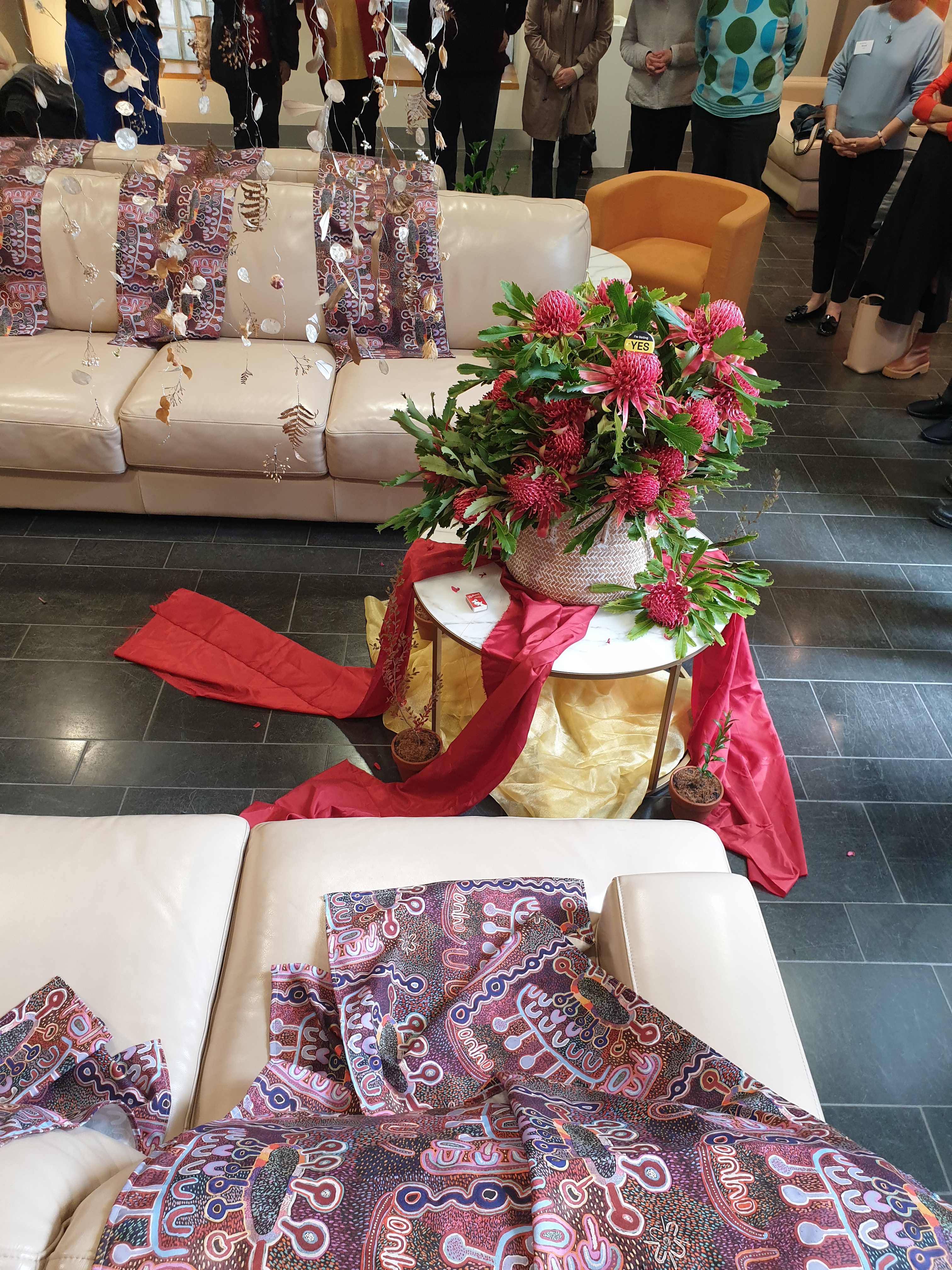
We engaged in a couple of different ways at this years Sacred Edge Festival: volunteering, offering a workshop and putting an artwork in the exhibition.
WORKSHOP: Stories As Medicine
Who directs the narrative of our story? Who writes the ending? Who decides what is meaningful to take away from it? Colonialism, capitalism, and patriarchy are just a few systems that direct the cultural narrative. We are exploring ways our own actions, choices and voice can inform and determine for ourselves how our next chapter unfolds. How may we understand stories as medicine – others’ and our own?
This practical session invites you to explore the use of silence, creativity, storytelling and curiosity to develop tools for creative resiliency that can support healing and recovery for ourselves and others in responding to personal and collective trauma experiences. These skills can be used for self-directed contemplative practices, and facilitating intergenerational community worship gatherings.
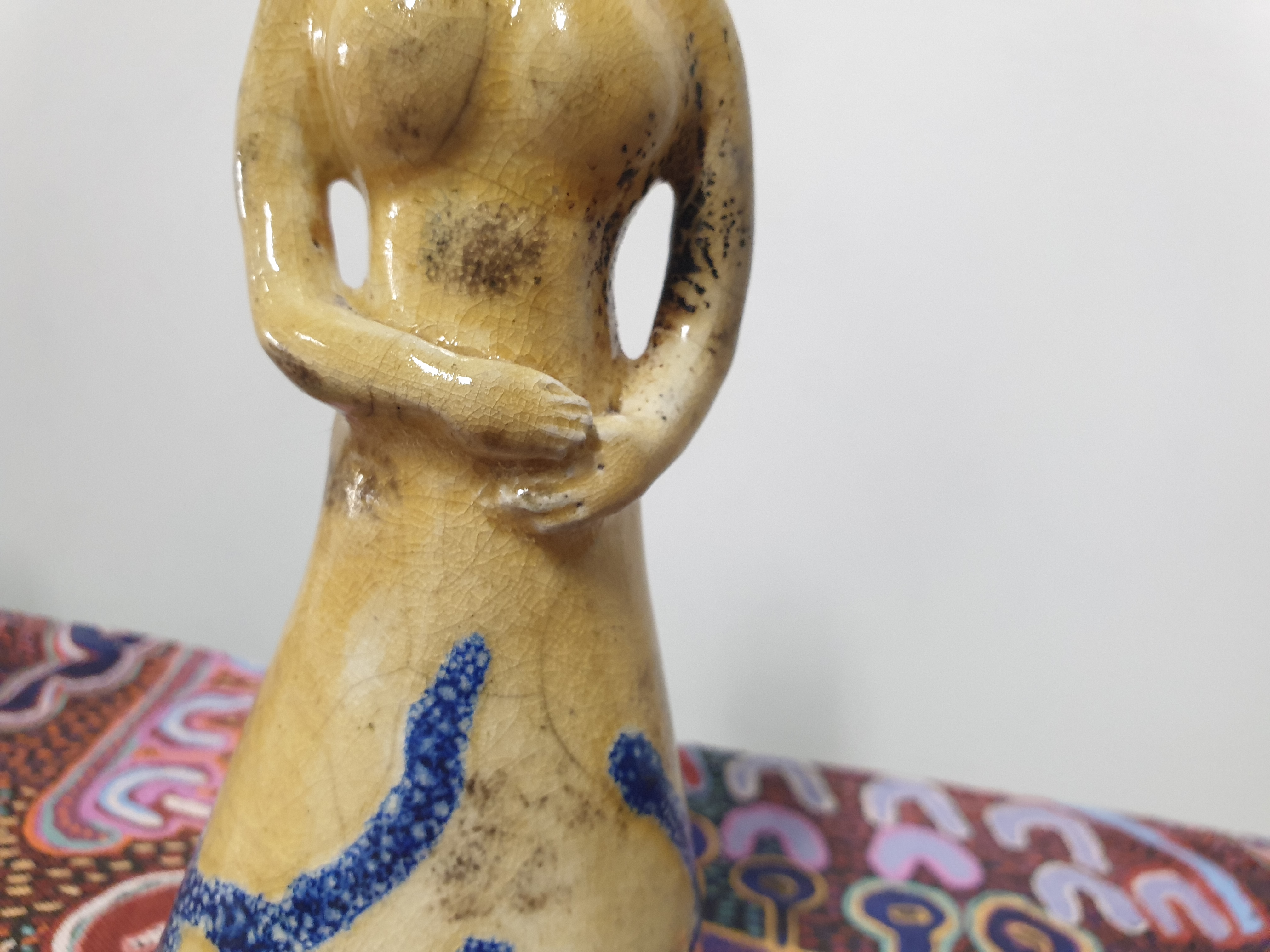
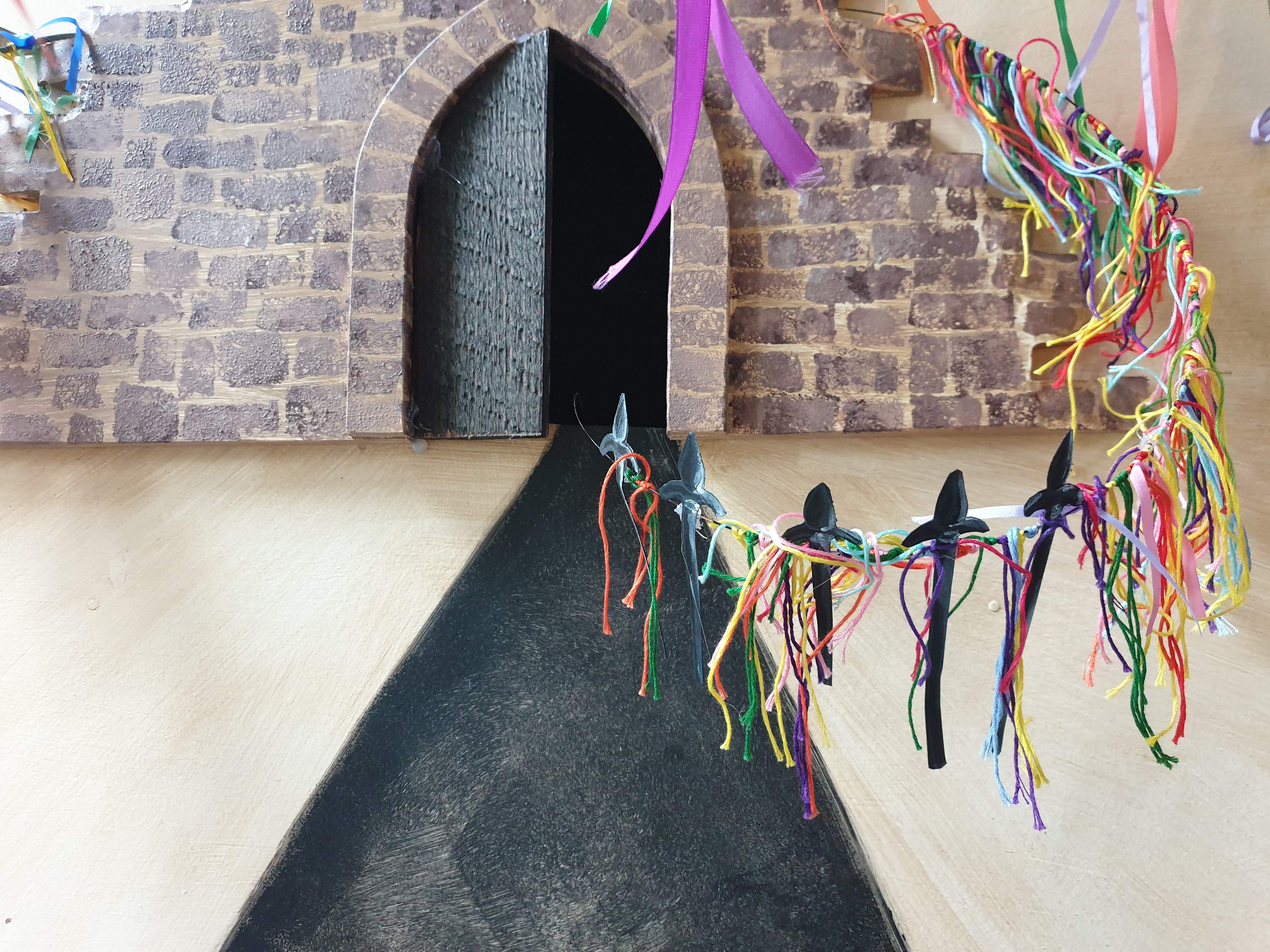
ARTWORK: Wominjeka | Haere mai | Welcome
This piece references elements of powhiri to offer cultural reciprocity to the many Welcomes to Country I have been privileged to receive. It seeks to hold both the question: Am I welcome here? And to explore the answer.
Harakeke, representing intergenerational wisdom and shelter, is woven into a tāpeka. A garment worn by an elder or leader denoting seniority and the authority to speak. The karanga call and the waiata sung are symbolised here by feathers. The curly seed pods of the Gold Dust Wattle, green and gold, speaks to the invitation to follow the law of Bundjil in this place. Boonwurrung Elder Aunty Faye Muir says by“bringing in leaves/dye/plants you can show what it was like before settlement [and] names of those who passed are there but “ghosted”.”
Connection with deep memory stories shows respect to others and our elders.
This two-day conference drew together thinkers from within and beyond the church to consider the place of a public theology and Christianity in the aftermath of trauma and abuse.
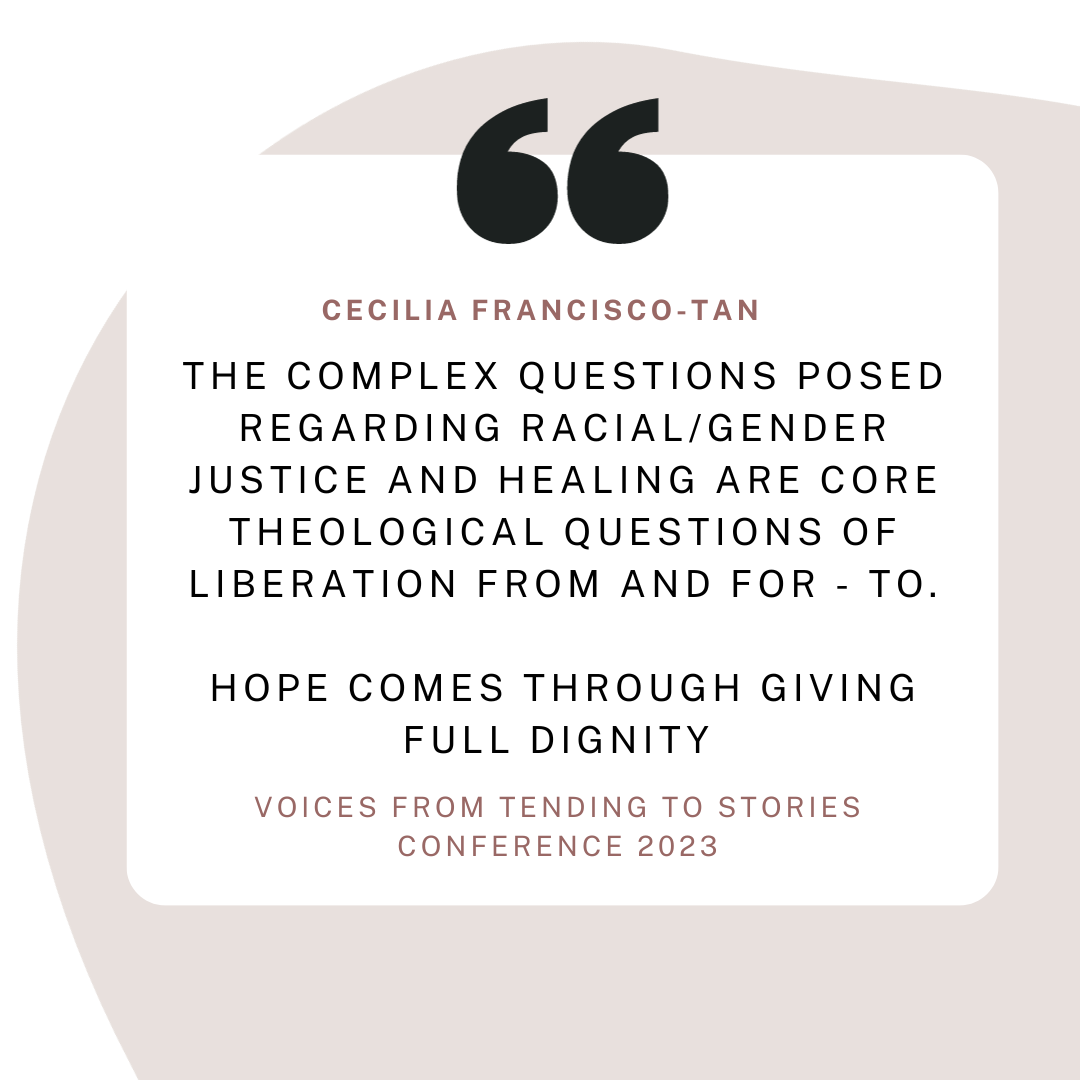
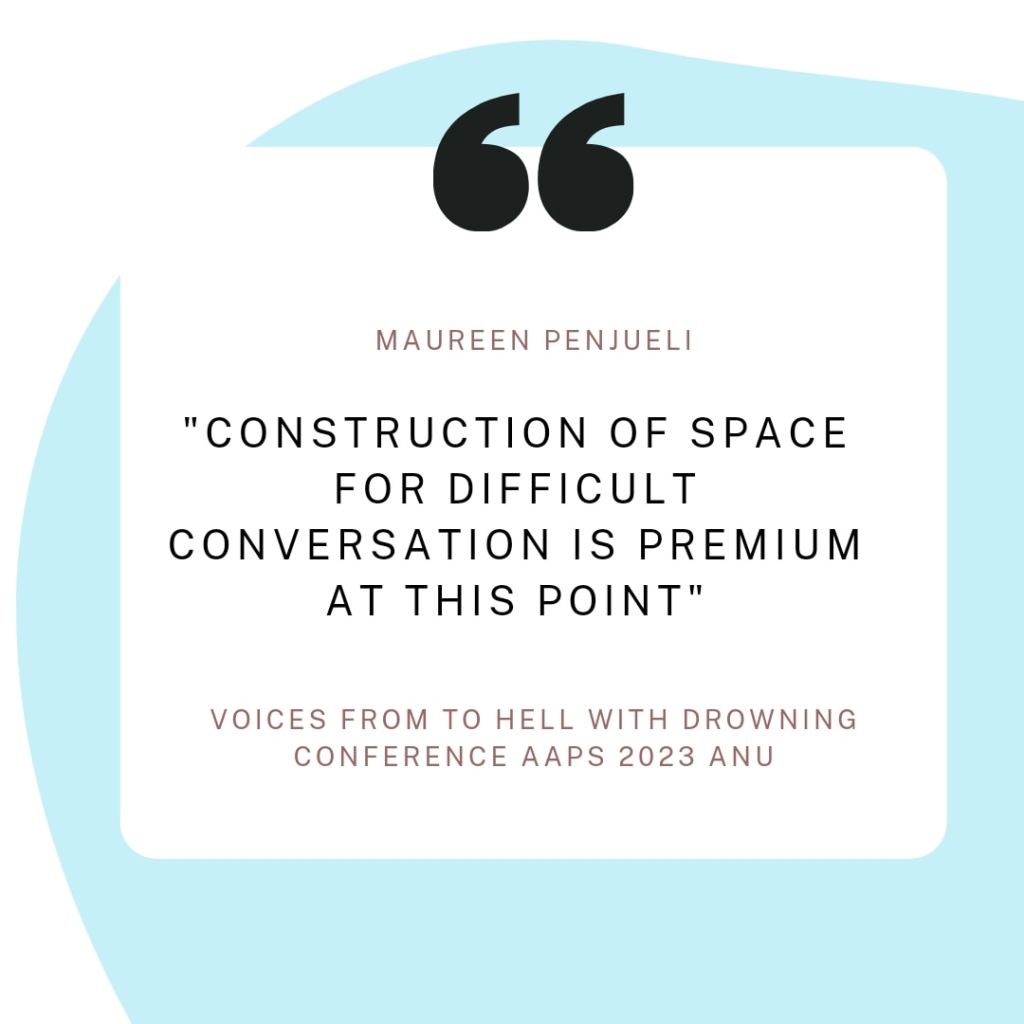
From Royal Commissions into institutional handling of sexual abuse and disability care, to the role of the church in colonial policies and practices, this conference make space for difficult and crucial conversations between academics, poets, ministers, survivors. Hosted by Janice McRandal of the cooperative, Brisbane, 3-4 November 2023. Loud Fences might be a page of interest, if you want to know about grassroots responses here.
To be able to hold space amidst this significant conversation was profound. We closed out with this sung poem…
begin
begin
begin anywhere
set out
step out
that is where you start
one day you do it
different than yesterday
ever so slightly
and it changes the world
Talitha Fraser
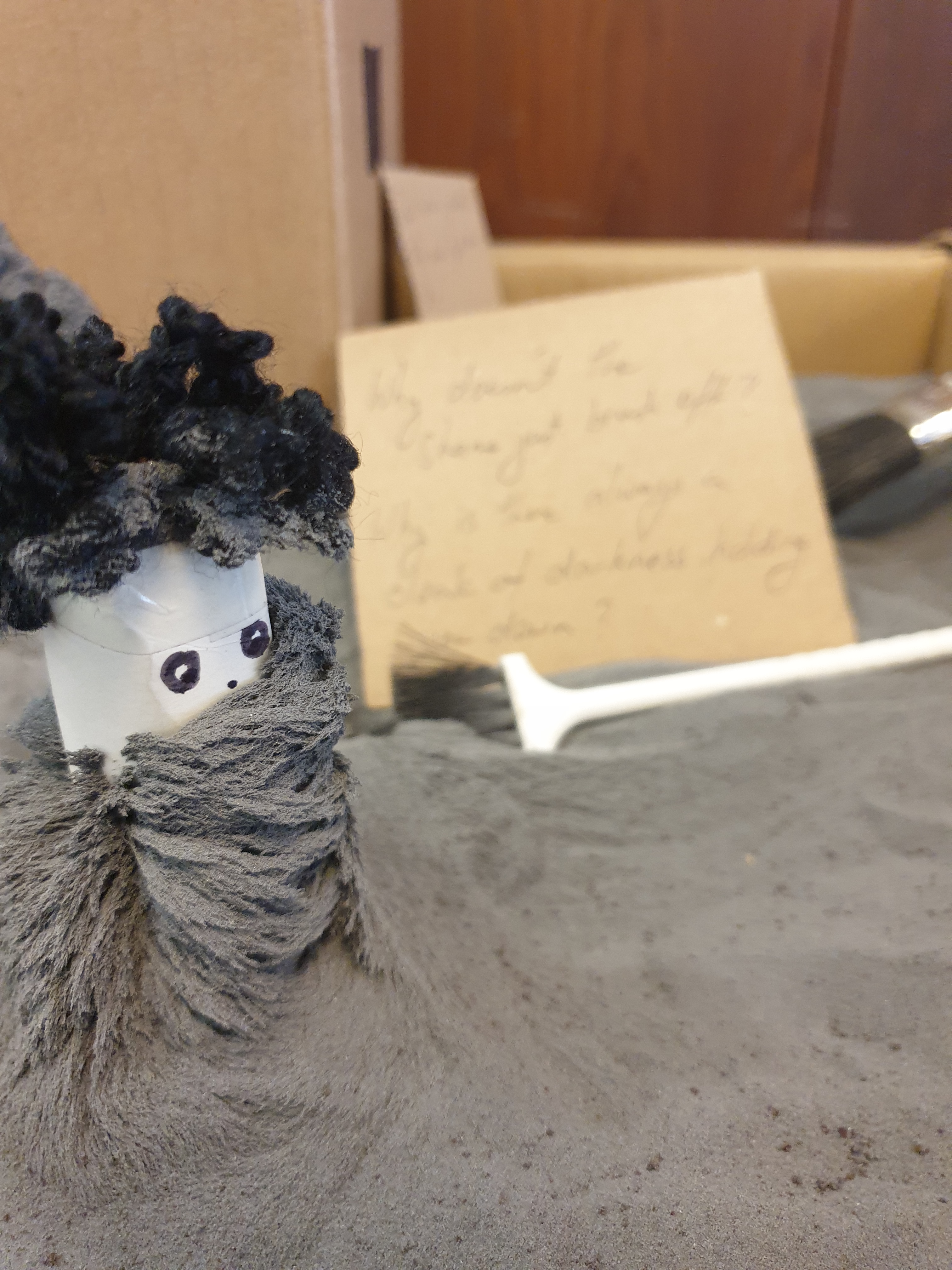
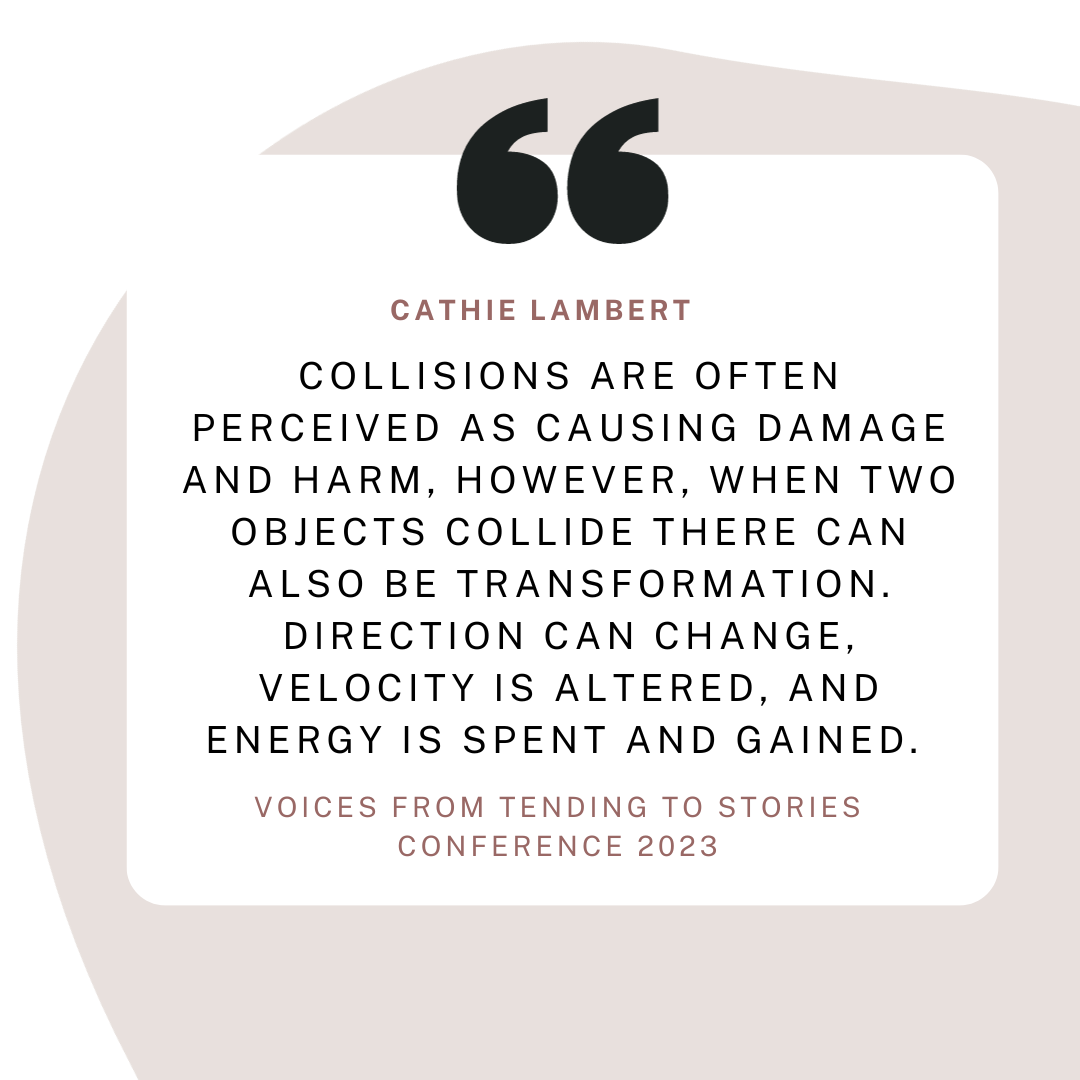
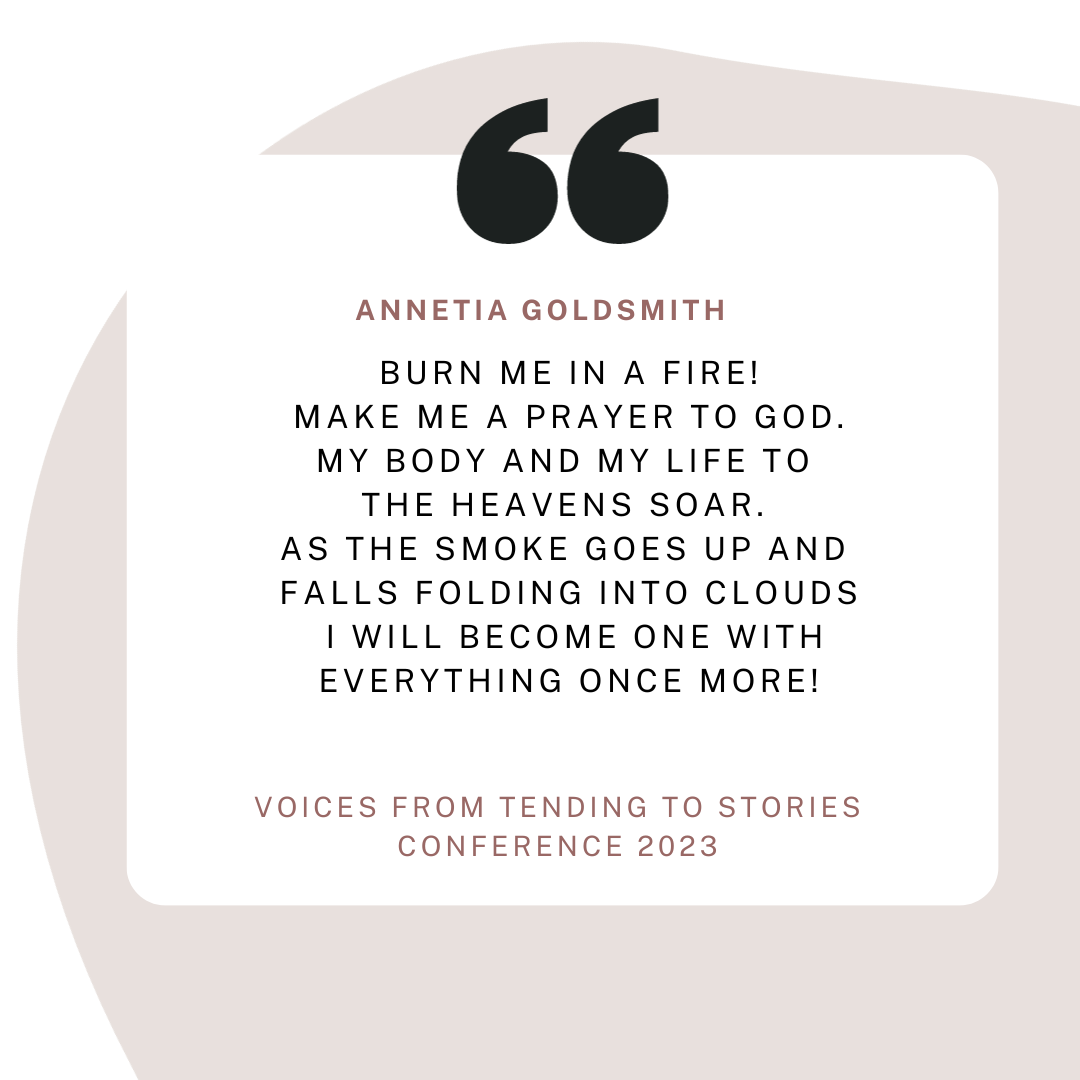
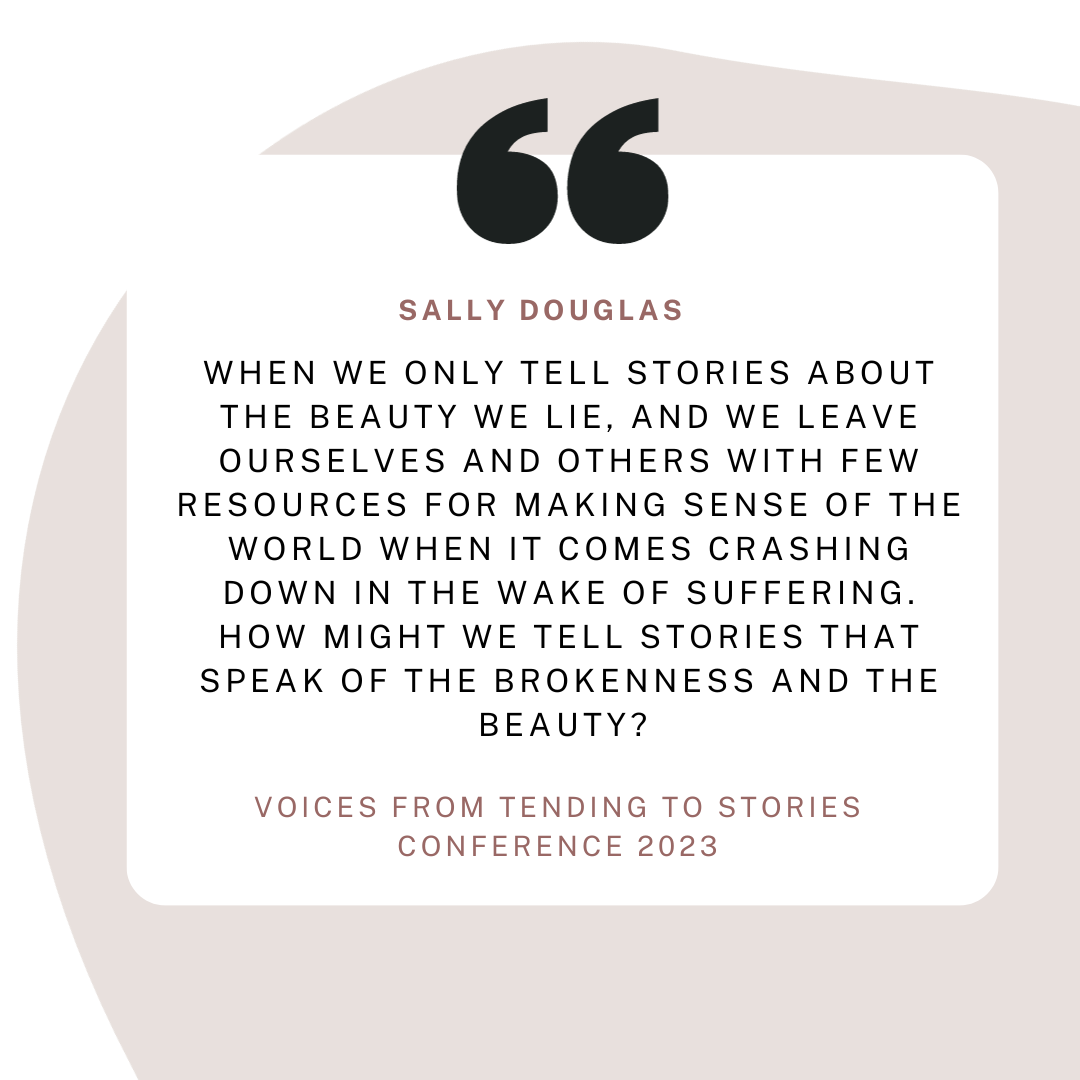
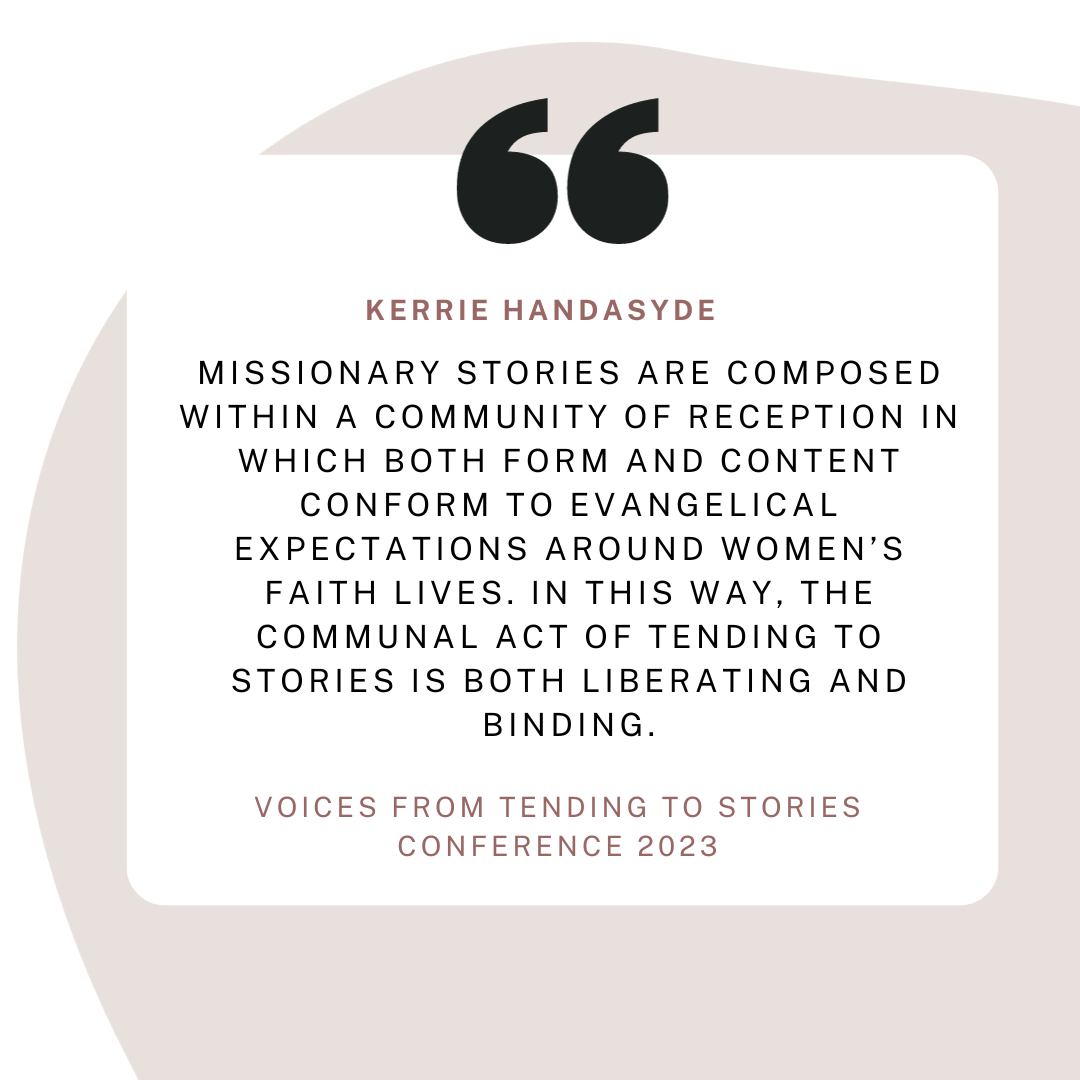
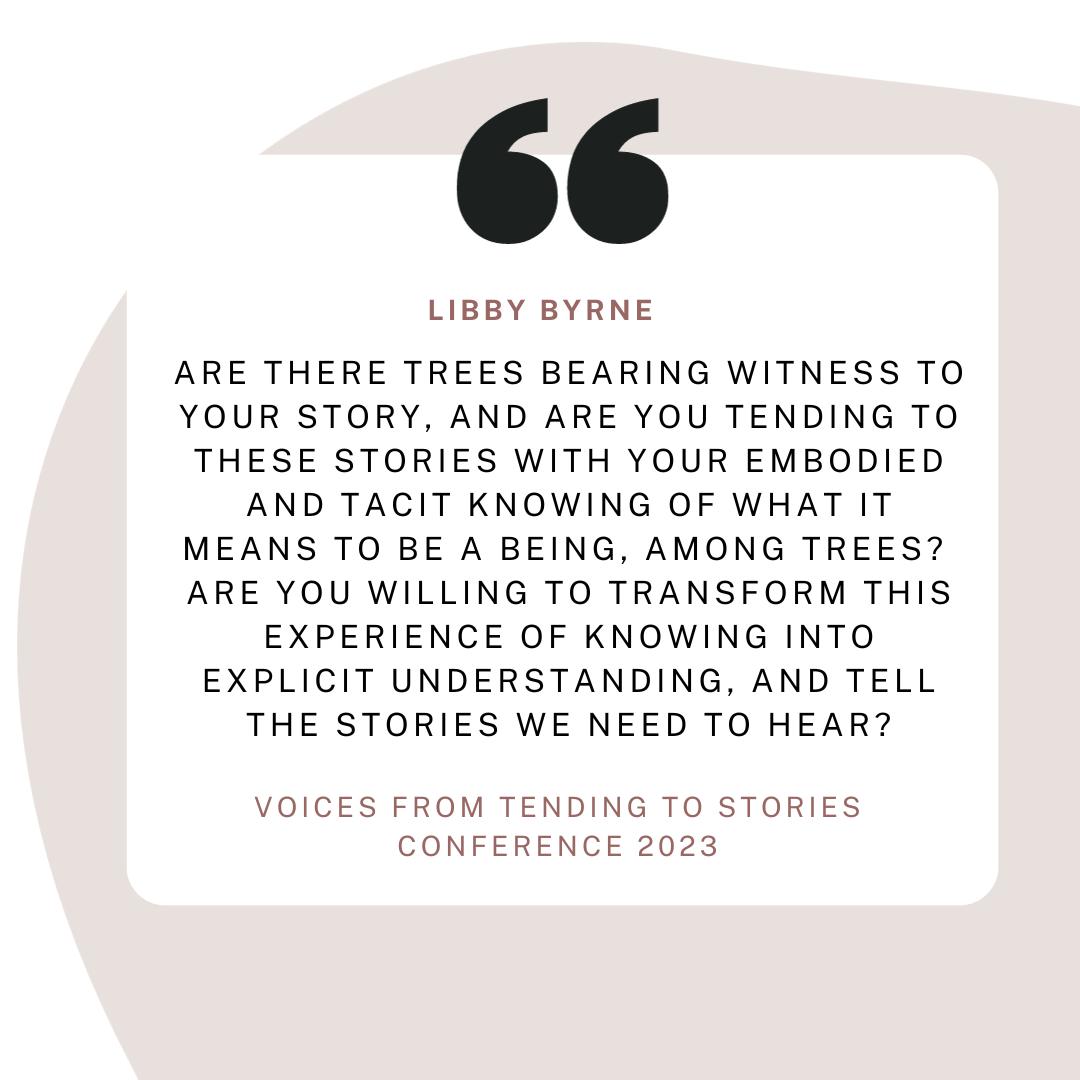
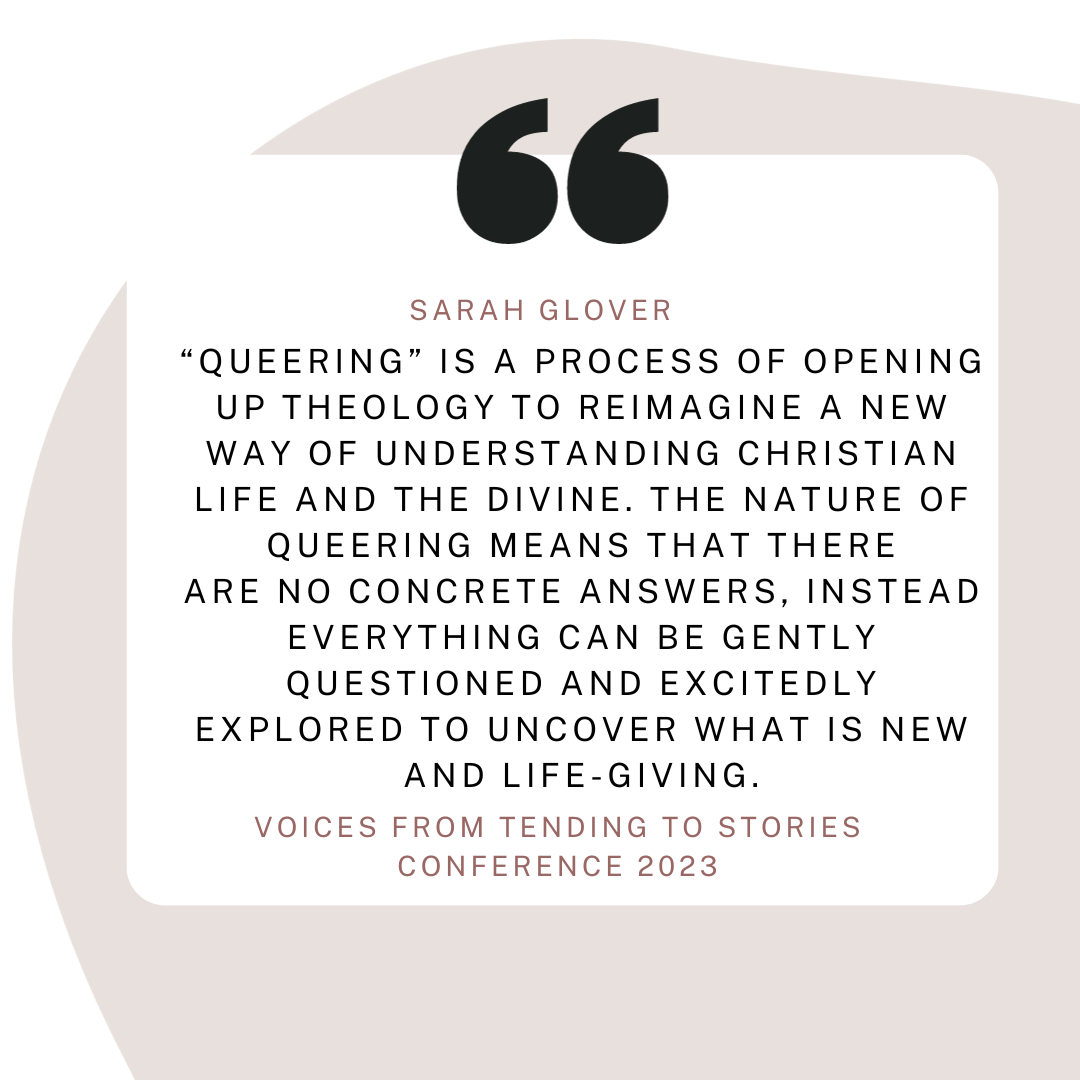
In practice and in theory, feminist theology has always sought to give space for women’s stories. Sometimes that has been an act of self-authorising and at other times, an act of retrieval, drawing from forgotten or ignored stories of the past. To take up and hear these stories is also a way of moving forward. Stories are, as we know, powerful. And as such, our stories are complicated: they change over time, have ethical implications, are put to work in making meaning and shaping desire. Put simply, we are caretakers of the stories we tell as well as those we forget. Our 2023 conference, co-hosted by WATAC Inc. (Women and the Australian Church) and the Australian Collaborators in Feminist Theologies (ACFT), will explore the ways in which we engage our caretaking role and the ongoing place of stories and narrative within feminist theology.








______
When the Bible became king: Sermons, Stories and Silence
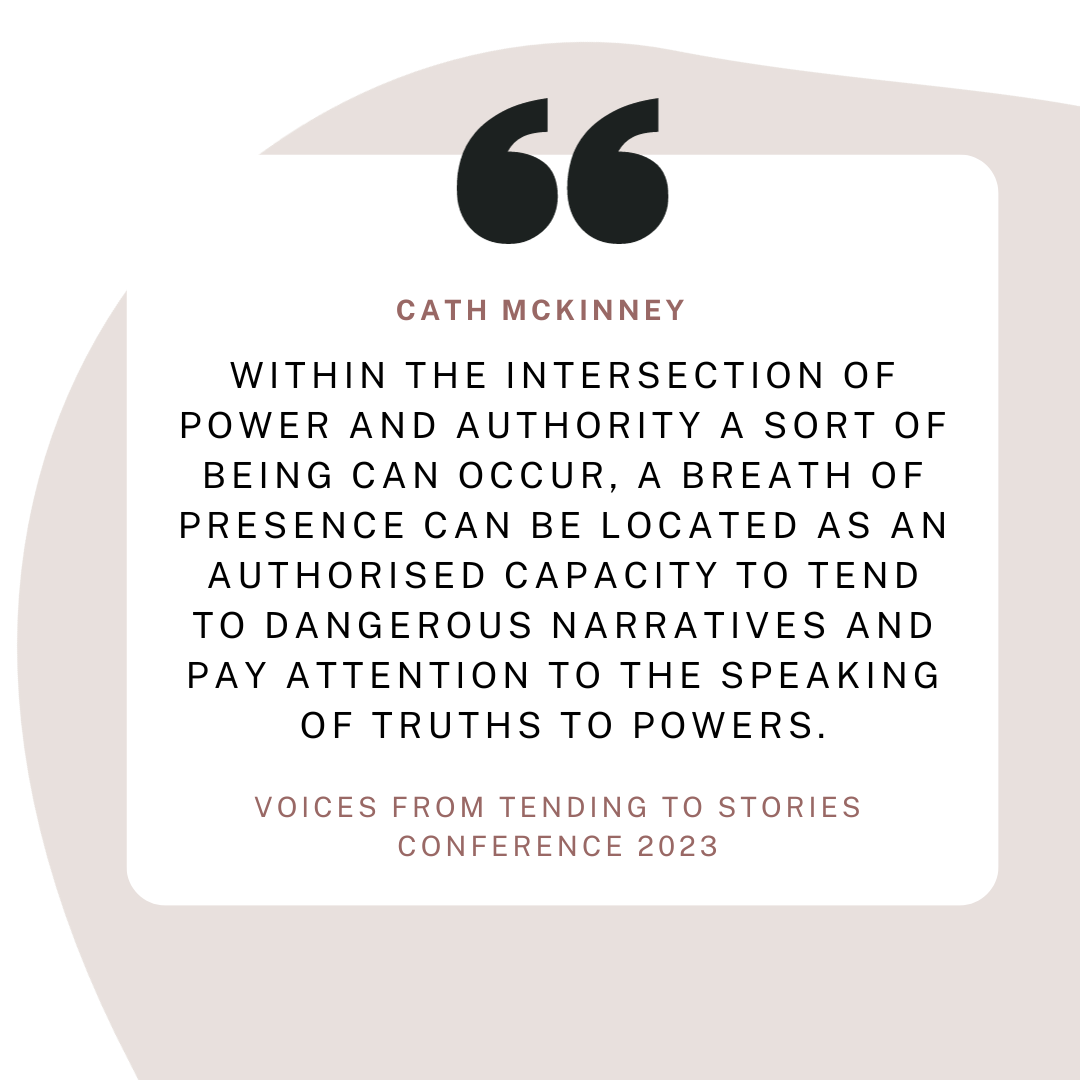
Tending to the stories shared with the Royal Commission into Institutional Responses to Child Sexual Abuse requires a willingness to examine even our most embedded faith practices, including the dominance of the clerical model of leadership within the western church. Its worst form, clericalism – the veneration of those holding positions of church leadership – has consistently demonstrated causal significance in the risk of abuses within religious institutions and congregations. Clericalism generates institutional hierarchies of power and influence that in turn protect the structural and systemic status quo thus maintaining the authority and status of the institution.
The beating heart of clericalism in the western church is the sermon. The single voice, articulate and educated, offering instruction and exhortation to the community. A practice, with its roots in the rhetoric traditions of the Greek and Roman empires, that has been a key feature of protestant liturgy since the European Reformation. The significance of the sermon is demonstrated by the fact that preaching has become one of the key indicators of leadership. Being ‘qualified to preach’ now shorthand within debates over who is authorised to hold ministry roles.
The Ignatian spiritual practice of communal discernment offers an alternative to traditional from the front, education focused discipleship. This paper will explore the use of silence, story, curiosity and creativity in theological and exegetical tasks. It will argue that these practices honour the knowledge, wisdom and capacity for discernment present within communities of faith and counter the spiritual passivity and learned helplessness that clericalism fosters.
Stacey Wilson is a qualitative research consultant with The Recollective. Her role also includes resource development, training and mentoring. This paper builds on her work, Theology and Abuse: Vulnerability in the Midst of Religious Institutions, published in Children’s Ministry and the Spiritual Child (Robin Turner and Trevecca Okholm, editors. Abilene Christian University Press, 2023).
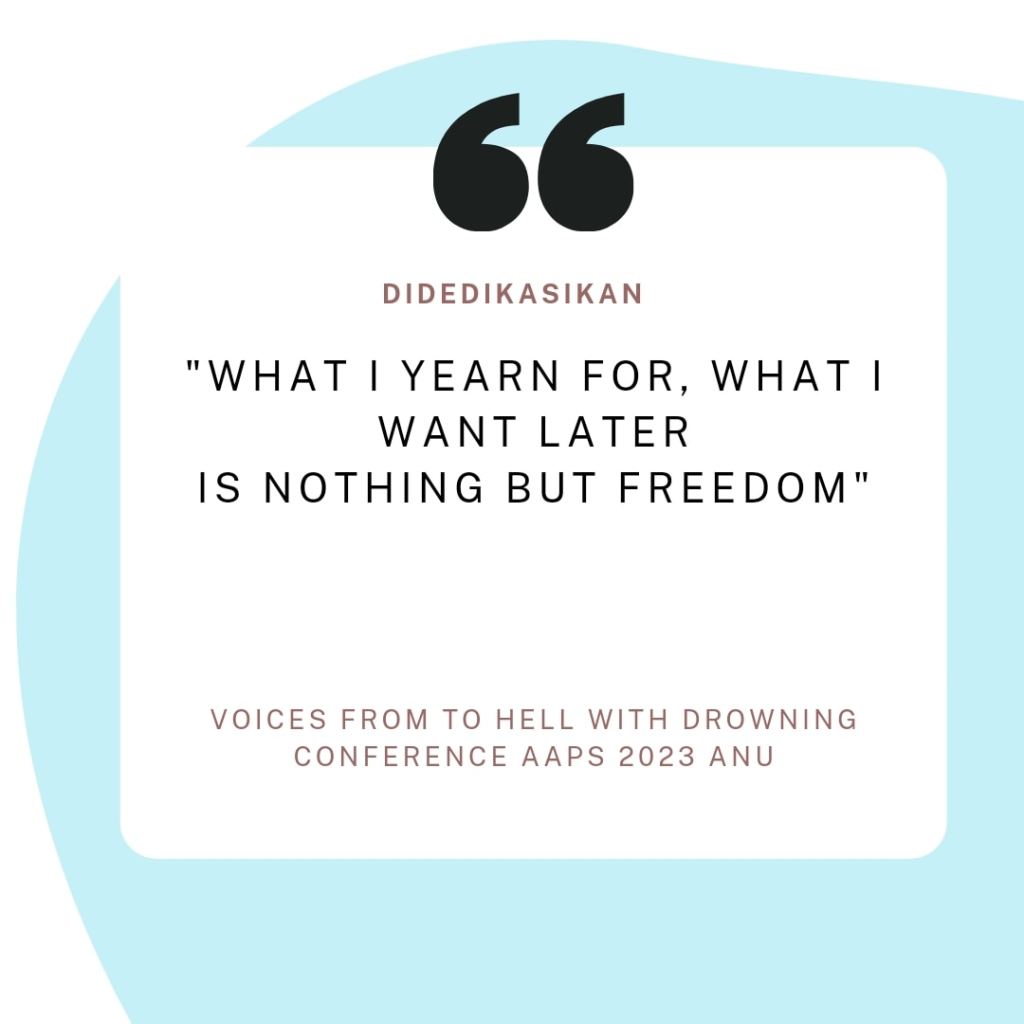
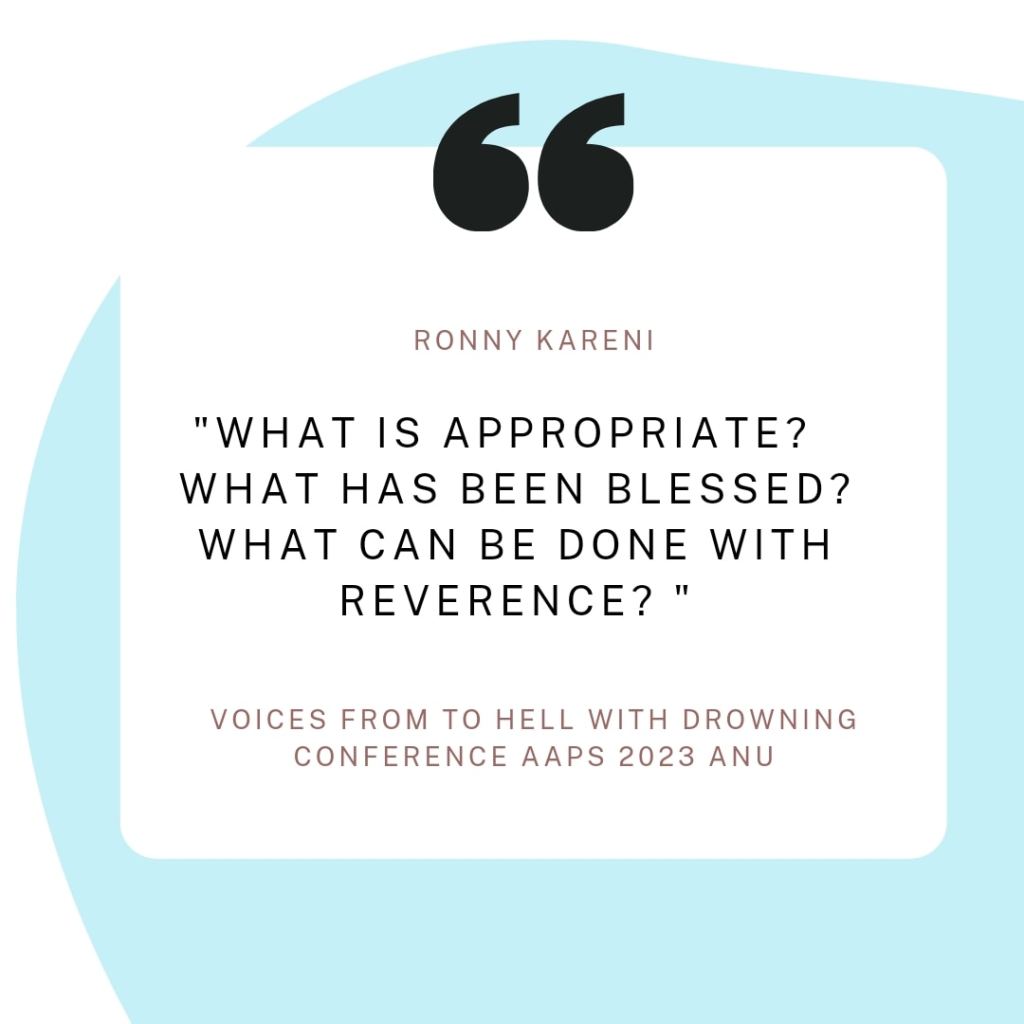
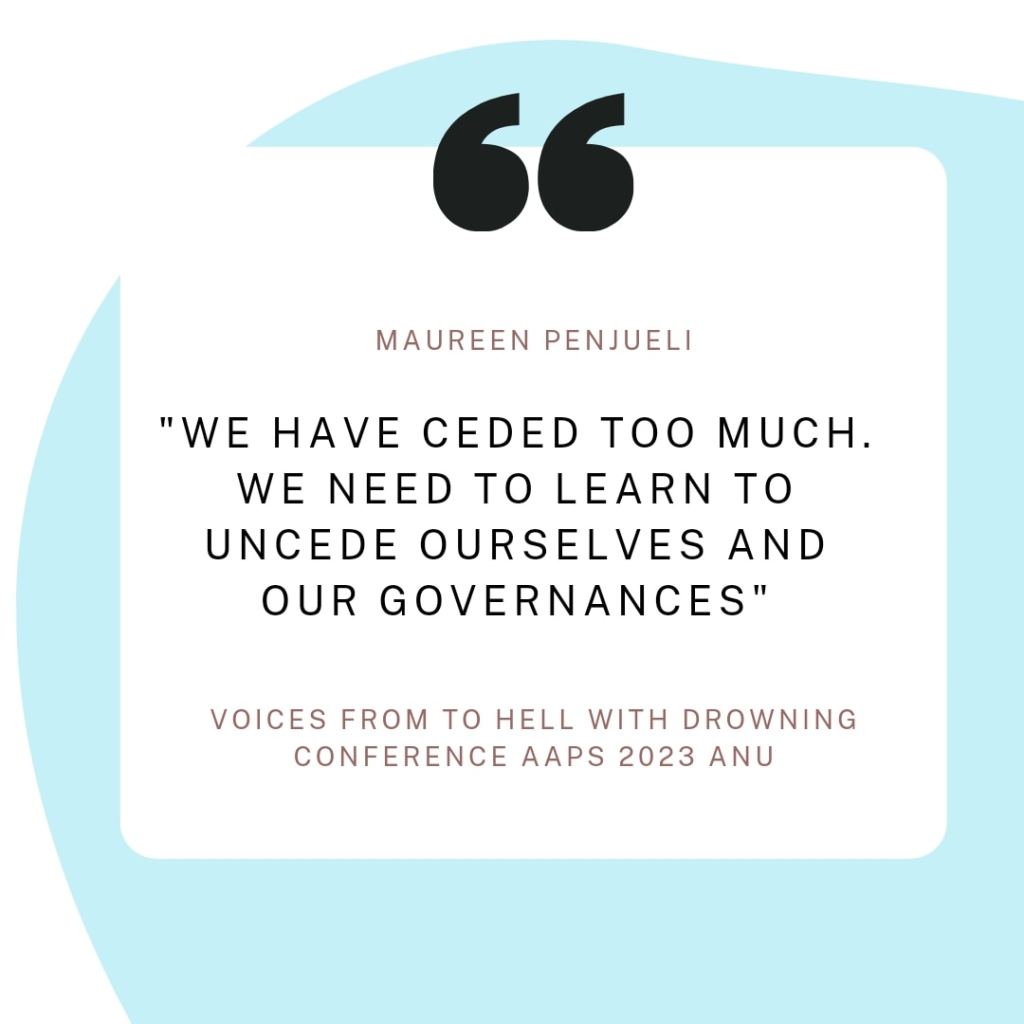
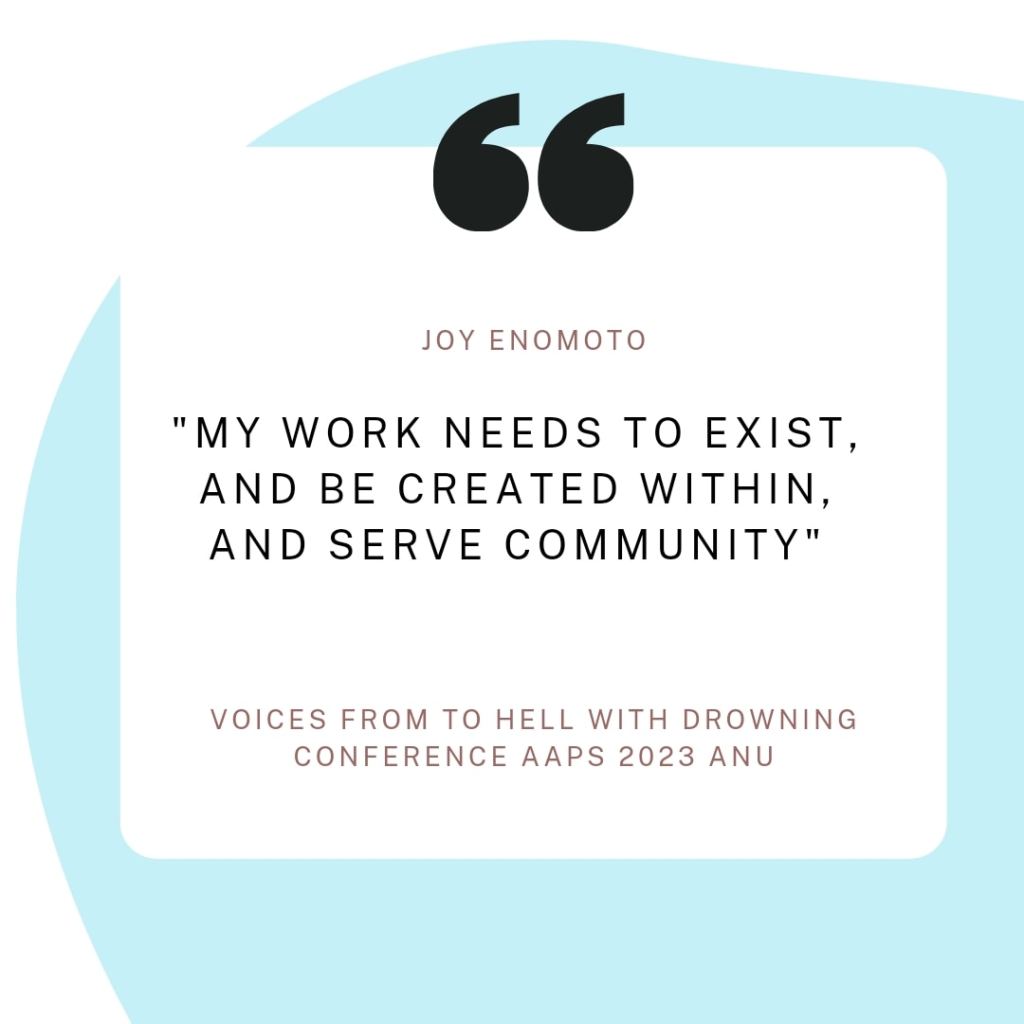
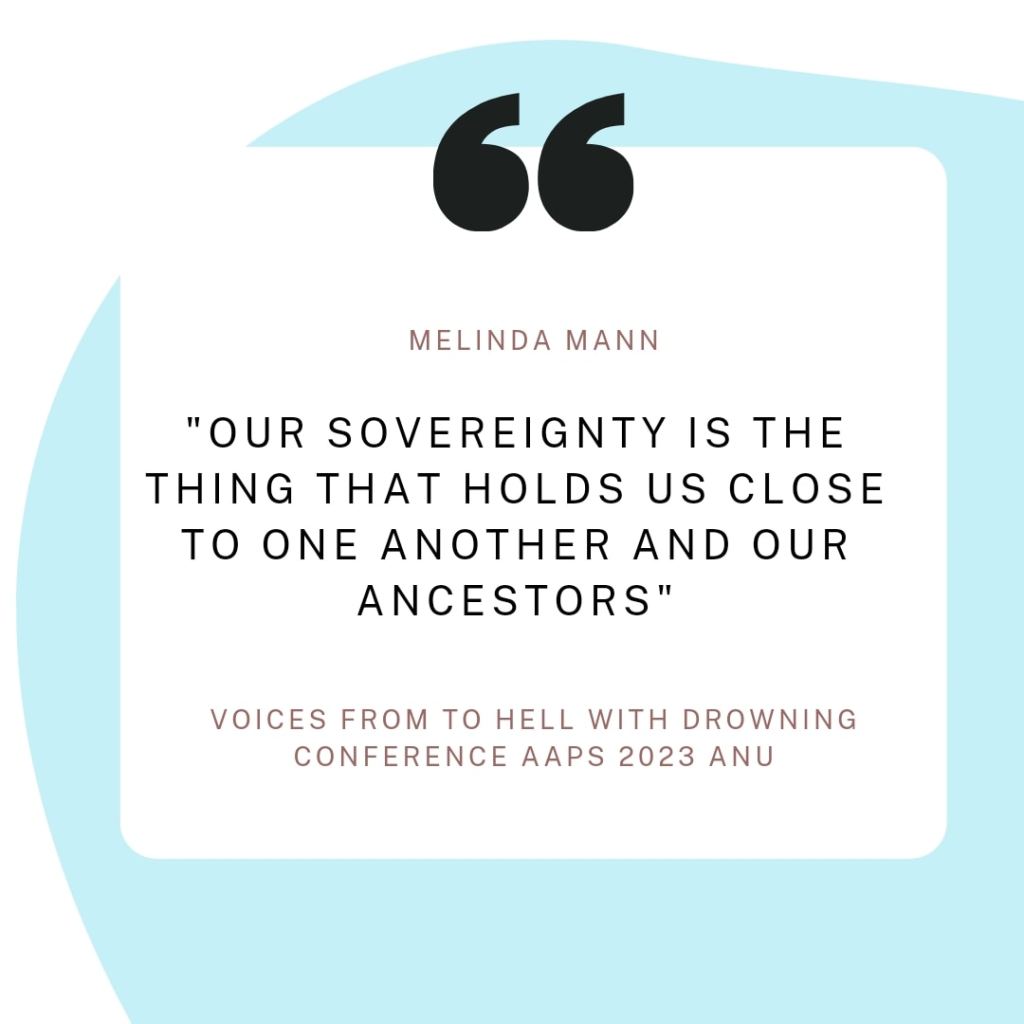
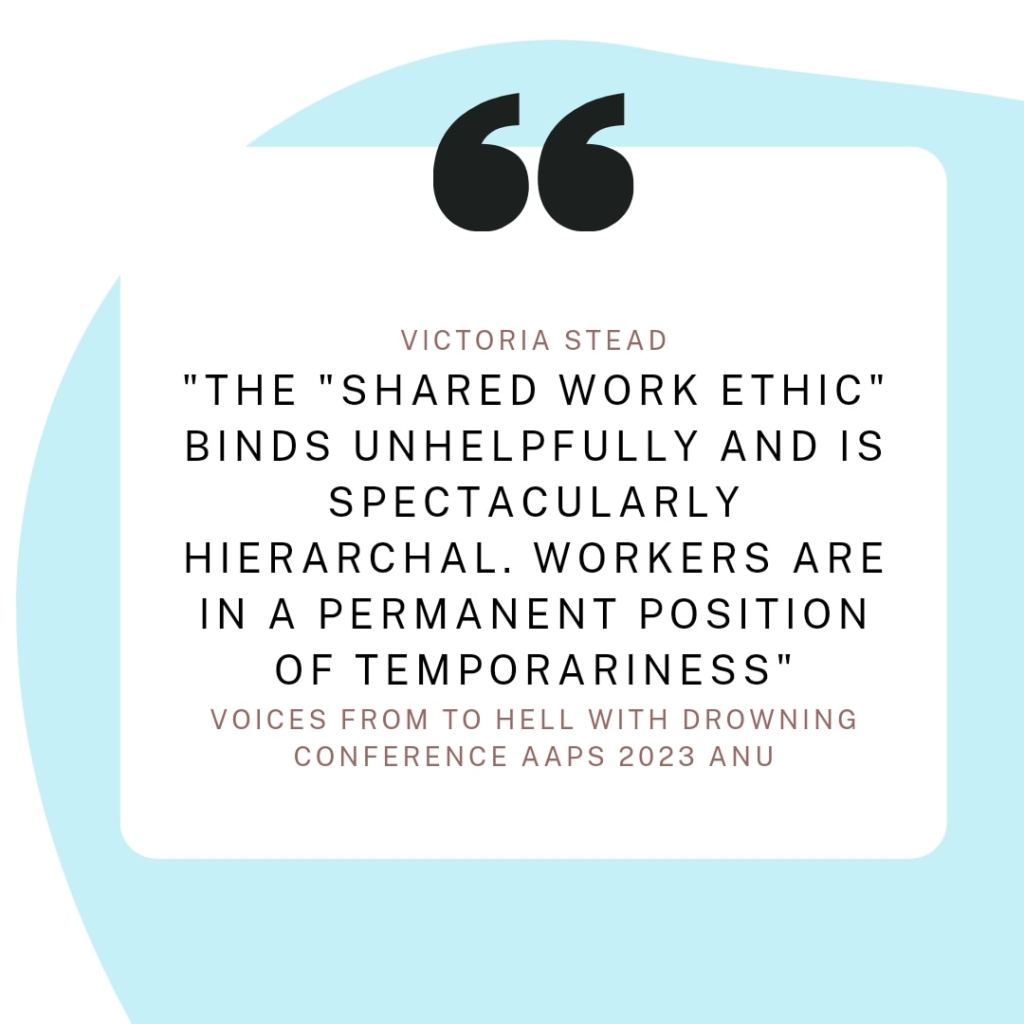
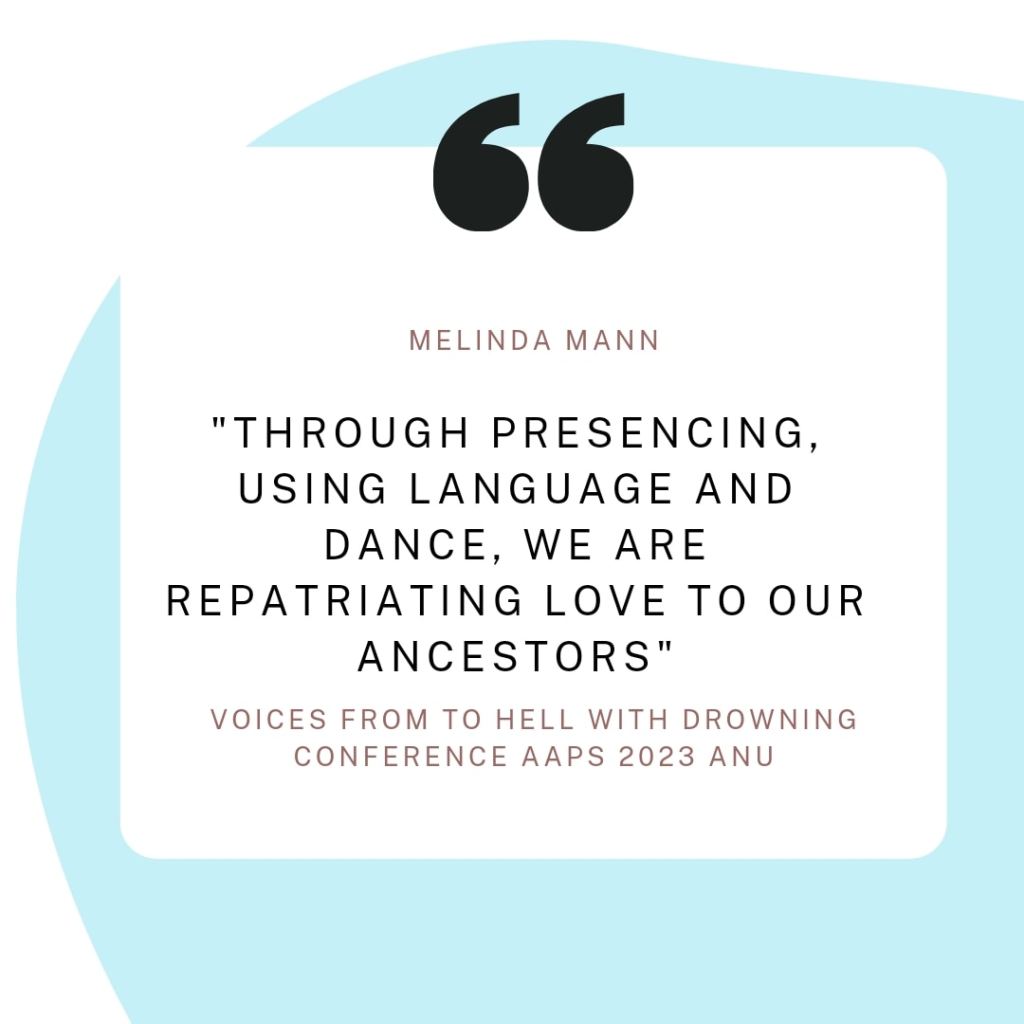
The 2023 AAPS conference theme emphasises the need to resist and reframe fatalist and narrow representations of Oceania.
From the highlands to the islands, the conference aims to advance multiscopic understandings of Oceanic people’s relationships and relationality of places through storytelling rooted in a trans-disciplinary, critical and creative Pacific Studies.






Consider what, or who, you’re apprenticed to in the context of climate justice.
From this grounding, and locating to place – what is the invitation to action?
| Mark 1:9-10 In those days Jesus came from Nazareth of Galilee and was baptized by John in the Jordan. And just as he was coming up out of the water, he saw the heavens torn apart and the Spirit descending like a dove upon him. | In those days William Barak was born into the Wurundjeri clan of the Woiwurrung people and was initiated into men’s business near the Walla Creek by his Uncle Billibellary. As he was coming up out of the water, he looked to the sky and saw Creator Bundjil soaring overhead. |
An invitation here to visit the water’s edge and a lens to decolonise our theology…
Rivers are rich landscapes – you know that what is passing now has passed by others before you and will pass by others after you.
There is something special in the biodiversity of this – at once you are not alone and, also you can ask: What does the river bring here with it? What will it carry away?
Consider what, or who, you’re apprenticed to in the context of climate justice. Where are you immersed? From this grounding, locating to place – what is the invitation to action?
Our land story is not valued in the main-stream cultural practices here on these lands known as Australia.
It is radically counter-cultural to resist, and insist that we need to acknowledge our elders past and present – of these lands and waters here, and those we come from. Might be different. Might be the same. We are because they were.
When we do this, we acknowledge our elders’ deep wisdom of listening and presence.
When we do this, we acknowledge our elders’ relationships with Creator and Creation, and recognise they are custodians of land, language, law and more – now, and since time immemorial. Our meeting is the confluence of these.
This wisdom is the inheritance of our communities, flowing down to us, carried within us. What will we pass forward? Come. Meet us at the river. Tell us your land story.
_____
Raisera McCulloch is a Pasifika woman living on Bunjalung country. She’s an educator developing training on decolonizing practices for systems change and a consultant to INGOs in racial justice. Her homeland of Tuvalu is facing a climate crisis and she advocates for action so her own children can preserve their culture. Currently a student of NAIITS completing a Masters in Theological Studies focusing on Indigenous Theology. Founder of Indigenous Giving Circle, a philanthropic initiative created to decolonise wealth, working towards a reparations model of giving.
Talitha Fraser, The Recollective, is a Ngai Tahu/Pakeha settler on the lands of the peoples of the Kulin Nation. She is the curator of The Recollective and Administrator for the Australian Collaborators in Feminist Theologies. She is passionate about building communities of care and resilience that honour that identity we come from, and celebrate those we move to claim and participate in. Her creative practice is one of contemplative listening: How does place or event shape creative practice, and how does practice change place, or event, or people?
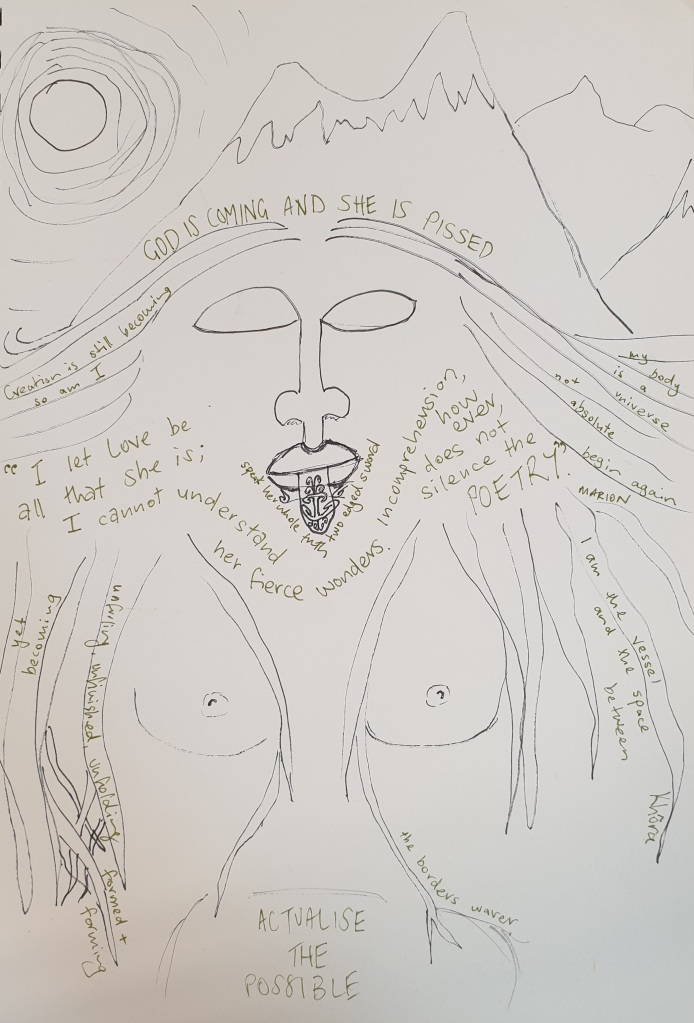
A creative reading today of Intercarnations : Exercises in Theological Possibility by Catherine Keller, Chapter 1: Returning God: Gift of Feminist Theology…
“I let Love be all that she is; I cannot understand her fierce wonders.
Hadewijch of Brabant (a 13th-century poet and mystic), Minne
Incomprehension, however, does not silence the poetry”
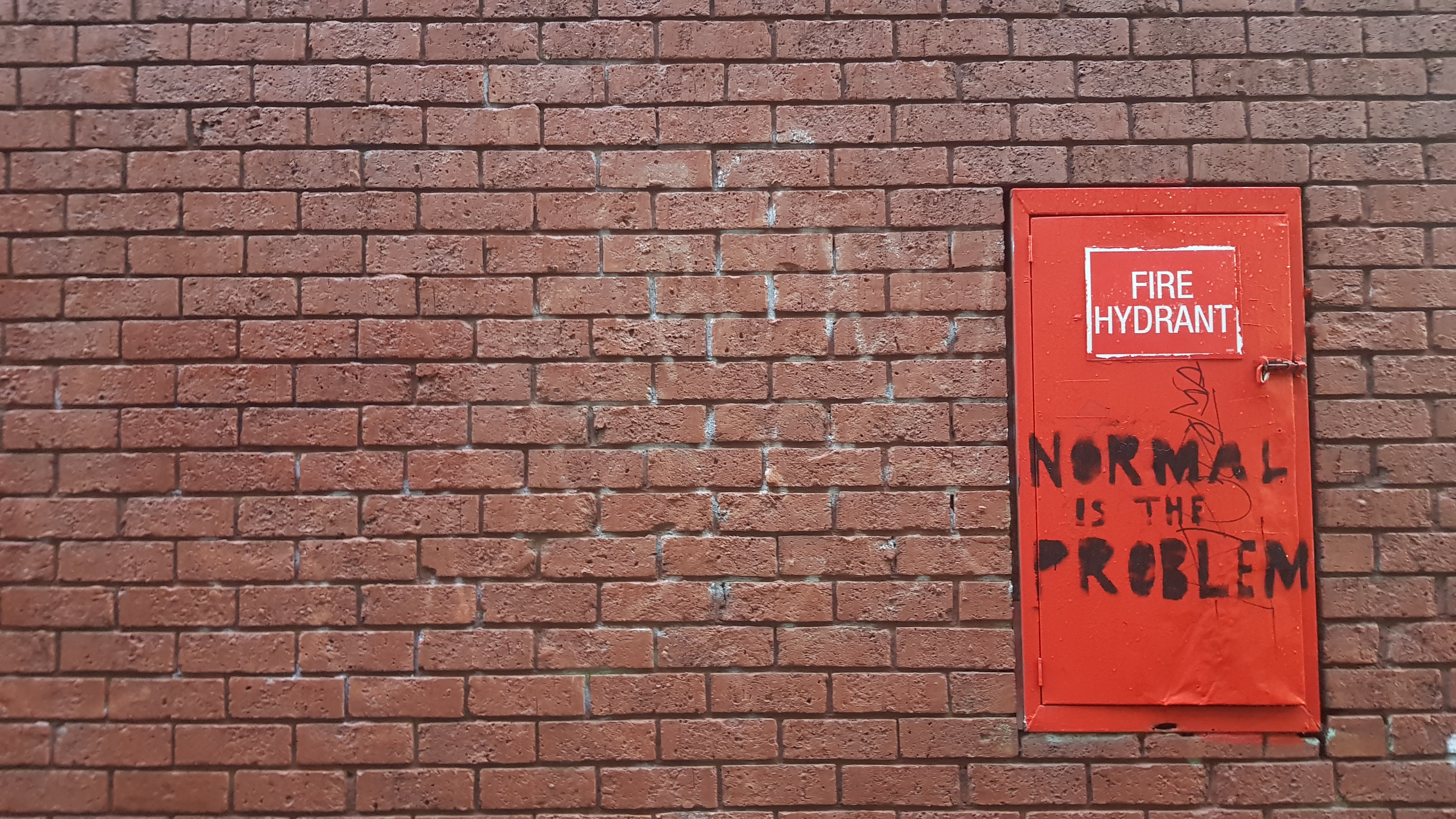
I listen to people talk about a “new normal”. I hear it as something ‘out there’ and I wonder, “Who’s making it? Who’s working on building the new normal?”
Sometimes I catch up with friends (over zoom or for a socially distanced walk) and they’ve discovered something wonderful in this season and they ask: “What can I do to keep this? How can I keep living my life with this in it once things go back to normal?”. There is that word again. Normal. This idea that normal is something that happens outside of us and is controlled by forces outside of us. But what we’re really talking about is life, or culture, and culture is made up of ‘the values, beliefs, underlying assumptions, attitudes, and behaviours shared by a group of people’. How and why is lockdown having an impact on these?
In trying to come up with a parallel for this lockdown experience, I started thinking about the idea of pilgrimage. Pilgrimage is a conscious stepping aside from life as normal in order to explore and experience a totally new environment such as: a journey to the Red Centre, walking the El Camino or doing an internship, or taking a sabbatical often for a time of discernment or at a time of transition such as a relationship or job ending. Anyone who has had experiences of this kind will know that it is not the destination that teaches us something, but rather what we learn along the way.
We have not been able to choose to take this pilgrimage, but regardless there are similarities: We have needed to let go of the ‘way things have always been’ and consider what else they might be. The routines aren’t there, the busyness, the commuting, the activities and events that take up our time… the bustle of life has slowed because we cannot travel more than 5kms and need to be home before a curfew. There is an invitation here to consider, what is essential to us? What can we survive well without or even is a relief to stop? Unbidden, we are being asked to reconsider, “What are my values, beliefs, assumptions…”?
Here’s what can happen on a pilgrimage: when you sit with a empty horizon before you and allow the land to speak to you, you will discover how full it is; or when you walk (and walk and walk) and hold silence within yourself knowing yourself to be walking where many others have walked, and will walk again, you can identify both as singular and part of the collective of all of humanity; or when you visit a new country and experience being the person who doesn’t know the language, the food, courtesies, jokes or the slang and might know for the first time that you can be the ‘other’ too… it’s not the place we go that changes, or the places we come back to – but us. I don’t know that change is the right word for this because, really, it’s remembering, and re-membering. A coming back to the wholeness of who we feel called to be, and how we can be – and become – that which we lost sight of somehow.
Here’s what can happen on a pilgrimage: when you walk, you meet and get to know your own neighbours, you might discover a little library, a lovely garden, a cute letterbox – familiar and new as if you were trying to memorise the face of a loved one before you lose them, suddenly there are details you never saw before and they are precious; or when you are removed from friends, family and the usual social circles, you paint a spoon for Spoonville, put a teddy bear in the window, or leave groceries at the free pantry. Learning without words, without touch, without ever meeting, I can connect with someone and that can be profoundly meaningful; or when you are stuck with someone, or stuck apart, stuck in a job you need or stuck on a job you love and can’t go to right now, you recognise the fragility of life and how important it is to do what you love with the people you love best and who love you well – what will it cost you to have that? What is it worth to have that?
This seems the spot where you might easily drop T.S. Eliot’s ‘the end of all our exploring will be to arrive where we started and know the place for the first time’. T.S. Eliot wrote these Four Quartets during World War II and the air-raids on Great Britain. It is good to remember that these times ARE precedented. Pandemics have ravaged with worldwide impact before, as disease arrived on cruise ships so too it came with the First Fleet. People have lived through experiences wondering if the world would ever be the same again, wondering whether a safe world would exist for their children to grow up in. It is this line from Eliot that drew me today:
“last year’s words belong to last year’s language
And next year’s words await another voice.”
The new normal belongs to you.
It is yours to discover. It is yours to remember.
Is there anything you have discovered a lockdown love for? Make a list… what did this teach you about yourself you didn’t know before? What needs did these meet?
Make a list of things you have felt you’ve missed or lost in lockdown. What do you value about them?
Are there things that you haven’t missed? What has putting these down, freed up capacity for?
Land, family, law, ceremony and language are five key interconnected elements of Indigenous culture – how have the interventions and new laws of the lockdown impacted how these elements in your life have looked over the past few months? Was there somewhere outside your 5kms you longed for? How were rituals different, such as birthdays, weddings or funerals? Have you been using Zoom, Google Hangouts, Discord… or silenced by in accessibility of software or skills?
Has this time brought up things from the past that have been painful or difficult? Honour that. Celebrate what you know about survival. Consider doing a compare and contrast of then and now as a way of seeing how far you’ve come and how much resiliency you have learned. If someone was absent – who is present? If someone harmed – who is healing?
Has this time brought attention to or caused areas of your life to become painful or difficult? Honour that. What is this telling you about what’s important to you? One way to enter into this conversation might be to map What Is/What Could Be. Know you are worthy of dignity and respect and a life that fulfils you and brings you joy. Are there any steps, however small, that might create movement between what is and what could be? Take them.
Did you take up new, or see changes in, the roles and relationships you have through COVID? As teacher, partner, parent, friend… acknowledge these shifts. Have you learned something about your expectations of yourself and others?
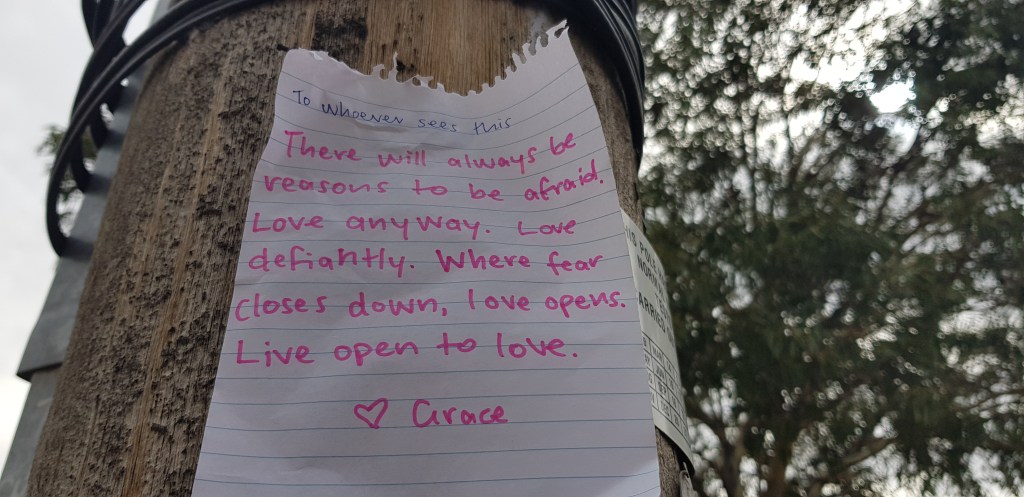
This is a flash back to a previous post: Letters from Grace.
“To whoever sees this…”
Someone called Grace has been leaving notes on a lamp post I walk past. And I came to wonder whether there is a person called ‘Grace’ or whether the grace is the space being offered.
I wrote some signs for the lamp posts myself. Anyone can give grace.
Anyone can testify.
#testify #taunaki
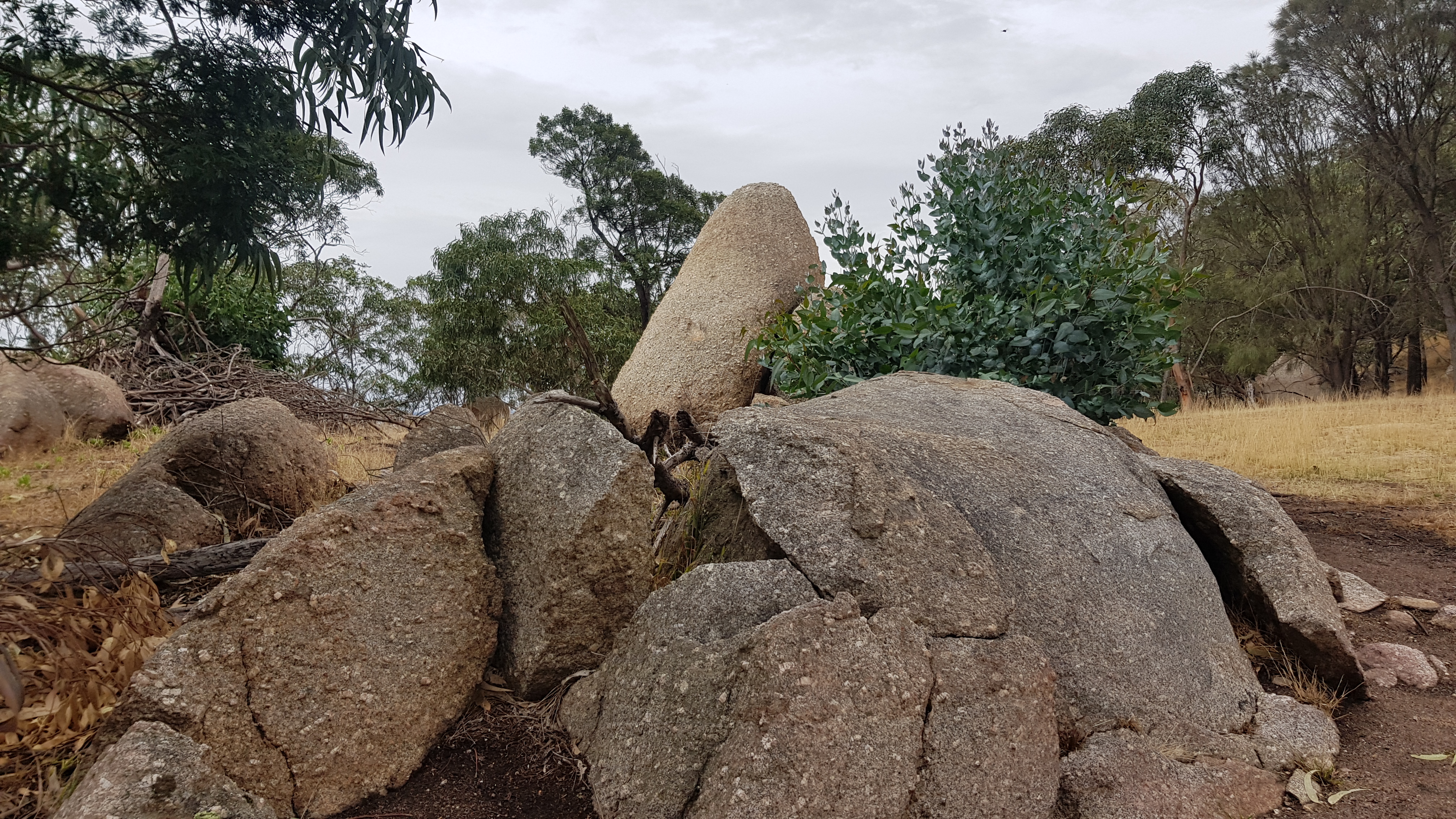
Tell the stones to become bread? Nah, I will ask that Mountain. It is witness. It will know. #command #kīia
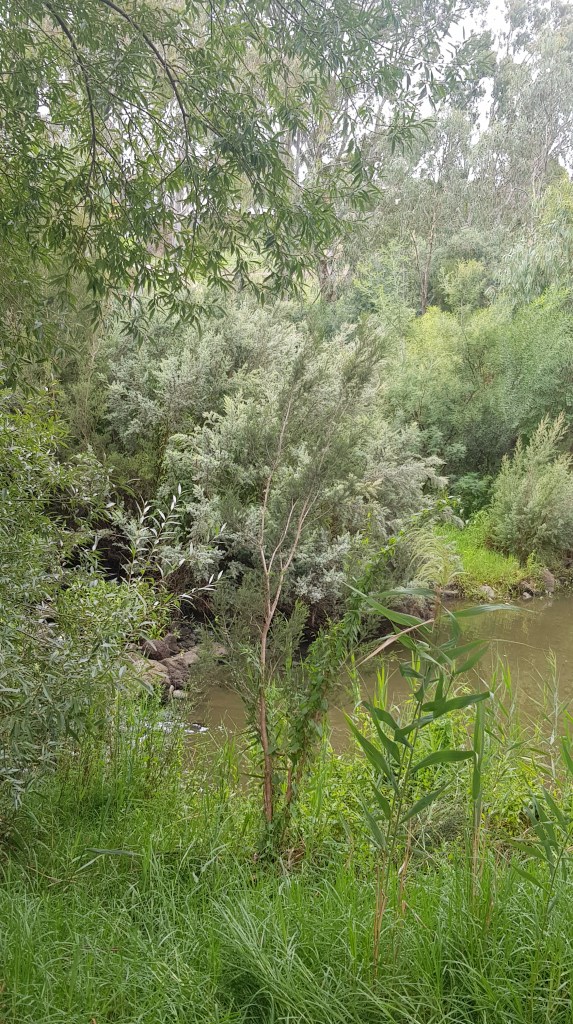
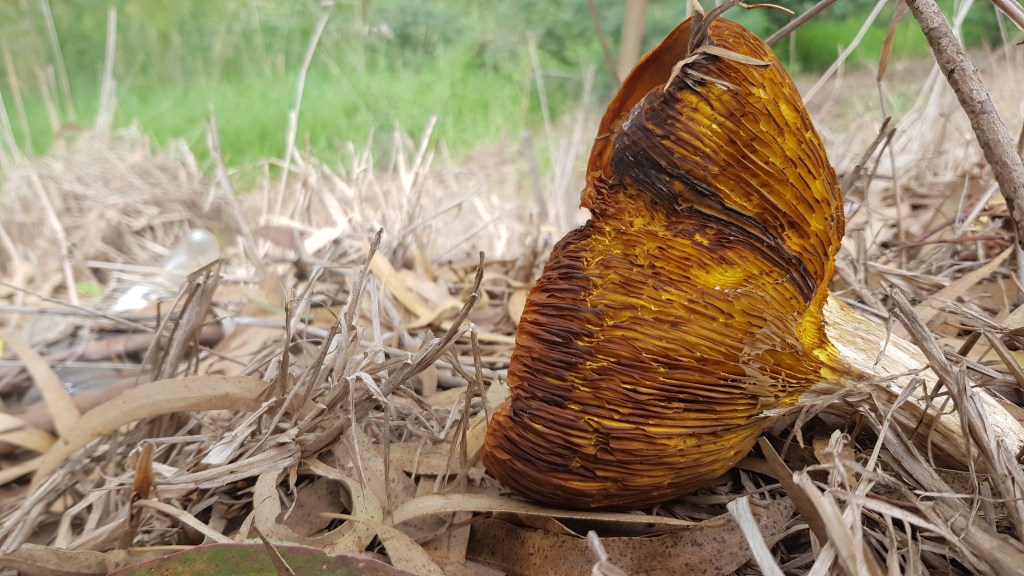
I will lead you into the wilderness and I will allure you. In the still and quiet places you will hear my voice calling you. Calling you home. #wilderness #koraha
 itellyouarise