Category: influential reading material


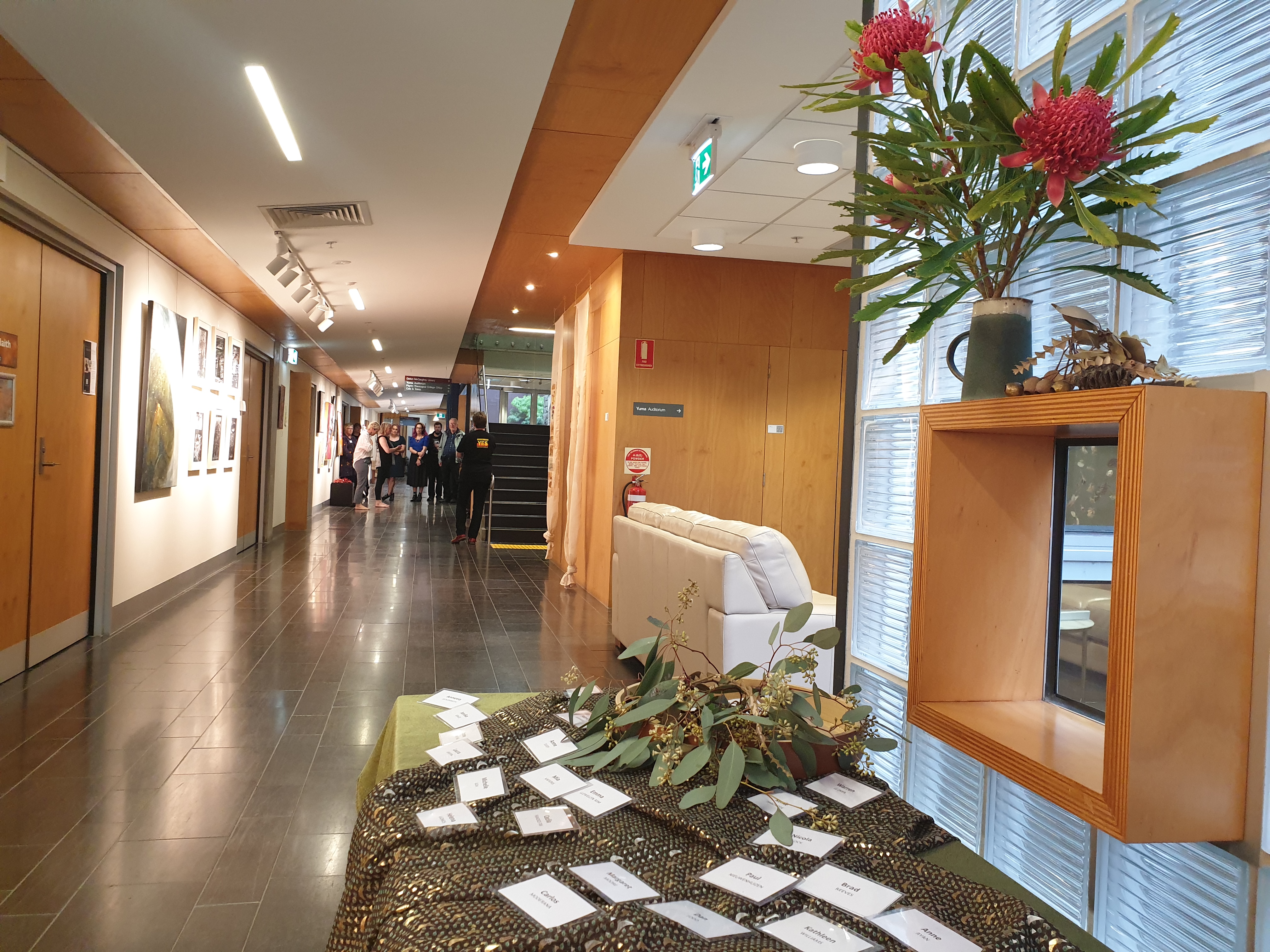
In practice and in theory, feminist theology has always sought to give space for women’s stories.  Sometimes that has been an act of self-authorising and at other times, an act of retrieval, drawing from forgotten or ignored stories of the past. To take up and hear these stories is also a way of moving forward. Stories are, as we know, powerful. And as such, our stories are complicated: they change over time, have ethical implications, are put to work in making meaning and shaping desire. Put simply, we are caretakers of the stories we tell as well as those we forget. Our 2023 conference, co-hosted by WATAC Inc. (Women and the Australian Church) and the Australian Collaborators in Feminist Theologies (ACFT), will explore the ways in which we engage our caretaking role and the ongoing place of stories and narrative within feminist theology. 
______

When the Bible became king: Sermons, Stories and Silence

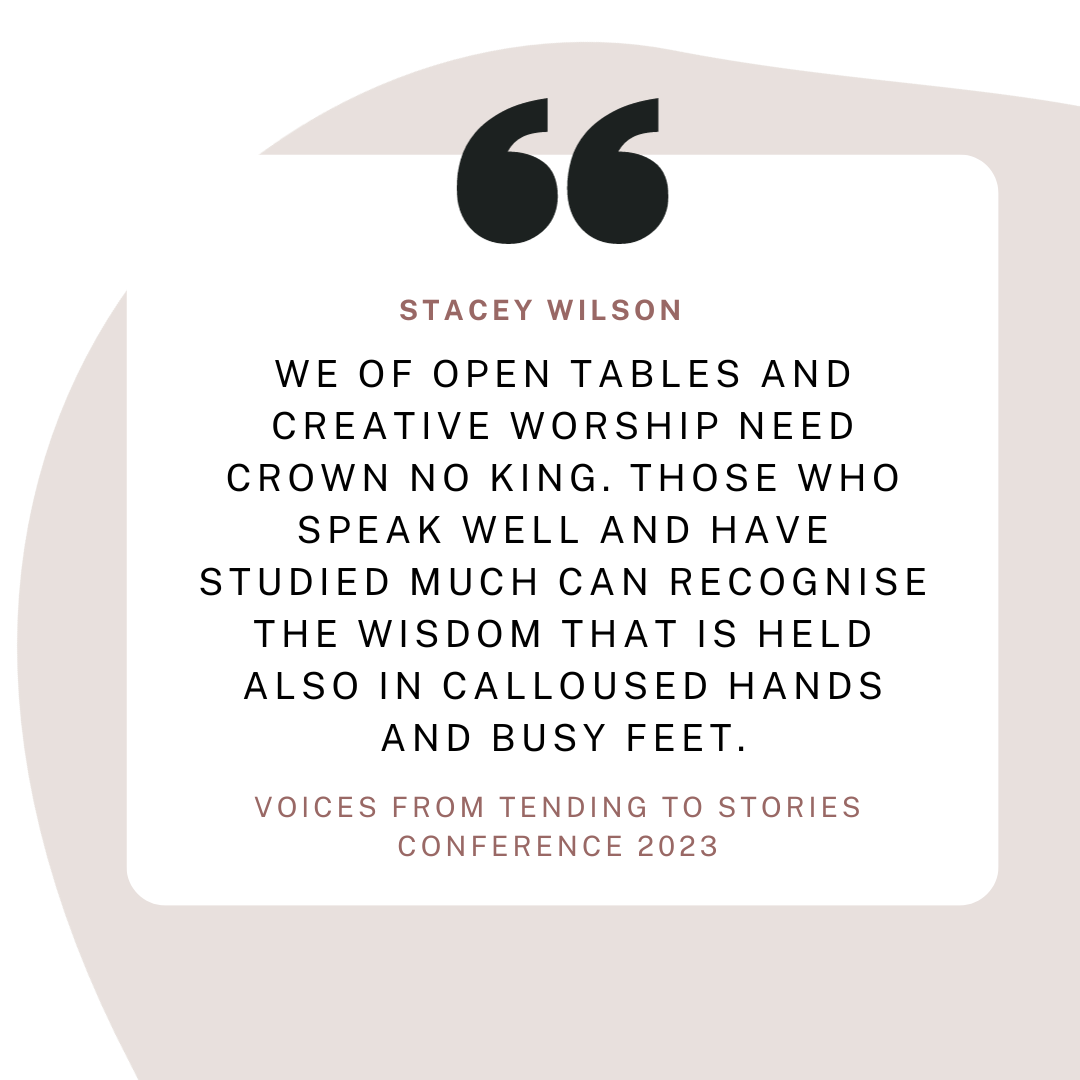
Tending to the stories shared with the Royal Commission into Institutional Responses to Child Sexual Abuse requires a willingness to examine even our most embedded faith practices, including the dominance of the clerical model of leadership within the western church. Its worst form, clericalism – the veneration of those holding positions of church leadership – has consistently demonstrated causal significance in the risk of abuses within religious institutions and congregations. Clericalism generates institutional hierarchies of power and influence that in turn protect the structural and systemic status quo thus maintaining the authority and status of the institution. 

The beating heart of clericalism in the western church is the sermon. The single voice, articulate and educated, offering instruction and exhortation to the community. A practice, with its roots in the rhetoric traditions of the Greek and Roman empires, that has been a key feature of protestant liturgy since the European Reformation. The significance of the sermon is demonstrated by the fact that preaching has become one of the key indicators of leadership. Being ‘qualified to preach’ now shorthand within debates over who is authorised to hold ministry roles.

The Ignatian spiritual practice of communal discernment offers an alternative to traditional from the front, education focused discipleship. This paper will explore the use of silence, story, curiosity and creativity in theological and exegetical tasks. It will argue that these practices honour the knowledge, wisdom and capacity for discernment present within communities of faith and counter the spiritual passivity and learned helplessness that clericalism fosters. 

Stacey Wilson is a qualitative research consultant with The Recollective. Her role also includes resource development, training and mentoring. This paper builds on her work, Theology and Abuse: Vulnerability in the Midst of Religious Institutions, published in Children’s Ministry and the Spiritual Child (Robin Turner and Trevecca Okholm, editors. Abilene Christian University Press, 2023). 

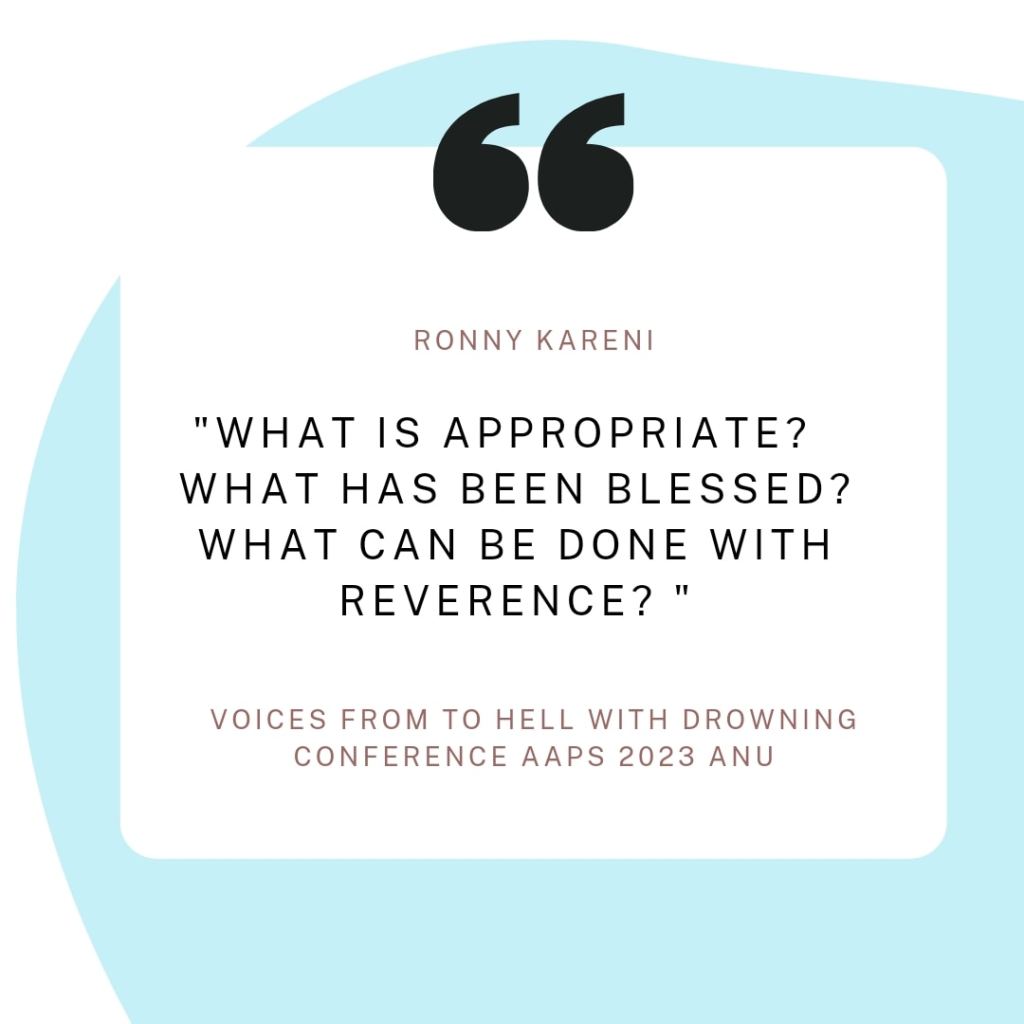
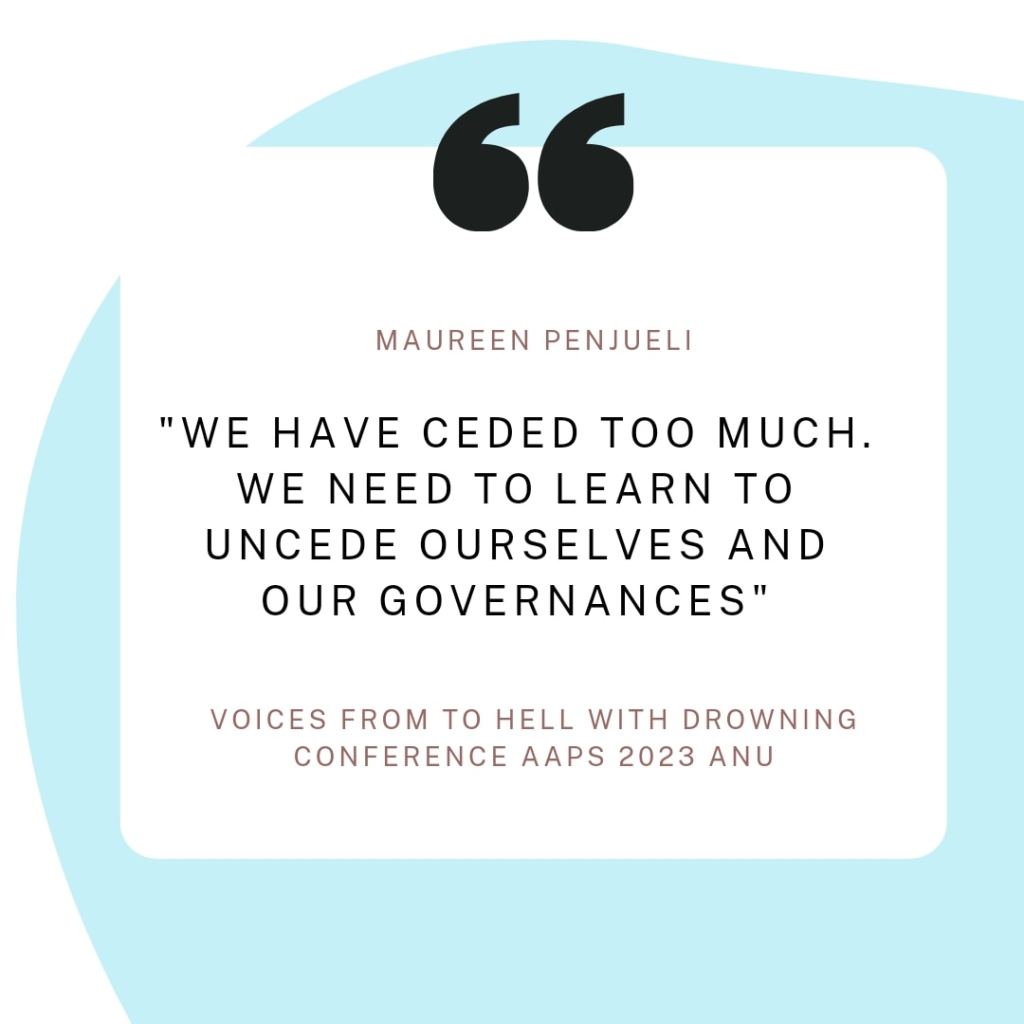
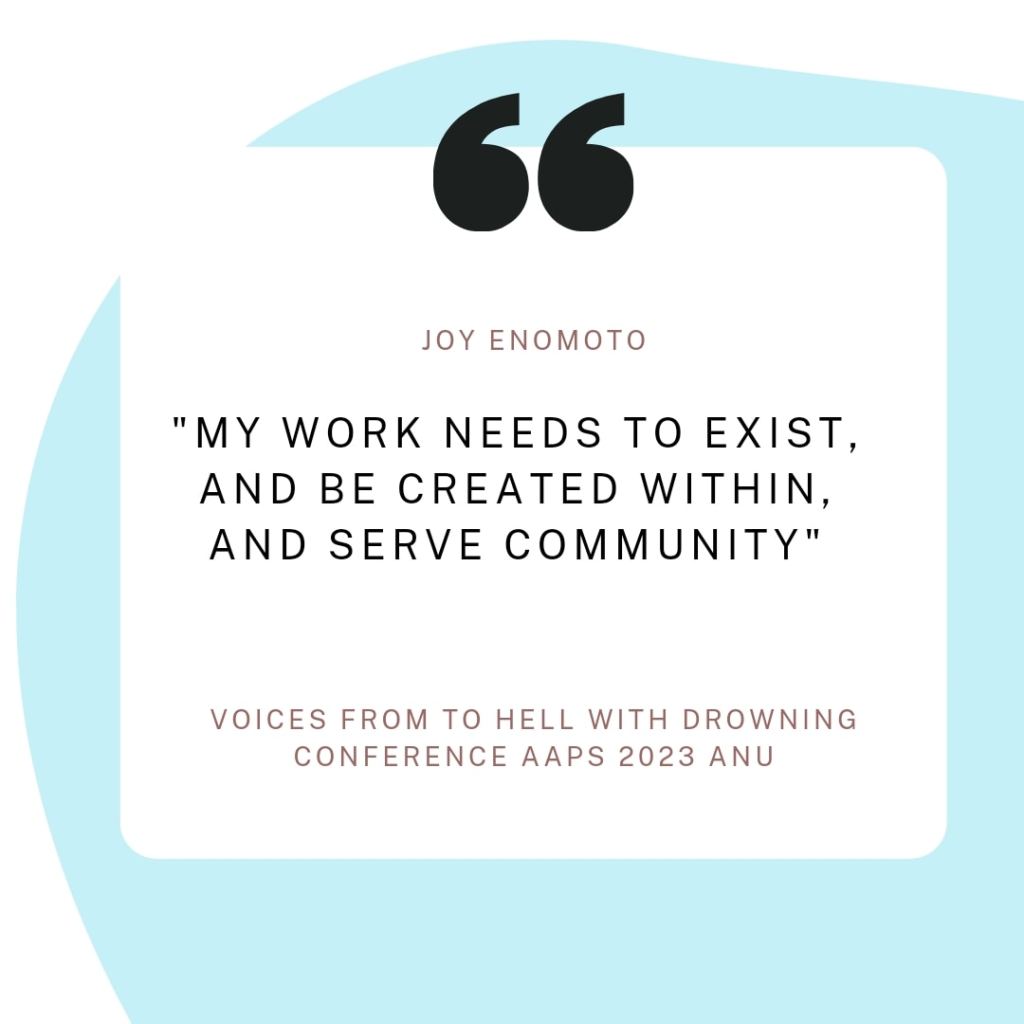
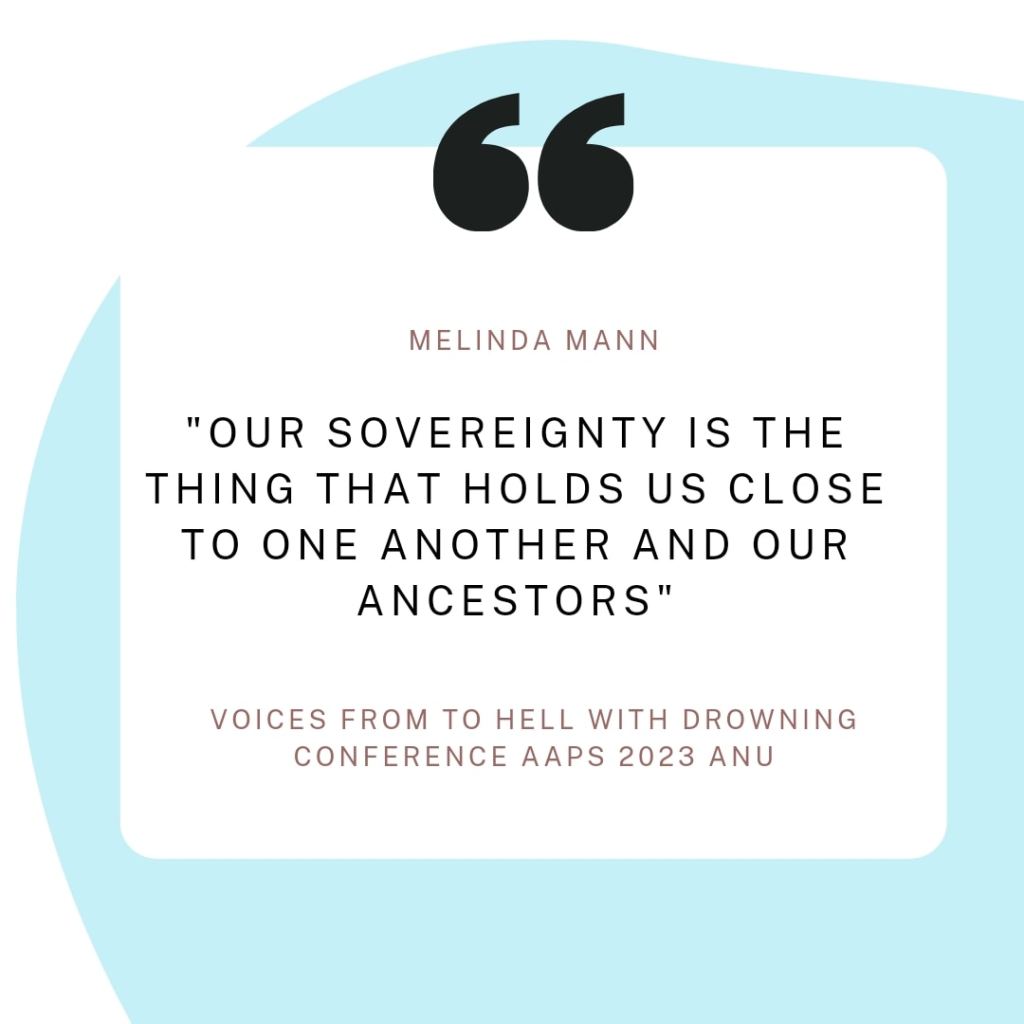
The 2023 AAPS conference theme emphasises the need to resist and reframe fatalist and narrow representations of Oceania.

From the highlands to the islands, the conference aims to advance multiscopic understandings of Oceanic people’s relationships and relationality of places through storytelling rooted in a trans-disciplinary, critical and creative Pacific Studies.

Justice for Creation: Indigenous perspectives and the role of the church

Consider what, or who, you’re apprenticed to in the context of climate justice.
From this grounding, and locating to place – what is the invitation to action?

Mark 1:9-10 In those days Jesus came from Nazareth of Galilee and was baptized by John in the Jordan.  And just as he was coming up out of the water, he saw the heavens torn apart and the Spirit descending like a dove upon him.   In those days William Barak was born into the Wurundjeri clan of the Woiwurrung people and was initiated into men’s business near the Walla Creek by his Uncle Billibellary. As he was coming up out of the water, he looked to the sky and saw Creator Bundjil soaring overhead.

An invitation here to visit the water’s edge and a lens to decolonise our theology…

Rivers are rich landscapes – you know that what is passing now has passed by others before you and will pass by others after you.

There is something special in the biodiversity of this – at once you are not alone and, also you can ask: What does the river bring here with it?  What will it carry away?

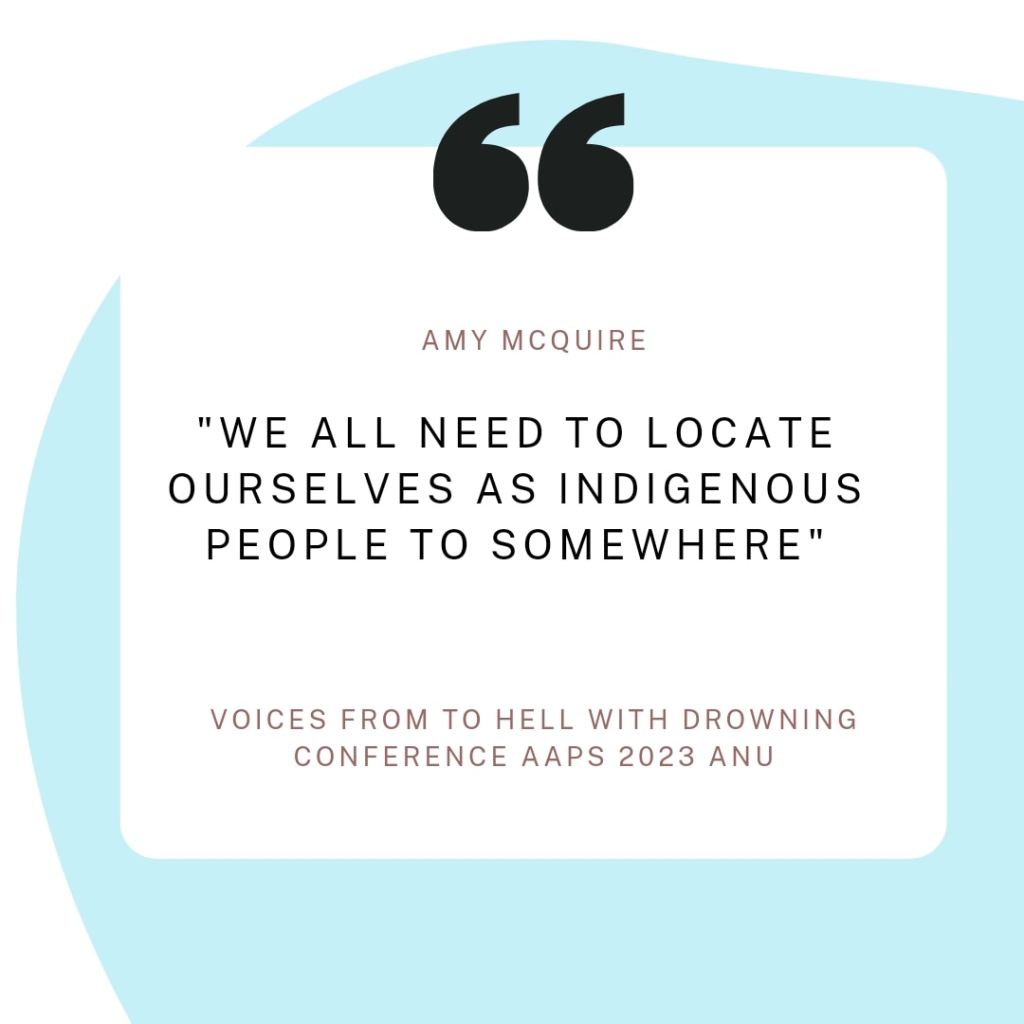
Consider what, or who, you’re apprenticed to in the context of climate justice. Where are you immersed? From this grounding, locating to place – what is the invitation to action?

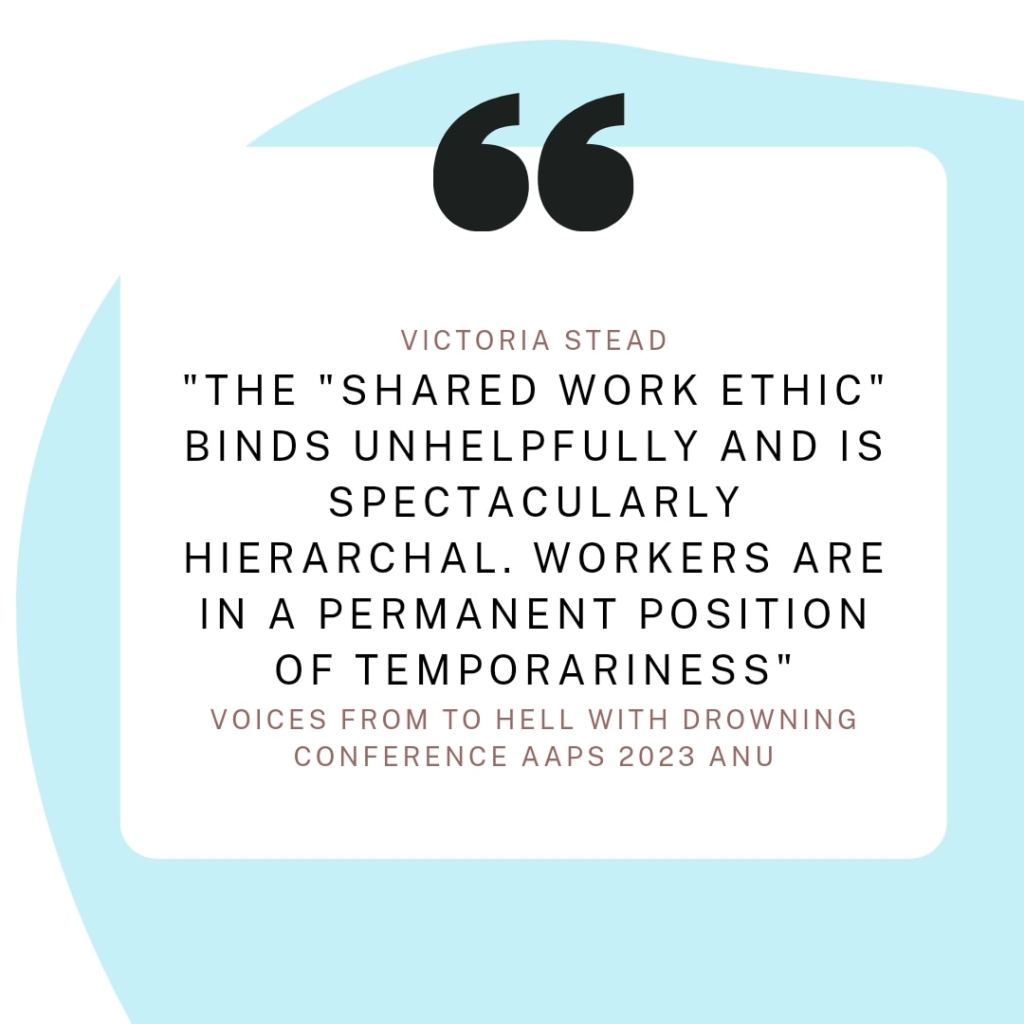
Our land story is not valued in the main-stream cultural practices here on these lands known as Australia.

It is radically counter-cultural to resist, and insist that we need to acknowledge our elders past and present – of these lands and waters here, and those we come from. Might be different. Might be the same. We are because they were.

When we do this, we acknowledge our elders’ deep wisdom of listening and presence. 

When we do this, we acknowledge our elders’ relationships with Creator and Creation, and recognise they are custodians of land, language, law and more – now, and since time immemorial.  Our meeting is the confluence of these.

This wisdom is the inheritance of our communities, flowing down to us, carried within us. What will we pass forward?   Come. Meet us at the river. Tell us your land story.

_____

Raisera McCulloch is a Pasifika woman living on Bunjalung country. She’s an educator developing training on decolonizing practices for systems change and a consultant to INGOs in racial justice. Her homeland of Tuvalu is facing a climate crisis and she advocates for action so her own children can preserve their culture. Currently a student of NAIITS completing a Masters in Theological Studies focusing on Indigenous Theology. Founder of Indigenous Giving Circle, a philanthropic initiative created to decolonise wealth, working towards a reparations model of giving. 
Talitha Fraser, The Recollective, is a Ngai Tahu/Pakeha settler on the lands of the peoples of the Kulin Nation. She is the curator of The Recollective and Administrator for the Australian Collaborators in Feminist Theologies. She is passionate about building communities of care and resilience that honour that identity we come from, and celebrate those we move to claim and participate in. Her creative practice is one of contemplative listening: How does place or event shape creative practice, and how does practice change place, or event, or people?

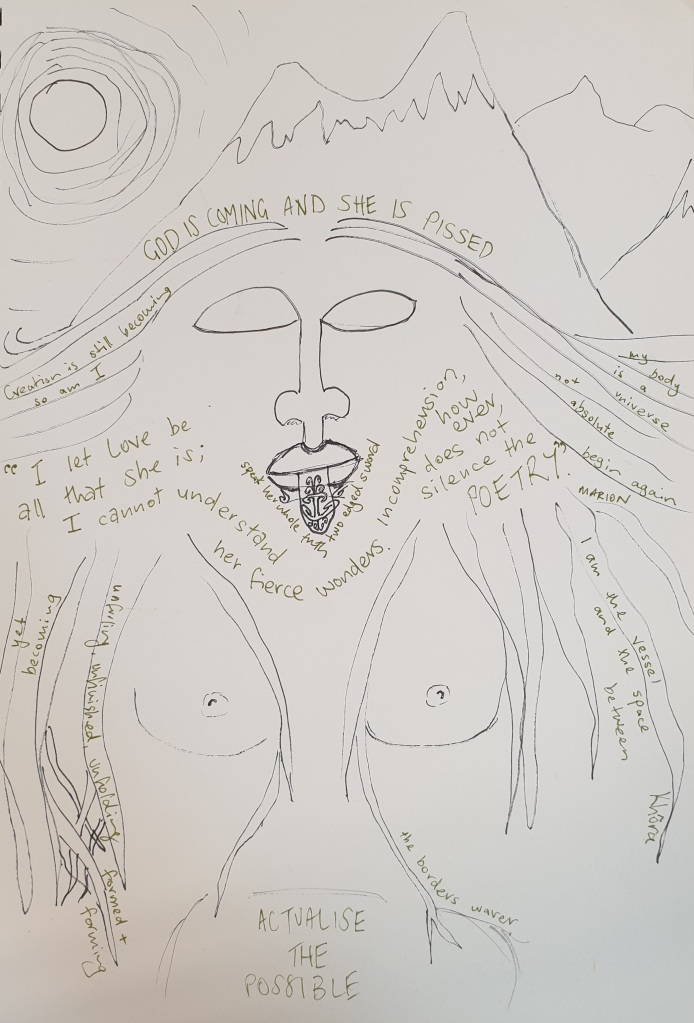
A creative reading today of Intercarnations : Exercises in Theological Possibility by Catherine Keller, Chapter 1: Returning God: Gift of Feminist Theology…

“I let Love be all that she is; I cannot understand her fierce wonders.
Incomprehension, however, does not silence the poetry”

Hadewijch of Brabant (a 13th-century poet and mystic), Minne

Blessed are you who expect God to be more intimately revealed in exile, for you shall behold the risen Christ.

Blessed are you who finds abundance in scarcity, for God will give you everything you need.

Blessed are you who are hungry for God’s grace, for you will find and recognise it in strange forms in which comes along.

Blessed are you who realises incarnation happens in the world as it is, for you will find relationship anywhere.

Blessed are you who thinks the future is always bigger than the past, for you will always be excited by what God’s doing next.

Samuel Wells. Heartsedge session 3. Wednesday 10 March.

This afternoon I got to hear some of a fantastic panel session moderated by Sandra Kailahi, on the panel was keynote speaker Ngāhuia Te Awekōtuku, with Sheridan Waitai, Leali’ifano Dr Albert L. Refiti, Nigel Borell and Zech Soakai.

I came in late but these are some fav snippets for listening and learning, I’m sorry they’re not attributed!:

  • “Decolonising” is a new word but this is something we’ve been negotiating since first contact.
  • Not all knowledge is taught in the same school (or held in the same museum)
  • Know me/us for our joy before knowing us for our trauma.
  • Our youth are defined as “troubled” instead of resilient.
  • Message from youth: “We could do so much more if people believed in us”
  • Success is so often measured by tertiary education but we have many paths that are not seen as ‘less than’
  • Whakapapa got us here, but whakapapa will get us further.
  • It’s a practice: play the game, beat the game, to change the game.
  • We need to leverage space to talk about our truth.
  • Connections with others around the world has been invaluable. Other people of colour. Our ideas, ways of thinking and doing are heard and valued.
  • Stuff has travelled so far, had an amazing story. They are rooms full of dead things. We need to sing the vā and ask: how do we receive this here? Sing ancestors to the present. Wake them up. We need to articulate that and make plans.
  • Exhibits can be enriching. We can feel embraced/represented. But not by telling it in the Master’s voice. We need to seize the doing.
  • Need to establish relationships/partnerships that aren’t pass/fail but allow for narrative, vision, space… where we are all experimenting together and able to try, learn, and try again.
  • They are a visual representation of self. Take your things home.
  • When/if Pacific lands are lost to climate change, what role might museums play in preserving taonga of a place that doesn’t exist anymore? How can they be guardians to preserve and protect so that people can visit and remember.
  • Can the word ‘decolonised’ even be applied to spaces like museums? The collection might be decolonised but the structure remains >>need to make a commitment to opening other avenues.
  • If you cut up a text that shows violence but if you read a text, read with the grain. What’s unemphasised? I try to read the two texts together, see how they can address or talk to each other.
  • It’s different for Māori and Pacific people they can always address directly – land taken or land given back.
  • 1500 guides were trained for Te Māori.  The guides felt safe, there were aunties and koro around but they were deterrents too. To touch tapu or to be around it, some saw it as a house of dead things. A trophy house. From the other side, to see weaving or wood carving… there can be joy, learning, and ownership.
  • If you work within an institution you must celebrate the small wins e.g. paradigm shifts. If the mauri of an object means it has to be worn. That’s it’s remit. If you can’t see it on display, someone might be wearing it. Be brave. Know what you have to achieve.
  • 2 Māori contemporary curator appointments in the 1990s… there’s still only 2 roles. Allies need to advocate.
  • The kaupapa is of collecting the odd, exotic, the other, curiosities. We need a reiteration of beautiful, exquisite ‘other’, to decolonise that, to see Te Māori and Pasifika as here.
  • Decolonising? That’s work for the pālangi and pākehā. I’m already overworked. It’s enough to work to protect and pass on our knowledge. Our absent partner. That’s the ‘other’.
  • Decolonise oneself, claim all your ancestors including the armed constabulary from 1860s… Norwegians, Germans… we are all of them.
  • Act like you own it. It’s your whakapapa. We don’t need to decolonise… we didn’t ‘colonise’ it. Be ready for you to be colonised by us!

kōrero/speak #advent2020

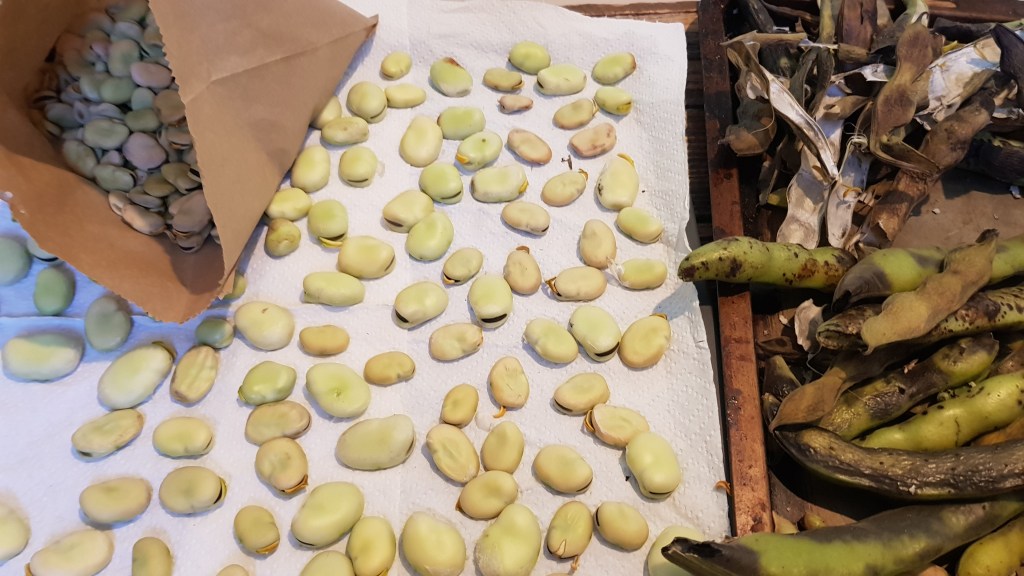
My friend Maria and I spend the afternoon in the garden. The broadbeans are spent, it’s the end of their season and we sort the remaining pods for food and seeds to dry. We hold the end and the beginning of life in our hands.

kororia/glory #advent2020

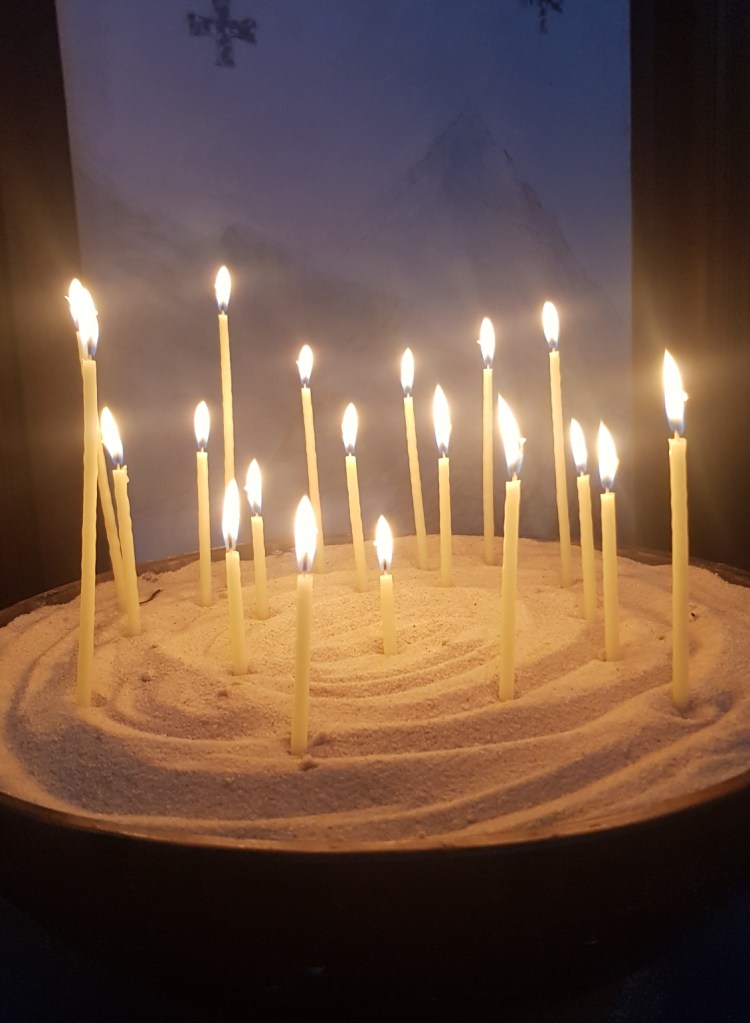
The light shines in the darkness and the darkness does not overcome it. We pray for the changing things, and the things that stay the same. We pray for the uncertain things, and the ones we’re sure of, the known and the unknown. We pray for the paradox. So we are not alone when we’re alone.

karakia/prayer #advent2020

whanaungatanga/fellowship #advent2020

There are there 4 themes of Advent: peace, hope, love, joy… it occurred to me today how grateful I am that those things aren’t around all the time. They’re not single-use gifts or something we put on a shelf and admire. They are practices, they are feelings. The word ‘advent’ means coming. This is a time of year where maybe we’re cleaning our house and making food to say: “Come in, come in” to hope… to love.

Maybe these are gifts you have to give. Maybe these are gifts you desperately want to receive. We cannot promise that you’ll have them all the time, but we can promise that they keep coming.

hanga anō/rebuild #advent2020

Whenua, in te reo, means land and is the same word for the placenta. That which nourishes. That which we come from, that to which we return.

It is a tradition to plant the placenta and umbilical cord beneath a tree, in a special place, in the place you come from. You are intimately connected to the land. The tree grows as you grow. The landscape is changed because of your presence in the world, because you put something into the land that nourishes it and then the land produces the food that nourishes you in turn.

You will always be connected to this place.

We are children of Papatūānuku, the Earth Mother. How often, when faced with a decision and uncertain what to do, do we go home, connect with where we come from, listen to and learn from the land to get perspective and clarity?

What remains when land and sky are gone? What endures? Listen to the story you were born into.

Whenua/earth #advent2020