
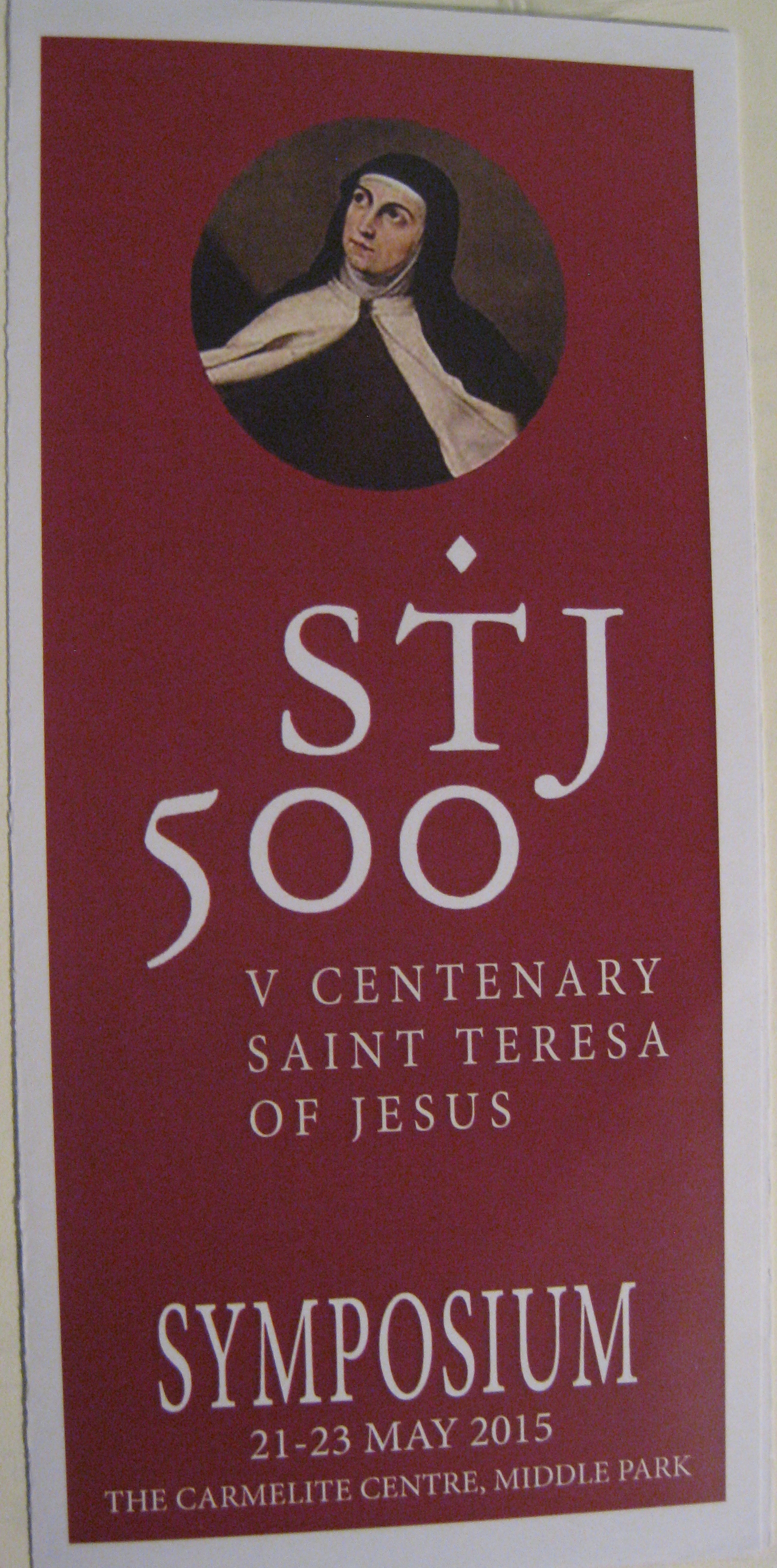
 To know the gaze of God – Sister Miriam
St Teresa is convincing because she is speaking out of her experience. We don’t have to guess about her interior life. She is anxious to explain herself truthfully – hard on herself – a light fault is serious if it goes against His Majesty. She would see herself as like the Samaritan Woman and pray “God, give me that water”. She was dedicated to hours of prayer – even when praying hour would be over. “more enabled to bear the beams of love” – Blake. Saw prayer as the only way to deeper connection – God did in a moment what she could not have done in years on her own. Stick with it, Godwards (inward) our centre whether we know it or not.
Prayer consists not in thinking much
but in loving much.
Each person inexhaustible – there are many rooms in our interior castle. There is a call to growth – face to face encounters with the living Christ. Steady unwavering gaze of God kindles love.
In the measure you seek Him, you will find Him.
Hone focus and choices > prayer fosters “presence” to unfathomed, unconditional love, Under His gaze, joys and sadness are given perspective.
St Teresa had a spontaneity and gladness to her interior life > personal gratitude. You must put on the new self that is clothed in God’s likeness. Mystical experiences ‘more’ real than ‘normal’ life > reformer. Energy/capacity to write, correspond despite illness… by their fruits shall you know them. Her way, her truth, her life.
Sips of what we hope for.
Lives with very determined determination.
He who lives in God, lives in love and God lives in him.
St Teresa’s gift of wisdom – Sister Paula
Wisdom illuminated her life and vision. Learned through fidelity in prayer. Knowledge and understanding acquired in life brought to thoughts. Trustful confidence and hope. Listened to voice of God in her heart > sought counsel. So enriching, longed to share it… this is possible for everyone. Practical and idealistic. Lived simply and appreciated beauty. Wrote hundreds of letters – family, convents, business, books… 1562 St Jospehs of Avila dedicated to prayer and contemplation, 3 essentials:
- love for one another
- detachment
- humility
Pure love without self interest does not lower itself to seek recognition.
For love you were fashioned.
“This is the love wisely sought  by the pure of heart”
God/Trinity always to be found in human heart, a familiar homeliness not a remote establishment. Captivates soul with fresh encounters.
Love is complete in giving itself
and serving.
Appreciated holiness and integrity in others. Priceless treasures with glimpses of eternity. Everyday common sens and compassion. Let down by friends > loneliness > let nothing bother you because God alone suffices.
There was no conflict between her inner life and actions because all was one. If noticed foibles in others, looked beyond to how God saw them. Fostered friendship, encouragement, support between sisters. Contemplative but enmeshed in practical affairs.
“Seek yourself in Me,
seek Me in yourself”
Know sublime truths. New depths of human capability, certainty from her own experience.Love at the beating heart of the universe enables us to participate in the resurrection. It is not the greatness of the works that are done but the love with which they are completed. Each person is gifted individually and has something unique to share. Gifts are multiplied when they are shared.
Jesus Christ, St Teresa’s true friend and companion: Her definition of prayer – Sister Angela
Loneliness and longing for God. Desire for love and wholeness > struggle fraught with conflict. Minority: Jewish blood/conversas (objects of hatred and suspicion); woman; ecstatic experiences and wrote books > threat/pollutant. Despite obstacles – pursued goals determinedly. Sought advice from highest theologians – proof. Love, affection, legitimacy, acceptance: she was warm and extroverted. Shadow: crippling dependent relationships at the expense of inner truth and full Surrender to God.
Defines prayer in terms of love: frequently and secretly sharing with Him …grew in intensity and Presence. Human personality caught up in Christ.
Forsaken moments alone and afflicted – Gethsemane/cross. Could accept her in brokenness and poverty. Consoling Him. Consoling each other. This became habitual. “Tried to keep God present within me.” That was my method of prayer…
I’m not asking you to do anymore than look at Him.
The truth of who He is will be imprinted in us.
Humble ourselves and delight in the Lords presence.
Maintained presence:
- identifying with people in gospels
- those who needed redemption – Mary Magdalene, Peter in tears after denying Jesus, John at the foot of the cross, Samaritan woman…
- moment after receiving eucharist, receive divine gift within her.
- Not just inner prayer but human limitations and conflicts > see transformative power of Jesus at work. Battle between being friends with the world and friends with God (stalled growth for 20 years).
St Teresa felt an inner conflict/fragmentation – unable to commit herself fully to God. Likened it to a voyage on tempestuous seas and sought a remedy. “Life I was living was not life”. Let go of trusting herself > trust God. 39 years old when she had a conversion experience. God lived in her – act of surrender, discovered Christ, healing and transforming her. Desired by God, in her entirety, as she was. Set free of needing to be ‘approved’, rooted in Jesus Christ. “Jesus As Friend And Liberator” permeates her Christian life. Satisfied all desires. All sufferings and trials – related back to his humanness and limitations.
Body needs to be integrated in our search for God. Life is hard. Need example and companionship of one who has gone before. Reality and weakness of human experience… could converse continually.
God understands our miserable make up. Flesh and blood, life and death, joy and sorrow – embrace this reality with trust and love. Freed to live more fully. Obedience to life under God’s conditions. The will of the Beloved became her sole compass.
St Teresa’s writings – Sister Teresa
“I am yours born for you, what do you want from me? …move me from here to there… sorrowing or exalting… what do you want form me?”
Living and developing her great gifts. Asked friends to pray she would do God’s will. Moved by servile fear – then had her conversion – served by love. Receive s graces, calls within herself, encounters to follow vocation .
“Those things of God made me happy,
the things of the world made me bound”
Self judgement critiquing her earlier life. Had darkness and dryness, moments of light. Mental prayer – intimate sharing between friends with Him who we know loves us. Vocal prayer – liturgy – not thoughtless recitation but mindful. Come to prayer with self-awareness of our brokenness and need for grace. Adamant of building solid foundation of prayer – virtues: detachment, humility, charity and obedience. Don’t stand still! Don’t be dwarfs! Space in her teaching – desire that all will reach prayer God is offering. Criteria for holiness in doing God’s will and charity. Call addressed to everyone not just religious.
Grace always costs.
Gave writings to mentors and confessors – anything wrong, cut it out! Resolve to do the little I can do (as a woman, scope was limited). Reform of Carmel (hermits 1200s) solitude and space. Value silence and solitude and live in continual prayer. Liturgical prayer (church), contemplative prayer (individual). Small in number. All in house must be friends with each other “all made of the same clay”. United in love of God and prayer for the church. Peace and joy in community and life. God spare us from sorry saints! Give me Calvary or Tabor. The castle is the masterpiece of the interior journey. The soft whistle of the Shepherd can be heard through all the spaces. My daughters, good work, my God wants good works.
Yours I am…
St Teresa’s Conversion: The movement from performer to beloved – Adrian Jones
Live out of a role – profession/family/community… the way we are socialised to behave.
1538-1565 move beyond ‘role’ to her loved self. Feisty and an adventurer. Loved by her family and she loved them. Didn’t want to married (one of ten children herself). Family of faith > raised in that atmosphere. Her father didn’t want her to join the Carmelites. Ran away at 20 to join. Lived faithfully and with energy > liturgical prayer and community life. Individual prayer not at the fore (Latin/couldn’t read… not easily accessible). “midlife crisis” had become burdensome – plateau. Felt torn between the satisfactions of life and the stirrings of God. Best reminded about what was going on during prayer life… continually checking in… being present to God. 18 years trying to hold the middle road. Tried to have effective control, everything under her control, God wanted affective control – trusting God and things find their own place. Know depths of God’s love and her own hearts desire… invitation to come close to God. Call to religious life not questioned but can I let God be God?
Absorb story through immersion.
A living in Christ.
Loving God drew her to the centre to “be” with God. “We” might have a good book with us > she and God hanging out together. The Samaritan Woman and Mary Magdalene (in John) had strong conversion experiences with strong emotions.
Turned by love.
Only wrote after 1565 had established ideas and experiences. The reality of God, the presence of God, not doctrine (in Teresa we stand in the presence of God) – trying to describe/explain that. Time between rising something new and familiar practice. Not here or there. In the middle is where we’re supposed to be.
1st mansion – become aware of God in our life. Self-awareness.
2nd mansion – awareness of that. Must answer, become aware of implications too.
3rd mansion – taken or living for God, “perfect” Christian. Downside, miffed with god (entitlement). God: love yourself or do you love me?
4th mansion – God wants to wound us. Doing things for God. Can’t avoid. Struggle living with it. Let go of control, let God be in charge > be grateful.
St Teresa approach to community living – Richard Hallett
Teresa wrote constitutions for the communities she established. Teresa, Paul and Alberts constitutions for sustainable community (handout). Doing very poorly at Sundays in our communities > 12 years a minister. Work in Catholic schools and talk to families who can’t connect to Sunday services. “ekklesia” means the group who gathers.
If the quality of inter-personal relationships among those who gather are weak, the ekklesia is weak, weak in the quality and scope of its service; weak in its power to transform and save lives.
Whether she was explicitly aware of it or not, Teresa established her communities on the same model employed and developed by Paul of Tarsus:
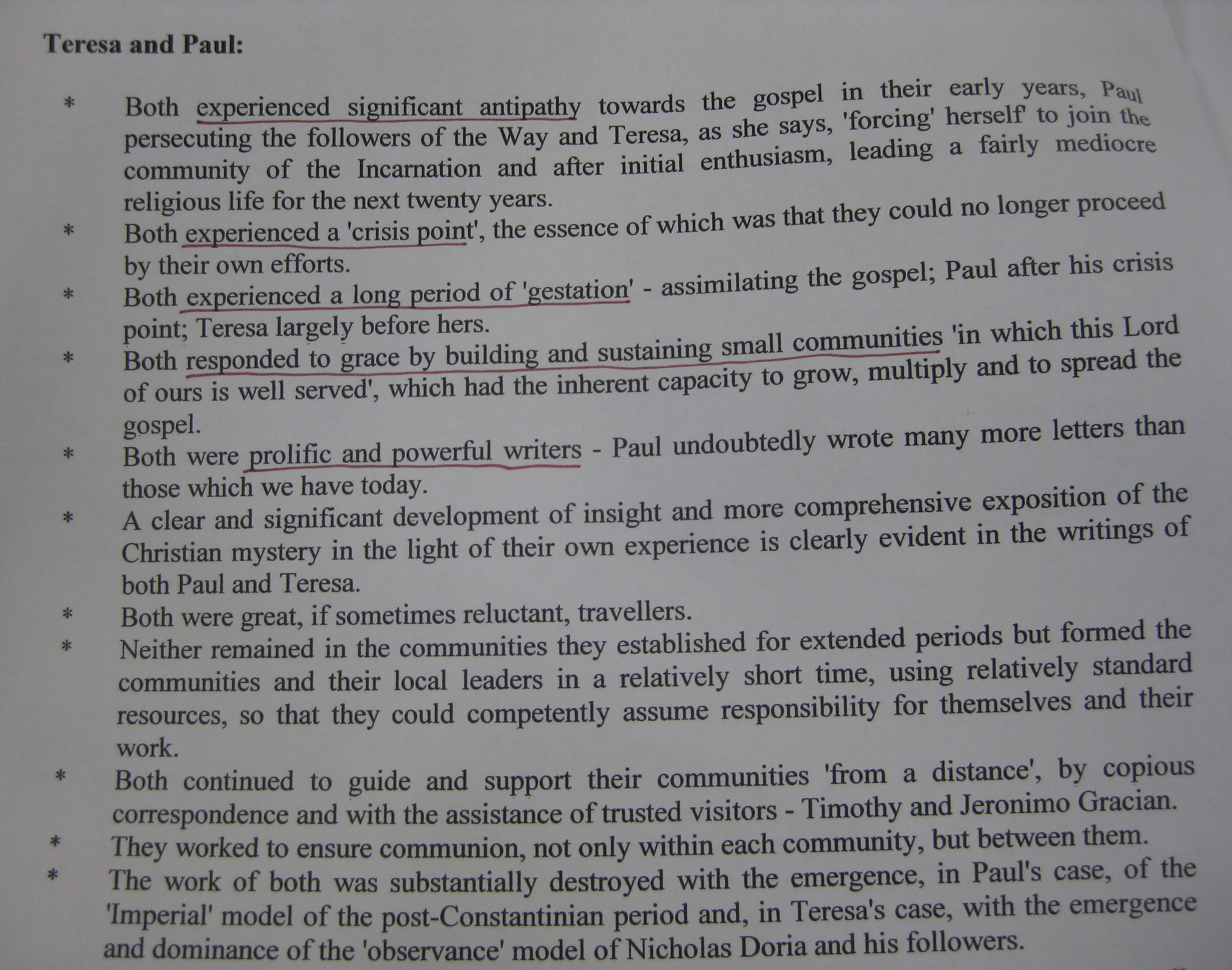
Teresa did not consider that she was doing anything particularly original. Her aim was to establish and sustain an environment in which her contemporaries would have the opportunity to respond to divine Grace in the greatest liberty of spirit and to live life to the full. She recognised that her Carmelite history, if honestly implemented, provided just such an opportunity.
p.314 St Teresa ‘The Constitutions’
What stands out in the guidelines for the Teresian life is balance. We find an interweaving of eremitism and cenobitism, or work and contemplation, of liturgical and extra-liturgical prayer.
Eremite: hermit of recluse
Cenobite: member of monastic community sharing common life.
p.324
#18 The Sisters should pay no attention to the affairs of the world, nor should they speak about them. They may do so if the matter concerns something for which they can offer a remedy or help those with whom they are speaking, assist them in finding the truth, or console them in some trial. If no effort is being made to make the conversation a fruitful one, they should bring it to a quick conclusion, as was said. It is very important that those who visit us leave with some benefit, and not after having wasted time, and that we benefit too.
A Bernard McGinn retrospective – Philip Harvey
Inner life and connection with God. First female ‘doctor’ of Catholic church. “New mysticism” actively going out and doing things. Democratisation, mysticism for everyone/anyone, vernacular (not just in Latin).
Read widely: Augustine… Jerome…
Creating new: Prayer of Quiet, sleep of the faculties…
Mystical theology – whole of life, hidden presence of God. [Teresa was the last of the old line not early in the new]
Def. That part of religion deepening consciousness of God in our life and lives of others. Not intellectual, found in other religions, in eucharist, etc. Thousands of rooms (Teresa only writes about the ones she knows about).
- Thinking, knowing, acting, deciding out of context with
- Personal and transpersonal
- Absence as well as presence of God
Every baptised Christian called to mystical life. To love God and neighbour.
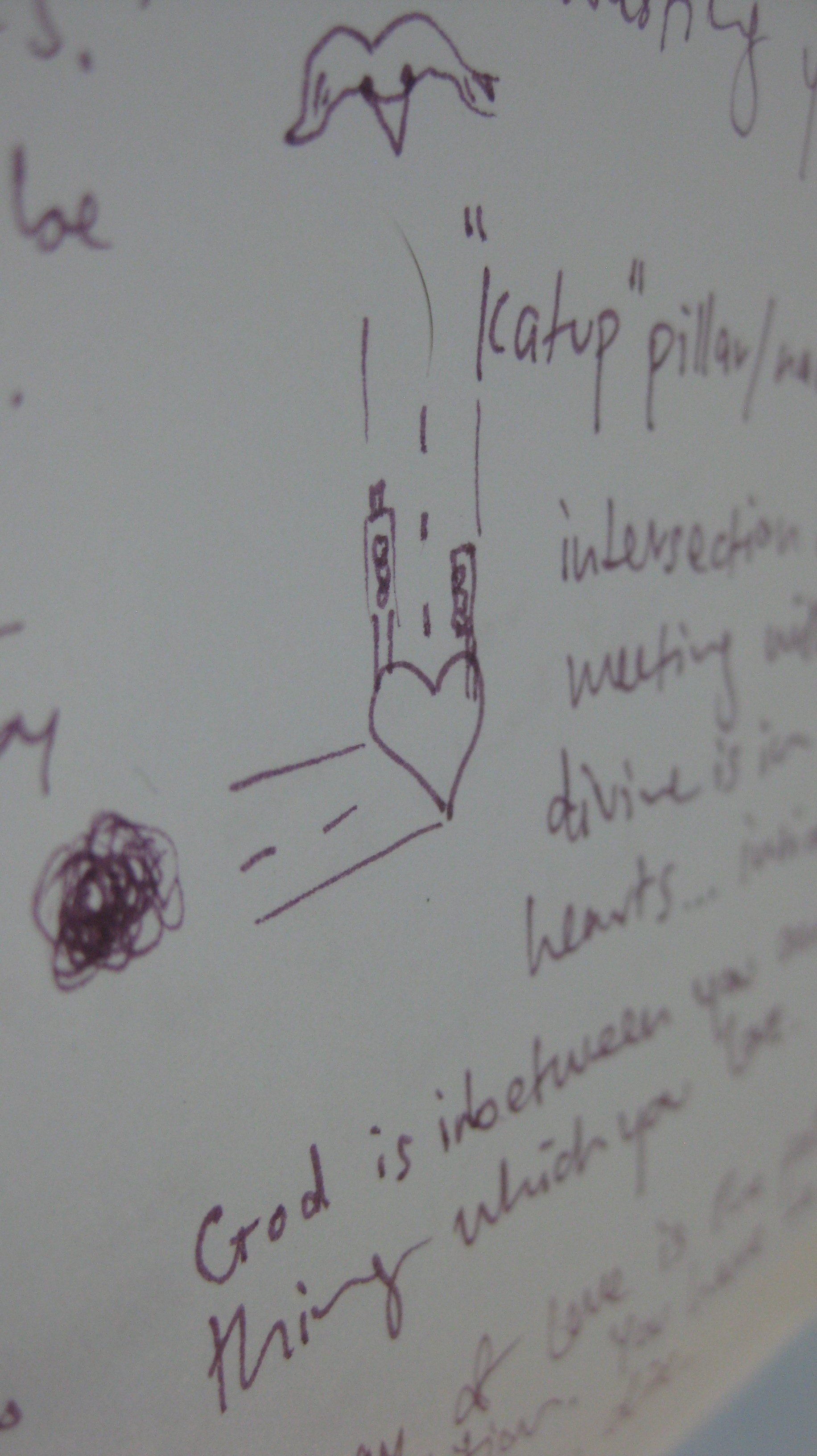
Cataphic and ataphatic/positive and negative.
Dedicated to outreach of spiritual life.
A mystic doesn’t need to be a ‘drop out’ of society. Confined to cloister not ends but means > to love God and love others. True active contemplative.
“do not be sad
for I will give you an inner book”
Liber experienciae.
- The Slacker
- The Contemplative
- The Contemplative in Action
Others wrote their own spiritual expression or related them to confessors but never combined with apostolic action. Union of inner and outer worlds. Reactive > social reform. Teresa: political, fundraising, leaders of reform (training others to continue her work), participation in community. No rank within monasteries.
Mary & Martha//Raptures?? Grace of spiritual marriage. Need a uniting of Mary and Martha to host the Lord well. Prayer will be more powerful for its responsibility/relationship > pray for those you know.
Action and contemplation not opposed but mutual. Two lives are equal and active ways of loving God. We should not build castles in the air but work with love.
For whom did Teresa write? Reading the Interior Castle today – Father Greg
Like the ocean – shallow enough anyone can walk in, deep enough for anyone to swim in.
Teresa was not writing a DIY manual for mystics.
- For drunks and prostitutes, drug users, alcoholics anonymous, AIDs clinics, out where my people are.
- 12 steps not n alcohol or self but higher power of God > sobriety of life.
- 7 steps – realisation one is loved and worthwhile, self worth given as a gift to be received gratefully. Love and therefore loveable – changed how she understood God. Response of a person loved by God/freedom/love God/love others/love church.
Humility aka authenticity. Detachment aka spiritual freedom > moved to love others.
That which makes me most me is also that part which I’m to share with everyone else > dignity of the human person. Sense of the importance of her own experience. What she understands a mature Christian to be – submitting wholly to God. Just read the 7th dwelling place… know where you’re going. Within each dwelling place are sets of relationships:
- Others
- God
- Action
- Prayer
First 3 dwelling places – co-operation with God’s grace in our lives:
- God exists
- Following
- Well ordered – judgemental
Next three dwelling places – lose control, God works without us planning or co-operating:
- Praying not praying
- Rest and work
- Grace and receiving
Invalid>dynamic/active. Visions, locutions, shadow of the cross. Changing memories and hope and how and who we love… LONG JOURNEY
Last/7th dwelling place – profound transformation, live in a different way. God working with us in our lives. Moat outside filled with vipers, toads and vermin >> do not know that you are loved. Knock on the door through prayer, reflection on self, scripture, liturgy of the church. Parents have seen who you will marry – caught sight of your “intended”. SEEING/BETROTHAL/CONSUMMATION commit to each other.
- Sharing the passion
Encounter God as Trinity. Christ-centric >Trinitarianism (with others) ekklesia.
God is not static. Creation still happening now. Species just beginning to understand now. Incarnation happens in us, death in us and ascension >> Marriage and the House of Divine Love. God doesn’t give Teresa a wedding ring but a nail from the cross. Pray with eyes open. Prayer for others… good works, called beyond ourselves to hospitality of others > most mature and developed human/Christian. Hungry, cold, poor, excluded >> wok for the benefit of others is to be alive. “Seek yourself in Me”.
Seeking God would be very costly if
we could not do it until
we were dead to the world.
–ooO0Ooo–
SUMMARY RESONANCE
God give me that water
For love you were fashioned
Seek yourself in me,
Seek Me in yourself
Set free of needing
to be approved
Tried to keep God
present within me
Grace always costs
God spare us from sorry saints
Yours I am, I am Yours
A living Christ
Do not be sad for I will
give you an inner book
Sense of the importance
of her own experience
Seeking God would be very costly if
we could not do it until we
were dead to the world.
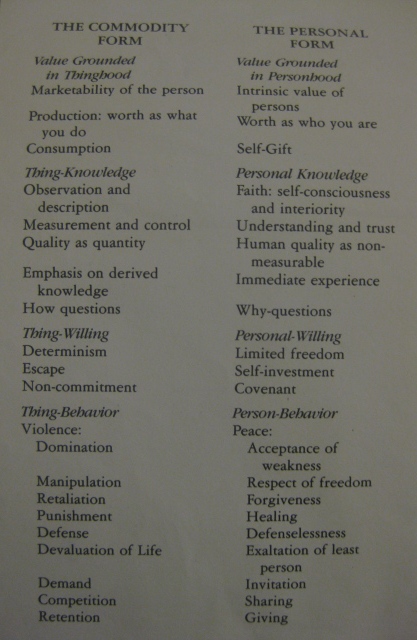
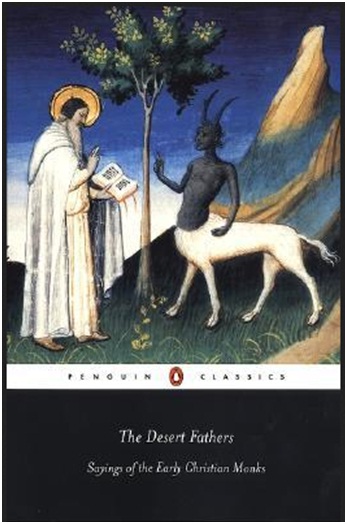
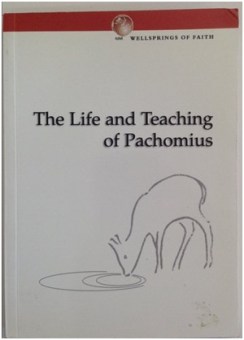 This year I am thinking a bit about the idea of “community”, what does it take to have a “good” one (sustainable/functional/inclusive/etc.) how is leadership/eldership developed? what structure does this the community have? how do people join or leave? are there basic components that are essential then localised variations? What has been tried before and how did that work or not? Pachomius is part of going back to the Desert Fathers (and Mothers) and seeing what their communities were like… some common themes so far include: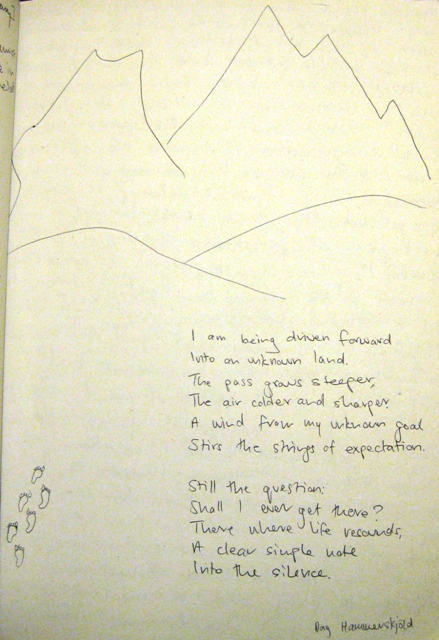
 itellyouarise