Tag Archive: interconnectedness


Living Water

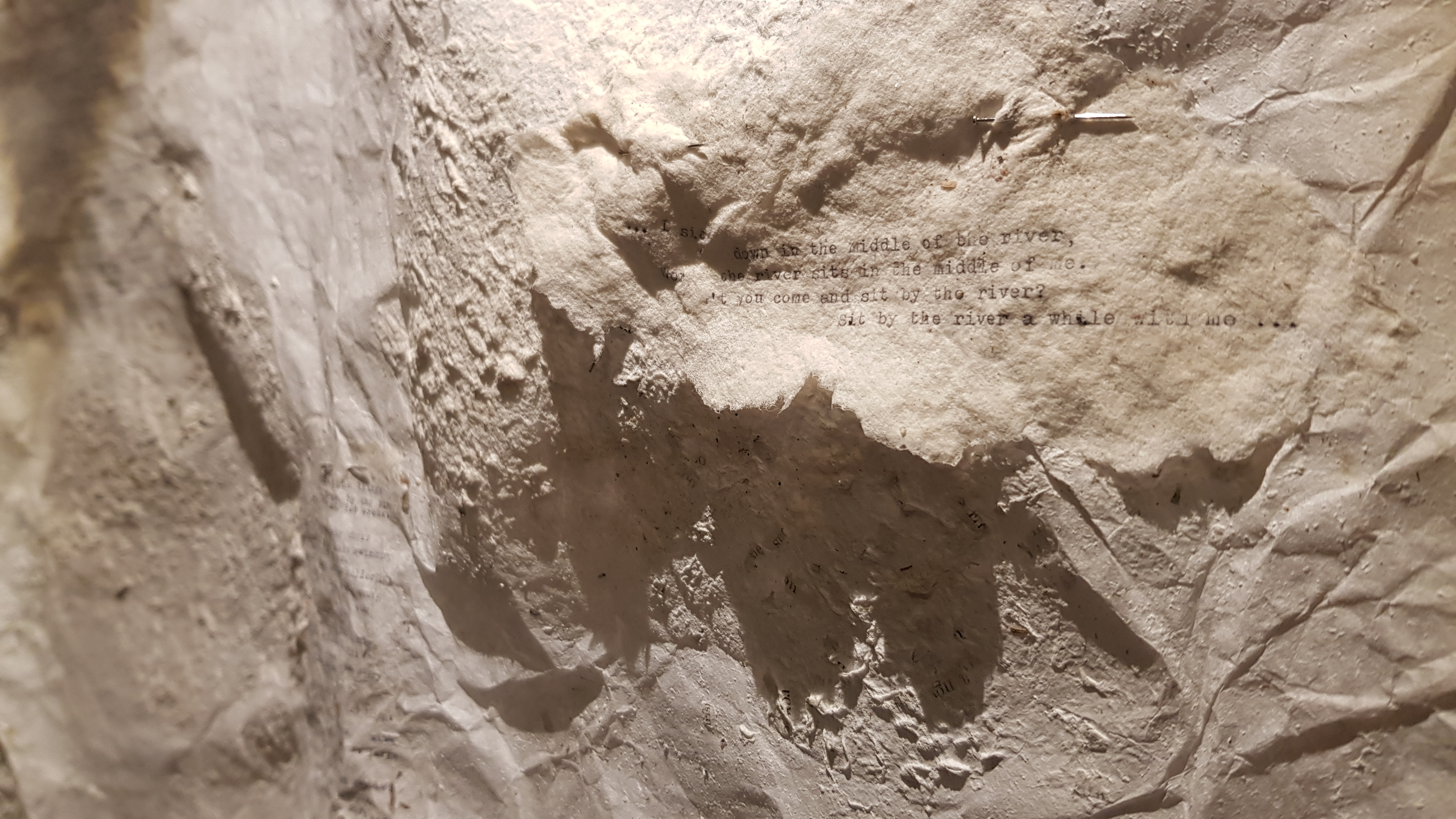
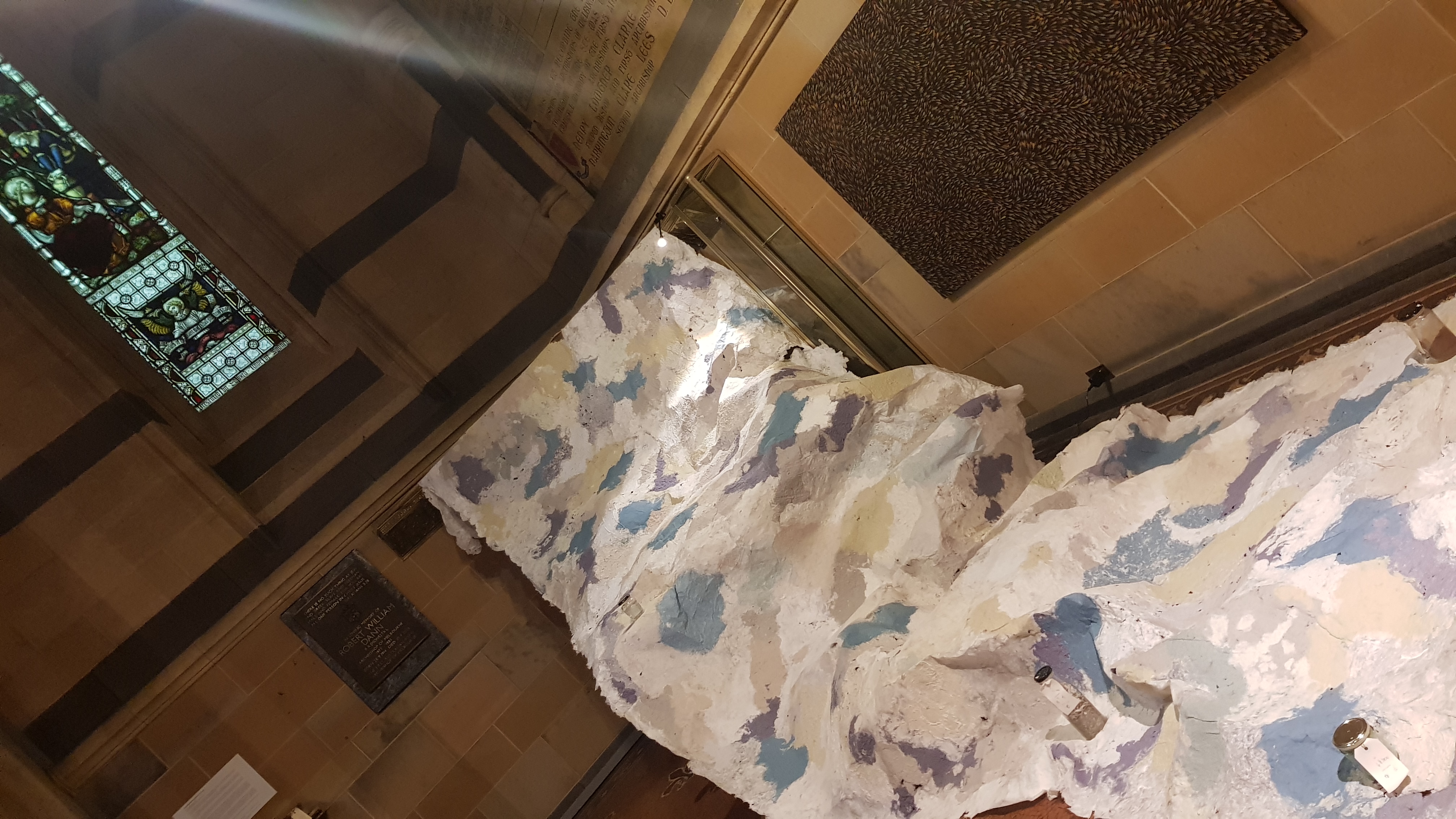
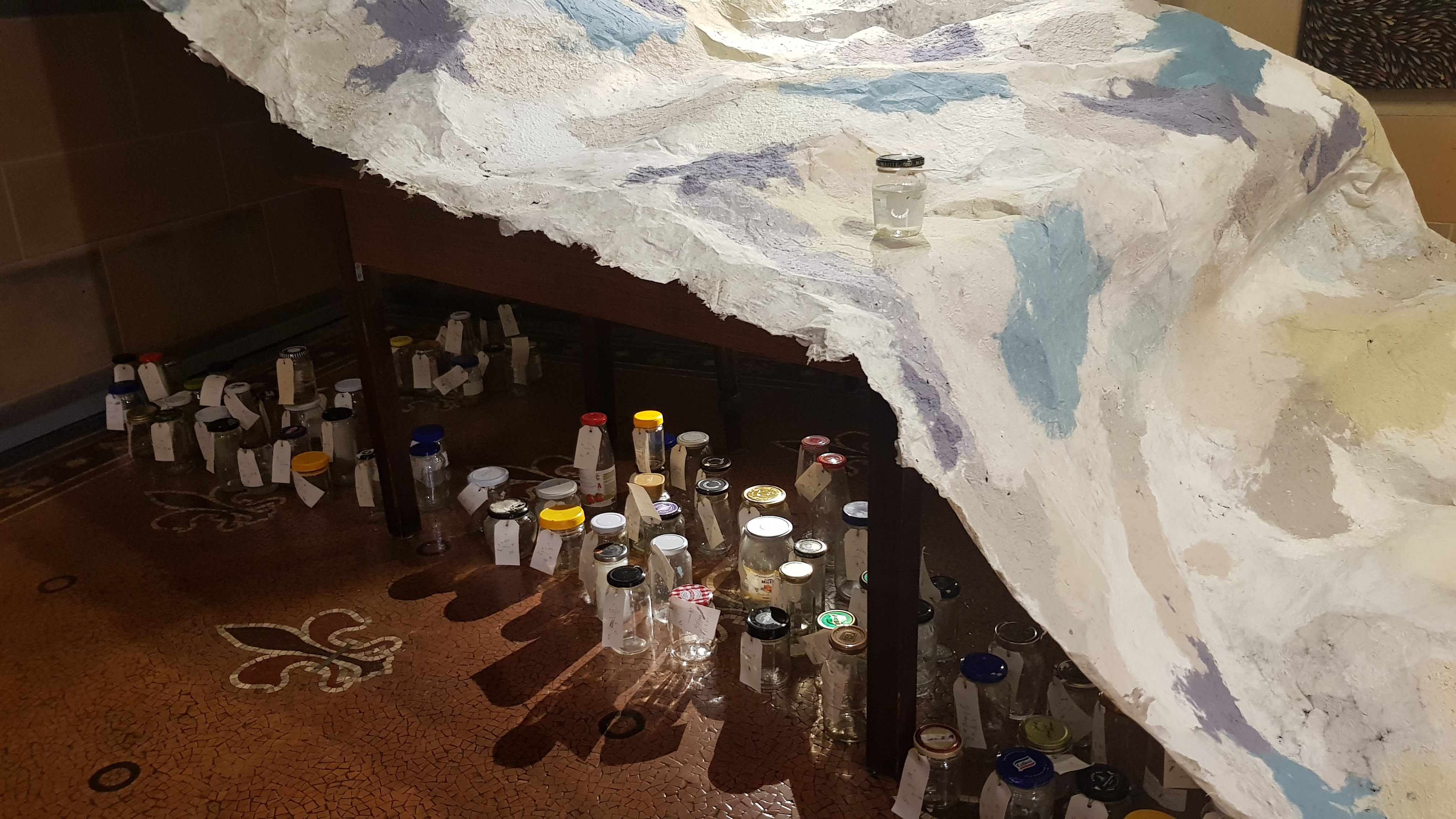
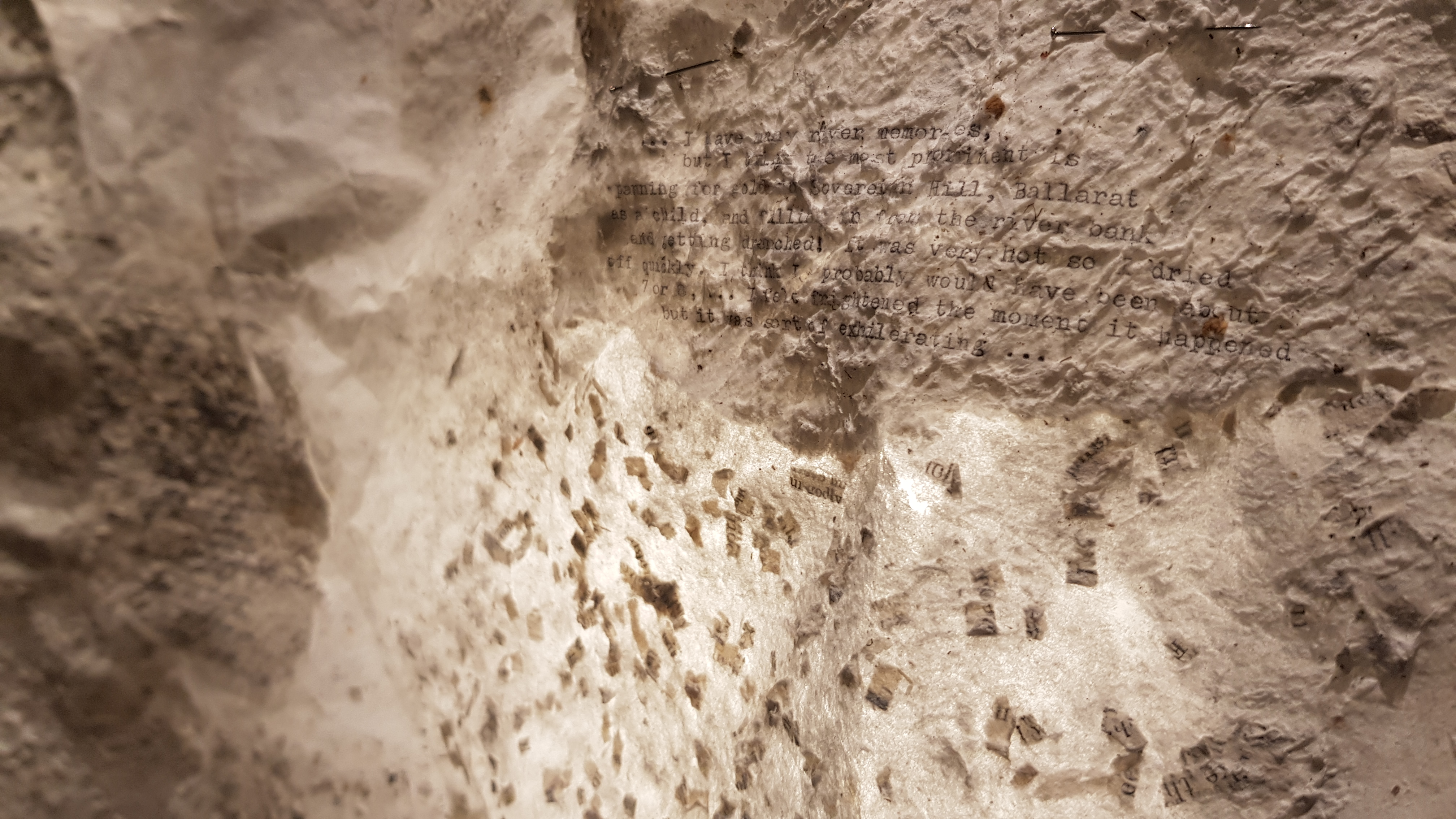
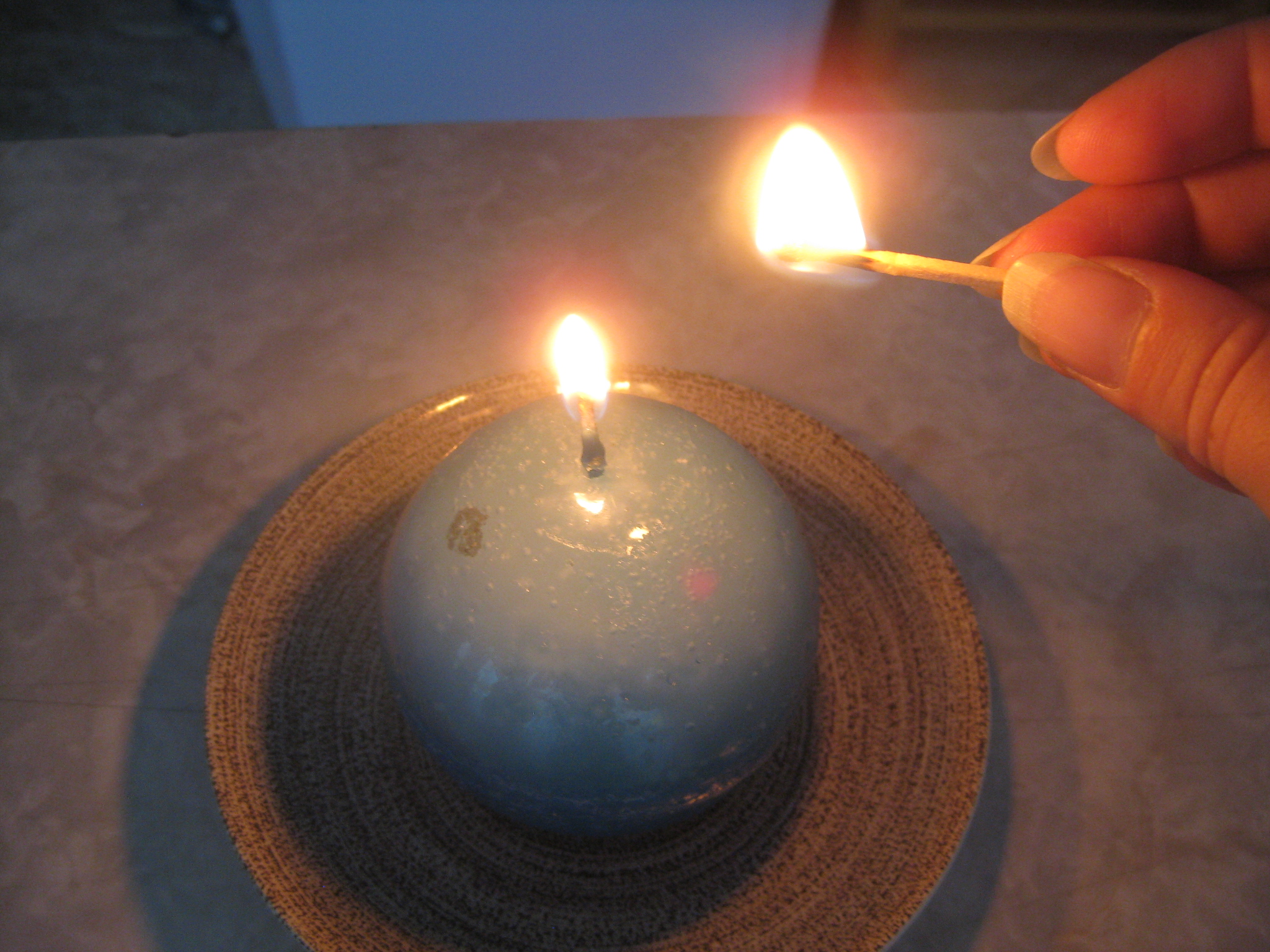
Over the past few months I’ve been privileged to host Annique Goldenberg at the Cathedral working in the Living Water project. This project explores our connection as a community to our local water source the Birrarung (River of Mists) aka the Yarra.

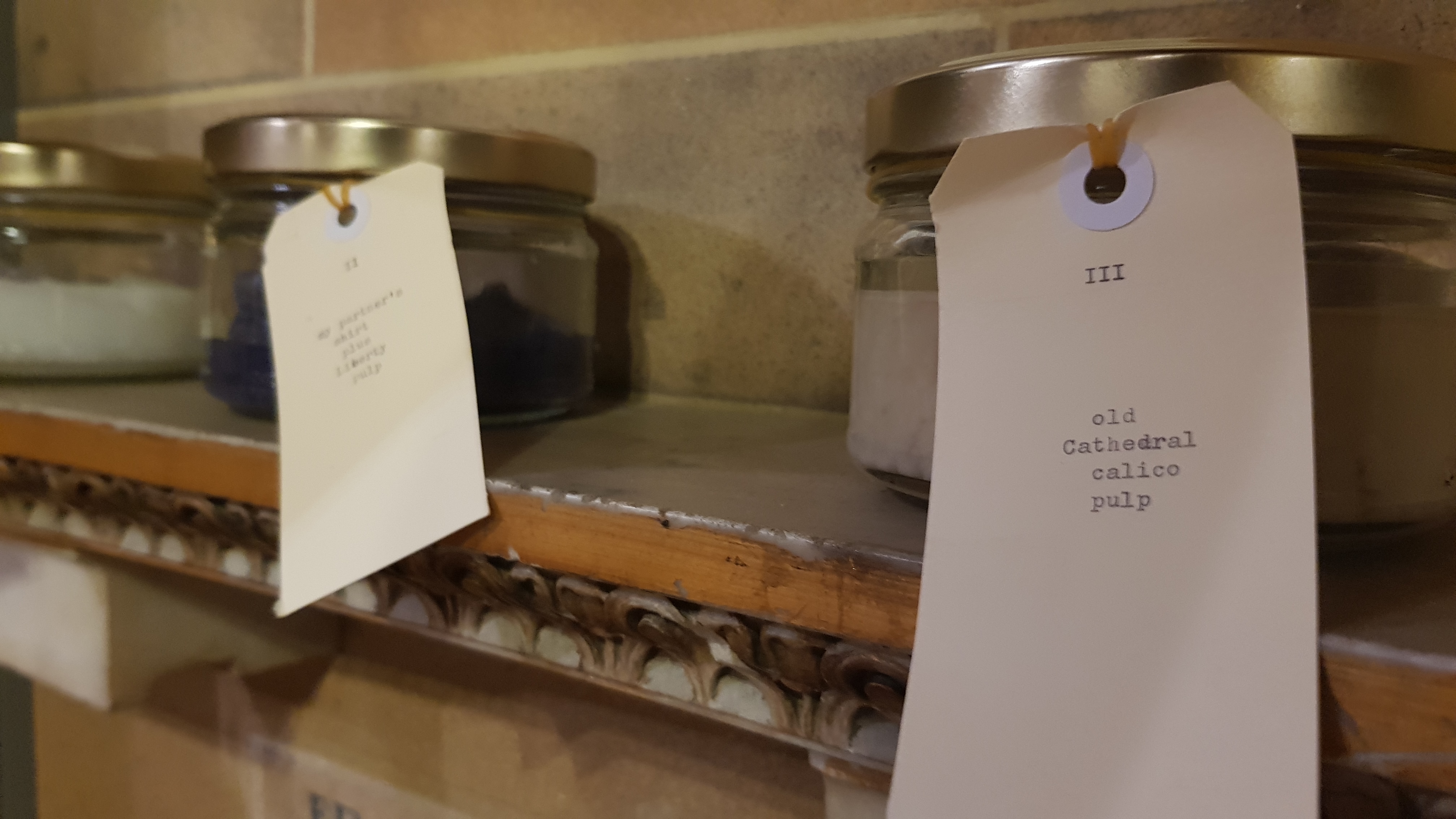
Incorporated into the paper are water from the Birrarung, linen from tablecloths that have offered a lot of hospitality, calico from retired altar cloths, pulped paper from service sheets, hymnals and prayer books – it’s beautiful to see those elements honoured together in this new form.

Also as part of the project we were invited to whisper a memory of a river to ours as part of expressing connection and I shared mine from sitting on a rock amongst the stepping stones across the Maribyrnong with the water moving all around me. It was good to remember the stillness and rapids, the hush and the rush, and the feeling that this river lives here, even as I do.

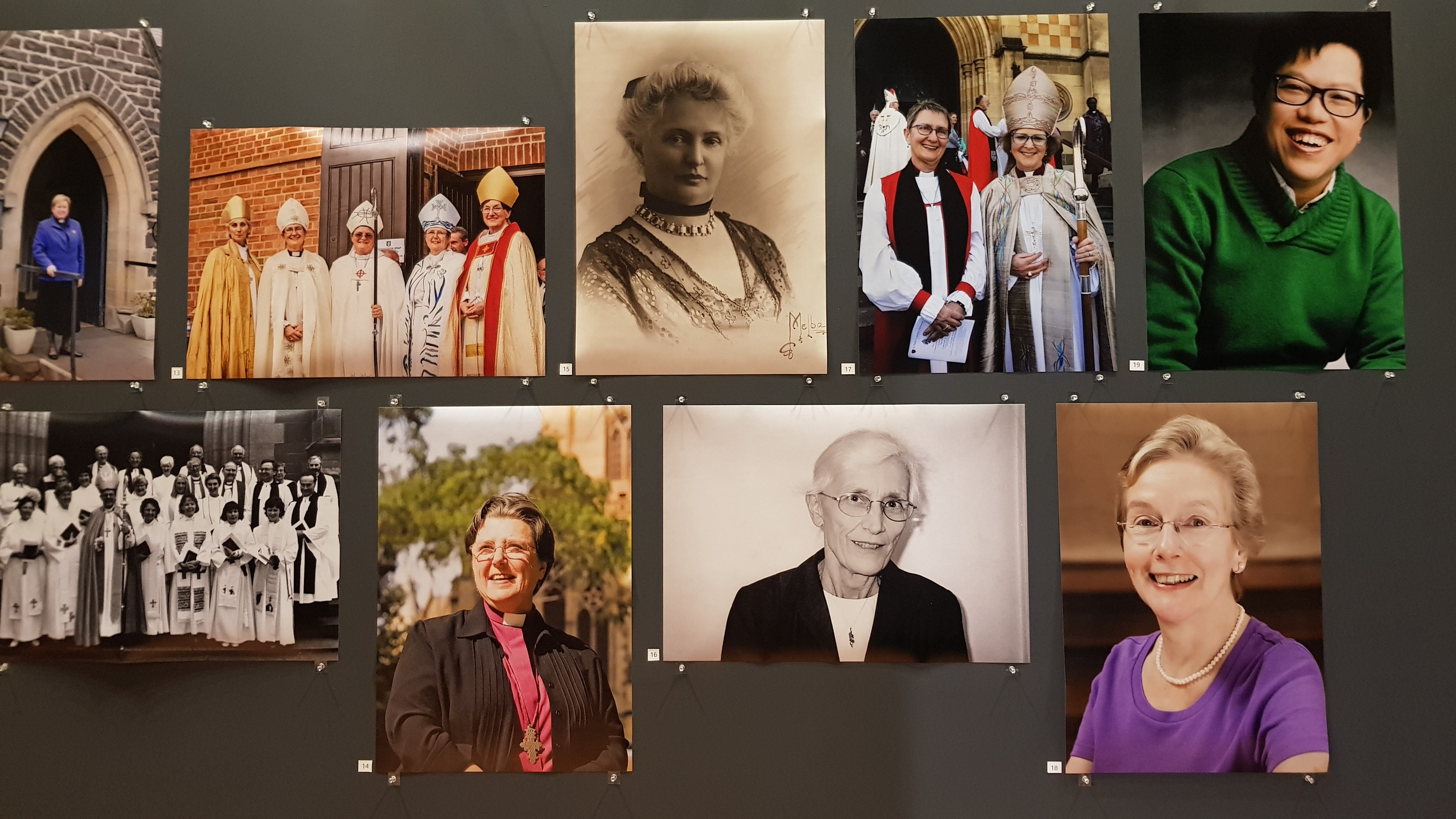
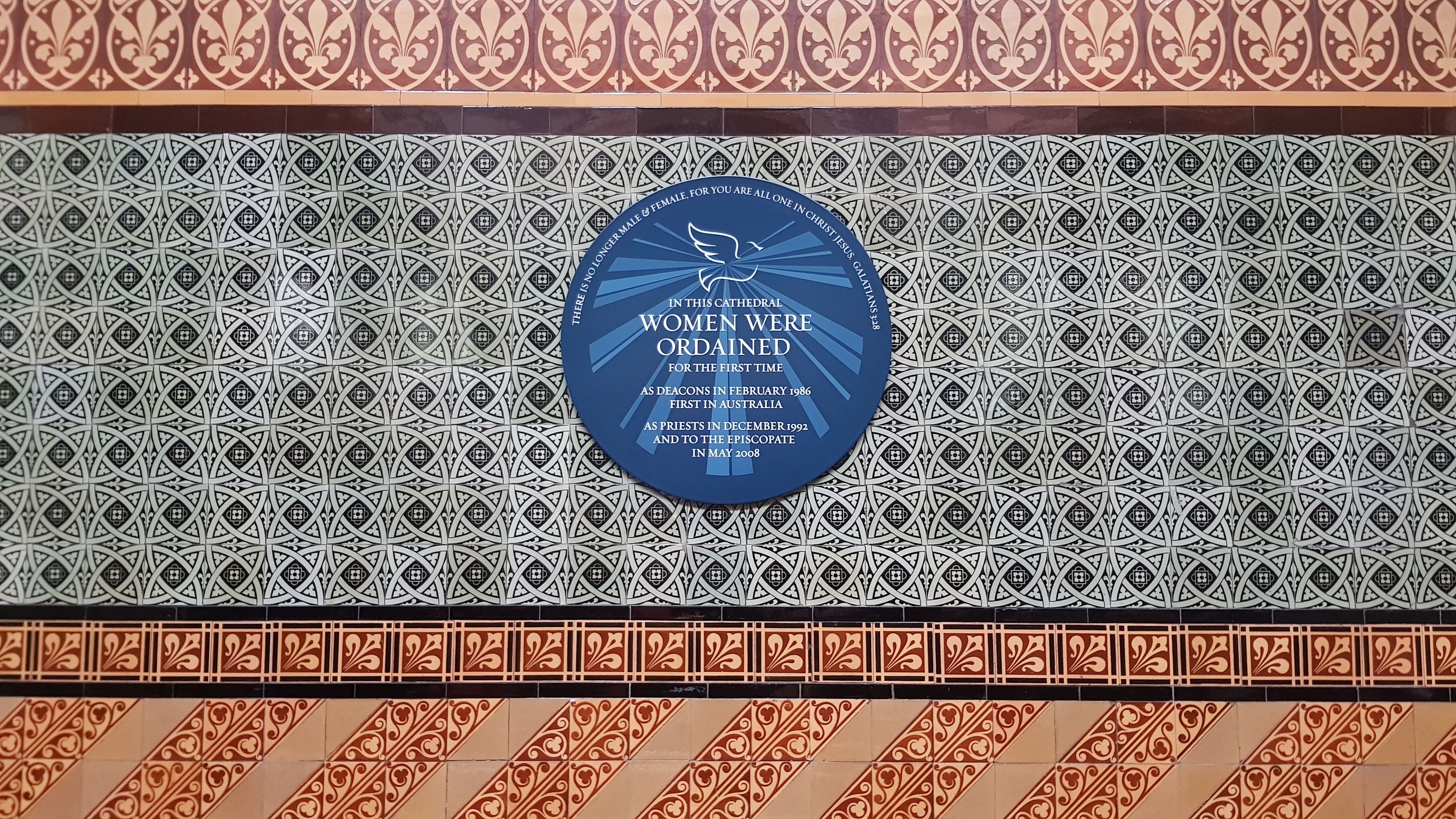
I invite anyone coming through the city to pop in and have a look. There is also a great little photo exhibition in for International Women’s Day celebrating significant Anglican women in the history of Melbourne.

Stay Strong

in the bonds of love we meet

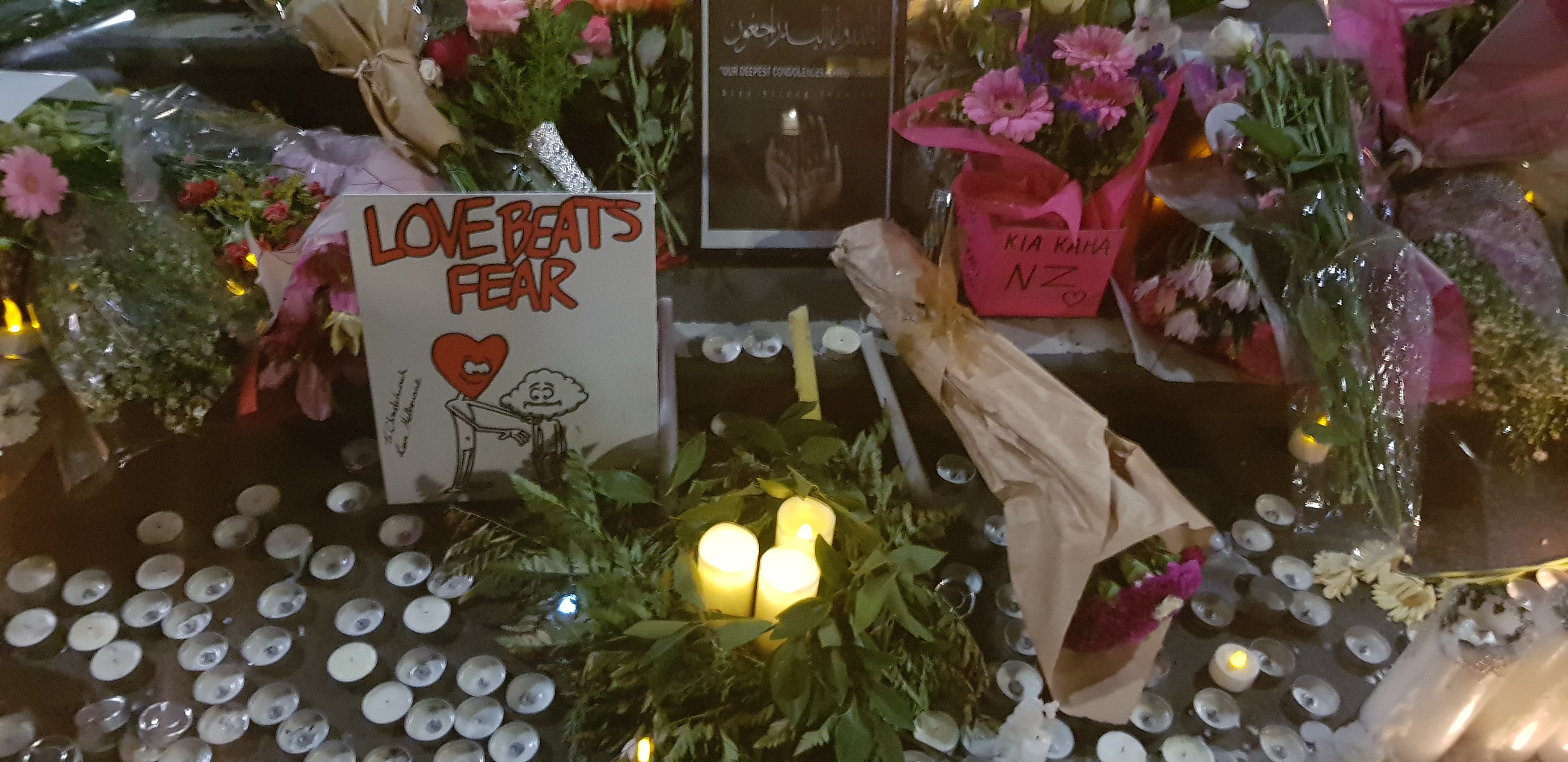
Kia Kaha Otautahi, Stay Strong Christchurch, is a recurring theme in the outpouring of grief and love happening in New Zealand in response to the attacks of 15 March 2019 at the Al Noor Mosque and Linwood Islamic Centre that killed 50 and injured 50 more.

In the Christian tradition this is the season of Lent, a time to remember Jesus’ 40 days and 40 nights in the desert. The word “Lent” comes from the old English, “lencten,” which means “spring.” What struggle takes place in this desert? What are the questions we wrestle with? What are the demons we wrestle with? What spring might arise in this desert?

The saying “Kia Kaha Christchurch” came into use after the earthquakes in 2010 and 2011 that decimated the city centre and in which many lives were lost. It was used by committed friends and family to affirm and encourage each other in rebuilding their lives and their city. We say ‘stay strong’ because the people of Christchurch are not strangers to death or loss, nor resiliency.

We say ‘stay strong’ because members of our Muslim community and all people of colour face experiences of racism, hate speech, violence and vilification every day, those of Muslim faith are not strangers to death or loss, nor resiliency.

We say ‘stay strong’ calling everyone impacted into the best truth of ourselves and our beliefs because we all know that it is easier in these times to hate, and be angry, than to love. And we rise.


love beats fear melbourne vigil for christchurch


Rallies against racism, vigils and tributes of flowers outside mosques are happening across New Zealand and around the world. Faith leaders of different religions, Muslim, Jewish, Sikh, Buddhist, Christian, and Hindu, lead these gatherings in prayer in many different languages.

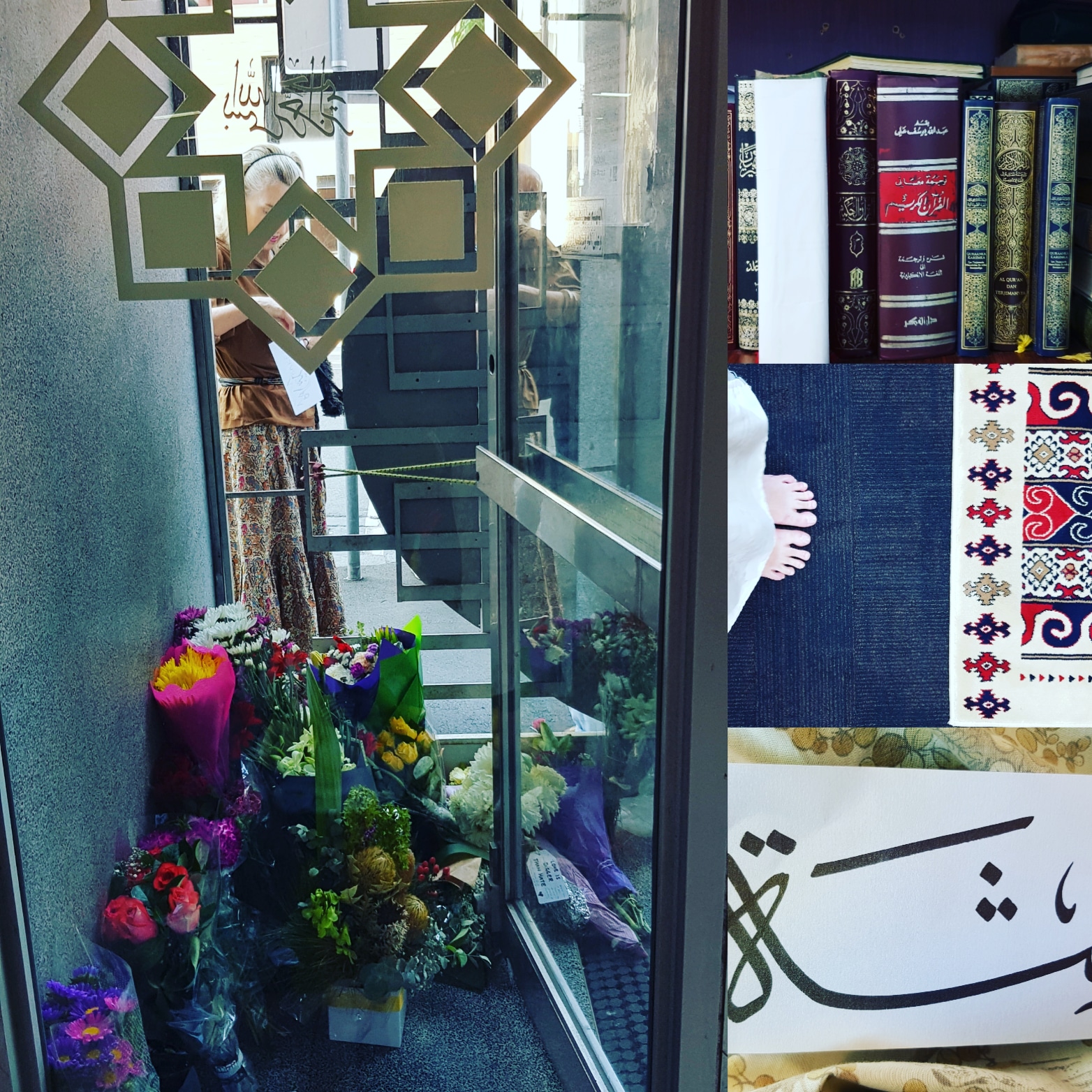
islamic council of victoria open day 2019 A mere two days after the shooting, the Islamic Council of Victoria go ahead with their annual mosque open day – opening their doors and sharing with guests their faith and culture. Opening their hearts to those grieving and with questions to which no one knows an answer, like: ‘Why did this happen?

Their own hearts must be sore and grieving, and their actions speak yet to welcome, hospitality and courage. Choosing this, is spring.

Australian social commentator Waleed Aly in a poignant statement shares that the gunman was greeted “Welcome, brother” upon arriving at the mosque, those within were gathered kneeling, in silent communal prayer. They would be facing Mecca and have their backs to the door, unaware of any danger. And they will do this next Friday, and the Friday after that, and every Friday.   Jacinda Ardern, the Prime Minister of New Zealand, has announced that today’s Muslim call to prayer will be broadcast nationally on TV and radio and a two minute silence will be held as, nationally, we want to reclaim and hold that space as safe and sacred.  We say ‘stay strong’ but this doesn’t mean you have to do it on your own. We know we are stronger together.

Choosing this, is spring.

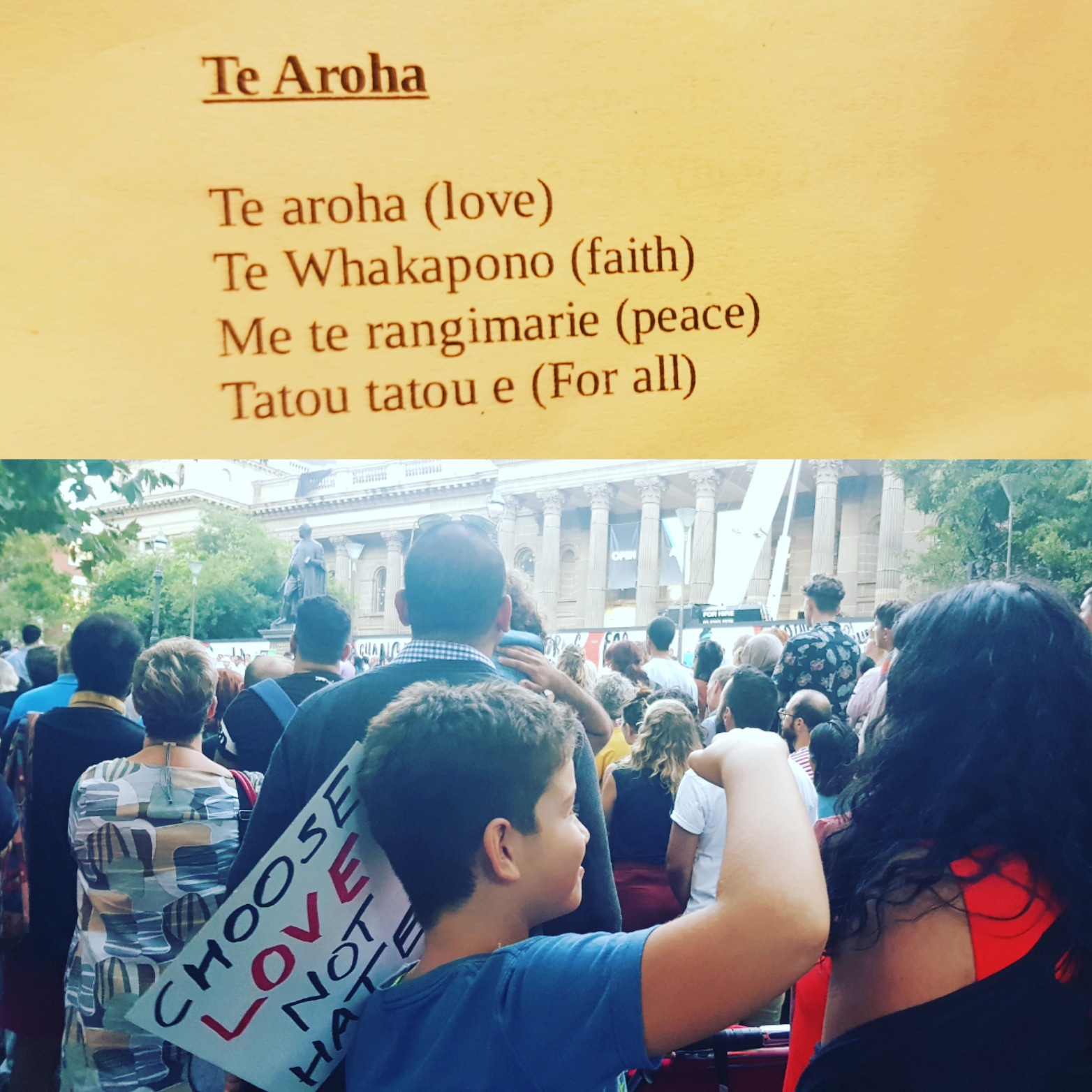
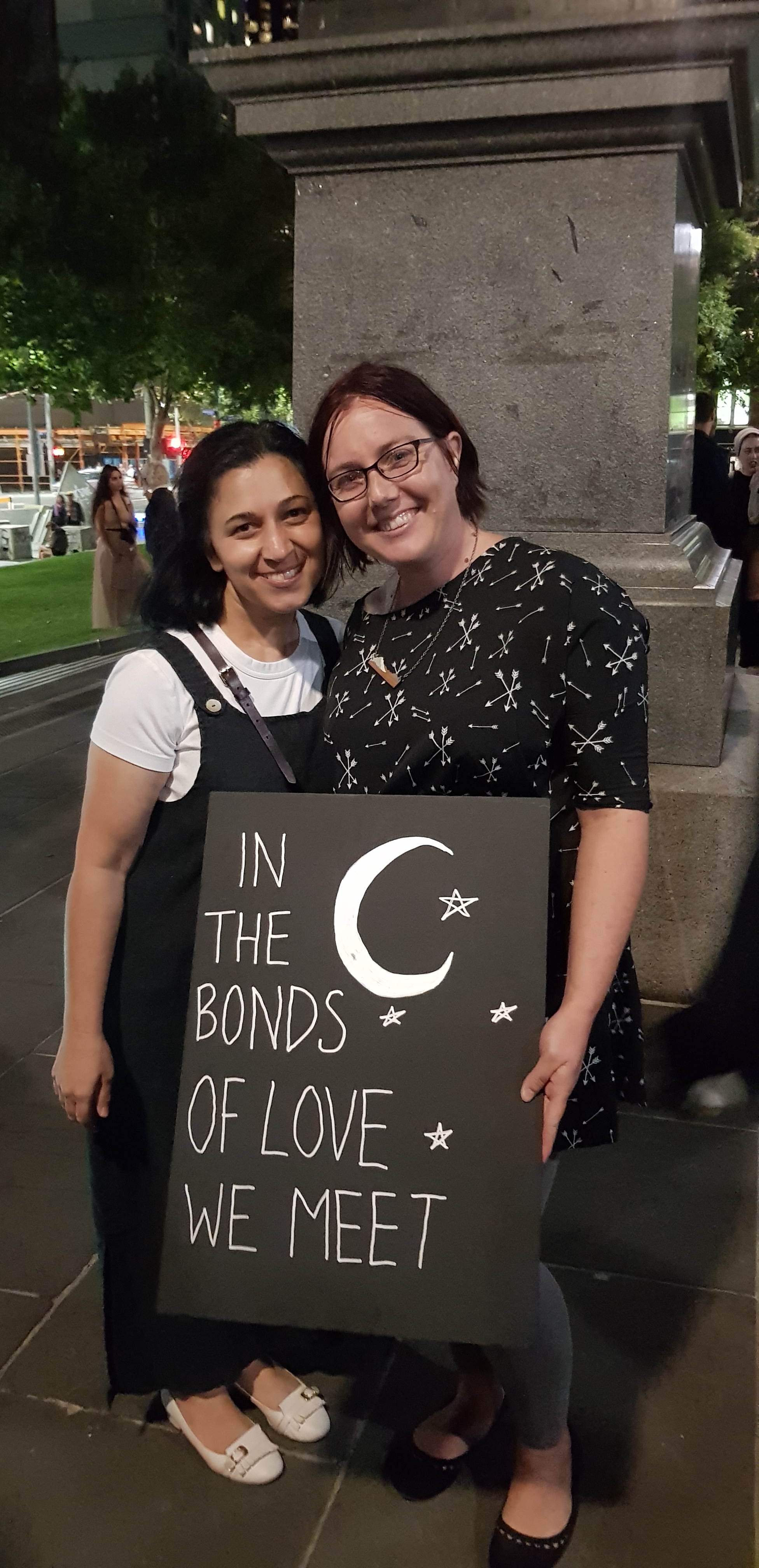
te aroha kiwis and muslim sing togetherIn the bonds of love we meet” (cover image) is a line from New Zealand’s national anthem and is on the banner I carry to a vigil. It is a signal to other New Zealanders where I am from and many give that head tilt of acknowledgement or stop to say “kia ora”.
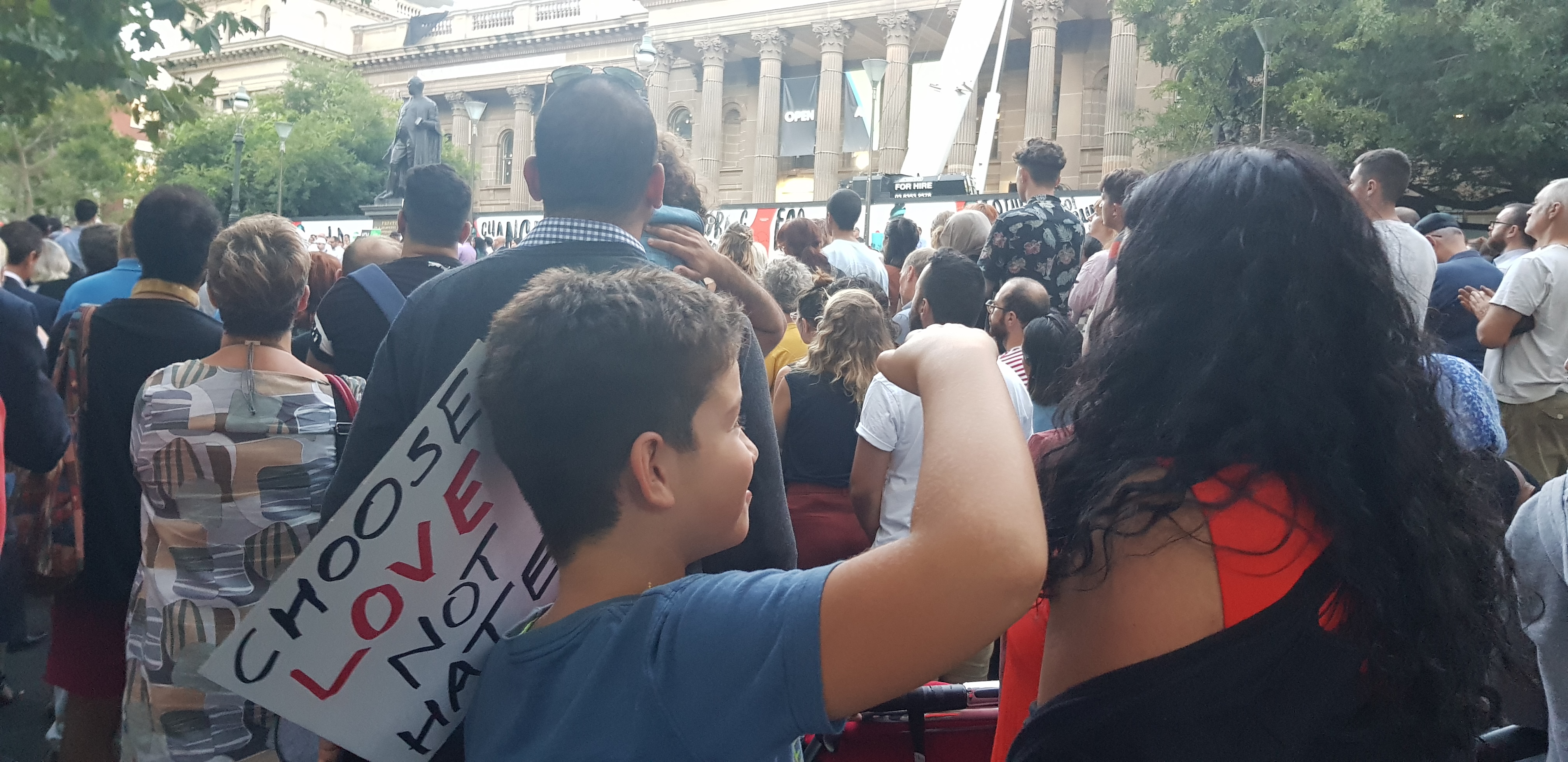
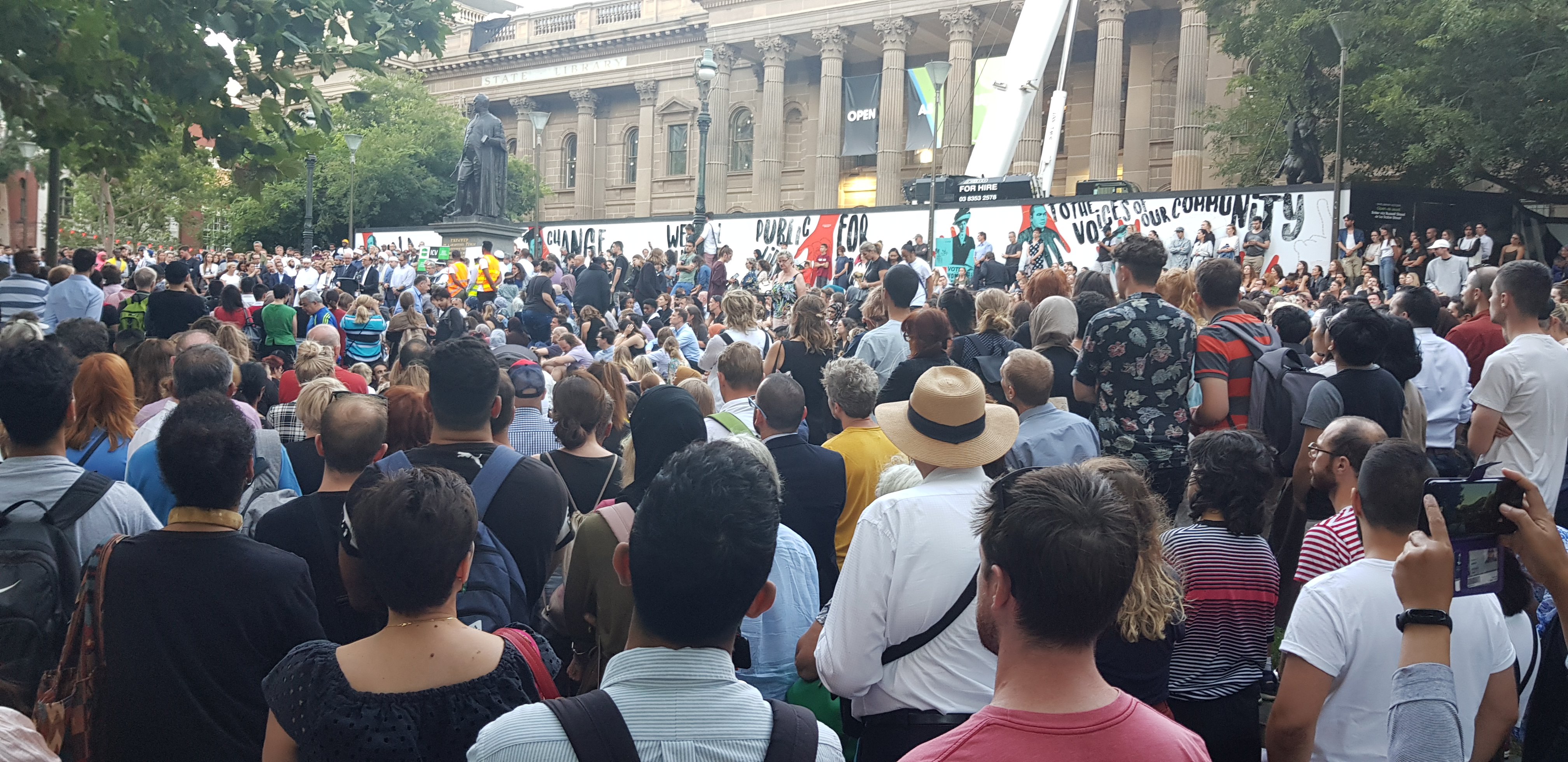
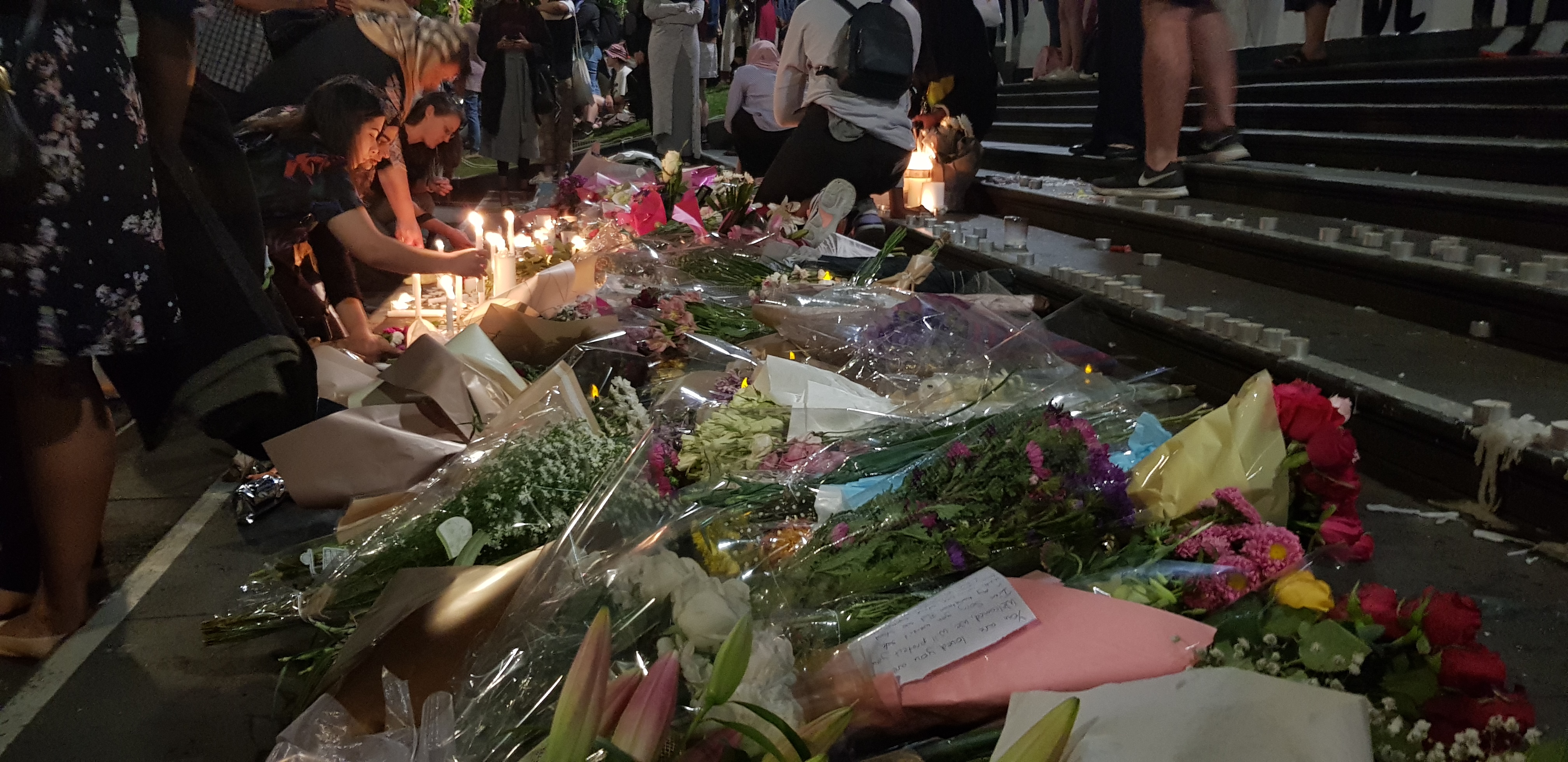
The vigil leaders say from the front: “If you’re comfortable, hug or shake hands with the people nearest you” and, in this moment, in hugging one Muslim ,I feel I am hugging all Muslims; to hug one Kiwi, it feels I am hugging all Kiwis. Choosing this, is spring.

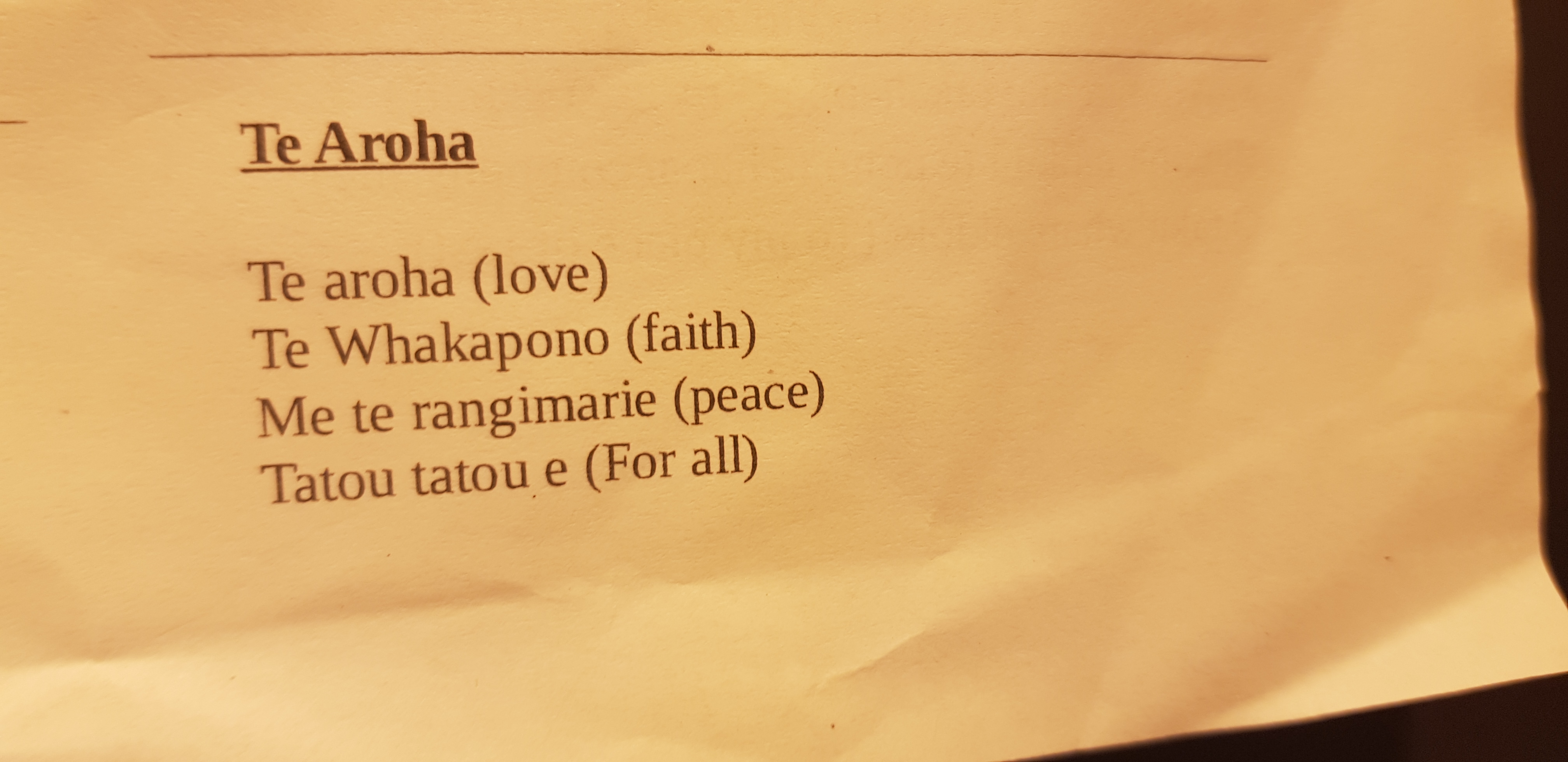
The vigil is over and people are drifting away to make their way home. A remnant of us gather to sing: people of different faiths, different cultures, speaking different languages. We sing for over an hour… Te Aroha (see image above for lyrics), the NZ national anthem in English and Maori,  John Lennon’s Imagine, and  Dave Dobbyn’s Welcome Home. (written in response to seeing anti-racism protests in Christchurch back in 2005). His words and melody are just as now poignant as they were then. What an extraordinary and beautiful thing to come of something so awful. Choosing this, is spring.

Meet in the bonds of love. Stay strong.

Choosing this, is spring.

20190318_191214(0)

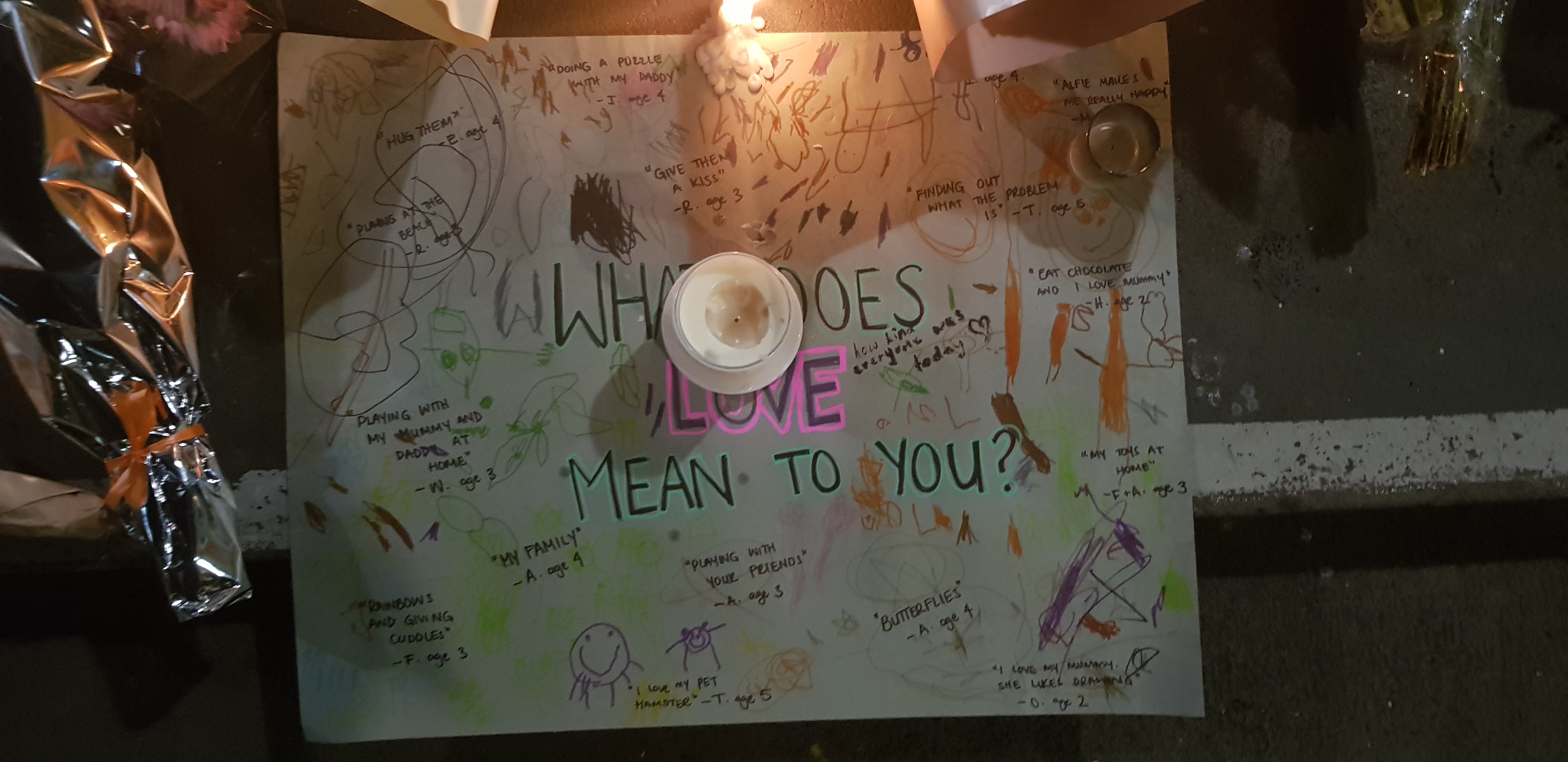
Images and moments from the Christchurch vigil in Melbourne hosted by the Islamic Council of Victoria at the State Library…    #chooselovenothate

christchurch vigil ICV islamic council of victoria state library pray sing interfaith photos of the christchurch vigil candles flowers

Muslim, Jewish, Sikh, Buddhist, Christian, Hindu and other religious leaders led those gathered in prayer.

christchurch vigil ICV islamic council of victoria state library pray sing interfaith photos of the christchurch vigil candles flowers

christchurch vigil ICV islamic council of victoria state library pray sing interfaith photos of the christchurch vigil candles flowers

K and I meet early in the vigil when she invites me to stand with her family.

K: I think New Zealanders are taking it harder actually. Muslims… we’re used to it. When I first heard, I assumed it was Muslims against Muslims. I guess we’re desensitized maybe. Things like this happen to Muslims all the time.

T: But how awful… that this should happen so often that you could become desensitized to it. Things like this rarely happen in NZ.

K: For us, they are all martyrs.

T: Is it an honour, to die this way?

K: No… It is still a pain. It means a lot that New Zealanders feel that with us… are you from Christchurch?

T: No, Wellington. But I still feel it. What you need to understand about us is that once you’ve welcomed someone onto the marae, they’re not a guest anymore – they’re family.  I don’t need to have ever met them. This week all New Zealanders grieve because we have lost members of our family.

…we hug, and stand together through the vigil.

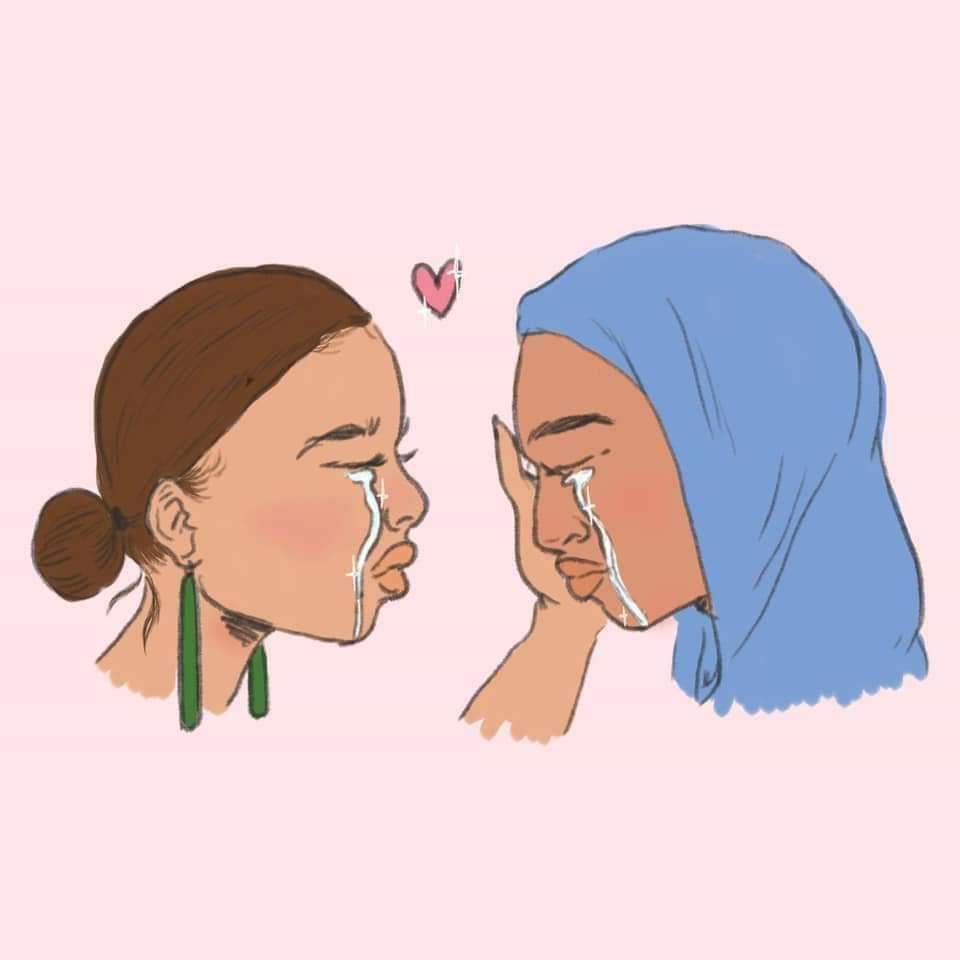
They say from the front, if you’re comfortable, hug or shake hands with the people nearest you, and in this moment: all Muslims are hugged, all Kiwis are hugged. I hope you feel that.

christchurch vigil ICV islamic council of victoria state library pray sing interfaith photos of the christchurch vigil candles flowerschristchurch vigil ICV islamic council of victoria state library pray sing interfaith photos of the christchurch vigil candles flowers

A group of us sing – Muslims and Kiwis together… Te aroha, the national anthem in English and Maori “…in the bonds of love we meet“, Dave Dobbyn’s Welcome Home and John Lennon’s Imagine… what an extraordinary and beautiful thing to come of something so awful.

christchurch vigil ICV islamic council of victoria state library pray sing interfaith photos of the christchurch vigil candles flowers

Tutira mai nga iwi, (Line up together, people)
tatou tatou e (All of us, all of us)
Tutira mai nga iwi, (Stand in rows, people)
tatou tatou e (All of us, all of us)
Whai-a te marama-tanga, (Seek after knowledge)
me te aroha – e nga iwi! (And love of others – everybody!)
Ki-a tapatahi, (Be really virtuous)
Ki-a ko-tahi ra (And stay united)
Tatou tatou e (All of us, all of us)


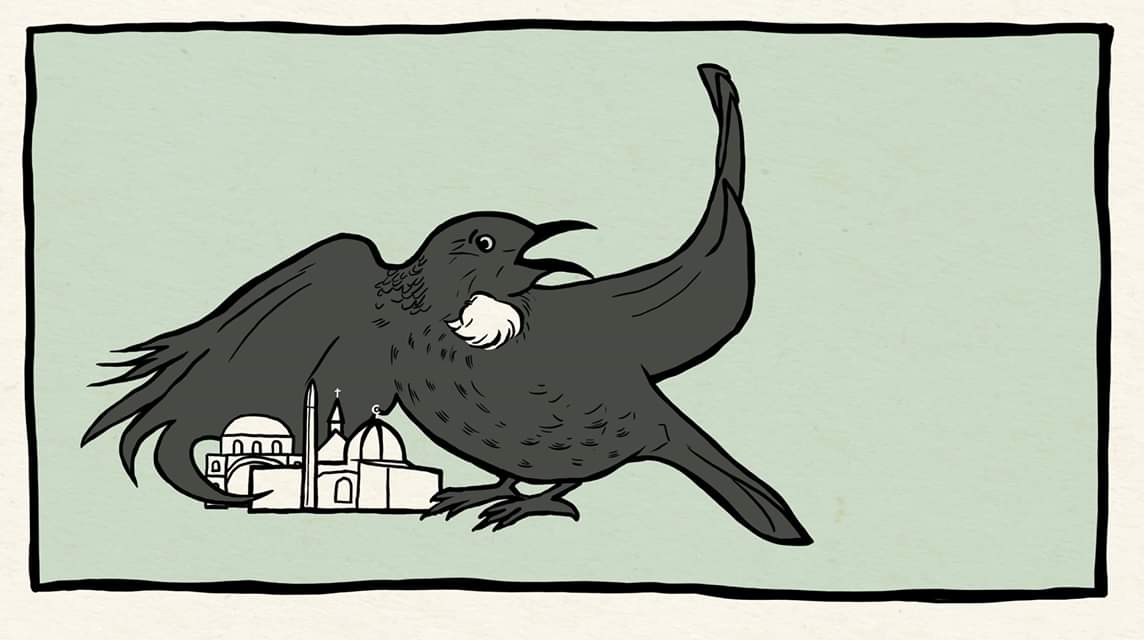
Artwork by Rowena Fry

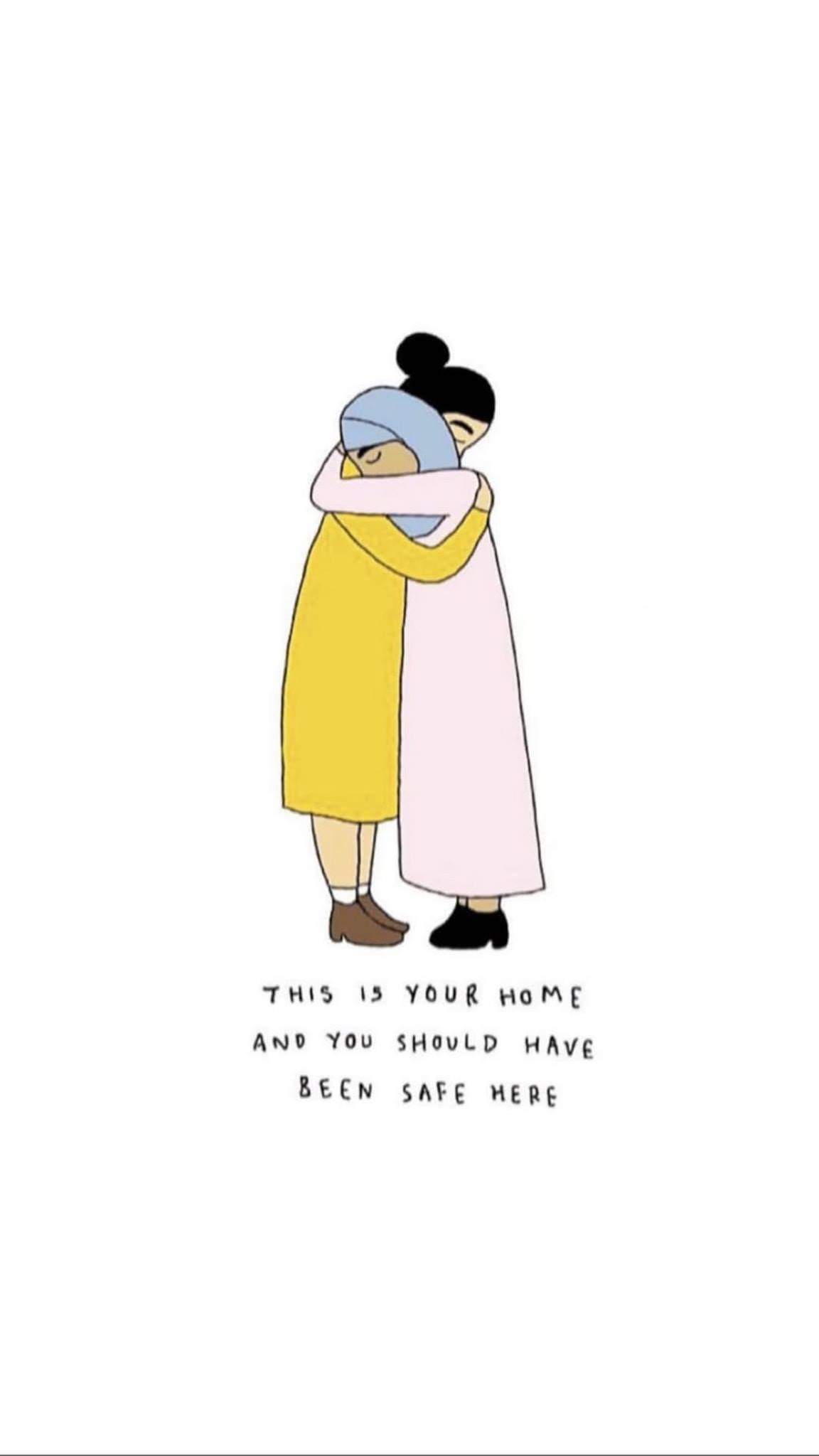
This is your home and you should have been safe here

by Wellington artist Ruby Jones

Do you hear the bells ring?

westword lmaw vigil 068

Do you hear the bells ring?

They are calling you to church.

They ring for Kiribati.

Do you hear the bells ring?

They are calling you to church.

They ring for Gaza.

Do you hear the bells ring?

They are calling you to church.

They ring for Sulawesi.

Do you hear the bells ring?

They are calling you to church.

They ring for land never ceded.

Do you hear the bells ring?

They are calling you to church.

They ring for Manus and Nauru.

Do you hear the bells ring?

They are calling you to church.

They ring for you.

Talitha Fraser

westword lmaw vigil 287

An act of public witness and liturgical protest in a response to the current crisis on Manus Island following the government’s closure of the island’s immigration detention centre.  Sunday 19 November 2017, Tim Watts, Labor MP Office, 97 Geelong Rd, Footscray

We are here today to stand in solidarity with men who the Australian Government have held on Manus Island in limbo for over four years. We are here today on the unceded land of the people of the Kulin Nation because on October 31 the Manus camp was officially “closed.”

We are here today because water, food and power have been cut off. Over 600 men have been abandoned. They are collecting water in rubbish bins. They are digging wells to survive. They are showering in the rain. And left starving and without medical care. Because they can no longer tolerate political games and human rights abuses.

There has been no plan. There has been no justice. Their lives are on the line. Men have stated: We can’t blame the sea for drowning people but we blame Australia for killing us. People need a genuine solution. Not to be shifted from one prison to another where their lives remain at risk.

We echo their calls for freedom and safety and call on the Australian government to bring people back to Australia immediately and provide safe resettlement. We want the government to know that we are watching this humanitarian emergency unfold and we do not accept the violence, the abuse, and the ongoing persecution of refugees.

westword lmaw vigil 313


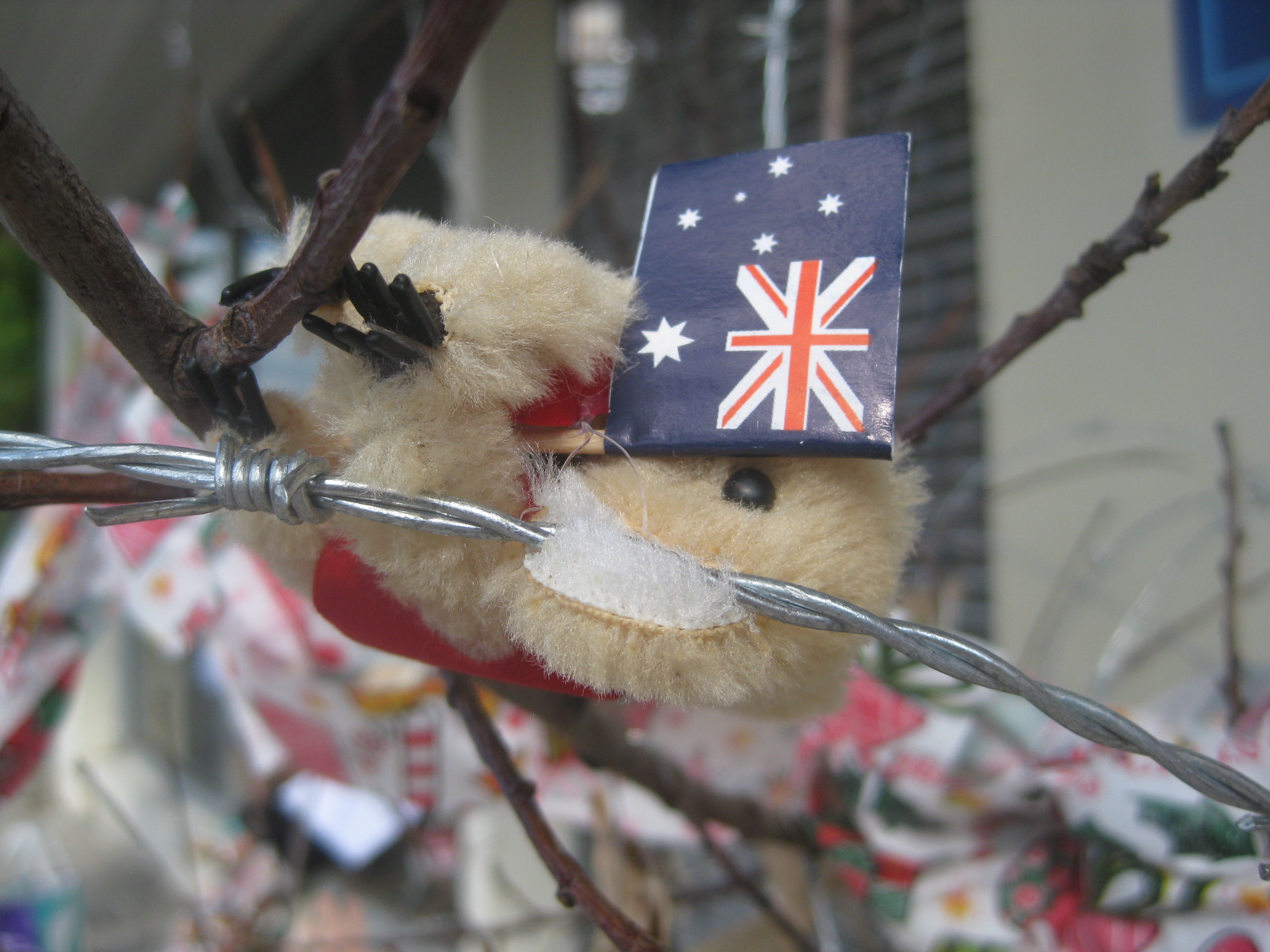
We hear stories of the men on Manus in their own voice. Raise our arms as they do in non-violent protest. We spell out SOS in cups in solidarity and symbolically of life-giving water denied. We make decorations together with our children and tell them stories… we want to teach our children justice. We make chains of the names of those we know on Manus and symbolically tear those chains. Felt and red lights denote the blood on the hands of our democratically elected Government who are treating people this way in our name.  We have barbed wire on our tree instead of tinsel – neither the welcome you thought you’d be given nor the home you hoped to find. We sing, to remember and be re-membered.  We make decorations, we recite, we pray, we sing… it feels like something. Wherever two or three are gathered… there is our hope.


Hold on (Love Makes A Way)

(tune: Keep your hand to the plough/Keep your eyes on the prize)

They are coming across the sea,
From their homes they have had to flee,
We say, love makes a way, hold on.

We are here to sing and shout,
Why you keeping God’s children out?
We say love makes a way, hold on.

Chorus
Hold on, hold on,

We say, love makes a way, hold on.

We say welcome the refugee
We say set all the people free
We say, love makes a way, hold on.

We have room in our hearts to care
We have plenty enough to share
We say, love makes a way, hold on.


This slideshow requires JavaScript.

083

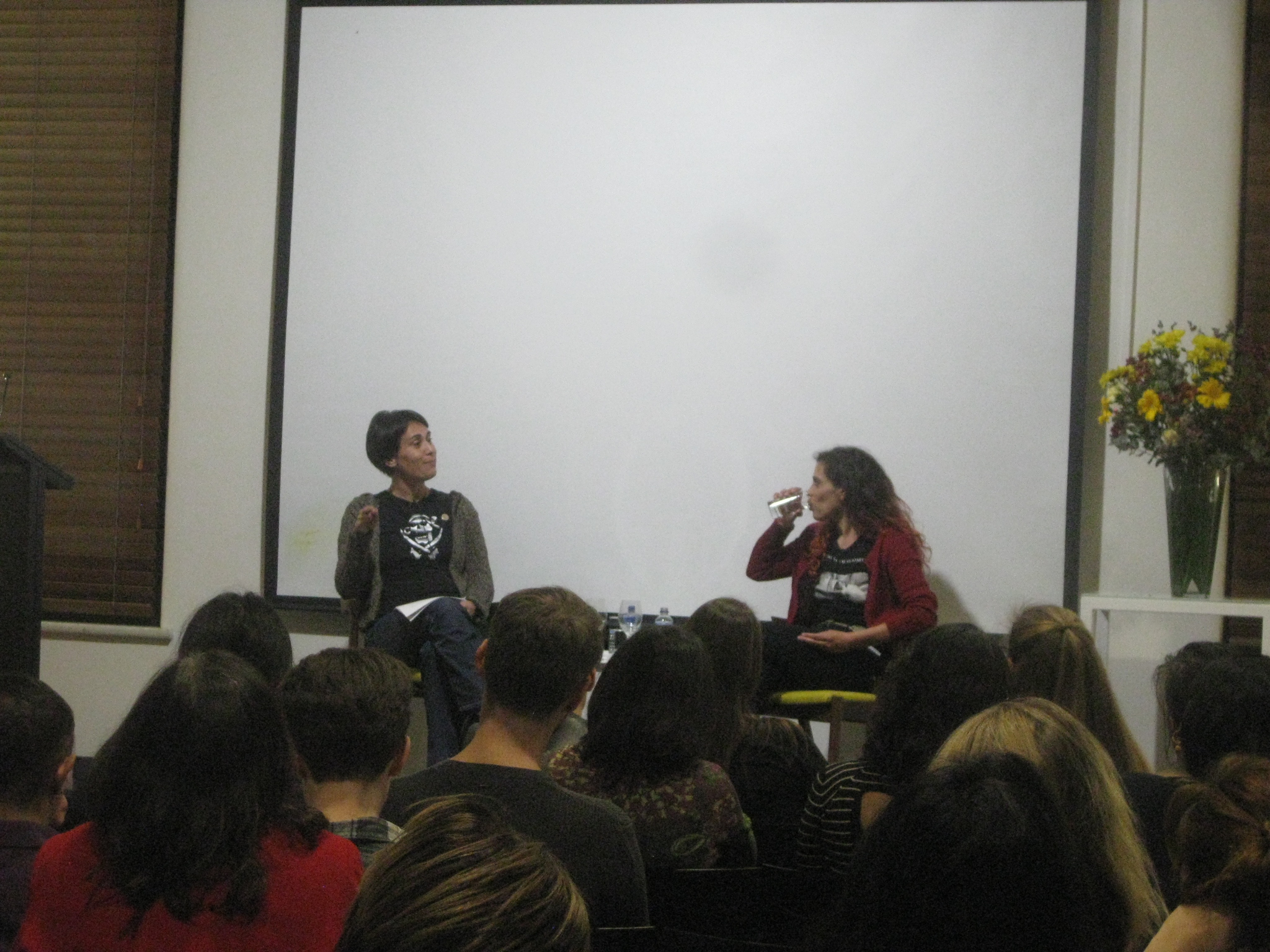
CL: First heard the term “intersectionality” after starting my blog Black Feminist Ranter which ticked several “oppression” boxes. It was a label applied to me to inform a sense of ‘place’. A description of where the intersections of oppression are overlapping. It’s in the feminist sphere that is being played out but dividing and othering instead of being done well. It’s not being used to subvert and challenge systems but by those wanting “ally credit”.

RH: How we use the word… it’s made equivalent to representation e.g. have a quota of female politicians but the systems don’t change. What about sweatshops? What about Western interventions in the Middle East? Supporting Hillary and the first potential female President is great but don’t say “She’s going to be great for all women” – be specific. Say “some of her policies are good” or “Hillary being President will be a good start” but not making sweeping statements like: “What’s good for women is good for all women”, that erases the experience of those her policies don’t benefit.

CL: Why did that election result get pegged on the non-white women? Hate that… everyone asking: Where are the African-American women? Stats show it’s white women that didn’t vote for Hillary.

RH: They had to ask – “Who will be worse?” All minority groups voted for Clinton.

CL: Similar here re Gillard. First Australian Prime Minister – a win for dissecting feminism but she was legislating in NT and making cuts to single mother benefits… I couldn’t fight on those issues because I had to defend on the left re gender.  We are being compromised in these situations.

RH:  Allies need to understand the dilemma and acknowledge it. Intersectional feminism should understand that dilemma but it doesn’t. It needs to acknowledge the reasons others might be unsure and have concerns. For example, media around the Wonder Woman film discussed the Zionist views of the lead actress and called for boycott.  I didn’t advocate for that. It’s only one woman’s opinion.    It should be ok that Arab women might not be able to jump on this empowerment train. Allies need to understand.  There’s a refusal to see.  e.g. “The Wonder Woman character existed long before this actress – the movie’s still worth celebrating!” I was called racist. Intersectionality was used against me… disappointing.  This placed not just Eastern feminism against Western feminism but feminism within the West.  Behind the scenes analysis of the politics what appears and doesn’t is far more interesting to me than the actual movie.

CL: My voice can be sought out to fill a diversity quota.  e.g. speaking on Aboriginal Beauty Pageants – didn’t see celebration of Aboriginal beauty as worth working for (dress, heels, make up…) told I’m denigrating my racial identity. White panellists get slut shaming… called fat… whore… but not racial commentary.

RH: I get racial and gendered criticism. “This Ruby Hamas bitch has both clit-envy and penis-envy” – manages to be offensive on Arabic, Muslim, terrorist, gender – so many layers! I shared it on my page to diffuse it. Not about me but anyone who shares these characteristics.

CL: Comments on how I look, highly gendered, but go back to words like “quadroon”.  I sometimes take the piss or shut it down… I’d like to be called a whore for once and not something that’s dissecting my race! I was on a panel of feminists once – I said something about “smashing systems” in my introductory statements and was sidelined for the rest of the panel – the white feminists talked amongst themselves.  Those that have to navigate gender + race + disability – they are more extreme/radical because they have more to overcome. It was a horrible experience. It was a basic entry-level discussion, why weren’t we part of that conversation? I was only asked for “special comments” re race in the closing questions.

RH:  Any event invitation I receive I’m asking , am I token or not? Do they value my voice and what I have to say? And then I say, whatever… they’re still giving me a platform.  I long for the day I’m asked to talk about politics, and my experience… not as a labelled pigeon-hole “Muslim” or “Aboriginal”.

CL: The person who is Trans and Aboriginal and woman and has a disability and from a low class background… we need to amplify her voice.  Smash at all those levels at once.

RH: If they are liberated, everyone is liberated. “identity politics” shouldn’t set us against but with. I’ve always tried to bring identity politics back to broader oppression.

CL: The show the Handmaids Tale – loved it at first, then I started to see the mainstream reaction.  Women enslaved, bred, imprisoned… with religion used as justification. That was one generation ago for me. Oh, white women are going to be treated like Aboriginal and African-American women. In the book the slaves are unequivocally white, coloured people are shipped off to die from radiation.  Some kudos to the author for sticking to what she knows but in the TV show, in this Fascist, Puritan,  authoritarian world… women of colour are also selected for breeding with wealthy white men and I should believe it?! This is white-washing racial dynamics. “This is just around the corner for us” This white response is not helpful compared to that of people of colour which says: welcome to our world – this has already happened and is happening.

RH: “Can you imagine if there’ll be a war?!” [re Trump/Korea] Yes. I have already lost half my family to that. I don’t need to imagine what that’s like.

CL:  When we are blended into white narrative, we’re not given our own.

RH: Given a female Dr. Who – that was a big deal.  An Arab actor was recently cast to play the leading role in Aladdin. An Arab not in a role as a terrorist or savage illiterate – those roles that have been used to perpetuate negative stereotypes.  Can’t just think about gender (woman as Dr. Who), that an Arab man is cast in the role of Aladdin is far more significant for me.  Is feminism the new weapon of whiteness? We hardly heard anything about that casting at all.

Question: How do you balance the need to be calm to be taken seriously vs. expressing righteous/legitimate anger?

CL: A bit of anger is good, use it to tear the system apart. I have no obligation to make racist, sexist, wealthy people feel safe.  e.g  Heritier Lumumba in doco Fair Game, laughed along with racist insults in the locker room to try and fit in… you never win that way.  We need to use our anger in legitimate and practical ways.

Question: What would your top-three recommended structural interventions be?

CL: I’m part of the union movement. Anything that draws attention to the structural issues.  Intersectional engagement is often superficial.  Highlighting – make sure other voices are heard e.g. An Aboriginal man will have different views than me, or a more conservative woman… there is not one homogenous view for women or for Aboriginal people.

RH: Acknowledge there is a problem.  Still at that level… can’t think of a list of structural changes yet when still trying to get people to acknowledge that there’s a problem. Need to be given power/influence – in media, politics… I guess I’m still trying to find that answer.  I don’t think we’re close to solving that.  Need to see more women from non-white backgrounds opinions valued… to talk in general terms.

Question: Do you have any advice for emerging voices?  How do you decide which point of view will be appropriate to speak from, how do you get past that/prevent silencing?

RH: I didn’t write about anything happening in the Arab/Muslim sphere for ages.  Mortified when something I wrote was appropriated by people who hate me.  I don’t wear a veil but cultural still encouraged to be quiet, modest… I learned to pick a time to broach it. Try to ever do it in a way that isolates Muslims, there’s sexism and racism across all cultures.  I cop a lot of backlash from my community but lovely messages from young Muslim women makes it worthwhile – scarcely – becomes ammunition for racists.  I had to learn that I can’t be responsible for how they use or mis-use my words.

CL: I was terrified to talk about violence against Aboriginal women.  That conversation is used to assimilate to whiteness and religion, a conversation owned by conservative Aboriginal people, for example if I write a piece protesting Dondale and Invasion Day turn around and say “why don’t you care about violence towards Aboriginal women?” Used to indicate that I don’t care.  Exhausting process to do but I counted the numbers over the past two years.  I need to defend space for my own voice. This argument is used to denigrate my other work.