
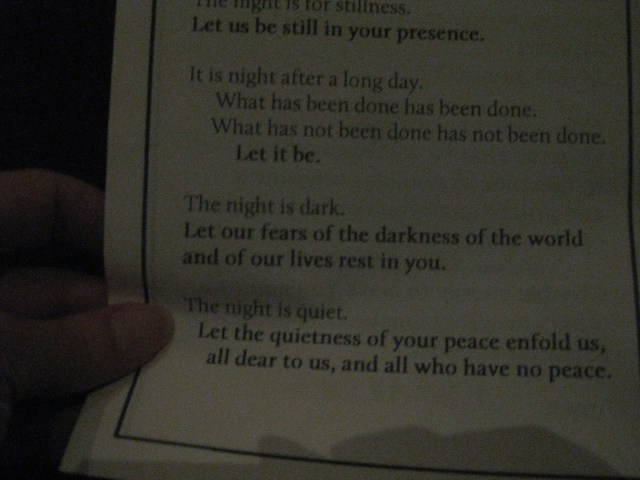
The Oratory glows golden for a moment. Lit by wintery midday sun. Behind the lids of my prayerfully closed eyes it seems the light filling the room is the same light filling me and I turn my face to Your warmth.
We light candles. Mine is a confession.


by Talitha Fraser with Kaumatua Gregg Morris
[this piece first appeared on Radical Discipleship‘s website 17/02/2017]
Allow me to invite you to join in for a game of kilikiti, to sing and dance with us, to walkabout… sit here at the campfire and I will tell you story…
Coranderrk was one of several Aboriginal missions set up in Victoria . Wurundjeri leaders William Barak and Simon Wonga advocated for Aboriginal people to live in their own place, their own way. Many times to petition the Victorian Government Barak and Wonga would gather a delegation together, speak to motivate and inspire them, then they would walk together the 60 miles (12 hours) to deliver the message: “Please leave us alone, give us our land back, don’t take it away again”. Leaders of one people to another, approaching as equal and in person.
The Mau was a passive resistance movement seeking Samoan Independence. When hundreds of members were arrested, hundreds more turned themselves in until all were released because there were more than the system could contain. People stopped paying taxes and gave the money to the Mau. All local Councils and committees stopped meeting, children stopped turning up to Government run schools which were forced to close, instead of working in the plantations to harvest bananas and coconuts the women would play kilikiti all day.
Communities at Ratana, Hiruhārama, and Parihaka in New Zealand saw a farm converted to a township as taking people was more urgent than the harvest; a poet-led commune of Maori and Pakeha living together; an invading army greeted on the marae with songs, food, and children holding white feathers of peace running counter to the cultural tradition of utu.
All of these expressions of non-violent resistance share elements in common:
Having people elected over you who are imposing laws and structures that are not aligned with what we know about how to live in harmony with each other and with the land is not a new idea. Romans 12:20 says: “If your enemy is hungry, feed him; if he is thirsty, give him something to drink. In doing this, you will heap burning coals on his head.” How may we engage a world that is broken, challenging what comes our way – to change it or be unchanged by it – preserving our peace and not be overcome?
As High Chief and leader of the Mau, Tupua Tamasese Leolofi III, lay dying his last words were, “My blood has been spilt for Samoa. I am proud to give it. Do not dream of avenging it, as it was spilt in peace. If I die, peace must be maintained at any price.” The message of Te Whiti o Rongomai and Tohu Kakahi, leaders of Parihaka: “Just as night is the bringer of day, so too is death and struggle the bringer of life.”
We need to tend to the sovereignty of our own belief in what is right, to the inspiration of ideals bigger and beyond ourselves, to seek the Spirit and be led thereby to feel and act. Who do you look to, to define who you are? Come, sit here at the campfire and tell me a story…
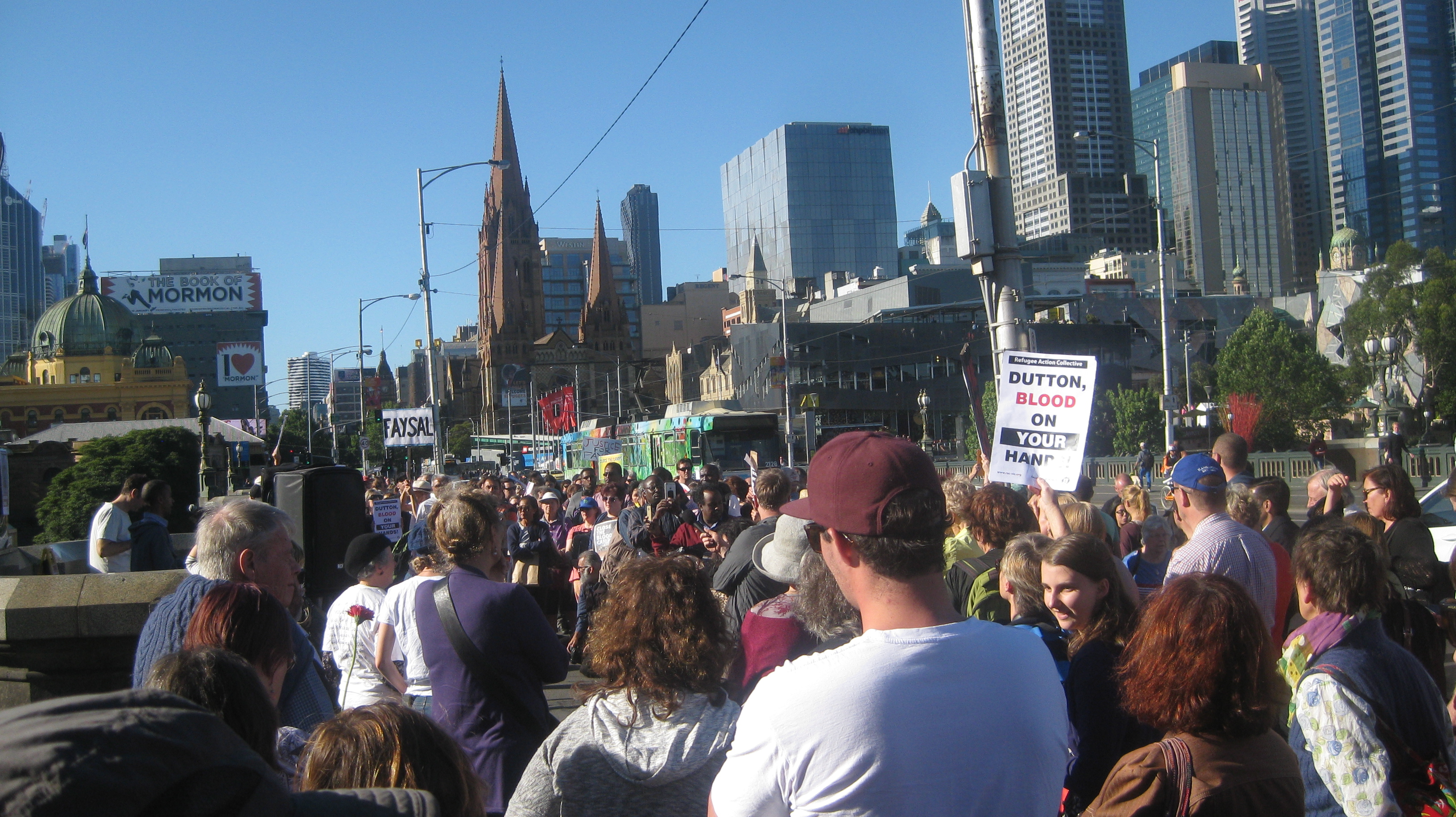
We gathered today to acknowledge and show respect to Faysal Ishak Ahmed.
We gather knowing we will do this again. We will do this again because there will be more deaths. They are preventable. This is unacceptable. We know this will happen again because it has happened and is still happening with 23 deaths in the last two years (Australian Border Deaths Database). Perhaps it’s feeling like there’s too many vigils, we had one just last month… to this we say “Yes. There are too many vigils.”
The origin of the word “vigil” is to do with being awake and keeping watch. We want to acknowledge the sorrow, grief and anger of Faysal’s friends and family. The other survivors of Dafur who know how few survivors there were wondering whether they might ever feel at home here. Those yet in camps on Nauru or Manus who wonder what help, what hope, might yet come for them.


Faysal, refugee – yes, and also a son, a husband, a father, a human died at 27 years of age. Today we say his name, hold his picture up – we say not only that your death meant something, but your life meant something even though we did not know you.
I imagine Jesus on his knees praying in the garden of Gethsemane wondering what help, what hope, might yet come but having some sense of inevitability about his situation asking of his companions: “Can you not stay awake and watch with me for even an hour?”. To those waiting in the camps it must seem as though we are asleep for surely if we knew they were sick, surely if we knew they were being hurt, surely if we knew they were hungry this would not be a situation we would let continue… I hold my goddaughter in my lap, she is just starting out at school – learning to read – I imagine her asking me in years to come when this is a social studies project at school “Where were you while this was happening? Why didn’t you do something? Why did it take so long to change?” and trying to explain how it could be that some of us, so many of us, should be “asleep”. Yes he had refugee status – that didn’t seem to make a difference. The PNG government declared the camps illegal – that didn’t seem to make a difference. The UN said aspects of Australia’s asylum seeker policies violate the Convention Against Torture and Other Cruel, Inhuman or Degrading Treatment or Punishment – that didn’t seem to make a difference… What will make a difference? I overhear one woman say to another: “What people don’t understand is that to do nothing is to do something.”


We have met today on the Princes Bridge, I don’t know why. I look around while I wait for the formalities to begin and notice that all along the bridge is the Latin motto Vires Acquirit Eundo (the coat of arms of Melbourne) meaning ‘she gathers strength as she goes’ referring to the Roman goddess Fama or rumour personified. Following the speakers and a moment of silence, those holding flowers are invited to throw them from the bridge into the Yarra river and I realise my hope is that these vigils might gather strength as they go.
Those who are on their knees praying are asking us if we can be awake.
Those crying alone in the darkness are asking if we can stay awake with them.
Unbidden some of those at the vigil move out onto the road and block traffic on the bridge. They are asking us: “Are you awake?”
The next action calling for the camps to be closed, for the refugees seeking our protection to be given their mandated human rights, will be held on Sunday 9 April (Palm Sunday) – this is a question for people of all faiths and none: “Are you awake?”
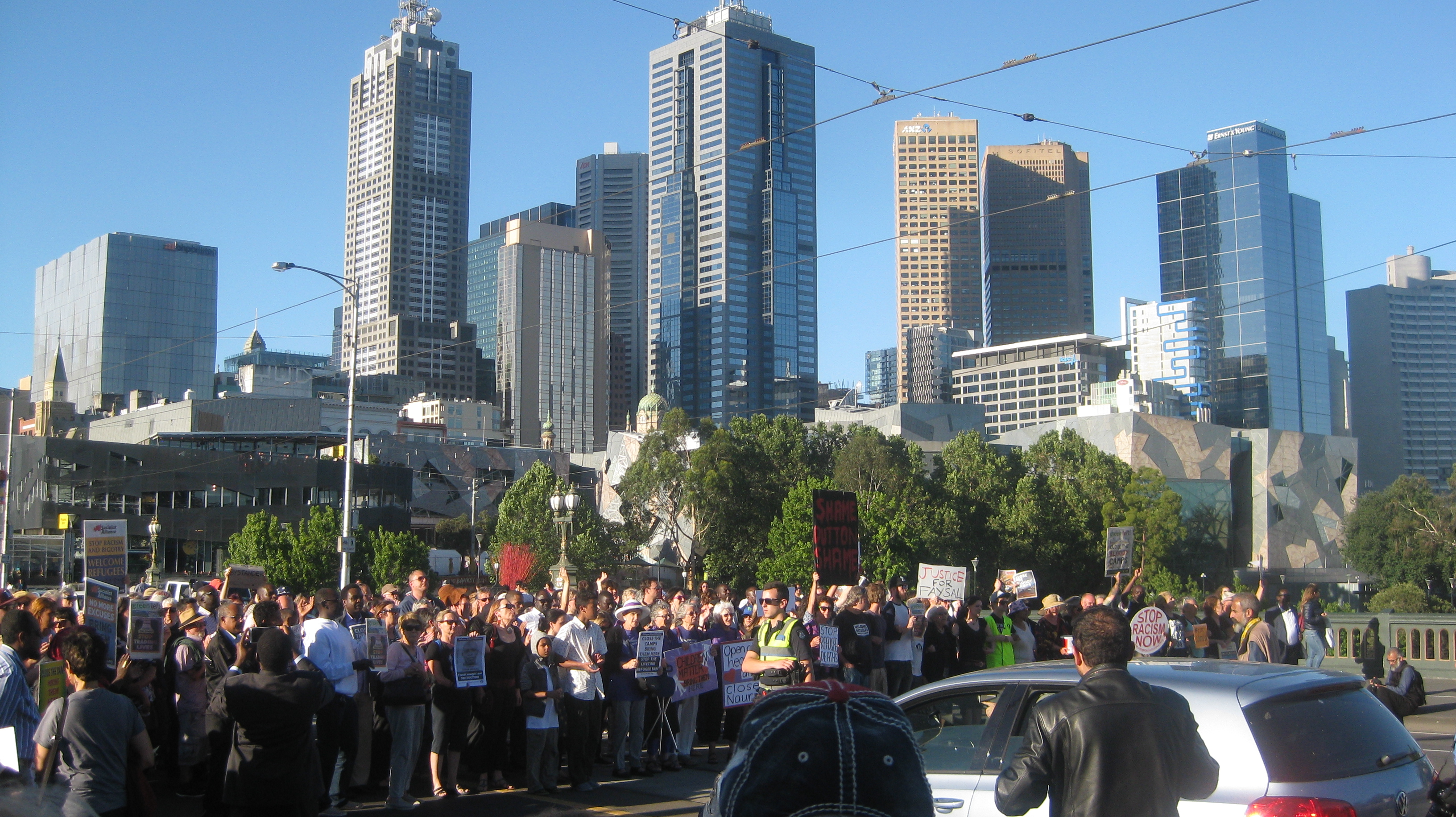

Consider looking into the Love Makes A Way movement or Refugee Action Collective for other ways to be involved and further details for the Palm Sunday event as it draws closer. I’ve drawn on inspiration from many of tonight’s vigil speakers above, thanks for your voice and advocacy.
Merciful God, we offer to you the fears in us that have not yet been cast out by love
Let us pray for all who suffer, and ask that God would give us peace:
For all who have died in the violence of war,
conflicts or acts of terror,
each one remembered and known to God.
May God give peace
For those who love them in death as in life,
offering to God the distress of our grief
and the sadness of our loss.
May God give peace
For all the peace-keepers and peacemakers,
and all who are in danger this day,
remembering especially their families and friends.
May God give peace
For those whose lives are disfigured by war,
conflict, acts of terror or injustice,
calling to mind in penitence the anger and hatreds of humanity
May God give peace
For all who bear the burden and privilege of leadership,
political, military and religious; asking for gifts of wisdom
and resolve in the search for reconciliation and peace.
May God give peace
For our country Australia, its land and seas;
its struggles in adversity, its courage and hope;
for tolerance and our respect for one another,
and our commitment for justice and reconciliation for all
May God give peace
O God of truth and justice,
we hold before you those whose memory we cherish,
and those whose names we’ll never know.
Help us to lift our eyes above the torment of this broken world, and
grant us the grace to pray for those who wish us harm.
As we honour the past,
may we put our faith in your future;
for you are the source of life and hope,
now and forever.
Amen
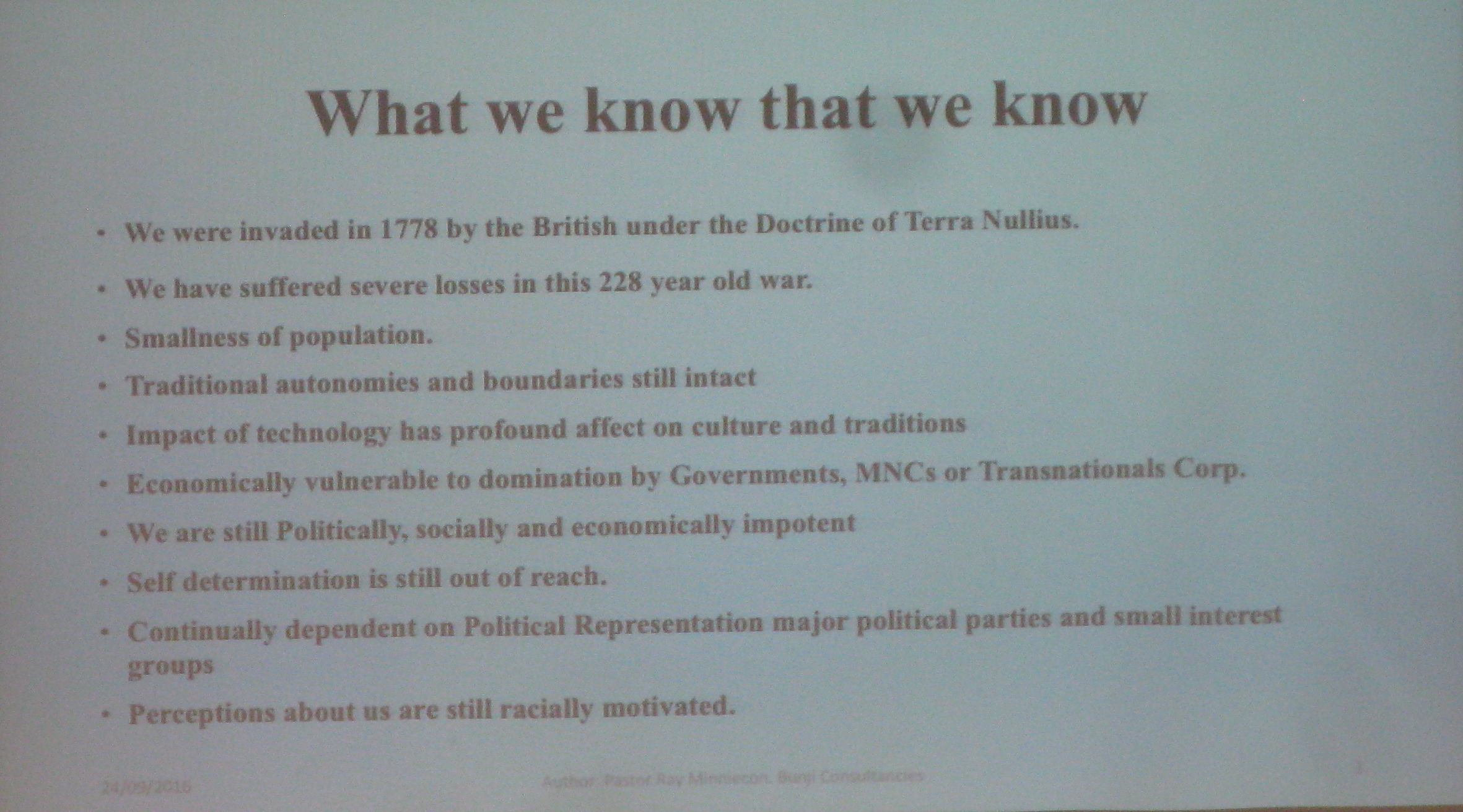
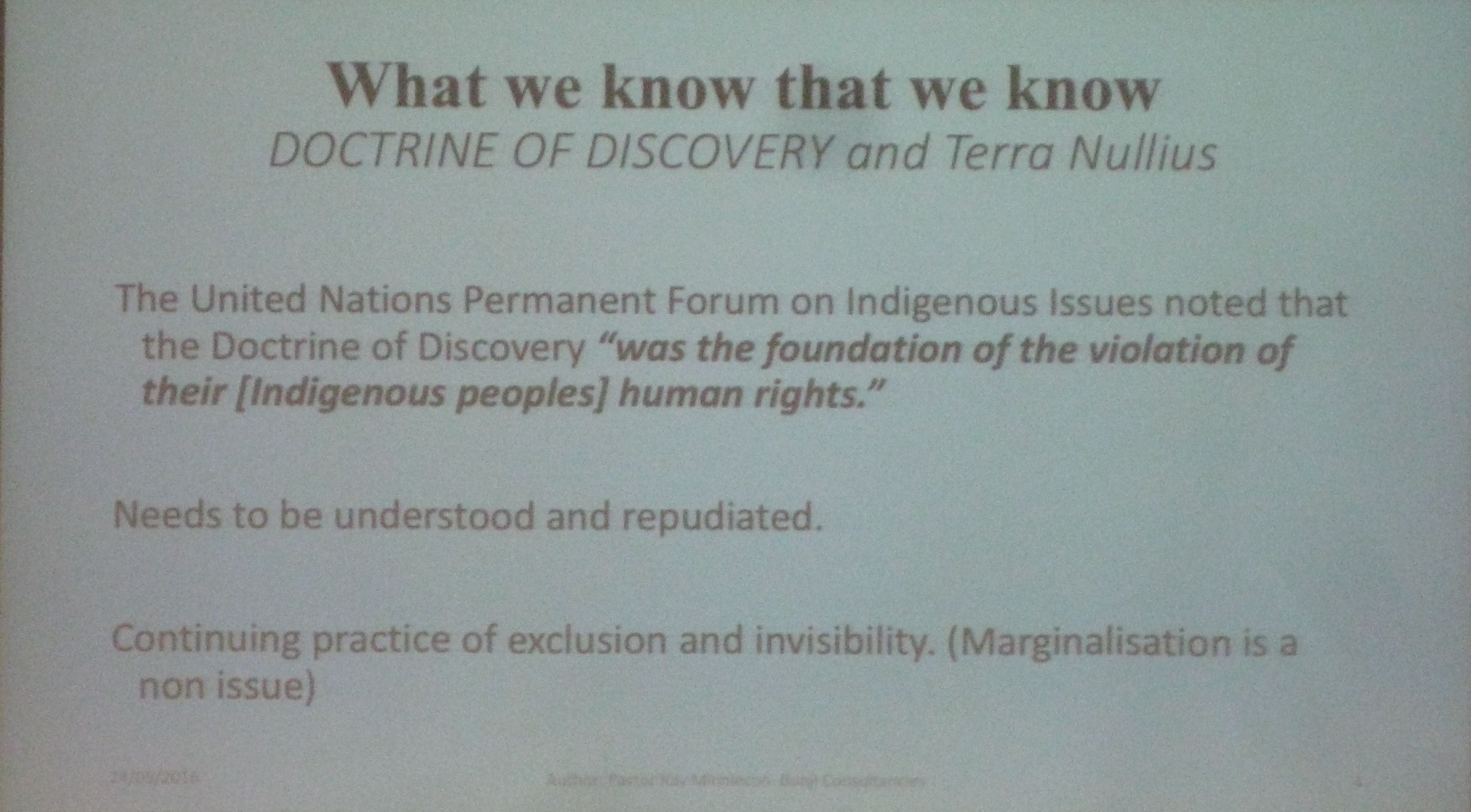
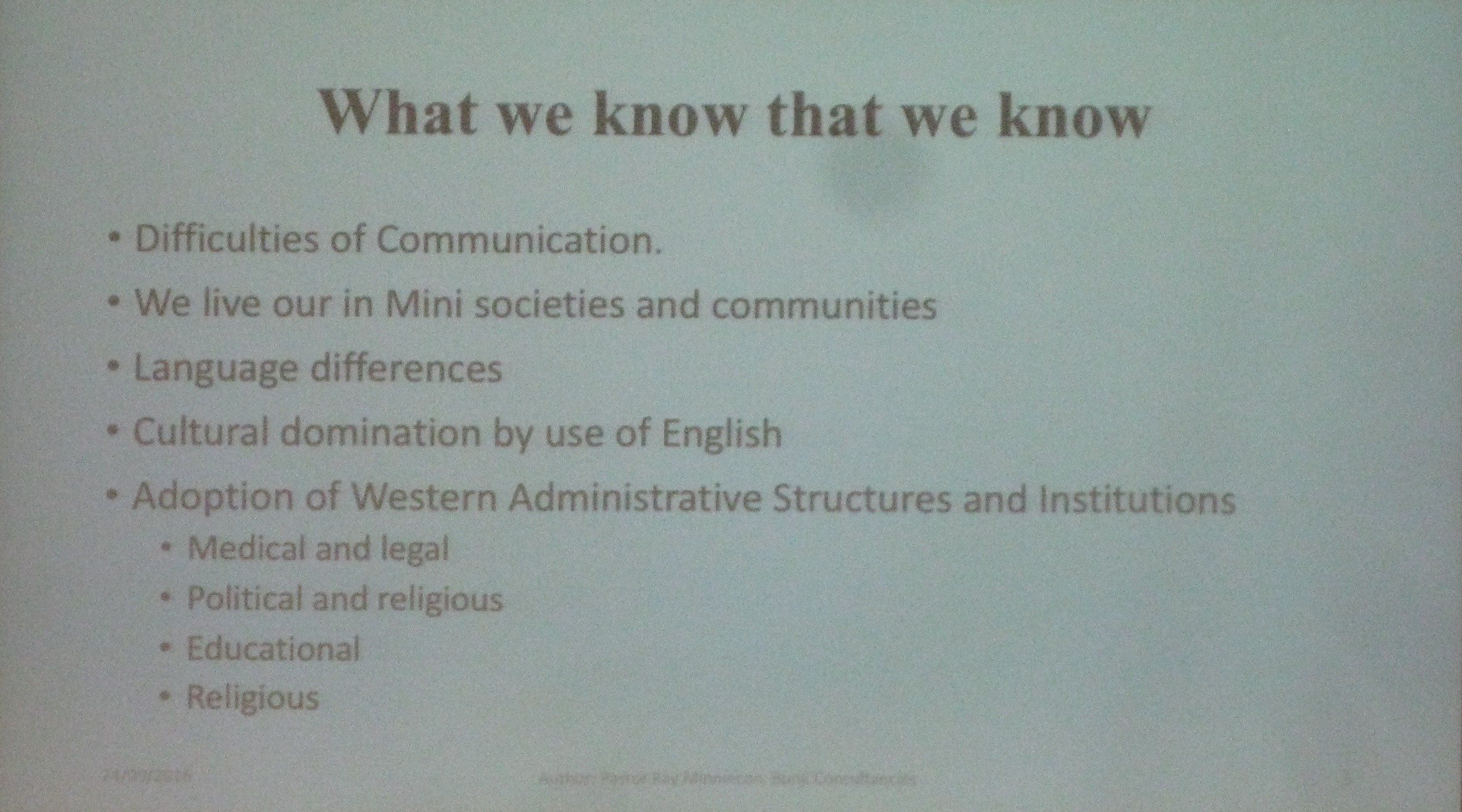
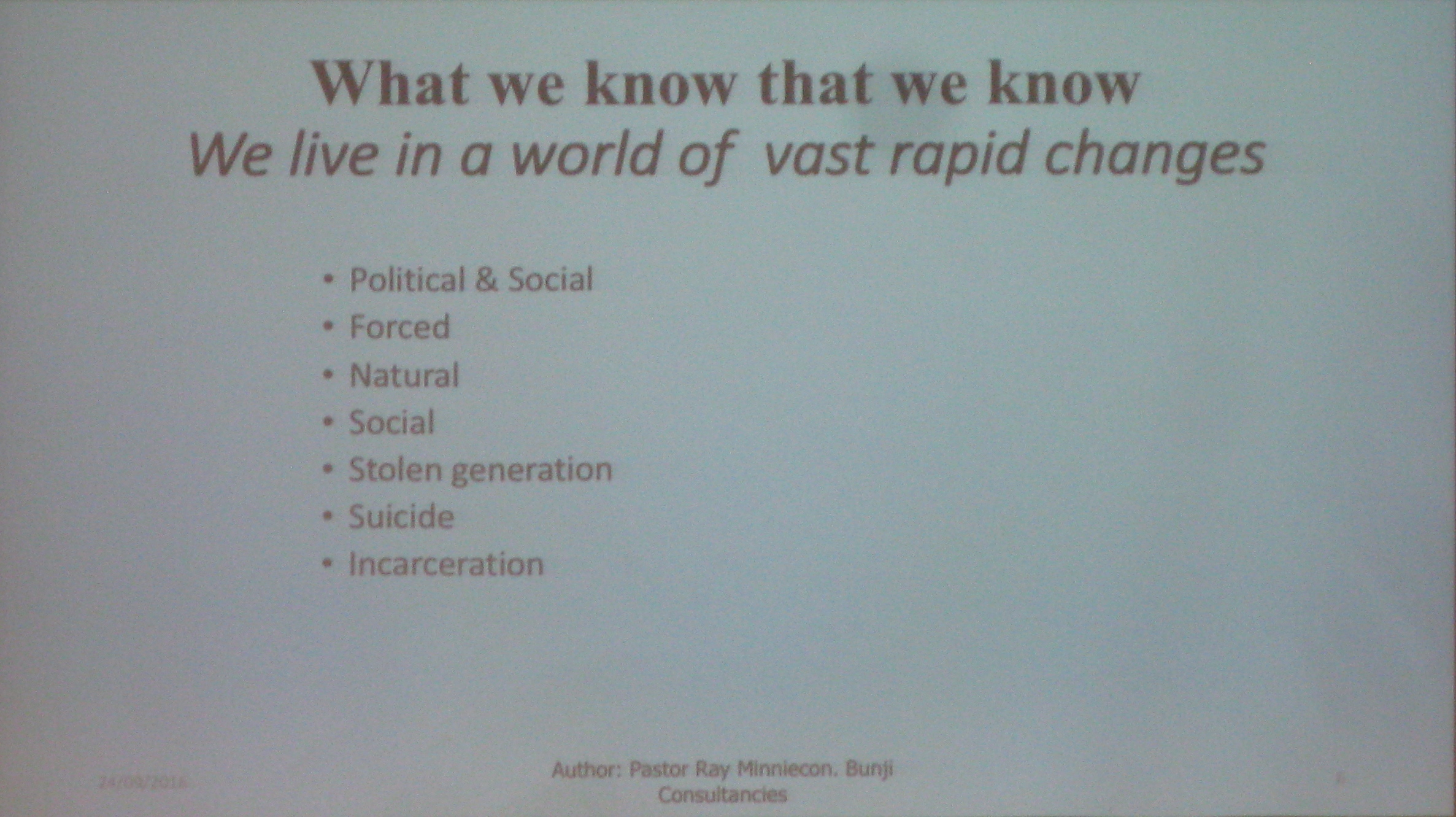
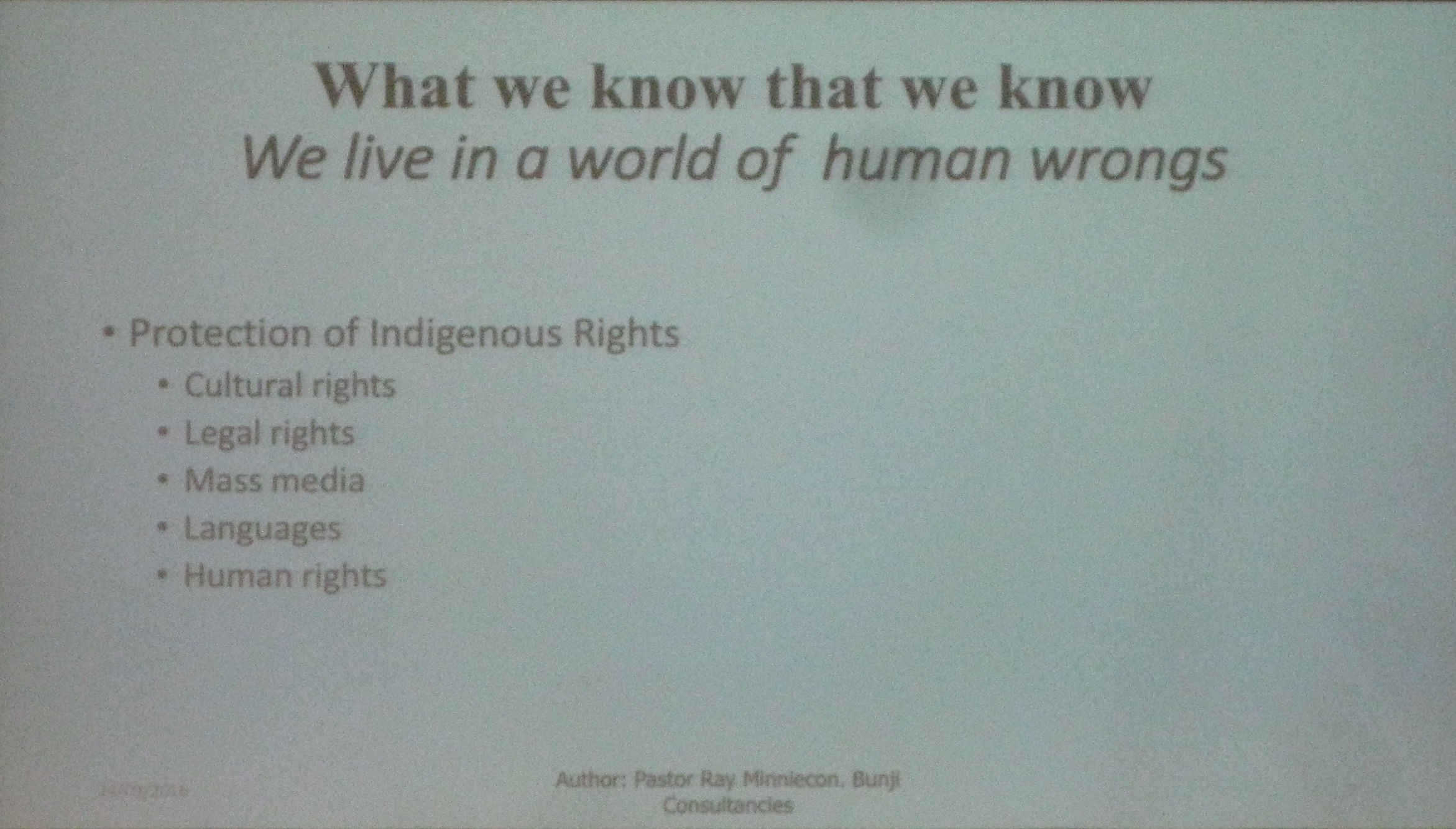
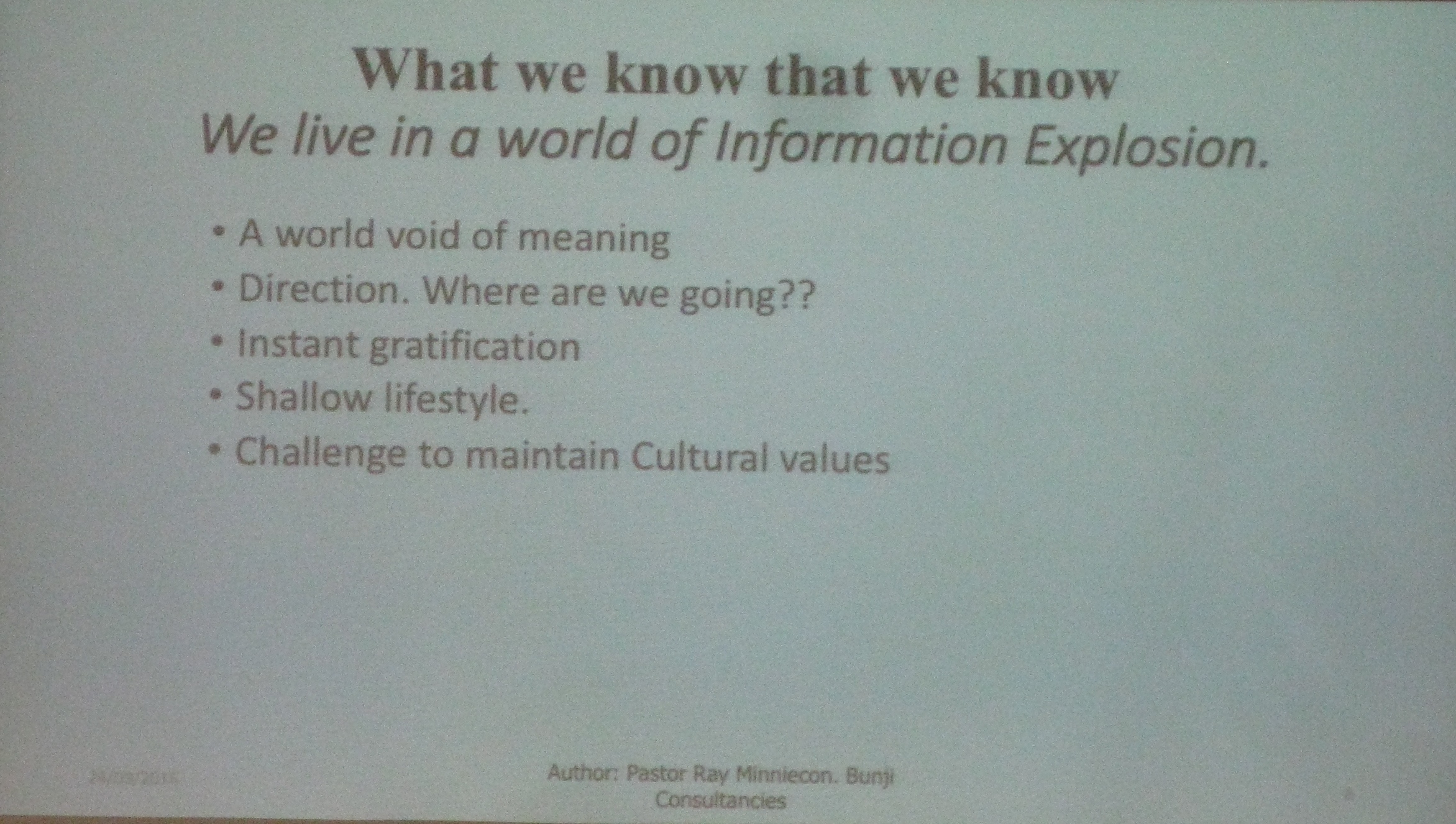
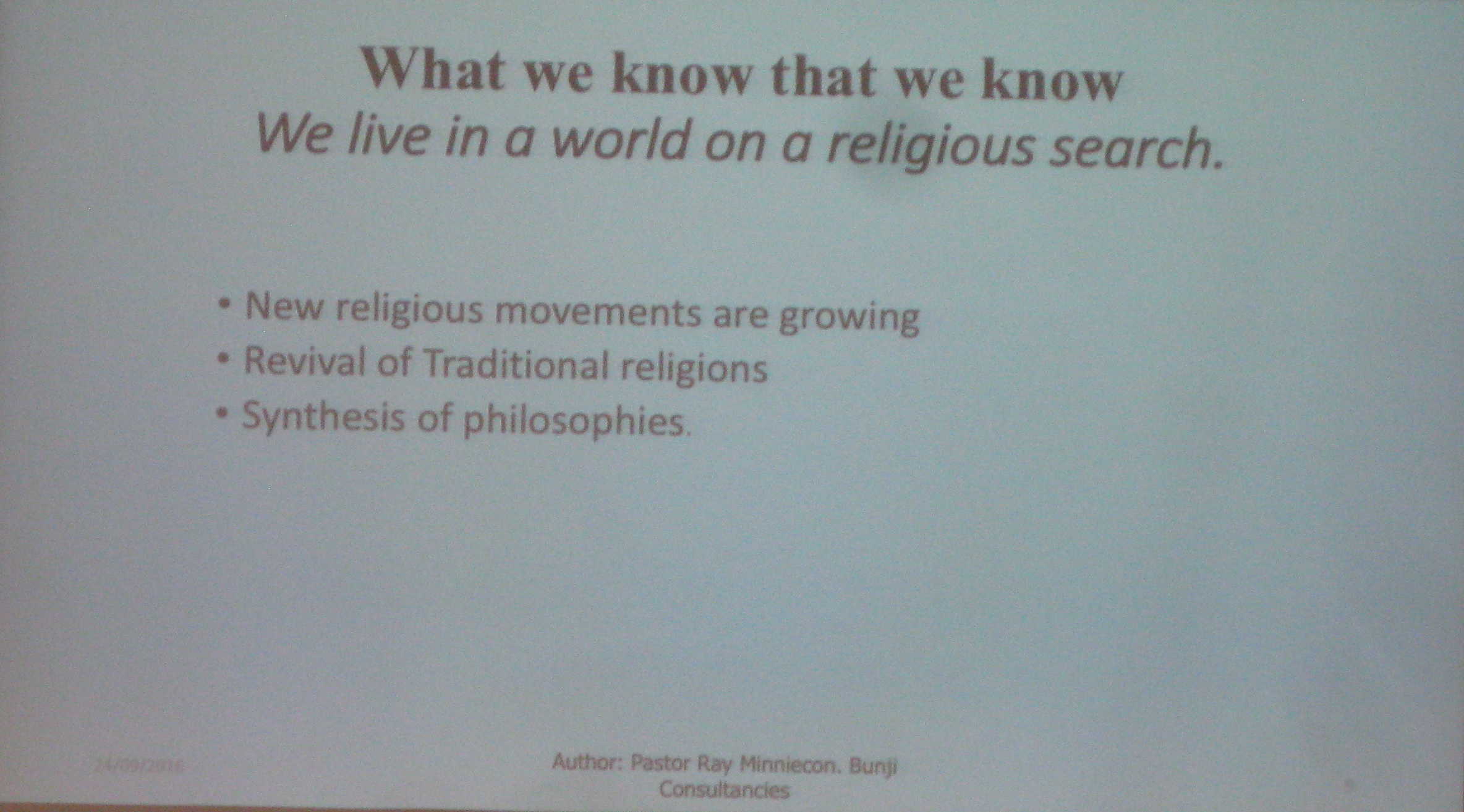
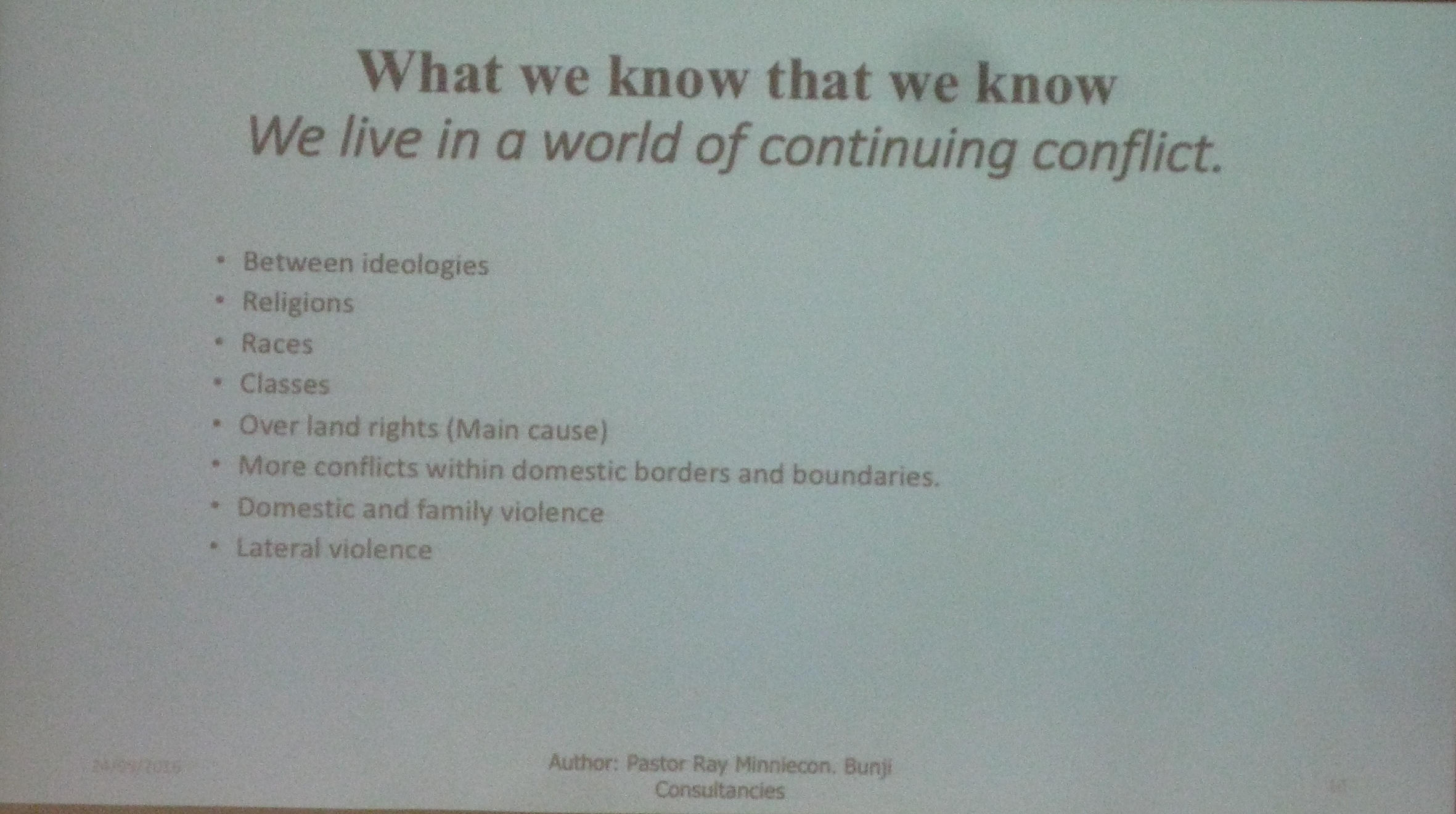
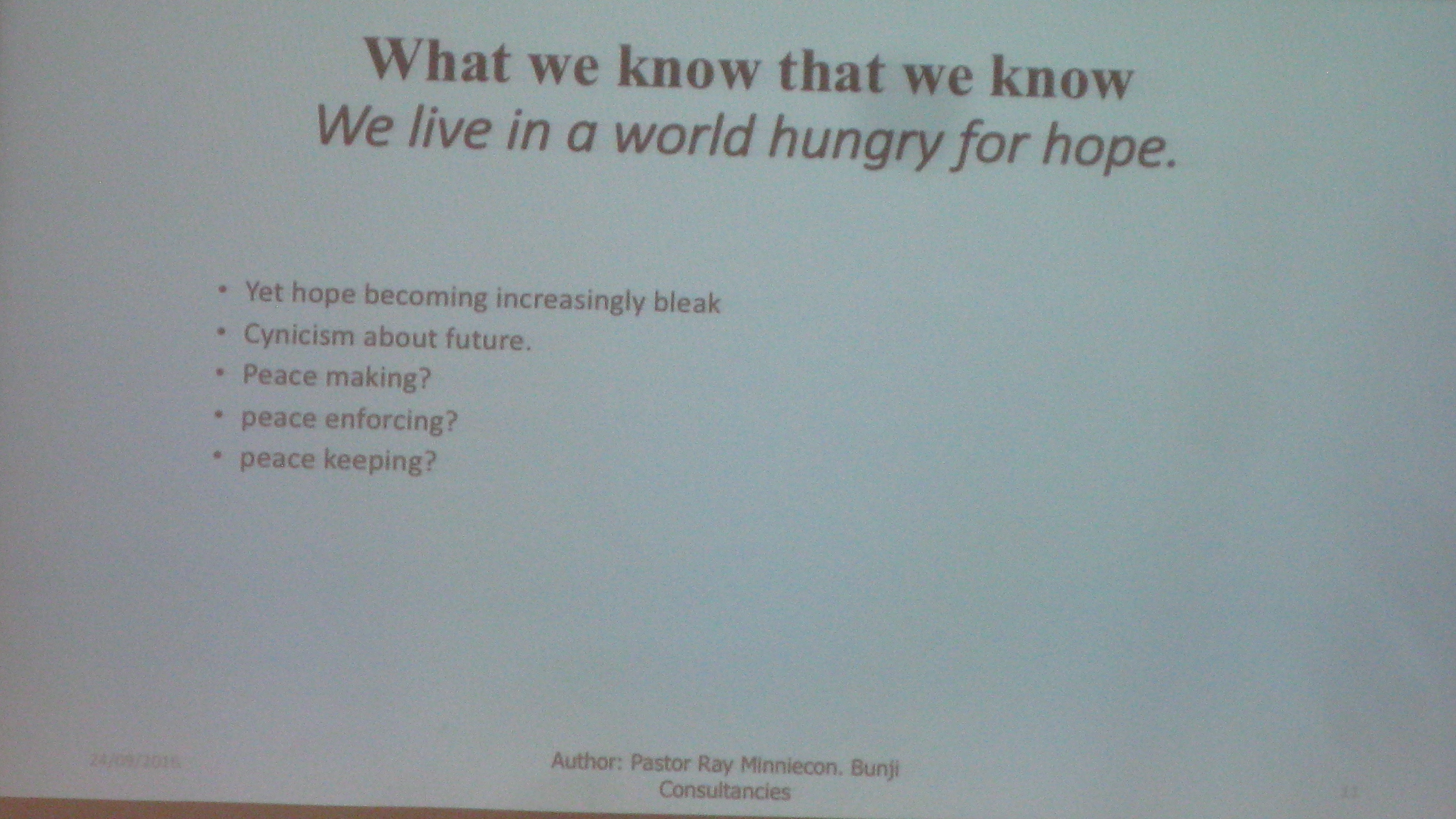
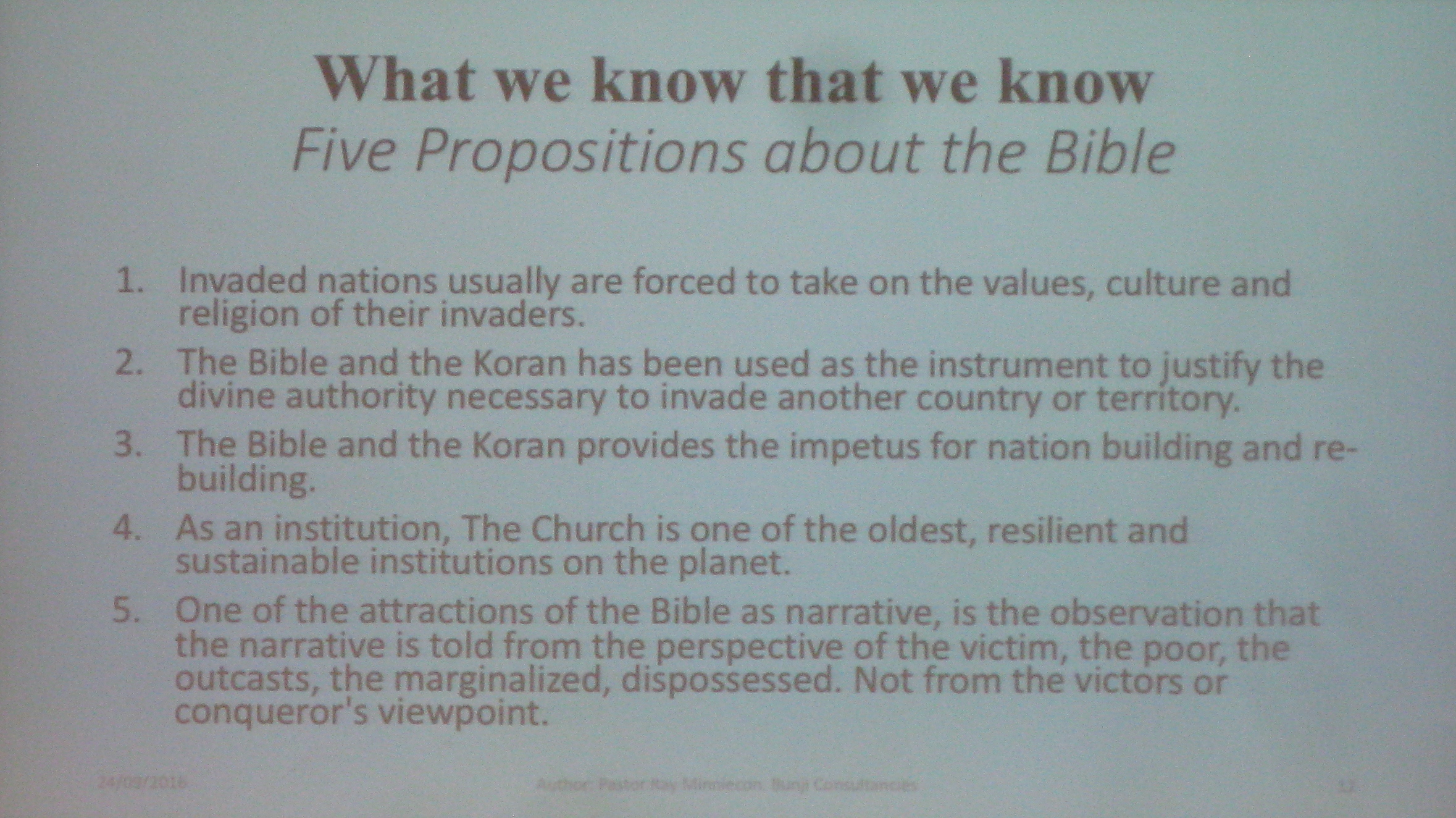
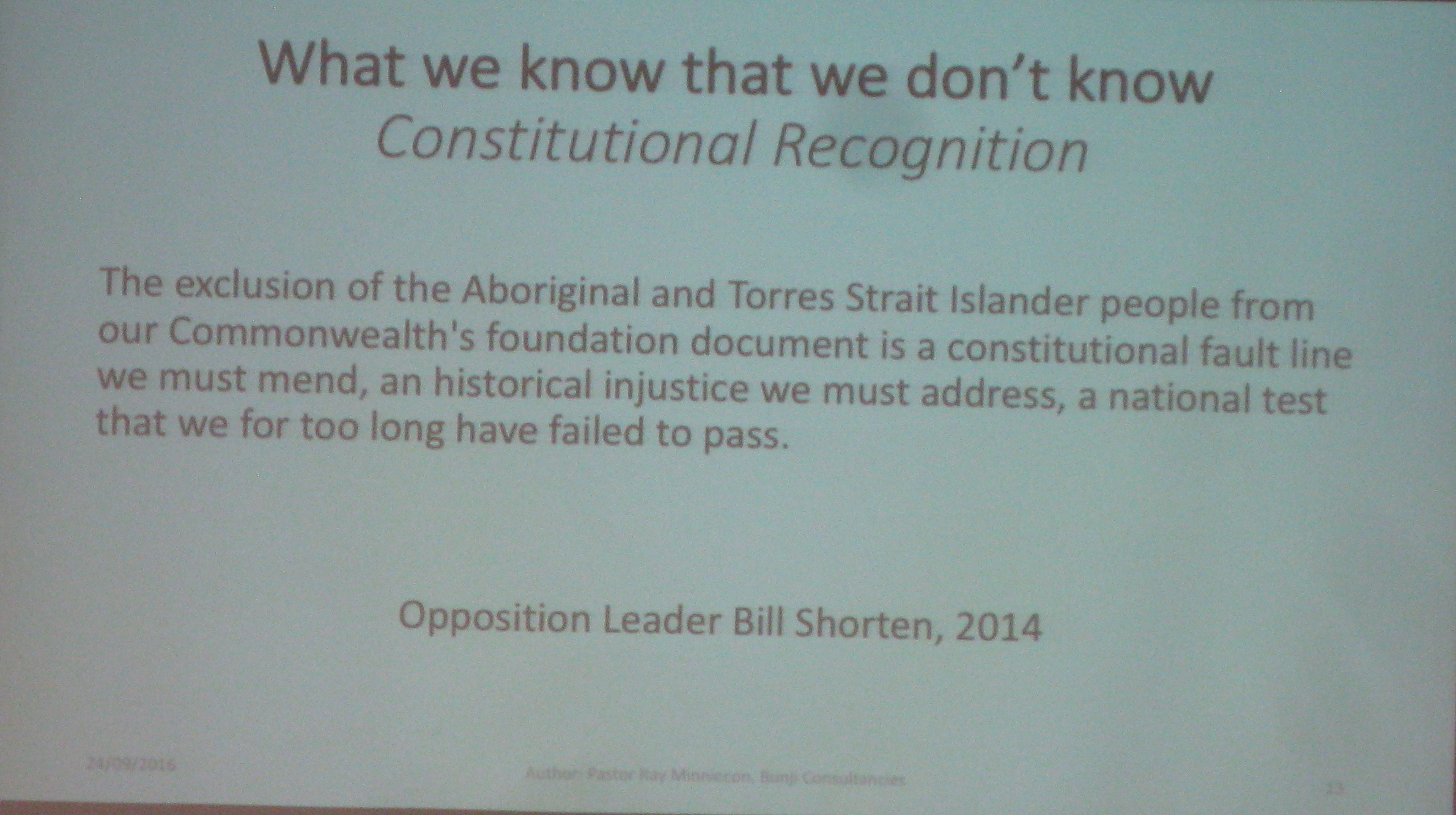
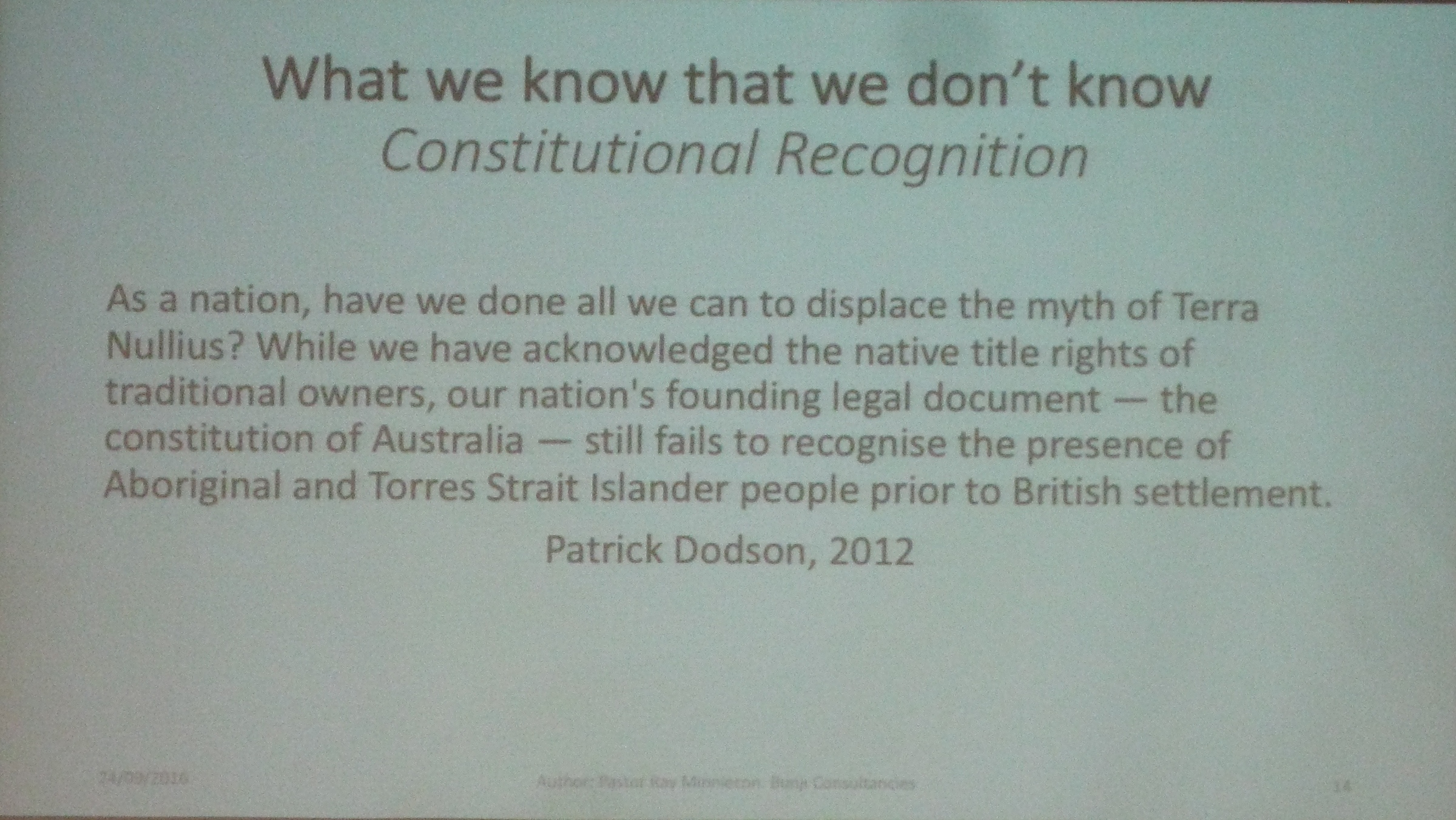
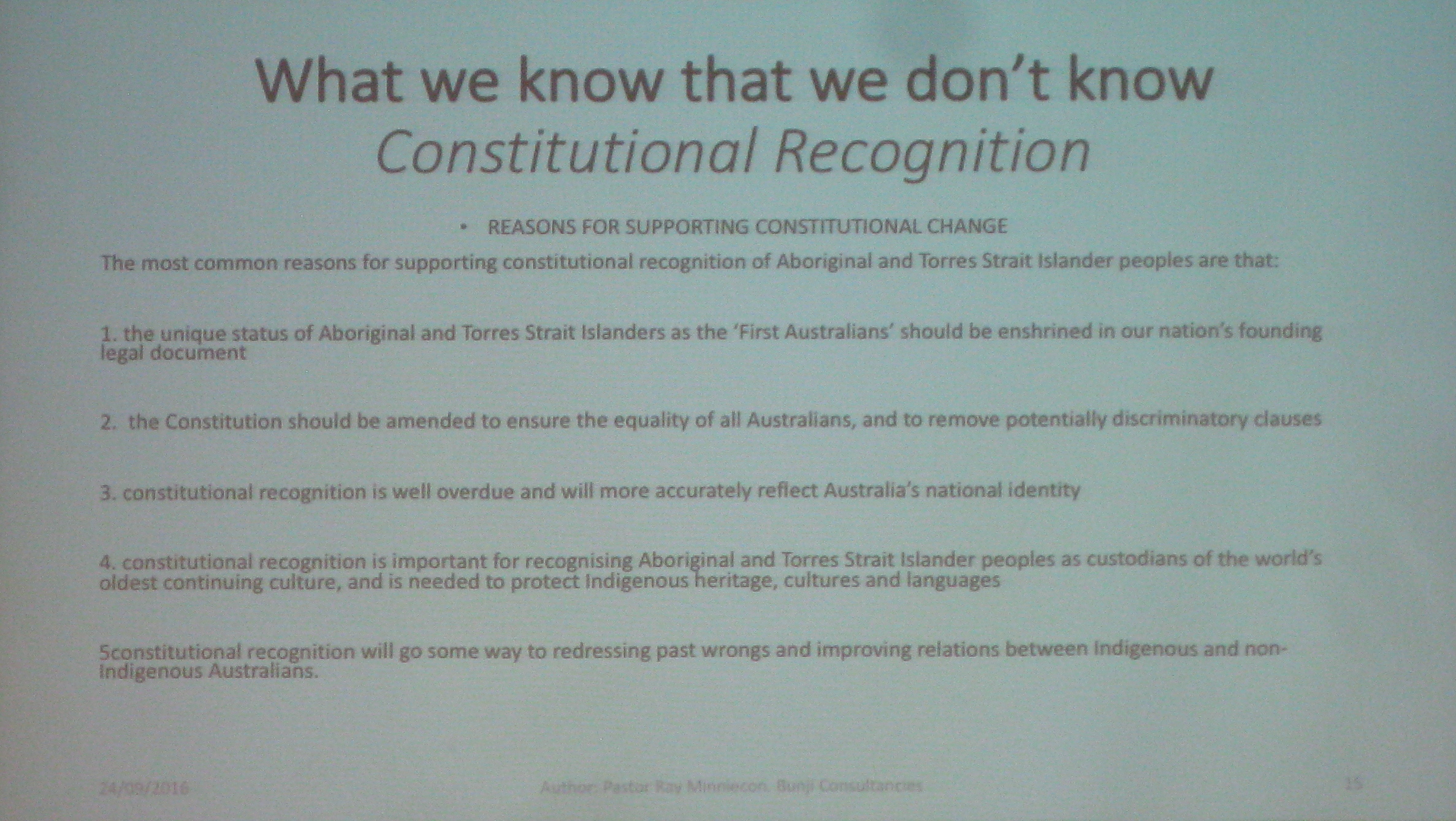
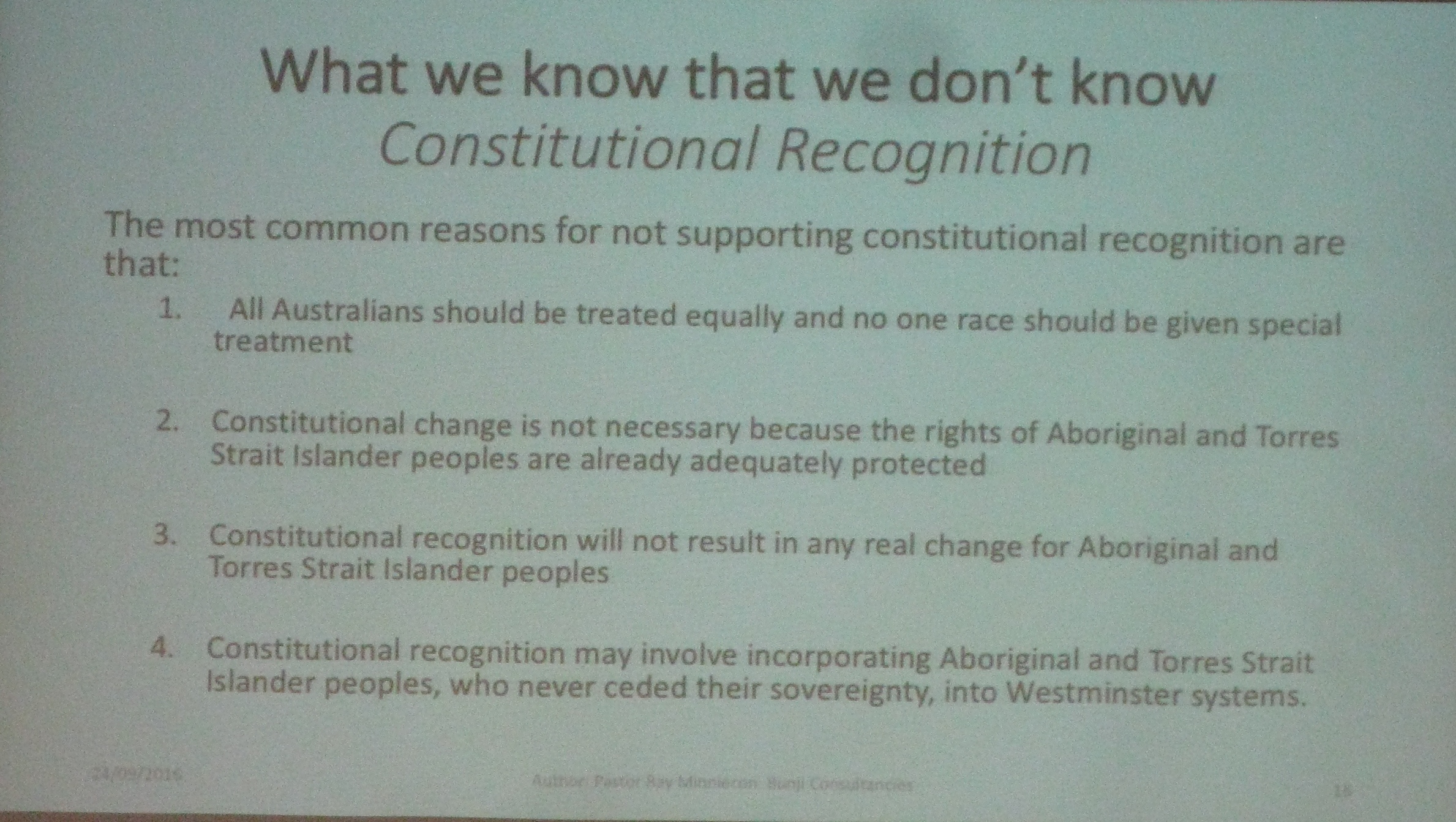
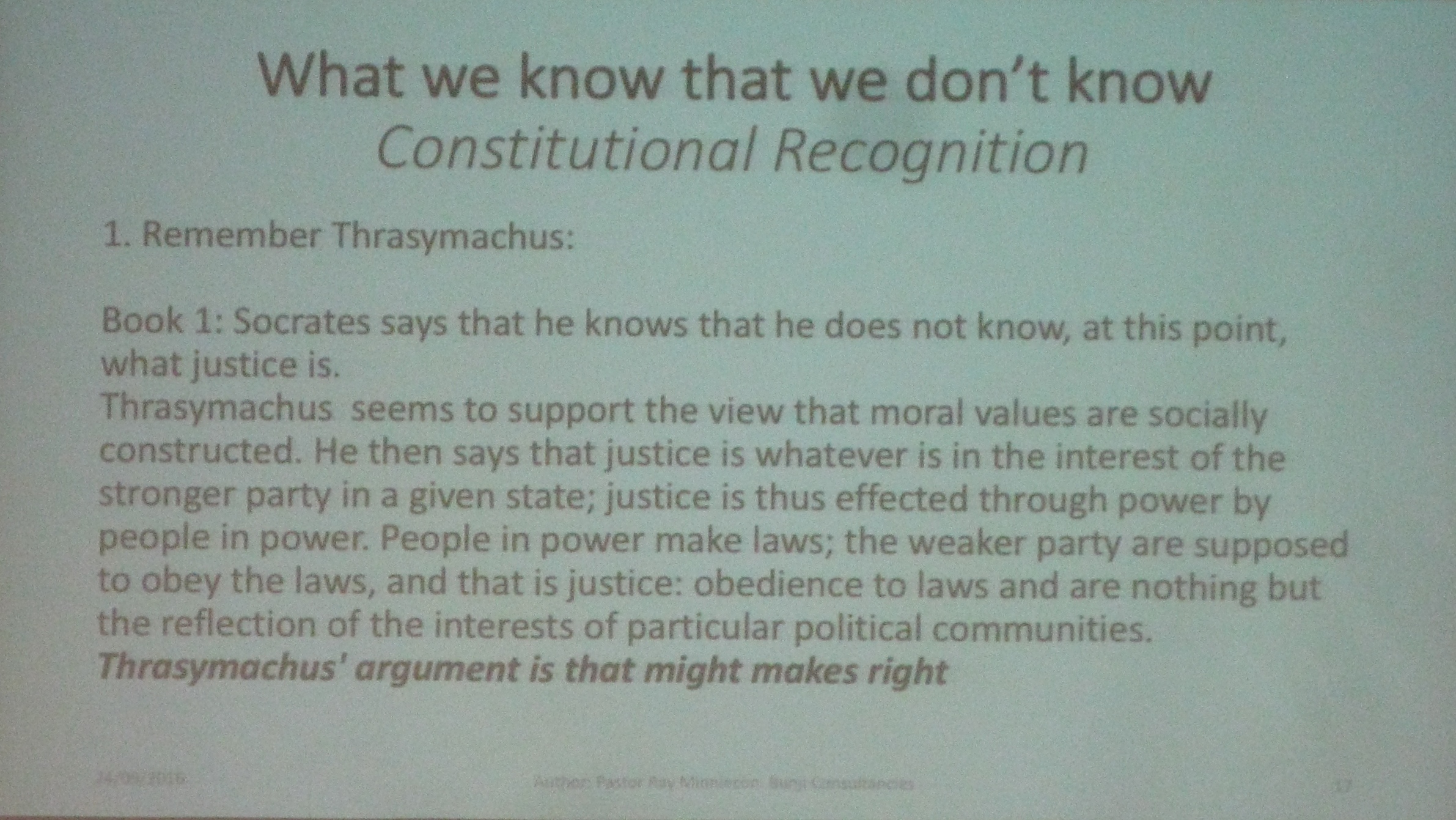
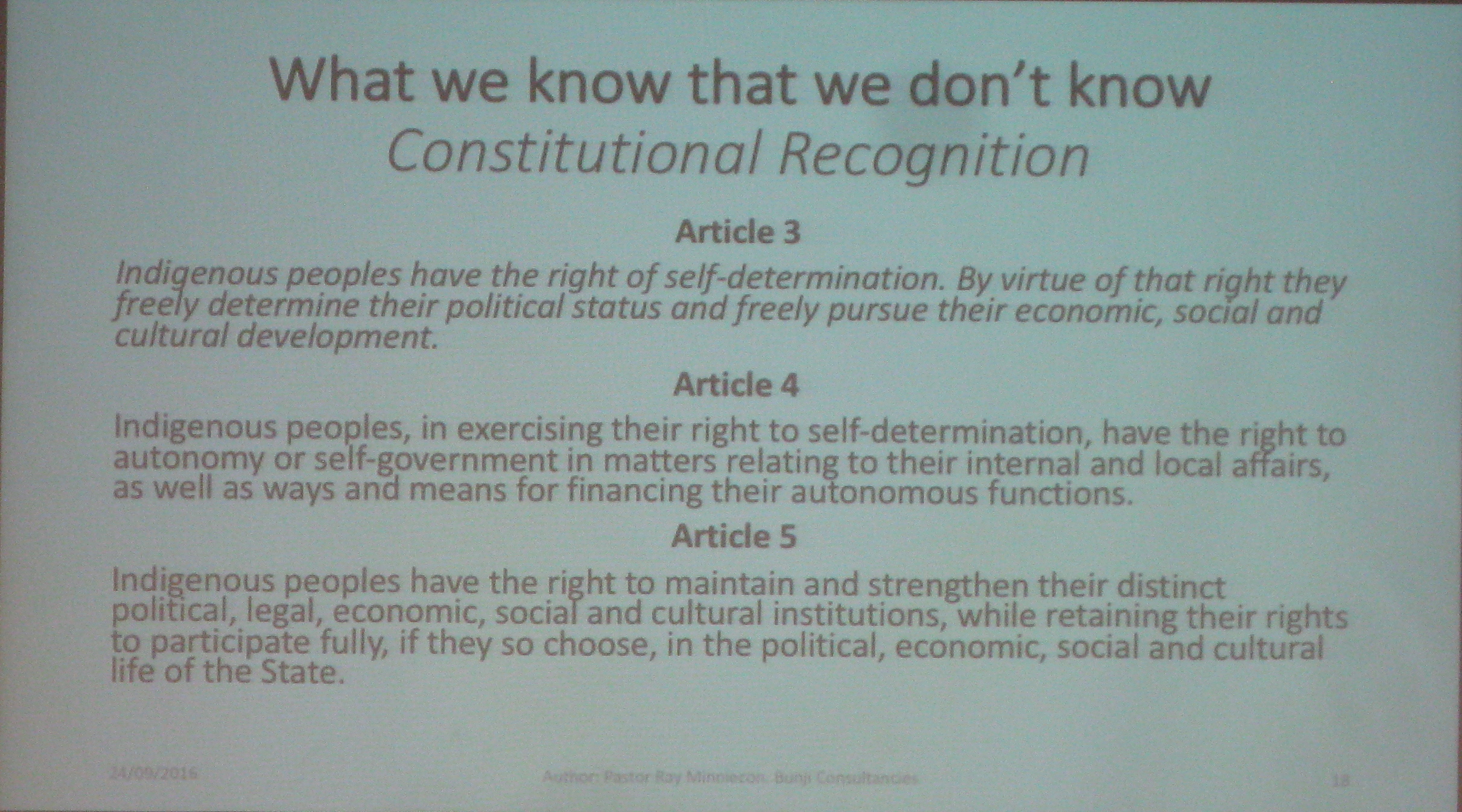
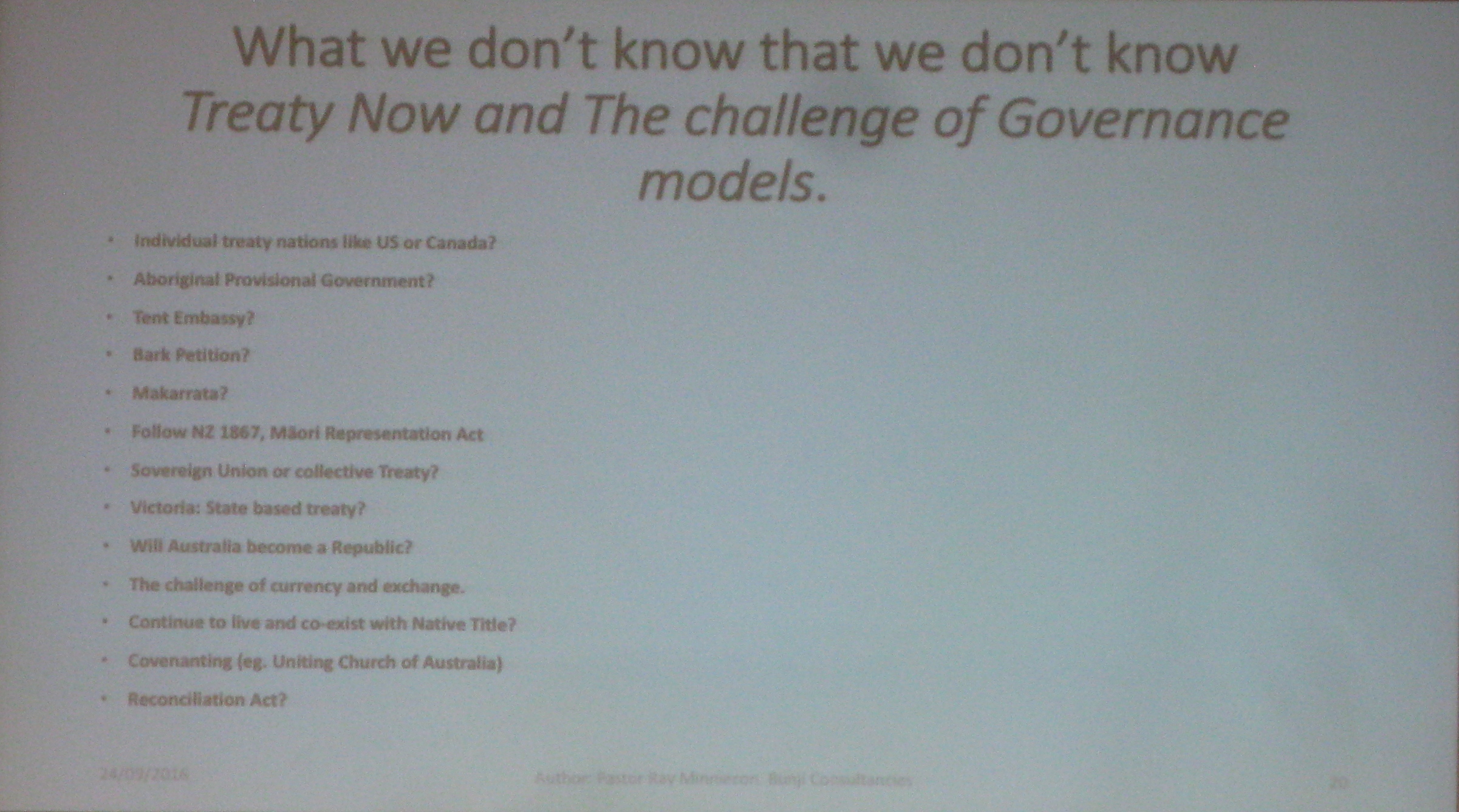
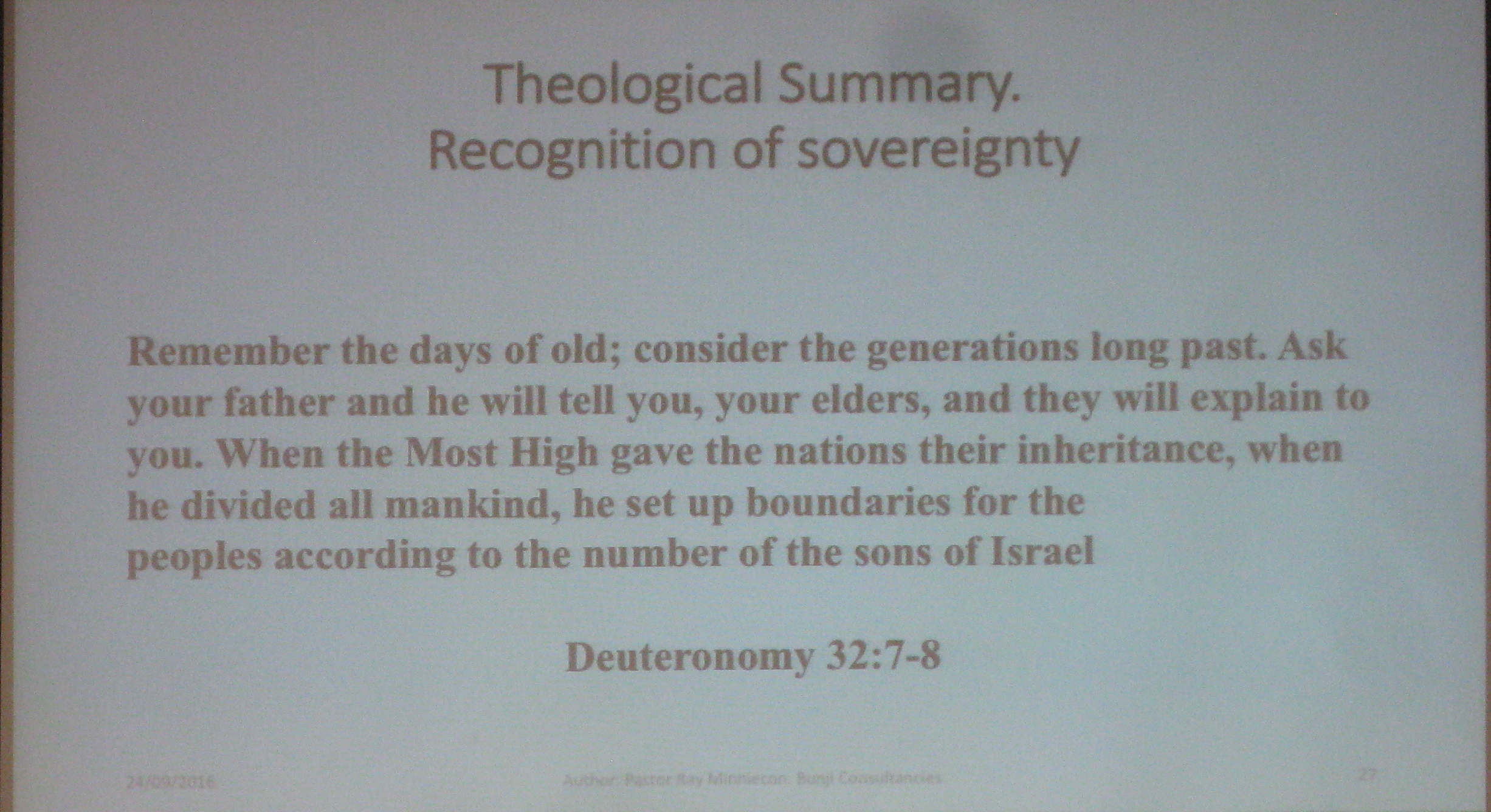
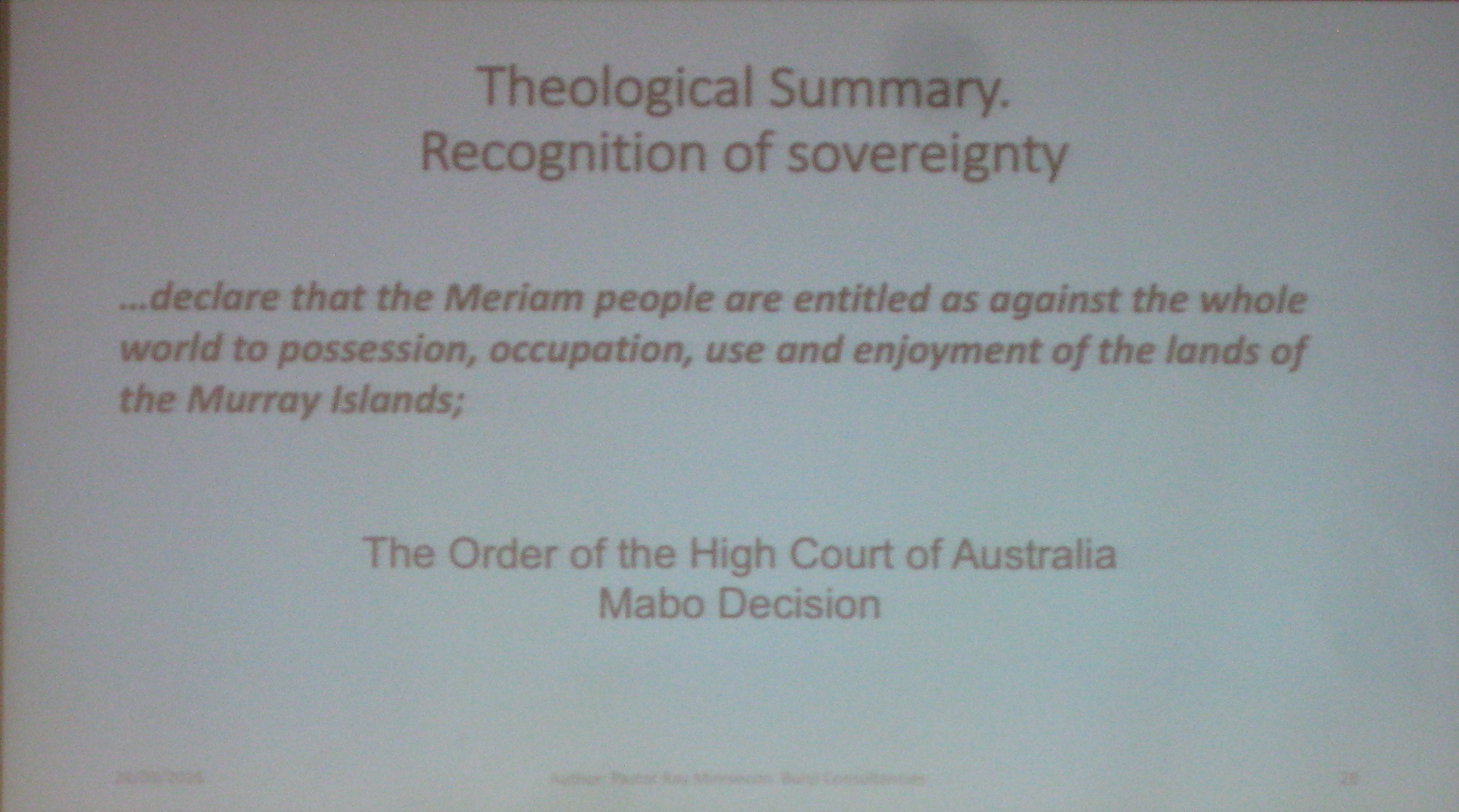
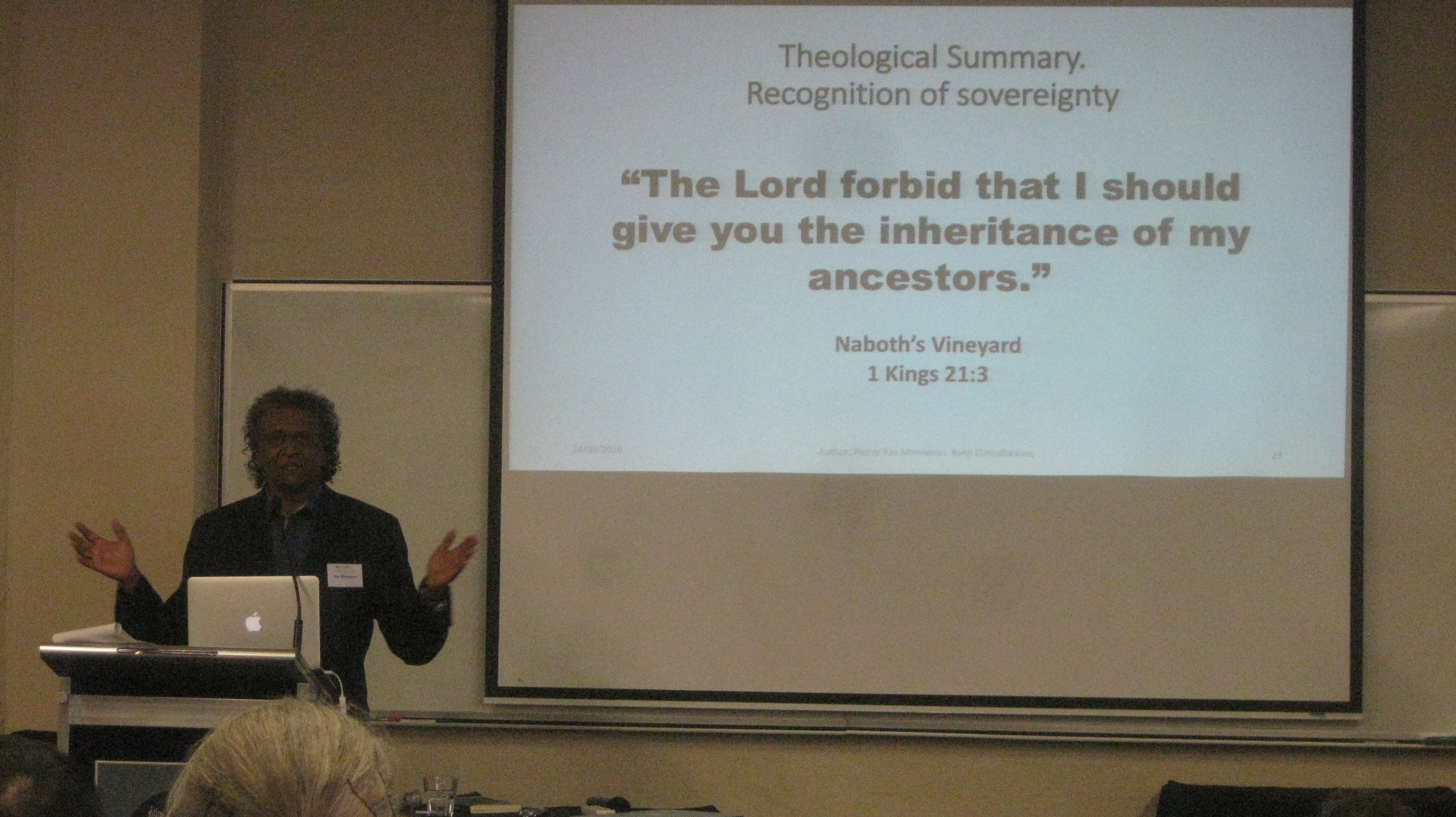
On the weekend of 24-25 September Whitley College hosted a conference called Constitutions and Treaties: Law, Justice, Spirituality – these are notes from session 4 of 9. We acknowledge that this gathering, listening and learning occurred of the land of the Wurundjeri People of the Kulin Nations and offer our respects to their elders past and present, and all visiting Aboriginal and Torres Strait Island visitors present.
Knowledge puffs up (self), love builds up (others) – Ray’s Dad… and 1 Cor 8:1
What do we know we know? What do we know we don’t know?
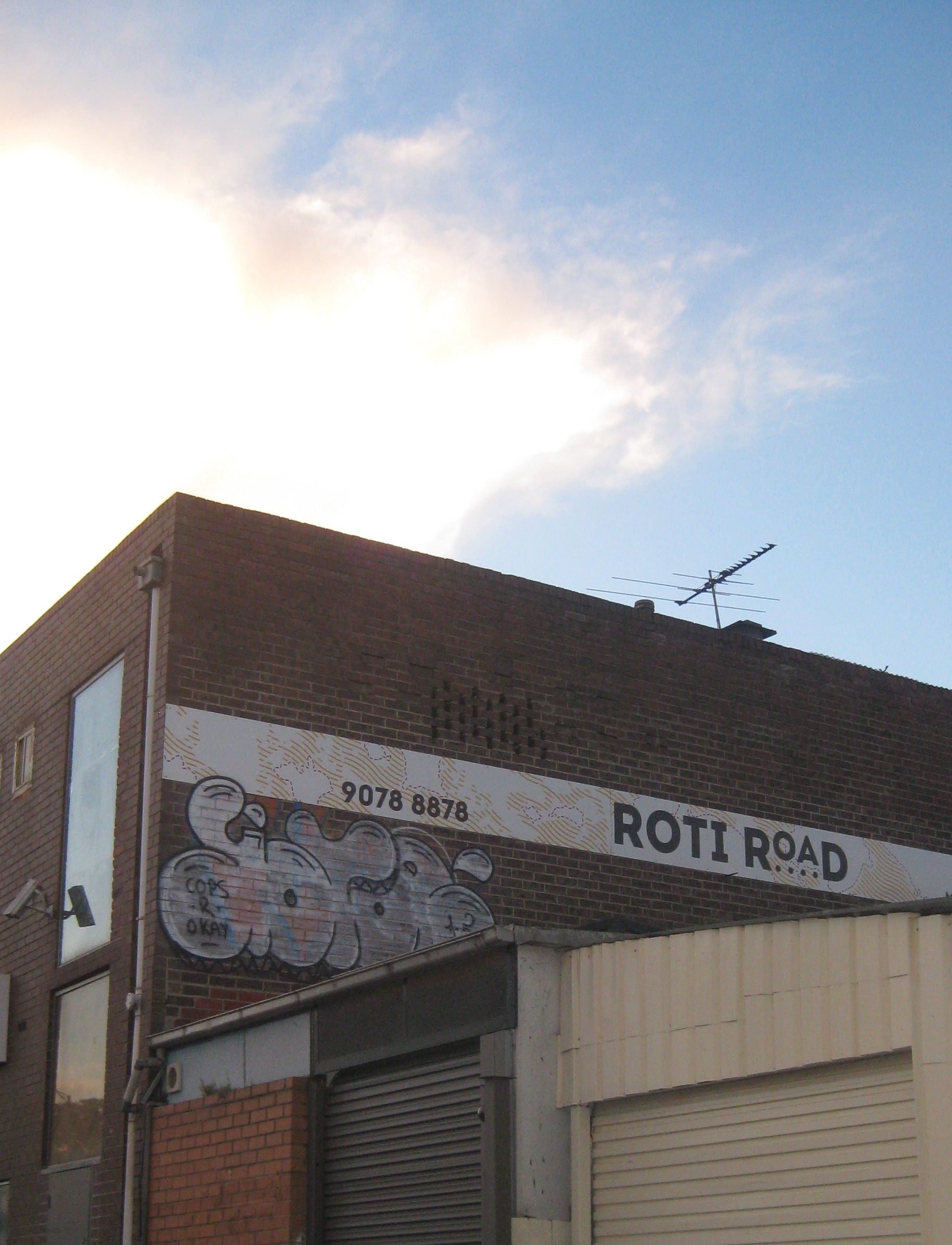
On 6 July 2016 Philando Castile was shot in front of his family in his car. The next day at a peaceful #blacklivesmatter rally 5 policemen were shot by a sniper. The next day as I walked to the train station I discovered this abhorrent graffiti in Leeds St across the pavement and shop fronts… from Minnesota to Texas to Australia in three days. A hand reaching out from the US all the way to Footscray and I feel cold and unsafe: We don’t want that violence here. We don’t want that hate here. That will not and should not touch my home.


Being one of those interfering women –I ask of myself, “Right, what can I do about this…” I took photos on my phone and sent then to the City Council and my local police station asking them to clean it up. Ours is a multicultural, multifaith, mostly safe neighbourhood and I don’t want anyone’s propaganda creating an environment of fear or unrest in the place/space that is my home for myself or others… Yes #blacklivesmatter. All lives matter.
What else is there to do? Cleaning up graffiti is managing the symptoms but what about the root cause? Using violence to solve our problems doesn’t seem to be working… Animosity seems to breed animosity. The right to bear arms doesn’t seem to make the world more safer just increase our odds of dying by getting shot. Led by our fear… Sticks and stones may break our bones but words will never... That’s patently untrue. And these words hurt. What does it mean for this to be written on our streets and on our walls? Do people really understand how far-reaching their choices, their words, their actions are?
This sort of a call to violent action is an anathema to me (I looked that up, it means: a detested thing) it felt like a violation (I looked that up to, it means: to disregard/treat profanely/break in upon-disturb/sexual assault). This impacted my sense of home and feeling safe matters. Having a sense of home matters. We are making the world we live in. Do people understand that? You are making the world we live in. Do you understand that?
I have delayed this post because I wanted some amazing idea. An everyday person makes a choice in a moment there, what choice can I make in a moment here? Something I could do that might have impact here that sent ripples just as far-reaching back the other way but, funnily enough, I couldn’t fix world peace this month. I intend to keep thinking about it though and asking of myself: “what can I do?”
In the meantime, I will keep walking in my neighbourhood. I will keep reading the word on the street and even though I haven’t done anything and nothing’s changed, and although I can’t really explain why, I have a feeling it’s going to be ok.


 itellyouarise