
How often are Your gifts held out to us freely
And we do not recognise they are gifts,
Or we recognise but do not claim,
Or we claim but do not use,
Or we use but do not share
with others as You have with us?
How often are Your gifts held out to us freely
And we do not recognise they are gifts,
Or we recognise but do not claim,
Or we claim but do not use,
Or we use but do not share
with others as You have with us?
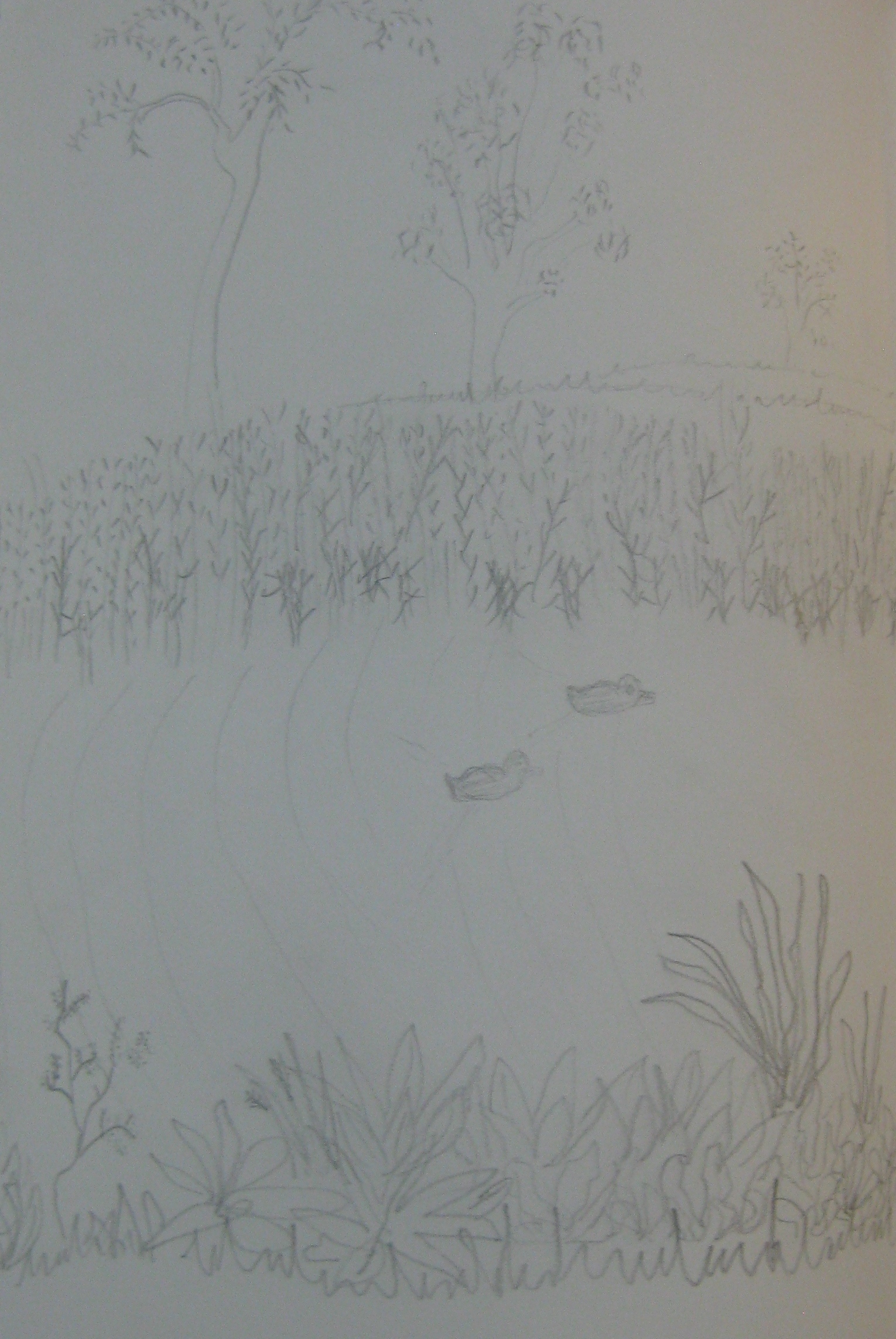
We rest in the grass
we rest in You
cool breeze stirs
bringing movement
the yellowing sun on closed lids
bringing reassurance, stillness
we seek – what will we find?
we listen – ducks on the pond, frogs in the reeds
the sh-ssh of wind in the eucalypt strands
to the sacred ordinariness of things
the answers are in you
the answers are in ourselves
the answers are in the story and
the story is still unfolding
Talitha Fraser
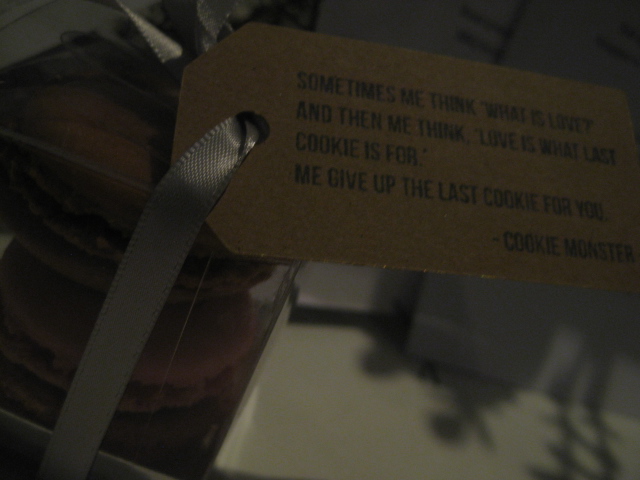
A Lovely Love Story by Edward Monkton
The fierce Dinosaur was trapped inside his cage of ice.
Although it was cold he was happy in there. It was, after all, his cage.
Then along came the Lovely Other Dinosaur.
The Lovely Other Dinosaur melted the Dinosaur’s cage with kind words and loving thoughts.
I like this Dinosaur thought the Lovely Other Dinosaur.
Although he is fierce he is also tender and he is funny.
He is also quite clever though I will not tell him this for now.
I like this Lovely Other Dinosaur, thought the Dinosaur.
She is beautiful and she is different and she smells so nice.
She is also a free spirit which is a quality I much admire in a dinosaur.
But he can be so distant and so peculiar at times, thought the Lovely Other Dinosaur.
He is also overly fond of things.
Are all Dinosaurs so overly fond of things?
But her mind skips from here to there so quickly thought the Dinosaur.
She is also uncommonly keen on shopping.
Are all Lovely Other Dinosaurs so uncommonly keen on shopping?
I will forgive his peculiarity and his concern for things, thought the Lovely Other Dinosaur.
For they are part of what makes him a richly charactered individual.
I will forgive her skipping mind and her fondness for shopping, thought the Dinosaur.
For she fills our life with beautiful thoughts and wonderful surprises. Besides,
I am not unkeen on shopping either.
Now the Dinosaur and the Lovely Other Dinosaur are old.
Look at them.
Together they stand on the hill telling each other stories and feeling the warmth of the sun on their backs.
And that, my friends, is how it is with love.
Let us all be Dinosaurs and Lovely Other Dinosaurs together.
For the sun is warm.
And the world is a beautiful place
we share life together
you and I
you know me and I know you
I try to tell you about my day
while we load the dishwasher, bathe the kids, clear the
table, sign the permission slip, find today’s
reader, break up the fight…
Are you listening to me?
I don’t feel heard.
I do things for you all the time
and you do them for me
we’ve been at this for a while
and we have our rhythms and habits…
do you think though, we could ask more often
“What do you need?”
I suppose I want to pick and choose
only being helpful in those ways
I like
we each need the reminder that
love finds a way
you know me and I know you
you and I
we share life together
Talitha Fraser
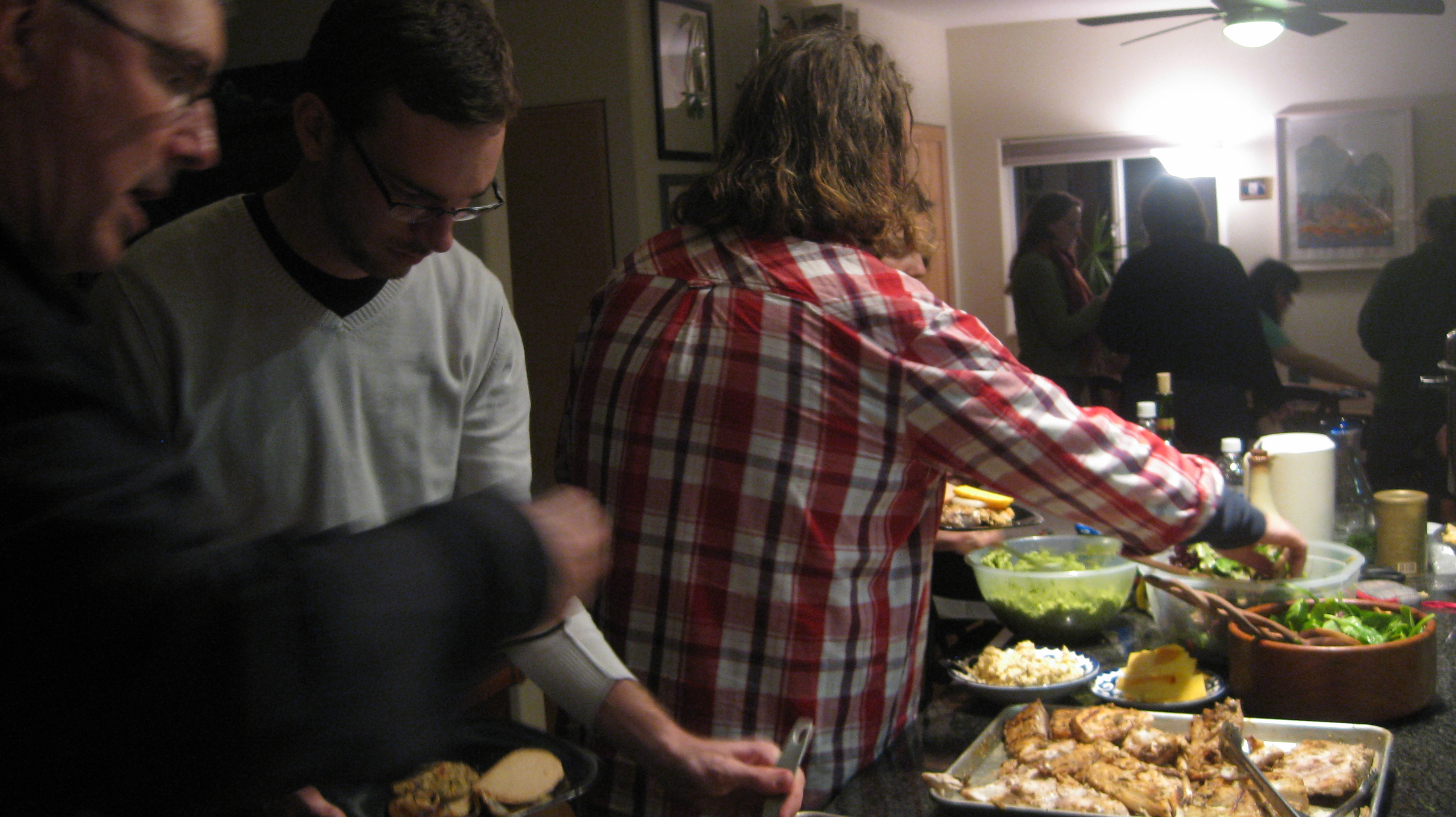
This week Simon Holt came to the Spiritual Reading group and read aloud from the first chapter of his latest book.
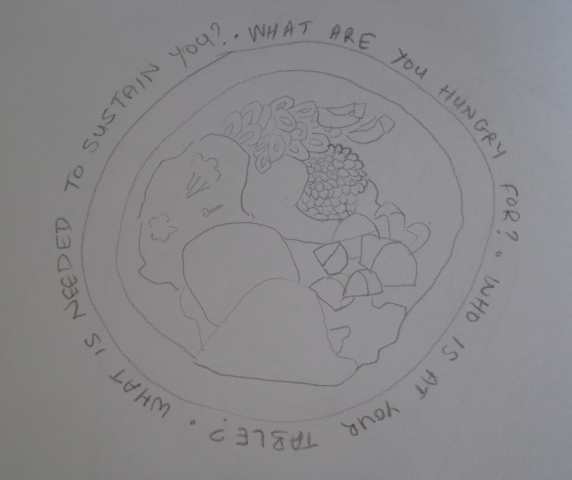
Here’s a teaser… “The quest for meaning, intimacy and community seems ever more urgent. The table beckons. It beckons because, at its core, the table is about such fundamentally human things as intimacy and family, identity and communication, reconciliation and romance, covenant and community, redemption and friendship, sustenance and celebrations, beginnings and endings. The table beckons because it plays host to so much more than biological necessity.”
We went around the group and shared ideas of table from our family of origin – dinner at my house was often cooked sometime in the afternoon then people ate where they liked, when they liked, what they liked (you could always have toast or 2-minute noodles if you didn’t like what was on the stove) – this was not normative of the group where the table was a place of sharing food and daily life together, there might be rules that you don’t leave the table without saying something you are thankful for/doing a bible reading/everyone is finished…
One idea I found intriguing was the idea of not being allowed to ask for anything – training in mindfulness – the only way to get anything is to be aware of others needs and for them to be aware of yours expressed by a need to care for one another: Would you like any…? Can I pass you the…?
These days I have next to no regular rhythms of food sharing. We are sharing hospitality but it is irregular… if, as Simon says “eating is a social and political act of profound consequence, one that expresses tangibly our communty identity and citizenship. And as one of the most routine activities of life – one that marks the rhythm and flow of everyday – eating is embedded at the heart of what it means to be human.”
How can we make who we eat with, what we eat and when, more intentional?
I sit in the middle of the river
and the river sits in the middle of me
won’t you come and sit by the river?
sit by the river a while with me
Talitha Fraser
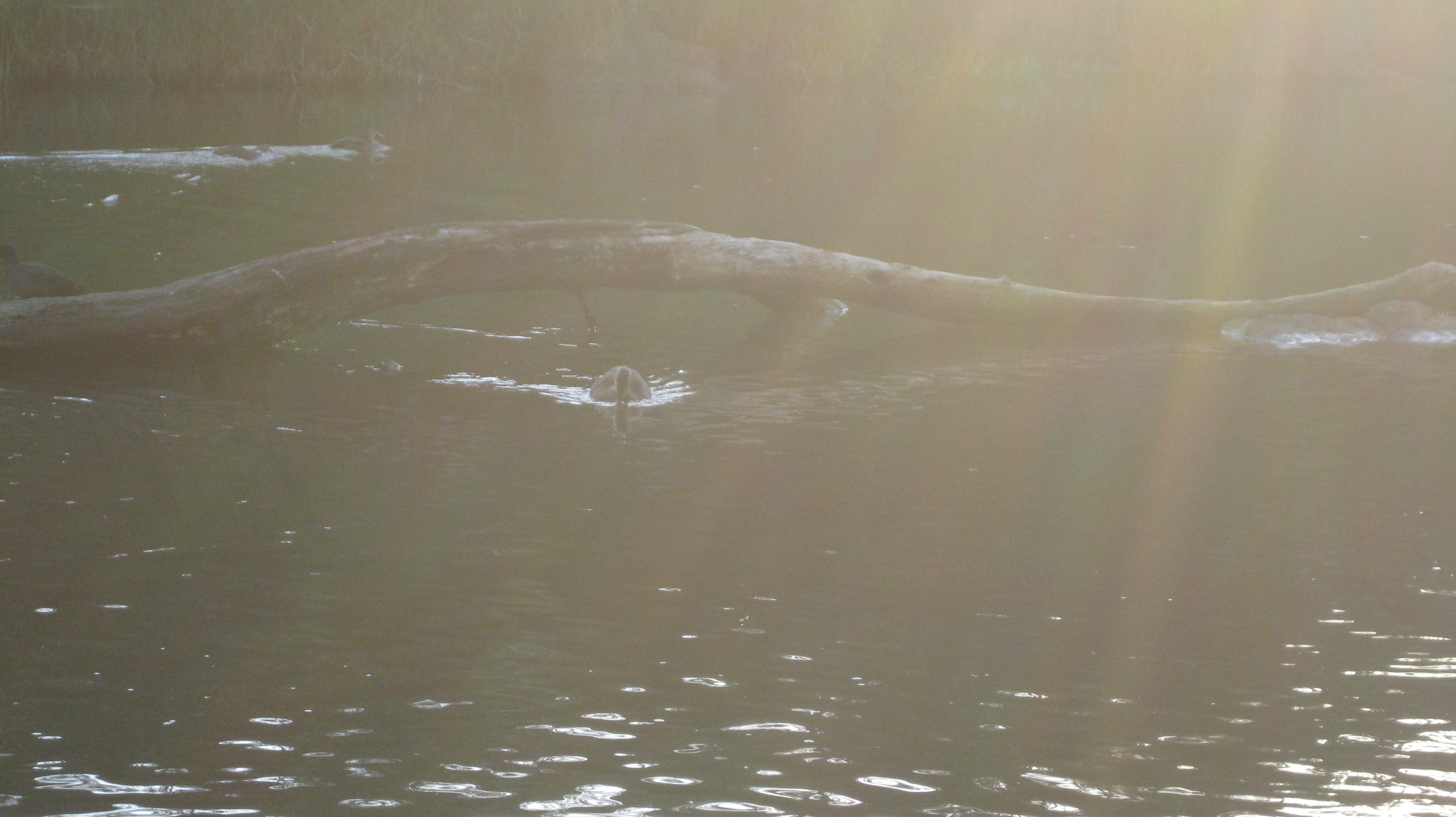
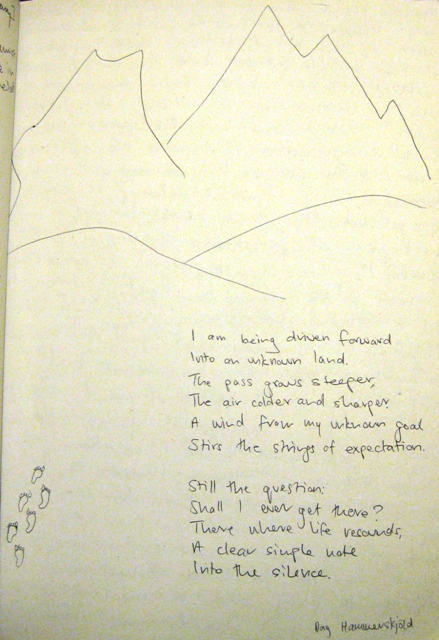
This months Spiritual Reading group looked at the written works of Dag Hammerskjold – particularly Markings, you can read the notes here.
I found myself thinking in the session, ‘How did I not hear of Dag Hammerskjold before today?’ The book Markings is a fascinating insight to the work of God in someones life and the privilege of private insight into the struggle and conflict within ourselves from who we are to whom You intend for us to become. Dag Hammerskjold was known as a diplomat and economist – predominantly for his role as Secretary-General at the UN. it was only when Markings was published posthumously that we discover he was also a theologian – vocationally a secular monastic – he didn’t join an order or marry but found his own way ‘what makes loneliness an anguish in not that I have no one to share my burden, But this: I have only my burden to bear…’ Dag seems to have lived a selfless life. I am certain he was not perfect and would lay honest claim to his own hard-headed mistakes but he sought and he found something and I think that is the best of what any of us can hope for.
Tired
And lonely,
So tired
The heart aches.
Meltwater trickles
Down the rocks,
The fingers are numb,
The knees tremble.
It is now,
Now that you must not give in.
On the path of the others
Are resting places,
Places in the sun
Where they can meet.
But this
Is your path,
And it is now,
Now that you must not fail.
Weep
If you can,
Weep,
But do not complain.
The way chose you –
And you must be thankful.
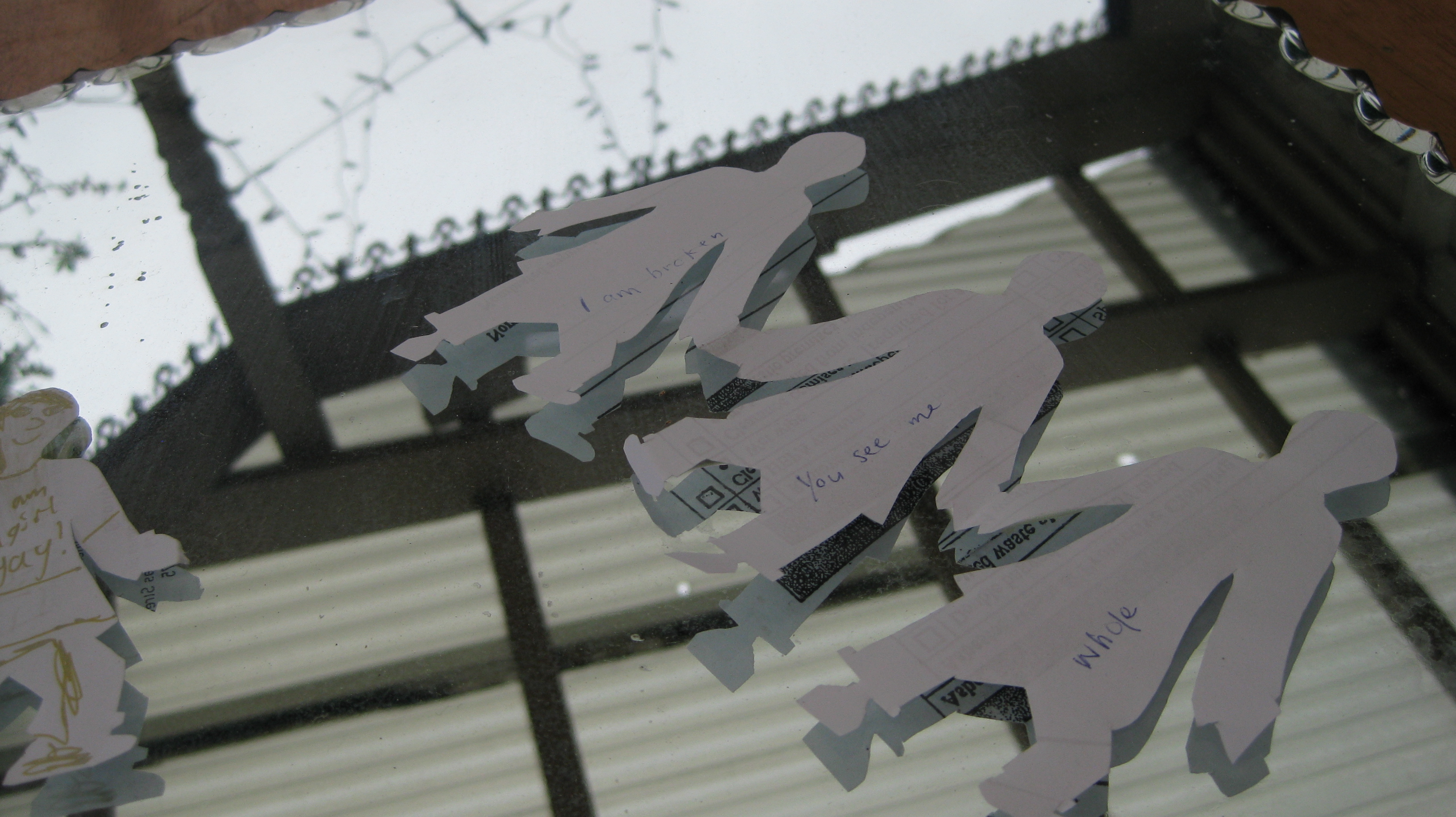
For prayers at community dinner last week we reflected on the Seeds query What does it mean for us to be the body of Christ? and the words of Joy Cowleys psalm…
Dear God,
I need to see myself
as you see me.
My own vision is fragmented.
I try to divide up my life
and reject those parts of me
I consider to be weak.
I waste time and energy
in the battle of self against self
and Lord, I always end up the loser.
Dear God,
help me to see myself
as you see me.
I forget that you made me just as I am
and that you delight in your creation.
You do not ask me to be strong;
you simply ask me to be yours.
You do not expect me to reject my weakness,
merely to surrender it to your healing touch.
Dear God,
when I can see myself
as you see me,
then I will understand
that this frail, tender, fearful, aching, singing
half-empty, shining, shadowed person
is a whole being made especially by you
for your love.
To Be Someone – Unique Identity & Personal Value
To Be At Home – Security & Loving Harmony
To Be Going Somewhere – Purpose & Progress
 itellyouarise