Tag Archive: truth


This two-day conference drew together thinkers from within and beyond the church to consider the place of a public theology and Christianity in the aftermath of trauma and abuse.

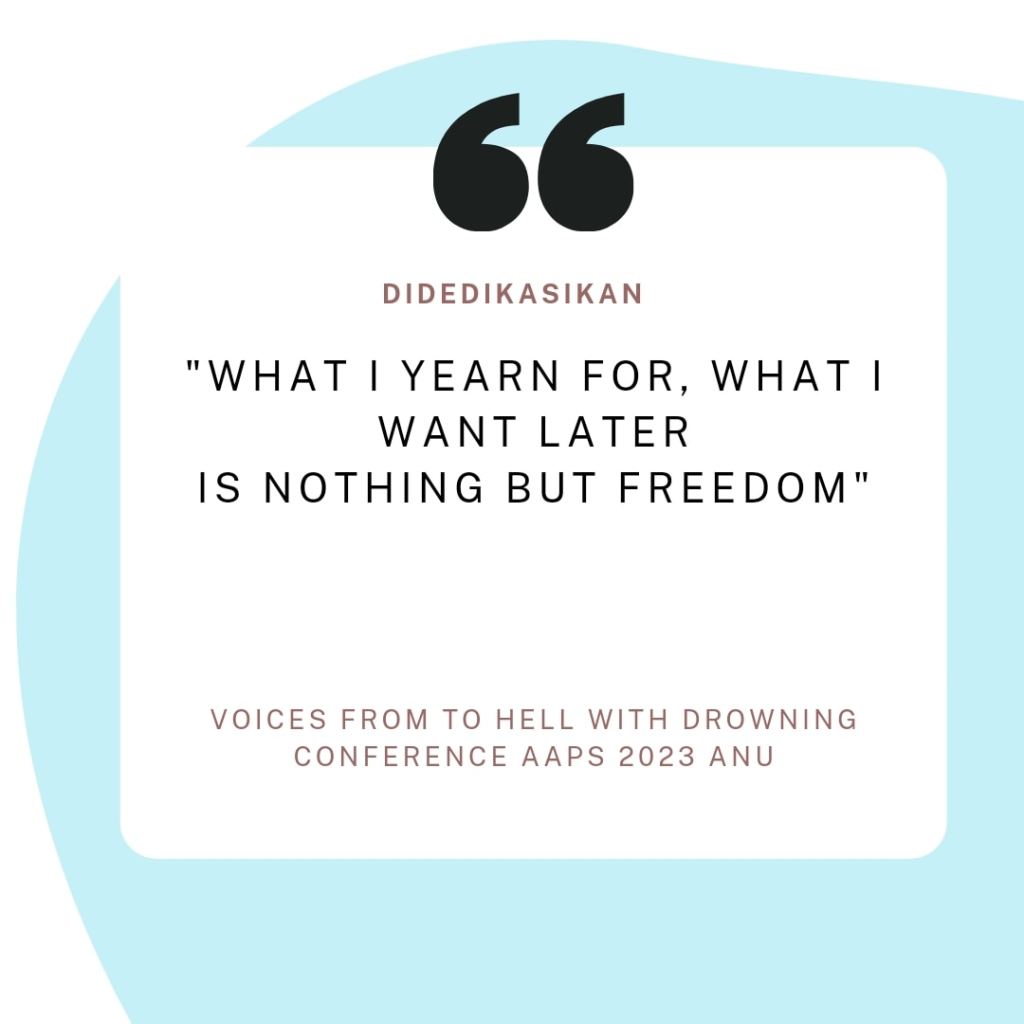
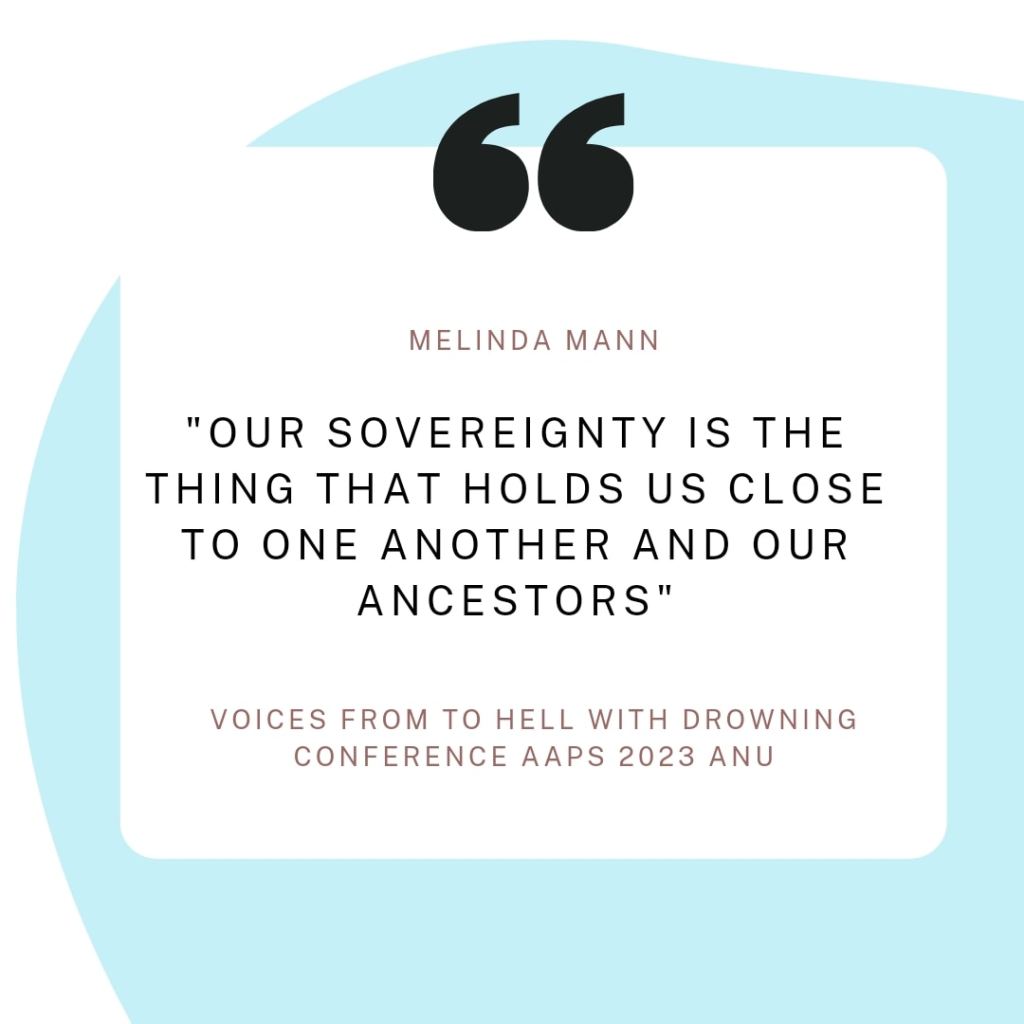
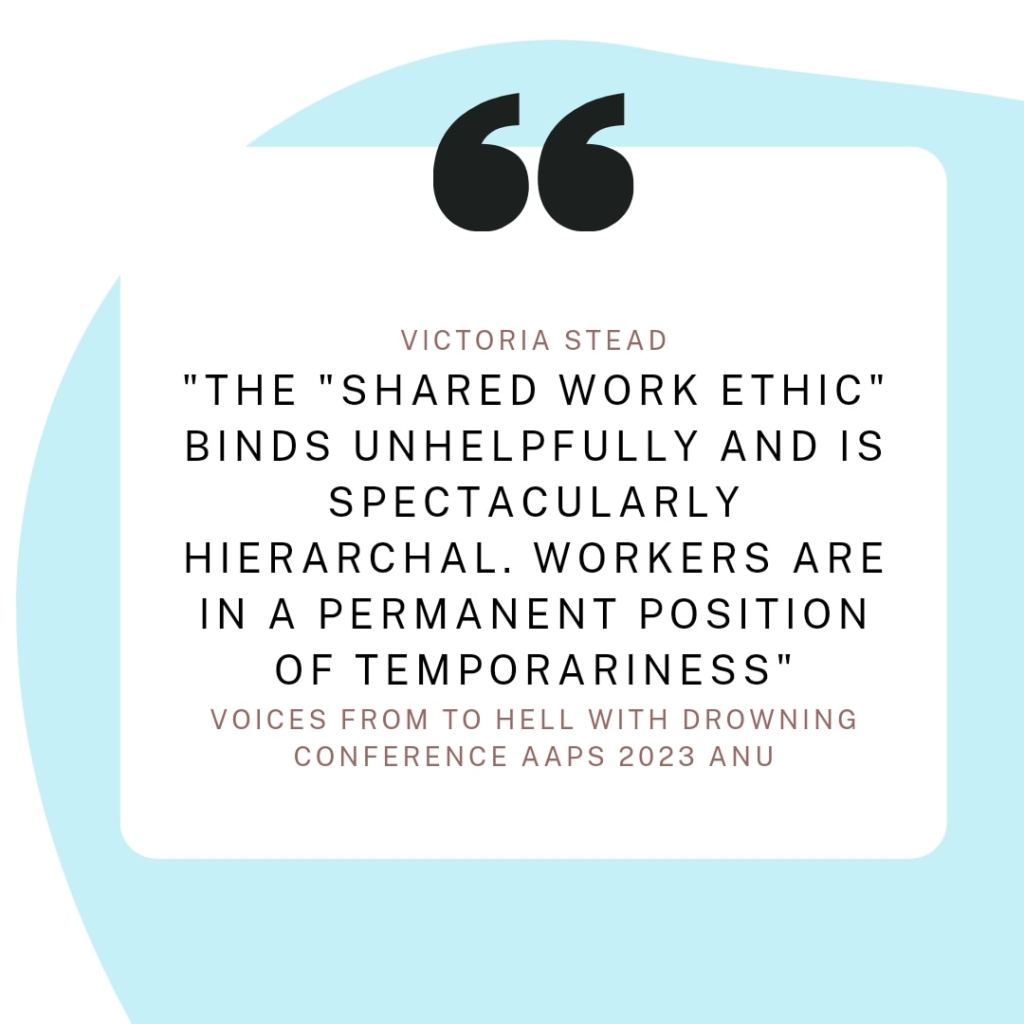
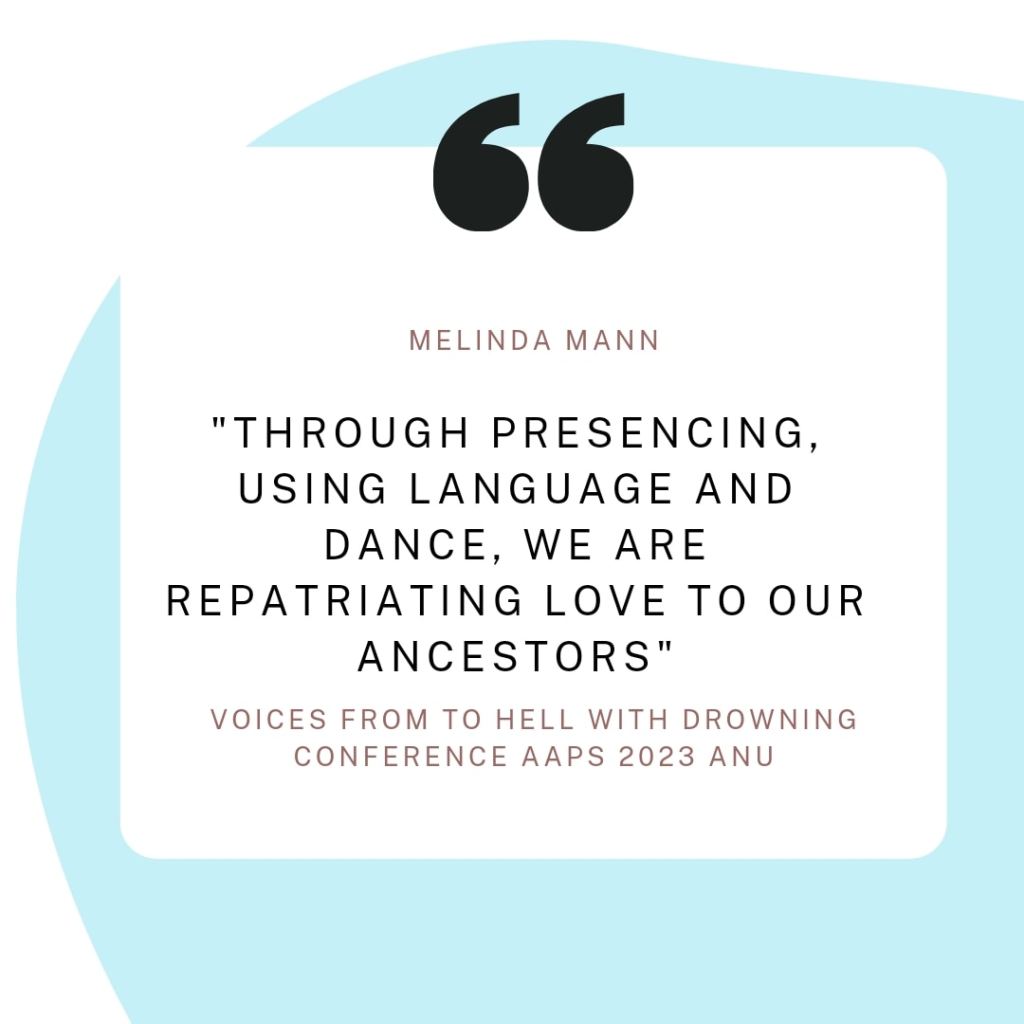
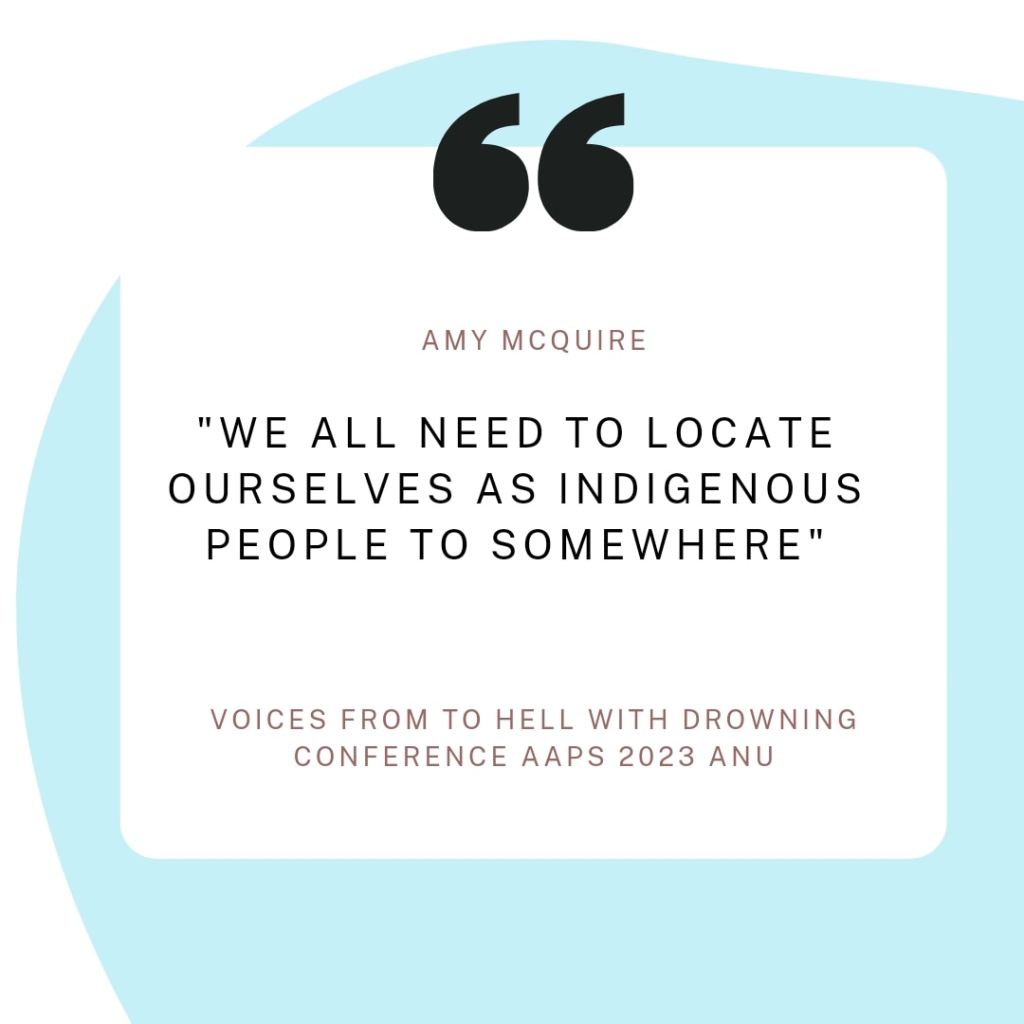
From Royal Commissions into institutional handling of sexual abuse and disability care, to the role of the church in colonial policies and practices, this conference make space for difficult and crucial conversations between academics, poets, ministers, survivors. Hosted by Janice McRandal of the cooperative, Brisbane, 3-4 November 2023. Loud Fences might be a page of interest, if you want to know about grassroots responses here.

To be able to hold space amidst this significant conversation was profound. We closed out with this sung poem…

begin
begin
begin anywhere
set out
step out
that is where you start
one day you do it
different than yesterday
ever so slightly
and it changes the world

Talitha Fraser

The 2023 AAPS conference theme emphasises the need to resist and reframe fatalist and narrow representations of Oceania.

From the highlands to the islands, the conference aims to advance multiscopic understandings of Oceanic people’s relationships and relationality of places through storytelling rooted in a trans-disciplinary, critical and creative Pacific Studies.

Justice for Creation: Indigenous perspectives and the role of the church

Consider what, or who, you’re apprenticed to in the context of climate justice.
From this grounding, and locating to place – what is the invitation to action?

Mark 1:9-10 In those days Jesus came from Nazareth of Galilee and was baptized by John in the Jordan.  And just as he was coming up out of the water, he saw the heavens torn apart and the Spirit descending like a dove upon him.   In those days William Barak was born into the Wurundjeri clan of the Woiwurrung people and was initiated into men’s business near the Walla Creek by his Uncle Billibellary. As he was coming up out of the water, he looked to the sky and saw Creator Bundjil soaring overhead.

An invitation here to visit the water’s edge and a lens to decolonise our theology…

Rivers are rich landscapes – you know that what is passing now has passed by others before you and will pass by others after you.

There is something special in the biodiversity of this – at once you are not alone and, also you can ask: What does the river bring here with it?  What will it carry away?

Consider what, or who, you’re apprenticed to in the context of climate justice. Where are you immersed? From this grounding, locating to place – what is the invitation to action?

Our land story is not valued in the main-stream cultural practices here on these lands known as Australia.

It is radically counter-cultural to resist, and insist that we need to acknowledge our elders past and present – of these lands and waters here, and those we come from. Might be different. Might be the same. We are because they were.

When we do this, we acknowledge our elders’ deep wisdom of listening and presence. 

When we do this, we acknowledge our elders’ relationships with Creator and Creation, and recognise they are custodians of land, language, law and more – now, and since time immemorial.  Our meeting is the confluence of these.

This wisdom is the inheritance of our communities, flowing down to us, carried within us. What will we pass forward?   Come. Meet us at the river. Tell us your land story.

_____

Raisera McCulloch is a Pasifika woman living on Bunjalung country. She’s an educator developing training on decolonizing practices for systems change and a consultant to INGOs in racial justice. Her homeland of Tuvalu is facing a climate crisis and she advocates for action so her own children can preserve their culture. Currently a student of NAIITS completing a Masters in Theological Studies focusing on Indigenous Theology. Founder of Indigenous Giving Circle, a philanthropic initiative created to decolonise wealth, working towards a reparations model of giving. 

Talitha Fraser, The Recollective, is a Ngai Tahu/Pakeha settler on the lands of the peoples of the Kulin Nation. She is the curator of The Recollective and Administrator for the Australian Collaborators in Feminist Theologies. She is passionate about building communities of care and resilience that honour that identity we come from, and celebrate those we move to claim and participate in. Her creative practice is one of contemplative listening: How does place or event shape creative practice, and how does practice change place, or event, or people?

This is a flash back to a previous post: Letters from Grace.

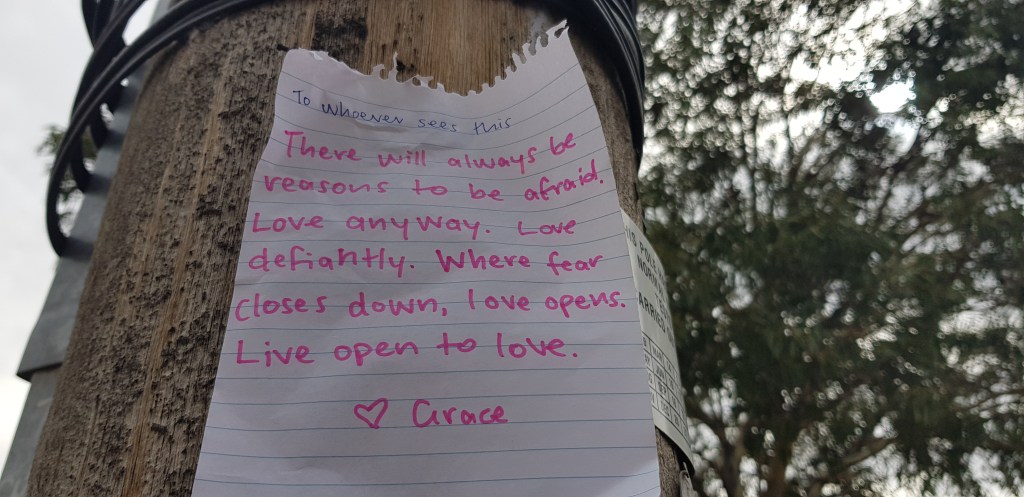
“To whoever sees this…”

Someone called Grace has been leaving notes on a lamp post I walk past. And I came to wonder whether there is a person called ‘Grace’ or whether the grace is the space being offered.

I wrote some signs for the lamp posts myself. Anyone can give grace.

Anyone can testify.

#testify #taunaki

Shameless

a picture of the cover of shameless by nadia bolz-weber. A black white image of the garden of Eden but the humans and the snake are in colour.

“This is the body of Christ, every lump and scar and curve of it. We are present to God and to each other and God is present in these human bodies. All of them.

God is made known: in the miracle of our infant bodies, so recently come from God that you can smell God on their heads; in the freedom of our childs bodies as they were before shame and self-consciousness entered into them; in the confusion of our pubescent bodies and the excitement of our teenage bodies as they become familiar with desire; in the fire and ice of our young adult bodies as they connect with each other; in the goddamn mind-blowing magic of our baby-making bodies; in the wisdom in our aging bodies, and in the so-close-to-God-you-can-smell-God beauty of our dying bodies.

Incarnation, Carne, Flesh

Nadia Bolz-Weber, Shameless 2019

Nadia Bolz-Weber’s writing reminds me of Anne Lamott’s – raw honest stories. You can’t deny that kind of witness to ‘holy resistance’ that says: I will testify to the experience of my body and the experience of my God to what the truth is.

We get so many messages about what are bodies are, what they aren’t, what they’re supposed to be. What we should eat, not eat, go on a diet, eat a pie, you should be thin but men like a woman with some meat on her bones.

Indeed, we all feel gnawed on by the relentless message to be something other than what we are. Let this book be the sip of living water that affirms you. Affirms your body. Affirms your sexuality. Affirms your identity, made in the image of God.

Why do shameless and shameful mean basically the same thing? Shameless: brazen, barefaced, brash, impudent, unblushing. These adjectives apply to that which defies social or moral proprieties [Free Dictionary].

Be shameless then. Be defiant. Be shamefreely and defiantly you. Made in the image and sexuality of God.

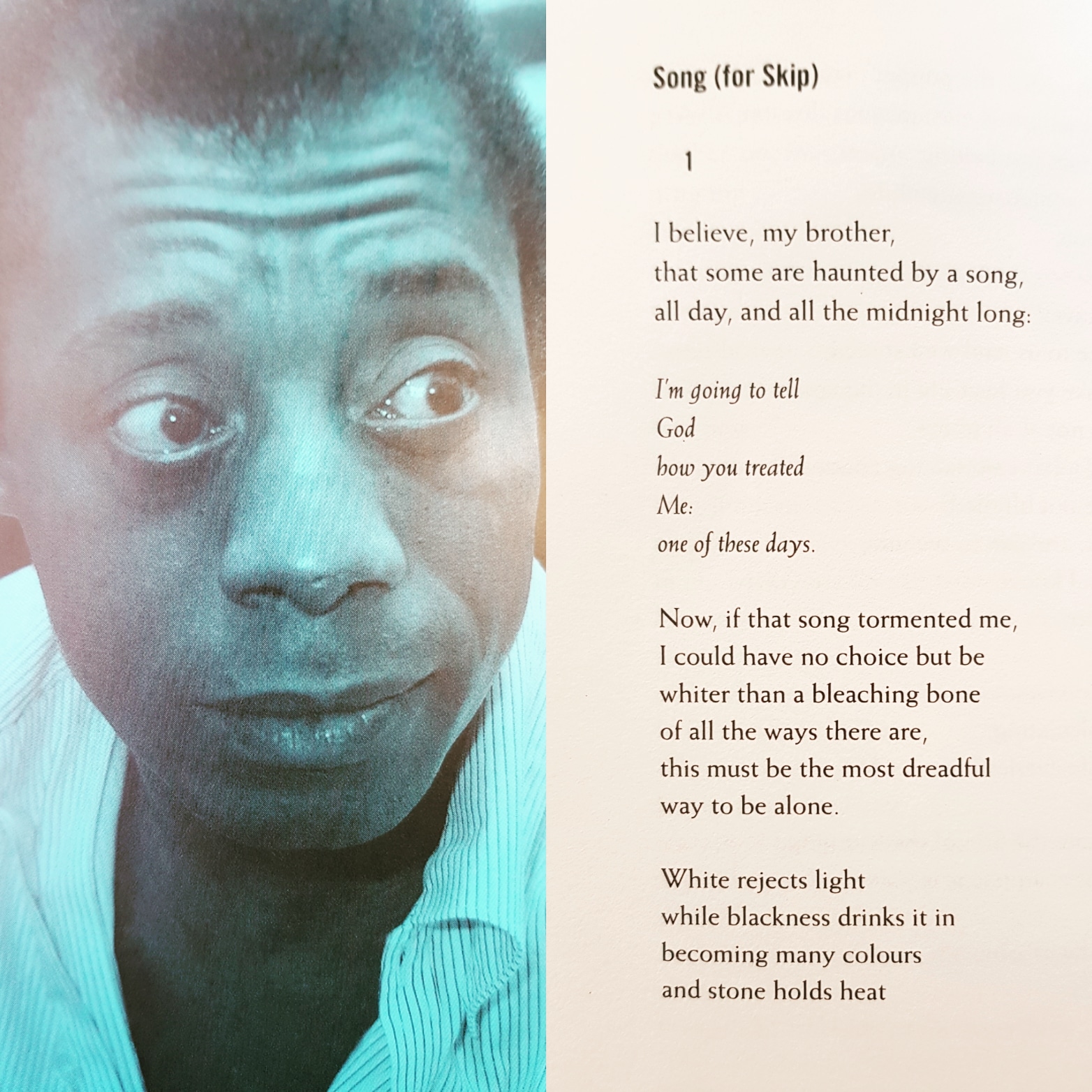
James Baldwin – Jimmy’s Blues and Other Poems

It’s me that visits. Words that are both brand new and utterly familiar at the same time somehow. I think that’s what truth sounds like.  #visit #toro #adventwords2019

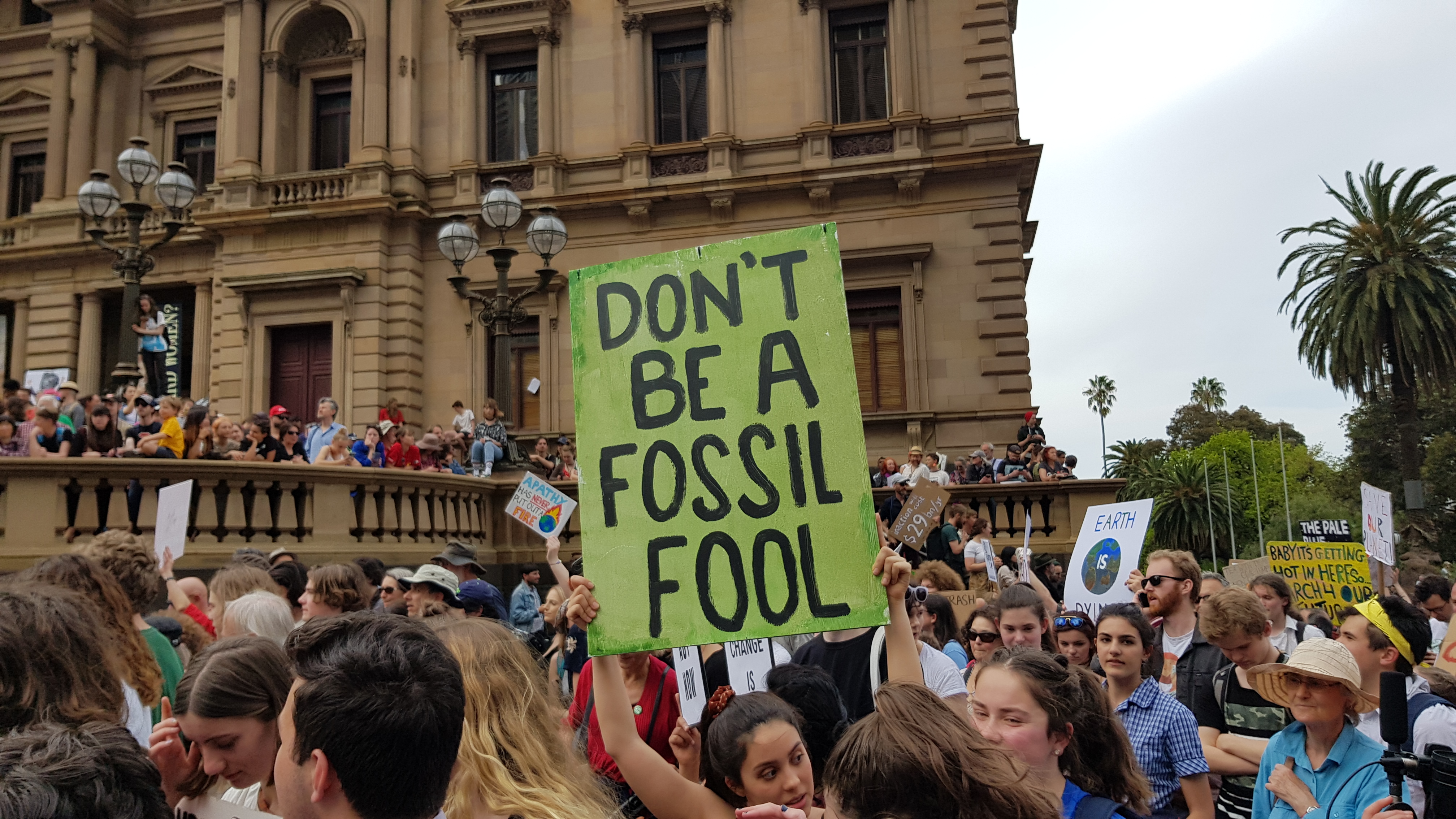
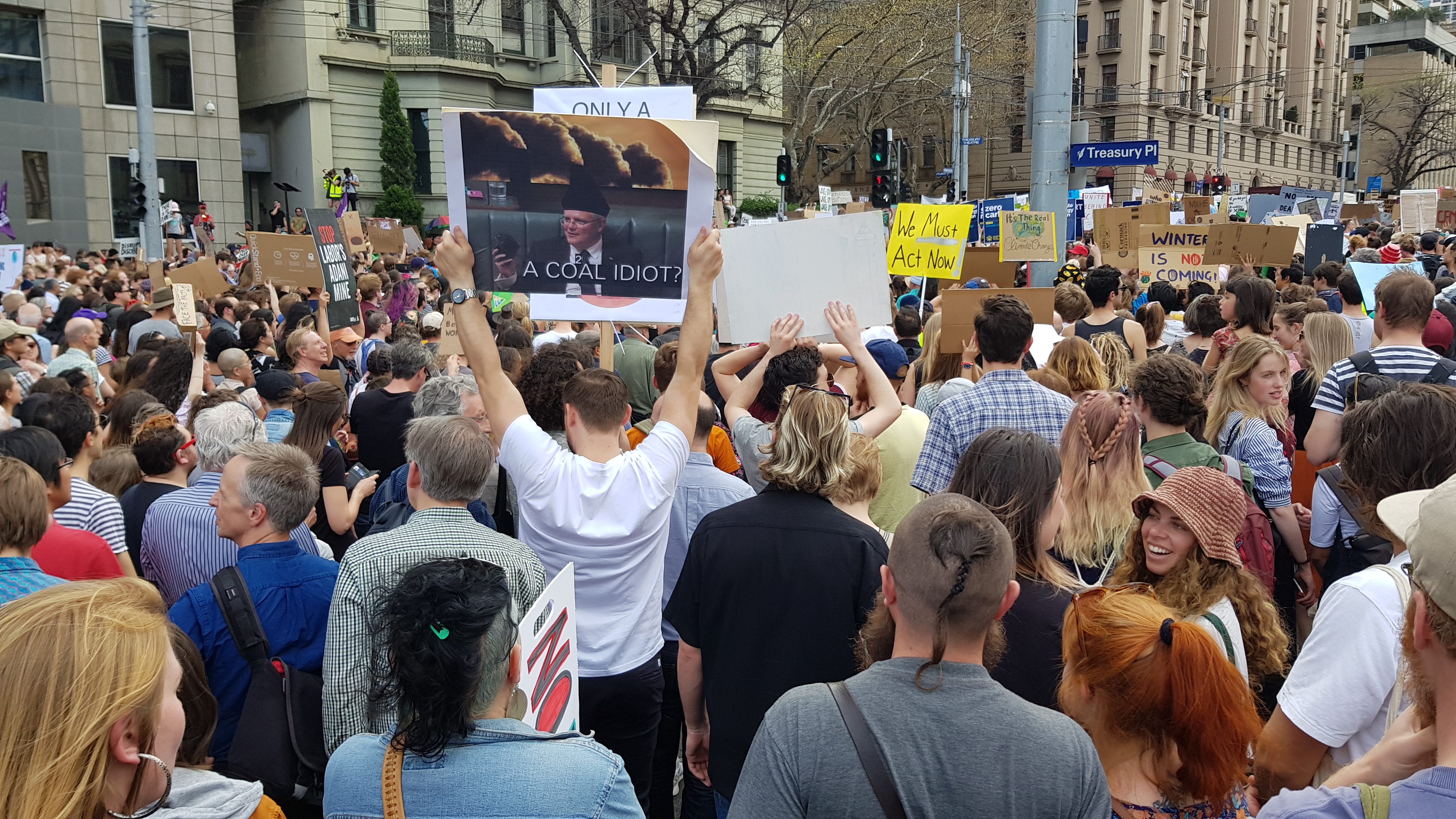
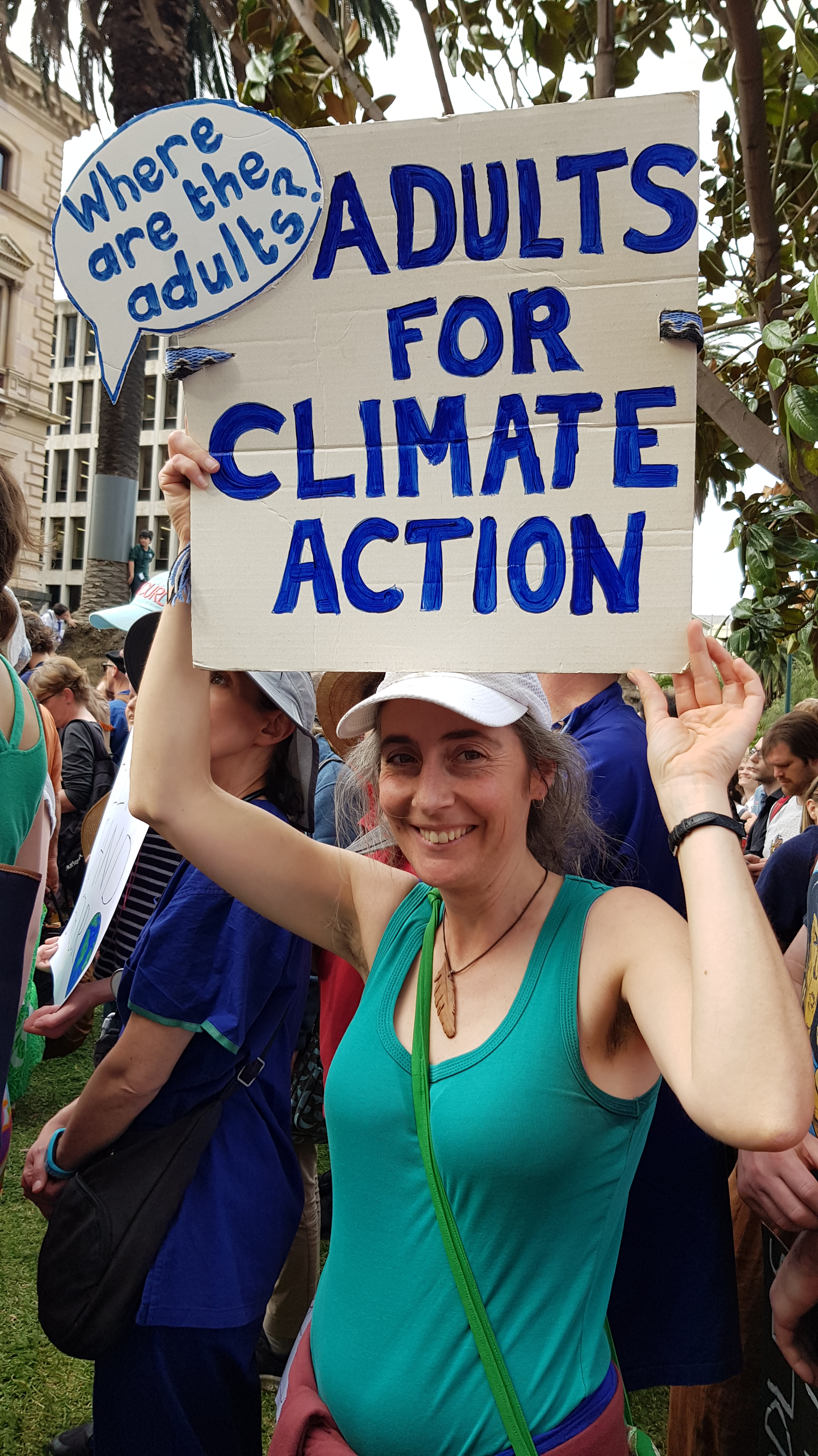
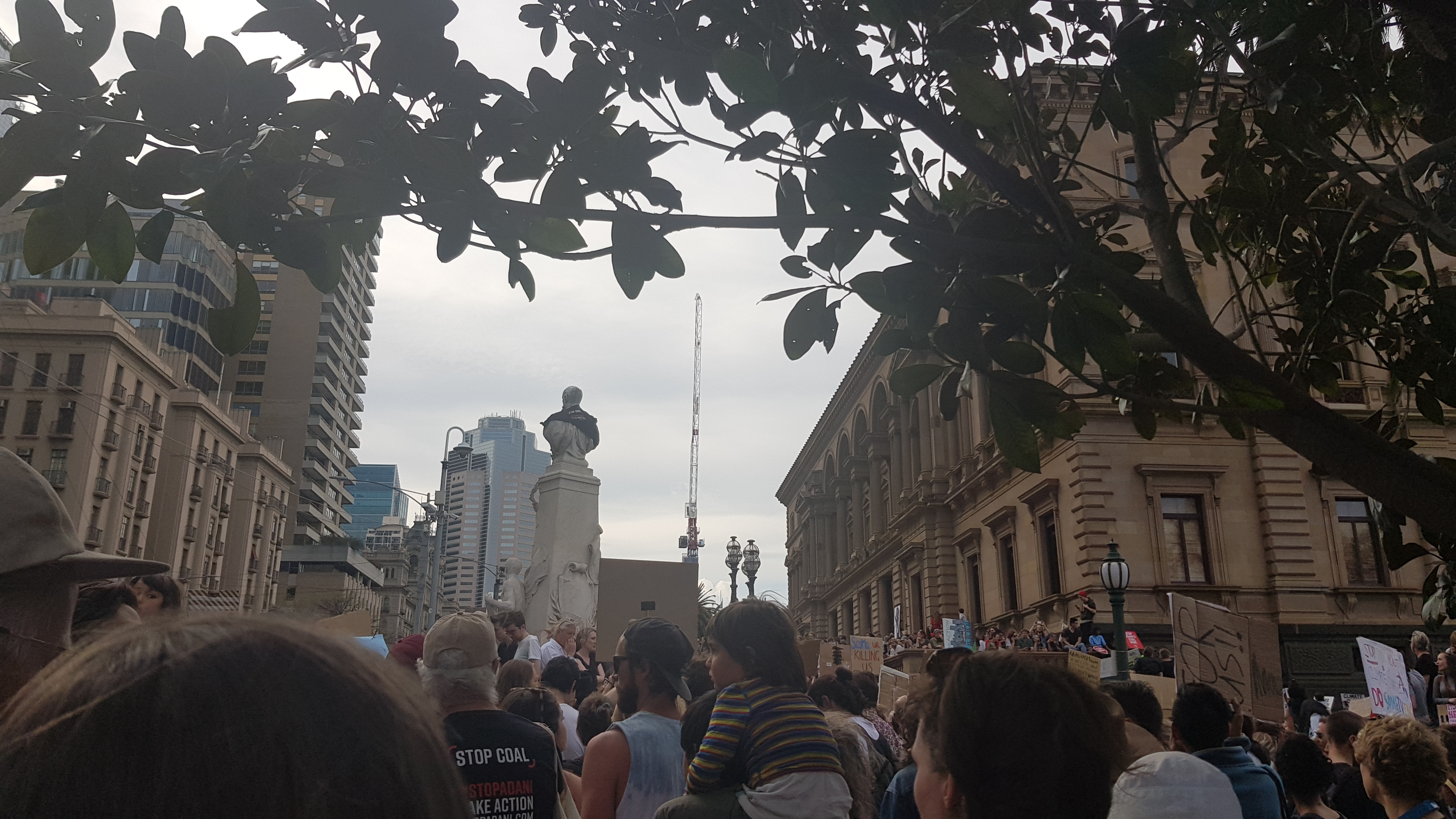
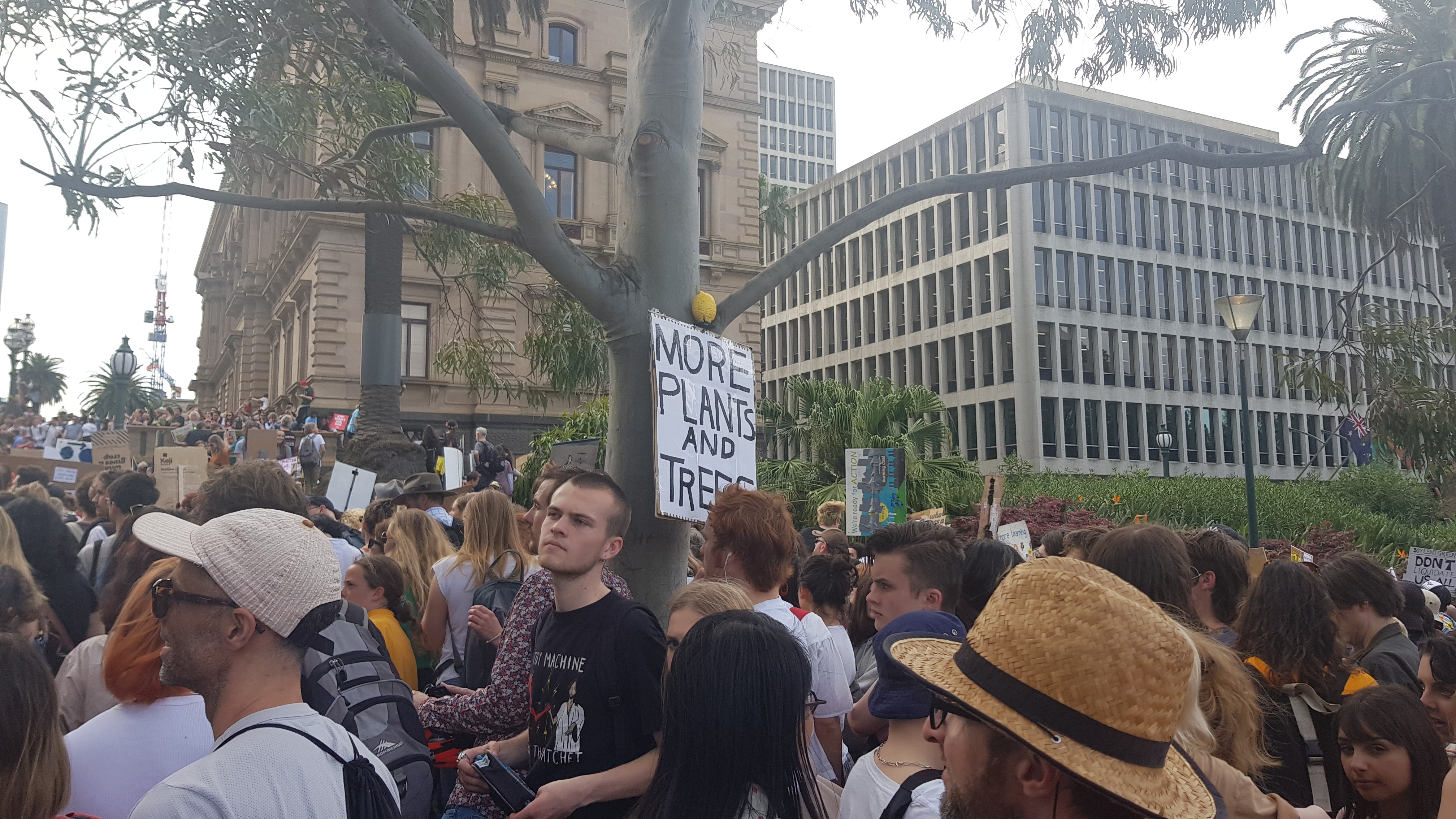
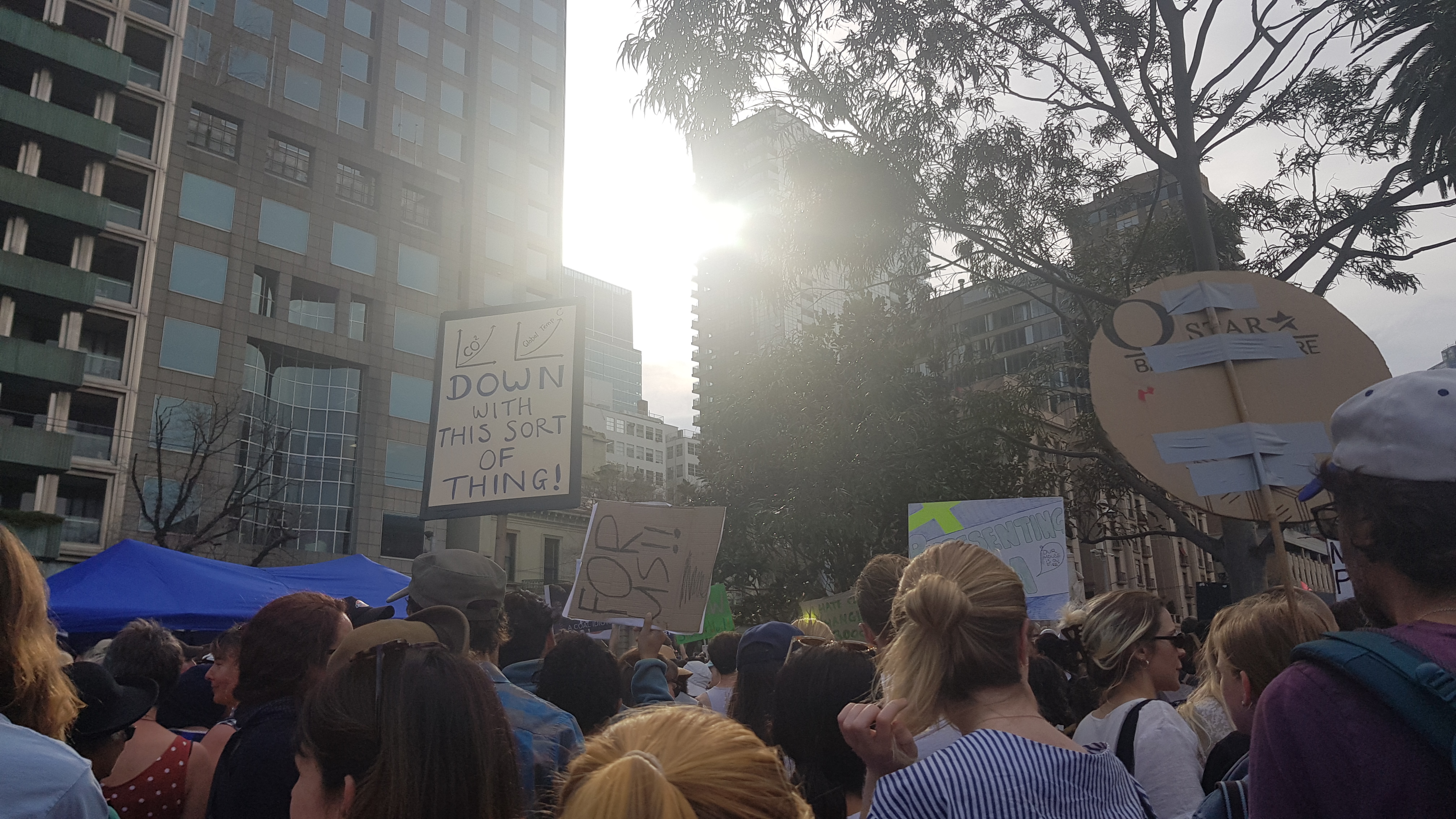
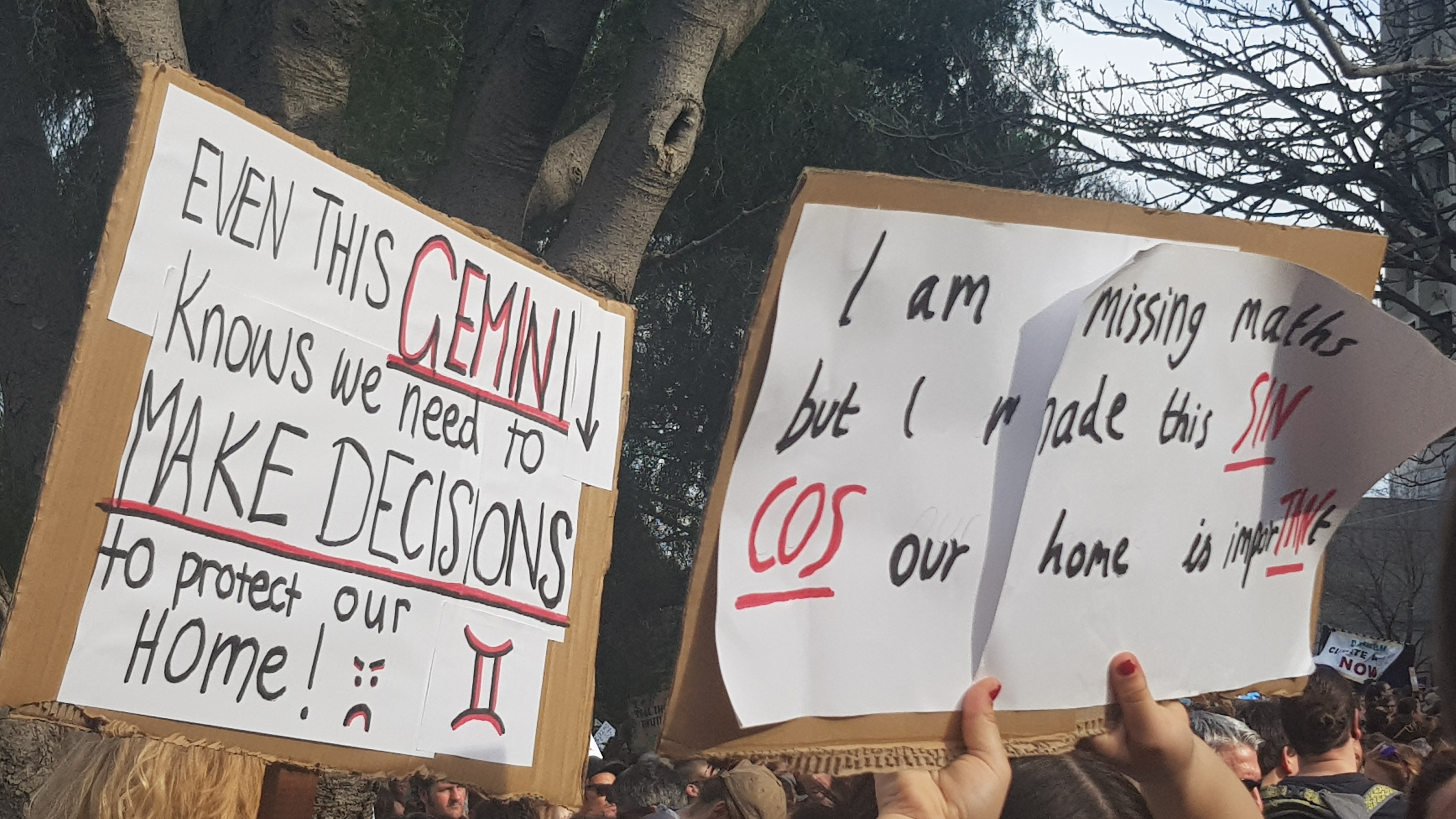
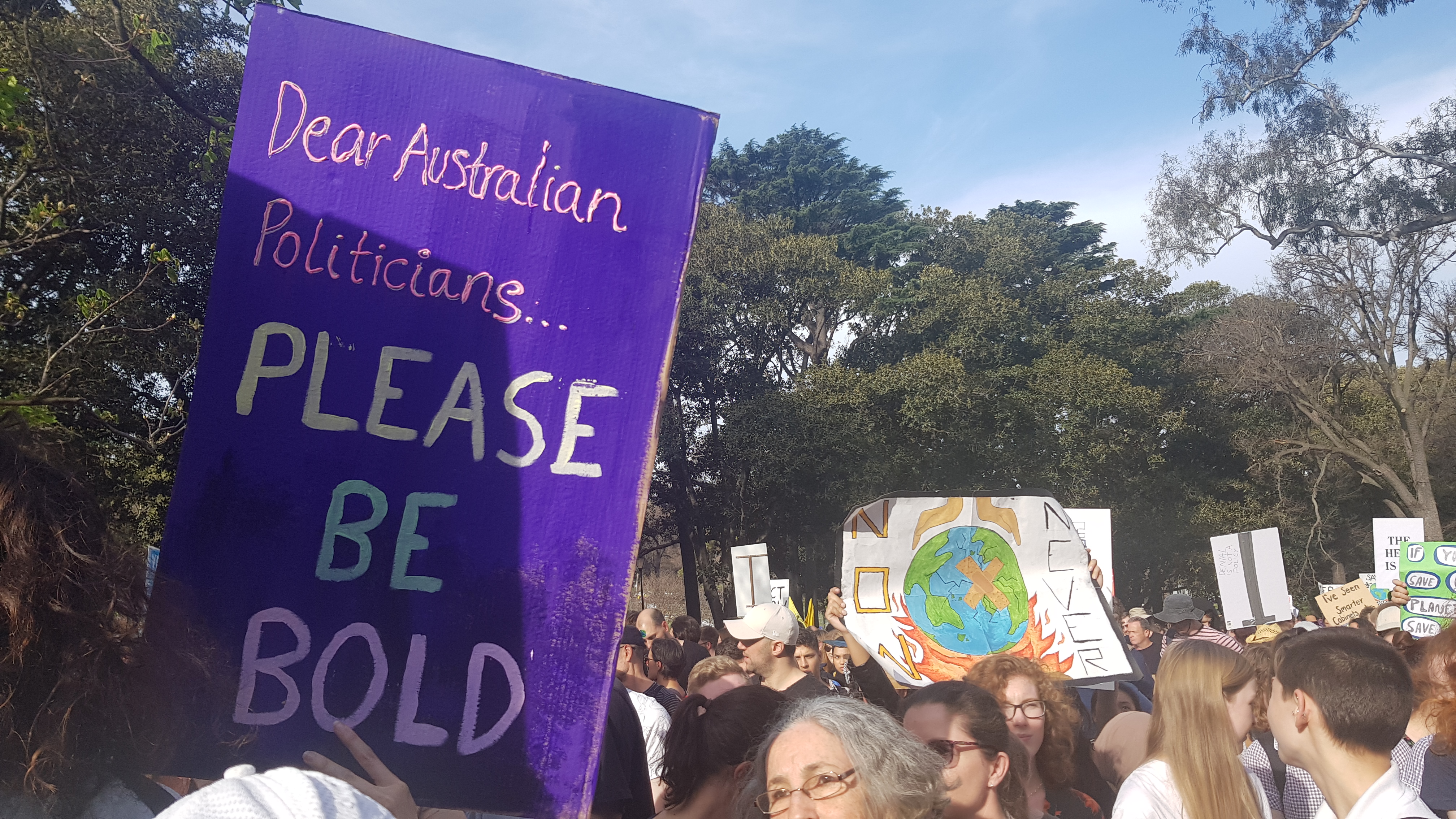
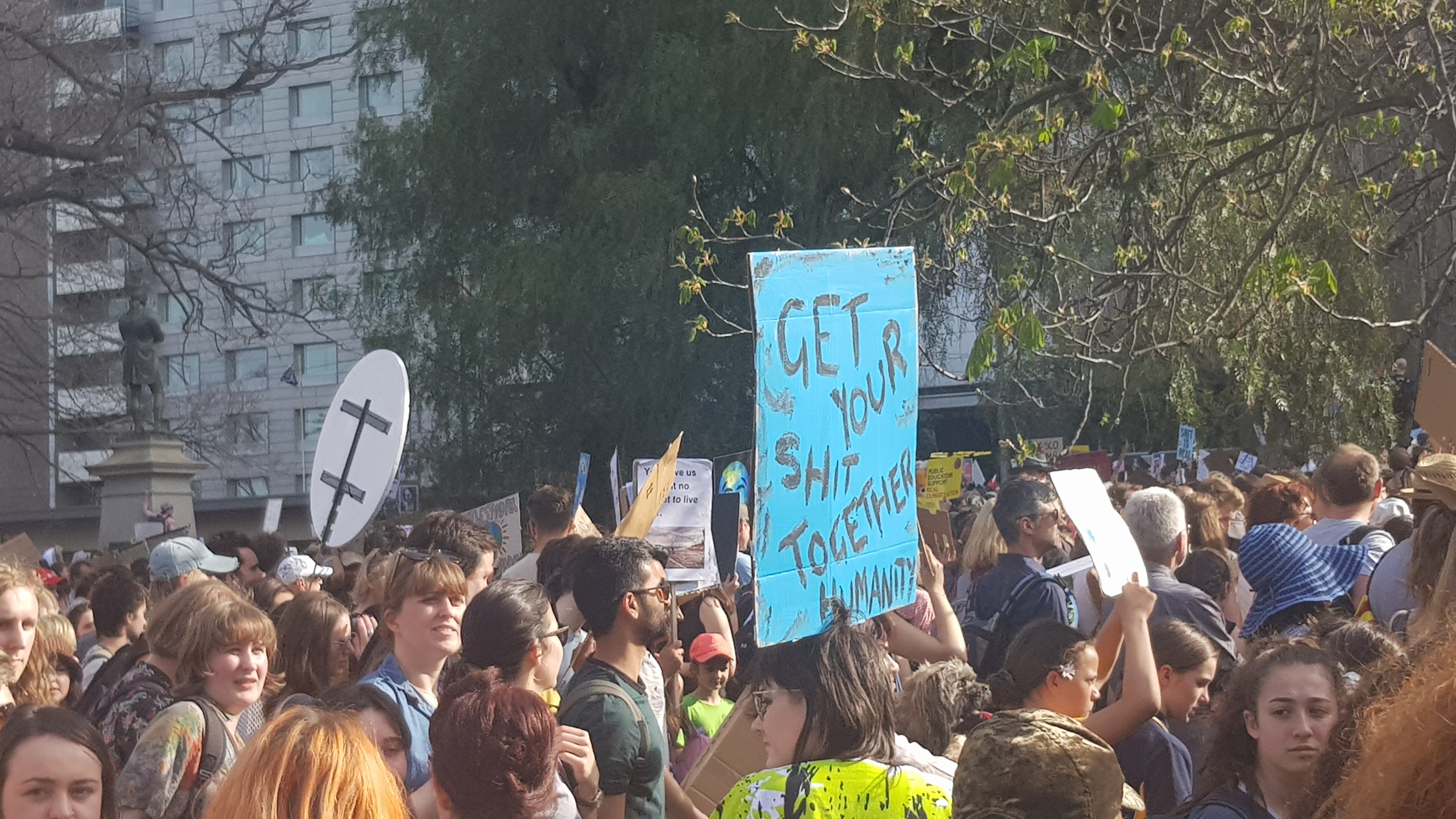
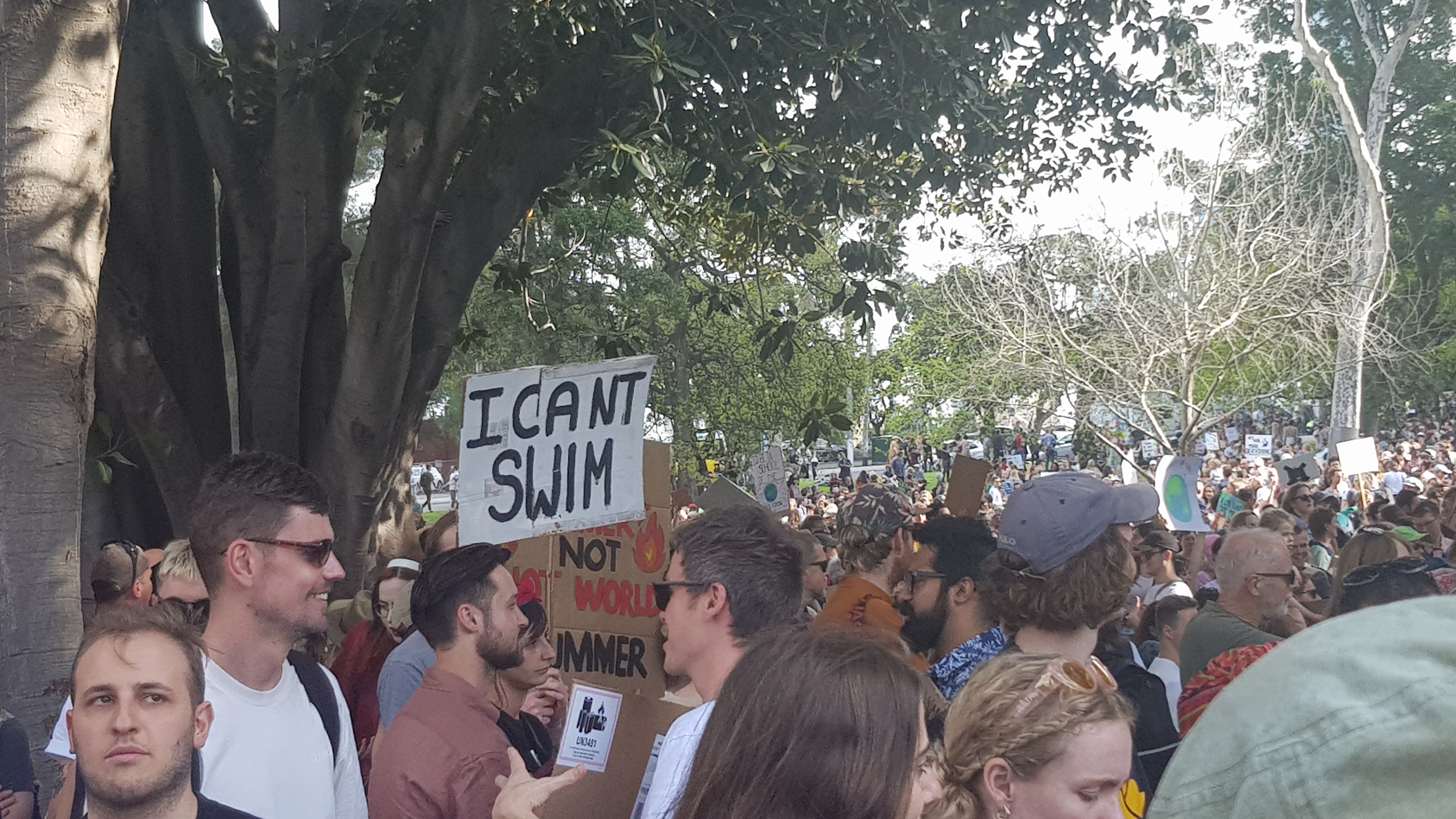
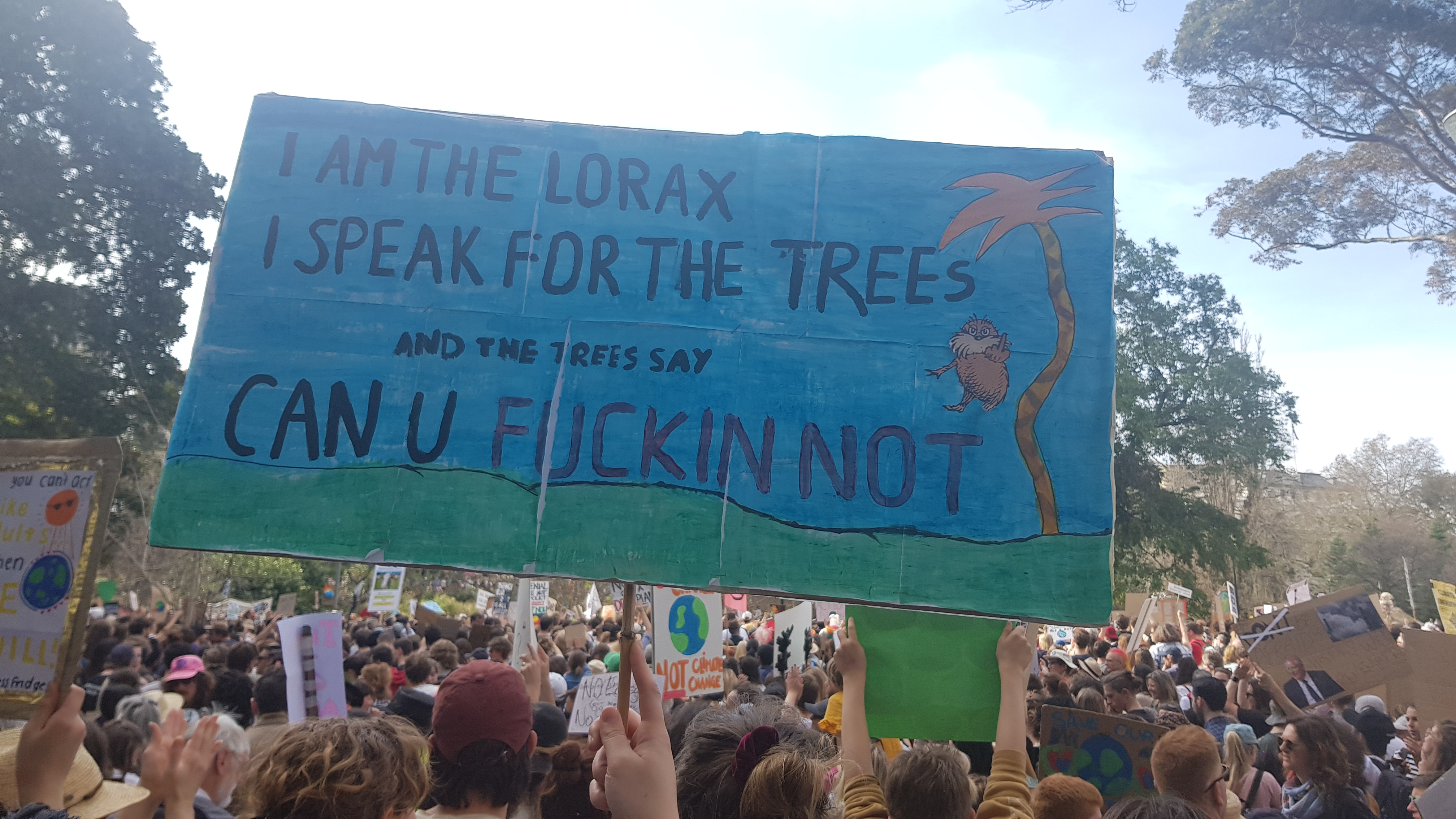
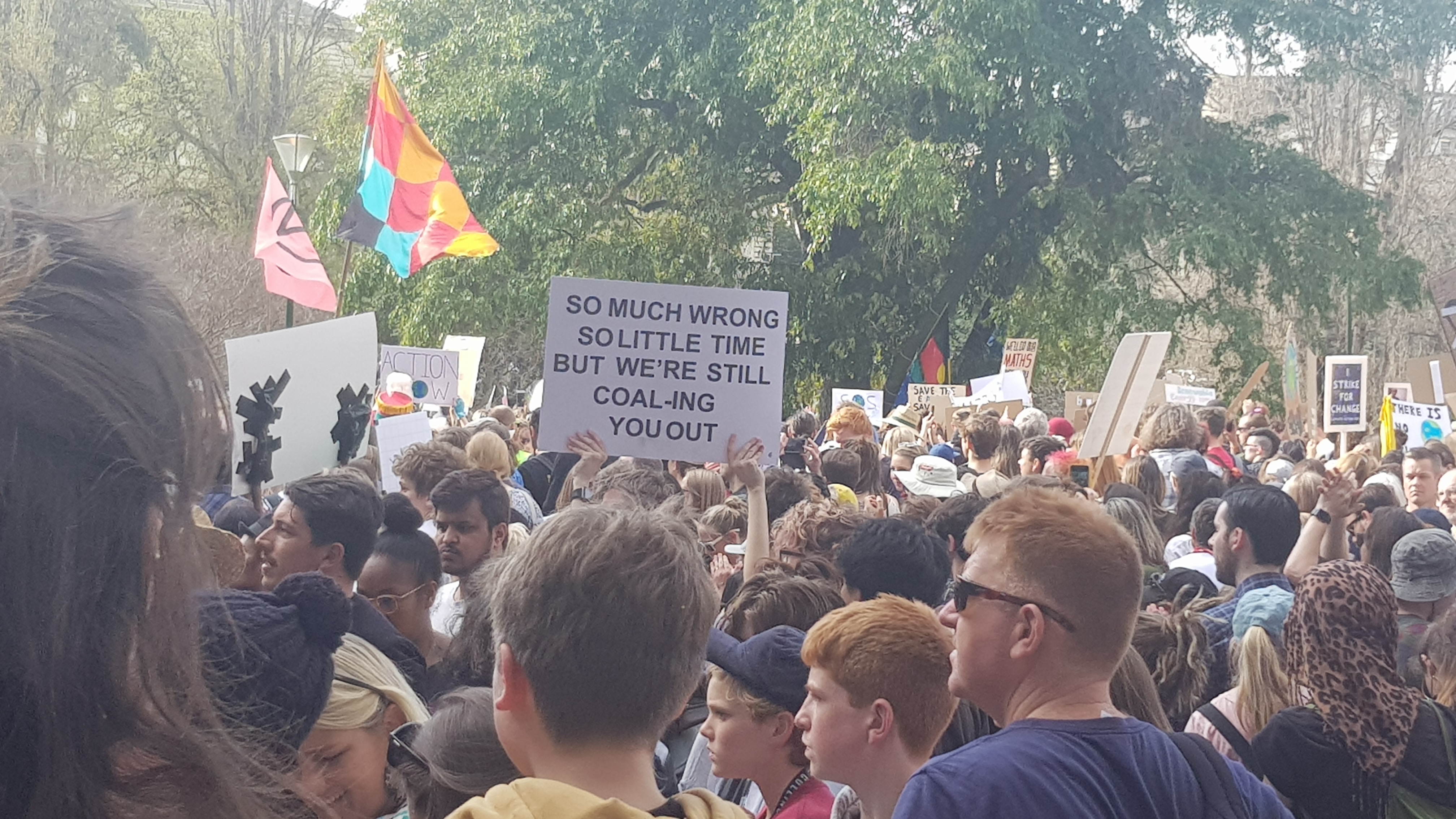
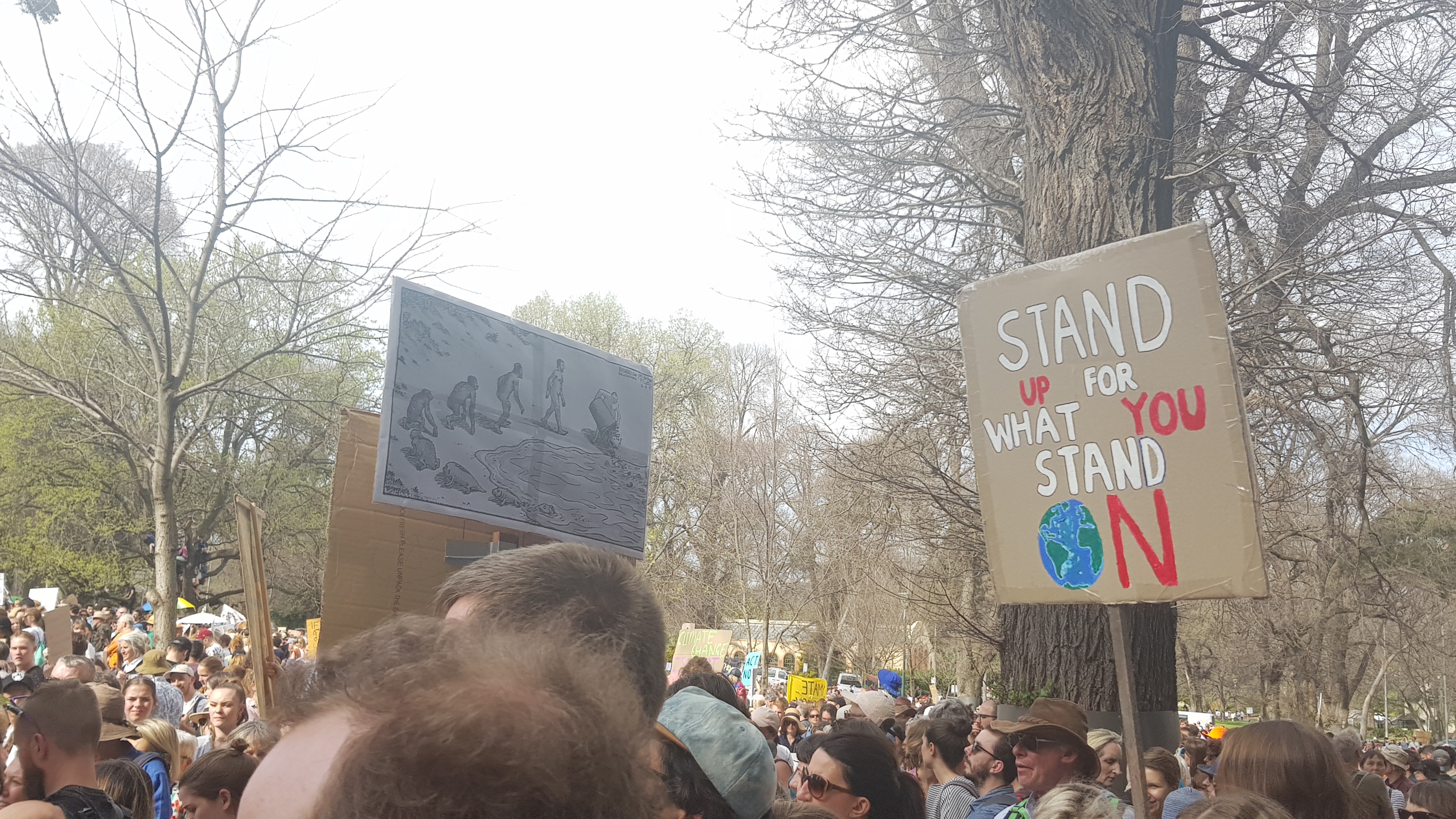
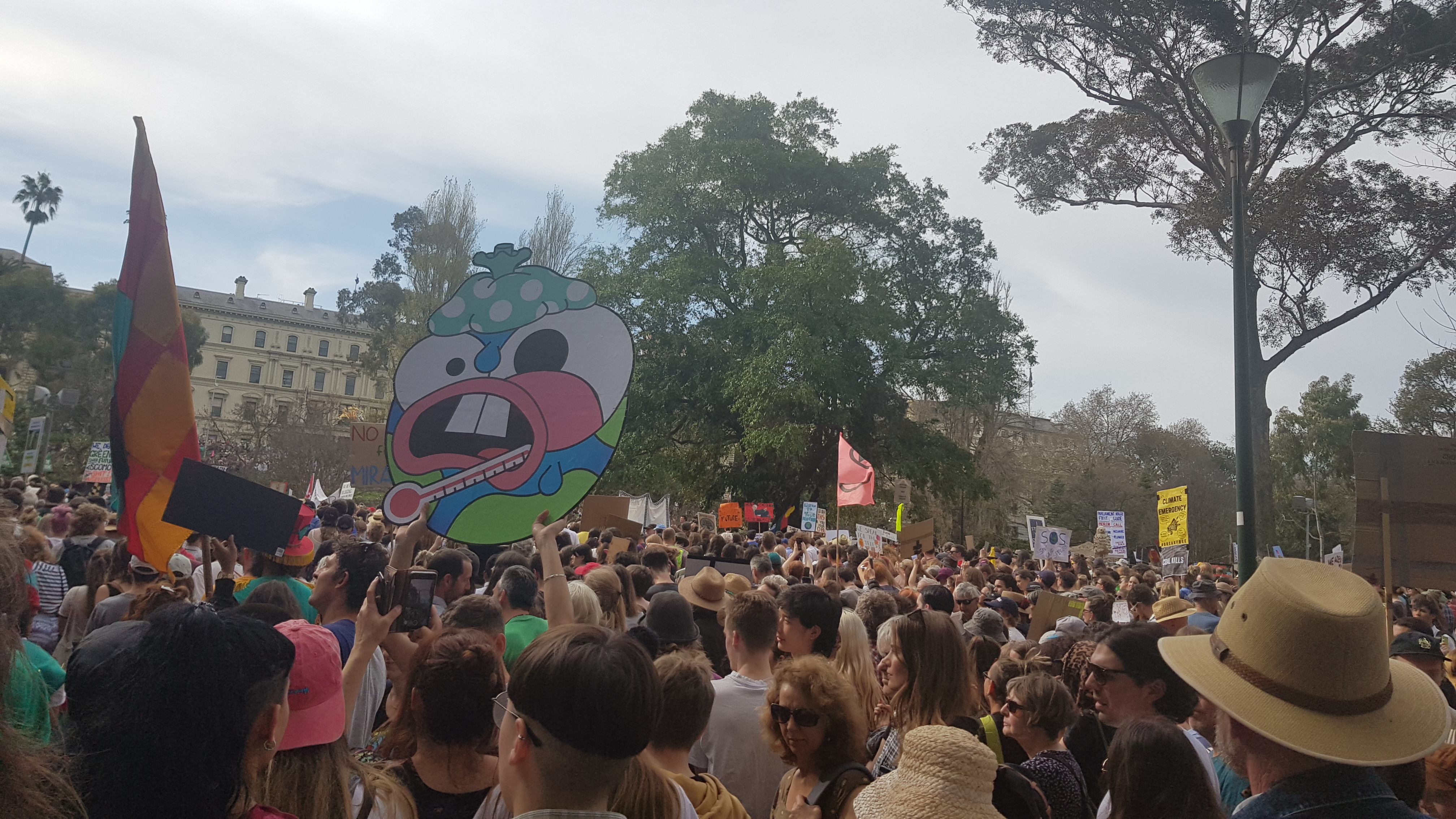
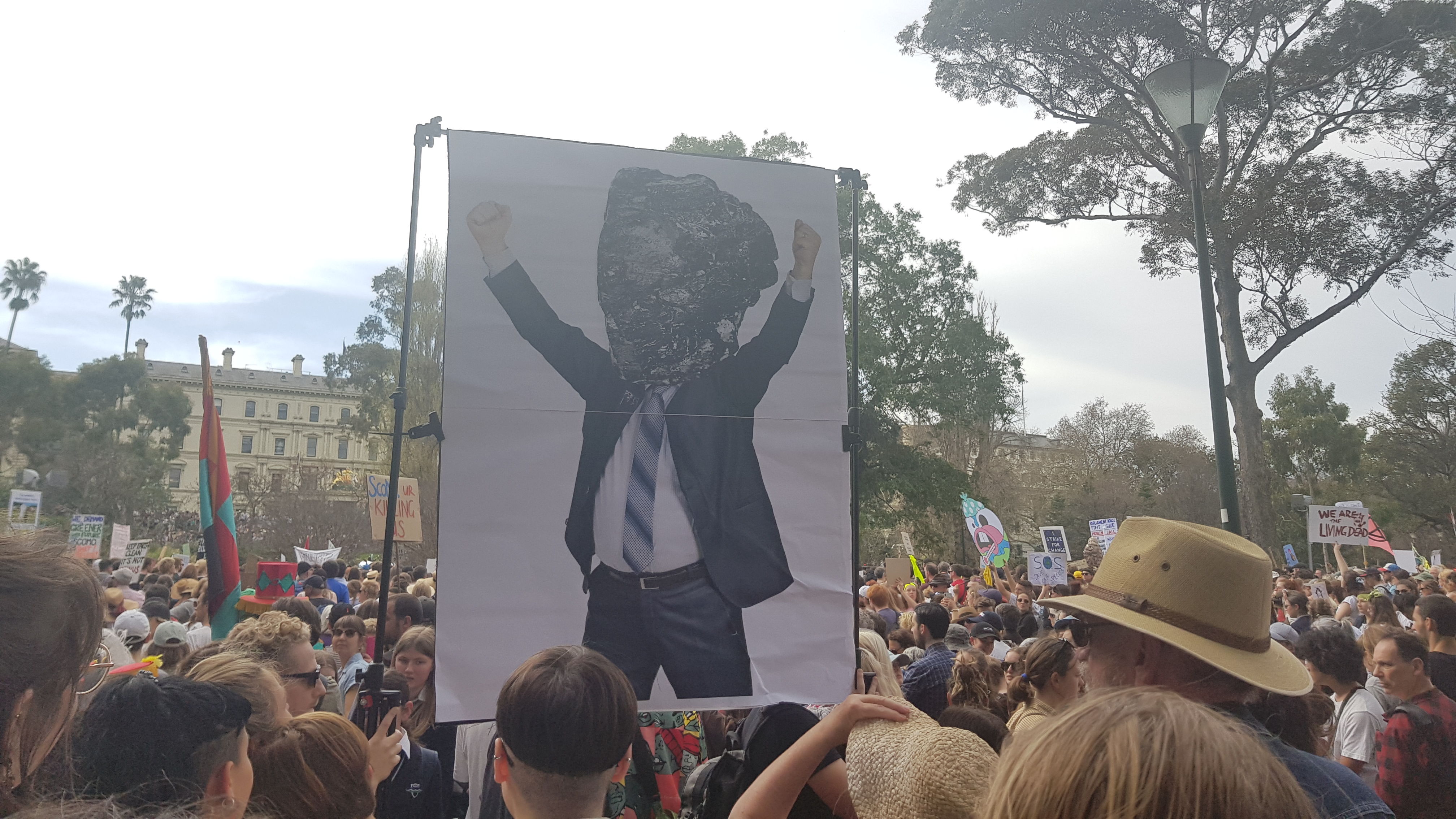
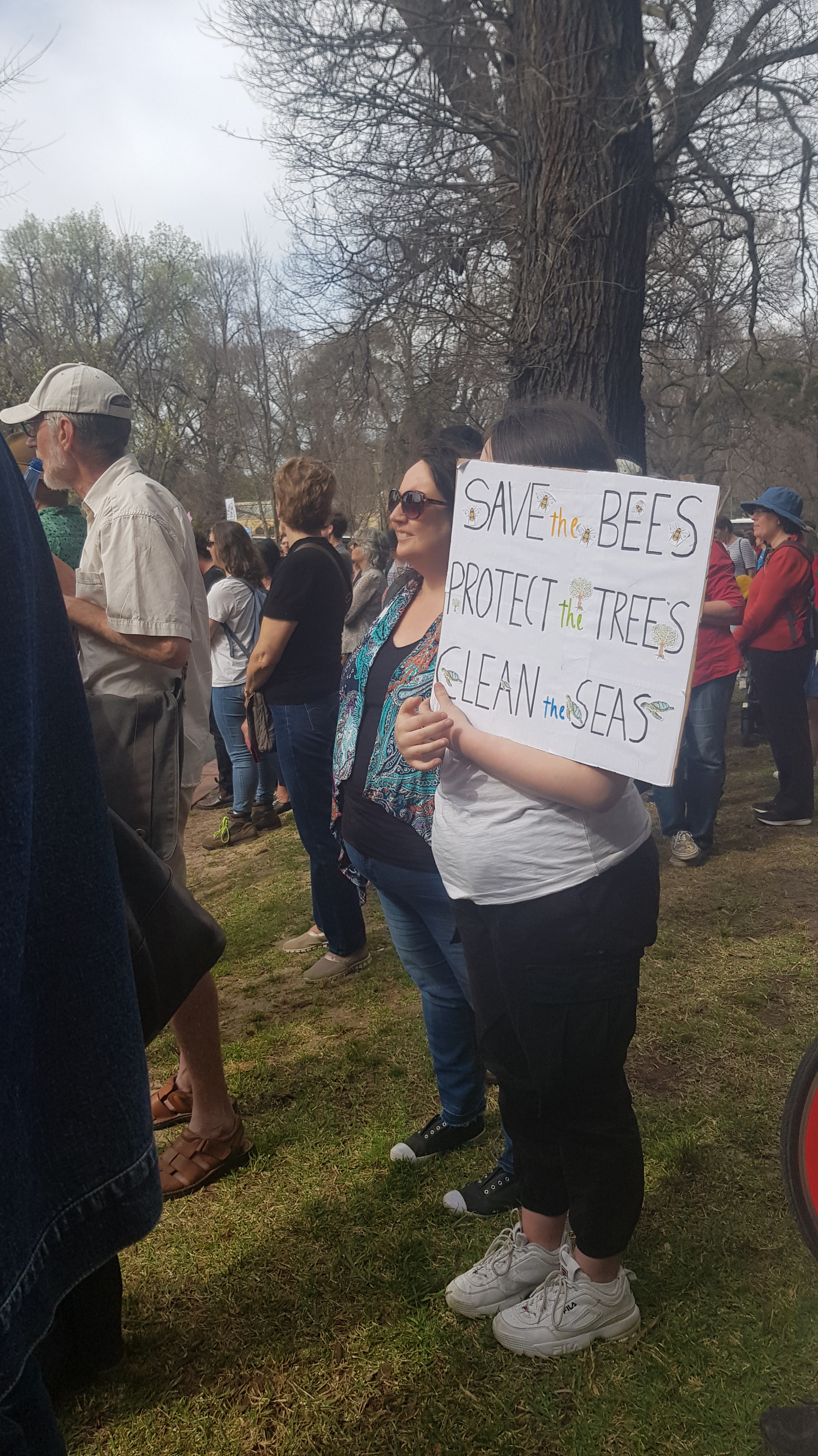
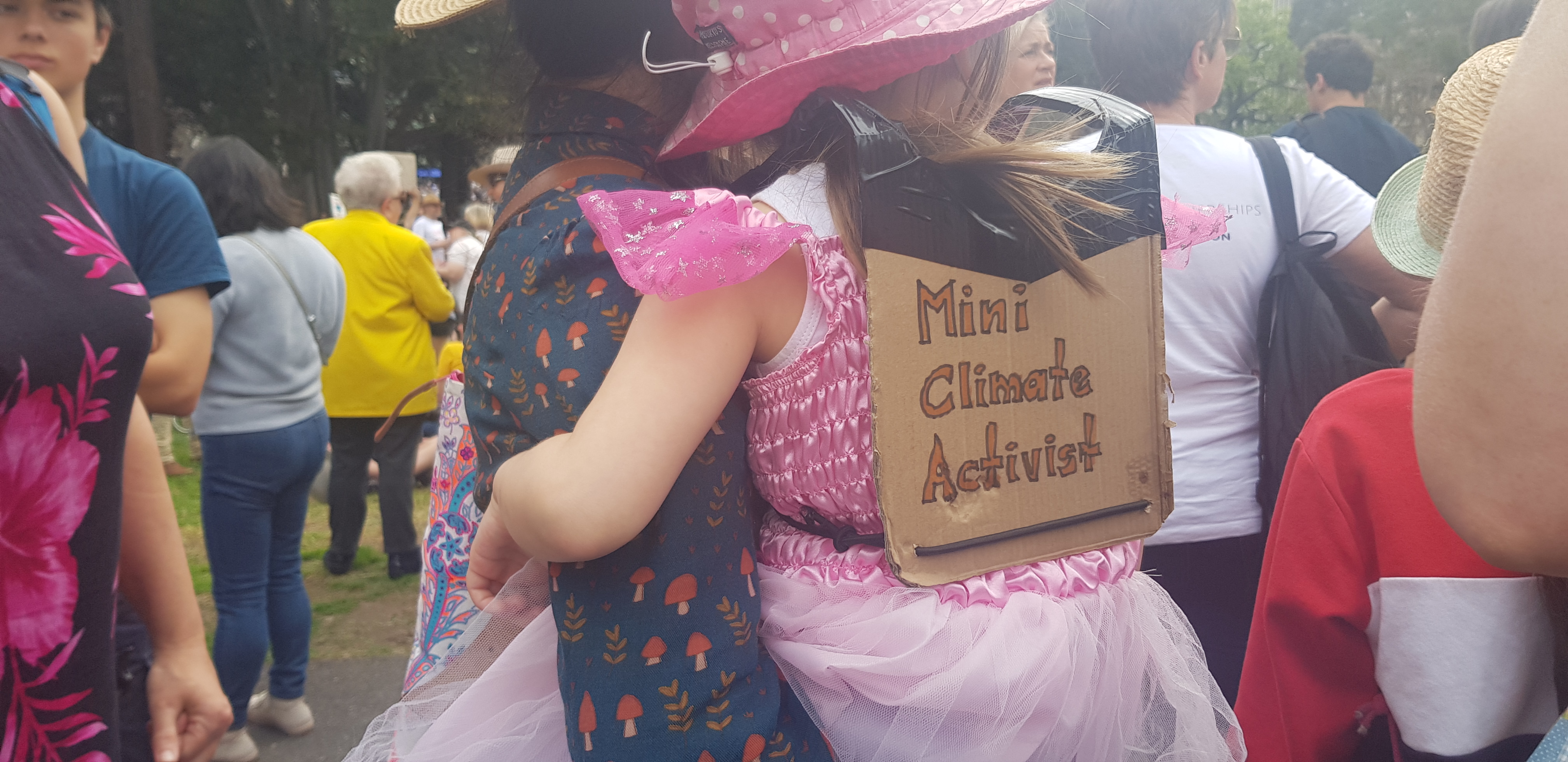
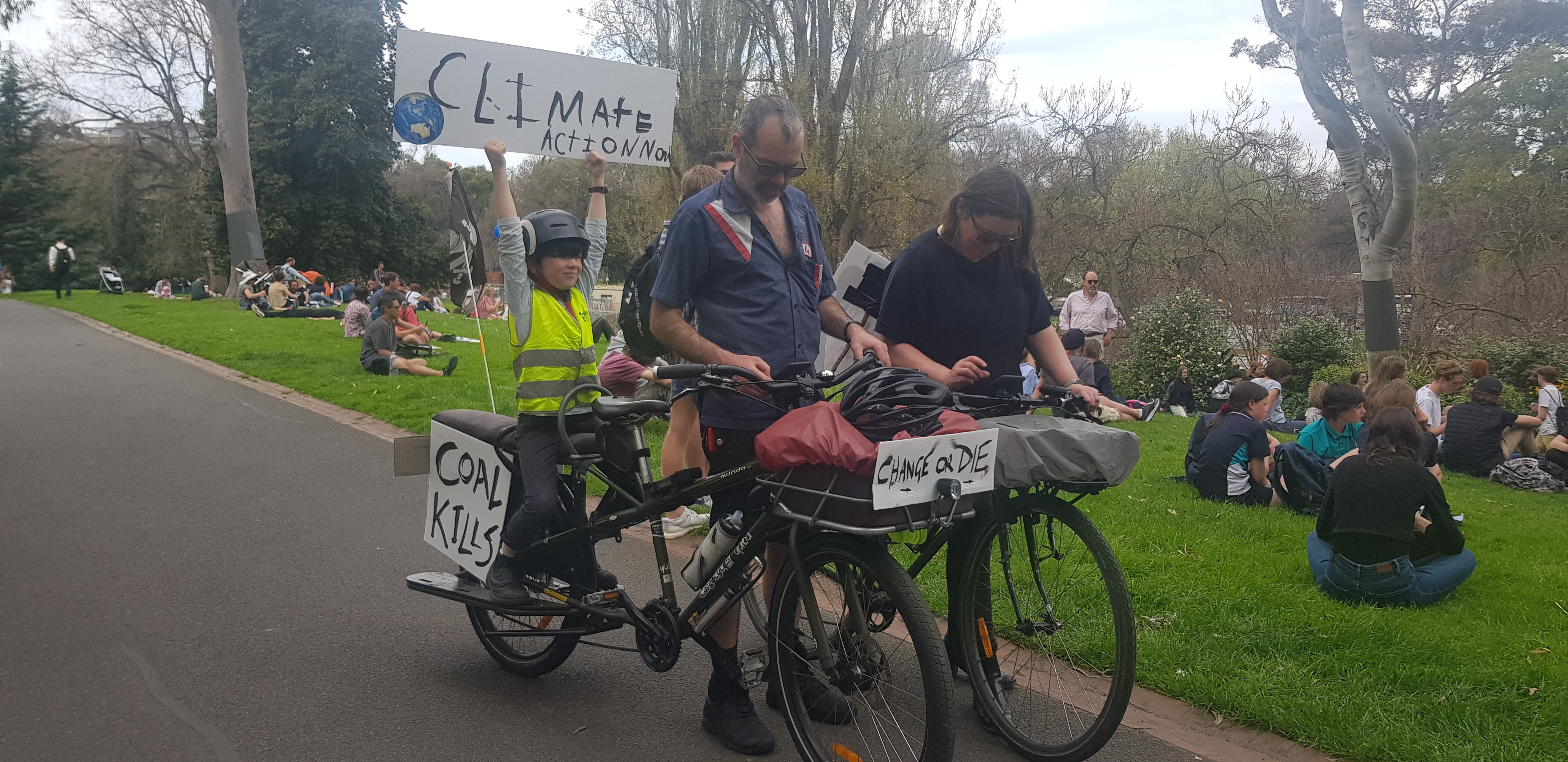
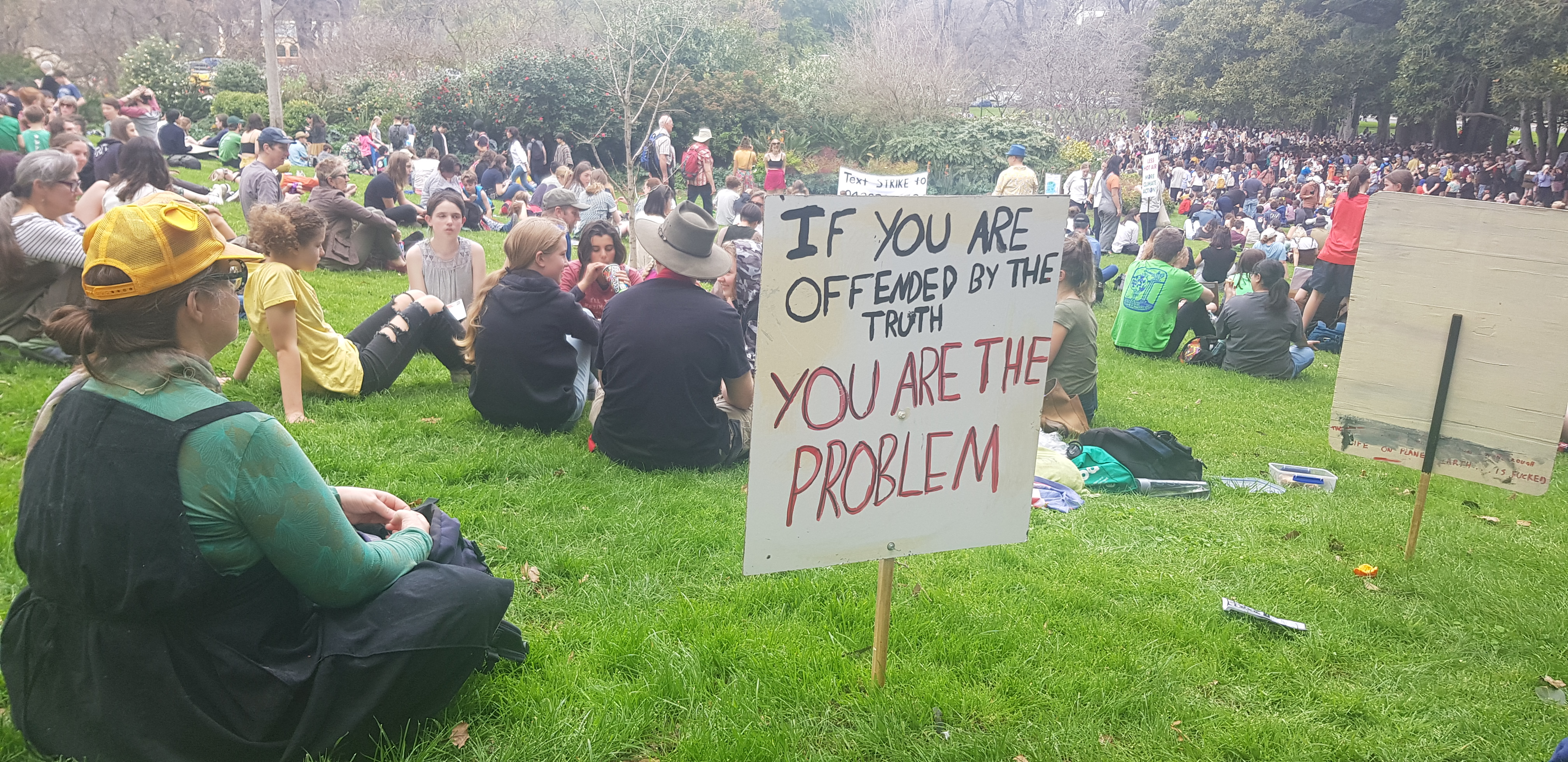
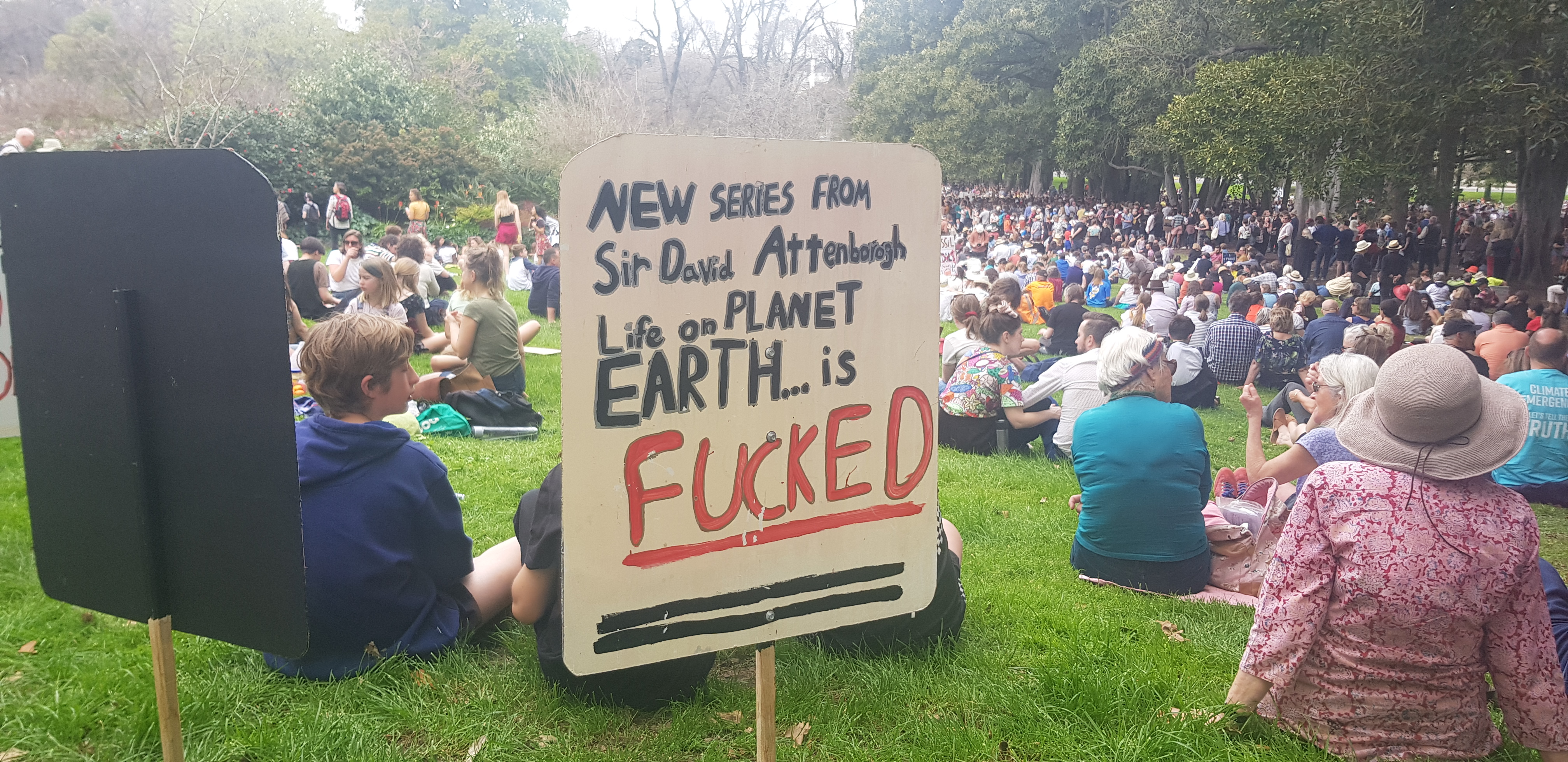
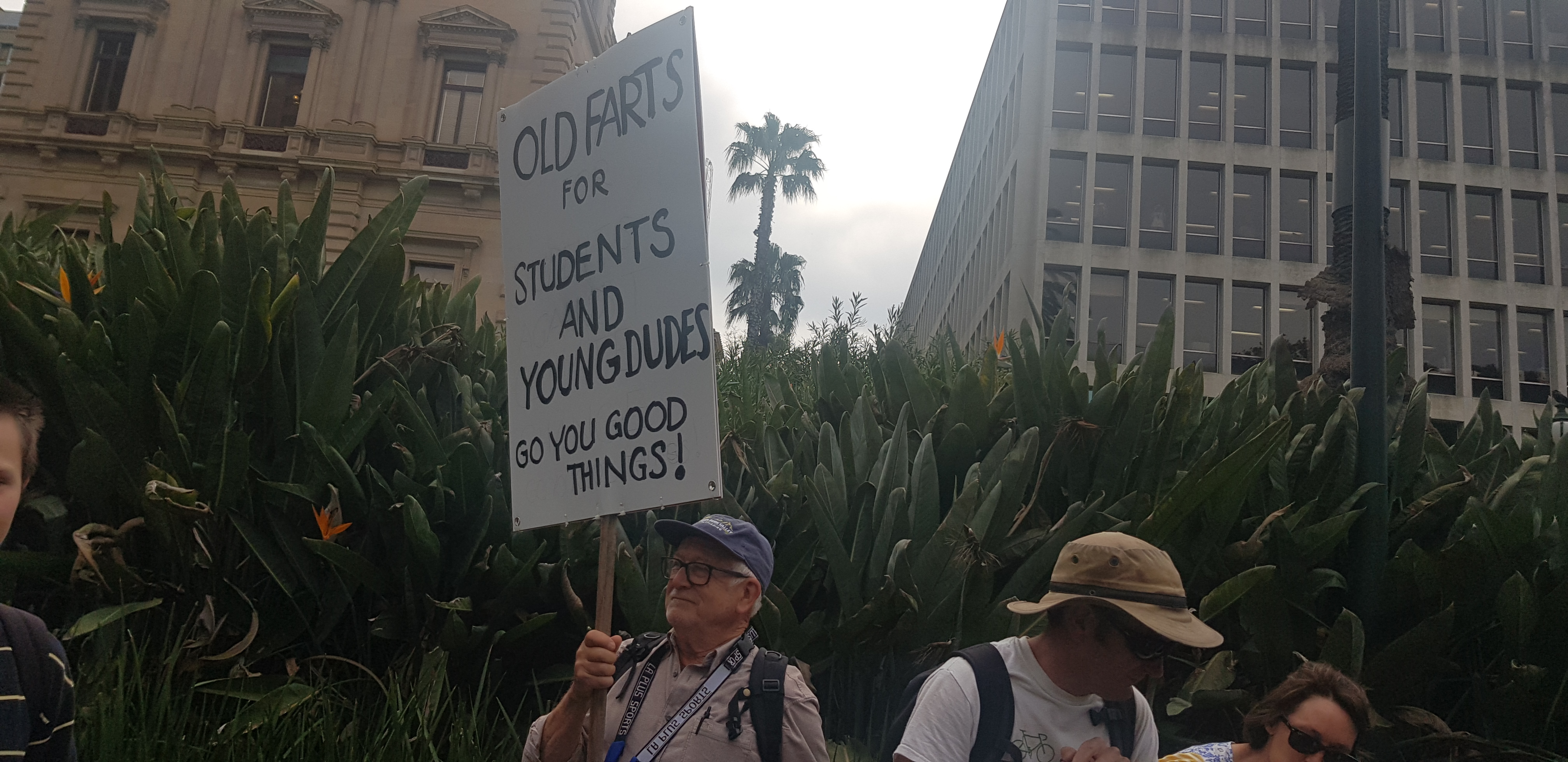
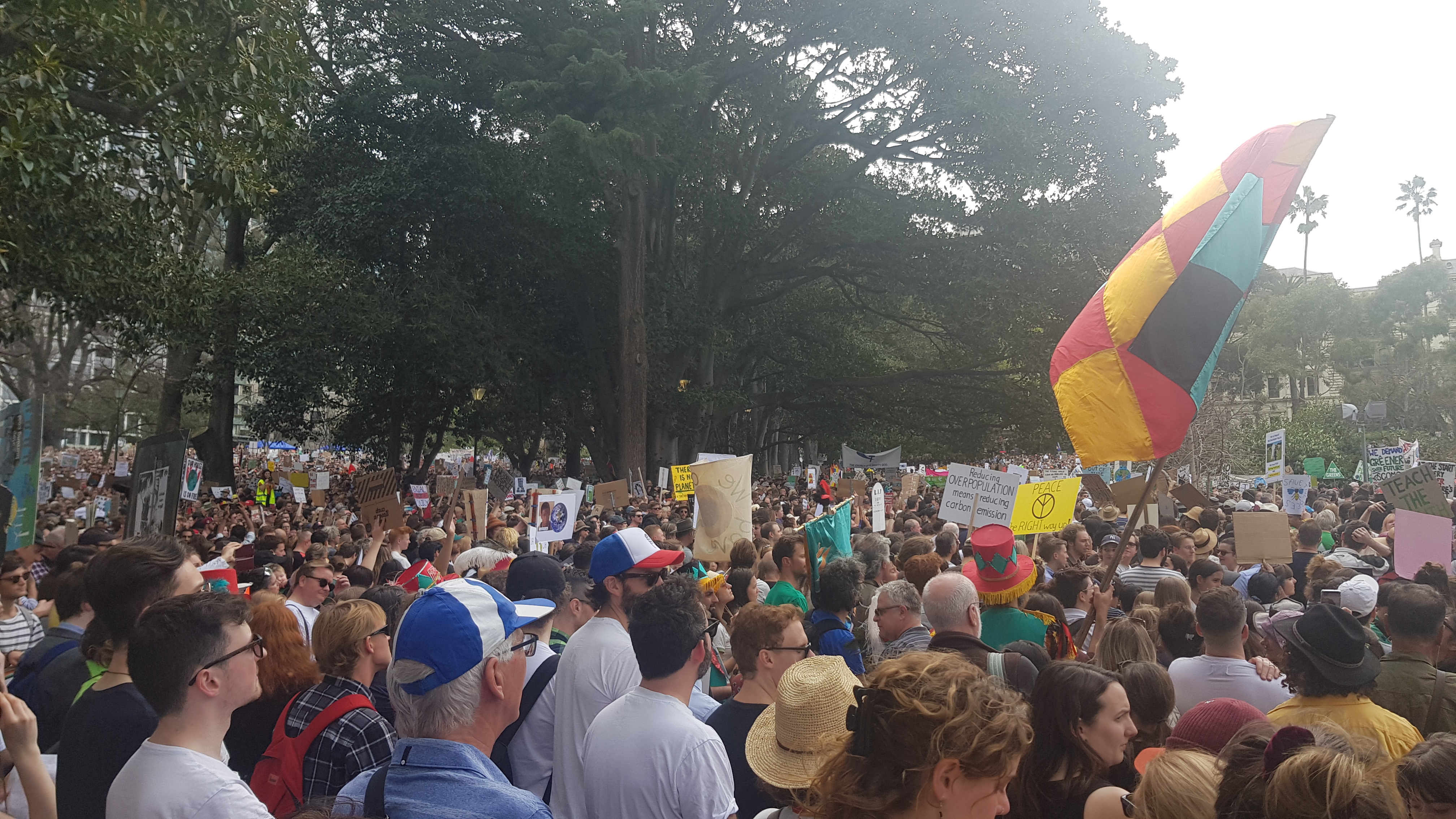
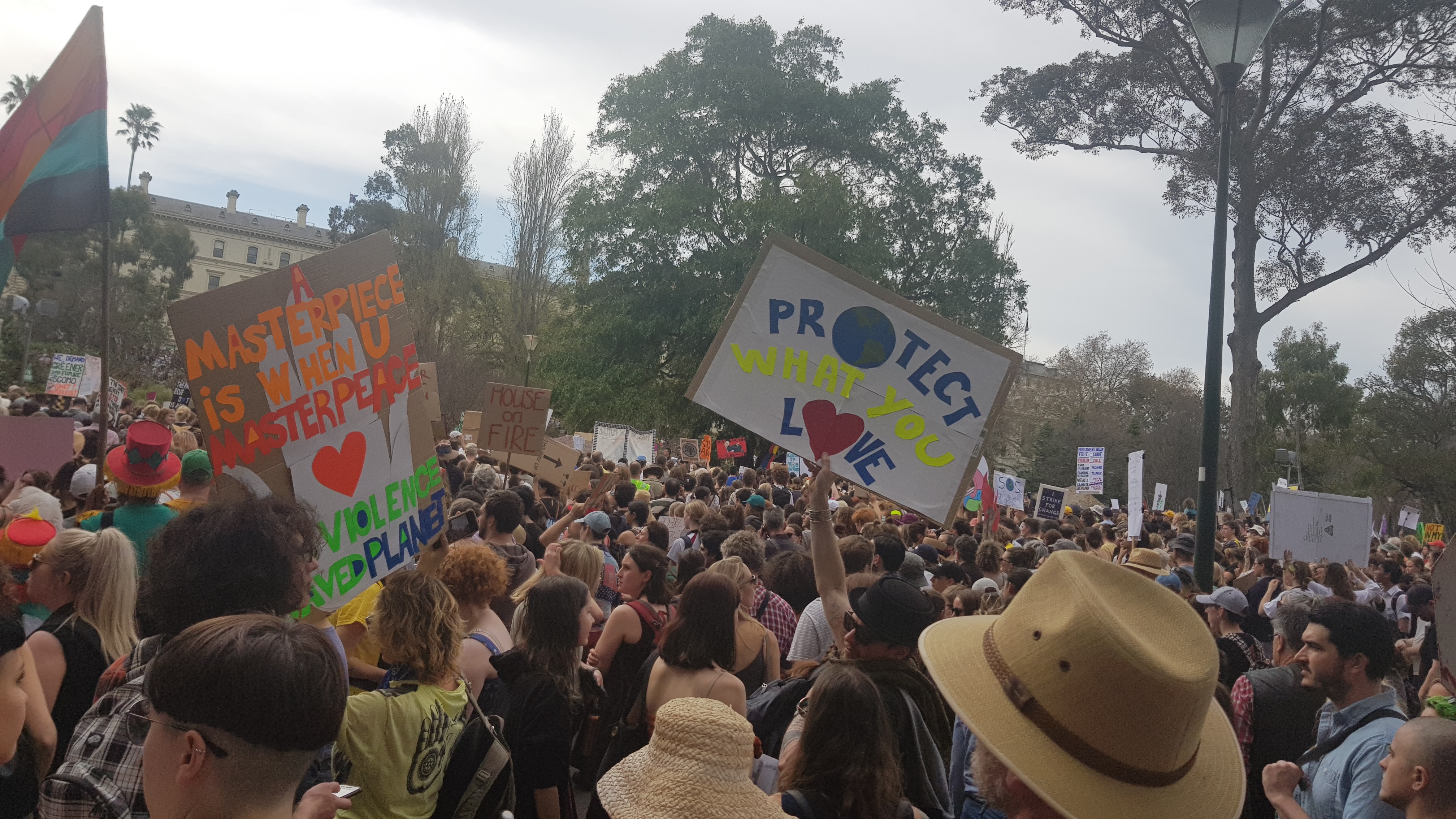
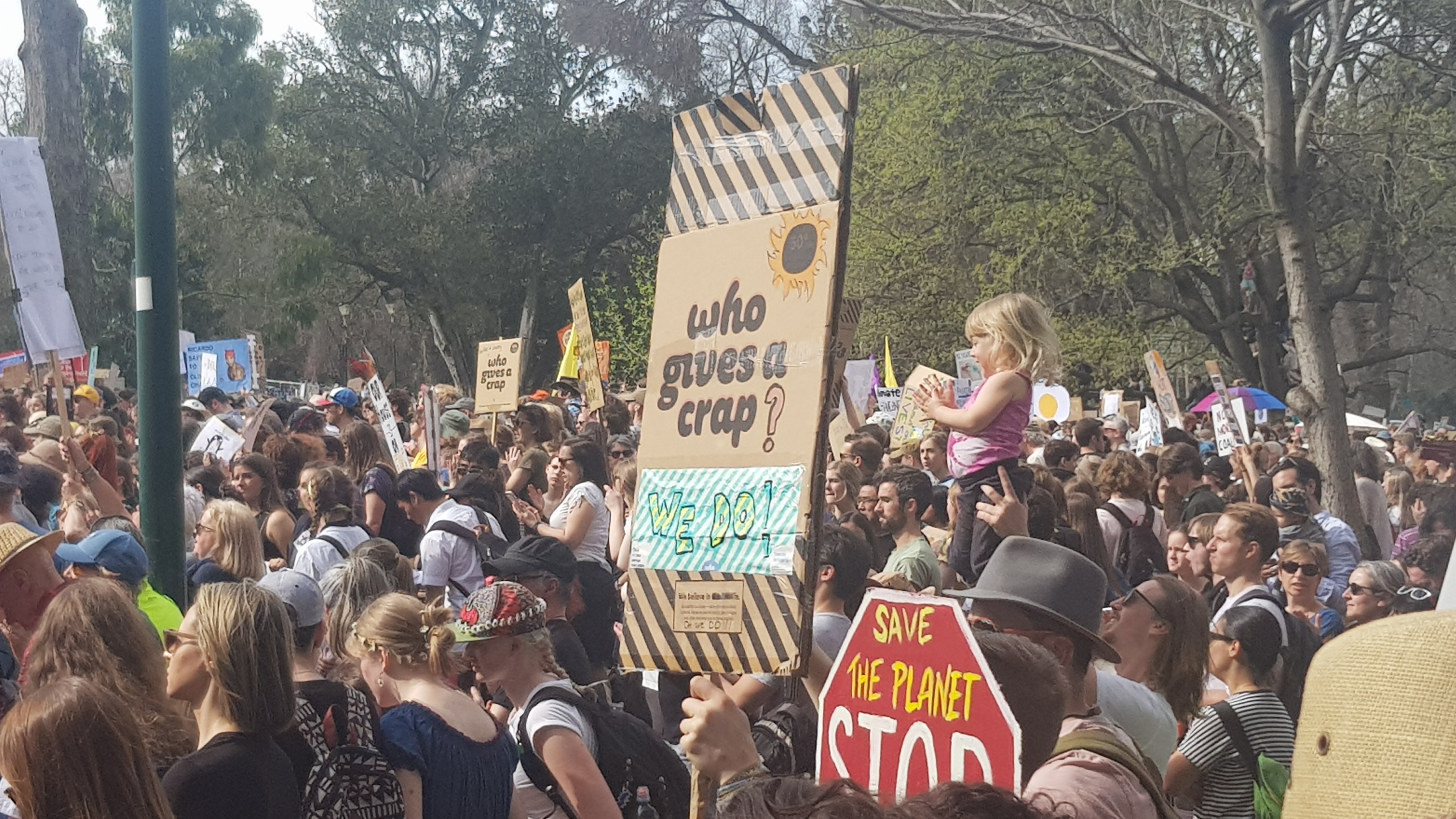
Photos from the Melbourne Climate strike 20 September 2019 and an excerpt from the Common Grace  2019 Season of Creation series: Rallying for God’s Beautiful Earth

Rallying for God’s Beautiful Earth

Week 4 – Cosmos

Tau’alofa Anga’aelangi is a Uniting Church minister and supply chaplain for Christian Students Uniting at Macquarie University. Tau’alofa challenges us to repent of our sense of separation from the Fonua, and to reconnect with the Earth family. Rally with her on Sept 20

My name is Tau’alofa Anga’aelangi, I come from the island of Holonga Vava’u, Holopeka, Koulo, Ha’apai and Vai-Ko-Puna, Pea, Tongatapu. In Tonga, when a person is introducing themselves to others through formal or everyday interaction there’s often an expectation to include the name of their fonua. This is not only to identify their place of origin. In fact, to include fonua in ones speech on Tonga and many other islands, is to trace family lineages, locate where your umbilical cord was buried, because that is the place where you and the rest of your family are rooted.

Because the fonua is the womb, the place from where you entered into the world and also the fonua is the whole earth community. In this sense it is the fonua who gives birth to the human: in your mother’s fonua you were nurtured, it is a part of you, and you are part of the fonua. The gravesite is also called fonua loto, meaning the centre of the fonua. This means someone entering through the fonua of their mother, and departing into the fonua loto. Therefore, in Tongan tradition, when we introduce ourselves and identify our fonua, it means we do not exist as individuals with the fonua. As a matter of fact we the people are the Fonua and the Fonua is a part of us.

The current protest of the native people of Hawaii to save the most sacred site of mount Mauna Kea from the construction of a thirty-meter telescope is a repercussion of the appalling ignorance of one’s relationship to land and people. Mauna Kea in Hawaiian tradition is the umbilical cord that connects Hawaii to the heavens and connects humans to land.

The Hawaiian educator, and nationalist Prof Haunani-Kay Trask says:

“Our story remains unwritten. It rests within the culture, which is inseparable from the land. To know this is to know our history. To write this is to write of the land and the people who are born from her.” (Trask, 1999).

Like the Aboriginal and Torres Strait Islanders of Australia, the Hawaiian people have a long history of fighting for the sovereignty of their land.

One of the major issues is the profit driven tourism industry whose main objective is to transform land into revenues. Haunani Trask argues that major corporations together with elite political parties “collaborate in the rape of Native land and people (…) the prostitution of Hawaiian culture.” (Trask, 1999)

The views of the people of Hawaii concerning the oneness of human beings and the land is not foreign to the natives of the South Pacific.

Land is more than the soil that we walk on. It is not just ground on which we establish ourselves with a beautiful home, a hotel, mansion or a telescope.

The word to describe land in most parts of the South Pacific correlates our islands with one another. While westerners have tended to view our islands as small, undeveloped and isolated, in fact we in Pasifika are surrounded and connected by the vast ocean as well as our humanity, history, language and so on.

Fonua as mother, womb and nurturer.

In accordance with our connectedness by ocean, we share common values and beliefs towards the land.

We say fonua in Tonga. Samoans say fanua, and Fijians say Vanua. On other islands, land is Whenua (New Zealand), Fenua (Tahiti), Kainga (Kiribas), ‘Āina (Hawaii) and so on. Despite the slight differences in its meaning and pronunciation, our common belief about our relationship to fonua anchors our identity together as the people of Oceania.

There is a feminine aspect on the meaning of fonua, which means not only land, but womb. “Polynesians to this day honour the fonua as a womb from which new life springs.” (Halapua, 2008).

In Tongan tradition, when the umbilical cord (pito in Tongan) of a newborn is detached it is an important rite for it to be buried. The ritual is to symbolise the deep connection and relationship of one to the land of their birth. Hoiore makes the point: “For as the infant was attached and nourished through the pito in his/her mothers womb, so also the child is attached to the land and all life from it.” Native Hawaiians have also been known to bury their umbilical cords on the mountain Mauna Kea as a way of connecting themselves back to the sacred land.

Every human’s wellbeing springs out of what the land produces, whether we acknowledge that or not. We are part of the land and the land is us,

“it is the Oceanic understanding that we do not own the ocean or the sea, we are owned by them.” (Halapua, 2008, p. 7).

Since, we all lived in the womb of our mothers we were nourished and protected by the fonua. This makes us connected to and inseparable from it, and indeed the whole family of creation. If she is hurt or disrespected it affects every one of her children.

A poem

Fakatapu kihe tolutaha’i ‘Otua ‘oku ‘afio ‘ihotau lotolotonga,

Fakatapu ki he kakai ‘oe Eora nation moe kelekele tapu ‘oku tau fetaulaki ai he ‘ahoni. Kae ‘atā moau ke u fakamalumalu atu ‘i he talamalu ‘o e fonuaˊ keu fai atu ha vahevahe he ‘aho kolo’ia koeni ‘I Saione.

You knew me, before You formed me in my mother’s Fonua,

Through the pito, You, nurtured and nourished me, with all that sprouts from the fonua, it was I,

I who didn’t realise…

You are my mother,

You are the Fonua,

You are the Giver of life,

But it was I, I who did not realise…

Thousands of years ago, You led my ancestors to set sail across the world into the deep blue seas of the South Pacific.

You paddled, with them through the fluidity and its powerful forces it was there,

they first encountered You, the Moana, the Ocean.

I took a sip of my disposable coffee cup, and tossed it into the ocean,

She spits it out, And says:

Do you not remember? It was I who taught your ancestors,

how to read the stars, feel the warmth and coolness of the sea,

I am the moana your mother, I am sacred, My waves are embracing they ripple to bring you all together, you are my family,

Your tears fell into the saltiness of the Moana,

It lamented together with the community with the community’s

Known to us as the canaries of climate change,

But it was I, I who did not realise…

You graced our island and people with the gift of hospitality,

The grace and bonding between humanity and nature.

That bonding is a relationship we call the tauhi Vā or reciprocity.

The space you and I symbolised as a connection that is sacred and it is to be reciprocated,

I look to the narrow interpretations of the Holy book, it said,

Humanity is superior to nature, trees, water and animals shall serve you human creatures.

The Moana, fonua, animals, water and all of creation groaned her pain,

From the sins of anthropocentrism,

They all lamented together with their Creator.

She said, they said: Do you not remember the bonding I made with your ancestors in the fonua and the moana…

I formed you, nurtured you, protected you, taught you how to read, I graced you with hospitality, created a relationship between you and all creation…

It was I, I who did not realise…

Your change of heart for I, is not the change of heart I think about,

As if you’re a God whos wrath needs to turn into love and compassion

But rather love and compassion is already within you alone, for you are the source of all these things.

You bring us into a Settlement of wholeness and restoration.

As I go from here today, I will embrace the land fonua, ocean-moana, my relationship- the tauhi Vā all that you’ve created as a part of me and I am a part of them.

Amen.

Submissions to the Australian Collaborators in Feminist Theologies call for papers are due tomorrow and the words for the theme play over in my brain, “Power, Authority, Love: Write, Rite, Right”.

I’m not great at drawing but this sketch came to me this morning… my first attempt at icon arrives as an Eve figure with attitude.

She’s not taking any of your crap or blame and she hates it when people say: “I’ve never thought about it like that before” in a condescending tone as if a woman doing theology was as much a marvel, or as clever, as a dog learning to rollover. She is smart, she is strong, she sees right through you and in her deep well of silent appraisal is your sinking self-awareness. Check it – those earring are available from Haus Of Dizzy.

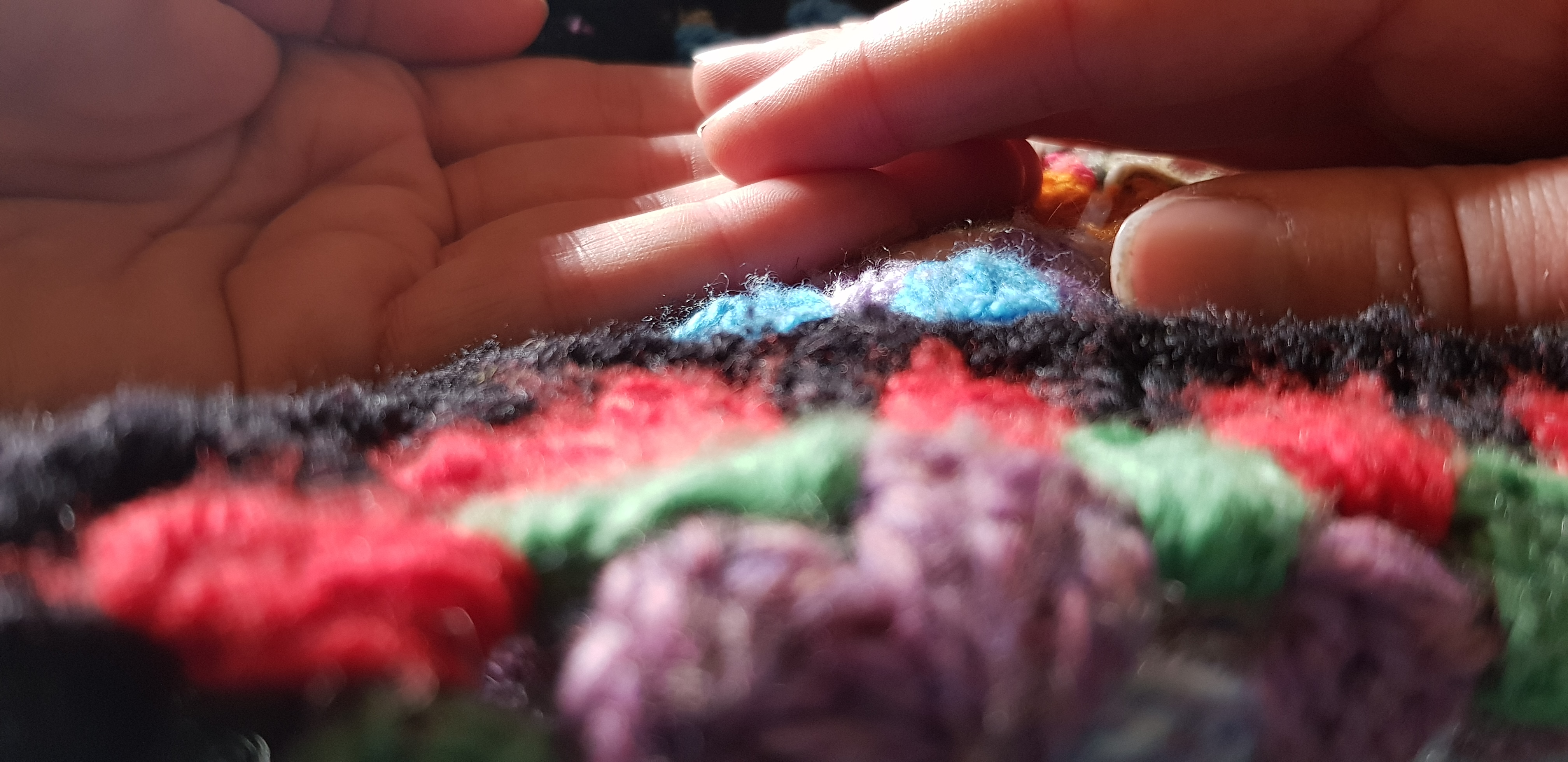
I have healing hands

hands touching colourful crotchet balnket talitha fraser nz poet

I have healing hands
did you know?
They heal when I hold you,
they heal when I reach out for you.
They heal, these hands;
hole, hold, whole
They heal, these hands
when you hold them.

Talitha Fraser

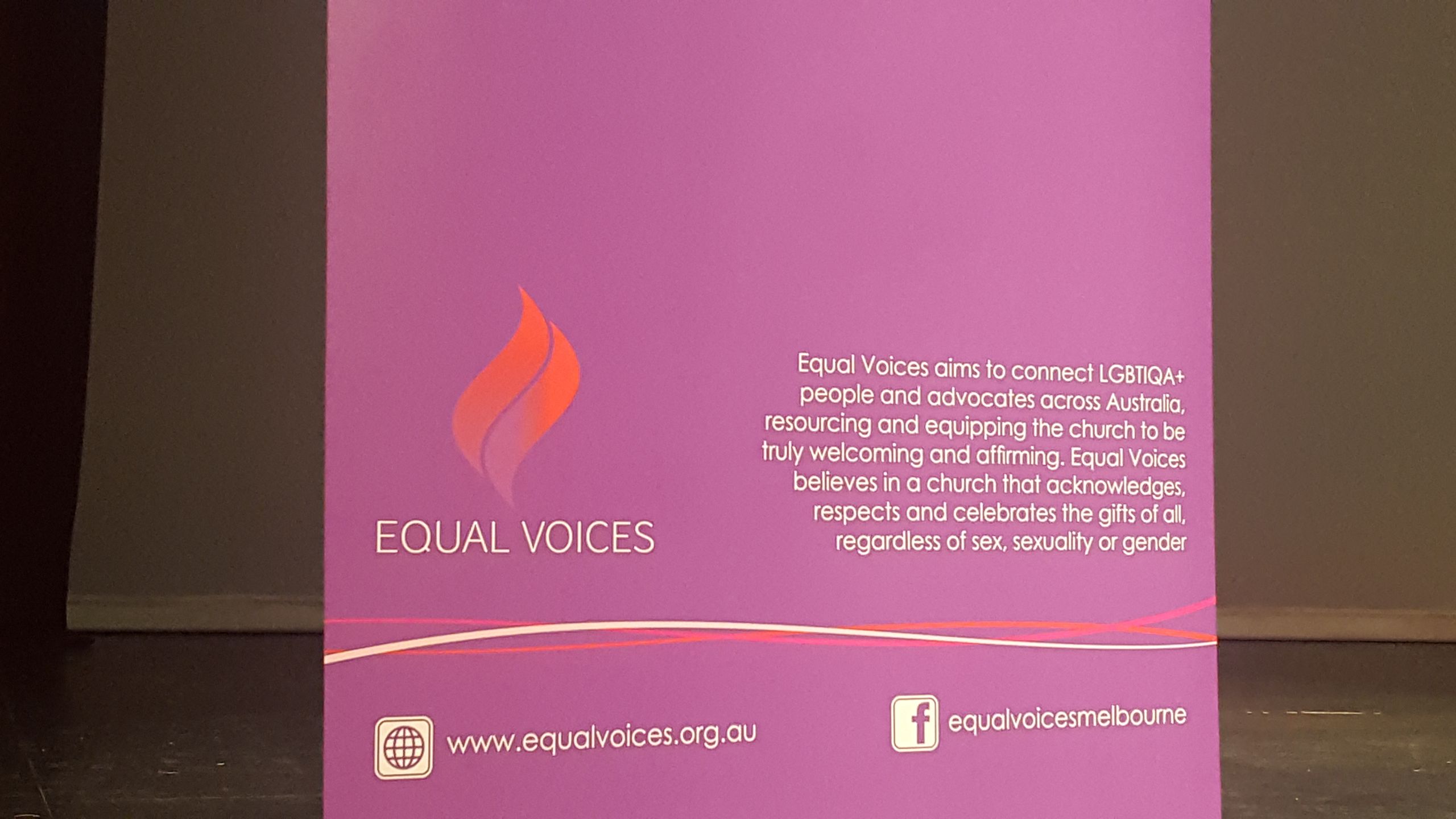
Equal voices Conference Melbourne October 2018 banner

There are lots of things I could write about the Equal Voices conference.  The conference covered a lot of topics and held space for a diversity of expression and experience of intersection of gender, sexuality and Christianity. Particularly powerful over the weekend were vignettes shared by ordinary people at the start of main sessions… framing, contextualising and grounding everything else. Five minutes to canvas their story and be heard.   Five vulnerable and incredibly courageous minutes.

Theirs are not my story to tell.

If you have 5 minutes to spare reading on this topic, here’s what I’ll say and pay attention because this is important.

I found myself feeling righteous anger listening to some people’s stories and some people’s sessions. Sometimes family, ministers, friends, society… say incredibly insensitive and wounding things. Sometimes this is by accident but sometimes it’s on purpose.

I realised that I, the ally, was getting angry but that other attendees and participants were not and once I noticed this I found someone to ask about it. Their answer went something like this: “Oh, I used to get angry, I used to try and explain, I used to try and work on change that relationship for that person to accept me but I don’t do that now. I’m tired. There’s just a few people I worry about, like my Mum, and everyone else I just don’t care.”

 I didn’t survey the room. This community of people were already processing a lot this weekend but take a moment to scale that up… it’s not that this person doesn’t care, it’s that they care too much, so it’s a personal cost they bear everytime they have to defend their Being to someone they expected to love them. They are resigned to it.

If you have someone in your life right now who is vulnerably, courageously, sincerely and repeatedly trying to explain something to you about their gender identity or sexuality, TUNE IN. They care about your opinion, they care about their relationship with you and  they are trying to share their life with you. They are trying to share their Self with you.

Do not think that silence is compliance, that silence is agreement, that silence is you winning…

…it’s more likely that in that silence that person is making a very difficult choice about whether they can afford the capacity to be around you anymore, to explain anymore, to give you 5 minutes anymore. Maybe in that 5 minutes, you lost. You lost them.

5 minutes.

A lot can change in 5 minutes.

Someone can cut you out of their life in 5 minutes. Someone can take their life in 5 minutes.
In 5 minutes, someone can share their Self with you. Maybe you hear a story told in someone elses voice at a conference and for the first time hear your own and you know you’re not alone.

Equal voices Conference October 2018 banner

Deep, deep thanks to the Equal Voices Melbourne organisers and all you vulnerable and courageous storytellers… especially the ones whose stories we haven’t heard. Be assured, we want to meet You.


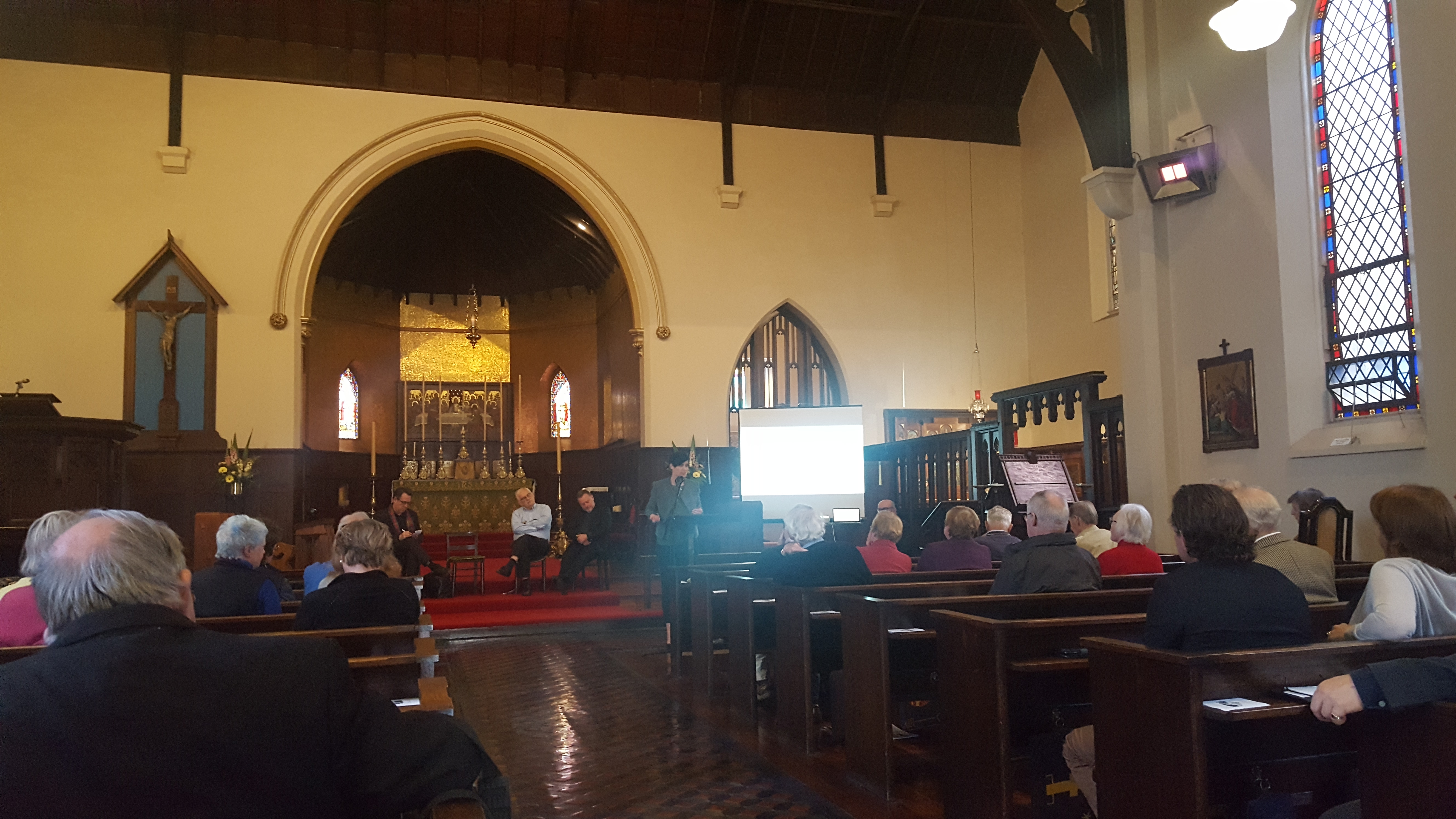
Highlights from the Institute for Spiritual Studies Spring Symposium  – 22 September 2018 at St Peter’s, Eastern Hill.


“I have almost reached the regrettable conclusion that the Negro’s great stumbling block in his stride toward freedom is not the White Citizen’s Counciler or the Ku Klux Klanner, but the white moderate, who is more devoted to “order” than to justice; who prefers a negative peace which is the absence of tension to a positive peace which is the presence of justice”

– Martin Luther King Jr, Letter from a Birmingham Jail


Rod Bower Institute for Spiritual Studies 2018

The church is seen as in collusion with the state to uphold ‘order’, but order cannot triumph over justice.
– Rod Bower


Robin Whittaker Institute for Spiritual Studies 2018

Coptic Christians in Egypt prevented from practicing their faith, being caught with a bible in North Korea and being sent to a work camp… these Christians are being persecuted. In Australia, Christians are not being persecuted. In fact, those identifying as LGBTIQ+ experience more violence and more harm for their beliefs, noting of course that those are not discrete groups. Some of those who spoke up within conservative Christian organisations did lose their jobs during the plebiscite. The persecution for beliefs was occurring within the Church.

– Robin Whittaker


We have freedom of belief and manifest those beliefs as actions. Our actions might conflict with someone else’s.  It comes down to our idea of God.  Or that question: “What would Jesus do?” God offers us relational freedom.  We are each of us free to choose God or not. If we choose yes, that belief is relational. Our belief requires a relationship with God but also with and between other people. Whether they believe what you do or not. The same freedom offered to us, freedom from power and sin and death, we should offer to others. It’s freedom for justice and for all humanity.

– Robin Whittaker


God is revealed at the point we give up our power and give up our position.  We should care more about that…  align with the powerless.
– Robin Whittaker


PANEL Q&A: Christianity in the Public Sphere

Q&A panel Institute for Spiritual Studies 2018

We carry the Christian message in how we think. It doesn’t need to be explicitly “Christian” eg. instead of using the term ‘good stewardship’ you might say ‘responsible use of resources’… same thing, different language.

– Stephen Duckett


Any metric needs the context of the values you are trying to promote. Christians in the public domain need to argue ALWAYS that economics is not the only metric that should be used as measure.

– Stephen Duckett


All theology is political e.g. gender… Our theology will inform down the line… ethics, values, school curriculum.  Our theology has to be right and we have to be able to critique and correct what it means.

– Robin Whittaker


Question: I assume the panel share values. But what about Christianity’s values on asylum seekers, LGBTIQ+… Christians are finding ourselves on opposite sides. Yet asking for privilege on the basis of Christian faith… but don’t we hold fundamental Christian truths in common?

What are the first order theological claims?
Perhaps the Trinity, Jesus… second-order… transfiguration.
Christians have always been on opposite sides.
Conservative voices speak loudest.
Things not first-order have been made first order…
a test case for whether you’re a Christian…
goes back to Paul on circumcision,
a battle for the heart of Christianity.

– Robin Whittaker

There are some issues where those of us on the panel probably believe differently. Identity politics and virtue signalling happen on both sides of every debate. we need to be able to handle difference and have conversations about them, not make a shibboleth out of them, make them tribal distinctions.  Tone and posture are critical for engagement to be possible.

– Gordon Preece


Question: The church seem to speak when they should shut up and are silent when they should speak up… why is the institutional church self-marginalising in society and against the will of God?

It’s that dance between order and justice and how these things dance with one another.  I’d like to be where the UCA got. To live and stay together as loving and gracious human beings. I hope Anglicans could get to that point. It models to the world hope that we can live together as people who can disagree.

– Rod Bower