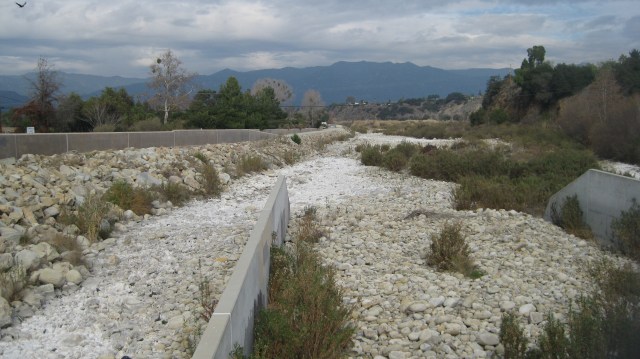
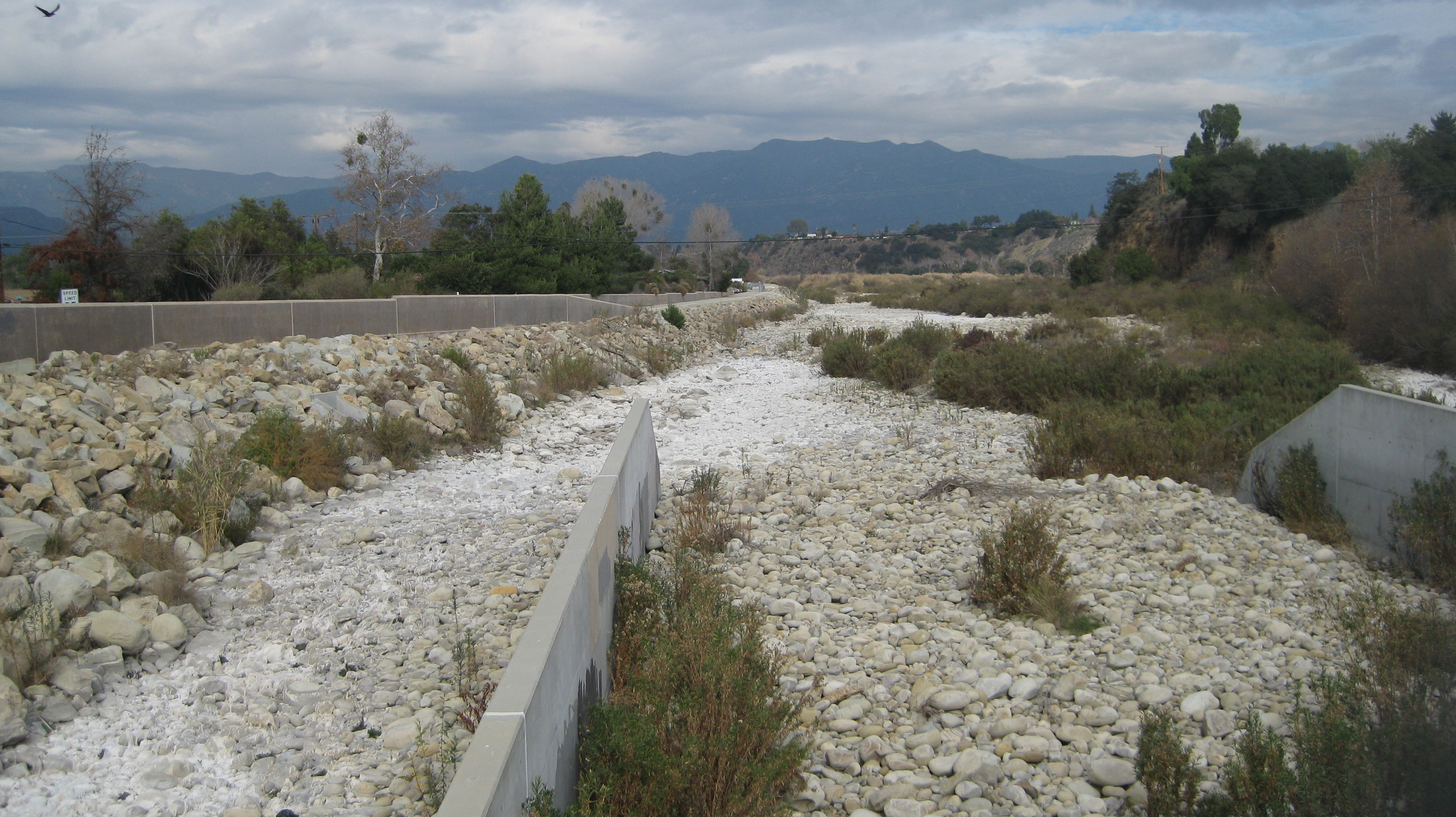
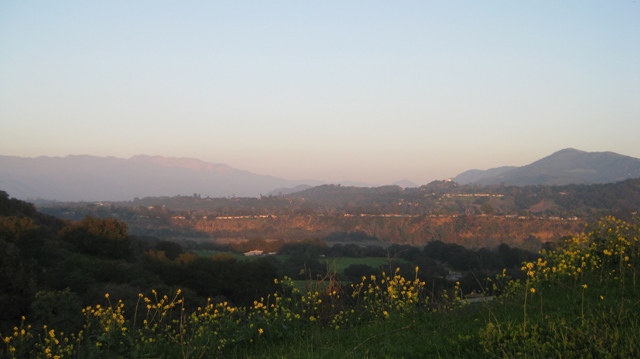
 Ventura River, Oak View
[Earlier this year I had the great privilege and profoundly impacting experience of attending the BCM Kinsler Institute in Oak View, California – a.k.a a clusterfest: part birthday party, part conference, part church, part action planning meeting… – it’s worth noting that I can/am only speaking to my own notes from those sessions I attended and there were generally 5-6 options for every devotional and workshop spot so this is not conclusive coverage and the mistakes are my own. If you’re interested in this kind of reading there’s many more resources, articles and stories at the Bartimaeus Cooperative Ministries (BCM) and Radical Discipleship websites]
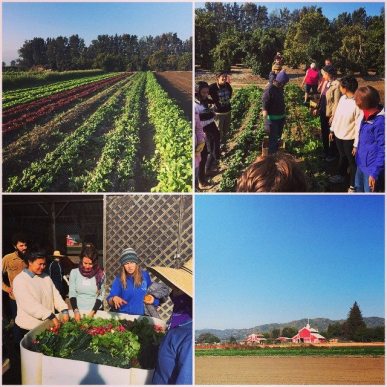
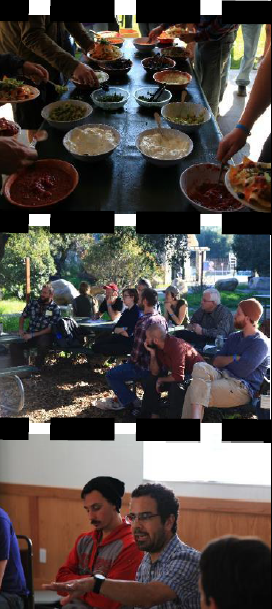
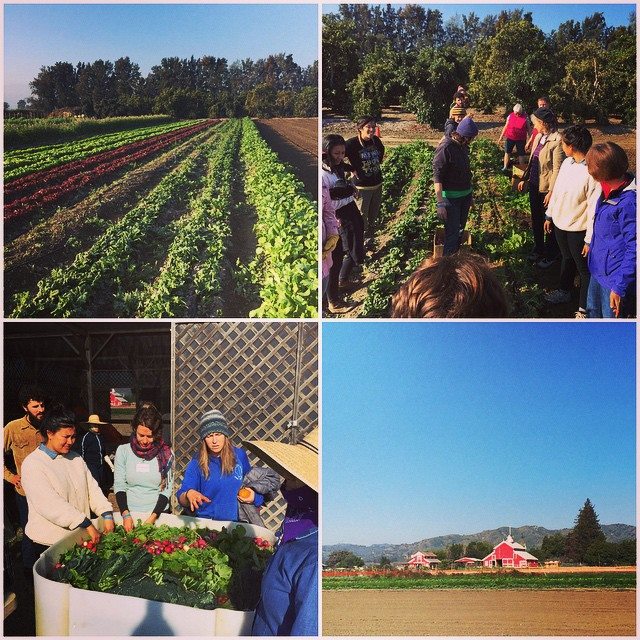
Farm Field trip: Abundant Table sunrise ritual and CSA Harvesting
“The Abundant Table, is a sustainable, working farm that provides faith-rooted, land-based and farm-to-school experiential learning opportunities for school-aged children, youth, young adults and communities. We create greater access to sustainably grown foods for the benefit of all Ventura County residents, produced from a consciousness of ecological, social and spiritual well-being. Our mission seeks to change lives and systems by creating sustainable relationships to the land and local community.”
photo credit: Mayra Stark
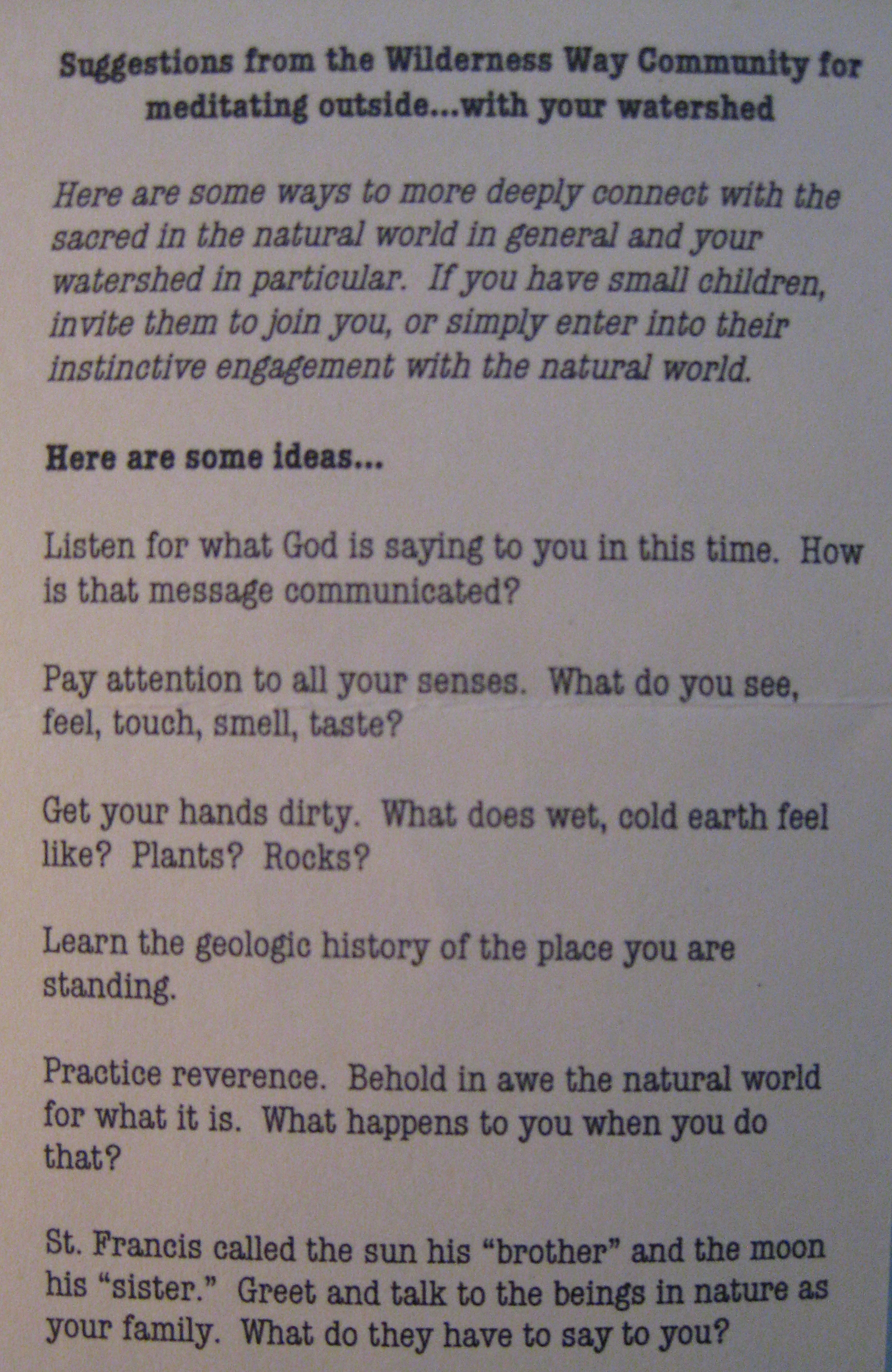
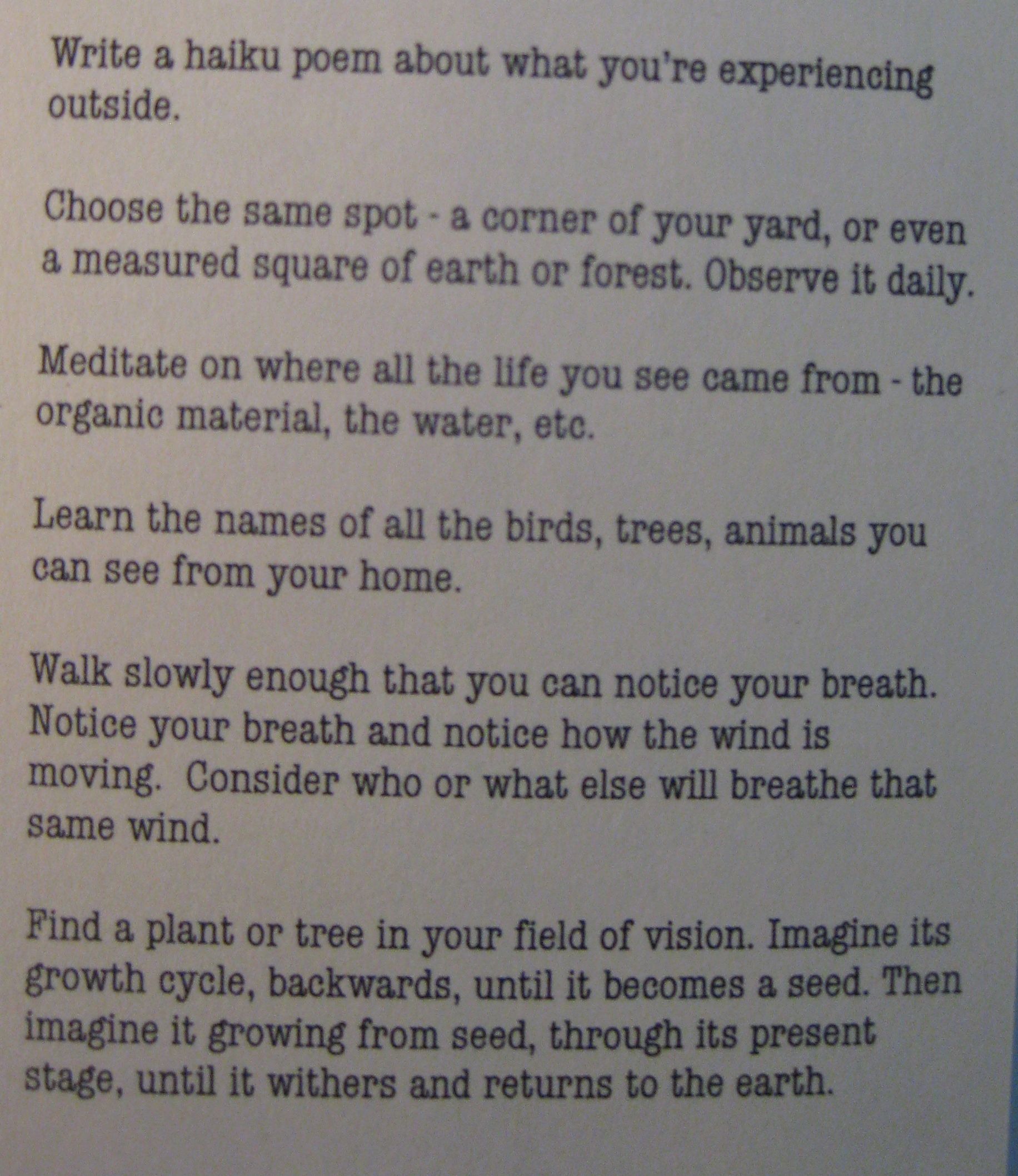
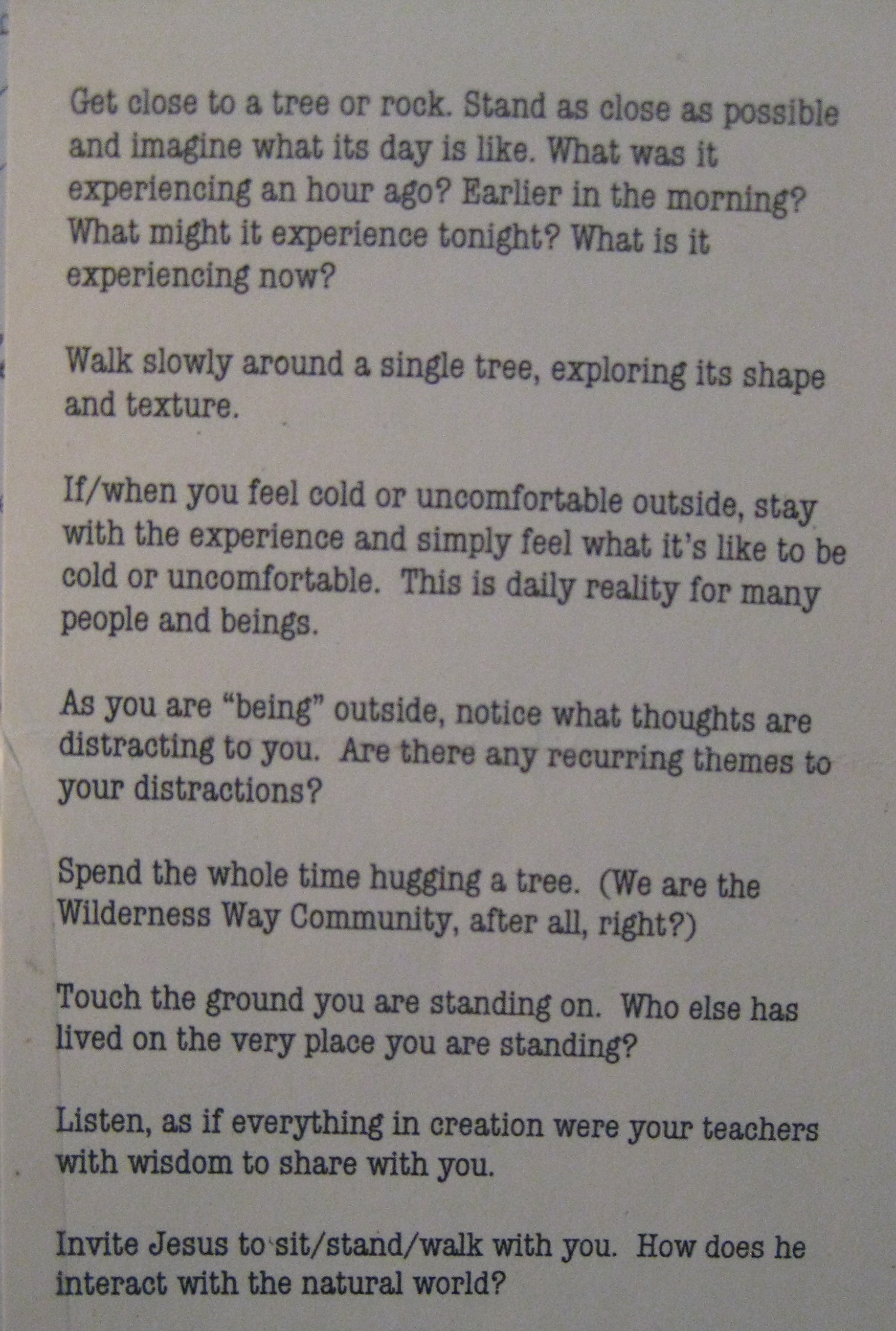
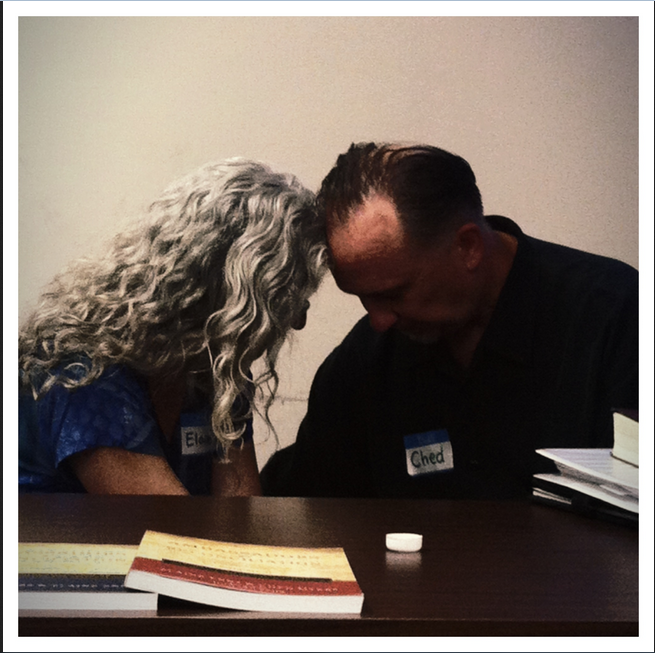
Bible Study: “Jesus Disciple of the Land” Ched Myers
Watershed discipleship:
- Watershed moment.Human exploitation and abuse cannot fathom the trouble we’re in. Climate change is the ultimate expression of colonisation.
- Our discipleship takes place within watersheds >need resiliency and sustainability. How are we in relationship to our watershed?
- Become a disciple of our watershed. Literacy and engagement by our land – what does the land have to teach us?
Eco-hermeneutics
Isaiah 14:8 – Cedars being cut down. Used for straight wood for imperial temples and ship masts.
Kick start revolution by returning to wilderness source. 40 days in the wilderness (addicted to our appetites and amenities). Accompanied by spirit world and animal world. Vision quest and dreaming.
Further reading: Manna and Mercy by David Erlander
Dove/bird messengers… Holy Spirit not just in people. Not baptised IN Jordan but INTO the watershed. Holy Spirit came like a dove INTO Jesus. Spirit drives INTO the wilderness.
3 Temptations: economics, power, Bible (traditions complicit in the illness). “As it is written…” Jesus appeals to the scripture to defeat the temptations.
We need to reclaim scripture as our
most powerful weapon of resistance.
Stories are the best weapon we have.
Usually we think of wilderness as dangerous vs. safe and sacred. We’re not lost but find God there.
Jesus was apprenticing himself to wilderness and the Creator.
- Constantly on the water
- Preaching from a boat
- Doesn’t have a pulpit/institutional space
- Land as natural amphitheatre
- Consider/See the lilies of the valley [imperative verb. Pay attention/Don’t miss this!]
- One wildflower has more intrinsic value than pinnacle of built empire (Solomon’s temple)
- Parables agrarian – good soil/harvest/fig tree. Centring pedagogy in stories that land teaches.
- Light/vine/Living water imagery > not a metaphor but need to take this seriously. Roman aqueducts were taking water, desert scarcity. NEED healthy water.
We need to be recovering old ways becoming land and wilderness literate.
Liturgists: The Wilderness Way
Song:
Everything I need is right in front of me
Everything I need is right in front of me (x2)
Can we be manna, manna?
Can we be manna for each other? (x2)
Song:
Deep down inside of me,
I got a fire going on x2
Part of me
wants to sing about the light,
Part of me
wants to cry, cry, cry }x2
Song:
Come gather round my friend
Welcome everyone
To the wilderness
Sabbath and Jubilee
Shalom and community
Activity: The People’s Mike
People shout out words, what is holding us back from living the lives we’re called to? What are we afraid of? One person shouts it out and then we all shout it out together in chorus.
We need to match our commitment
to the pain of what makes us small.
<silence>
<complicity> <fear> <professionalism> <loneliness> <racism> <impatience> <addiction> <apathy> <forgetfulness> <lack of compassion>
At a Wilderness Way service we take off our shoes and declare this is holy ground. Then have “leaving”,
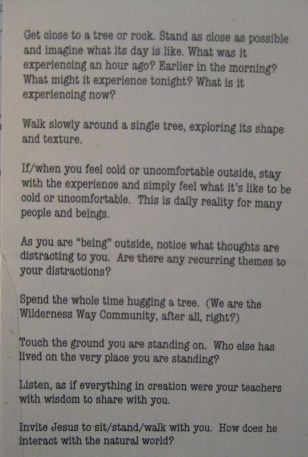
what are we leaving behind? Have a basket and put in it: wallet, purses, cellphone, keys. No place for that which distorts who we are and clouds our clarity. We pass through water (cross a river) as a symbol of baptism and anointing, that we are walking the wilderness way. We are grounding and cultivating “wild” disciples. Use a liturgy of liberation. We are leaving oppression and creating something new
“create the already
in the not yet,
and live in the face
of no evidence”
Song:
Done made my vow to the Lord
and I never will turn back
oh I will go, I shall go,
to see what the end will be
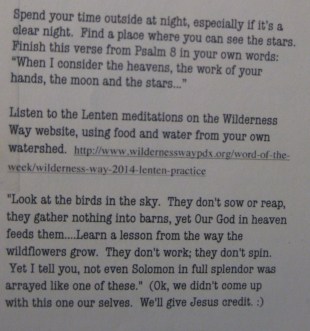
Close your eyes
Deep breath in
Deep breath out
Think of all those radical disciples who came before you in their own way working for social justice… they fought, sang, danced, prayed for you to be born… feel that power fill you up as we pray…
Preacher: “On the Edge of the Wilderness”: An Ash Wednesday Homily, by Jennifer Henry
(full text available per BCM blog)
Isaiah 58:1-12, Mark 1: 1-13
You and I, we are standing on the edge of the wilderness with Jesus; you and I, on this first day of Lent, driven by the Spirit; you and I, on this Ash Wednesday, made of earth and water. Remember you are dust and to dust you shall return. Today, whatever our justice ministry, we are invited, reminded, compelled, driven to enter into the wilderness to confirm our identity, to remember our names, and to reclaim our integrity, finding each other along the way.
This wilderness journey is no idyllic trip to the cottage on Cape Cod or in the Muskokas. It’s not a vacation spa in Ojai. There’s nothing easy about it. But neither is it a threatening place for us conquer or domesticate. Nor is it a demonic space, as if somehow the wilderness is the only neighbourhood where Satan hangs out. Those narratives—the narratives of my Puritan ancestors—do not serve us.
The wilderness is neither idyllic nor demonic—but it is true, a place where things get real. It’s a place where with few distractions, the backdrop is stark, the contrasts are clear, creation is powerful, and false pretenses get revealed. In the wilderness, there is nowhere to hide, and we must come to grips with our work, our lives for what they are. It’s where you figure things out. It’s a place where you can reclaim integrity, or lose it.
The first words of Mark’s Gospel reveal Jesus’ identity. He is anti-imperial, the real “good news” (1:1). He is in the continuity of YHWH, “as it was written in the prophet Isaiah” (1:2). He is much more than the movement that preceded him, “the one more powerful that is coming after” (1:7). His identity is marked in these ways, but also through the actions that connect him to water and earth. Jesus’ first gesture is to claim his watery essence—two thirds of the water in his body is, like our own, from the watershed of his place, connecting him to all the vulnerabilities and possibilities of the Jordan. He immerses himself in the Great River, intentionally locating himself, diving deep into place, the act of submerging INTO as critical an action for the inauguration of his ministry as the opening of the skies above.
And then he goes to the earth, reconnecting with the dirt that is the stuff of him, of us—ashes to ashes, dust to dust. Placed INTO the wildness, he is attended by the angels but accompanied by the wild beasts. Verse 13 is intriguing: “He was WITH the wild beasts, and the angels ministered to him.” This is confirmation of his place among the species, not over or above them.
Mark inaugurates Christ’s ministry by literally integrating him with water, with earth, placing him WITH his companions in the watershed, WITH all his relations. The Spirit leads him, drives him, to the place where it gets real—the wilderness, where he is tested, but ultimately strengthened, his integrity confirmed.
I serve at KAIROS, an organization that brings Canadian churches together in common commitments to ecological justice and human rights. At this time in our Canadian history, many churches and communities, many individual settler Christians, are poised on the edge of the wilderness, some of us maybe a step or two into the journey, but each of us desperately seeking to confirm our identity anew and reclaim our integrity. It is a watershed moment.
Through our imperfect gestures of solidarity with Indigenous peoples over 40 years, and more recently through an extended national Truth and Reconciliation Commission, we have become painfully aware of our multiple complicities as settlers, as Christians; painfully aware of how some of our ancestors of blood and faith were collaborators, or protagonists in colonial horror; painfully aware of our own alienation from the land that is inextricably linked to our violations of the people of the land; painfully aware of how our citizenship still links us now to the re-colonization of Indigenous peoples in Canada and around the globe through relentless resource extraction pursued in our name.
Convicted by the truth, we are working—very imperfectly—to un-settle ourselves from colonial injustice and re-place ourselves in right relations. Invited, undeservedly by Indigenous peoples, we are striving through an embrace of justice to be reconciled anew to the land and the original peoples of the land. It is a wilderness struggle. And, God willing, it will stay true, stay real, until we get it. Until we understand enough, act enough, to find a new identity in restoration. Perhaps as repairers of the breach, reconcilers in the watershed.
I can tell you today that the ancient words of Isaiah 58 are a strangely faithful companion in this journey. This text, also the appointed one for Ash Wednesday, is poignant in its challenge to us but also in its promise. Radical disciples know this text. We know that it is likely post exilic, from the period when the people of Israel are returning from Babylon, struggling with the possibilities but also the challenges of community reconstruction after trauma. They are holding in their hearts the hopeful promises that come to us from earlier Isaiah, even while facing the day to day practicalities of nation-building anew. It is an unsettling time.
We do not know the precise controversy that provokes verses 1-5. Perhaps there were rivalries between different forms of religious observance. But the prophetic message is clear: to turn away from empty fasts and from religious piety that serves primarily one’s own interests. The critique here is not about the irreligious–those who do not know Yahweh or who have forsaken God—but those whose religion is found to be false pretense.
Speaking into our Canadian context, this feels like a piercing challenge. Our colonizers were not irreligious. Christianity was moral architecture to this project; it was fuel for the colonial fire. The faith of so many of our Christian ancestors—of my ancestors—got distorted by racial superiority, their own interests in land and security, and a missionary zeal. In the name of Christ, four Canadian churches sat with empire and collaborated with the federal government in a 130 year project of boarding schools intended to “kill the Indian in the child.” Seven generations of Indigenous children—young children– were isolated from their families, cultures, languages, and traditions in Indian residential schools run by the churches.
Seen through Isaiah’s critical eyes, and with the benefit of hindsight, what might we call that distorted sense of mission? A self- serving religion—I fear so. It not only failed to do justice—to accomplish the compassionate justice that is the prophetic challenge—but it perpetrated injustices in religion’s name. In the schools, there was unspeakable cruelty, humiliation, and abuse—sometimes even in the name of Christ.
The problem is that it is a little too easy to join ourselves to Isaiah and criticize our colonial ancestors for their practice of faith. The challenge of Isaiah in the present is to ask: “Have we really fully turned away from this kind of religion?” Are there colonial remnants in our faith? How might our religion continue to serve our own survival and security ahead of justice? Are we actively seeking reconciliation to the land and the peoples of the land? Where do have residue of “subdue and dominate”—even in our more sophisticated stewardship concepts? Where are we still more monuments then Jesus movement, more institution than community convicted by the radical gospel?
Isaiah is clear: turn from false religion; embrace the ways of justice. Beginning at verse 6 the prophet delivers the call to “loose the bonds of injustice, undo the thongs of the yoke, let the oppressed go free, break every yoke.” Offer bread, home, clothing, hospitality… This text, echoing similar themes in Micah and Amos, and anticipating Jesus’ teaching, defines true worship in terms of expressions of justice. This turns on its head all the ways in which we make false divisions between faith and witness and justice and peace, between acts of worship and acts of justice. Our expressions of justice are liturgies of holiness and faithfulness. Actions of justice are as a prayer. Justice is the fast that God requires.
For the Canadian churches, this means that their apologies for colonial complicity in residential schools and their prayers for Indigenous peoples mean little without a commitment to Indigenous justice in the now. There is no way to decolonization that fails to address the situation of missing and murdered Indigenous women in Canada, that is unconcerned with “boil water” advisories in reserve communities, or that ignores scathing deficiencies in First Nations education.
This means deep solidarity with Indigenous people who are demanding free prior and informed consent before any development project impacts their traditional territories, wherever that happens in the world. This means the implementation of the UN Declaration on the Rights of Indigenous Peoples. For some settler Christians, it may very well mean standing in front of trucks with Indigenous peoples in British Columbia as they block the building of a pipeline across their traditional territory, or kneeling with Indigenous women in New Brunswick as they put their bodies between fracking and Mother Earth. Our failure to do justice—to rise to the solidarity call—will confirm that not just our ancestor’s faith but our own may be for naught.
Today Indigenous peoples are seeking our partnership in justice—not for their own rights only, but for the health and wellbeing of the whole inhabited earth. What a humbling and generous invitation. In the movement originating in Canada called Idle no More, the message was a call to partnership in justice for the sake of our world. The motivation was the Canadian government’s complete removal of environmental regulations and continuing rapacious resource extraction without limits. The motivation was threats to our waters. Indigenous peoples, with a closer connection to creation, were sounding the alarm and inviting us into the call.
This invitation to partnership is present also in the global cry for climate justice, echoing from the Indigenous peoples at the front of the New York Climate March. Placing ourselves with Indigenous communities, welcoming their land wisdom, their creation literacy—something which we previously demonized and rejected—opens us up to re-placement and re-connection to the earth, air, and waters. But it is an ethical re-placement in the watershed that respects and recognizes the First Peoples and their deep custodianship, which has no termination date.
Turn from false religion, embrace the way of justice… Beginning in verse 8 is the final challenge, but it has turned into a promise—a promise of restoration, a promise of identity, hoped for renewed integrity, and new names. In a wonderful series of “if…then” expressions, the prophet confirms that it is only from justice, that restoration flows. If you embrace justice, then… your bones will be strengthened, your gardens watered, your ruins rebuilt.
It is this just action that will reveal your identity, that will change your name: “You shall be called repairers of the breach, restorers of streets to live in”(58:12). Only this just action, will confirm your integrity. For settler Christians, it may just be possible to find new names from the ones theologian Tink Tinker accurately but bluntly summarized as “liars, murderers and thieves.” Maybe we could be allies. Maybe we could be treaty partners. Maybe we could be companions in the watershed. Just maybe, we could be friends, like in the peace and friendship treaties that were originally extended. What we must be is “nation to nation,” in a new covenant written on our hearts.
For Isaiah, justice is the precursor to restoration. The “if…then” construction is essential. We cannot expect reconciliation within our churches, within our country, without our tangible, sustained commitment to justice. Reconciliation will follow rather than lead actions for justice, which becomes a form of testing intention and resolve. What I love about this passage is that as clear as the critique of hollow religion, as clear as the call to justice, that same kind of clarity is also present in the commitment of restoration. Look at what is promised. It is both personal healing—strong bones, satisfied needs—and communal restoration: restored houses, rebuilt ruins.
I need the promise of Isaiah because sometimes the horror at what we have done to one another, the depth of our failure to protect traumatized people or a traumatized creation, the relentless challenges of the present injustices—somewhere in there my hope is obscured. I can’t see for the anger or the guilt or the shame. I can’t see for the tears.
But Isaiah makes restoration tangible, a reality of transformation confirmed for us as Christians in the Easter event–in the sure and certain hope of the resurrection. Justice, peace, reconciliation can be so. It must be so. Our actions must live up to that promise.
Let me leave you with one example, one taste of restoration, that I recognize through Isaiah’s eyes:
It was Victoria Island, the traditional gathering place for Indigenous peoples on the Ottawa River that has a clear view of the Canadian Parliament buildings. Our leaders, six Algonquin Kokoms—grandmothers—began with a smudge, followed by a teaching on the sacredness of water. We were a mixed group, young and old, settler Indigenous and newcomer. We blessed 200 water offerings from all across the country, and four from different parts of the world. Each was sent as signs of commitment to protect watersheds when our government, in repealing environmental protection legislation, had abdicated its responsibility. Each was sent as a sign of resistance to all that threatens our watersheds—tar sand in Alberta, fracking in New Brunswick, pollution in Manitoba. Each was sent as a sign of connectedness, one watershed to another, by those being harmed around the globe by Canadian mining.
Strawberries were shared, and water was poured on the ground as a sign of respect for Mother Earth. Tobacco was offered to the Ottawa River and there was a moment of deep shared acknowledgement of the Source of all water—all living things. Public liturgy, held in the view of empire. (From: www.kairoscanada.org/dignity-rights/indigenous-rights/gathering-of-the-w….)
One of the participants, a white settler woman, said this felt more like worship to her than many church services she could remember. No doubt Isaiah would have agreed. Closer to true religion than what sometimes happen in our churches. In this place and for this moment, imperfect and humble, it felt a step closer to the fast that God required. Watershed Discipleship. Reconciliation in the Watershed.
This Lent, I am going to continue the process of unsettling the settler that is still within me. It is time to get real: to ask myself again what colonial ideas and practices are still part of my fabric of being. And I am going to work to re-place myself in the land of my chosen watershed, to work harder to reconcile to the earth in right relations with Indigenous peoples. It is time to get real: what ways am slipping back to comfort and convenience away from ecological integrity, what ways am I ignoring racism, cause I’m just too tired to make a fuss? In this wilderness time, I am going to strive to renew my identity as an ally, I am going to push my own church to greater boldness—to stand up in Indigenous solidarity, even when the empire pushes back and calls us names.
The Spirit may need to drag me into the wilderness—as she often does, in her unsettling, challenging, relentlessly liberating, but connecting way. But she will do it for my own good, for my own integrity, because she knows my name. If she is successful, when she is successful, I expect I’ll see you there.
Song:
return again, return again
return to the land of your soul }x2
return to what you are
return to who you are
return to where you are
born and reborn again
Song:
Humble yourself in the arms of the wild
You got to lay down low and
humble yourself in the arms of the wild
you got to ask her what she knows and
we will lift each other up (clap)
higher and higher }x2
Song:
we are the rising sun
we are the change
we are the ones we have been waiting for and
we are dawning
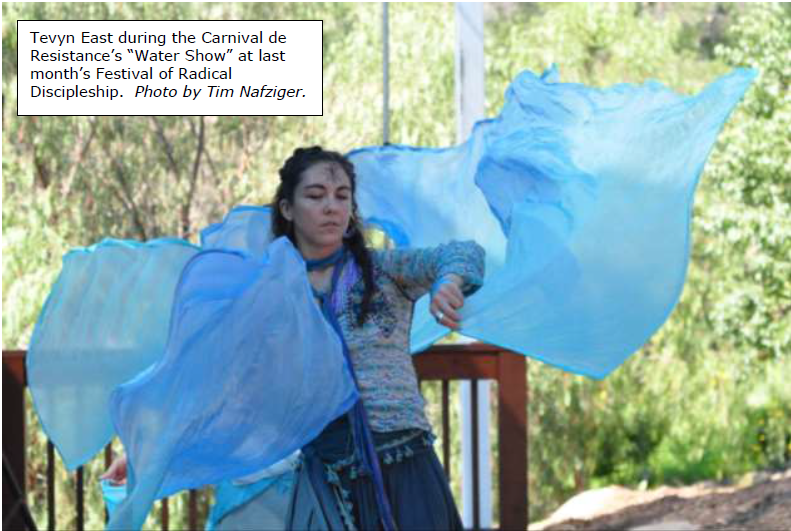
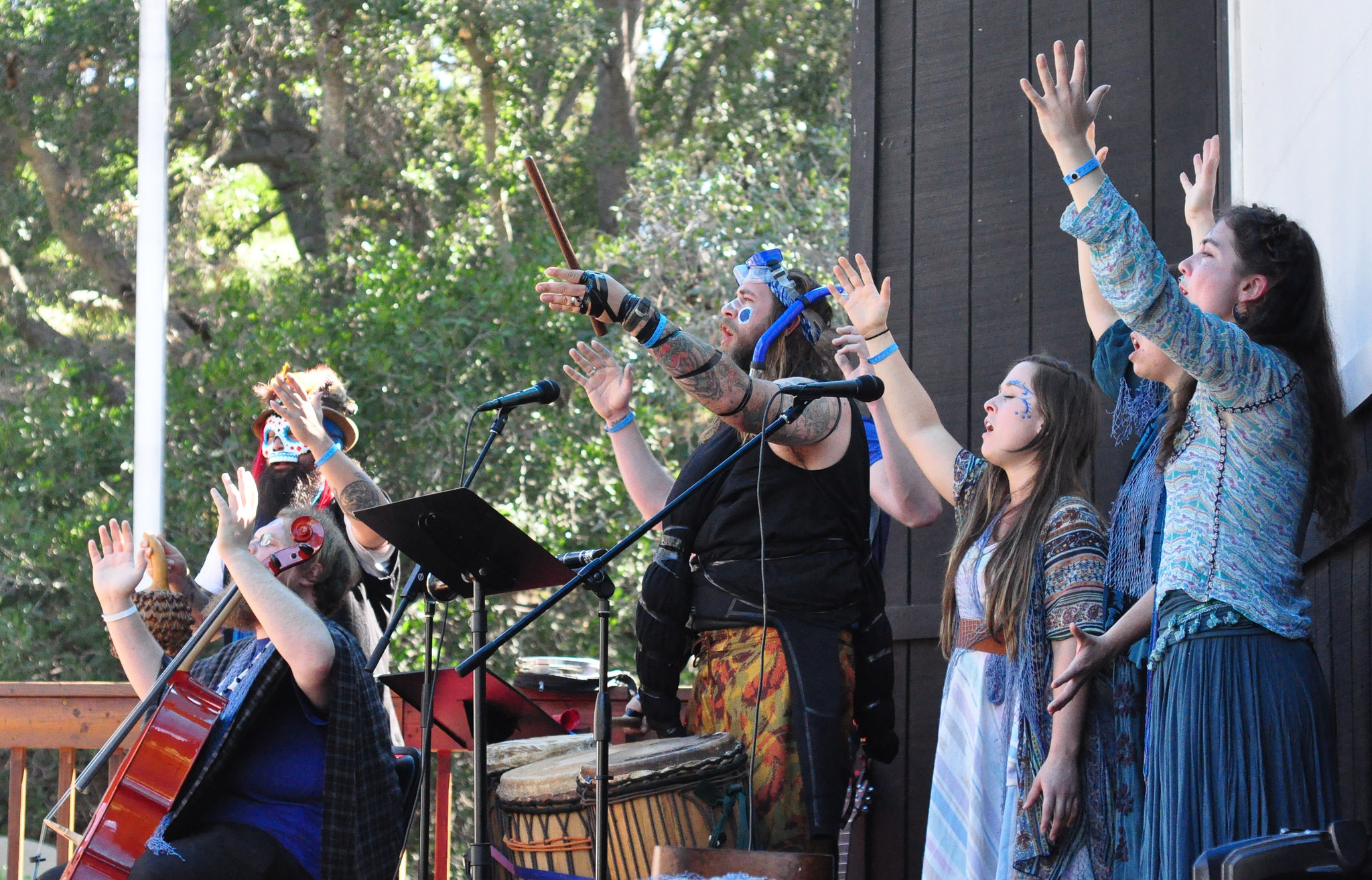
Plenary: “Water Show” with Tevyn East, Jay Beck & the Carnival de Resistance
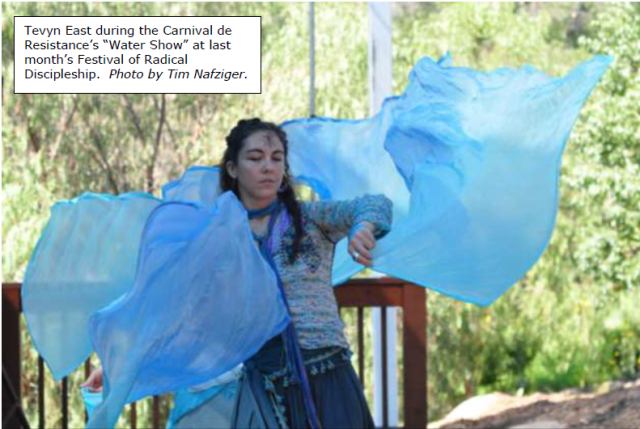

The Carnival are a traveling arts carnival and ceremonial theater company, a village demonstration project exploring ecological practices, and an education and social outreach project; all focusing on ecological justice and radical theology.
See their rich visual feast coverage of the Water Show here, with some highlights and a (trust me it’s awesome) Flickr album
Workshop III: Theopoetics and the Ecology of Emancipation – Chris Grataski
Further reading: Systematic theology – Robert Jensen “…the end is music”
Song:
I will look to the hills x2
Where my strength, where my strength, where my strength comes from
From the Lord, from the Lord is where my strength comes from
I will look to the hills x2
Where my hope, where my hope, where my hope comes from.
From the Lord, from the Lord is where my hope comes from
“To know the dark” or “to serve the dark” – Wendall Berry “to enrich the earth”
What is the Dark?
- Theology
- Ecology
- Politics
Go deeper into the dark, the cloud of unknowing. Sacred ordinary things, encountered the mystery of God in the wilderness >Theopoetics
Theology vs. Anarchal Primitivism – language, symbols, map and metaphor – step away from creation.
Stanley Hopper – imaginative, practical and sensuous. Reorder our mythological and metaphorical origins. Need mystery over explanation. Fresh religious language – joyful expression!
Amos Wilder – not rewriting theology, mobilising by humanising. Principalities and powers exposed as a farce.
Reuben Elvis – “The Poet, the Warrior, the Prophet” took theopoetics to language that speaks to a way of life, being a creature, naturally generates a bodily response.
Common thread – respond to a problem – the gap between religious practice and religious action. Language encourages dysfunction rather than faith… connection between bodies and imagination, tension between what ought to be and what is possible.
Buddhism – release narrative, what is
Judeo-Christian – what could be, works by fascination not force.
Description of theopoetics: not as a way of doing theology or speech but as poetic, speech movement, positive but haunted response to awareness of mystery.
Words fall short of describing God, should proliferate images! Points beyond itself, speech tempered by humility ‘a textural body of learning’.
Traditional Ecological Knowledge (TEK) – Ecological science already underway before ecoscience was invented. Everyday rituals acknowledge debt to creatives (limit to strain food chain). Local and holistic, spiritual and practical application of skills and knowledge over changing ecological and socio-economic changes.
Stories, parables, rituals – normalise and teach – not only how many fish are okay to catch in a season but understand what is likely to put them in a mindset where they would overfish (warning: economic, political, fear…)
Oral biblical tradition – remind people of ways of life that bind them together, not one thing, stories a cosmos vision. Authorise a way of being counter. Socio-literary way of understanding the text. Fictive but concrete and tangible historical reference. Parables/bibles normalise alternative ways of living.
We have failed by accident or intention – is the bible TEK? Not in hand of indigenous? Not in the hands of the people who the knowledge was local to? Text speaks to everything in that ancient way. Rupture between science and theology.
Permaculture – defeat of death makes sense e.g. cover crop lives/grows to die and be turned over to give nutrients to the earth. I die and my body goes back to earth.
Best way to ‘defeat’ death is
to collaborate with death.
Wendall Berry “lose your mind, do something that doesn’t compute”,
Principalities and Powers
Domestication (enslaving technology and minerals) rocks, mountains, rivers are alive as well as creatures.
Mark, Further reading: Binding the Strong Man – Ched Myers
John, by what authority do you do these things? By the finger of God.
Paul, incarnate is bigger and emptier than in creation.
Left alone the world would not destroy but restore. What is death? What is resurrection? Abrupt ending in Mark, unresolved tension. Live as if death had been defeated.
Composting of civilisation
- Materials are the blood of the earth
- Facilitate alienation (buildings/pavements)
- Permaculture design discipline is committed to the cultivation of high diversity human habitat, needs woven into environment with human community.
Design entymology – sign/signature/apprentice to pattern and practices. Language, gesture, sound in most primitive scenarios – everything in the world bears relation to something else, have to pay attention!! Localised not industrialised language e.g. Seeds “code”, …going in potable water – even dogs know not to do that. There’s organicness about death and resurrection. Neutered it’s theopoetic ability to speak to things. Endless metaphors – creator, healer, provider… Theopoetics is the art of persuasion. Self-conscious fabling that has emancipatory intent.
Workshop IV: The Great Commission: Watershed Discipleship or Watershed Conquest? – Kat Friesen
Lived for a while in the Phillipines – using that as a model of watershed discipleship. .. Regulating upstream to minimise impact downstream, measure trees, carbon sequestration… “decided to expand their faith instead of their gardens”. Christianity let them live within their limits and watershed – love of place inspires resistance.
Restlessness and mobility of cultre ans that’s rewarded. Witness > this threatens the gd news. “Great Commission” colonisation/conquest > missions/Christology > business/economics. Trauma of displacement – those who have no place of home >> how can you understand and proect “home” for others?
Home mission: usually aimed at immigrants/international students that might not have heard the good news.
Christendom theologies of placenessness (Ched Myers)
- A docetism the priveleges spiritual matters over social and ecological ones
- The presumption f human dominion over creation
- A theology and politics of presumed “divinely granted” entitlement to land and resources.
Used religious “doctrine of discovery” to take land, etc. given permission to international corporations to mineral rights, etc.
Principle of Contiguity – politically and geographically expressed ownership of large watersheds. Claim to mouth of river gave claim to entire drainage system and adjacent coast. Great Commission/Terra Nullius/Promised land “theology”. Didn’t recognise land as inhabited when nomads/gatherers. Ezekiel c. 40-42 foreigners occupying land get land too.
In who’s hands are these texts interpreted? e.g. African American Promise Land > freedom. Only legal precendent to refer is land-grab.
This is our legacy as Christians.
Watershed conquest: find the rivermouth first, claim the whole watershed for your country. Lewis and Clark. How is our visionhindered? What can’t we see?
Repentance before Reconcilation
- repentance as metanoia
- what are we turning toward?
- everytime we say no to a way of destruction we say yes to something much more beautiful and life sustaining (Kathleen Dean Moore)
Watershed discipleship as Home Mission
- antidote to placelessness and domination behind Doctrine of Discovery and Watershed Conquest
- not to convert and conquer watersheds, but to inhabit, care for and learn from them
- reinterpreting the “go” of the Great Commission.
We won’t save place we don’t love.
We can’t love places we can’t learn.
Can’t learn what we don’t know.
Find ways to maintain, support and encourage traditions. Learn names of animals and plants. Ecological knowledge in lots of languages. Commissioned home, colonial repentance.
Repentance:
- contextual – following trail of peple moving off the land, reading journals, camping, hearing stories from elders. Replanting native species and taking away others. Don’t know place, don’t have stories, don’t have songs/music/TEK.
- contrite heart – clean/renew heart. ‘daca’ to be crushed/broken heart. “Heart listening”. Violation against God not “just” people.
- learning connected to discipleship:
- centre to margins
- (wrong) God in centre, take with you to be where God is not i.e. at the edges (colonising)
- (right) Go to margins to hear from God and bring back.
- Go to margins to be saved, not to save > Jesus is there.
- stop injustices – don’t keep taking more land. Stop continued dislocation. Need to start. This is still happening.
- [insert name of your river/watershed] “Maribyrnong” is just as sacred as the Jordan.
- “Creator”, no one comes to God except through me, nations are intact – culture and identity intact.
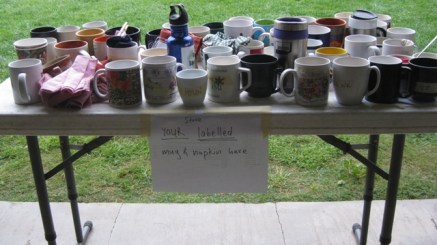
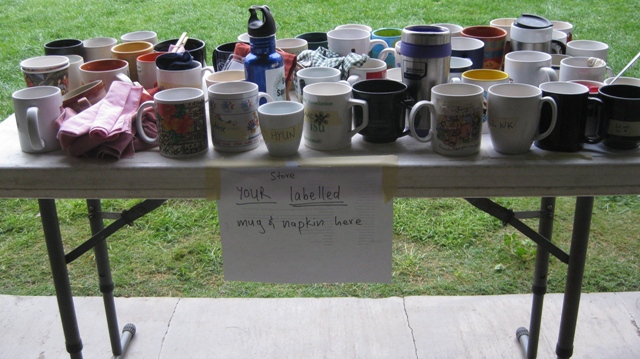
Conference attendees BYO mug, write names on masking tape and use one mug all weekend washing themselves as needed.
Sometimes the
medium is the message.
Keynote: Reyna Ortega, Sarah Nolan & Erynn Smith – Abundant Table Farm Project
Came to the Abundant Table and realised I had found my people. Be unsettled AND experience joy as shared space. Engages all part of myself. Singing “I don’t know anything” playful.
- feed school district – farm to school program
- food bank
- sharing abundance
Growing with grace;
Caring for the land;
Creating healthy communities;
Cultivating food justice;
Transforming young lives.
… seeds to change lives and systems
by creating sustainable relationships
to the land and local community.
“I have a place… I have a community…”
Education as animation – want others to have the opportunity and experiences I have had. Rooted Futures: farm visit, healthy food at school/in homes, native healing plants.
Different Way – I’ve fought for that > loss of hope not to value the land and value ourselves. Need to see and value each others goodness and Godness.
Can’t change the world,
but the world around us… yes

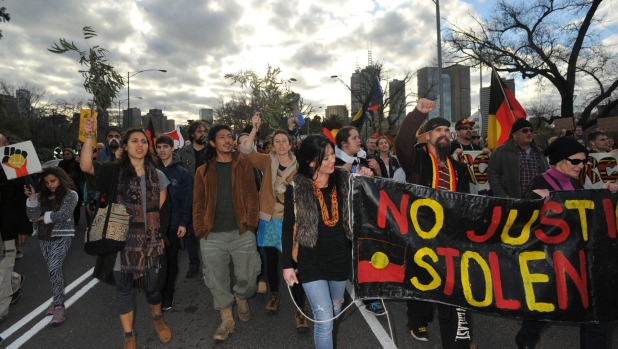
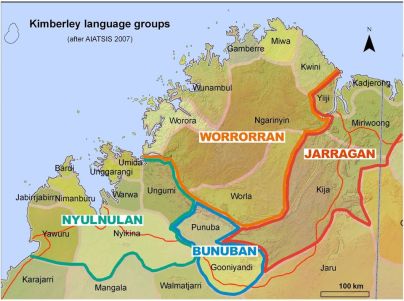 more like Europe, made up of many different countries with their own language, and myths, and dances and traditions… this map on the left is rough overview of the First Nations Peoples and language groups in Kimberley. This is their map of how they see the world – we wouldn’t expect it to be reasonable to ask the Italians to move to the nearest town in France and give up everything that informs their own unique culture and identity and we should not ask it of Aboriginal people here either.
 witness to what takes place beyond any particular action of my lifetime whether we have done everything that we can to make things right. How might the Great Barrier Reef answer? Or Uluru? or The Big Pit in Kalgoorlie? I was proud to see the Maori flag raised and carried alongside the Aboriginal flag in solidarity. Others who have experienced displacement themselves – they do not forget. We need to recognise that living in a world that has more languages, more dances, more patterns, more stories makes it a more enriching place for all of us and is worth protecting and defending by us all.






 itellyouarise