Category: influential reading material


The Māori creation story begins with nothingness. ( Te Kore).

It is a long dark night. (Te Pō)

From here two of our Māori gods Ranginui, the Sky Father, and Papatūānuku, the Earth Mother, emerge.

Rangi and Papa lay together in a tight embrace. They held each other so tightly that no light could get through and the world was in darkness, and their children are born between them. 

For a long time, the children exist in a dark cramped uncomfortable space. They talk of the “potential”, the speck of light seen beyond.  What could be beyond?

The brothers made a decision and tried to separate their mātua. Finally, it was Tāne who lay on his back with his legs facing up. With total focus and strength, he pushed and pushed. Ranginui and Papatūānuku didn’t want to be separated from each other or their tamariki. In this crucial time of separation, te wehenga, the tamariki spoke with respect to their parents while helping.  Rangi and Papa wept for each other rather than being angry with their tamariki. The separation of the parents by the children resulted in the movement from darkness to the world of light (Te Ao- Mārama) and humans flourished on the Earth. However, Rangi still mourns the loss of Papa and drops tears which become dew and Papa’s sighs go up to the sky, which become mist.

In the end, the brothers became Māori Gods, guardians, or atua of particular domains.

In the cycles of our own, day in and year out, little births and deaths – what does the knowledge of our bigger creation narrative offer?

There is life beyond the darkness that seems to be all we can see. We can make a decision that things will be different, and choose to act before the new Way is visible.

We are strong, in our minds and our bodies. We are agents in bringing about our own becoming and shaping our lives into what we want them to be.

The old ways cease to be, but we learn new ways of relating to one other and ourselves.

Whakapakari/strengthen #advent2020

Going to a sales page and creating a post to ask if there is an item instead of searching for the answer youself is like asking the person of colour you know what BIPOC stands for instead of googling it.

When you hear that white people need to ‘do our own work’ this is what we’re talking about. Especially don’t use questions as a way of doing the following:

  • trying to prove you are woke or engaged in issues of colour
  • trying to identify with/befriend that person so you can someone who says, ‘I have black friends’ or wants to name drop association to your own benefit
  • trying to befriend that person because you want or need something from them

For further reading please check out Clemenger Melbourne’s site: Deadly Questions for other commonly asked questions from ‘Why don’t Aboriginal people just get over it?’ to ‘What the most important things I can teach my child about the land and indigenous culture?’

My faith community are looking at the Aaronic Blessing and suggested we have a go re-writing it, see The Aaronic Blessing from a Hebrew Perspective by Jeff A. Benner for insight and inspiration…

354 - Copy


May the Creator that drew, knew and grew you

Enfold her in her arms that feel like home

May her peace abide in you and bring you to

stillness in the knowledge of being wholly loved and loved wholly

Reflect: Expressions of Her, expressions of you, expressions of Her…

wonderfully Made.


20200326_080755

The Bright One, Maker of the made and all the made ever made

invites you to regard Them and be seen. To know yourself in Them.

Under Their gaze, there is no loss, disappointment, separation, brokenness.

The communion loaf holds many-in-one. Whole.

See. Be Seen. Be.


women'sliturgy

Wisdom, may her light guide and guard you, pouring love, supersize, not subside. Do you hear Her Voice down inside you? Live it out loud, be proud, never subdue. The wholeness is calling for you, speaking for what’s true, naming the whole you into being. Seeing, freeing, we are undone and one at the same time. Truth is hard-won but I can see in the dark. Spaces, places, all of her faces – shine. And I can see in the dark. Spark. I can see in the dark. Wisdom’s calling me home, I’m known and whole. Under the cone, in my heart, it’s safe to make a start. Enfolded in the keep, I can sleep. Smart enough to know I need more, to restore, to adore her more. Her love is at the core. Hit the floor, raise my gaze, begin another day. It pays to know she’s on her knees at the door on the floor too. She knows the score on being poor. Destitute. Restitute. Resolution. Do it better than before. Not alone any more. This is what she made you for: Be. Love her more and love you. Be loved. Spark. I can see in the dark.

invictus william ernest
Out of the night that covers me,
      Black as the pit from pole to pole,
I thank whatever gods may be
      For my unconquerable soul.
In the fell clutch of circumstance
      I have not winced nor cried aloud.
Under the bludgeonings of chance
      My head is bloody, but unbowed.
Beyond this place of wrath and tears
      Looms but the Horror of the shade,
And yet the menace of the years
      Finds and shall find me unafraid.
It matters not how strait the gate,
      How charged with punishments the scroll,
I am the master of my fate,
      I am the captain of my soul.

BY WILLIAM ERNEST HENLEY

Living Water

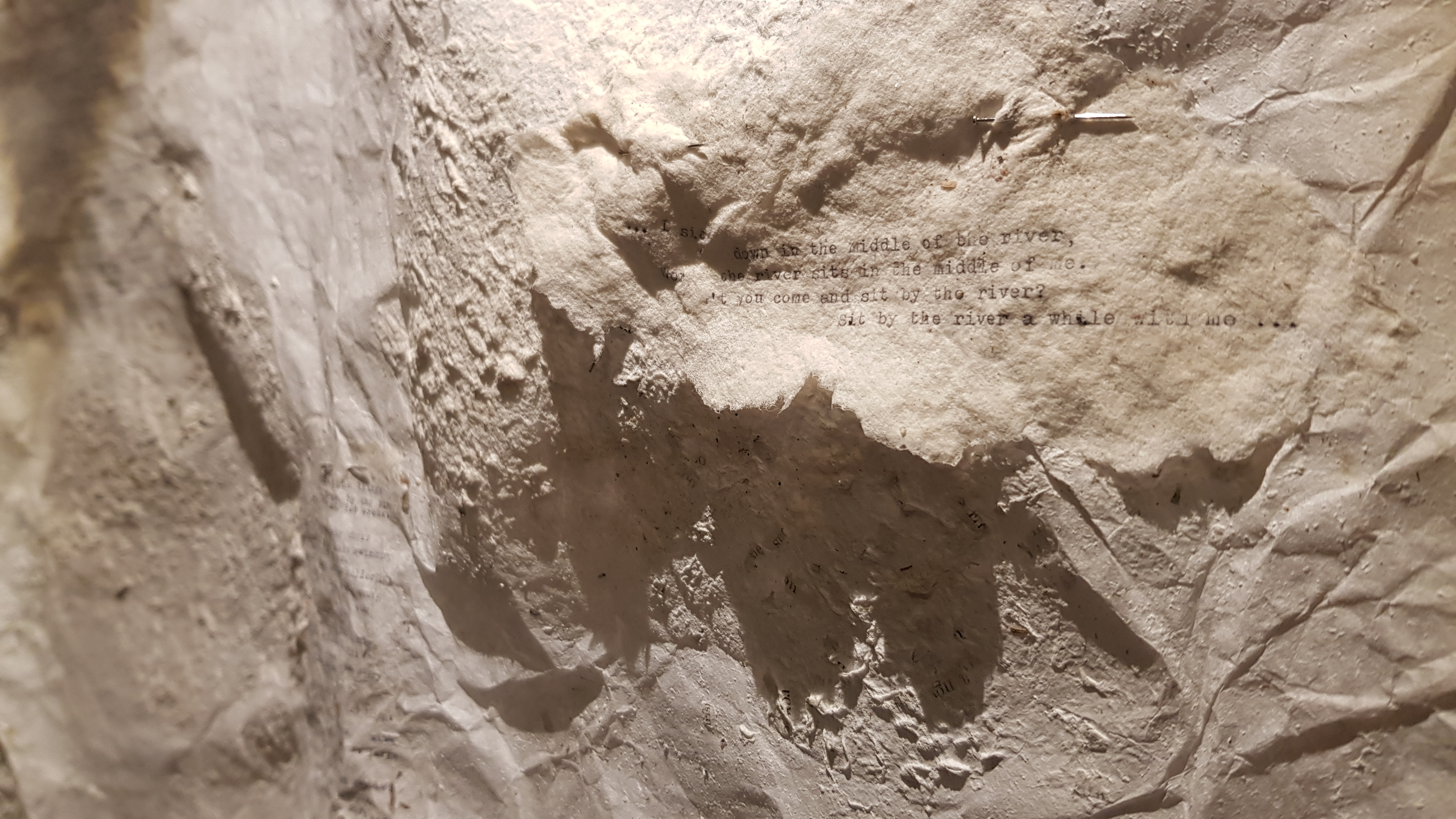
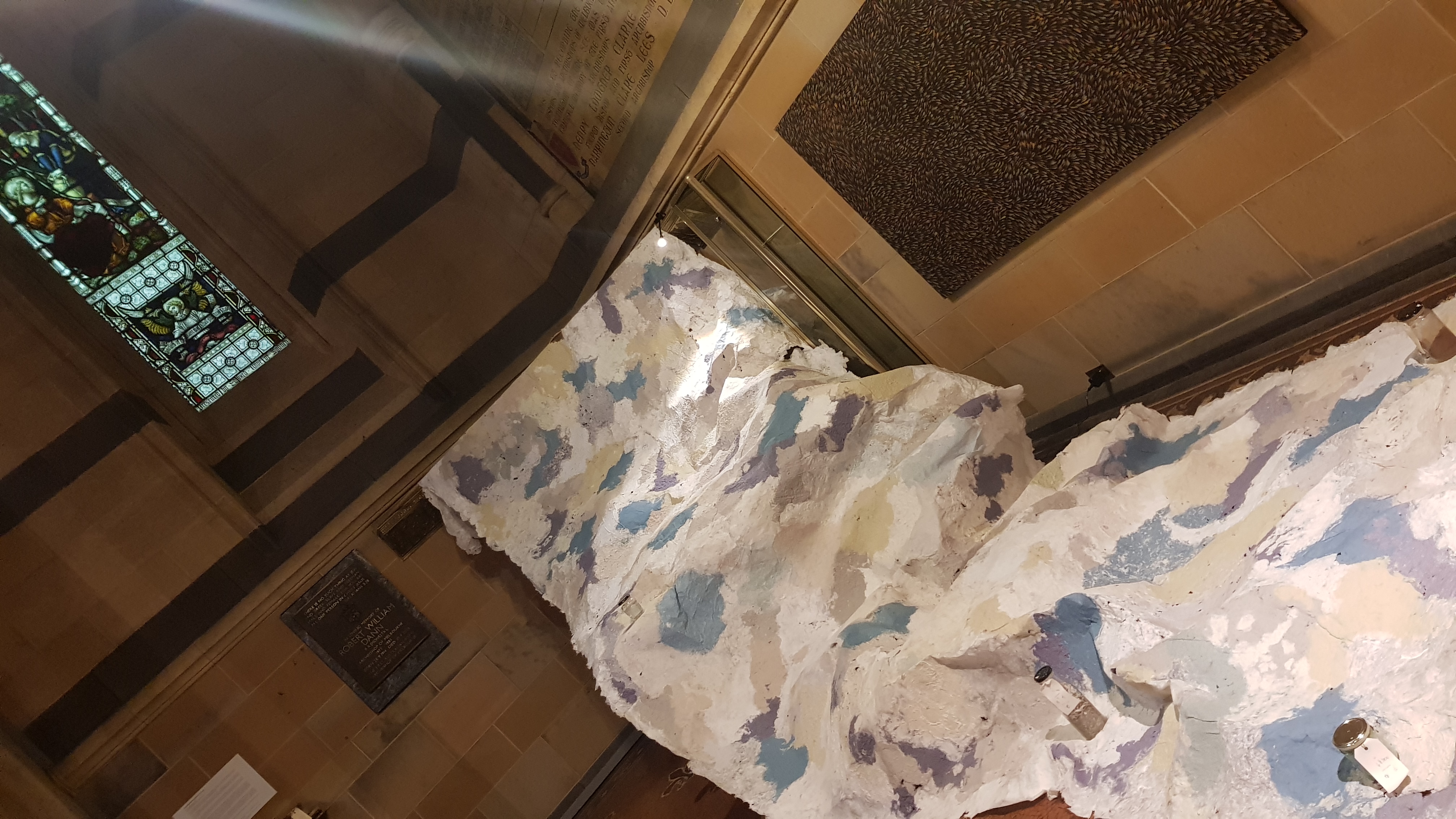
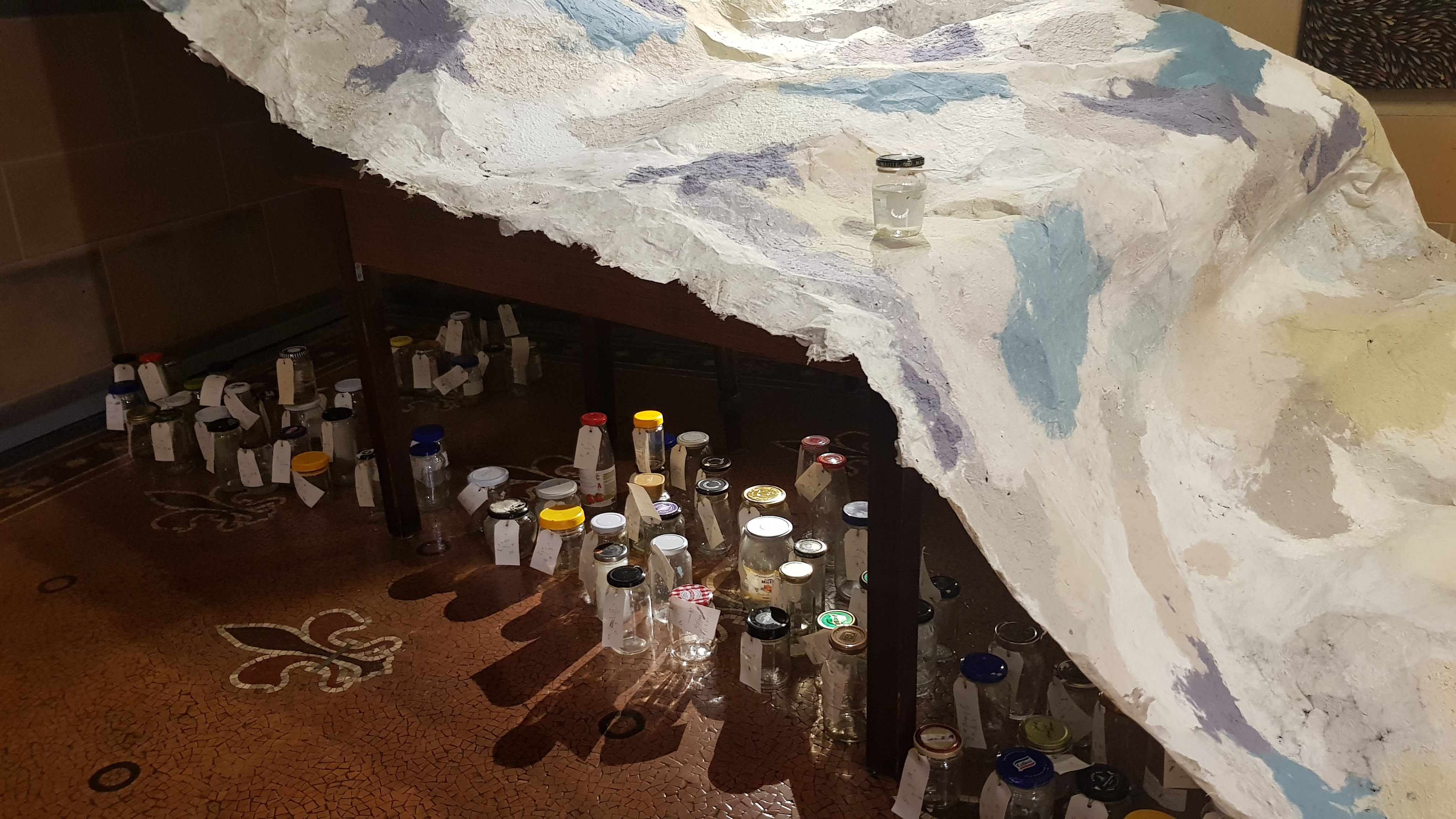
Over the past few months I’ve been privileged to host Annique Goldenberg at the Cathedral working in the Living Water project. This project explores our connection as a community to our local water source the Birrarung (River of Mists) aka the Yarra.

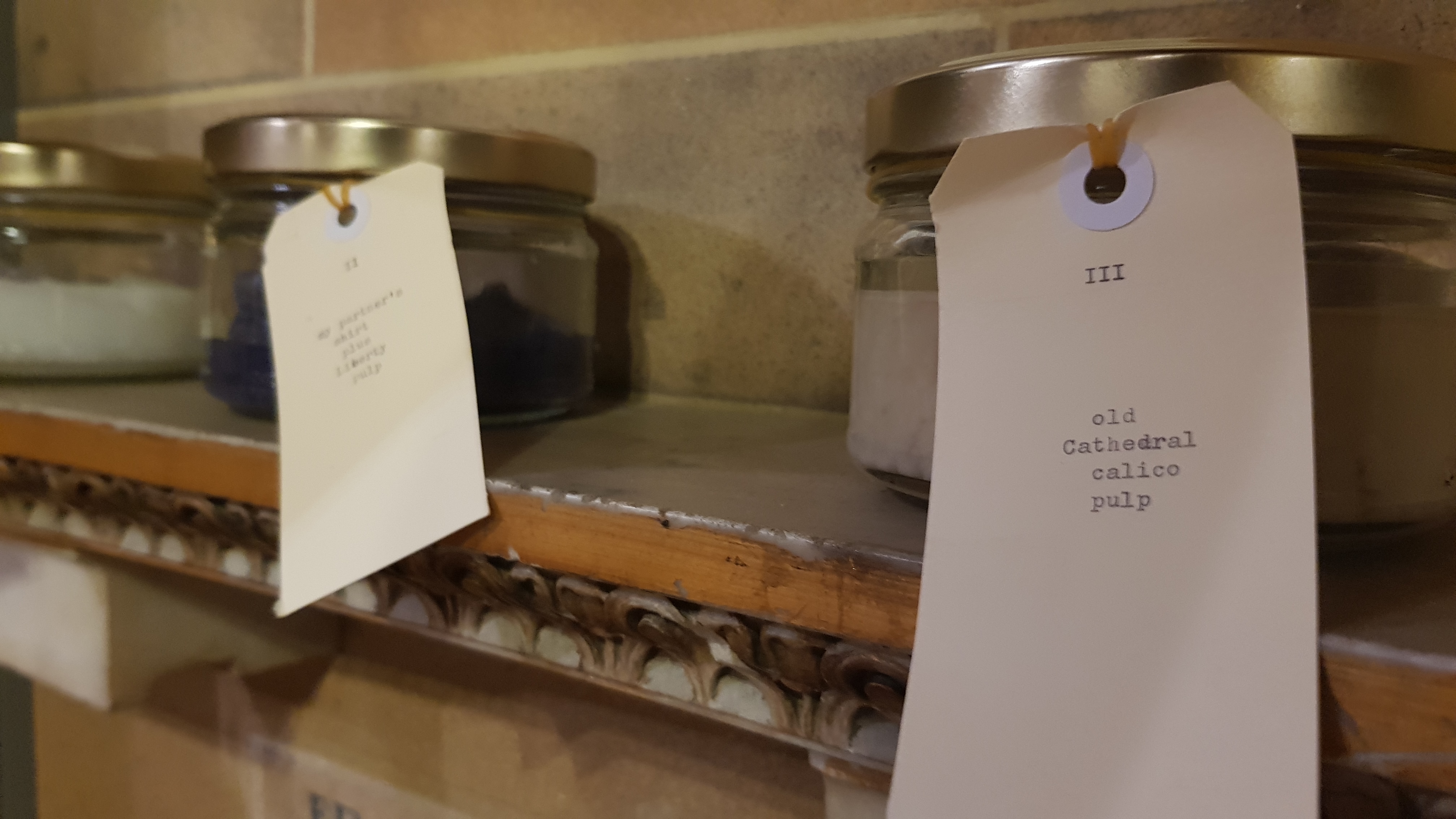
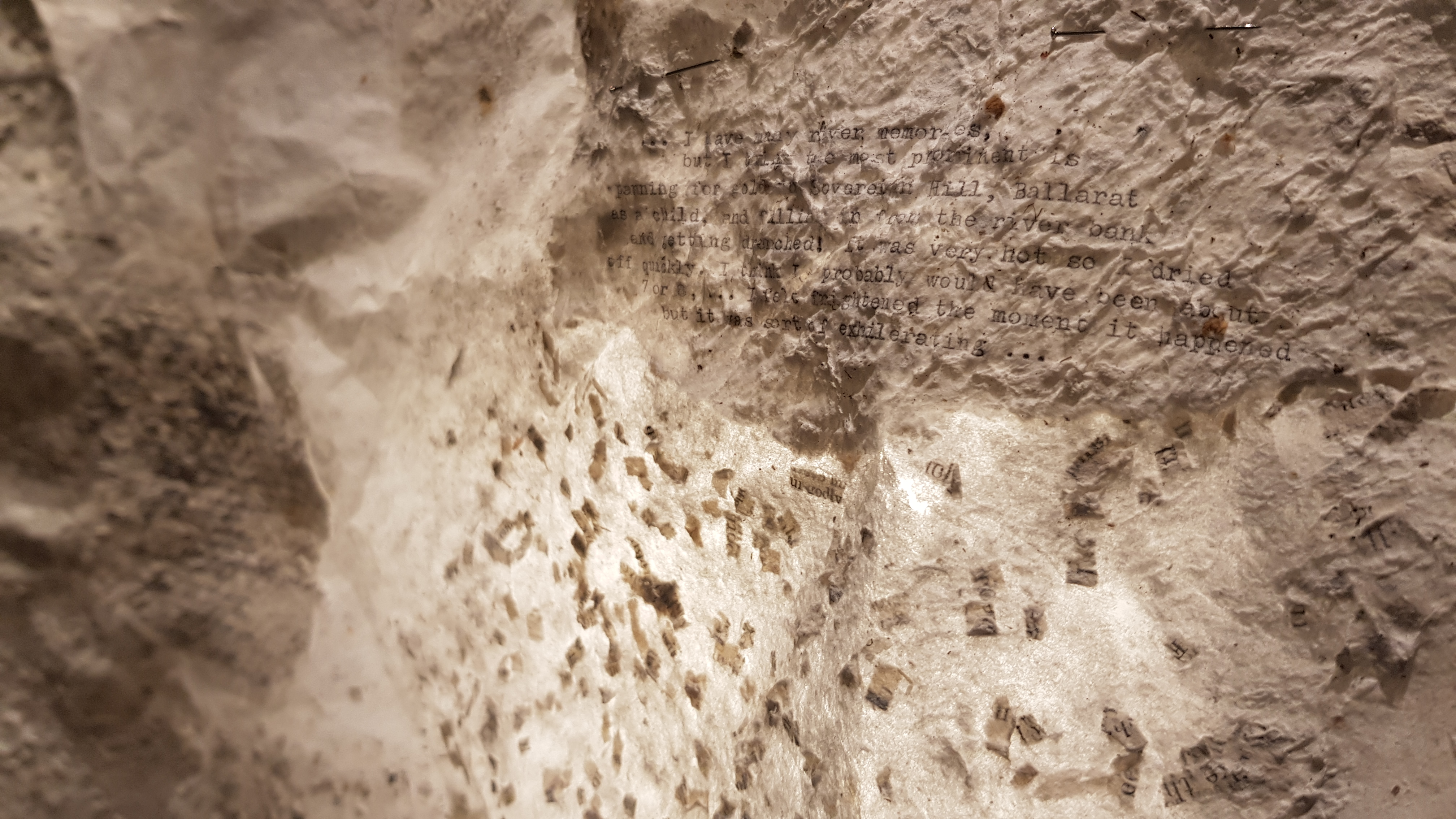
Incorporated into the paper are water from the Birrarung, linen from tablecloths that have offered a lot of hospitality, calico from retired altar cloths, pulped paper from service sheets, hymnals and prayer books – it’s beautiful to see those elements honoured together in this new form.

Also as part of the project we were invited to whisper a memory of a river to ours as part of expressing connection and I shared mine from sitting on a rock amongst the stepping stones across the Maribyrnong with the water moving all around me. It was good to remember the stillness and rapids, the hush and the rush, and the feeling that this river lives here, even as I do.

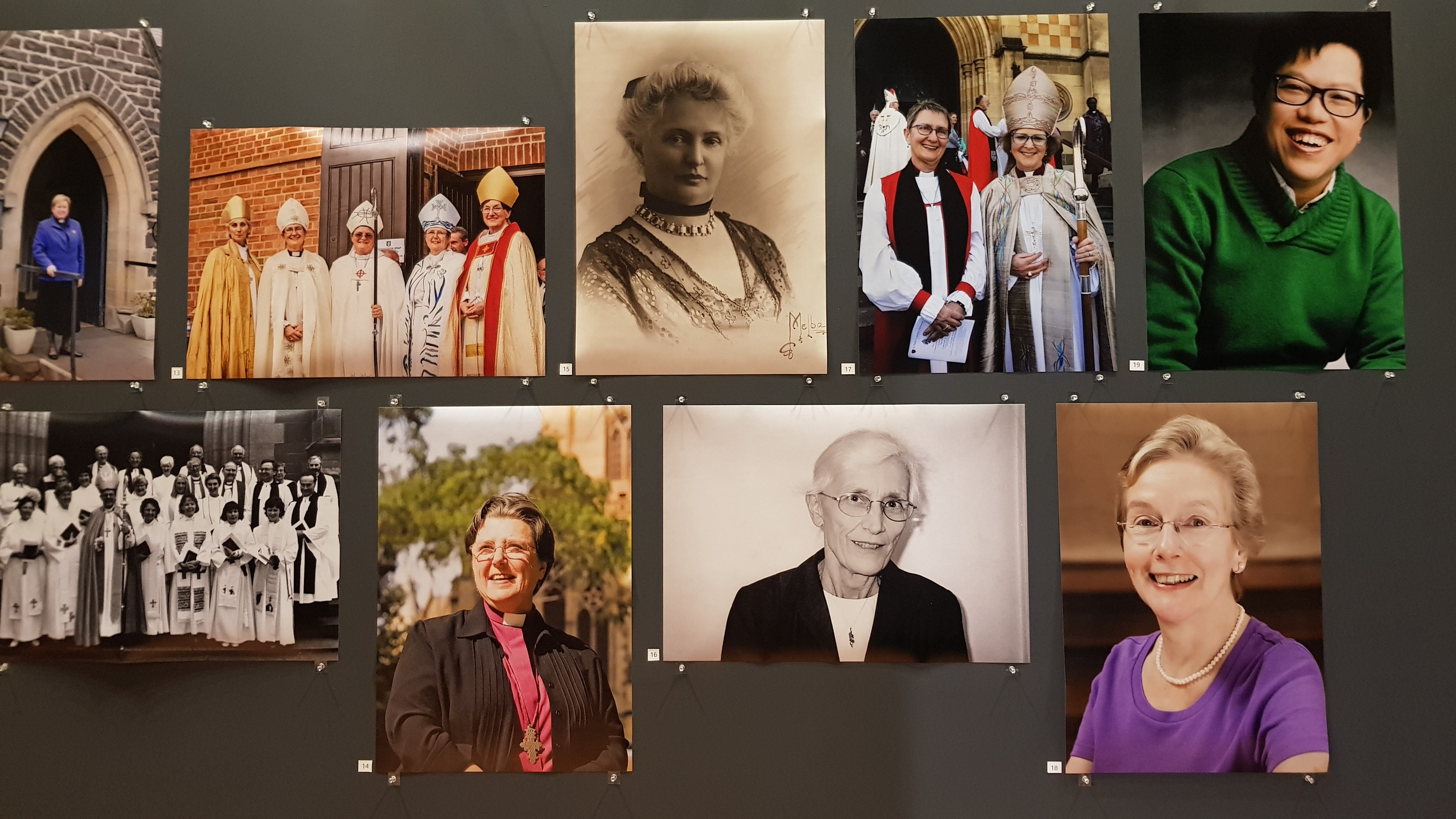
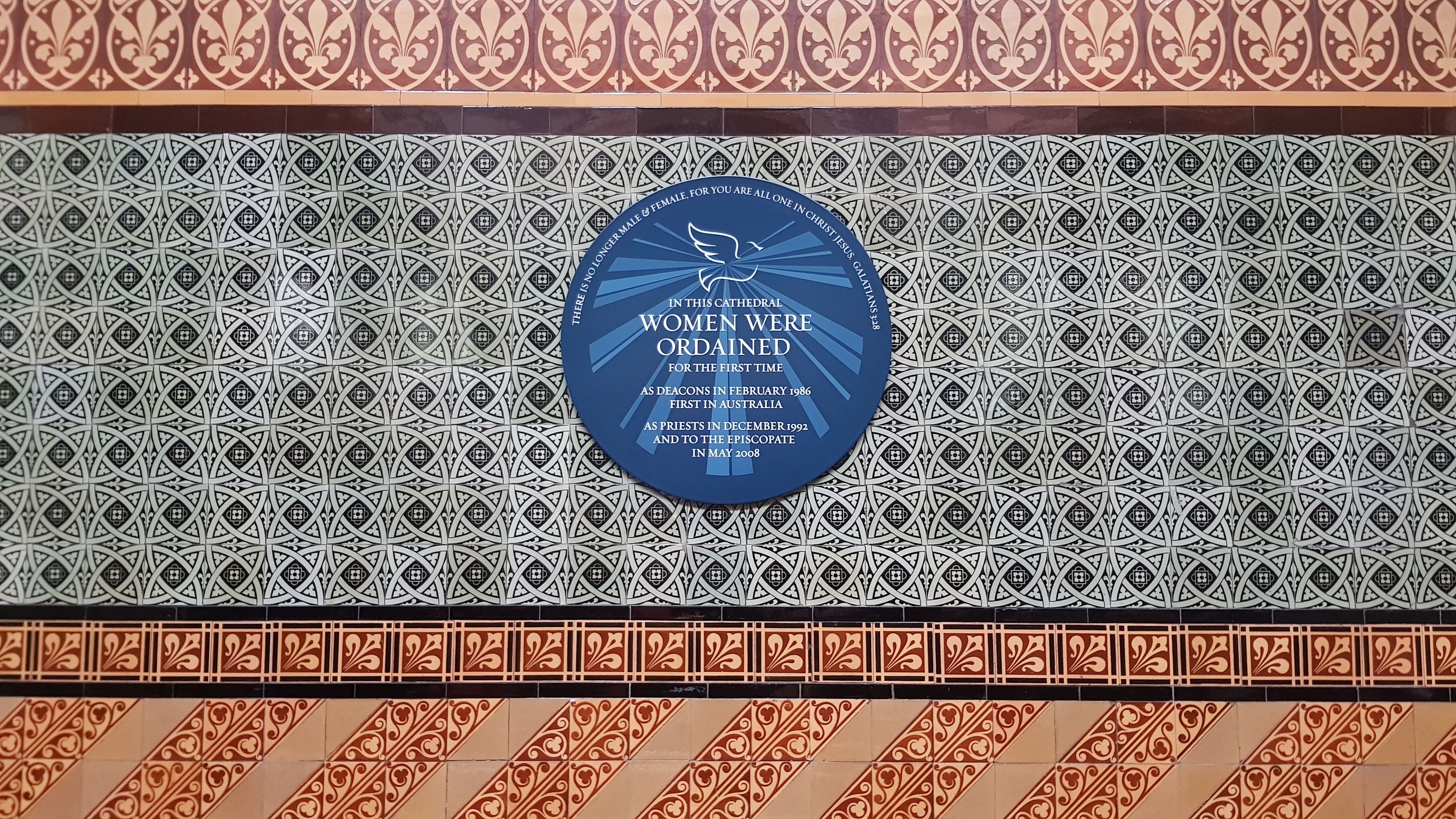
I invite anyone coming through the city to pop in and have a look. There is also a great little photo exhibition in for International Women’s Day celebrating significant Anglican women in the history of Melbourne.

Shameless

a picture of the cover of shameless by nadia bolz-weber. A black white image of the garden of Eden but the humans and the snake are in colour.

“This is the body of Christ, every lump and scar and curve of it. We are present to God and to each other and God is present in these human bodies. All of them.

God is made known: in the miracle of our infant bodies, so recently come from God that you can smell God on their heads; in the freedom of our childs bodies as they were before shame and self-consciousness entered into them; in the confusion of our pubescent bodies and the excitement of our teenage bodies as they become familiar with desire; in the fire and ice of our young adult bodies as they connect with each other; in the goddamn mind-blowing magic of our baby-making bodies; in the wisdom in our aging bodies, and in the so-close-to-God-you-can-smell-God beauty of our dying bodies.

Incarnation, Carne, Flesh

Nadia Bolz-Weber, Shameless 2019

Nadia Bolz-Weber’s writing reminds me of Anne Lamott’s – raw honest stories. You can’t deny that kind of witness to ‘holy resistance’ that says: I will testify to the experience of my body and the experience of my God to what the truth is.

We get so many messages about what are bodies are, what they aren’t, what they’re supposed to be. What we should eat, not eat, go on a diet, eat a pie, you should be thin but men like a woman with some meat on her bones.

Indeed, we all feel gnawed on by the relentless message to be something other than what we are. Let this book be the sip of living water that affirms you. Affirms your body. Affirms your sexuality. Affirms your identity, made in the image of God.

Why do shameless and shameful mean basically the same thing? Shameless: brazen, barefaced, brash, impudent, unblushing. These adjectives apply to that which defies social or moral proprieties [Free Dictionary].

Be shameless then. Be defiant. Be shamefreely and defiantly you. Made in the image and sexuality of God.

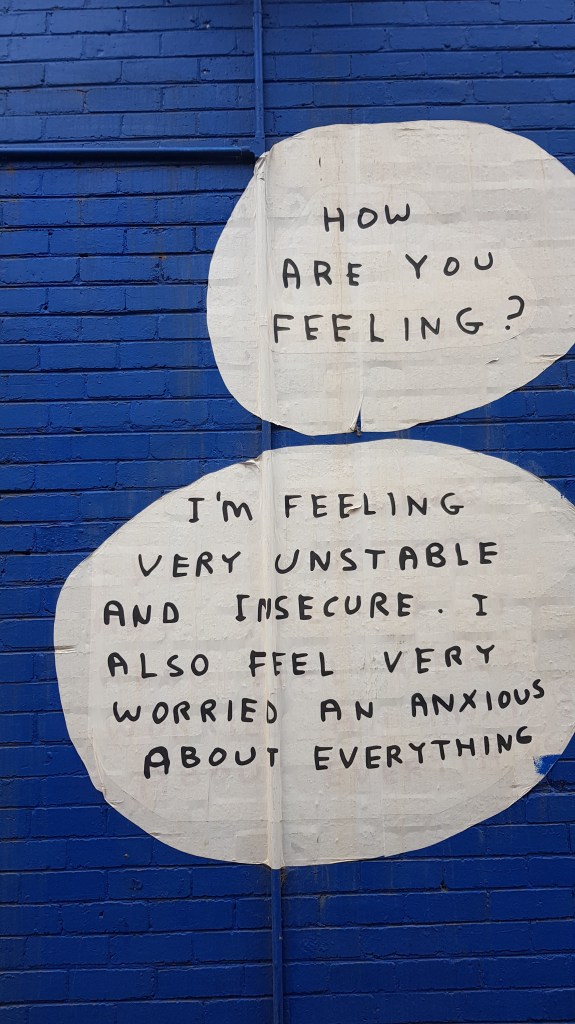
#fitzroy #pasteup #melbournelaneways

to those in the struggle, the sun shines for you

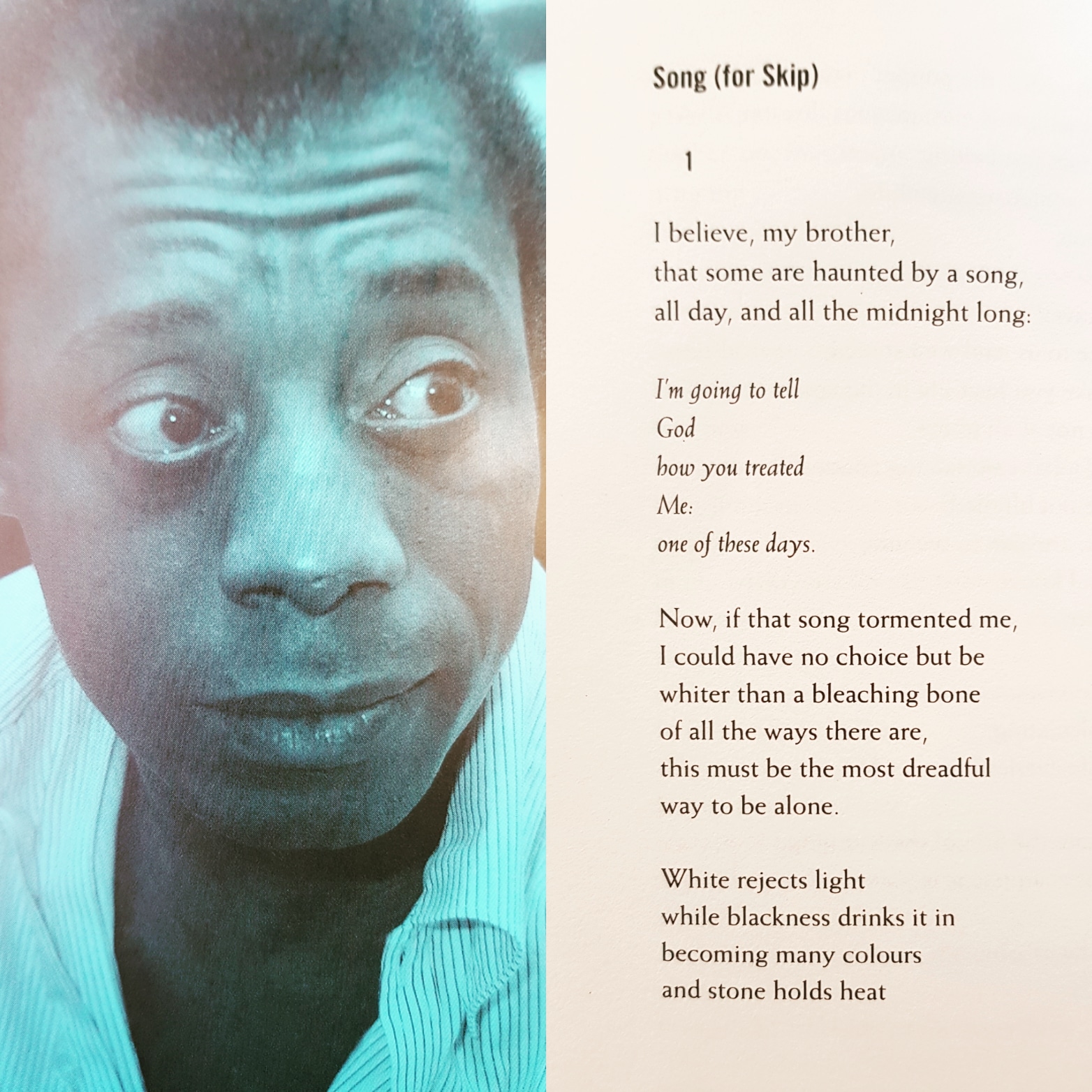
James Baldwin – Jimmy’s Blues and Other Poems

It’s me that visits. Words that are both brand new and utterly familiar at the same time somehow. I think that’s what truth sounds like.  #visit #toro #adventwords2019

mujerista theology

I am currently reading “Mujerista Theology: A Challenge to Traditional Theology” by Ada Maria Isasi-Diaz and am struck by the way Isasi-Diaz uses Latina words and concepts to describe the theology and methodology of Latina women; the role this plays in identity and belonging of the group and in grounding the words and praxis of Latina theologians in a cultural context.

Here’s an excerpt:

…Lo cotidiano for us is also a way of understanding theology, our attempt to explain how we understand the divine, what we know about the divine. I contrast this to the academic and churchly attempts to see theology as being about God instead of about what we humans know about God. Lo cotidiano makes it possible for us to see our theological knowledge as well as all our knowledge as fragmentary, partisan, conjectural, and provisional.  It is fragmentary because we know that what we will know tomorrow is not the same as what we know today but will stand in relation to what we know today.  What we know is what we have found through our experiences, through the experiences of our communities of struggle. What we know is always partisan, it is always influenced by our own values, prejudices, loyalties, emotions, traditions, dreams, and future projects.  Our knowing is conjectural because to know is not to copy or reflect reality but rather to interpret in a creative way those relations, structures, and processes that are elements of what is called reality. And, finally, lo cotidiano, makes it clear that, for mujerista theology, knowledge is provisional for it indicates in and of itself how transitory our world and we ourselves are.

Ada Maria Isasi-Diaz, Doing Mujerista Theology pp71-72.


As a Pakeha/Ngai Tahu woman living as a visitor on the unceded lands of the Wurundjeri people of the Kulin Nations – how do my cultural identity and location within place inform my writing, thinking and theology? And the language that I use to communicate my ideas?

In my experience, most books of theology loaned or recommended to me have come from a predominantly North American or northern hemisphere context. There is a disconnection and displacement in that which feels rarely spoken of or acknowledged, for instance when the symbolism, art and exegesis are located in a different hemisphere but used in ours – an easy example is noting such times like Easter (darkness) and Christmas (cold).

Acknowledging of course, all those women of colour and woke women who are and do use language and cultural context in their theological exegesis, for those who aren’t using ‘local’ language in our theological discernment and writing, what are we offering that is specific to our personal and geographic context?  Is this language lack linked to the disconnection from our cultural tale?

We cannot tell a story we do not know.

How do the ideas of Kaupapa Maori or Mana Wahine, or unresolved Australian identity politics and influences of policies such as Terra Nullius, already influence and inform my thinking, theology and writing in conscious and unconscious ways?

I think there might be an idea that our writing is more professional, academic or more universally relevant if these “personal” elements are left out, but are we still looking to our euro-centric, patriarchal forebears to tell us what to do and how to do it rather than finding God here, on this country, and speaking to that? What are words and ideas we could be drawing on that shape and inform our feminist praxis and writing based out of the Pacific?

Tell me, and show me, what can the South Pacific theology offer to the North?

That is the book I want to read.