

Category: the art of discipleship
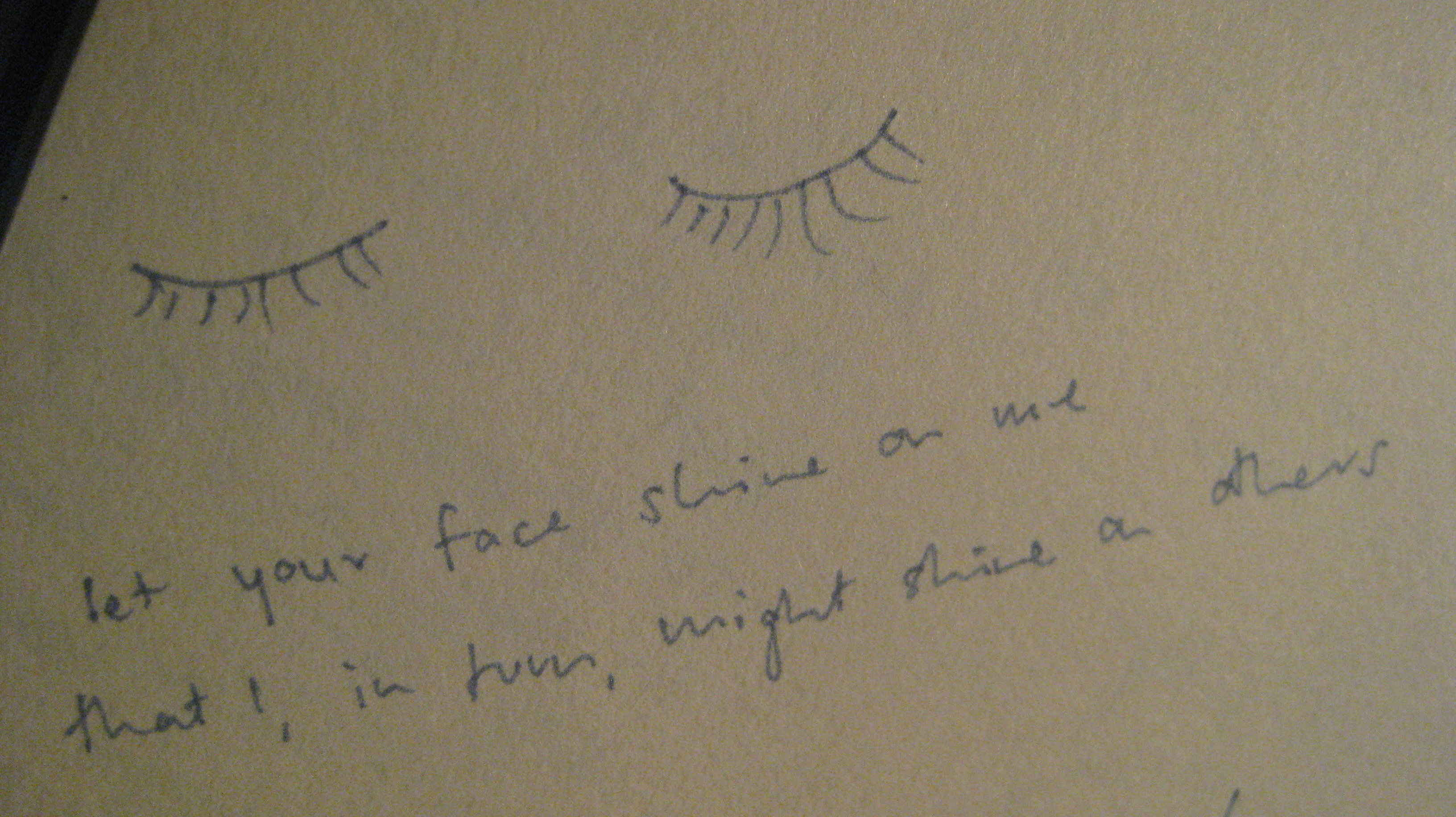
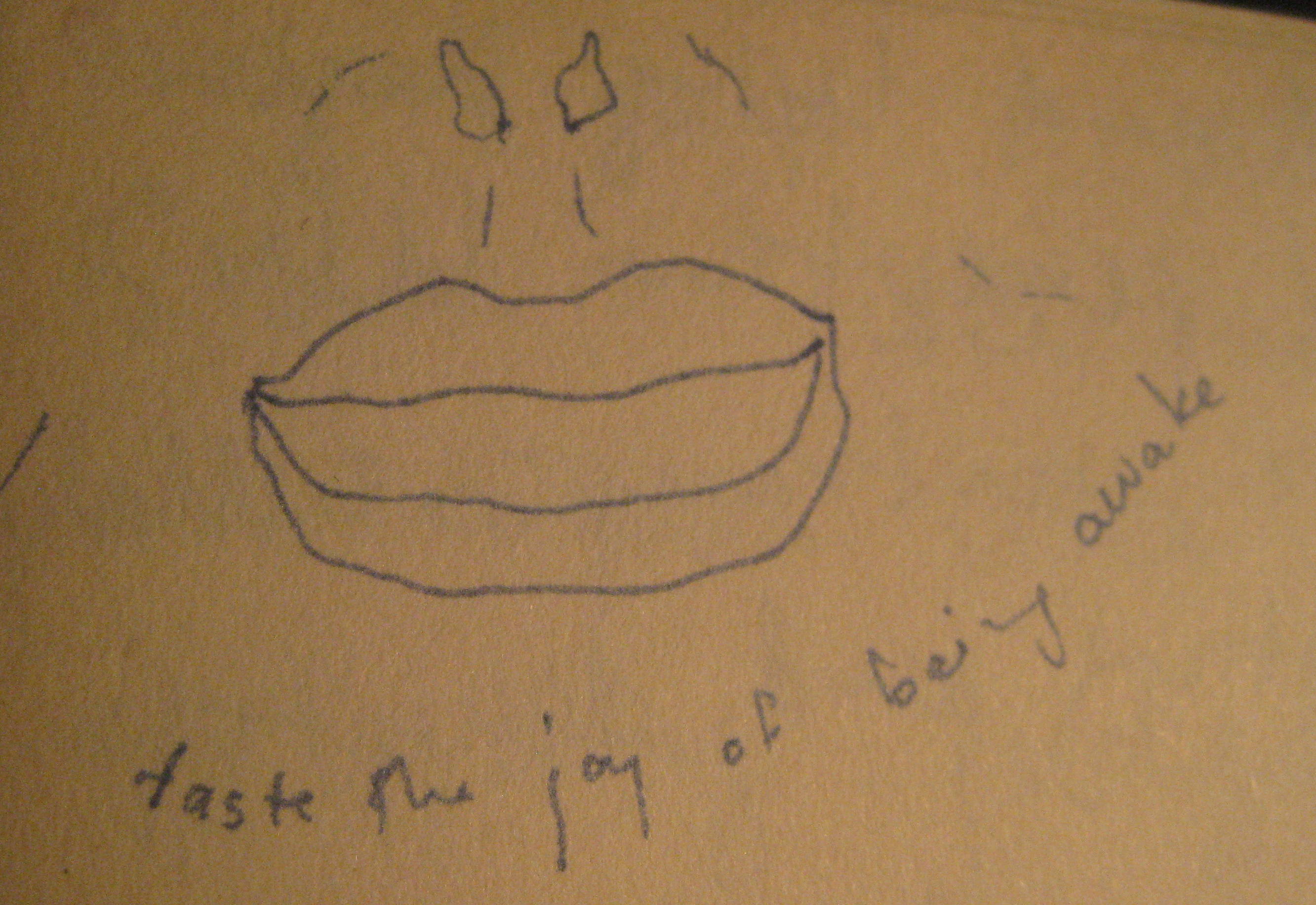
“Sing about it until it can be realised” is a quote from Ched at the Kinsler Institute earlier this year… a call to write, play and sing the songs of freedom until freedom is won. During Love Makes A Way (LMAW) actions some supporters stay outside to bear witness to the action – singing, praying and advocating for those within. So far this draws heavily on the freedom songs of the Negro Spirituals, changing the lyrics to familiar tunes but what are the songs for and from our own context?
Started brainstorming how these songs are effective/communicate… says without saying, not religious language but accessible, short, call and repeat/memorable/simple/easy to pick up, capture sadness/grief…
Here’s a couple of goes at playing around:
Let me in
There is room at the table x3
Let me in, let me in
There is room at the borders x3
Let me in, let me in
There is room in our hearts x3
Let me in, let me in
There is hope for a new tomorrow x3
Let me in, let me in
[can make up your own variations: there is room for… the children, in the playground, in the classroom, etc.]
And who is already speaking for these issues? who are our own voices in the wilderness calling for a world that is different? Michael Leunig is an Australian cartoonist, poet and cultural commentator, I’ve appropriated some of his words from a cartoon and arranged them so this can be sung as a round which is beautiful because when you’re looping “love is born” rings out through and over the “dark and troubled” and “when hope is dead”.

And because I write words not music the best I can offer is a basic recording to give a gist with my blessings and my apologies!
 In an earlier post I mentioned copying down titles of books of poetry in a bookshop I didn’t have time to read as using them as a springboard for my own writing… here’s a few more hacks:
inside us the dead
inside us the dead
beckon on, beckon on
witnessing, waiting,
whispering:
“what will you do?”
…will you do?
“what will you do?”
…will you do?
“you are the change
you have been waiting for”
treading water
bus, train, work, train, bus
bus, train, work, train, bus
Talitha Fraser

I lost my heart one day at the fair,
I held it in my hand then next thing it wasn’t there
I looked for it high, I looked for it low,
I looked for it, but knew I had to let it go.
It might get broken, or it might get tossed,
it might get stolen, it might get lost,
but maybe, I wondered, somehow, I knew
it found it’s way back and, while gone, it grew.
Talitha Fraser
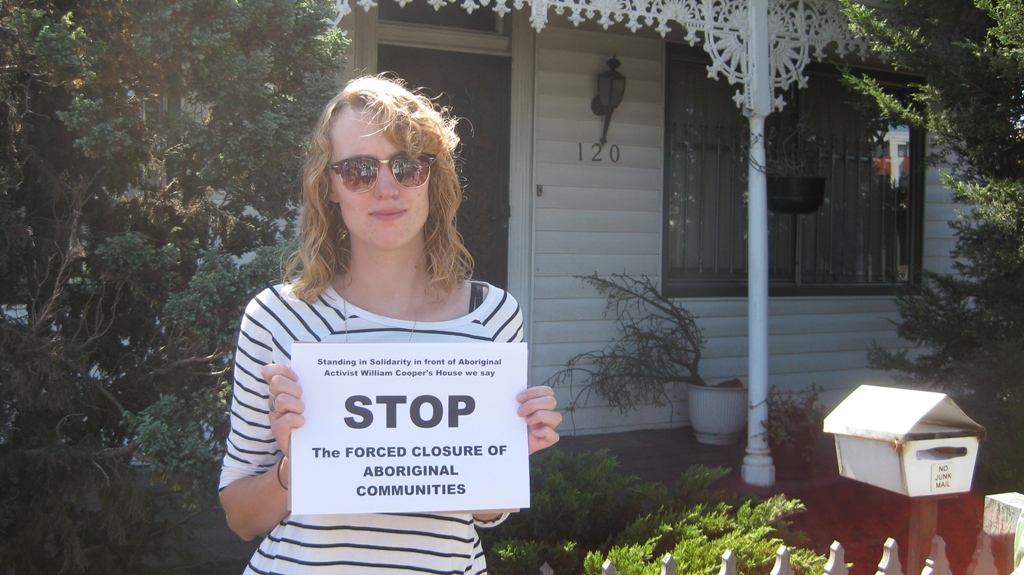
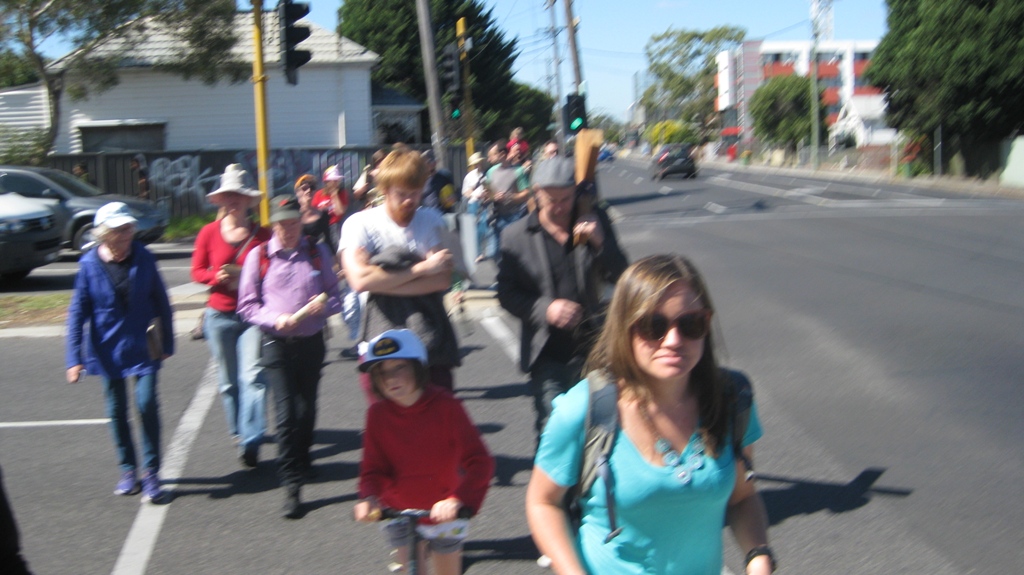
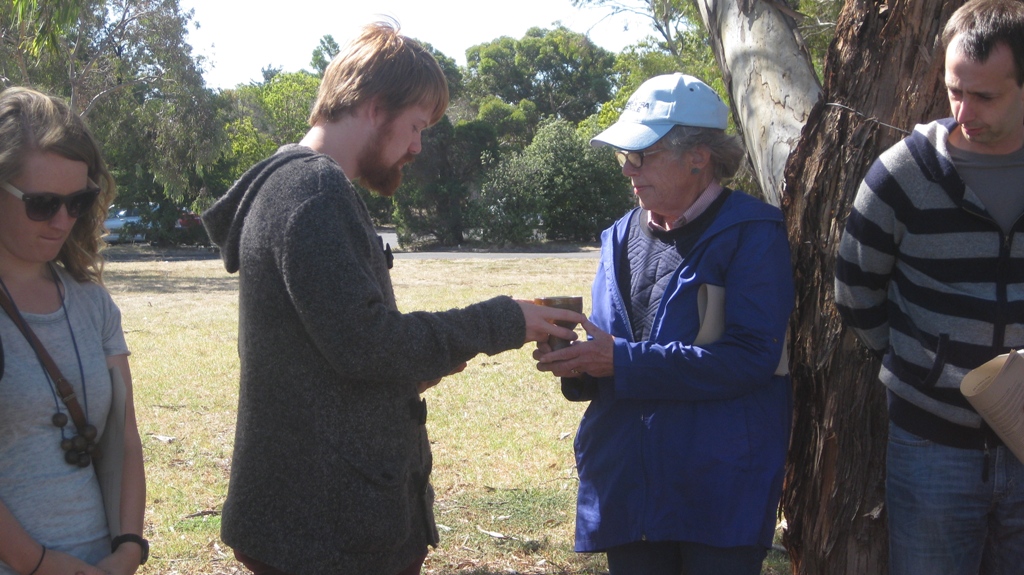
Mayra & I attended the Kinsler Institute earlier this year, and were impacted by Bill Wylie-Kellerman’s workshop on Resistance and Public Liturgy and felt inspired by the Detroit walk to imagine what this might look like for our own context – what are the significant places in our neighbourhood? what are the stories that we need to hear? that we need to tell? These questions were somehow infectious and representatives of different faith communities and social justice projects came together collaboratively in our neighbourhood in a really beautiful, special and significant way around the issues of forced closure of aboriginal land, treatment of detainees in detention centres; multi-faith and multi-cultural engagement, climate change, permaculture, homelessness, and asylum seekers.
We wanted something specific to our cultural context and the resource we based our walk on (7 Healing Rites for 7 Sites) draws on an indigenous reconciliation resource created by Dr Norman Habel – thank you Indigenous Hospitality House for pointing this out to us – and stories from our indigenous elders, Aunty Doreen Wandin on the Southern Cross constellation being a symbol of home and for navigation and Uncle Wanta Jampijimpa on the 5 stars correlating to the wounds of Jesus on the Cross.
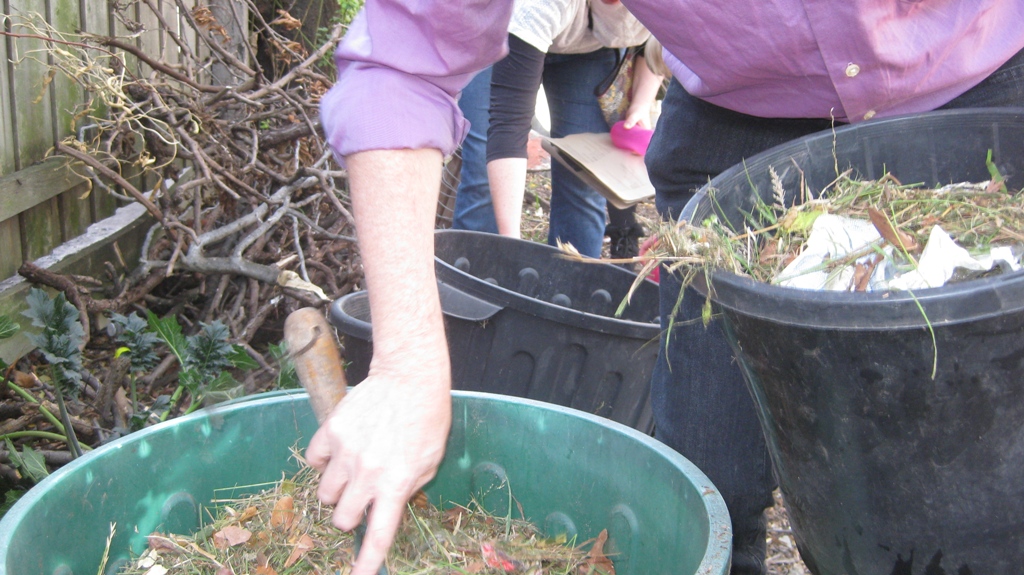
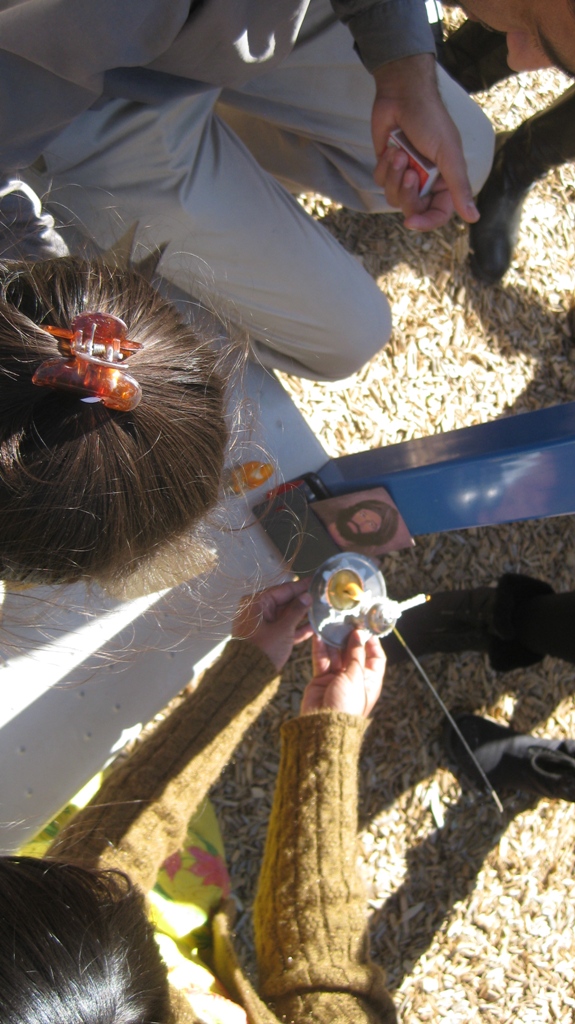
This is a bit of a photo essay (we did an action at each stop as part of our response to the stories).


Creator Spirit
Help us to uncover our hidden stories
Suffering God
Help our tears to flow for the pain
Reconciling Spirit
Heal our shame and our wounds, and call us into action.
Remember that justice is coming; God’s reign is coming

… an image of God as a Tane Mahuta tree – too large to take in, too large to take with us. We can carry smaller symbols carved out of wood that are portable, small enough to manage. When we whittle, what gets cut away? We need to be self-aware to the fact that any part of God that is small enough to understand, small enough to carry around, can only be some small, symbolic part of something much bigger. We forget. We imagine in the carved icon we can fit our hands around that we can understand all of who God is. We can never understand all of who God is. We need to live knowing this. We need to express our Christianity knowing this. Anytime we imagine something is certain, something is known, God moves and invites us to come along… invites us to look with new eyes, in some new light – invites us to see. The commitment to being a disciple of God is the commitment to move and to see again.
Talitha Fraser
THE SPIRITUAL PROBLEM (diagnosed for the Western church)
- Christian confession has rendered Christ as static figure
- Christ’s principal business is judgement
- Christ has become a law of life, instead of being a way of life
- Christ is portrayed as single, individual existent – static and absolute in space and time/ permanent and fixed
- The mystery of God has been locked into an externalised, single individual human person
- This individual, Jesus of Nazareth, has been rendered as the single individual superhero
- This reduces the rest of humankind as mere spectators to the divine drama
- The consequent doctrines of Original Sin and the Fall, have induced the Christian fixation on rescue religion and the need to be saved
- Which has created the radical and complete separation between God and creation
4 things:
- Expansiveness, large heart
- Decision to be faithful to the church despite harm – repeatedly blocked him from sharing philosophical writing
- Church is about transformation not legalism
- Vision is experiential – trusting his own experience
Mystical theology – full acknowledgement of revelation and full acknowledgement of personal experience across all sensory perceiving. Goal to be immersed in God like a drop in an ocean… guiding preoccupation with listening, personal experience of divine love… liberates!
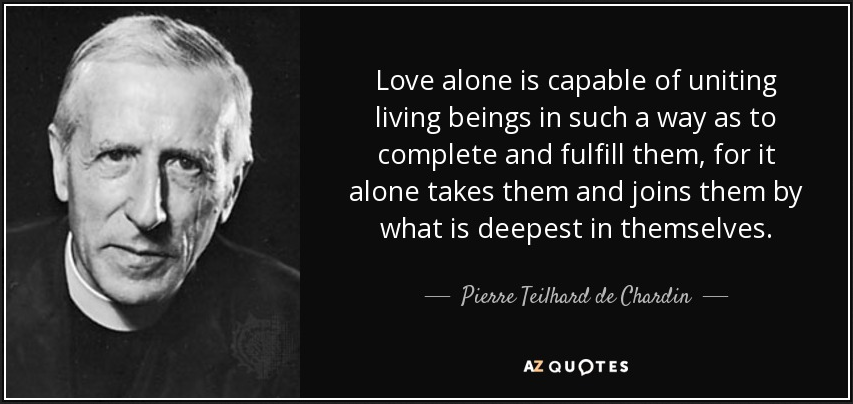
Teilhard was a French palaeontologist and a Jesuit priest > stretcher-bearer “writings in time of war” Gave his spiritual works to a lay woman who published them! Teilhard was deeply distressed by the one sidedness of both science and religion, and by the unnecessary and tragic consequences of their bifurcation. .. devoted equal commitment to internal and external facts. His writing has had a profound effect on 20th century thinking across many disciplines: science, history, international development. Critiques: didn’t engage with other faiths, didn’t go ‘far enough’ into consciousness.
Genesis is an ongoing state of becoming > what is Christs role then? Christ is the driving loving energy of cosmogenesis. Teilhard: looking for Christ the evolver. Not King and Master outsider/adjudicator but Christ who fills and moves all things.
“By means of all created things, without exception,
the divine assails us, penetrates us, and molds us.
We imagine it as distant and inaccessible,
when in fact we live stepped in its burning layers.”
Evolution is the process if suffering > creation is groaning > has casualties. At cosmos and individual level (stars explode and new ones are born).
“Someday, after mastering the winds, the waves,
the tides and gravity,
we shall harness for God the energies of love,
and then, for a second time in the history of the world,
man will have discovered fire.”
‘to bear the sins of the guilty world’ means precisely, translated and transposed into terms of cosmogenesis, ‘to bear the weight of a world in a state of evolution. (Christianity and Evolution, p218-219)
The recognition that ‘God cannot create except evolutively’ provides a radical solution… to the problem of evil (which is a direct ‘effect’ of evolution), and at the same time explains the manifest and mysterious association of matter and spirit. (Christianity and Evolution, p179)
Christ must no longer be constitutionally restricted in his operation to a mere ‘redemption’ of our planet. (Christianity and Evolution, p241)
If a Christ is to be completely acceptable as an object of worship, he must be presented as the saviour of the idea and reality of evolution. (Christianity and Evolution, p78)
I can only be saved by becoming one with the universe. (The Heart of Matter, p78)
Development of consciousness – choice and decision-making > ethics
Something is wiped out and something else comes? Way we are broken open that are impelling is to grow. Earthquake – want to hold onto everything, for it to stay the same (building), cosmos says “No”, need to re-build, change, evolve. Progression vs. regression – want to lock it down to earlier ‘known’ state. Christianity wants to find a culprit, aggression and blame with preaching love that does not make sense to people outside the church. Not merely – sin will be made clean but an invitation to participate in the ascent of creation.
Have to experience something that will actually change us.
We are star dust.

Hubble Heritage Team/NASA/ES
“Above all, trust in the slow work of God.
We are quite naturally impatient in everything
to reach the end without delay.
We should like to skip the intermediate stages.
We are impatient of being on the way to something
unknown, something new.
And yet it is the law of all progress
that it is made by passing through
some stages of instability –
and that it may take a very long time.
And so I think it is with you;
your ideas mature gradually – let them grow,
let them shape themselves, without undue haste.
Don’t try to force them on,
as though you could be today what time
(that is to say, grace and circumstances
acting on your own goodwill)
will make of you tomorrow.
Only God could say what this new spirit
gradually forming within you will be.
Give Our Lord the benefit of believing
that his hand is leading you,
and accept the anxiety of feeling yourself
in suspense and incomplete.”
- Puts recommended reading lists in the back of his books – framed withn broader context. Uses quotes and stories
- Writes out of an experiential way of living
- find God in place and memory
- apprehend not truth about God but truth of God.
Six ideas about John O’Donahue’s writing:
- Circular ideas/prose. Has one main theme with smaller ones around it like a celtic knot “eye of imagination follows a circle” not logical/rational/linear > miss the gift. Risk/openness of circular way subverts this. Won’t bear the scrutiny of reason.
- Not interested in reason but contemplation. Always a movement away from itself. Series of non-sequiturs. Read a little then pause and reflect. Not along >>> but down. Quarter mile long, fathoms deep. “the eternal is at home within you”
- Contemplative world waits on the edge of things/imagination (light/dark, edge/centre). Realm of invisible. “Hidden 7th chapter” is silent and hidden within ourselves > a longing never stilled. “invests every action with possibility and pathos…” Prayer is an invisible world and contemplative.
Listen in the abyss of nothingness
for the whisper of the beautiful
4. Made up of these elements: body/landscape/transcience/memory. Body (trust/belonging); landscape (location, know and approach things and people); transcience (always passing away); memory (body, place and passing held together where our vanished lives remain alive – selective transfiguration)
5. Encourages us to break open and unpack internal and external landscapes e.g. root words. Break open familiar and see afresh. When we’re locked/blocked > impoverished. Remove the wall you have put between yourself and the light.
6. Seeks to find blessing. Invocation- calling forth… Calls for change and transformation.
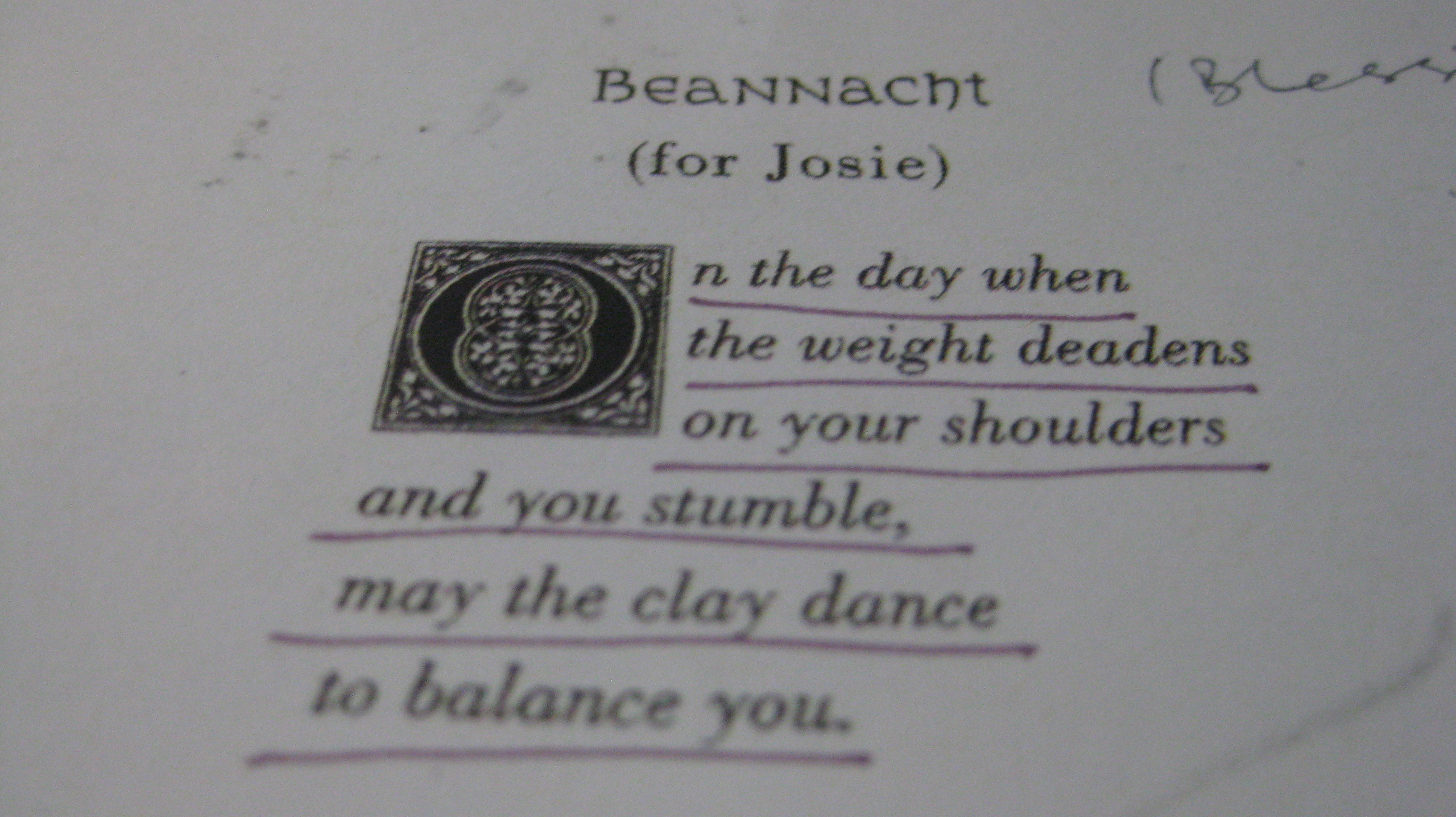
Beannacht
 On the day when
the weight deadens
on your shoulders
and you stumble,
may the clay dance to balance you.
And when your eyes
freeze behind
the grey window
and the ghost of loss gets into you,
may a flock of colours,
indigo, red, green
and azure blue
come to awaken in you
a meadow of delight.
when the canvas frays
in the curach of thought
and a stain of ocean
blackens beneath you,
may there come across the waters
a path of yellow moonlight
to bring you safely home.
May the nourishment of the earth be yours,
may the clarity of light be yours,
may the fluency of the ocean be yours,
may the the protection of the anscestors be yours.
And so may a slow
wind work these words
of love around you,
an invisible cloak
to mind your life.
A philosopy of Ducas
“The longing of a people is caught in the web of their language. Dreams and memories are stored there. A language in the inner landscape where a people can belong. When you destroy a people’s language through colonisation or through the more subtle, toxic colonisation of consumerism, you fracture their belonging and leave them in limbo. It is fascinating how a language fashions so naturally the experience of a people into a philosophy of life. Sometimes one word holds centuries of experience; like a prism you can turn it to different angles and it breaks and gathers the light of longing in different ways… the phrase ‘ag fillead ar do ducas‘ means returning to your native place and also the resdicovery of who you are. The return home is also the retrieval and reawakening of a hidden and forgotten treasury of identity and soul. To come home to where you belong is to come into your own, to become what you are, to awaken and develop your latent spiritual heritage… Ducas also refers to a person’s deepest nature. It probes beneath the surface images and impressions of a life and reaches into that which flows naturally from the deepest well in the clay of the soul. It refers in this sense to the whole intuitive and quickness of longing in us that tells us immediately how to think and act; we call this instinct… You belong to your ducas; your ducas is your belonging. In each individual there is a roster of longing that nothing can suppress.”

The Stranger (Eternal Echoes)
“It is impossible to be on the earth and avoid awakening. Everything that happens within and around you calls your heart to awaken. As the density of night gives way to the bright song of the dawn, so your soul continually coaxes you to give way to the light and awaken. Longing is the voice of your soul; it constantly calls you to be fully present in your life: to live to the full the one life given to you. Rilke said to the young poet: ‘Live everything’. You are here on earth now, yet you forget so easily. You have travelled a great distance to get here. The dream of your life has been dreamed from eternity. You belong within a great embrace which urges you to have the courage to honour the immensity that sleeps in your heart. When you learn to listen to and trust the wisdom of your soul’s longing, you will awaken to the invitation of graced belonging that inhabits the generous depths of your destiny.”
MATINS
I.
Somewhere, out at the edges, the night
Is turning and the waves of darkness
Begin to brighten the shore of dawn.
The heavy dark falls back to earth
And the freed air goes wild with light,
The heart fills with fresh, bright breath
And thoughts stir to give birth to colour.
II.
I arise today
In the name of Silence
Womb of the Word,
In the name of Stillness
Home of Belonging,
In the name of the Solitude
Of the Soul and the Earth.
I arise today
Blessed by all things,
Wings of breath,
Delight of eyes,
Wonder of whisper,
Intimacy of touch,
Eternity of soul,
Urgency of thought,
Miracle of health,
Embrace of God.
May I live this day
Compassionate of heart,
Gentle in word,
Gracious in awareness,
Courageous in thought,
Generous in love.
Generous in love.
D A Bm G
We are dying – yet resurrected
Em A D A
We are lost but have been found
D A Bm G
This local – and this is global
Em A7 D A
This is rooted in the ground.
Bm D
Let us meet down by the river
G F#
Where you are you and I am me
D A Bm G
We can talk and we can listen
Em A7 D
In the river we are free
We do too much – and not enough
We are still and we’re dancing free
Take it serious – but not too much
Speak out, speak up, sit silently.
We are broken, but we are whole
We know wealth in scarcity
We are different, yet we are one
Richness in diversity
Written by: Talitha Fraser & Andrena Reale
 itellyouarise