



Christmas: A story about a Middle East family seeking refuge.
Tonight we will share together time singing carols and at contemplative stations that invite us to engage in reflection around and respond to this Christmas message. We will reflect on ideas of welcome, hospitality, divinity and explore those gifts extended to us in those advent ideas of hope, joy, peace and love in our troubled times.
Prayer stations are essentially several points of “focus” that invite you to encounter God in some way. You can spend all your time at one or make your way around several, or all of them, as you like – spending as much or as little time at each of them as you like. They are not in any special order.
This space is for silent, personal reflection. Each station generally has something to read and something to do that invites you to respond to what you have read, such as lighting a candle.
Using the charming children’s story by Mem Fox called Wombat Divine, we look at the roles that we are called to play in this Story we all participate in. What role can you play?


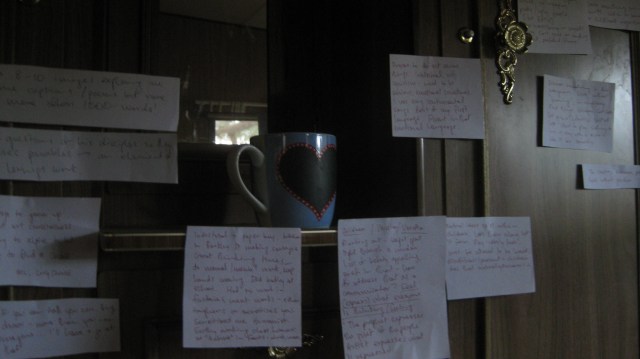
As we receive cards from distant friends and family, and our papers and social media are filled with what might be deemed bad news, it can be hard to know how to respond – let’s take a moment to hang those words, phrases and images that feel meaningful, for ourselves, our neighbours, our country, our world. What has been weighing on you lately?


At the set table we can “meet” some of those guests who show up in Luke’s narrative of the nativity – relatives, shepherds, angels… These guests are interspersed with images from the recent Beyond Borders photo exhibition documenting unique stories of asylum seekers and refugees. How do you respond to unexpected guests?


We come together for more carols by the nativity scene in the Chapel when there is an opportunity to make a gift in support of the work of the staff and patients at the Al-Ahli Arab Hospital, the only hospital serving the 1.4 million population of Palestinians living in the violence-devastated Gaza Strip. Hope where there is seemingly no hope. An image of a mother and her child in juxtaposition to the nativity.


photo source: http://www.eremos.org.au
Late 20th century saw a resurgence of contemplative practice, Merton, Keating, John Main – disciplined practice of silent prayer – waiting on God in deepening receptivity.
Not our own thoughts, even spiritual ones. Contemplative practice is healing for our culture – slowness, connectedness, way/method of prayer – grow into a personal relationship with God. Mystic = personal experience of God. Not a passing emotional state or passed down from leaders. In meditation we verify the truths of our own faith. What can mediation offer to the whole church body? Reconnects to gospel death and resurrection – engaging the decline and disorientation. “Emptiness” in he life of faith. Meditation – laying aside thought and waiting on God – demanding practice. Planning, worrying, daydreaming… need to lay aside self-consciousness itself. Thoughts carry egoic identification with it. Deep subversion of the self. It takes nerve to become quiet. Radical self-forgetting. Described by Cassian – “complete simplicity that demands not less than everything”; Buddhist – “eye that sees everything but not itself”; Main – “hand yourself over and hold nothing back, become self-dispossessed so as to receive our life back as a gift”. Experienced differently as individuals, how will it be experienced as a church? Jesus gives self to God. We claim vocation to be like Christ. Church won’t give it’s life/identity over – seeks to secure its identity – doesn’t like questions or change. Fails to realise the transformation it proclaims. What does ecclesial emptying look like?
liturgy
In ‘Writing the Icon of the Heart’, Ross describes being on a boat surrounded by icebergs and glaciers “stupefied by glory” – went to do communion. Inadequate to where they were. Cup and wine were an intrusion. Would have been okay if reached for our hands in silence or to pass elements but no, pulled out the book and started to read the words I usually loved. Words that shrank rather than grew…Distraction. Not illuminating. Need to get in touch with alienation… playacting. Not in touch with God, or my sin, or grace – went home frustrated.
Liturgy needs to point beyond itself, not be – or try to make itself – at the centre. Needs to emerge from deep listening and pre-packaged agenda is IN the way not OPENING up a way. our lives are already sacred and liturgy tries to remind us of that (doesn’t give us/make us sacred).
Words affect who we are and our becoming – affect our formation. Liturgy can’t be an end to itself. Must be willing to talk about self-dispossession and be willing to be dispossessed… not more relevant or ‘contemporary’ – a liturgy will be effective only insofar as it effaces itself. Every true sign must be self-effacing. Must start in silence and be listening and responding to what is given.
mission
does your church have meetings about getting new people to come and how to make them stay? do we extend good hospitality? is our community growing? sustaining? are we seen as welcoming? are we living up to our own idea of how welcoming we are? Genuine desire to do justice and be justified (confirmed we’re doing the right thing). Self-referencing and self-conscious… self-centred instead of “just”.
Genuine desire to welcome, but also desire to be ‘seen’ as “most inclusive parish” >> this is death dealing. Reassured not to see identity as “good”, give ourselves wholly, handing over ecclesial consciousness instead of wondering how we’re doing it >> get on with it.
Other experiences of Benedictus:
Community made up of secondary teachers (high needs students: drugs), climate change scientists, paediatrician, counsellors, lawyers, healthcare workers… don’t want to take energy from their vocation. Encourage and resource them to do the good work they are already called to… church might not “socially engaged”. Freedom, integrity and passion to love.
Encourage formation in contemplative ways – engage the world in different ways. Reflective peer groups. Signs of life and new ways of being. Relate to unhelpful patterns with awareness. “Why do I have this conversation with my mother every time…” , complaints about work but not making change… structured formation, how can you be liberated? Church calls us to this. Formation… in God’s work in the world, lay formation/lay ministry… not calling people into church building but equipping and sending out. Take these vocations as seriously as it takes its own. Can the church serve people as they serve the world? Not a church trying to preserve its own place and identity. But one that consents to its own self-effacement – we might not know if this group makes a different in individuals visiting once or regulars going back to their work… we might never know. Faithful communities point away from themselves. Well-meaning/patronising/complacent when needing the accolade of knowing the difference its making. Church needs to be faithful to its own vocation, as it discerns.
There is still gender related injustice. Anglican delegation of women in ministry “keep agitating”, lots of energy but little progress. Agitating a sign of false spirit. Agitating is a block to healing – avoiding what was necessary. Stop. Risk being fully present to the worlds pain and our response to it… discern your response out of that. Social action… not saying ‘do nothing’ but Rowan Williams ‘internal contemplation, makes space for truth, for Gods’s reality to come through.’
Depth, broken openness required of us as individuals and communities. Transformation of imagination and relationships – climate change, reconciliation with indigenous, gender… need to become aware of what we resist and fear. Let our hearts break open to receive larger vision. UN: St George slaying the dragon/Isaiah weapons to ploughshares… Leunig does this through prophetic invitation that inspires a bigger imagination.
what can we do?
Prayer of the heart: poverty/listening. Formation/contemplative action. Gift of our present ecclesial circumstances (moments of unintentional contemplation – moment of truth/revelation, stripped of illusion) inner alien and unsettling truth. Discovering ourselves to be less than we thought. Inadequacies. Deprived of familiar comforts – social status, political power… running on empty. Stave off descent into emptiness. What if rather than resisting we embrace the empty space? Disciples – didn’t know what they were hoping for. Poverty o spirit – reaching of our boundaries of being (can’t go on by ourselves) – made bigger. Be with broken-heartedness and poverty… live into the gift of new and expanded life. Not all at once… but little bits.
Need to be adequate to depths of worlds need, let go of limiting identity – let ourselves go – fall empty-handed into the hands of the living God. Follow Jesus into depth of death and chaos.
Anabaptist/Quaker traditions haven’t had the identity/power in the same ways – what can these traditions offer us? Still need to be accountable to self. Still ways to manipulate e.g. silence can be wielded to mean something. Is the leader and the liturgy connected to deep ground? Not about individual preference/styles or arguing against communal worship. Sign is the vehicle that takes us to the encounter.
The church has no place of its own to secure and no need to be defensive.
5am The Night Watch
I have been “awake” since 4.30am, willing myself in this dark warm cocoon to fall back asleep but my brain is busy cataloging the fragments of dream that have interrupted my rest – odd things like a tree falling over the caravan and who and how I calmly call for help in that, a sink hole Alice-in-Wonderland style that sees me slip through soft soil to a room with a skeleton and paintings and artifacts of Wardens past… silliness!
p.36 My soul yearns for you, O God. I keep vigil with you through the night. Waiting and trusting the sacred darkness. I surrender.
p.37 Keeping vigil with eternal questions, I do not look for answers; it is enough to wait in the darkness of love’s yearning. My soul in my night light; i am not afraid.
p. 38 Take me down deep to the holy darkness of Love’s roots.

6.30am
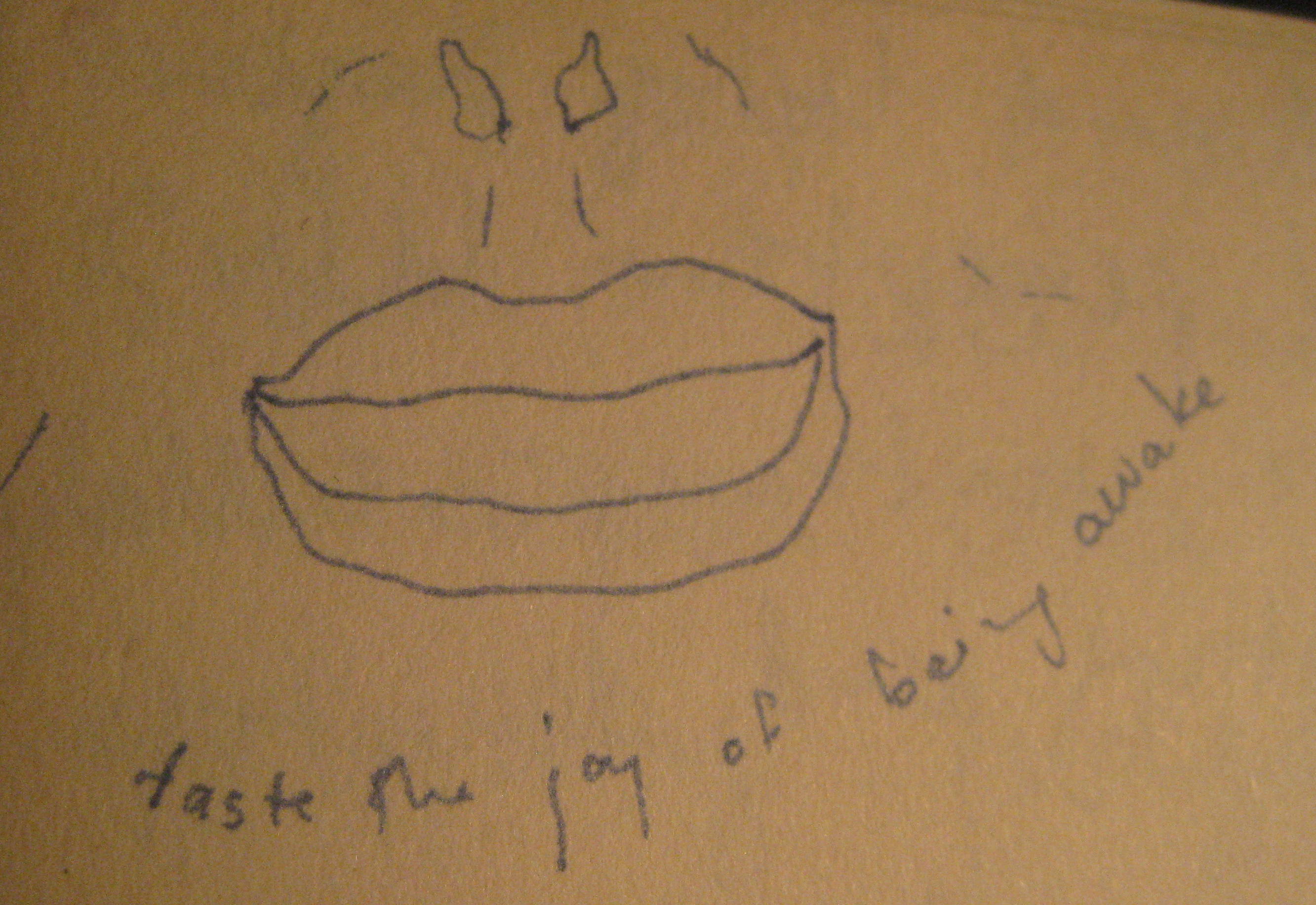
p.56 “Set the clock of your heart for dawn’s arrival. Taste the joy of being awake”
I had set the reminder for the Night Watch but I wasn’t really yet asleep or yet awake or yet warm (I must have six blankets and have slept through in my long woolen cardy, ghoulish, but eventually warm). There is a little electric fan heater but I know the energy they can go through and I like the idea that I can be active enough or layered enough or in bed enough do not need it. Although many of the curtains of the caravan are open or down there is no trace of dawn light yet – only darkness without and the wind. Within my flickering candle to write by… me… and You. In the mix of what my life is, this Awakening Hour has been the prayers I would read most often on a normal day – albeit closer to 8.30/9am – I think I like to start my day with this taste of joy and the call to be bigger than I am through somehow revealing love and light in the way that I live. You do that for me. Call me into a life worth living, call me into a life worth getting out of bed for. …which in fact, I will not do right now, but lie back and listen to the wind talking in the trees and watching the veil of the sky draw back.
So… Leunig… one of the question he is most often asked and is always baffled by, is what does a particular cartoon mean. “People will say, ‘I don’t know what it means but I like it.’ And I’ll say, I don’t know either but I like it too. I’m not trying to say anything but I hope it awakens something in you.”
…I hope it awakens something in you.
10am The Blessing Hour
p.80
I dwell in possibility
O Spirit of the Circling Hours,
bless me that I may be a blessing,
work through me, that I may be
your love poured out upon the earth.
I dwell in possibility.
p.82 Come into our potential with your wind and flame
Bring to our memory the truth that we are the temple out of which you pour your gifts into the world. We are the temple from which you sing your songs. We are the temple out of which you bless. Enable us to listen to the renewal you are trying to bring about in us and through us… May all the good that we long for come to pass.
Leunig is a blessing and, I think, Your faithful servant. I so admire his not being constrained t o one medium or what he is “supposed” to do or say – letters, poems, paintings, cartoons, interviews, expositions, prayers – I don’t imagine there is much that Leunig holds back between contemplation of his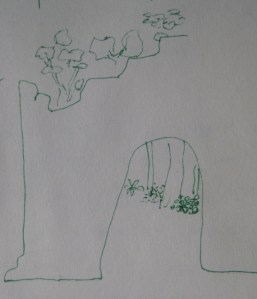 big toe (an honest fellow) or his loneliness or his love life or his politics… this is all one and I envy that. Even as I read/write that I am thinking to myself – whose permission am I waiting for? to be my whole self? I like to think I am getting there, learning – or unlearning – as the case may be.
Each day is a new day and I dwell in possibility. This is one of the big lies of culture I think, that we ‘have’ to do these things – finish school, finish uni, get a job, get a house… do we ‘have’ to? Once you are on the conveyor belt it can be hard to get off but I dwell in possibility.
Am I a temple?
Perhaps some other building turned to Your purpose, but the wilderness has broken in and the overhanging branches arch protectively and let gentle dappled light through. Let’s not renovate or do it up but make the ordinary sacred – the structures yielding to nature in time yet inside a beautiful sanctuary. Let there be gifts and songs and blessings… let it be fit for You to dwell.
12.30pm The Hour of Illumination
p.101 Let us bow to each other and pray for peace.
p.102 We pause to remember who we are: birth givers,
 peace
peace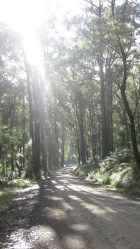 keepers, joy bringers, life bearers. Take heart. We are the light of the world. in this hour of illumination let us shine into the broken places.
p.103 Trailing clouds of glory, we have come from the brightness of God.
p.105 In the middle of this day help me to stand before my life with an open heart.
This morning I wandered further along the road from the retreat centre. I got out my new technicolored skipping rope and went up and down the road. My body memory recalling the hop-step motion of my feet and my wrists to swing forwards and backwards and side-to-side. I imagine my movements are graceful, I suspect they are no such thing, but they feel so and I have a few moments of childlike abandon.
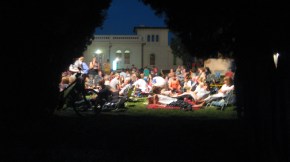

A few months ago, I saw ‘As You Like It’ at the Botantical Gardens… it was over the top and beautiful and funny. I was much taken with the idea of leaving [bad] love letters in the trees that did not rhyme or make sense but were somehow endearing yet for being sincerely felt. Today I did this for You – what faltering words do I have to try and describe You or worship You that haven’t already been said before? Let’s laugh at me together and find me endearing for a whimsical love sincerely felt…
| ACT III SCENE II | The forest. | |
| [Enter ORLANDO, with a paper] | ||
| ORLANDO | Hang there, my verse, in witness of my love: | |
| And thou, thrice-crowned queen of night, survey | ||
| With thy chaste eye, from thy pale sphere above, | ||
| Thy huntress’ name that my full life doth sway. | ||
| O Rosalind! these trees shall be my books | 5 | |
| And in their barks my thoughts I’ll character; | ||
| That every eye which in this forest looks | ||
| Shall see thy virtue witness’d every where. | ||
| Run, run, Orlando; carve on every tree | ||
| The fair, the chaste and unexpressive she. | ||
oooooooo
| TOUCHSTONE | For a taste: | |
| If a hart do lack a hind, | ||
| Let him seek out Rosalind. | ||
| If the cat will after kind, | ||
| So be sure will Rosalind. | ||
| Winter garments must be lined, | ||
| So must slender Rosalind. | ||
| They that reap must sheaf and bind; | ||
| Then to cart with Rosalind. | ||
| Sweetest nut hath sourest rind, | ||
| Such a nut is Rosalind. | ||
| He that sweetest rose will find | ||
| Must find love’s prick and Rosalind. | ||
| This is the very false gallop of verses: why do you | ||
| infect yourself with them? | ||
| ROSALIND | Peace, you dull fool! I found them on a tree. | 90 |
| TOUCHSTONE | Truly, the tree yields bad fruit. |
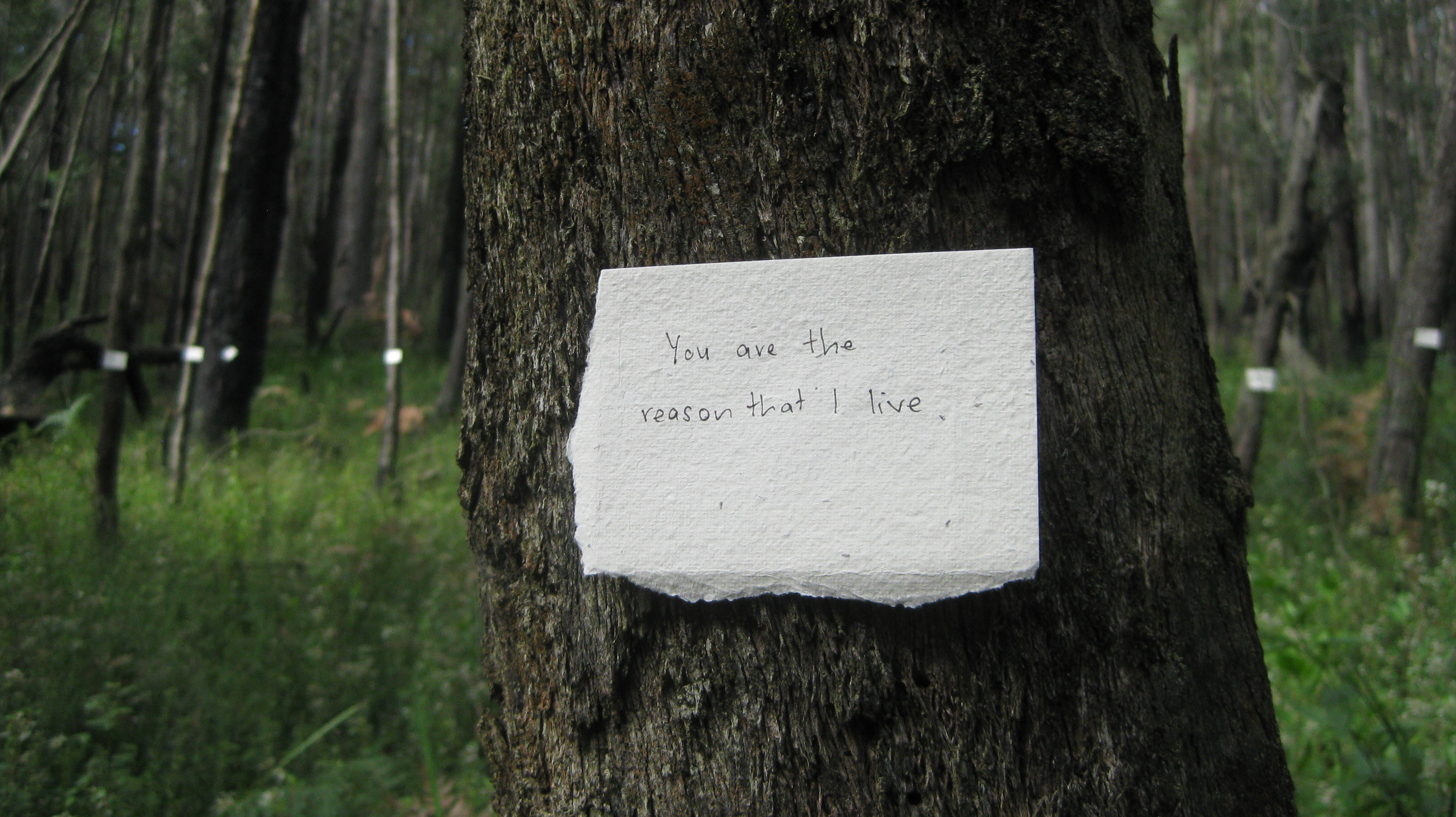
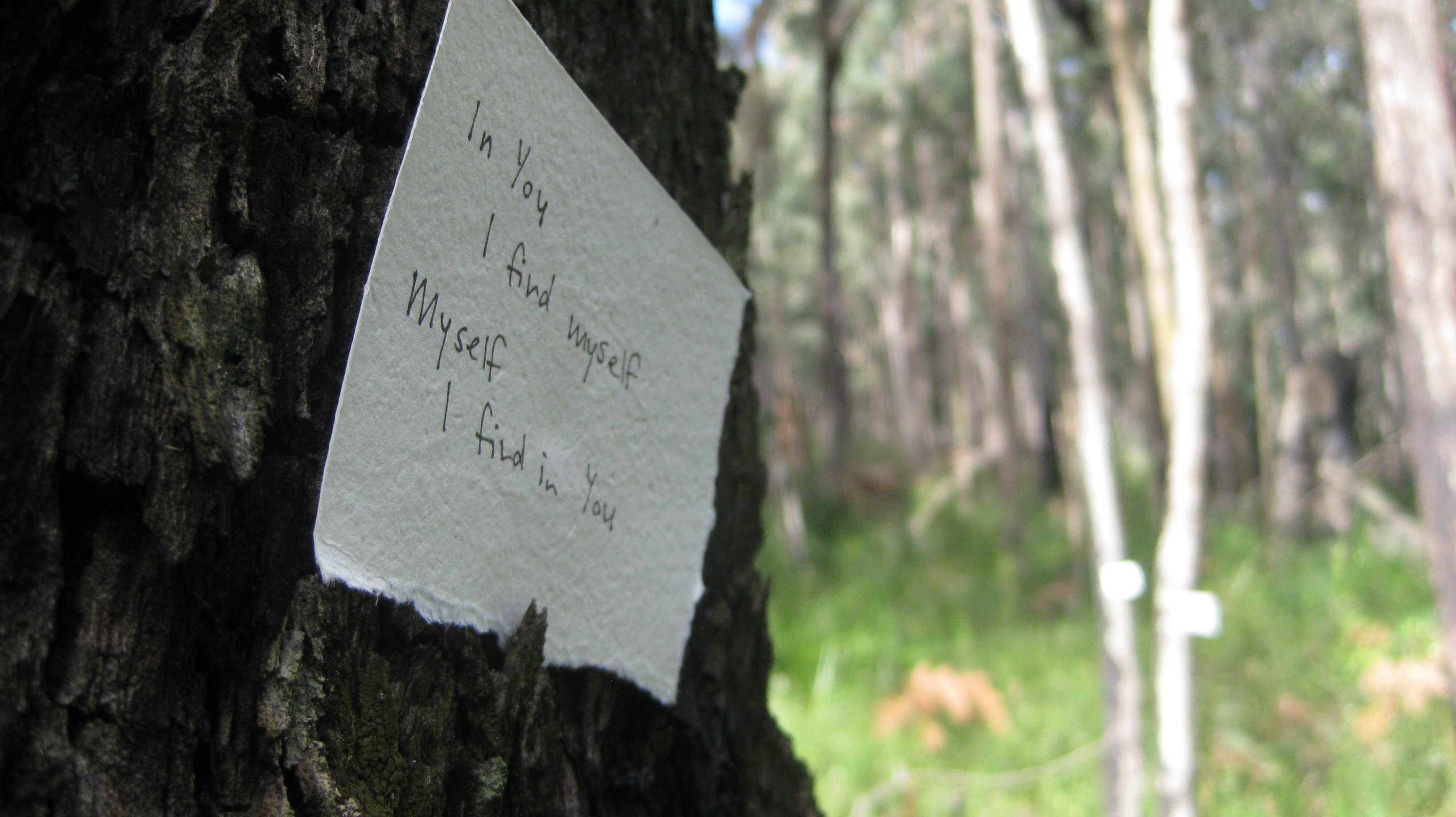
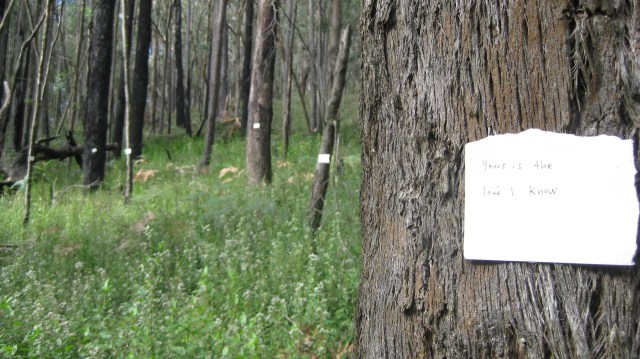
Like Leunig, I don’t suppose I am satisfied with communicating. I want to talk to You in poems and journals, prayers, reading, walks, talks, storytelling, listening and notes left in the trees for You to find. Bio-degradable paper with native daisy seeds in it! But I couldn’t quite bring myself to leave them up. Others won’t know what they are made of and it wouldn’t do to antagonise or pollute in the name of God. How am I to speak of You? How am I to speak to You? Show me the way that You would have me go, step by step and day by day, moving forwards, being found.
3.30pm The Wisdom Hour
p.125 We seek to live a more contemplative life, so that we will not have to wait until we are dying to learn to live… Give us the grace of tender seeing. Help us to recognise and honour the wise one who lives at the core of our being. May we always be open to being taught.
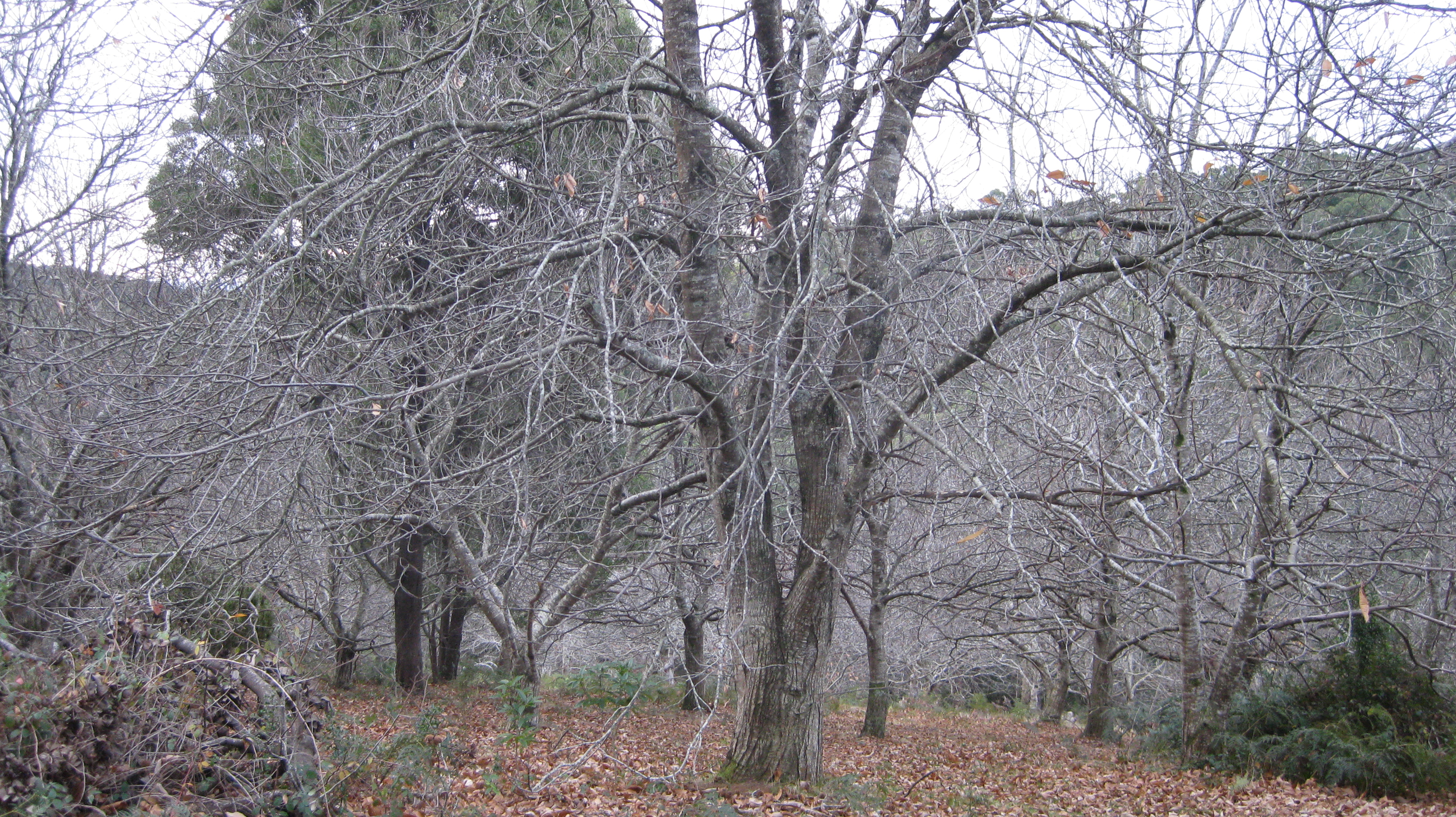
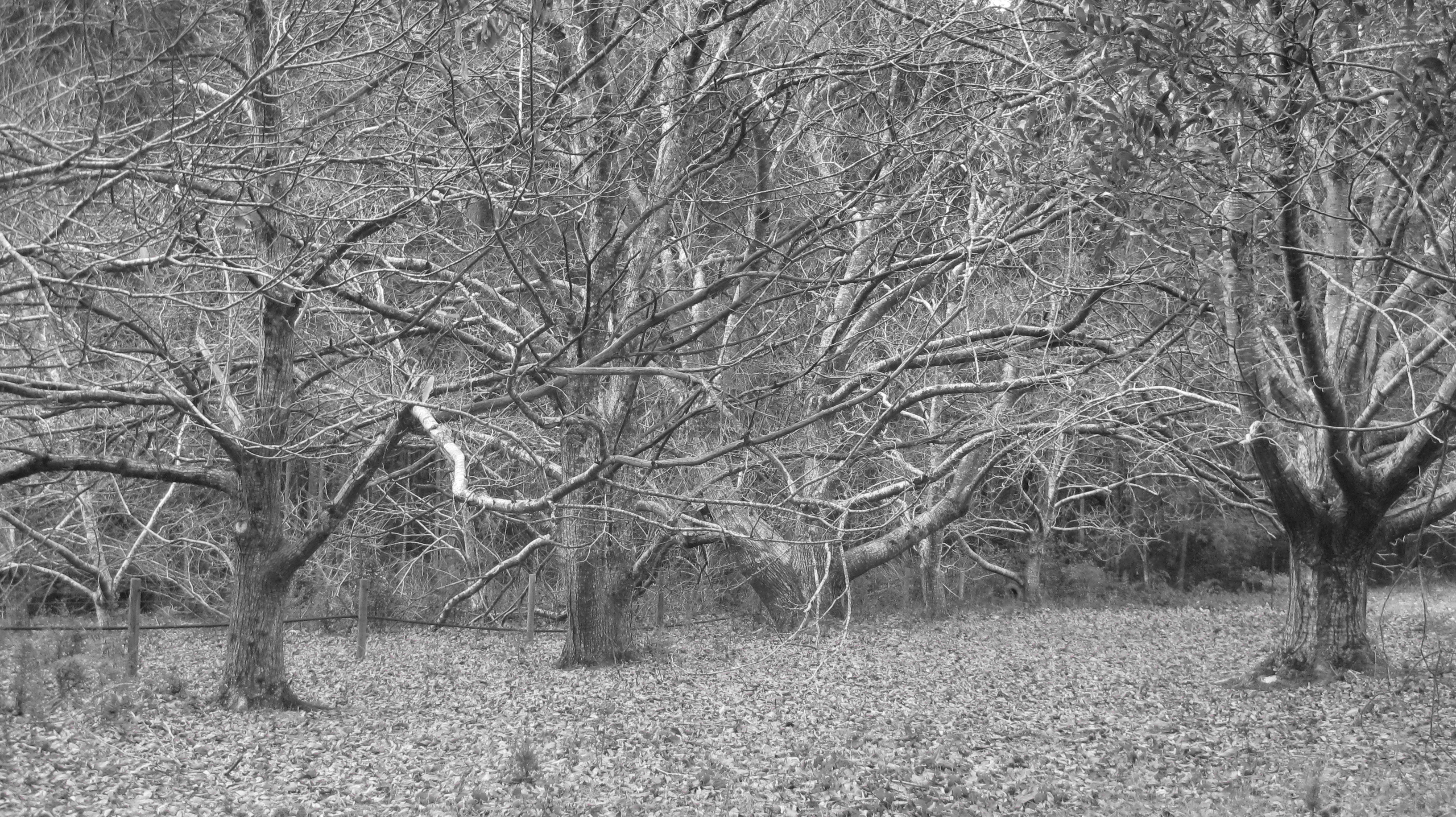
I had a nap in my last “hour”. I wanted to be warm and rest and rest in You. But now, as day deepens, I am out and about again. I might pass this way but once – through the chestnut orchard, qi gong in a clearing… I tried to move like the wuthering wind and the singing bird, holding myself and the others in this space, opening ourselves to You and the tenderness that comes of that – from the holder to the touched. I tried to get to the creek but I did not really know where I was going – all was lush and green and somewhat impassable (at least per this afternoons excursion) and I wandered away to find an old swing hanging low amidst the carpet of fallen orange leaves, walking onwards I have found a tree. A good climber. And here I am, rugged up, in my blanket, in a tree…
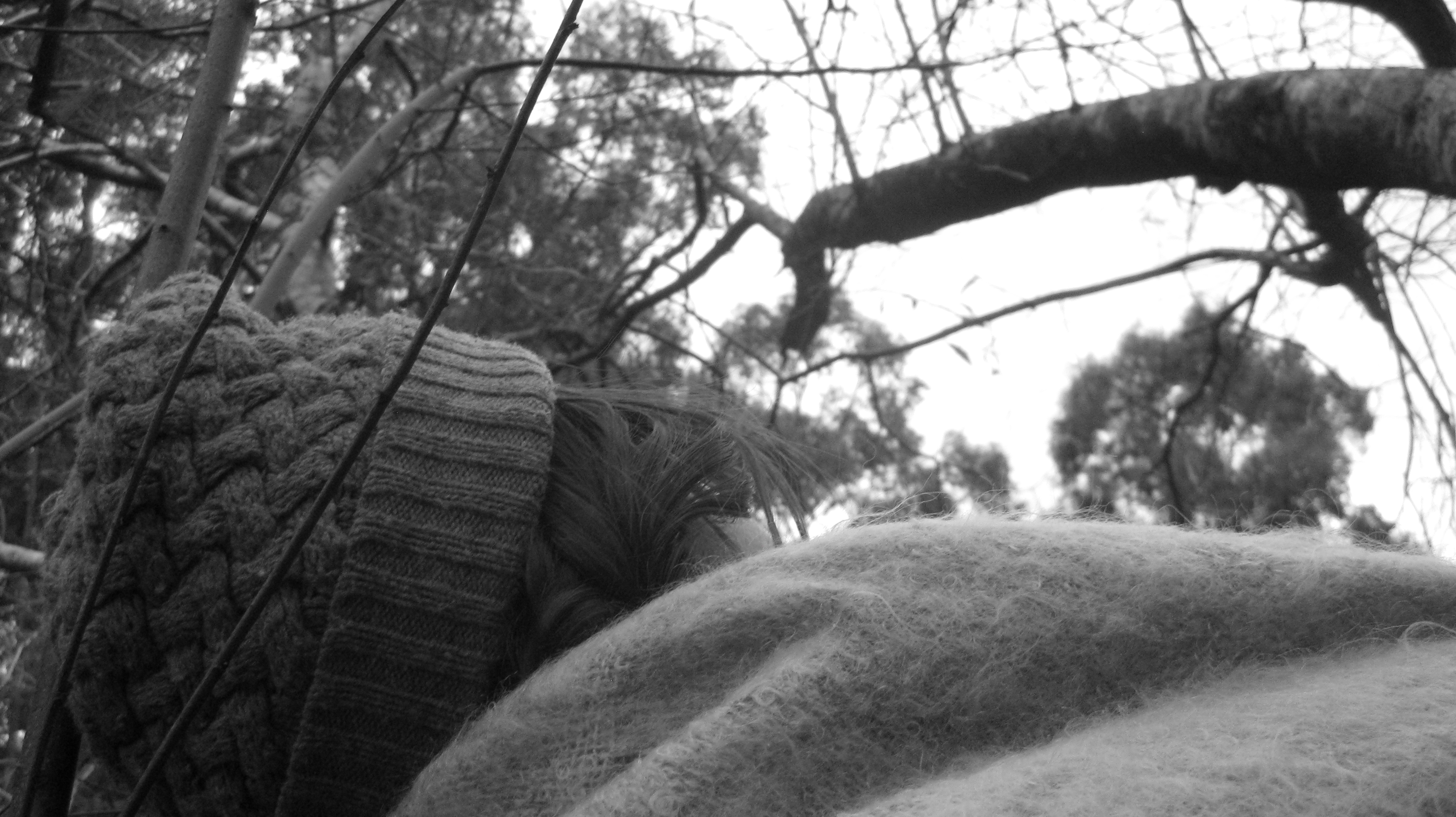
the day is good to me
feeds and fills
there isn’t really silence
just listening
becoming attuned
to the world around
and surrounding me,
to myself and to You.
Talitha Fraser
We have a little halfway house between our cabins where we can share resources… this quote from Teresa was there – so soon after the symposium!
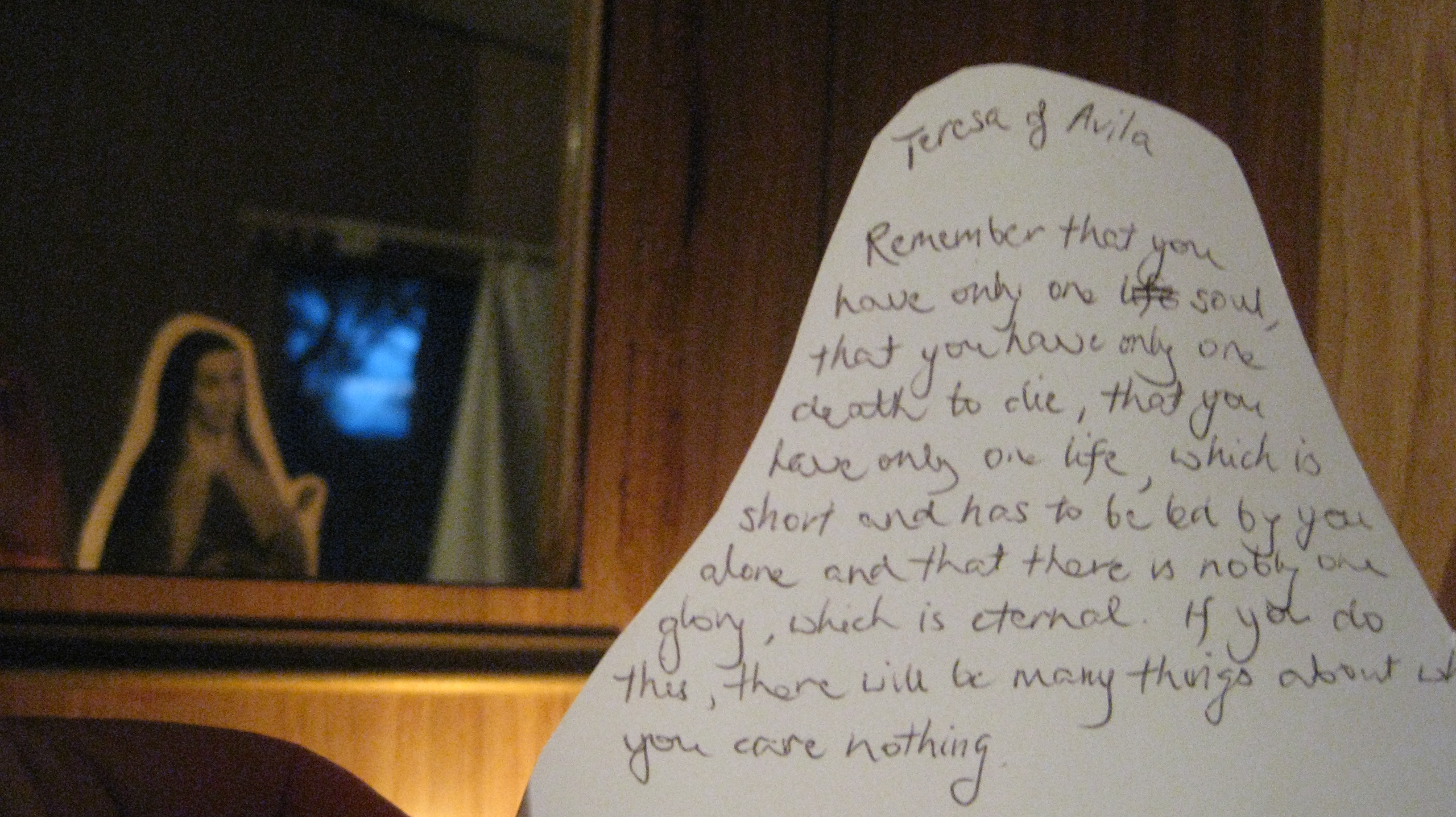
6.30pm The Twilight Hour
p.144 My eyes scan the horizon of your goodness… a thousand colours is your face.
p. 145 …beautiful has been my daily bread.
p. 146 It is well with my soul. All shall be well.
Come, sit at our table. Be present in the bread we break and share.
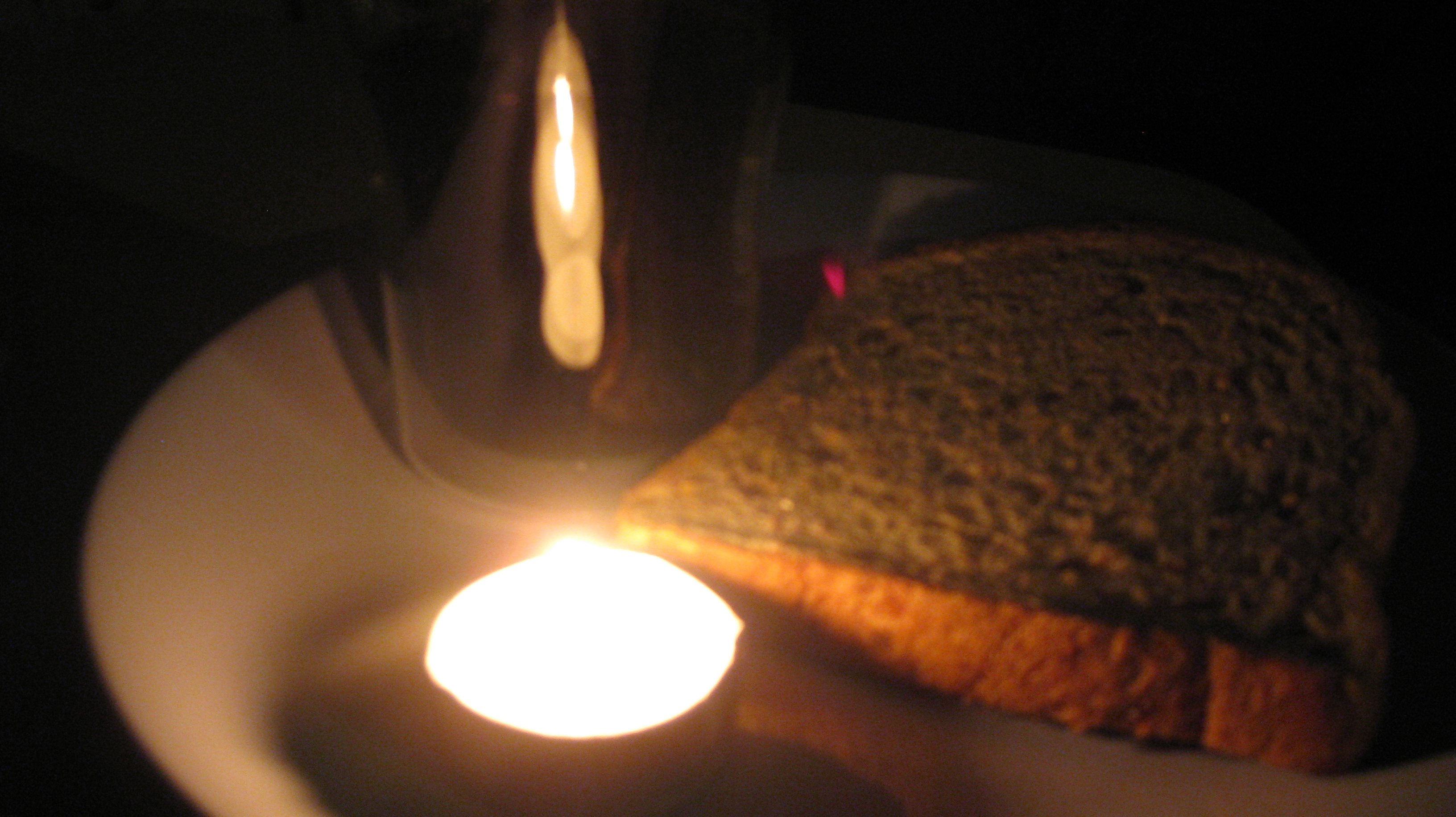 We shared communion, You and I, and I have attempted to set things in order for tomorrow as we will be leaving early – rendered slightly complicated by the power going out but here indeed is living simply after all and, possibly, my cue to go to bed at 8pm at night because it’s dark. I’m in bed and have only a warm glow of a candle to see by – pretty but perhaps not functional… at least for this. Perhaps it depends what you are trying to do… what then by candlelight?
Candles are often romantic light. Softening edges, smoothing out wrinkles. Gentle light for tender things like touch and feelings… holding back the dark. I can be beautiful by this light too. More helpful. More comforted. We take all of who we are wherever we go and while mistrust is a bedfellow so is faith. While loneliness may pay a visit, faith dwells here and I am never alone. In our darkness there is no darkness. And the softness and the sensations and sleep and serenity are all my own.
9pm The Great Silence
p.167-8 O Holy One, in whose light and shadows we 
have journeyed through this day… Remember then…
the powerful and strong searchlight of faith… Let us place ourselves in the protective care of the angels and into the cupped hands of the Divine.
p.168-9 I yearn to be held in the great hands of your heart – oh let them take me now. Into them I place these fragments, my life and you, God – spend them however you want. In this hour of deep silence when all things are hushed, I carve out a space in the darkness for you, O beloved, to dwell.

At Gembrook Retreat Centre for a silent, contemplative retreat using 7 Sacred Pauses [by Macrina Weiderkehr – this text will be used throughout the weekend as a framework for following a monastic rhythm of prayer] – greedy and grasping I have reached for my new journal “making space” despite the sheets remaining for Teresa… I will come back to you Teresa! …but I wanted all of ‘this’, whatever it is, to be in one place and I wanted this clear window of time to feel like a fresh start.
In our pre-sharing there has been an emphasis on soul over mind and body, and moving away from words… I want to encounter You with my mind and body, AND my soul.. You know I want to encounter You with words! I don’t know that I was ‘good’ at the shared silence this evening. Is that a discipline to cultivate? Perhaps I am a kinesthetic listener? We each of us want to seek after You… be found by You. I don’t know if that language is necessarily helpful as You are with me always, it is only that other tasks and work and expectations lead me to spend time elsewhere – the coming together, or encounter, is about re-focusing my lens on You. You know all the things I have in me and with me to do… let me offer them all to use or discard as You see fit.
…I wish I had a week, a month, a lifetime to give over to doing as I felt led. Does anyone really get to do that?
…I am torn between ruefully laughing at how much I clearly didn’t get the living simply component of this weekend and wondering how much it matters to You. Would eating or not eating draw me nearer to You? Travelling more lightly make it easier to reach You? I think I find You where I look for You basically – is that too simplistic? You are everywhere and the Creator of everything so it doesn’t matter if I am lying on a blanket on the grass in the sun, reading the wisdom of the saints, or drawing, or writing, or eating… You provide all things and You are in all things. I need only be present to contemplate You and Your forms.
We have started off with the Night prayers:
[p.168] “I yearn to be held in the great hands of your heart – oh let them take me now. Into them I place the fragments, my life, and you, God – spend them however you want.”
Let this be the yearning, the taking the placing, the spending… for each of us seeking You out this weekend.
wondering how much it matters to You. Would eating or not eating draw me nearer to You? Travelling more lightly make it easier to reach You? I think I find You where I look for You basically – is that too simplistic? You are everywhere and the Creator of everything so it doesn’t matter if I am lying on a blanket on the grass in the sun, reading the wisdom of the saints, or drawing, or writing, or eating… You provide all things and You are in all things. I need only be present to contemplate You and Your forms.
We have started off with the Night prayers:
[p.168] “I yearn to be held in the great hands of your heart – oh let them take me now. Into them I place the fragments, my life, and you, God – spend them however you want.”
Let this be the yearning, the taking the placing, the spending… for each of us seeking You out this weekend.
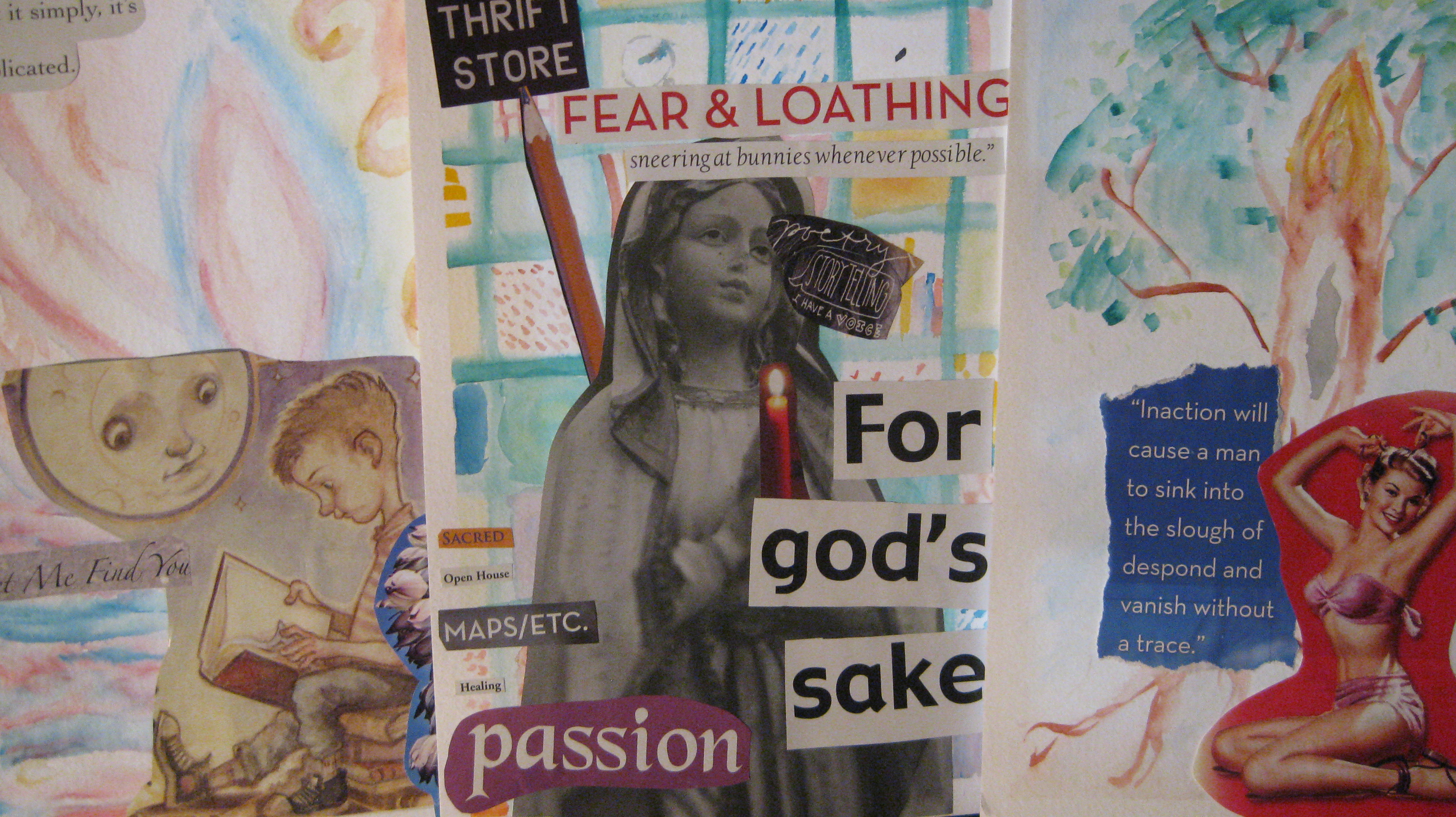 The Purpose behind questions is to intiate the quest ~ Phil Cousineau
Think of a question to ask your inner monk, your inner artist, and the two of them together.
* * *
I am going to start living like a monk…
My body will be attuned to the rhythms
of the seasons and the sacred
Grace will be found in simplicity
and in profound complexity too
the flowers will be my incense and
the canopy of dappled shade the
high arches of my chapel
I will kneel there – in good earth
daisies to dust
I am going to start living like an artist…
I will listen to my body more –
not only my doing-hands but
my dancing-feet, my oustretching-arms,
my glad-heart…
I will live in and move to the
resurrection given to me new
every morning I will learn to move
like water, like butterflies and
be still like stones and breeze-stirred flowers
asking for nothing except to be accepted
for what we are.
I will learn new ways to find You,new ways to follow You,
I will learn anew.
I am going to start living like a mystic…
In the beginning was the Word and
the Word was made flesh, my body
broken for You will speak more
loudly than my lips could ever argue
my silence in solidarity will speak more
than my suppressed, silent sexuality.
The prayers are my knowing You and
You knowing me and give shape to
the extent of my ignorance…
this will burn on a cairn made in
my watershed with these two hands
an offering, a confession, a covenant.
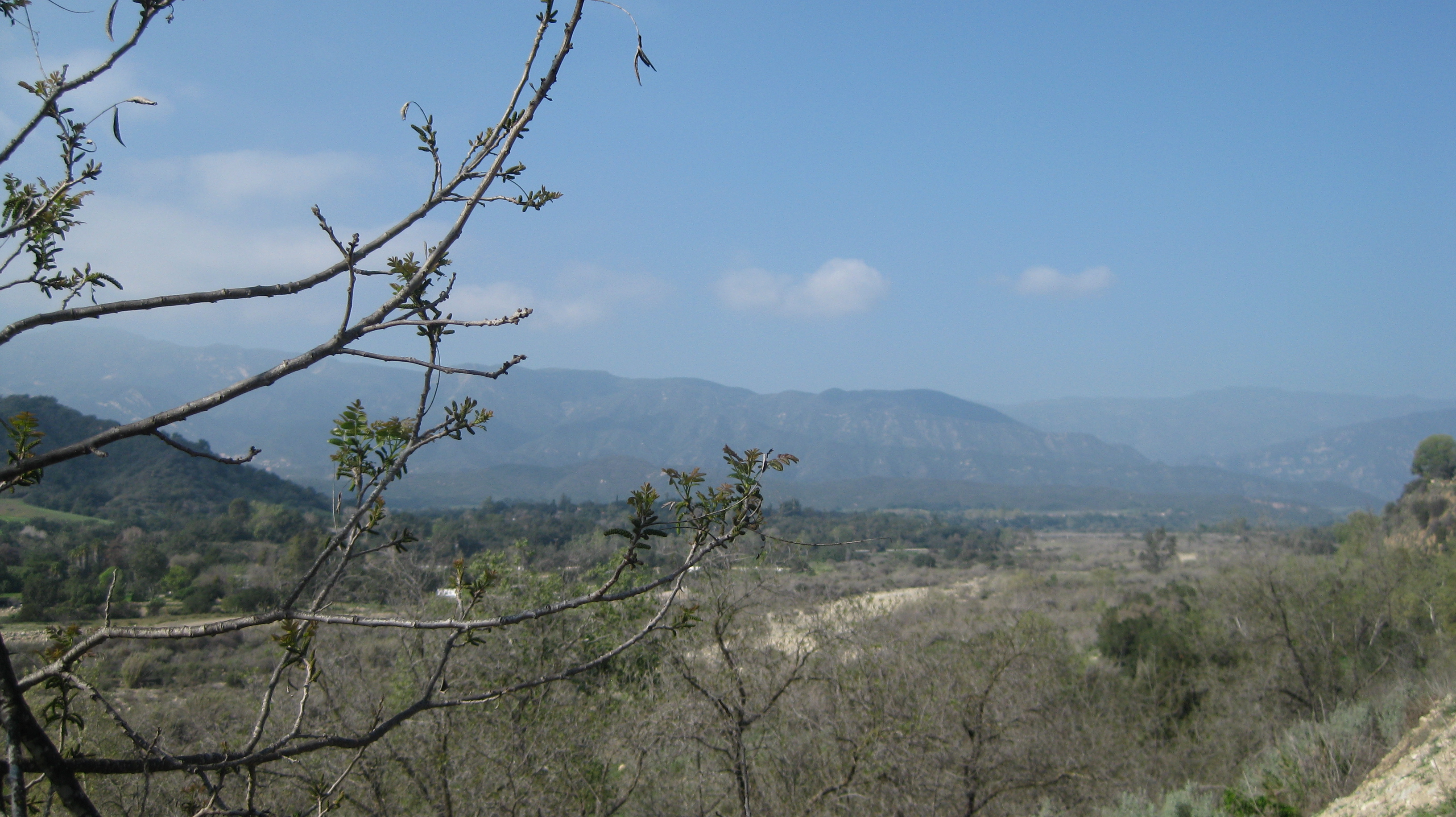
[Earlier this year I had the great privilege and profoundly impacting experience of attending the BCM Kinsler Institute in Oak View, California – a.k.a a clusterfest: part birthday party, part conference, part church, part action planning meeting… – it’s worth noting that I can/am only speaking to my own notes from those sessions I attended and there were generally 5-6 options for every devotional and workshop spot so this is not conclusive coverage and the mistakes are my own. If you’re interested in this kind of reading there’s many more resources, articles and stories at the Bartimaeus Cooperative Ministries (BCM) and Radical Discipleship websites]
Need to be literate in the story.
Jesus underwent formation and had to discern call. Jesus was shaped in/knew his tradition – quoting, embodying, referencing… informs his consciousness and animates his imagination. “As it is written…” rooted in the story.
I will tell you something about stories,
[he said]
They aren’t just for entertainment.
Don’t be fooled
They are all we have, you see,
all we have to fight off illness and death.
You don’t have anything
if you don’t have the stories.
Their evil is mighty
but it can’t stand up to our stories.
So they try to destroy the stories
let the stories be confused or forgotten
They would like that
They would be happy
Because we would be defenseless then.
Silko, Ceremonies
If we forget the stories, we are defenceless. If you aren’t grounded in this story, what are you grounded in? Land you are on is filled with stories – do you know them? Conquest, pain, animals… to be part of restorative justice in that place, need to know the stories.
Jordan is a river of stories (Red Sea) Exodus, Joshua 304. River is flooding, ford to cross. Israelites/Canaanites – Semitic tribes politically, socially and economically aligned with Egypt > tribute to pharaoh. Much as America don’t rule South America but control it through strategic leaders politically, socially and economically. Israel just got free, trying to be free of empire, the land they want is under empire/occupied. This is why they go the long way round. Main roads controlled by Egyptians – undocumented immigrants finding another way >> old story. US Border Patrol, “boat people” in Australia. Chasing them or keeping them out. “The Man” holds the roads, bridges, fords…believe in a God who troubles the water. Ch.3 full chapter of ritual. The ark has to go first – carrier of the tablets. Instructions on how to be non-Egyptian. We are following a Way. Symbol – religious, social, cultural… Cherubim holding up a seat, empty, un-king. Manna economics, non-hierarchal structure of mutual aid. Ritual. Dip feet. Pick up stones, 12 stones, take them to the other side and build a cairn, 12 tribes. Alternative body politic with no king. Build a cairn on the Jericho side. Statement > attack Jericho. Dancing in the teeth of empire – started with going down to the river and getting stones. When Jesus goes down to the river – he dives down into the river – diving for stones. Lost the symbols because we’ve forgotten the stories or gotten confused about them. Elijah passing the mantle to Elisha (discipling) > first thing Jesus does is call disciples like Elisha did.
Apprentice of kingdom, land and story. Need to go into the left side of our bible to make sense of the right side – which constantly references the first half. New Testament stories are re-placed and re-grounded in the Old Testament.
Invites us as disciples to do the same. Let us be disciples of the kingdom as Jesus was, of land as Jesus was, of story as Jesus was. Scripture study informing out political and theological practice.

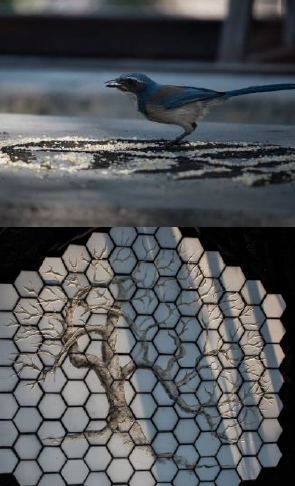
Artist Manuel Cisneros, a native of Guanajuato, Mexico, came to California 12 years ago. The physical labor of moving large boulders around was satisfying, and the contemplative nature of balancing and composing his sculptures fed his soul. Often, he doesn’t know what a sculpture is going to look like until it’s finished; he enjoys the way the rocks, wind and ocean waves work their own magic on him. (quote from the Ventura County Reporter, 12/24/2014)
(photo credit: Mayra Stark)
Song:
Siyahamba (Zulu, we are walking in the light of God)
Siyahamba ekukhanyeni kwenkos yoyo’,
Siyahamba ekukhanyeni kwenkos’.
Siyahamba ekukhanyeni kwenkos’,
Siyahamba ekukhanyeni kwenkos’.
[ekukhanyeni kwenkos’]
Siyahamba… ooh
[Siyahamba, hamba, Siyahamba, hamba]
Siyahamba ekukhanyeni kwenkos’.
[ekukhanyeni kwenkos’]
Siyahamba… ooh
[Siyahamba, hamba, Siyahamba, hamba]
Siyahamba ekukhanyeni kwenkos’.
Song:
Christ came down that we might have love x 3 (hope, peace, joy…)
Hallelujah forever more
Song:
We shall not give up the peace
We have only started x3
Together we can work it out
If we only listen
Together we find victory
Hand holding hand
Song:
You shall be like a garden
Like a deep spring
Whose waters never fail (Isaiah)
Mark 14: wasted ointment – waste/efficiency/frugality – breaking in with intimacy?
 Think about making something of ourselves or making ourselves nothing. Called to “be a loser”. Exodus: survival – significance – justifies the risk. I am now privileged. Christian domain – homeless, penniless… What are we leaving for our children that matters? Can’t crap in the living room, that will affect the whole house. We’re all dirt. All full of shit. Good soil or bad? Loving God and loving neighbour – generosity and hospitality.
Seriousness is a symptom of empire. Unless you have lightness, levity, joy, self-deprecating humour… your software has taken on the operating system of empire > fruits of the spirit (live in THAT!). Need to detoxify ourselves of empire. THEN reach out – physically, emotionally, spiritually… was Jesus a great prophet but failed evangelist? Message of surrender that no one wants to hear.
Song:
Guide my feet while I win this race x3
Oh I don’t want to run this race in vain
Light my path…
Hold my hand…
Set my feet…
(Kinsler Institute photo essay)
This emphemeral art piece was created by Ted
Lyddon Hatten:”…when you are looking at something
you know isn’t going to last from bud to bloom or a
baby that will grow… you appreciate it differently”
Opportunity to hear from a variety of grassroots theological education initiative practitioners – use/addiction recovery model, small mission-minded groups, mentors + mission with intensives…
Seminary – comes from the word ‘seed’
Borders – places of convergence.
If we do our job properly then we should not be sure if we are in church or a classroom or at an organising meeting or in a field. Welcome to the “clusterfest”. Planting, reaping, harvesting > movement building, church renewal or social uprising?
(cont.) …I had to educate others. Survival – keep getting up and moving forward. Always a chance to change the world around us. I couldn’t say that to others if I wasn’t doing – want to disrupt the system have to allow my voice at the table to describe what it looked like from the inside. Have to do everything I can so it doesn’t happen to anyone else. ‘Children’s Defence Fund’.
Teach leadership development that is spiritually grounded and organisational skills.
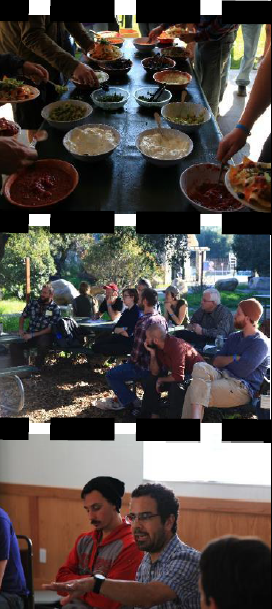
Workshop V: Immigrant Rights Organising – Guillermo Torres
We do advocacy. When undocumented people are picked up they are held by the police and then turned over to Immigration. Police are not qualified to make decisions about immigration. Principles like these get used to abuse day labourers: utilise them then don’t pay them – they have no protection or right of redress.
What is the faith response to the crisis of children coming from South America? Have a vigil. Visit them and check the conditions where they are being held. Want to do more than pray… got together key faith leaders, politicians, service provision stakeholders and a refugee to tell her story. People that came to the US and were arrested for crimes then were sent home to Honduras and El Salvador – her house was in the middle of a gang shoot out… hunger… coldness… two days on a bus… rash… boy fell off the raft she was on and a another woman went into the water to get him… family were separated… father sent back to Honduras, they had no money and he is the main provider for their family… makes no sense? Kids who arrive in the US under 18 years of age get fast tracked and are given 7 days to make a case for why they should be allowed to stay. Waves of immigration during the wars > became gangs in LA (shared language and friends) > deported back to El Salvador and keep gang structure.
(Kinsler Institute photo essay)
How do we connect to the children who have arrived? To their faith? To lawyers? To supplies? What if we created a collective network?
How do we find out where the kids are when this is confidential? Invited the people who might have that information to come to the meeting. What are the biggest needs?
250 kids were funded to get legal support, only operating at 40% because couldn’t reach more kids/families.
What can the church offer as special/unique gifts?
Love, compassion, justice – what moves you? …need to know what motivates groups.
Moral authority “self-interest” motivated by love and call of God on hearts – how are we awakened to our deepest connections? John 17:21 strategy > hope and compassion. Eph 2 implicit and explicit – explain and if you have to, use words. Immigrants become involved in advocacy and non-immigrant partners. Some politicians identify as religious – an interfaith response might canvas that, clergy bring influence and members bring influence.
Further reading on the Faith Communities Contribution to Unaccompanied Migrant Children see: Guardian Angels, Clergy and Laity United for Economic Justice of Los Angeles (CLUE-LA).
See also Our God is Undocumented – Ched Myers
Workshop VI: Messianism vs. Christology – Jim Perkinson
Christianity needs to be redefined, transformed, reframed…
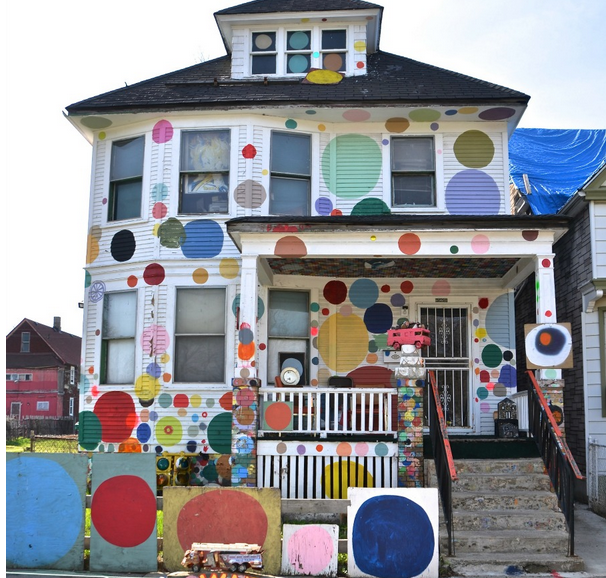
Google image search “The Heidelberg Project” – economic decline saw many factories closing and abandoned housing > lots of rubbish. This project using refuse as art attracts 2000 people a year – a community art project that is constantly evolving. Step out of art protocols – make people and places speak beauty. Utilises non-human actors: stones, water, clouds, doves, snakes… what is indigenous to the area. Detroit taught me to speak in tongues – use a difference vocab than your cognisance recognises. An African dance has motion/rhythm/call and response/exchange and a heightening of energy – they are learning how to speak the land, let them have space inside our bodies. The totem animal/plant has been there longer and knows how to survive. What voice is speaking in you? Big question. We are what we eat – is my ancestor my grandfather or possum or grubs? More honest to tell the story that way.
Domesticating ecology and dominating… 10,000 years domesticated plants, 500 years later domesticated animals to help with domesticating plants, now mostly metal technologies through fossil fuels. Functioned in band societies of c.150 people or less (most of us still only engage with about that number of people). We are not hardwired to violence – when have we lived not destructively? What do we have to learn from that period? Pastoral nomadism as resistance… Genesis 1-2-3… domestication happened as a result of the Fall not “advancement”, Cain and Abel – the farmer kills the pastoral nomad then builds the first city. Replacement for Abel is Seth (replacement), Inosh (vulnerable one) and Inoch (full metal jacket) > two lines out of Eve. Son of Man/Human One not Christ or Rabbi. Kibor Inosh in Daniel (one like the vulnerable one)… history of empire and kingship – Samuel – you will come to regret this… Saul, David, Solomon… 1&2 Samuel/1&2 Kings = forced labour of men and harems of women. Pastoral nomadism has counter imperial values. Abram first thing, leave the city, take animals, become herder, trees of Moray…
3 angels visit. Urban Sodom is degrading visitors.
David/Daniel/Isaiah – how does Jesus talk about them? Messianism
Abraham – hospitality
Moses – lives off the land
Elijah – fed by ravens > hunting
David – on the run renegade shepherds, playing the lyre, shamanic tradition
Paul – Galilean movement
Indigenous people are calling us to return not for in a forward spiral. To them space – organic life and everything else – squirrel and a rock have the same vitality.
Further reading: Principalities and Powers – Walter Wink
Building in cities represent the harnessed energy of animals, minerals, humans – they are still energised but they are warped. Bloated and starving. Hungry ghosts. “I am Legion” complexity of singular and plural. Internalised scribal principalities. Exorcises the people and the first thing that happens is people start asking “What was that? Haven’t seen that before!” >start asking questions.
Me. You. God has hundreds of faces. Return wild vitality to them. Jesus puts mud and spit on blind eyes and asks: “Can you see?”. Artists take mud caps and paint and ask us “Can you see?” The project was bulldozed twice and burned nine times – not everyone thinks it’s beautiful. Folk art marking it out as beautiful – as vital. Shocks you into recognition of where you are. Ethnic cleansing is happening through tax/mortgage/water cut offs. Detroit is seen as a blight and a problem. A deep weapon for surviving is codifying beauty out of pain: spirituals/blues/jazz/R&B/gospel/soul/funk/techno/hiphop… old school and underground forms… tagging, breakdancing, turntabling…Pain made into beauty.
Reflections from our chaplains
Lots of tensions/paradoxes:
Take seriously – not too seriously
Local – global
Find voice – listen
Be still – dance
Articulate – sit in silence
Doing a lot – not doing enough
Isaiah 37:31 root downwards, fruit upwards.
Sometimes find ourselves with less time, less money, less love, less support than we would want. Not called to imitate as they did but the way they incarnated the Word/Spirit of God in their lives.
Digging down deeper – public acts of liturgy might encourage someone to go a little further.
Imaginative capacity – how do we expand this for ourselves and our imaginations. Easier to imagine another world than our own neighbourhood being radically different, incarnating a deeper imagination.
Moving from strength to strength:
The main thing is to keep the main thing the main thing – fuel, safe space, fresh air, spark rekindled.
Celebrate and nurture faithfulness. Courageous is the loving thing to be.
Movement – called to shine light not be stars, workers not heroes, move justly and lightly on the earth. “The world seen clearly, not sharp eyes but eyes moistened with tears…” Margaret Atwood.
Passion and compassion that leads us. Themes: touch my wound, leave sorrow behind >go to lead and feed.
Pick up seed and carrying it away – store, feed family, drop… grow
 I have carried this book 7 Sacred Pauses in my handbag for months – I was invited to a contemplative retreat where this is the tool used to frame the rhythm of prayer and I wanted it to be familiar. If I posted here everytime I’ve copied out a passage of the book in my journal I would have breached copyright by now – pulled it out on the bus, in my lunch hour, waiting on someone to show up… incidental rather than disciplined sacredness but it sings to my soul and I highly recommend it (if you’re into that sort of thing).
Macrina Wiederkehr, Seven Sacred Pauses, .p62
Gently lay your hands upon your lips, longing for the grace to speak only words that are helpful this day. Remember the words that you have already spoken. You cannot take them back. Bless them and let them go.
O Word Made Flesh, stand guard at the gate of my mouth. Be my voice this day that the words I speak will be healing, affirming, true and gentle. Give me wisdom to think before I speak. Bless the words in me that are waiting to be spoken. Live and abide in my words so that others will feel safe in my presence. Surprise me with words that have come from you. Oh, place my words in the kiln of your heart that they may be enduring and strong, tempered and seasoned with love and resilience. Give me a well-trained tongue that has been borne out of silent listening in the sanctuary of my heart. May my words become love in the lives of others.
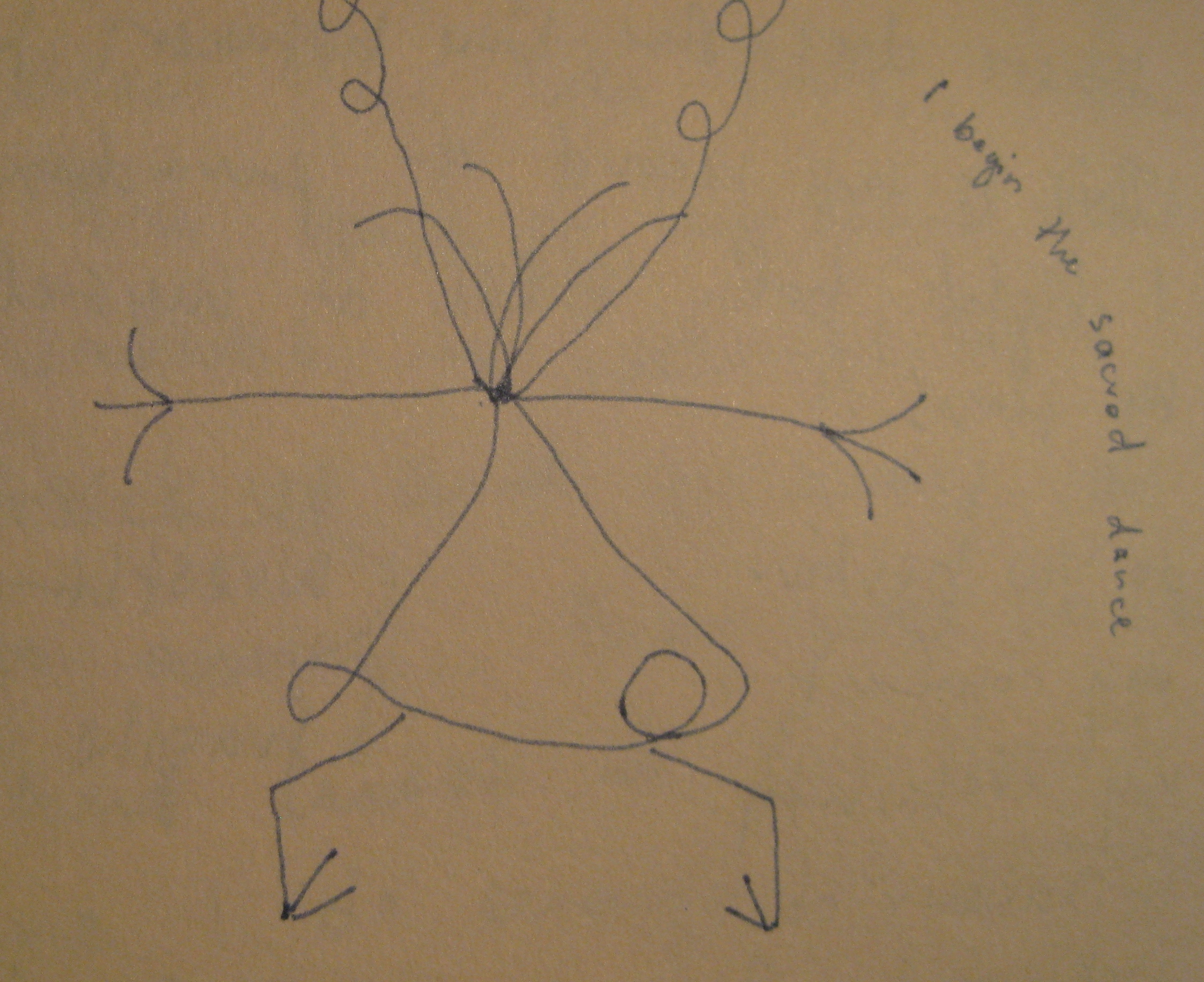
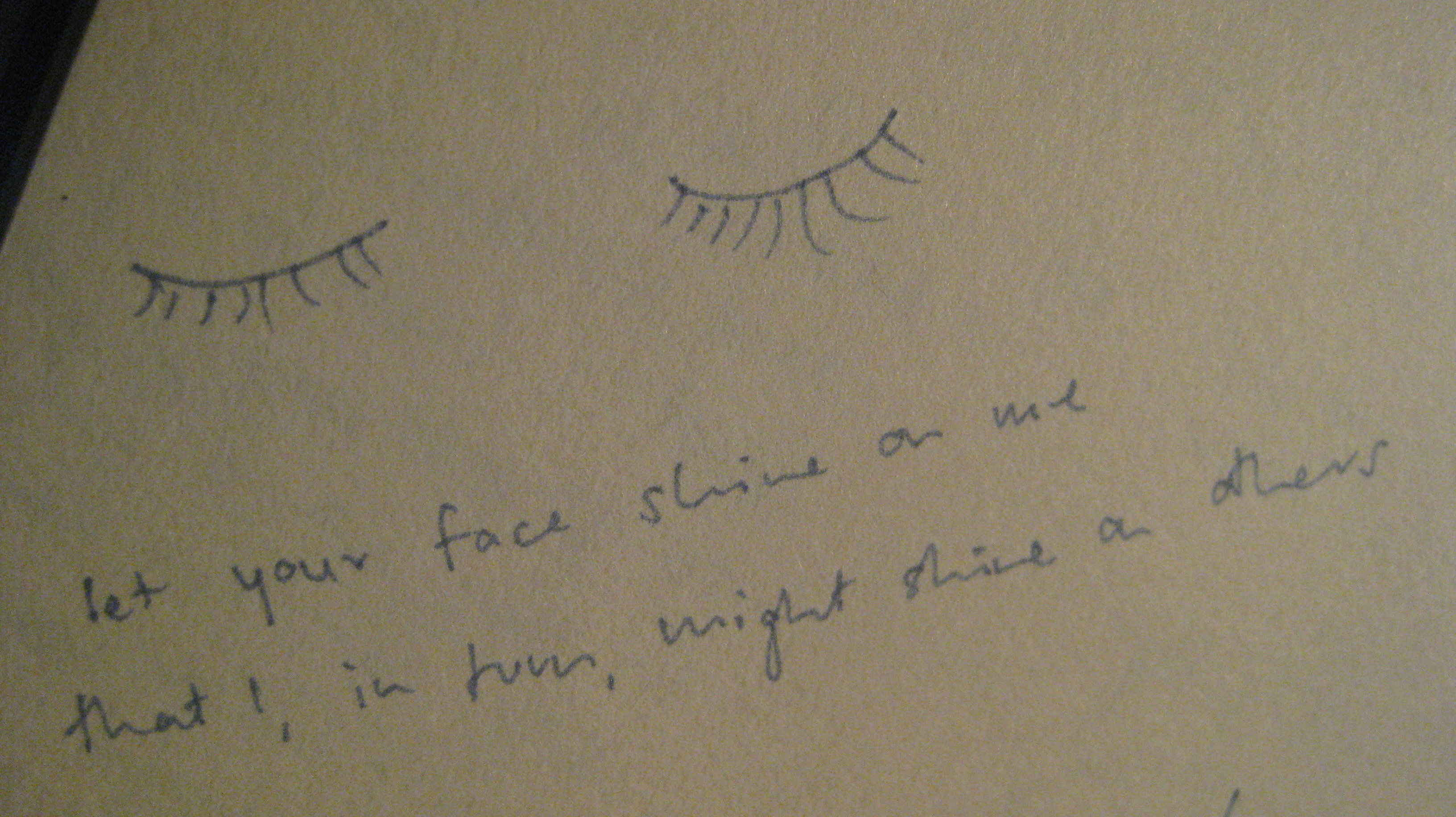
 itellyouarise